15 Ng. 100 Đ. Nguyễn Xiển, Thanh Xuân Nam, Thanh Xuân, Hà Nội 100000
15 Ng. 100 Đ. Nguyễn Xiển, Thanh Xuân Nam, Thanh Xuân, Hà Nội 100000
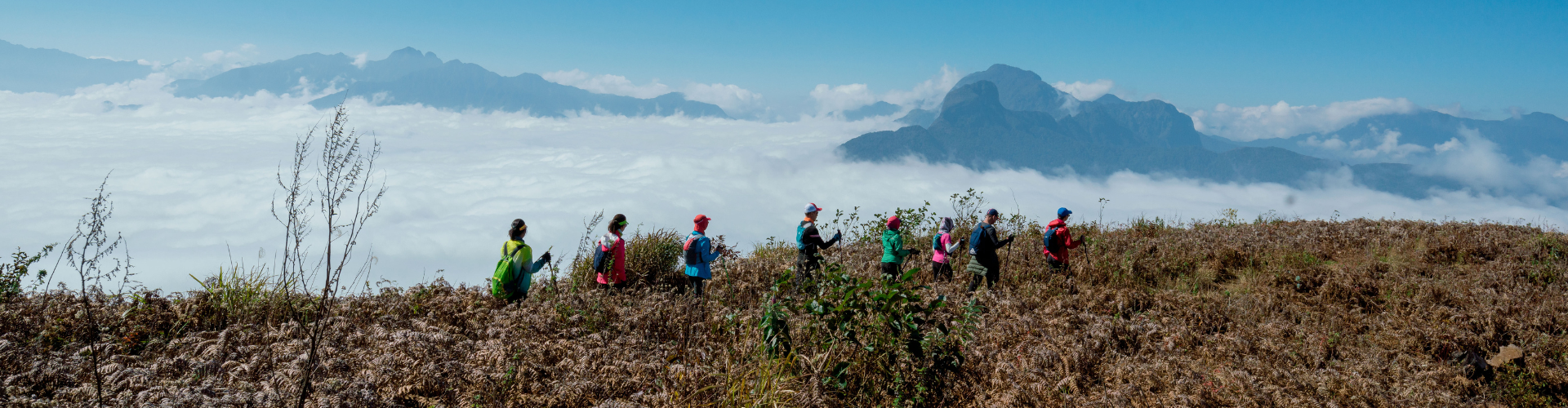
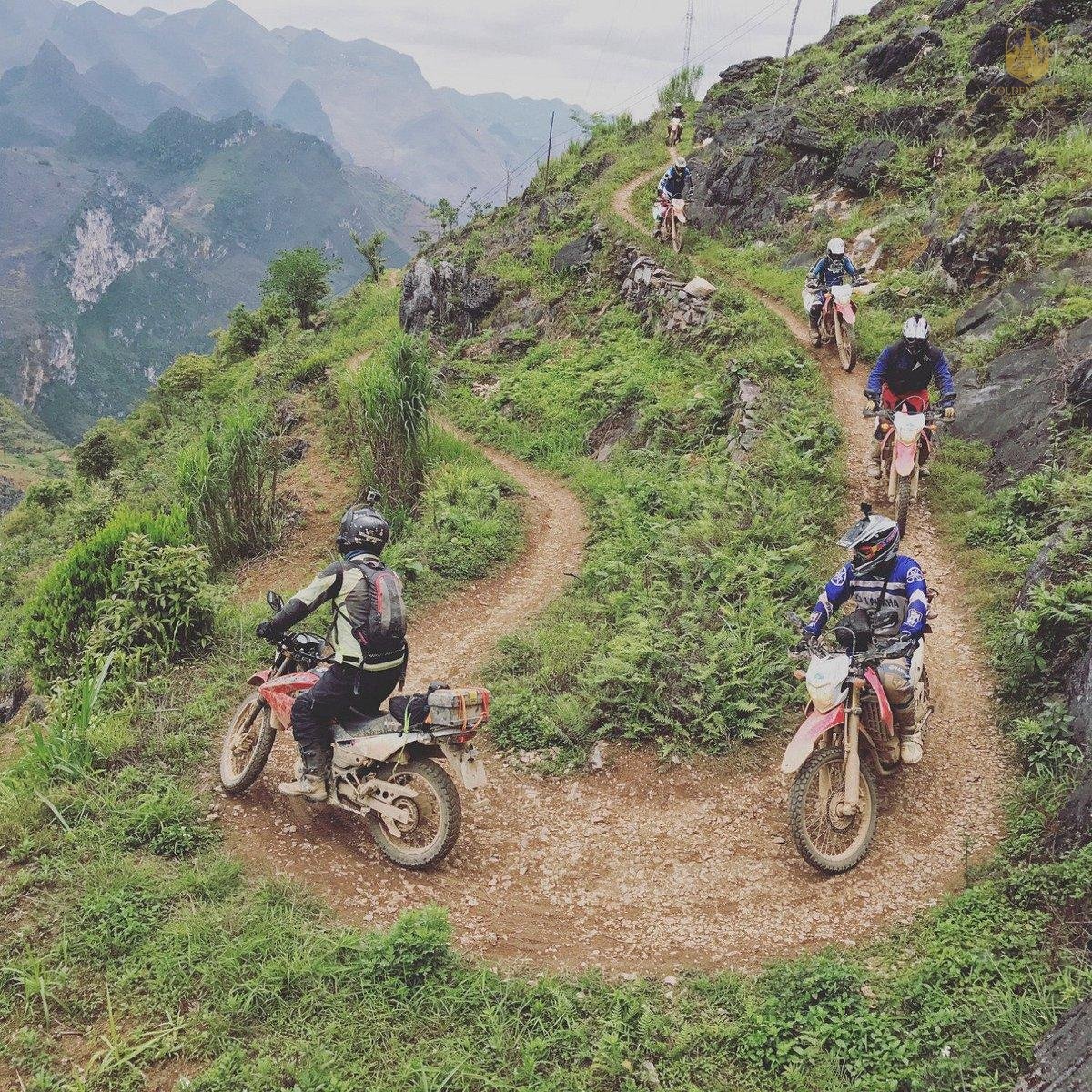
The name Ha Giang echoes with the promise of adventure, often conjuring images of the legendary motorbike loop, a thrilling pilgrimage through some of Vietnam’s most spectacular landscapes. The photos are iconic: dizzying passes, jagged karst mountains, and the sense of freedom that comes from navigating the open road. But for all its breathtaking beauty, the loop can often be a fleeting glimpse, a panoramic postcard that captures the landscape but not its soul. You admire the winding roads and the distant peaks, but you miss the stories etched into the very stones of this incredible place.
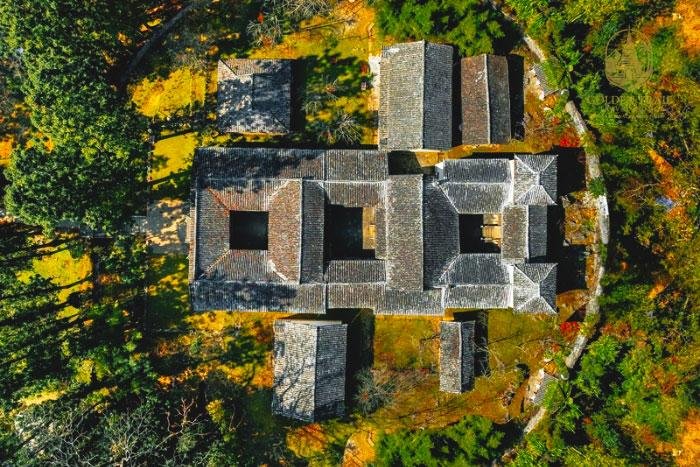
There is a profound, more intimate, and infinitely more rewarding way to experience the heart of this magnificent region. It is a journey that moves at a slower pace, trading the speed of an engine for the rhythm of history: a deep dive into the resilient and vibrant cultural heart of Ha Giang, with the Vuong Family Palace at its core. This is not just a sightseeing trip; it is a gateway into a world where a powerful Hmong king ruled a forgotten realm, where ancient customs met colonial power, and where the echoes of a rich and turbulent history are still a living, breathing reality. The Vuong Family Palace is not merely a stop on the loop; it is a destination in itself, a living museum that tells a story of power, wealth, and a fascinating cross-cultural legacy.
This comprehensive guide is your definitive resource for planning, preparing for, and embarking on a truly life-changing journey to this historical landmark. We will explore the fascinating history of the "King of the Hmong," the remarkable architecture of his palace, and the enduring legacy he left behind. We will provide a detailed look into what makes a cultural tour so special and give you all the practical information you need to prepare for this profound journey. For a truly seamless, safe, and authentic experience guided by a team of local experts, consider booking with Golden Trail Travel & DMC, a trusted leader in responsible and authentic travel in Northern Vietnam. Their deep connections with local communities ensure a truly authentic experience, and you can begin your journey into the heart of Vietnam's hidden soul with a single click: https://goldentrailtravel.com/.
To truly appreciate the grandeur of the Vuong Family Palace, you must first understand the man who built it: Vuong Chinh Duc. He was no ordinary man; he was the de facto king of the Hmong people in the Dong Van region, a figure of immense power and influence during the early 20th century.
The story of Vuong Chinh Duc is inextricably linked to the history of the opium trade in the region. During the French colonial period, the French authorities recognized the strategic importance of the Hmong highlands and the economic potential of the opium poppy, which grew exceptionally well in the rocky terrain. Vuong Chinh Duc, a shrewd and charismatic leader, consolidated his power by controlling the production and sale of opium to the French. He leveraged this monopoly to build an immense personal fortune and establish a dynasty that would rule over the Hmong people in the region. He was given a title by the French, and his rule was absolute. He was a feudal lord, a military leader, and a political powerhouse, all rolled into one. His power was so absolute that the Hmong people referred to him as the "King of the Hmong."
The relationship between Vuong Chinh Duc and the French was complex. On one hand, he was a key ally, a local leader who could keep the peace and ensure the flow of opium. On the other hand, the French were wary of his immense power and the possibility of him challenging their authority. Vuong Chinh Duc, in turn, was a master of political maneuvering. He used the French to consolidate his power and to establish a unified Hmong kingdom in the region. He also used his wealth to build a formidable private army, a move that allowed him to maintain his independence and to deter any threats, both from the French and from rival ethnic groups. The Vuong Family Palace was a symbol of this power, a fortress that was both a home and a military stronghold.
The reign of Vuong Chinh Duc came to an end with his death in the 1940s. His son, Vuong Chi Sinh, inherited the kingdom, but the political landscape of Vietnam was changing rapidly. The French colonial rule was coming to an end, and the Vietnamese revolutionary movement was gaining momentum. Vuong Chi Sinh, unlike his father, was a nationalist who supported the revolutionary cause. He used his family's wealth and influence to help the revolution, a move that would eventually lead to the preservation of the palace. Today, the palace stands as a monument to this forgotten chapter of Vietnamese history, a symbol of a dynasty that rose to power on the backs of the opium trade but ultimately chose a different path.
The Vuong Family Palace is a stunning architectural marvel, a unique blend of three distinct styles: Hmong, French (colonial), and Chinese. The palace was meticulously designed to be both a home and a fortress, a symbol of power and a place of beauty.
The architecture of the Vuong Family Palace is what makes it so unique. It is a testament to the wealth and influence of Vuong Chinh Duc, who was able to commission a team of skilled craftsmen from three different cultures to build his home. The palace is a perfect example of a cross-cultural exchange, with each style lending its own unique elements to the final design.
Hmong Style: The Hmong influence is evident in the general layout of the palace, which is built on a high ground and is designed to be a self-contained unit. The palace is also built with a traditional Hmong stone wall, which is a common feature of Hmong homes in the region. The use of local materials, such as pomu wood and the local stone, is also a testament to the Hmong influence.
French (Colonial) Style: The French influence is evident in the overall design of the palace, which has a distinct European flair. The palace has a symmetrical layout, with a central courtyard and two side wings. The use of arched doorways, wrought iron railings, and glass windows is also a testament to the French influence. The palace has a certain grandeur that is reminiscent of a European chateau, a stark contrast to the traditional Hmong homes in the region.
Chinese Style: The Chinese influence is evident in the intricate carvings and decorations that adorn the palace. The palace is decorated with beautiful carvings of dragons, phoenixes, and other mythical creatures, which are symbols of power, prosperity, and longevity in Chinese culture. The use of Chinese characters on the doors and the roofs is also a testament to the Chinese influence. The Chinese style is a beautiful and intricate part of the palace's overall design, a testament to the close cultural and economic ties between the Hmong and the Chinese.
The palace was built with the finest materials available, a testament to the immense wealth of the Vuong family. The palace is built with a local stone that is known for its durability and its beautiful color. The stone was carefully selected and cut to fit together perfectly, without the need for mortar. The use of stone is a symbol of the family's strength and their unshakeable power.
The most valuable and beautiful material used in the palace is pomu wood, a rare and expensive type of cypress wood that is known for its beautiful color, its durability, and its fragrant aroma. The entire palace, from the doors and the windows to the furniture and the decorations, is made from pomu wood. The wood is not just a building material; it is a symbol of the family's wealth and their power. The fragrant scent of the wood still lingers in the palace today, a testament to the timeless beauty of this architectural masterpiece.
A visit to the Vuong Family Palace is like stepping back in time. The palace is a living museum, and a walk through its grounds is a journey through a forgotten era of Ha Giang's history.
Your journey begins at the main gate, a grand entrance that is both beautiful and intimidating. The gate is flanked by two large stone walls that are decorated with intricate carvings of dragons and other mythical creatures. The walls are not just for decoration; they are a symbol of the family's power and their ability to protect their kingdom. The gate is a warning to those who would challenge the king's authority, and it is a welcome to those who come in peace.
The palace is built around three main courtyards, which are a symbol of order and harmony in Chinese culture. The courtyards are open to the sky, and they are surrounded by the main buildings of the palace. The courtyards are a place of peace and tranquility, a perfect contrast to the rugged and unforgiving landscape of the Ha Giang highlands. The courtyards are where the family would gather for ceremonies, for celebrations, and for daily life. They are the social and spiritual heart of the palace.
The First Courtyard: This is the public space, where guests and visitors would be welcomed. The courtyard is a large, open space that is surrounded by a series of smaller buildings. This is where the family would hold meetings, greet guests, and conduct business.
The Second Courtyard: This is the private space, where the family's living quarters and the ceremonial hall are located. The courtyard is a more intimate space, and it is a place of peace and tranquility. This is where the family would relax and spend time together.
The Third Courtyard: This is the most private space, where the family's most sacred and personal belongings are stored. This is also where the family's ancestors are honored, and it is a place of spiritual significance.
The main building of the palace is a masterpiece of architecture and design. The building is a two-story structure with a series of rooms that are a testament to the family's wealth and their power. The main hall, which is located in the center of the building, is a grand and beautiful space. The hall is decorated with intricate carvings of dragons and phoenixes, and it is a symbol of the family's power and their prosperity. The hall is where the family would hold ceremonies, receive important guests, and celebrate special occasions. The rooms on the second floor are the private living quarters of the family, with a series of bedrooms and a study. The rooms are beautiful and comfortable, with large windows that offer a stunning view of the surrounding mountains.
Today, the Vuong Family Palace is a national historical monument and a living museum. It is a place where you can learn about the history of the Ha Giang highlands, the fascinating story of the Hmong people, and the complex relationship between the French and the local ethnic groups. The palace is a testament to the resilience of the Ha Giang people and their ability to preserve their cultural heritage in the face of change.
A visit to the Vuong Family Palace is an essential part of any Ha Giang itinerary, but to truly appreciate its history and its cultural significance, you need a professional and knowledgeable guide.
Attempting to navigate the history of the Vuong Family Palace without a professional local guide is not recommended. The palace is not just a building; it is a complex and fascinating story that is best told by a local expert. A professional guide from a tour operator like Golden Trail Travel & DMC is your most valuable asset. They will:
Provide Historical Context: A guide will tell you the story of Vuong Chinh Duc, his rise to power, and his complex relationship with the French. They will explain the political climate of the time and the significance of the opium trade. This is the difference between seeing a building and understanding a story.
Explain Architectural Details: A guide will help you to understand the unique architectural blend of the palace. They will point out the intricate carvings, explain the symbolism, and tell you the story of the pomu wood. They will help you to see the details that you would otherwise miss.
Act as a Cultural Bridge: Your guide will act as a bridge between you and the local communities. They will help you to understand the cultural significance of the palace and the importance of its preservation. This is the key to unlocking a truly authentic and meaningful experience.
Seamless Logistics: Golden Trail Travel & DMC handles everything from transportation and accommodation to meals and emergency planning. You don't have to worry about a thing; all you have to do is focus on the breathtaking scenery and the profound cultural immersion. This is especially important in a remote and rugged region like Ha Giang.
A trip to the Vuong Family Palace is a journey to a world of kings and dynasties, of power and wealth, and of a rich and turbulent history. To ensure your journey is safe, seamless, and deeply meaningful, consider booking with Golden Trail Travel & DMC. Your first step into the heart of Northern Vietnam is just a click away: https://goldentrailtravel.com/.
Absolutely. The Vuong Family Palace is not just a building; it is a symbol of a forgotten chapter of Vietnamese history. Its unique architecture, its rich history, and its cultural significance make it a must-visit destination for anyone interested in history, culture, and architecture.
A visit to the palace typically takes about 1-2 hours. This gives you enough time to explore the grounds, to see the intricate details of the architecture, and to learn about the history of the Vuong family. If you are with a guide, the visit may take a bit longer, as they will provide a detailed and engaging tour.
Yes, there is a small entrance fee to the palace. The fee goes towards the maintenance and preservation of the historical site. The fee is typically included in the price of a guided tour, and it is a small price to pay for the opportunity to explore this incredible historical landmark.
The palace is open year-round, but the best time to visit is during the dry season, from September to December. The weather is cool and dry, and the views of the surrounding mountains are stunning. The buckwheat flowers are also in bloom during this time, creating a beautiful and colorful backdrop for your visit.
Yes, you are allowed to take photos inside and outside the palace. The palace is a beautiful and photogenic location, and you will have plenty of opportunities to take stunning photos. However, it is important to be respectful of the historical site and not to touch any of the artifacts or the buildings.
While you can visit the palace on your own, a guided tour is highly recommended. A guide will provide you with the historical context and the cultural insights that you would otherwise miss. They will bring the palace to life, telling you the stories of the people who lived there and the events that shaped their lives. A guided tour is the key to unlocking a truly profound and meaningful experience.
Review 1: "Our Ha Giang tour with Golden Trail Travel & DMC was a truly transformative experience, and the highlight was without a doubt our visit to the Vuong Family Palace. I've been to many historical sites in Vietnam, but the palace was something else entirely. Our guide, Minh, was an expert on the local history. He brought the palace to life with his stories, and he helped us to understand the complex history of the region. I highly recommend Golden Trail for their professionalism and their commitment to authentic, responsible travel." - Sarah B., United States
Review 2: "As an avid traveler, I was looking for something more than just a scenic view. The cultural tour delivered. The landscapes are even more spectacular when you know the stories of the people who live on them. The highlight for me was sitting in the courtyard of the palace and listening to our guide tell us the story of Vuong Chinh Duc. The feeling of being so far away from the modern world, surrounded by ancient traditions, was indescribable. Golden Trail Travel & DMC has a fantastic team and a great understanding of what a real cultural tour is all about. I'll be back for more!" - David L., Australia
Review 3: "Our group booked a private tour with Golden Trail Travel & DMC, and the experience exceeded all our expectations. The itinerary was perfectly tailored to our interests, and the experience was flawless. We were able to disconnect from the modern world and truly immerse ourselves in the beautiful mountains and the rich history of the Ha Giang region. The visit to the Vuong Family Palace was the highlight of the trip. I'm so grateful for this unforgettable adventure. Thank you, Golden Trail, for making it all happen!" - Chloe M., Canada
A journey to the Vuong Family Palace is more than just a visit to a historical site. It is a journey to a world of kings and dynasties, of power and wealth, and of a rich and turbulent history. It is a journey that allows you to feel the pulse of the land and to connect with its people in a way that is truly special. It is a powerful reminder that some of the greatest rewards in life are found not in luxury and comfort, but in simple, genuine human connection. It is a cultural tour that fosters a profound sense of connection, and a visual feast that will be etched in your memory forever.
To embark on this life-changing adventure with the peace of mind that comes from a safe and professionally organized tour, consider Golden Trail Travel & DMC. Their expert guides, commitment to authenticity, and impeccable planning will ensure your Ha Giang cultural tour is the adventure of a lifetime. Your first step into the heart of Northern Vietnam is just a click away.


.jpg "The Epic Cycling Adventure: Rediscovering Your Soul on Two Wheels")
.jpg "The Ultimate Trekking Expedition: A Journey Beyond Boundaries")
.jpg "The Ultimate Guide to Trekking Cao Bang Vietnam: Journey Through the Realm of Mountains and Waterfalls")
.webp "Cuc Phuong National Park Day Trip")
.jpg "Pu Luong Nature Reserve: An Ethereal Journey into Vietnam’s Hidden Eden")