Luang Namtha: Gateway to Laos' Untamed North – An Eco-Adventure Through Pristine Jungles and Diverse Cultures
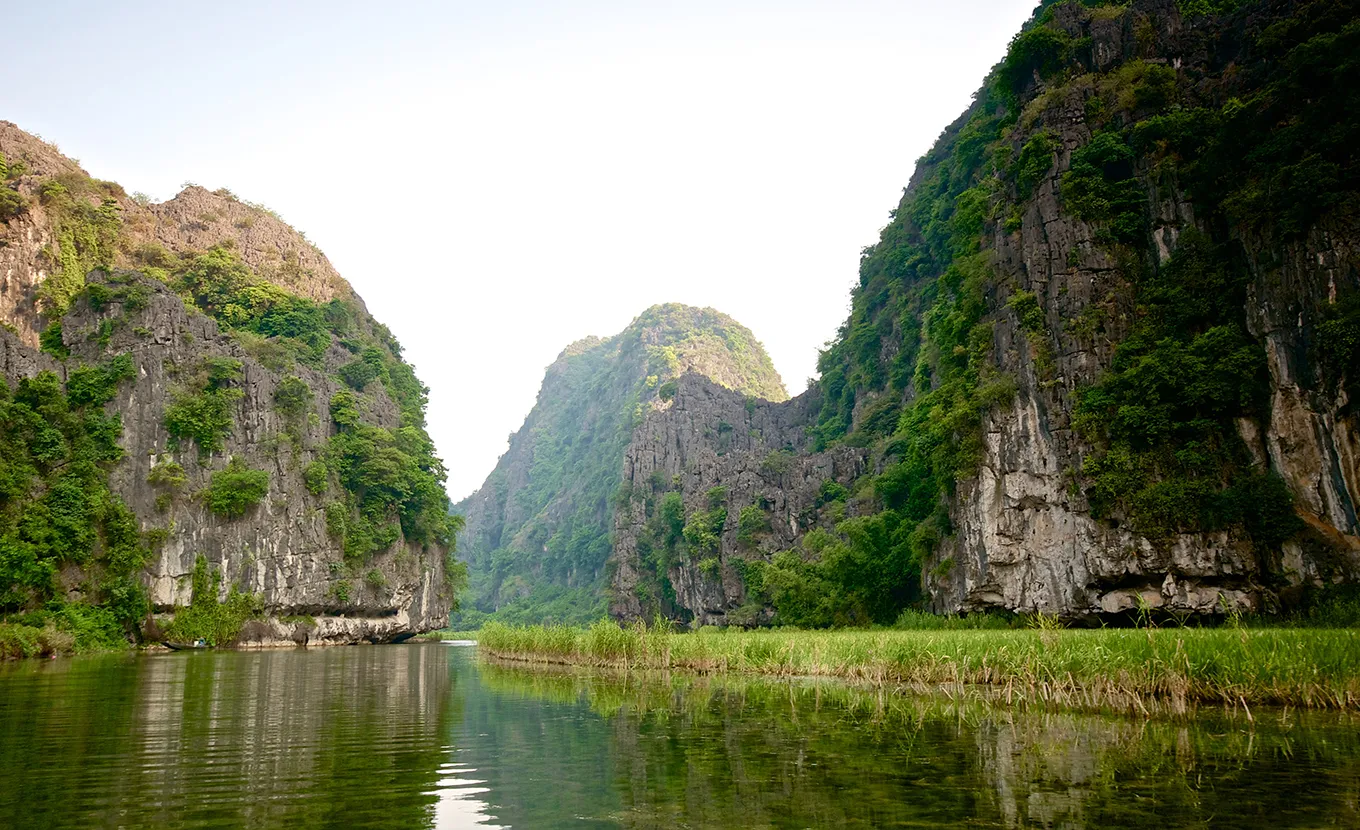
(Image: A captivating wide shot of lush, rolling hills and dense jungle in Luang Namtha, perhaps with a winding river or a distant ethnic village, showcasing its natural and cultural richness.)
For the adventurous spirit seeking an escape into the truly wild heart of Laos, a journey to Luang Namtha Province in the country's remote northwest is an absolute must. Often overshadowed by more famous destinations, Luang Namtha is the quintessential eco-tourism hub, a vibrant tapestry of pristine wilderness, breathtaking biodiversity, and a remarkable mosaic of over 20 distinct ethnic groups. This is a land where ancient traditions thrive amidst a backdrop of towering mountains, winding rivers, and the dense, protected forests of the Nam Ha National Protected Area. It's a destination that promises not just a trip, but a profound immersion into sustainable adventure and authentic cultural exchange.
At Golden Trail Travel, we believe in crafting journeys that go beyond the ordinary, and Luang Namtha perfectly embodies our philosophy of authentic, responsible, and unforgettable exploration. Join us as we unveil the magic of Luang Namtha, guiding you through its untamed landscapes, introducing you to its warm-hearted people, and revealing why this remarkable province should be at the very top of your eco-adventure travel list.
1. Introduction: Luang Namtha – The Eco-Tourism Capital of Laos
In an era where sustainable and responsible travel is increasingly vital, Luang Namtha stands out as a pioneering example of community-based eco-tourism in Laos. Situated in the country's mountainous northwest, bordering China and Myanmar, this province serves as a crucial gateway to remote and untouched landscapes. Its name, derived from the Nam Tha River that flows through it, evokes a sense of natural beauty and adventure.
Luang Namtha is celebrated for its commitment to preserving its natural environment and supporting its incredibly diverse ethnic populations. It's a place where trekking through the jungle isn't just an activity, but an opportunity to learn about traditional forest livelihoods, and where visiting an ethnic village offers a genuine cultural exchange that directly benefits the local community. The jewel in its crown is the Nam Ha National Protected Area (NPA), a vast expanse of primary forest recognized by UNESCO as an ASEAN Heritage Park, and a designated ecotourism destination.
This comprehensive guide will delve deep into the essence of Luang Namtha, providing you with all the information you need to plan an unforgettable journey. From its awe-inspiring natural wonders and vibrant cultural experiences to practical travel tips and responsible tourism practices, we aim to inspire and inform, preparing you for an adventure into Laos' untamed north.
2. Geographical Splendor: A Landscape Forged by Wilderness
Luang Namtha's geography is as dramatic as it is diverse, a rugged landscape shaped by ancient geological forces and the life-giving flow of its rivers. The province is characterized by its mountainous terrain, with peaks reaching over 2,000 meters, and its extensive network of rivers and streams that feed into the Mekong.
2.1. The Nam Ha National Protected Area (NPA): A Biodiversity Hotspot
(Image: A lush forest scene within the Nam Ha NPA, perhaps with mist or sunlight filtering through the canopy.)
The cornerstone of Luang Namtha's eco-tourism appeal is the Nam Ha National Protected Area, one of Laos' most significant conservation areas. Covering over 2,224 square kilometers, the NPA is a pristine expanse of primary and secondary forest, home to an incredible array of biodiversity. This includes rare and endangered species such as tigers, clouded leopards, Asiatic black bears, gibbons, and over 300 species of birds. While sightings of large mammals are rare due to their elusive nature and the density of the forest, the sheer scale and untouched beauty of the NPA are awe-inspiring.
The NPA's diverse ecosystems range from evergreen forests and bamboo groves to wetlands and high-altitude grasslands. It's a living laboratory for botanists and a paradise for birdwatchers and nature enthusiasts. Sustainable trekking and kayaking are the primary ways to experience its natural wonders, always accompanied by experienced local guides who understand the delicate balance of the ecosystem.
2.2. The Nam Tha River: The Lifeline of the Province
The Nam Tha River is more than just a geographical feature; it is the lifeblood of the province, giving Luang Namtha its name. Originating in the mountains near the Chinese border, it flows south, carving its way through the province before joining the Mekong River. The river provides irrigation for rice paddies, supports a rich aquatic biodiversity, and serves as a crucial transportation route for local communities living along its banks. Kayaking and rafting on the Nam Tha offer a unique and exhilarating perspective on the province's natural beauty and the quiet rhythm of rural life.
2.3. Rolling Hills and Fertile Valleys: Agriculture and Community
While mountainous, Luang Namtha also features fertile valleys, particularly around Luang Namtha town itself, where rice paddies stretch out, shimmering green in the wet season and golden in the dry. These valleys are crisscrossed by smaller rivers and streams, supporting diverse agricultural practices. The interplay of mountains, rivers, and cultivated land creates a visually stunning and ecologically rich landscape, where human communities and nature are intricately linked.
3. Cultural Tapestry: A Mosaic of Ethnic Identities
Luang Namtha is one of Laos' most ethnically diverse provinces, a true melting pot where over 20 distinct ethnic groups coexist, each with its own language, customs, traditional dress, and unique cultural expressions. This rich cultural mosaic is arguably Luang Namtha's most compelling feature, offering unparalleled opportunities for cultural exchange.
3.1. The Akha People: Keepers of Ancient Traditions
(Image: A group of Akha women in their distinctive traditional headdresses.)
The Akha are one of the most recognizable and numerous ethnic groups in Luang Namtha. Known for their elaborate and distinctive silver-adorned headdresses worn by women, the Akha maintain strong animistic beliefs and a unique social structure. Their villages, often built on hillsides, offer a glimpse into a way of life that has changed little over centuries. They are skilled artisans, particularly in weaving and silversmithing.
3.2. The Khmu People: Resilient and Resourceful
The Khmu are one of the largest ethnic groups in Laos and have a significant presence in Luang Namtha. They are known for their resilience, resourcefulness, and deep knowledge of the forest. Traditionally hunter-gatherers and swidden (slash-and-burn) cultivators, the Khmu are skilled in basket weaving, fishing, and cultivating rice and other crops. Their communities are often found along riverbanks and in lower mountainous areas.
3.3. The Lanten People: Masters of Indigo Dyeing and Paper Making
The Lanten (also known as Yao or Mien) are a smaller but culturally distinct group in Luang Namtha, renowned for their mastery of traditional crafts. They are particularly famous for their indigo dyeing techniques, producing beautiful dark blue fabrics, and their traditional paper-making using bamboo pulp. Visiting a Lanten village offers a fascinating insight into these ancient skills.
3.4. The Tai Dam, Tai Leu, and Tai Neua People: Rice Cultivators and Weavers
These Tai-speaking groups are prominent in the valley areas, particularly around Luang Namtha town. They are skilled rice farmers and are well-known for their beautiful handwoven cotton textiles, often featuring intricate patterns and natural dyes. Their villages are characterized by traditional wooden houses on stilts and bustling daily life centered around agriculture and weaving.
3.5. Other Diverse Groups: Hmong, Mien, Lao Huay, and More
Beyond these major groups, Luang Namtha is home to a myriad of other ethnic minorities, including the Hmong (known for their vibrant embroidery), Mien (distinct from Lanten), Lao Huay, and many more, each contributing a unique thread to the province's rich cultural tapestry. This incredible diversity makes Luang Namtha a living laboratory of anthropology and a truly enriching destination for cultural exchange.
3.6. Festivals and Ceremonies: A Window into Ancient Beliefs
Participating in or observing a local festival is an unparalleled opportunity to experience Luang Namtha's vibrant culture firsthand. These ceremonies, often tied to agricultural cycles, animistic beliefs, or Buddhist traditions, are rich in music, dance, communal feasting, and traditional rituals. While specific dates vary, rice planting and harvesting ceremonies, as well as New Year celebrations of different ethnic groups, are common throughout the year. Visitors are often welcomed with warmth and generosity, offering a unique insight into the spiritual heart of these communities.
4. Things to Do in Luang Namtha: An Eco-Adventure Awaits
Luang Namtha is an outdoor enthusiast's dream, offering a plethora of activities centered around eco-tourism and cultural immersion.
4.1. Trekking in the Nam Ha NPA: The Ultimate Jungle Experience
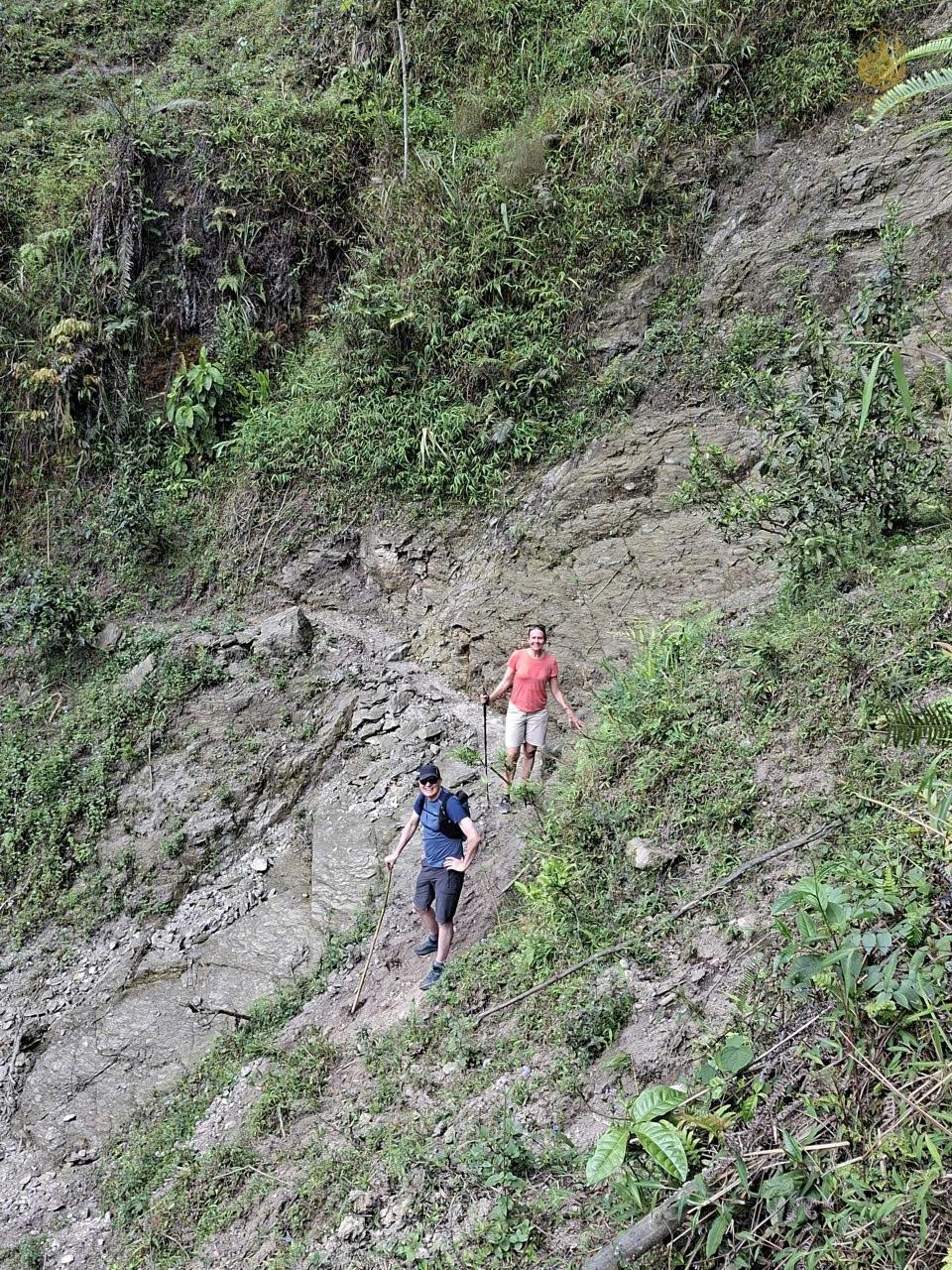
(Image: Trekkers walking on a narrow jungle path, surrounded by dense foliage in Nam Ha NPA.)
Trekking is the quintessential Luang Namtha experience. Guided treks, ranging from half-day excursions to challenging multi-day expeditions with overnight village stays, lead you deep into the Nam Ha National Protected Area. These treks offer:
- Wildlife Spotting: While large mammals are elusive, your guide will point out birds, insects, and signs of larger animals.
- Flora Exploration: Learn about medicinal plants, jungle fruits, and the incredible diversity of the forest ecosystem.
- Community Immersion: Many treks include visits to ethnic minority villages (Akha, Khmu, Lanten, etc.), providing opportunities for genuine cultural exchange, learning about traditional livelihoods, and often including homestays.
- Waterfalls and Natural Pools: Discover hidden waterfalls and refresh yourself in natural pools along the way.
Important Note: Always hire a certified local guide for trekking in the NPA. They are essential for safety, navigation, and ensuring your visit is respectful and beneficial to local communities. Golden Trail Travel works exclusively with certified local guides.
4.2. Kayaking and Rafting on the Nam Tha River: A Different Perspective
(Image: People kayaking on the Nam Tha River, with lush jungle on the banks.)
Paddling down the Nam Tha River offers a thrilling yet peaceful way to explore the province. Kayaking or rafting tours:
- Scenic Views: Enjoy stunning views of the jungle, limestone karsts, and riverside communities from the water.
- Village Visits: Stop at remote villages accessible only by river, engaging with locals and observing daily life.
- Wildlife Observation: Spot various bird species, monitor lizards, and other riverine wildlife.
- Multi-day Trips: Combine kayaking with trekking for extended adventures, often including overnight stays in riverside villages or jungle camps.
4.3. Mountain Biking: Rural Roads and Forest Trails
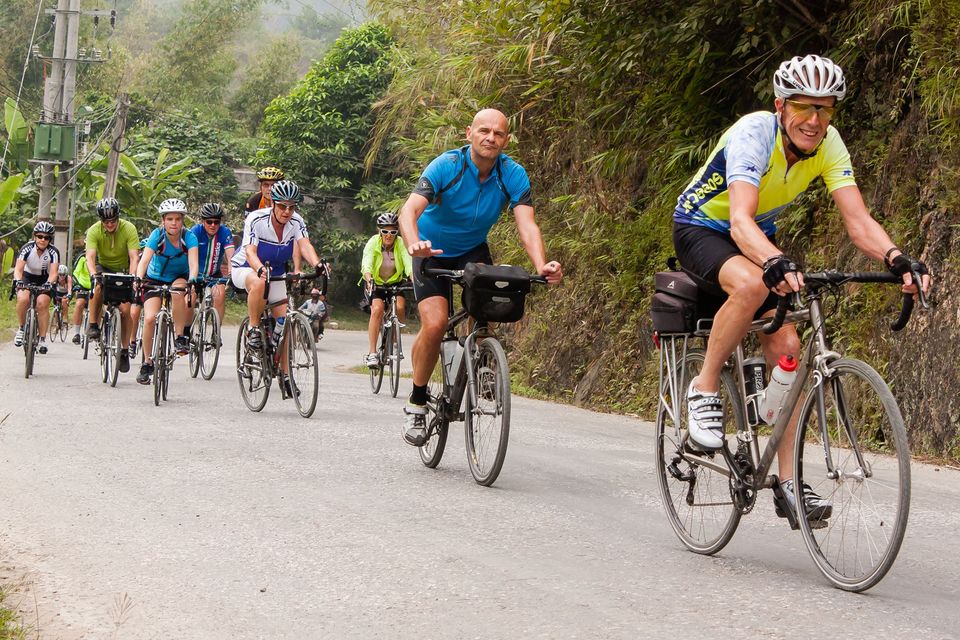
(Image: Cyclists on a dirt road winding through rice paddies or a village in Luang Namtha's countryside.)
Luang Namtha's rolling terrain and network of rural roads are perfect for mountain biking.
- Village Loops: Cycle to nearby ethnic minority villages, experiencing the local way of life at your own pace.
- Rice Paddy Trails: Ride through picturesque rice paddies, particularly beautiful in the green season.
- Forest Edge Rides: Explore trails along the edge of the NPA, offering a taste of the wilderness.
- Combined Tours: Many tours combine biking with trekking or kayaking.
4.4. Cultural Immersion: Living with the Locals
One of the most rewarding experiences in Luang Namtha is the opportunity for deep cultural immersion.
- Homestays: Staying overnight in a traditional ethnic minority village, sharing meals with a local family, and participating in their daily activities offers an unparalleled insight into their way of life. This is often arranged through responsible tour operators as part of a trekking or kayaking package.
- Traditional Handicraft Workshops: Learn about the intricate weaving techniques of the Akha or Tai Dam, the indigo dyeing of the Lanten, or the basketry skills of the Khmu. Some villages may offer short workshops where you can try your hand at these ancient crafts.
- Local Markets: The morning market in Luang Namtha town is a vibrant hub of activity, where you can observe daily commerce, sample exotic local produce, and find unique handicrafts made by various ethnic groups.
4.5. Exploring Luang Namtha Town: The Provincial Capital
Luang Namtha Town is the provincial capital and serves as the main administrative and commercial center. While it's primarily a base for eco-tourism adventures, it offers a glimpse into provincial life.
- Luang Namtha Stupa (Phou Pouk Stupa): Located on a hill overlooking the town, this stupa offers panoramic views, especially at sunset, and is a pleasant spot for a stroll.
- Local Market: The morning market is a fascinating place to observe local life, try street food, and buy fresh produce.
- Luang Namtha Museum: A small provincial museum (if available) might offer insights into Luang Namtha's history, culture, and ethnic groups.
- Night Market: A smaller version of the famous markets in other Lao towns, offering local food and some handicrafts in the evening.
4.6. Tai Dam Cultural Exhibition House: Weaving and Heritage
Visit the Tai Dam Cultural Exhibition House in a village near Luang Namtha town to learn about the Tai Dam people's history, traditional clothing, and their renowned weaving techniques. You can often see weavers at work and purchase authentic textiles.
5. Planning Your Trip to Luang Namtha: Essential Information
Traveling to Luang Namtha requires a bit more planning than more established tourist destinations, but the rewards are well worth the effort.
5.1. Getting There: Accessing the Untamed North
- By Air: Luang Namtha Airport (NTR) has domestic flights connecting to Vientiane and sometimes Luang Prabang. This is the fastest way to arrive.
- By Bus: Buses connect Luang Namtha Town with Luang Prabang (8-10 hours), Vientiane (20+ hours), and other provincial capitals. There are also international buses to destinations in China (Mengla) and Thailand (Chiang Khong/Huay Xai). Road conditions can vary, and journeys can be long and winding.
- By Slow Boat (from Huay Xai): For a truly authentic and scenic journey, take a two-day slow boat from Huay Xai (on the Thai border) down the Mekong and then a further bus or van connection from Pak Tha/Ban Houayxay to Luang Namtha. This option is less common for direct access to Luang Namtha as it requires a multi-leg journey, but allows for deep river immersion.
- From China (Mohan/Boten Border): Luang Namtha is a major gateway for travelers coming from or going to Yunnan, China, via the Boten-Mohan border crossing. The new Laos-China Railway also has a station at Boten, making it easier to travel to/from China or within Laos.
5.2. Best Time to Visit: Weather and Activities
- Dry Season (October to April): This is generally considered the best time to visit Luang Namtha. The weather is cooler (especially Nov-Feb) and drier, making it ideal for trekking, kayaking, and outdoor activities. Roads are also in better condition.
- Hot Season (March to May): Temperatures rise significantly, and some areas might experience haze from agricultural burning.
- Green Season/Rainy Season (May to October): While the rainy season brings lush green landscapes and full waterfalls, some roads can become muddy and challenging, and river levels can be high for kayaking. However, this period offers a unique opportunity to witness the vibrant natural beauty and a more authentic, less tourist-influenced experience. Treks can be more challenging due to slippery trails.
5.3. Accommodation: Rustic Charm and Eco-Lodges
Accommodation options in Luang Namtha range from basic guesthouses to more comfortable eco-lodges.
- Guesthouses in Luang Namtha Town: You'll find a good selection of basic to mid-range guesthouses offering clean, simple rooms with essential amenities.
- Eco-lodges/Community-Based Tourism: Several initiatives are developing eco-lodges or community-based tourism projects in ethnic minority villages, offering more authentic experiences with basic facilities, often integrated into trekking/kayaking packages. These are typically rustic but clean, providing a unique immersion.
- Homestays: For a truly immersive experience, homestays in ethnic minority villages offer a unique opportunity to live with a local family and learn about their culture. These are usually arranged through responsible tour operators as part of a trekking or kayaking tour.
Book your accommodation in advance, especially during peak season, as options are more limited than in major cities.
5.4. Food and Drink: Fresh, Local, and Diverse
Luang Namtha's cuisine reflects its diverse ethnic groups and abundance of fresh local ingredients.
- Lao Food: Typical Lao dishes like sticky rice, Laap (minced meat salad), Tam Mak Hoong (papaya salad), and various curries are widely available.
- Ethnic Specialties: In local markets and some village homestays, you might encounter unique dishes specific to the Akha, Khmu, or Tai ethnic groups, often featuring wild herbs, jungle vegetables, and local meats.
- Fresh Produce: The morning market is bursting with fresh fruits, vegetables, and local delicacies.
- Street Food: Explore the night market for delicious and affordable street food options.
- Local Coffee: While not as famous as the Bolaven Plateau, locally grown coffee is available.
5.5. Health and Safety: Responsible Travel Practices
- Medical Facilities: Medical facilities in Luang Namtha are basic. For serious emergencies, it's advisable to seek treatment in Vientiane, Luang Prabang, or Thailand. Ensure you have comprehensive travel insurance that includes emergency evacuation.
- Mosquito Protection: Malaria and dengue fever are present in some areas, particularly in remote jungle regions. Use mosquito repellent, wear long sleeves and pants, especially at dawn and dusk, and sleep under mosquito nets when provided.
- Water Safety: Drink only bottled water or water that has been boiled or filtered. Avoid ice unless you are sure it's made from filtered water.
- Food Safety: Be mindful of where you eat. Choose establishments that appear clean and have a good turnover of customers.
- Respect Local Culture: Laos is a diverse country. Dress modestly, especially when visiting temples or ethnic minority villages. Always ask for permission before taking photos of people, particularly the Akha, who may have specific beliefs about being photographed. Remove your shoes before entering homes or temples.
- Guides: For trekking, kayaking, and exploring remote areas, it is absolutely essential to hire a certified local guide. They possess invaluable knowledge of the terrain, local customs, and can act as interpreters. They also ensure your visit is responsible and safe. Golden Trail Travel works exclusively with certified local guides.
- UXO (Unexploded Ordnance): Laos is heavily impacted by UXO. Stick to marked trails and never wander off paths, especially in remote or formerly conflict-affected areas.
- Wildlife: Do not touch or feed wild animals. Keep a respectful distance.
- Currency and ATMs: The official currency is the Lao Kip (LAK). ATMs are available in Luang Namtha town but can be scarce in rural areas. Carry sufficient cash in smaller denominations for village visits and local purchases.
5.6. Communication and Connectivity
- Language: Lao is the official language. Many ethnic minority languages are spoken in the villages. English is rarely spoken outside of Luang Namtha town and tourist-oriented businesses. A few basic Lao phrases will go a long way. Your Golden Trail Travel guide will facilitate communication.
- Internet/Connectivity: Mobile phone coverage is limited in remote areas. Internet access is generally available in Luang Namtha town, but can be slow and less reliable than in major cities.
6. Responsible Tourism in Luang Namtha: Protecting Paradise and Empowering Communities
Luang Namtha is a global example of community-based eco-tourism. Your visit can have a profound positive impact if you adhere to responsible travel principles.
- Choose Certified Eco-Tourism Operators: Book your tours with operators (like Golden Trail Travel) who work closely with the Nam Ha NPA and local communities, ensuring fair wages, direct benefits to villages, and adherence to environmental guidelines. Look for the 'Nam Ha NPA Ecotourism' certification.
- Hire Local Guides: This directly supports local livelihoods and ensures cultural and environmental sensitivity during your activities.
- Support Local Businesses: Purchase handicrafts directly from local artisans, eat at local restaurants, and use local transportation. Your money stays within the community.
- Respect Cultural Norms:
- Always ask for permission before taking photos, especially of people. Some ethnic groups, like the Akha, may not wish to be photographed or have specific customs around it.
- Dress modestly, particularly when visiting villages or religious sites.
- Do not touch people's heads.
- Remove your shoes when entering homes or temples.
- Do not give money, candy, or gifts directly to children. This can create a begging culture and undermine traditional family structures. If you wish to help, donate to reputable community projects or schools.
- Minimize Environmental Impact:
- "Leave No Trace": Carry out all your trash, including organic waste.
- Reduce plastic consumption: Use a reusable water bottle and refill it where possible.
- Stick to marked trails to avoid damaging fragile ecosystems.
- Do not collect plants, rocks, or anything from the natural environment.
- Conserve water and energy.
- Bargain Fairly and Respectfully: When buying goods, a little friendly bargaining is acceptable, but do so respectfully and consider the value of the artisan's work and the effort involved.
- Be Mindful of Local Alcohol: While often offered as a gesture of hospitality, local rice whiskey (Lao-Lao) can be very strong. Drink responsibly.
7. Why Luang Namtha with Golden Trail Travel? Your Gateway to Authentic Eco-Adventures
(Image: A collage of Golden Trail Travel tour photos in Luang Namtha, showing happy travelers trekking, kayaking, interacting respectfully with ethnic villagers, and a subtle Golden Trail Travel logo.)
At Golden Trail Travel, we specialize in crafting immersive and authentic travel experiences, and Luang Namtha is one of our flagship destinations for those seeking a true eco-adventure rooted in responsible tourism. We are deeply committed to sustainable practices, ensuring that your journey not only enriches your life but also directly benefits the local communities and preserves Luang Namtha's unique natural and cultural heritage.
Here’s why choosing Golden Trail Travel for your Luang Namtha adventure is the best decision:
- Local Expertise & Certified Partners: Our team has extensive knowledge of Luang Namtha and works exclusively with certified local guides and community-based tourism initiatives within the Nam Ha NPA. This ensures ethical practices, safety, and authentic interactions.
- Tailored Eco-Adventure Itineraries: We don't believe in one-size-fits-all. We design bespoke itineraries that cater to your interests, fitness level, and desired pace, whether you're an avid trekker, a kayaking enthusiast, or a cultural explorer seeking deep immersion.
- Unwavering Responsible Tourism Focus: We are pioneers in ethical and sustainable travel. Our tours are designed to directly support local economies, promote cultural preservation, and minimize environmental impact. We ensure fair wages for local guides, homestay hosts, and service providers, and actively contribute to community development.
- Experienced, Certified Local Guides: Our local guides are not only experienced in leading treks and kayaking trips but are also deeply knowledgeable about the Nam Ha NPA's ecology and the diverse cultures of Luang Namtha. They are fluent in English and act as invaluable bridges to the local communities.
- Seamless Logistics & Safety First: From transportation and accommodations to specialized gear for trekking and kayaking, we handle all the logistics. Your safety is our paramount concern; we adhere to strict safety protocols and provide necessary equipment and emergency support.
- Authentic Cultural Immounters: We facilitate genuine interactions with ethnic minority communities through responsibly organized homestays, village visits, and participation in traditional activities, providing a profound and respectful understanding of their way of life.
- Beyond the Brochure: We take you to the heart of Luang Namtha, to experiences and places not often found on standard itineraries, ensuring a truly unique and memorable adventure.
- Conservation Contributions: A portion of our tour proceeds often goes back into local community projects or conservation efforts within the Nam Ha NPA, ensuring your travel contributes positively to the region's future.
Ready to embark on your eco-adventure to Laos' untamed north?
Visit our website to explore our Luang Namtha tour packages and custom travel options:
https://goldentrailtravel.com/
Contact us today to begin planning your journey into Luang Namtha's pristine wilderness and rich cultural tapestry. Let Golden Trail Travel be your guide to an extraordinary and responsible experience in one of Southeast Asia's most compelling eco-tourism destinations.
8. Customer Reviews: Voices from Luang Namtha's Wild Heart
(Image: A graphic featuring star ratings and perhaps a small photo collage of happy travelers trekking, kayaking, or interacting with locals in Luang Namtha, making the reviews visually appealing.)
Don't just take our word for it. Here's what some of our past travelers have to say about their Golden Trail Travel experiences in Luang Namtha:
★★★★★ "Our 3-day trek into the Nam Ha NPA with Golden Trail Travel was the highlight of our Laos trip. The jungle was incredible, and our guide, Mr. Phet, was so knowledgeable about the plants and animals. The homestay in the Akha village was simply unforgettable – learning about their traditions and sharing meals with the family was a profound experience. Golden Trail's commitment to responsible tourism was evident throughout." — Sarah & Tom W., Canada
★★★★★ "I've done a lot of trekking, but Luang Namtha was next level! The kayaking on the Nam Tha River was exhilarating, and the landscapes were breathtaking. Golden Trail Travel organized everything flawlessly, from the pick-up to the equipment. I really appreciated that they prioritize local communities; it felt good knowing our money was directly supporting the people we met." — David C., Australia
★★★★★ "As a solo female traveler, I felt completely safe and supported with Golden Trail Travel. The communication before and during the trip was excellent. I did a 2-day trek with an overnight stay in a Khmu village, and it was a truly authentic and humbling experience. The guides were professional, friendly, and spoke excellent English. If you want a genuine eco-adventure in Laos, look no further." — Lena M., Germany
★★★★★ "Luang Namtha is Laos' best-kept secret for adventure. We combined trekking and biking, and it was the perfect mix. The trails were challenging but rewarding, and the cultural encounters in the Lanten and Tai Dam villages were fascinating. Golden Trail Travel designed a custom itinerary that perfectly matched our interests. Highly recommend their expertise and ethical approach!" — The Johnson Family, USA
9. Frequently Asked Questions (FAQ) about Luang Namtha
(Image: A simple, clean graphic for the FAQ section.)
Q1: Is Luang Namtha safe for tourists? A1: Yes, Luang Namtha is generally safe for tourists. However, due to its remote nature and the presence of UXO (unexploded ordnance) in some areas, it is absolutely crucial to stick to marked trails and always hire a certified local guide for any trekking or off-road exploration.
Q2: What is the best time of year to visit Luang Namtha? A2: The dry season (October to April) is generally the best time for outdoor activities, with cooler, drier weather and better road conditions. The green season (May to October) offers lush landscapes and full waterfalls but can mean more challenging trekking conditions due to rain.
Q3: What kind of eco-tourism activities are popular in Luang Namtha? A3: The most popular eco-tourism activities are multi-day treks into the Nam Ha National Protected Area with overnight homestays in ethnic minority villages, kayaking/rafting on the Nam Tha River, and mountain biking through rural areas.
Q4: Do I need a guide for trekking in the Nam Ha National Protected Area? A4: Yes, absolutely. It is mandatory and highly recommended to hire a certified local guide for any trekking in the Nam Ha National Protected Area. Guides ensure your safety, provide invaluable cultural and ecological insights, and ensure your visit is respectful and directly benefits local communities. Golden Trail Travel only works with certified guides.
Q5: What are homestays like in Luang Namtha? A5: Homestays in Luang Namtha's ethnic villages are rustic but offer an incredibly authentic cultural experience. You'll typically sleep on a mat with a mosquito net, share meals prepared by the host family, and use basic shared facilities. It's an opportunity to truly immerse yourself in local life.
Q6: What ethnic groups can I encounter in Luang Namtha? A6: Luang Namtha is home to over 20 ethnic groups, with the most prominent being the Akha, Khmu, Lanten, Tai Dam, Tai Leu, and Tai Neua. Each has distinct customs, languages, and traditional dress.
Q7: What should I pack for a trip to Luang Namtha? A7: Pack light, quick-drying clothing suitable for humid weather, long sleeves and pants for sun and mosquito protection, sturdy trekking shoes, sandals, insect repellent, sunscreen, a hat, a small daypack, a reusable water bottle, a basic first-aid kit, and a headlamp/flashlight (especially for homestays).
Q8: Are there ATMs in Luang Namtha? A8: Yes, there are ATMs in Luang Namtha town. However, it's advisable to carry sufficient Lao Kip (LAK) in cash, especially smaller denominations, for village visits, markets, and local purchases, as ATMs are not available in remote areas.
Q9: How can I ensure my visit supports responsible tourism? A9: Choose tour operators (like Golden Trail Travel) who are certified for eco-tourism and actively work with local communities to ensure fair benefits. Hire local guides, support local businesses, respect cultural norms (especially regarding photography and gifts to children), and minimize your environmental impact by following "Leave No Trace" principles.
Q10: Can I cross the border into China or Thailand from Luang Namtha? A10: Yes, Luang Namtha is a key border crossing point. The Boten-Mohan border connects to China, and buses can take you to the Huay Xai/Chiang Khong border to Thailand. The new Laos-China Railway also runs through Boten, making cross-border travel more convenient.
10. Conclusion: Luang Namtha – An Unforgettable Journey to Laos' Wild Soul
Luang Namtha is not a destination for the casual tourist. It is a place for the true adventurer, the responsible traveler, and anyone yearning to connect deeply with nature and authentic cultures. It's a journey into the very soul of Laos' untamed north, a rare opportunity to witness pristine ecosystems and vibrant traditions that have endured for centuries.
Here, the rhythm of life is dictated by the Nam Tha River, the whisper of the ancient forests, and the timeless customs of its diverse ethnic communities. Every trek, every paddle, and every cultural encounter in Luang Namtha is an authentic discovery, a reminder of the raw, untamed beauty and human resilience that still exists in our world.
Golden Trail Travel is proud to be your partner in unlocking the secrets of Luang Namtha. We are dedicated to providing you with an experience that is not just a vacation, but a transformative journey – one that connects you deeply with the land, its people, and their stories. By choosing to travel with us, you are not only embarking on an unforgettable adventure but also directly contributing to the sustainable development and preservation of this extraordinary province.
So, if you yearn for a destination where adventure meets authenticity, where nature reigns supreme and ancient cultures thrive, look no further than Luang Namtha. Let Golden Trail Travel guide you to this pioneering eco-tourism destination in Laos. Your extraordinary journey begins here.
https://goldentrailtravel.com/


.jpg "Cycle Laos: The Ultimate Guide to Exploring Laos by Bicycle")
.jpeg "Laos Cycling Tours: The Ultimate Guide to Exploring Southeast Asia’s Most Serene Cycling Paradise")