15 Ng. 100 Đ. Nguyễn Xiển, Thanh Xuân Nam, Thanh Xuân, Hà Nội 100000


15 Ng. 100 Đ. Nguyễn Xiển, Thanh Xuân Nam, Thanh Xuân, Hà Nội 100000
Perched majestically in the verdant heart of Vietnam's Central Highlands, Bidoup Nui Ba National Park is a sanctuary of breathtaking landscapes, unparalleled biodiversity, and ancient cultural heritage. Often referred to as the "roof" of Lam Dong province, this sprawling protected area, encompassing two prominent peaks – Bidoup (2,287 meters) and Nui Ba (2,167 meters) – offers an ethereal escape into a world where mist-shrouded montane forests meet rolling pine hills, where rare orchids bloom in the wild, and where the ancient rhythms of indigenous communities echo through the valleys. Recognized as a UNESCO Biosphere Reserve, Bidoup Nui Ba is not just a destination; it's a living, breathing testament to nature's grandeur and a crucial frontier for conservation.
Bidoup Nui Ba is a symphony of sights and sounds: the rustle of giant Pơ Mu trees in the wind, the distant calls of elusive primates, the vibrant hues of endemic wildflowers, and the cool, crisp mountain air that invigorates the soul. It's a place where every trail promises discovery, every viewpoint unveils a panorama of endless green, and every interaction with the land and its people leaves a profound impression. For adventurers, nature enthusiasts, scientific researchers, and those simply seeking profound tranquility away from the urban clamor, Bidoup Nui Ba National Park beckons with its mystique and formidable beauty, offering an experience that is both challenging and deeply enriching.
This comprehensive guide will lead you on an in-depth exploration of Bidoup Nui Ba National Park, delving into its extraordinary ecological significance, outlining the myriad of activities available, introducing its crucial conservation initiatives, immersing you in its vibrant local cultures, and providing essential tips to help you plan an unforgettable and responsible journey. Whether you're a seasoned trekker, a passionate birdwatcher, a keen botanist, or simply a traveler yearning for an authentic connection with Vietnam's wild highlands, Bidoup Nui Ba awaits, ready to captivate your imagination and leave an indelible mark on your spirit.
Bidoup Nui Ba National Park's strategic location within the Southern Annamite mountain range and its significant altitudinal variation have conspired to create an incredibly diverse and unique ecosystem, making it a critical hub for biodiversity conservation in Southeast Asia. Its designation as a UNESCO Biosphere Reserve underscores its global importance.
Location: Situated in Lam Dong Province, just northeast of the popular city of Da Lat, Bidoup Nui Ba encompasses a vast area, primarily within Lac Duong District. Its proximity to Da Lat makes it relatively accessible while maintaining its wild character.
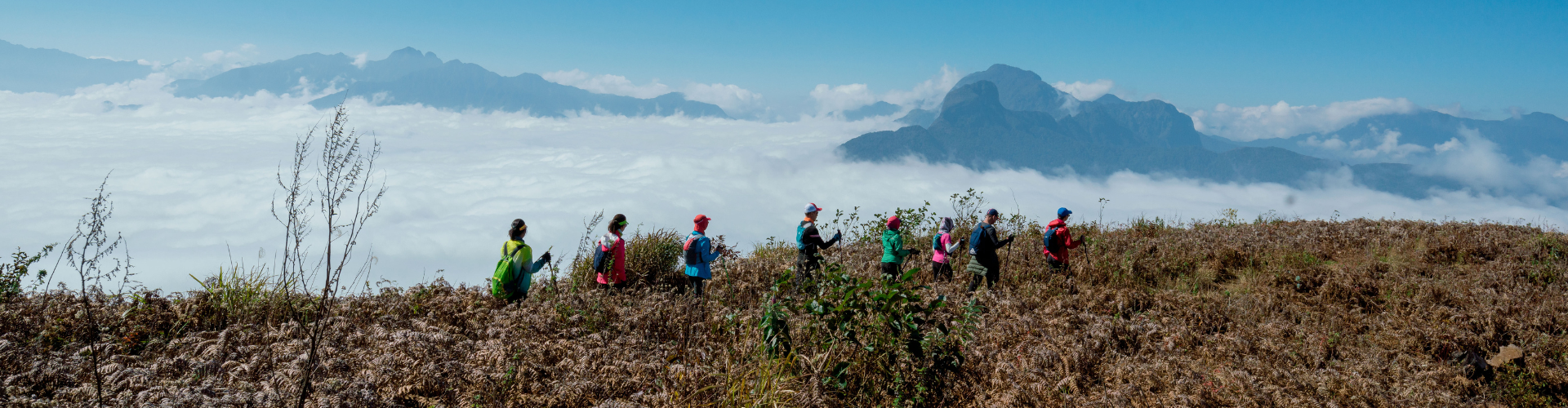
Prominent Peaks: The park is named after its two highest peaks: Bidoup (2,287 meters) and Nui Ba (2,167 meters). These peaks offer challenging trekking routes and incredible panoramic views, often above a sea of clouds.
Varied Topography: The park's terrain ranges from gentle rolling hills in the lower elevations to steep, rugged mountains and deep valleys, shaped by ancient geological processes.
The park's altitudinal gradient results in a fascinating succession of distinct ecosystems:
Montane Pine Forests (Lower Elevations, 1,400m - 1,700m): Characterized by vast expanses of lush pine trees (predominantly Pinus kesiya and Pinus dalatensis), these forests offer a unique, airy landscape reminiscent of European coniferous forests, but with a distinctly tropical feel. The forest floor is often covered in grasses and wildflowers.
Mixed Evergreen Forests (Mid Elevations, 1,700m - 2,000m): As you ascend, the pines gradually give way to a denser, more diverse forest of broadleaf evergreen trees, intermingled with various conifers. This zone is rich in undergrowth and supports a wide array of plant and animal life.
Montane Cloud Forests (High Elevations, above 2,000m): This is the park's crown jewel. Constantly shrouded in mist, fog, and clouds, these forests are characterized by gnarled, moss-covered trees, thick layers of epiphytes (orchids, ferns, mosses, lichens) clinging to every surface, and a damp, ethereal atmosphere. This unique microclimate fosters incredibly specialized and often endemic species.
Grasslands and Shrublands: Smaller patches of grasslands and shrublands can be found in disturbed areas or at higher, more exposed elevations.
Rivers and Waterfalls: Numerous streams and rivers crisscross the park, often forming beautiful waterfalls (like Thien Thai Waterfall and K'Long K'Lanh Waterfall), providing vital water sources and creating diverse aquatic habitats.
Bidoup Nui Ba is a treasure trove for botanists and nature lovers, boasting an astonishing diversity of plant life, including many endemic and rare species.
Ancient Trees: The park is home to truly majestic, centuries-old trees.
Pơ Mu (Fokienia hodginsii): A highly prized conifer, some Pơ Mu trees in the park are ancient giants, towering over the canopy. Their aromatic wood is distinctive.
Dầu Rái (Dipterocarpus alatus): Another massive tree species, characteristic of Southeast Asian rainforests.
Giant Rhododendrons (Đỗ Quyên): Especially in the cloud forests, you'll find impressive rhododendron trees, some reaching significant sizes, bursting into vibrant blooms during their season (typically late winter to spring, around February to May).
Orchids: Bidoup Nui Ba is a global hotspot for wild orchids, with hundreds of species identified, including many endemic varieties. They adorn trees throughout the montane forests.
Mosses, Ferns, and Lichens: The high humidity of the cloud forest creates a lush, vibrant tapestry of mosses, ferns, and lichens, covering everything from tree trunks to rocks, lending the forest an otherworldly appearance.
Medicinal Plants: The local ethnic communities have long utilized the park's rich bounty of medicinal plants for traditional healing.
Endemic Species: Ongoing research continues to discover new plant species unique to Bidoup Nui Ba, highlighting its importance for global biodiversity.
The park's varied habitats support a wide array of animal life, including many threatened and endangered species.
Birds: With over 300 recorded bird species, Bidoup Nui Ba is a premier destination for birdwatchers. The presence of numerous endemic and near-endemic species makes it particularly significant.
Grey-headed Parrotbill (Psittiparus gularis): A common sighting in the montane forests.
Red-collared Woodpecker (Picus rabieri): An endemic species.
Rufous-backed Sibia (Heterophasia annectens): Known for its striking appearance.
Various Laughingthrushes, Barbets, and Sunbirds.
Mammals: While larger mammals can be elusive due to the dense forest, the park harbors a significant population of.
Primates: Various species of langurs (e.g., Black-shanked Douc Langur, though rare), gibbons, and slow lorises.
Civets, Wild Boar, Muntjacs (barking deer).
Pangolins: Critically endangered, pangolins are present but extremely vulnerable to poaching.
Bears: Sun bears and Asiatic black bears are present, but sightings are extremely rare.
Reptiles and Amphibians: A rich diversity of snakes, lizards, and frog species thrive in the park's humid environment.
Insects and Butterflies: The park teems with a variety of insects, including colorful butterflies, especially during the drier, warmer months.
Bidoup Nui Ba's high altitude means weather conditions can be highly unpredictable and change rapidly, often within a single day.
Temperatures: Generally cooler than the lowlands. Temperatures can vary significantly with altitude, dropping considerably at night, especially at higher elevations. Winter months (Dec-Feb) can be quite cold, with temperatures sometimes dipping close to freezing.
Rain and Mist: Frequent mist, fog, and rain are characteristic of the montane cloud forest, contributing to its mystical atmosphere but also impacting visibility and trail conditions. The rainy season (May-November) sees heavy precipitation.
Wind: Exposed sections, particularly near the peaks, can be very windy.
Understanding and preparing for these dynamic weather patterns is crucial for a safe and enjoyable visit.
Bidoup Nui Ba National Park offers a diverse range of activities that allow visitors to deeply engage with its natural beauty, from challenging mountain treks to immersive cultural experiences.
Trekking is the primary activity in Bidoup Nui Ba, offering routes for various fitness levels, from leisurely walks to challenging multi-day expeditions.
Bidoup Peak Trek (The Main Challenge): The most popular and challenging trek, typically a 2-day, 1-night or 3-day, 2-night expedition.
Route: Usually starts from Long Lanh (Long Lanh Ranger Station) or Da Sar, leading through pine forests, dense montane evergreen forests, and finally to the summit of Bidoup.
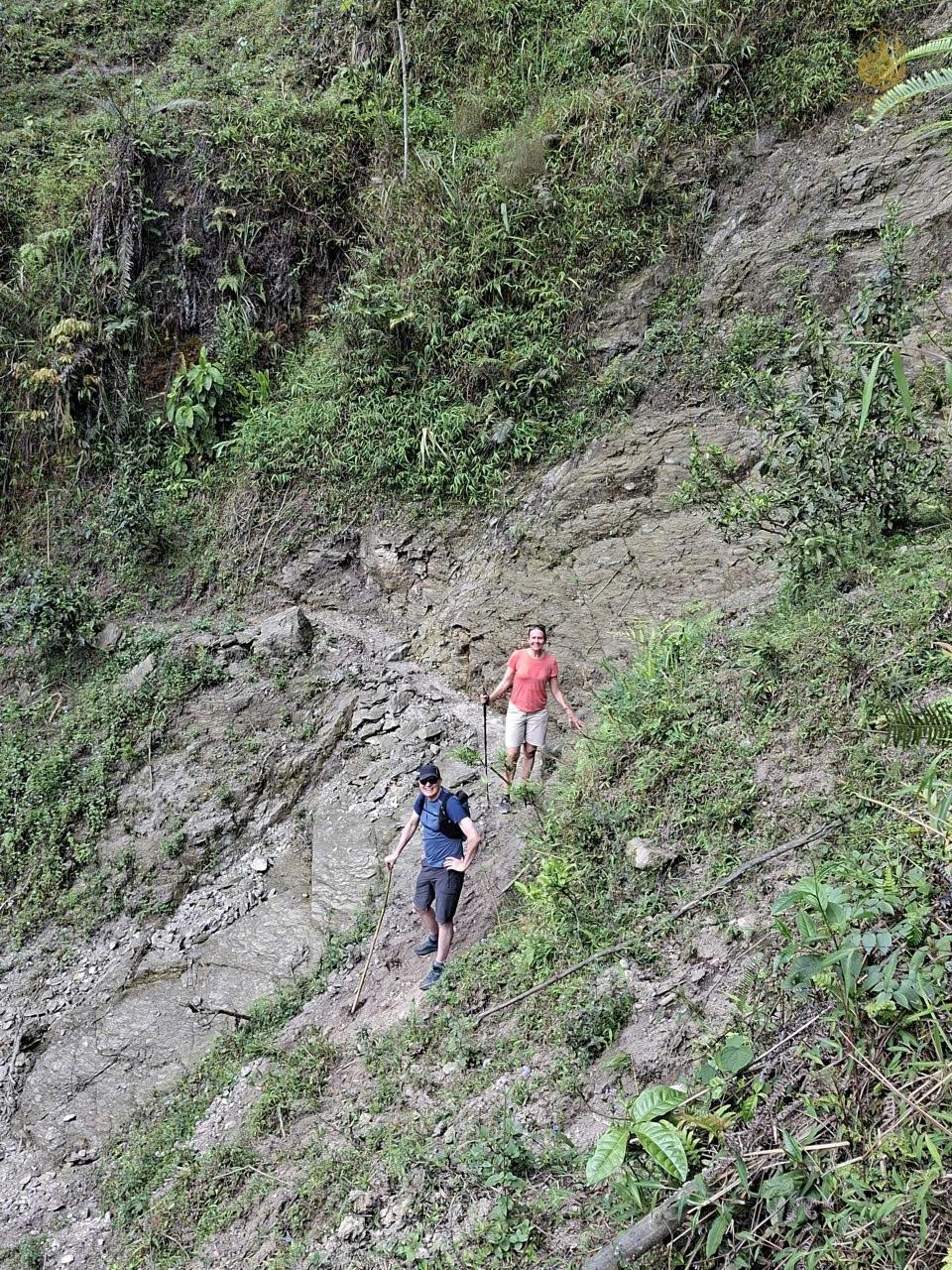
Terrain: Expect steep ascents, rocky paths, slippery roots, and often muddy sections, especially after rain. The final push to the summit can be particularly demanding.
Reward: The summit offers breathtaking panoramic views, often above a "sea of clouds" at sunrise.
Nui Ba Peak Trek: While often less frequently summited by tourists than Bidoup, Nui Ba (2,167m) also offers challenging trails and stunning views.
Lang Biang Mountain (Connecting Trails): Some longer treks might connect Bidoup Nui Ba with the famous Lang Biang mountain, providing extended trekking opportunities and different perspectives of the highlands.
Forest Trails and Waterfalls:
Thien Thai Waterfall: Accessible via a shorter, easier trek, offering a refreshing natural spectacle.
K'Long K'Lanh Waterfall: Another beautiful waterfall within the park, often requiring a moderate trek.
Ancient Tree Trails: Specific trails lead to majestic ancient trees, such as the Pơ Mu trees, allowing for closer observation of these forest giants.
Riverside Treks: Trails along rivers and streams offer different scenery, with opportunities to see aquatic life and enjoying the sounds of flowing water.
Birdwatching: Bidoup Nui Ba is a birdwatcher's paradise. Early mornings are best. Bring binoculars and a good field guide. Specialist birdwatching tours can be arranged with expert guides.
Botany and Orchid Spotting: The park's incredible floral diversity, especially its orchids and rhododendrons (seasonal), makes it ideal for botanists and nature photographers.
Butterfly and Insect Watching: The warmer months bring out a vibrant array of butterflies and other insects, adding color and life to the forest.
Night Safaris (Potential): Inquire at the park headquarters or with your guide about the possibility of guided night walks or drives for spotting nocturnal animals.
Designated Campsites: For multi-day treks, designated campsites are available, often basic clearings or simple shelters. Camping under the stars in the heart of the forest is an unforgettable experience, allowing you to fully immerse yourself in the sounds of the jungle at night.
Ranger Stations: In some cases, overnight stays might be possible at ranger stations within the park.
K'Ho, Lat, and Chil Communities: The park and its surrounding areas are home to several ethnic minority groups, primarily the K'Ho, Lat, and Chil people, who belong to the Mon-Khmer language family.
Homestays: Staying in a traditional homestay in a K'Ho or Lat village offers a unique cultural exchange. You can observe their daily life, learn about their customs, enjoy traditional cuisine, and sometimes witness traditional performances.
Gong Culture: The K'Ho people, in particular, are renowned for their gong culture, which is recognized by UNESCO as an Intangible Cultural Heritage. Witnessing a gong performance is a powerful and moving experience.
Traditional Crafts: Learn about their traditional crafts, such as weaving (often producing beautiful textiles with intricate patterns) and basketry.
Community-Based Tourism: Many initiatives within and around the park promote community-based tourism, directly supporting local livelihoods and encouraging the preservation of their unique cultural heritage.
Biological Research Station: Bidoup Nui Ba is an active site for biological research. While not a tourist attraction per se, the presence of researchers highlights the park's scientific importance.
Visitor Center: The park headquarters typically has a visitor center with informative displays about the park's biodiversity, ecosystems, and conservation efforts.
To ensure a smooth, enjoyable, and responsible journey to Bidoup Nui Ba National Park, careful planning and preparation are crucial due to its challenging terrain and unpredictable mountain weather.
Bidoup Nui Ba experiences a distinct highland climate, significantly cooler and often wetter than other parts of Vietnam.
Dry Season (November - April): This is generally the best time to visit for trekking.
November - February: Cooler and drier, ideal for trekking. Temperatures can be cold at night, especially at higher elevations, sometimes dropping to near freezing.
February - May: Excellent for trekking, and this period is often the rhododendron blooming season, offering spectacular floral displays.
Advantages: Less rain, clearer skies (though mist is still common), better visibility, and more comfortable trekking conditions.
Rainy Season (May - October):
Disadvantages: Heavy rainfall, high humidity, muddy and slippery trails, increased risk of leeches, and often poor visibility due to persistent fog and clouds. Trekking during this period is significantly more challenging and potentially hazardous.
Advantages: The forest is incredibly lush and vibrant, and waterfalls are at their fullest. Fewer tourists.
Bidoup Nui Ba National Park is located about 50 km northeast of Da Lat City, Lam Dong Province.
From Da Lat City:
By Motorbike/Taxi: The most common way to reach the park entrance or the Long Lanh Ranger Station. The ride takes approximately 1.5 - 2 hours and is scenic.
By Private Car: Offers comfort and flexibility.
Organized Tour: Many tour operators in Da Lat offer organized day trips or multi-day treks to the park, which usually include transportation.
From Other Cities: Fly to Lien Khuong Airport (DLI) near Da Lat, then take a taxi/bus to Da Lat city, and then follow directions above.
Trekking: The primary mode of exploration for reaching the peaks and deeper forest areas.
Motorbike/Jeep: For reaching trailheads, especially the Long Lanh Ranger Station or deeper access points, often arranged by tour operators or local guides.
On Foot: For exploring trails around the park headquarters or specific short routes.
Accommodation within and around Bidoup Nui Ba National Park is generally basic, focusing on eco-friendly and culturally immersive experiences.
Within the Park:
Ranger Stations/Basic Guesthouses: Simple accommodation may be available at the park headquarters or designated ranger stations. These are usually clean but offer minimal amenities.
Camping: For multi-day treks, overnight stays are in tents at designated campsites, usually at higher elevations.
Outside the Park (Nearby Villages):
Homestays: Highly recommended for cultural immersion. Several K'Ho, Lat, or Chil villages near the park (e.g., Da Sar village, Cu Lan village) offer traditional homestays, providing an authentic experience of local life, cuisine, and customs.
Da Lat City: Many visitors choose to stay in Da Lat City, which offers a wide range of accommodation options from budget hostels to luxury resorts, and take day trips or start multi-day treks from there.
It's crucial to book accommodation and trekking arrangements in advance, especially during peak season or holidays.
Proper gear is paramount for a safe and comfortable trek in Bidoup Nui Ba's challenging environment.
Trekking Boots: Waterproof, ankle-supporting, and well-broken-in with excellent grip. Trails can be very slippery and uneven.
Layered Clothing: Essential for rapidly changing temperatures.
Base Layers: Moisture-wicking (e.g., merino wool or synthetic).
Mid-Layers: Warm fleece or light down jacket.
Outer Shell: Waterproof and windproof jacket and pants (essential for rain and cold at altitude).
Warm Hat & Gloves: Crucial for cold mornings, evenings, and exposed sections at high altitude.
Sleeping Bag: Rated for cold temperatures (comfort rating for 0°C to 5°C is advisable, especially for summit camping).
Backpack: Comfortable trekking backpack (40-60L) to carry personal gear.
Daypack: Small one for summit pushes.
Headlamp/Flashlight: With extra batteries, crucial for early morning starts and navigating around camp.
Trekking Poles: Highly recommended for stability, especially on steep, slippery ascents and descents.
Water Bottles/Hydration Bladder: Minimum 2-3 liters capacity. Water can often be refilled from streams (filter recommended).
High-Energy Snacks: Chocolates, nuts, energy bars, dried fruit.
Basic First-Aid Kit: Band-aids, antiseptic wipes, pain relievers, blister treatment, rehydration salts, any personal medications.
Insect Repellent: Strong repellent for mosquitoes and leeches (very common, especially in humid conditions).
Sun Protection: Sunscreen, sunglasses, hat (even on cloudy days, UV is strong at altitude).
Power Bank/Portable Charger: For electronic devices (limited charging opportunities).
Small Dry Bags: To protect electronics and valuables from moisture.
Spare Clothes: Especially socks and a clean set for camp and after the trek.
Park Entrance Fee: A fee is required to enter the national park.
Trekking Permits: For multi-day treks or reaching the peaks, specific permits from the park authorities are required.
Local Guides & Porters: Essential and often mandatory for safety, navigation, and carrying gear, especially for multi-day treks. Local guides from the K'Ho or Lat communities possess invaluable knowledge of the terrain, weather, and flora/fauna.
Stay on Marked Trails: This protects both you and the delicate ecosystem.
Do Not Litter: Pack out everything you pack in. Dispose of waste responsibly.
Do Not Feed Wildlife: It disrupts their natural behavior.
Keep Your Distance: Observe animals from a safe distance.
Respect Local Customs: When visiting ethnic villages, dress modestly, ask for permission before taking photos of people, and be mindful of your impact.
Support Local Economy: Hire local guides/porters and purchase local handicrafts directly from the communities.
Leeches: Be prepared for leeches, especially during and after rain. Long socks, gaiters, and repellent can help.
Stay Hydrated: Drink plenty of water.
Inform Park Staff: Always inform park staff or your guide of your intended route.
Altitude Sickness: While not as extreme as some higher global peaks, rapid ascent can cause mild symptoms. Listen to your body and hydrate.
Beyond its breathtaking natural beauty, Bidoup Nui Ba National Park is also a vibrant tapestry of ethnic cultures, primarily home to the K'Ho, Lat, and Chil ethnic minority groups. Their deep connection to the land and their unique traditions are an integral part of the Bidoup experience.
Indigenous to Lam Dong: The K'Ho are one of the indigenous ethnic groups of the Central Highlands, with a long history of living in harmony with the forest environment.
Gong Culture (UNESCO Heritage): The K'Ho are renowned for their gong culture, which is recognized by UNESCO as an Intangible Cultural Heritage of Humanity. Their complex ensembles of gongs play a central role in ceremonies, rituals, festivals (like the New Rice festival), and community gatherings, producing haunting and powerful melodies. Witnessing a traditional gong performance is a profound cultural experience.
Traditional Longhouses: While fewer are actively used today, traditionally the K'Ho lived in communal longhouses built on stilts from wood and bamboo. Some might be preserved for cultural demonstrations.
Farming and Hunting: Traditionally, their livelihoods involved shifting cultivation (now mostly settled agriculture), hunting, and gathering forest products.
Traditional Dress: K'Ho women often wear vibrant, intricately woven traditional costumes, distinct from other ethnic groups.
Closely Related: The Lat people are often considered a sub-group of the K'Ho or closely related. They share many cultural similarities, including language (a Mon-Khmer language), customs, and traditional attire.
Focus on Lang Biang: The Lat people are particularly associated with the Lang Biang mountain area (part of the larger Bidoup-Lang Biang massif), which is a significant spiritual site for them.
Craftsmanship: Known for their weaving and traditional basketry.
Smaller Group: A smaller ethnic group also present in the Bidoup Nui Ba area, sharing some customs with the K'Ho and Lat, but with their own distinct dialect and traditions.
Homestays: Staying in a traditional homestay in a K'Ho, Lat, or Chil village (which can often be arranged through the park or a specialized tour operator like Golden Trail Travel) is the most authentic way to experience their culture firsthand. You can share meals, observe daily life, and learn directly from your hosts.
Community-Based Tourism: Bidoup Nui Ba National Park strongly promotes community-based tourism initiatives. These programs directly support local livelihoods by training and employing ethnic minority individuals as guides, porters, and homestay hosts, ensuring that tourism benefits the communities directly and encourages the preservation of their cultural heritage and traditional knowledge.
Respectful Interaction: Always approach cultural interactions with respect and sensitivity. Ask for permission before taking photos of people, particularly children, and avoid disrupting their daily routines.
Support Local Artisans: Purchasing locally made handicrafts and traditional products directly from the villagers supports their craftsmanship and provides a meaningful souvenir.
Learning Opportunities: Your local guide or homestay host can often provide invaluable insights into the ethnic groups' history, spiritual beliefs, forest-related knowledge, and the challenges and changes they face in modern Vietnam.
Engaging with the local communities of Bidoup Nui Ba provides a rich, authentic cultural dimension to your wilderness adventure, highlighting the harmonious, ancient relationship between people and their mountainous environment.
The formidable challenge, remote nature, and cultural richness of Bidoup Nui Ba National Park mean that careful planning, expert guidance, and robust logistical support are absolutely essential for a safe, successful, and truly unforgettable expedition. This is where Golden Trail Travel stands out as your premier partner for conquering Vietnam's majestic Central Highlands.
Golden Trail Travel is a leading tour operator specializing in curating authentic and exhilarating trekking adventures throughout Vietnam's magnificent mountain ranges and pristine natural landscapes. Their particular expertise in the remote Central Highlands, including the captivating realm of Bidoup Nui Ba, sets them apart. Their unwavering commitment to safety, profound local knowledge, sustainable practices, and providing truly immersive journeys ensures that your expedition to Bidoup Nui Ba is not just successful, but deeply memorable and responsible.
Unparalleled Mountain Expertise & Safety Protocols: Golden Trail Travel's team possesses deep, firsthand knowledge of Bidoup Nui Ba's challenging terrain, unpredictable montane weather patterns, and specific logistical requirements.
Highly Experienced Guides & Porters: They partner with highly skilled, certified local guides who are intimately familiar with every inch of the trail, and strong, reliable local porters who ensure your gear is safely transported. Safety is their absolute priority, with comprehensive protocols, emergency plans, and first aid training in place.
Quality Equipment & Gear: They ensure the provision of high-quality, well-maintained trekking and camping equipment (tents, sleeping bags, cooking gear) suitable for high-altitude, cold, and wet conditions, often difficult to source locally.
Risk Management: Their guides constantly monitor weather conditions, assess trail safety, and are prepared to make informed decisions for your well-being throughout the trek.
Seamless Logistics, from Arrival to Summit: The journey to Bidoup Nui Ba involves multiple transfers and considerations. Golden Trail Travel handles all the complexities, allowing you to focus solely on the adventure:
Transportation: They arrange comfortable and reliable transport from Da Lat City (or nearby airports) to the park entrance or specific trailheads (like Long Lanh Ranger Station), often utilizing local motorbikes or 4x4 vehicles for remote access.
Permits & Fees: They meticulously manage all necessary park entrance fees, trekking permits, and local community contributions, navigating the bureaucratic requirements effortlessly.
Accommodation & Meals: They arrange pre-trek accommodation in Da Lat or nearby villages and provide delicious, hearty, and hygienically prepared meals cooked by porters on the mountain, ensuring you are well-nourished for the demanding climb. They can cater to various dietary needs with advance notice.
Authentic Cultural Immersion & Local Empowerment: Golden Trail Travel is deeply committed to sustainable and responsible tourism. By working closely with local K'Ho, Lat, and Chil communities, they ensure your journey provides genuine cultural insights while directly benefiting the local economy.
Direct Local Support: Your trek directly supports the livelihoods of local porters and guides, ensuring fair wages, safe working conditions, and respectful engagement that preserves their traditional knowledge.
Facilitated Cultural Exchange: Guides facilitate respectful interactions with ethnic minority groups, allowing you to learn about their unique customs, participate in traditional activities (like gong performances or weaving demonstrations if available), and gain a deeper appreciation for their way of life.
Customizable and Supportive Itineraries: While common 2-day/1-night or 3-day/2-night treks to Bidoup Peak are popular, Golden Trail Travel can tailor your itinerary to your fitness level, time constraints, and specific interests. Whether you are a dedicated birdwatcher seeking specific species, a botanist interested in endemic orchids, or simply seeking a challenging trek with stunning views, they can craft the perfect trip. They offer comprehensive pre-trip briefings, advice on physical preparation, and constant support throughout your journey.
Beyond Bidoup Nui Ba: For those interested in a longer adventure, Golden Trail Travel can seamlessly combine your Bidoup Nui Ba expedition with other highlights of Vietnam's Central Highlands, such as exploring the vibrant city of Da Lat, visiting coffee plantations, or experiencing the unique landscapes of the Kon Tum and Gia Lai provinces.
Ready to challenge yourself, witness breathtaking cloudscapes, explore ancient montane forests, and immerse yourself in the rich cultures of Vietnam's Central Highlands? Visit the Golden Trail Travel website at to explore their diverse range of trekking tours and custom adventure options.
Their user-friendly platform makes it easy to:
Browse detailed itineraries for Bidoup Nui Ba and other captivating mountain expeditions and ecotourism adventures across Vietnam.
Read genuine testimonials from satisfied trekkers and travelers who have experienced the Golden Trail difference in Vietnam's remote highlands and natural wonders.
Submit a personalized inquiry for a custom-designed Bidoup Nui Ba adventure tailored precisely to your dreams and comfort level.
Effortlessly book your chosen tour with confidence, knowing you're embarking on a safe, supported, and truly unique journey into the heart of Vietnam's Central Highlands with expert guidance.
Don't just dream of conquering Bidoup Nui Ba; achieve it with the unparalleled support and passion of Golden Trail Travel. Let them lead you to the majestic heights, discover hidden natural gems, and connect with vibrant cultures, creating memories that will last a lifetime and redefine your sense of adventure!
Q1: Where is Bidoup Nui Ba National Park located?A1: Bidoup Nui Ba National Park is located in Lam Dong Province, in the Central Highlands of Vietnam, approximately 50 km northeast of Da Lat City.
Q2: What is the elevation of Bidoup Peak?A2: Bidoup Peak, the highest point in the park, has an elevation of approximately 2,287 meters above sea level.
Q3: What is Bidoup Nui Ba National Park famous for?A3: It's famous for being a UNESCO Biosphere Reserve, its rich biodiversity (especially birds, orchids, and ancient trees like Pơ Mu), diverse ecosystems (pine forests, montane cloud forests), challenging trekking trails to its peaks, and the vibrant culture of the K'Ho ethnic minority.
Q4: When is the best time to visit Bidoup Nui Ba National Park for trekking?A4: The dry season, from November to April, is the best time for trekking. February to May is particularly popular for witnessing the spectacular rhododendron blooms.
Q5: How difficult are the treks in Bidoup Nui Ba?A5: Treks to Bidoup Peak are considered challenging, requiring good physical fitness and stamina due to steep, often slippery and muddy terrain, and changeable weather conditions at high altitudes.
Q6: How many days does it typically take to trek Bidoup Peak?A6: Most treks to Bidoup Peak are typically 2 days and 1 night, or 3 days and 2 nights for a more relaxed pace or if combining with other trails.
Q7: Are guides and porters necessary for trekking in Bidoup Nui Ba?A7: Yes, hiring local guides and porters is highly recommended and often mandatory for safety, navigation, carrying gear, and gaining insights into the park's ecology and local culture.
Q8: What kind of wildlife can I expect to see?A8: The park is excellent for birdwatching (over 300 species) and observing diverse flora (ancient trees, orchids). While large mammal sightings are rare, you might see evidence of primates, deer, or civets, especially with an experienced guide.
Q9: Can I stay overnight in the park?A9: Yes, overnight stays are typically done by camping at designated sites during multi-day treks or in basic guesthouses at ranger stations. Authentic homestays are available in nearby ethnic minority villages
.jpg "Finding the Best Vietnam Bike Tour Company: Your Ultimate Guide to an Epic Journey")
Vietnam is a land of sensory overload, where the landscape shifts as dramatically as its history. From the jagged, mist-shrouded limestone peaks bordering China to the flat, sun-drenched alluvial plains of the Mekong Delta, the "S-curve" of Indochina offers one of the most rewarding landscapes in the world for adventurers. However, to truly see the soul of this nation, one must leave the crowded coastal highways and travel at a human pace. This is why selecting the best Vietnam bike tour company is the most critical decision an adventurer can make.
December 20, 2025
.webp "The Ultimate Guide to a Supported Vietnam Cycling Tour: Seamless Adventure Through the S-Curve")
Vietnam is a land of rhythmic transitions, where the landscape shifts as dramatically as its history. For the global adventurer, there is no more profound way to witness this transformation than from the saddle of a bicycle. However, traversing the 2,000-kilometer "S-curve"—from the misty, jagged peaks of the North to the sun-drenched, alluvial plains of the Mekong Delta—presents a logistical puzzle that can overwhelm even the most seasoned riders. This is where a supported Vietnam cycling tour becomes the gold standard for exploration.
December 20, 2025
.jpg "The Ultimate Guide to a Guided Vietnam Bike Tour: An Epic Odyssey Through Indochina")
Vietnam is a land defined by its rhythmic transitions. From the jagged, mist-shrouded limestone peaks bordering China to the flat, sun-drenched alluvial plains of the Mekong Delta, the "S-curve" of Indochina offers one of the most diverse and rewarding landscapes in the world for adventurers. However, to truly see the soul of this nation, one must leave the crowded coastal highways and travel at a human pace. This is why a guided Vietnam bike tour has become the gold standard for global travelers seeking authenticity, serenity, and physical challenge.
December 20, 2025
.jpg "The Ultimate Guide to the Best Vietnam Bike Tour Package: Experience the Odyssey of a Lifetime")
Vietnam is a land defined by its rhythmic transitions. From the jagged, mist-shrouded limestone peaks bordering China to the flat, sun-drenched alluvial plains of the Mekong Delta, the "S-curve" of Indochina offers one of the most diverse and rewarding landscapes in the world for adventurers. However, to truly see the soul of this nation, one must leave the crowded coastal highways and travel at a human pace. This is why a professional Vietnam bike tour package has become the gold standard for global travelers seeking authenticity, serenity, and physical challenge.
December 20, 2025
.jpg "Your Ultimate Guide to Booking the Perfect Vietnam Bike Tour")
The rhythmic whirring of a chain, the scent of blooming coffee blossoms in the Central Highlands, and the misty silhouettes of limestone karsts at dawn—this is the reality of a cross-country cycling odyssey. Vietnam is a land of sensory overload, and for the modern adventurer, there is no more profound way to witness its transformation than from the saddle of a bicycle. Whether you are aiming to conquer the jagged peaks of the North or glide through the emerald waterways of the Mekong Delta, choosing to book a Vietnam bike tour is the first step toward a life-changing experience.
December 20, 2025
.jpg "Navigating the Cost of Adventure: The Definitive Guide to Vietnam Bike Tour Prices")
For many travelers, cycling across Vietnam is a bucket-list dream. From the emerald-green rice terraces of the North to the sun-drenched coastal roads of the Central region and the labyrinthine waterways of the Mekong Delta, the "S-curve" of Indochina is best experienced at the speed of two wheels. However, when planning such an epic journey, one of the first questions that arises is: What is a fair Vietnam bike tour price?
December 20, 2025
.jpg "Mastering the S-Curve: A Comprehensive Guide to Vietnam Bike Tour Difficulty")
Vietnam is a land of dramatic transitions. From the jagged limestone peaks bordering China to the flat, sun-drenched alluvial plains of the Mekong Delta, the geography of this "S-curve" nation offers a spectrum of challenges for every type of rider. For many travelers, the most critical question before embarking on a cross-country odyssey is: "How hard is it?" Understanding the Vietnam bike tour difficulty is the key to matching your fitness level with the right itinerary, ensuring your journey is an inspiring adventure rather than an overwhelming struggle.
December 20, 2025
.jpg "The Ultimate Seasonal Guide: Finding the Best Time for a Vietnam Cycling Tour")
Vietnam is a land of incredible contrast, stretching over 1,600 kilometers from the jagged northern peaks bordering China to the lush, tropical alluvial plains of the Mekong Delta. For those seeking to explore this "S-curve" nation at the speed of two wheels, the most critical question is not "where" but "when." Because of its unique geography, Vietnam spans multiple climate zones, meaning that the best time for a Vietnam cycling tour can vary dramatically depending on your chosen route.
December 20, 2025
.jpg "The Ultimate Guide to Finding the Best Vietnam Bike Tour: Your Path to Adventure")
The rhythmic whirring of a chain, the scent of blooming coffee blossoms in the Central Highlands, and the misty silhouettes of limestone karsts at dawn—this is the reality of the best Vietnam bike tour. Spanning over 2,000 kilometers from the historic, tree-lined boulevards of Hanoi to the pulsating, neon-lit energy of Ho Chi Minh City, cycling is arguably the most profound way to witness the "S-curve" of Indochina. For the modern traveler, a bicycle is more than just a mode of transport; it is a social bridge that connects you to the heart of rural communities, ancient heritage, and untouched wilderness.
December 20, 2025
.jpg "The Ultimate Vietnam Cycling Route Map: A Comprehensive Guide to Navigating the S-Curve")
For the modern adventurer, few experiences rival the thrill of crossing an entire nation on two wheels. Vietnam, with its iconic "S-curve" geography, offers one of the most diverse and rewarding landscapes in the world for cyclists. However, success on such a journey depends entirely on a well-constructed Vietnam cycling route map. Navigating from the jagged limestone peaks of the North to the sun-drenched alluvial plains of the Mekong Delta requires more than just a GPS; it requires a deep understanding of the terrain, climate, and historical paths that define this nation.
December 20, 2025
.jpg "The Ultimate Vietnam Bike Tour Itinerary: A Comprehensive Guide to Cycling the S-Curve")
Vietnam is a land of sensory overload, a place where the landscape shifts as dramatically as its history. For the global adventurer, there is no more profound way to witness this transformation than through a meticulously planned Vietnam bike tour itinerary. Traveling at the speed of two wheels allows you to notice the subtle shifts that a motorized passenger would miss—the scent of ripening rice, the rhythmic "Xin Chao" from children in remote villages, and the cool mist of the Truong Son mountains.
December 20, 2025
There is a profound difference between seeing a country and feeling it. While a standard holiday might involve hopping between airports and air-conditioned buses, a multi-day Vietnam cycling tour invites you to engage with the landscape at a human pace. It is a journey of sensory overload—the scent of ripening rice in the deltas, the misty silhouettes of the Truong Son mountains, and the rhythmic "Xin Chao" from children in remote villages. For the modern adventurer, a multi-day expedition is the gold standard for authentic exploration.
December 20, 2025
The dream of crossing an entire nation from end to end is a rite of passage for every serious adventurer. When that country is Vietnam—a land of emerald mountains, ancient history, and unparalleled hospitality—the journey becomes more than a physical feat; it becomes a soul-stirring transformation. A Vietnam bike tour 30 days in length is the gold standard for travelers seeking the ultimate "S-curve" odyssey. Spanning approximately 2,000 to 2,400 kilometers from the historic, mist-shrouded streets of Hanoi to the pulsating energy of Ho Chi Minh City, this month-long expedition allows for the perfect balance of grit, glory, and genuine cultural immersion.
December 20, 2025
.jpg "The Grand Traverse: A Complete Guide to a 21-Day Vietnam Bike Tour")
The dream of crossing a country from end to end is a rite of passage for every serious adventurer. When that country is Vietnam—a land of emerald mountains, ancient history, and unparalleled hospitality—the journey becomes more than a physical feat; it becomes a soul-stirring transformation. A Vietnam bike tour 21 days in length is the gold standard for travelers seeking the ultimate "S-curve" odyssey. Spanning approximately 2,000 kilometers from the historic, mist-shrouded streets of Hanoi to the pulsating, neon-lit energy of Ho Chi Minh City, this three-week expedition allows for the perfect balance of grit, glory, and genuine cultural immersion.
December 20, 2025
.jpg "The Ultimate 14-Day Vietnam Bike Tour: A Two-Week Odyssey Through the S-Curve")
Vietnam is a land of sensory overload, a place where the landscape shifts as dramatically as its history. For the global adventurer, there is no more profound way to witness this transformation than through a Vietnam bike tour 14 days in length. Spanning two weeks allows for the perfect balance: enough time to cover significant geographical ground—from the misty mountains of the north to the sun-drenched deltas of the south—while maintaining a pace that permits deep cultural immersion and physical recovery.
December 20, 2025
.jpg "The Ultimate Guide to a 10-Day Vietnam Cycling Odyssey: Experience the S-Curve in a Sweet Spot")
Vietnam is a country that demands to be seen at the speed of a bicycle. While a full cross-country expedition can take nearly a month, many travelers find that a Vietnam bike tour 10 days long is the perfect "sweet spot." It is long enough to deeply immerse yourself in a specific region’s culture, history, and geography, but compact enough to fit into a standard vacation schedule without sacrificing the physical challenge or the sensory rewards of the open road.
December 20, 2025
.jpg "Vietnam Adventure Cycling Tour: The Ultimate Cross-Country Odyssey")
There is a version of Vietnam that exists far beyond the neon-lit skyscrapers of Ho Chi Minh City and the bustling, motorbike-clogged streets of Hanoi. It is a land of emerald-green rice paddies, ancient banyan trees shading village gates, and the rhythmic sound of water buffalos grazing in the mist. To truly witness the heart of this nation, one must travel at a human pace. This is why a Vietnam adventure cycling tour has become the gold standard for travelers seeking authenticity, serenity, and a deep connection with the local culture.
December 20, 2025
.jpg "The Ultimate Guide to a Vietnam Road Cycling Tour: Conquering the S-Curve on Two Wheels")
The rhythmic hum of tires on smooth asphalt, the scent of ripening rice carried on a coastal breeze, and the sight of jagged limestone peaks emerging from the morning mist—this is the reality of a Vietnam road cycling tour. For the endurance athlete, the leisure explorer, and the cultural seeker alike, Vietnam offers a road network that has transformed over the last decade into a world-class cycling destination. Spanning over 2,000 kilometers from the northern border with China to the southern tip of the Mekong Delta, a cross-country journey here is a masterclass in geographic and cultural diversity.
December 20, 2025
.jpg "The Ultimate Guide to a Vietnam Mountain Bike Tour: Conquering the Indochina Peaks")
Vietnam is a land defined by its verticality. From the jagged limestone karsts of the far north to the undulating red-dirt plateaus of the Central Highlands, the country offers some of the most challenging and rewarding terrain on the planet for off-road enthusiasts. A Vietnam mountain bike tour is not just a cycling trip; it is a high-altitude odyssey through ancient cultures, primary rainforests, and historical trails that have shaped the destiny of Southeast Asia
December 20, 2025
.jpg "The Ultimate Guide to a Vietnam Backroads Cycling Tour: Discovering the Hidden Soul of Indochina")
Vietnam is a land of sensory overload, a place where the landscape shifts as dramatically as its history. For the global adventurer, there is no more profound way to witness this transformation than through a Vietnam backroads cycling tour. While many travelers see the country through the tinted windows of a tour bus, traveling at the speed of two wheels allows you to notice the subtle shifts that a motorized passenger would miss—the scent of ripening rice, the rhythmic "Xin Chao" from children in remote villages, and the cool mist of the Truong Son mountains.
December 20, 2025