15 Ng. 100 Đ. Nguyễn Xiển, Thanh Xuân Nam, Thanh Xuân, Hà Nội 100000
15 Ng. 100 Đ. Nguyễn Xiển, Thanh Xuân Nam, Thanh Xuân, Hà Nội 100000

Nestled in the heart of Guangxi Province, Guilin is renowned as one of China's most picturesque destinations. Its name, literally meaning "Forest of Sweet Osmanthus," hints at the natural beauty that awaits. But it's the iconic Karst landscape – a dramatic symphony of towering limestone peaks, winding rivers, and emerald rice terraces – that truly sets Guilin apart. This isn't just a place to visit; it's an experience that feels lifted from a traditional Chinese ink painting.
For centuries, poets and artists have drawn inspiration from Guilin's ethereal beauty, captured in the famous adage, "Guilin's scenery is the best under heaven." This comprehensive guide will take you on a journey through the region's must-see attractions, provide essential travel tips, delve into its rich culture, and show you how Golden Trail Travel can turn your dream trip to Guilin into a seamless and unforgettable reality.
Guilin's allure lies in its unique geological formations and the harmony they create with the region's waterways.
The dramatic landscape of Guilin is a prime example of Karst topography, a geological phenomenon formed over millions of years by the dissolution of soluble bedrock, primarily limestone. Rainwater, slightly acidic, has eroded the limestone, creating the distinctive cone-shaped hills (fenglin) and isolated pinnacles (fengcong) that dominate the skyline. Beneath the surface, this process has also carved out an intricate network of limestone caves, adorned with spectacular stalactites and stalagmites.
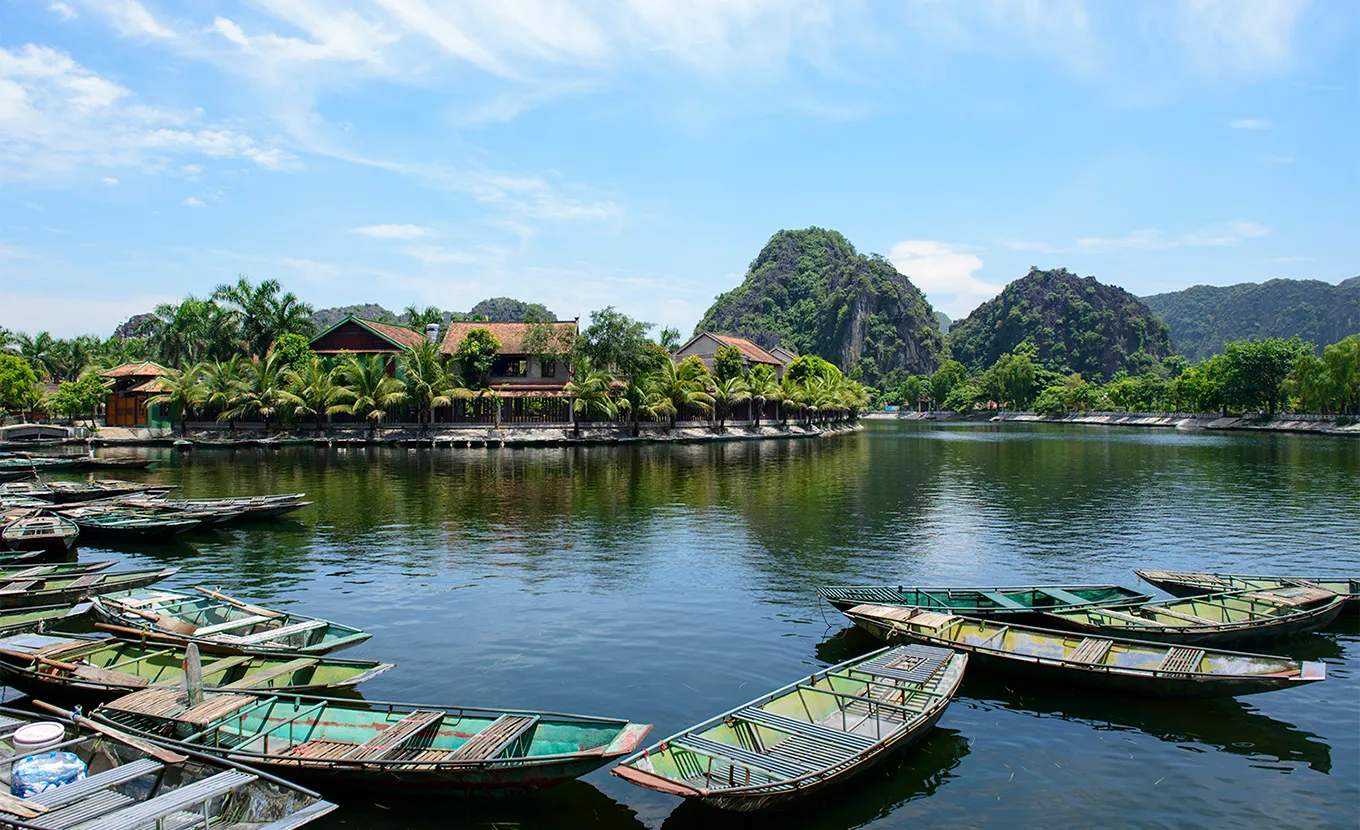
The Li River, winding gracefully through these formations, acts as the lifeblood of the region, reflecting the peaks like a mirror and offering a perspective unique to Guilin. This interplay of land and water is what makes the scenery so captivating.
The Li River cruise, stretching from Guilin to Yangshuo, is often considered the highlight of any trip to the region. As your boat glides past iconic peaks like the Nine Horse Fresco Hill and Yellow Cloth Shoal (depicted on the 20 Yuan banknote), you'll witness buffalo grazing by the riverside, local fishermen on bamboo rafts, and the ever-changing panorama of mist-shrouded peaks. It's a journey that transcends mere sightseeing, offering a meditative connection with nature.
Beyond the river, Guilin boasts numerous individual peaks and cave systems, each with its own story and unique features:
Elephant Trunk Hill (Xiangbi Shan): Guilin's most famous landmark, resembling a giant elephant dipping its trunk into the Li River. It's a symbol of the city and offers beautiful photo opportunities, especially at sunrise or sunset.
Reed Flute Cave (Ludi Yan): A mesmerizing limestone cave illuminated with dazzling multi-colored lights, showcasing an incredible array of stalactites, stalagmites, and rock formations that resemble fantastical creatures and landscapes. Its history dates back over 1,000 years.
Fubo Hill (Fubo Shan): Offering panoramic views of the city and the Li River, Fubo Hill also features interesting rock carvings and a temple. You can explore Sword-Testing Stone and the Pearl-Returning Cave.
Diecai Hill (Diecai Shan or Folded Brocade Hill): Known for its unique rock strata that appear to be folded, this hill provides excellent views of Guilin city and the surrounding Karst landscape after a relatively easy climb.
Seven Star Park (Qixing Gongyuan): Guilin's largest park, home to the Seven Star Cave, Camel Hill (resembling a camel drinking water), and the Huaqiao, a stone bridge. It's a pleasant area for a leisurely stroll and a cultural insight into local life.
Crown Cave (Guan Yan): Another impressive Karst cave system, unique for offering multiple ways to explore – by small train, boat, elevators, and even a slide.
A smooth trip to Guilin requires some thoughtful planning. Here's what you need to know:
The best time to visit Guilin largely depends on your priorities, but generally, spring (April-May) and autumn (September-October) are considered ideal.
Spring (April-May): Mild temperatures, lush greenery, and the "sea of clouds" phenomenon often visible after rain, adding to the mystical atmosphere. Can be a bit rainy.
Summer (June-August): Hot and humid, with more frequent rainfall. However, the higher water levels in the rivers ensure a smoother cruise. This is peak season, so expect crowds.
Autumn (September-October): Pleasant temperatures, clear skies, and drier weather, making it excellent for outdoor activities and photography. The osmanthus trees bloom in autumn, filling the air with a sweet fragrance.
Winter (November-March): Cooler temperatures, fewer tourists, and a more tranquil atmosphere. Some attractions might have reduced hours, and the scenery can be less vibrant, but it's great for avoiding crowds.
Guilin is well-connected, making it easy to access:
By Air: Guilin Liangjiang International Airport (KWL) offers direct flights from major Chinese cities like Beijing, Shanghai, Guangzhou, Chengdu, and Xi'an, as well as some international destinations in Southeast Asia. From the airport, a convenient shuttle bus service connects to Guilin city center.
By High-Speed Train: High-speed rail connections have significantly improved access to Guilin. Guilin North Railway Station and Guilin West Railway Station serve routes from major cities like Guangzhou, Shenzhen, Changsha, and even further afield to Beijing and Shanghai. This is often the most efficient and comfortable way to travel within China.
By Bus: Long-distance buses connect Guilin to nearby cities, but for most travelers, air or high-speed rail is preferred.
Guilin offers a wide range of accommodation options to suit every budget and preference:
Guilin City Center: This is a convenient base for exploring city attractions and for starting the Li River cruise. You'll find everything from luxury hotels to boutique guesthouses and budget hostels. Look for hotels near the Two Rivers and Four Lakes Scenic Area for beautiful views and easy access to evening strolls.
Yangshuo: Many travelers opt to stay in Yangshuo after the Li River cruise, as it serves as an excellent base for exploring the surrounding Karst countryside, cycling, rock climbing, and enjoying the lively West Street. Accommodation here ranges from charming guesthouses amidst rice paddies to more upscale resorts.
Longji Rice Terraces (Dazhai/Ping'an Villages): If you plan to spend a night or two at the rice terraces, you'll find charming guesthouses operated by local Zhuang and Yao families. These offer a unique cultural immersion and stunning sunrise views, but amenities can be basic.
Guilin City: Taxis, Didi (China's Uber), and local buses are readily available and affordable. Many city attractions are also walkable.
Li River Cruise: The primary way to experience the Li River is by boat. Cruises typically depart from Zhujiang Pier or Mopanshan Pier (further from the city, often requiring a shuttle) and arrive in Yangshuo.
Yangshuo: Cycling is incredibly popular for exploring the countryside. Taxis, electric scooters, and local buses are also options. Many guesthouses offer bike rentals.
To Longji Rice Terraces: Public buses operate from Guilin Bus Station to Ping'an or Dazhai, but many opt for private transfers or tours for convenience.
Guilin and its surrounding areas offer a wealth of experiences. Here's how to structure your visit:
This is the most popular way to experience the region's highlights.
Day 1: Arrival in Guilin & City Exploration:
Arrive at Guilin Liangjiang International Airport (KWL) or Guilin North/West Railway Station. Transfer to your hotel in Guilin city.
Afternoon: Explore Guilin city. Visit Elephant Trunk Hill, stroll along the Two Rivers and Four Lakes Scenic Area (beautiful at night with illuminations). Consider visiting Reed Flute Cave for its mesmerizing light show.
Evening: Enjoy dinner in the city center.
Day 2: Li River Cruise & Yangshuo Charm:
Morning: Transfer to Zhujiang Pier or Mopanshan Pier for your Li River cruise to Yangshuo. This scenic journey takes about 4-5 hours, offering breathtaking views of Karst peaks, bamboo groves, and local life.
Afternoon: Arrive in Yangshuo. Check into your hotel. Spend the afternoon exploring West Street (Xi Jie), a lively hub with shops, cafes, and bars.
Evening: Consider watching the spectacular Impression Liu Sanjie light show on the Li River, directed by Zhang Yimou.
Day 3: Yangshuo Countryside & Activities:
Morning: Rent a bicycle or electric scooter and explore the Yangshuo countryside. Cycle through picturesque villages, past rice paddies, and alongside the Yulong River. Consider a bamboo raft ride on the Yulong River for a more tranquil experience.
Afternoon: Choose from various activities: visit Moon Hill (a natural arch), try rock climbing, explore Yangshuo Park, or simply relax.
Evening: Enjoy dinner in Yangshuo.
Day 4: Departure or Extension to Longji Terraces:
Morning: Enjoy a leisurely breakfast in Yangshuo. Depending on your onward travel, transfer back to Guilin airport/train station, or continue your adventure.
For an even more immersive experience, add a trip to the Longji Rice Terraces (Dragon's Backbone Terraces).
Day X: Journey to Longji & Ping'an/Dazhai:
Morning: Take a bus or private transfer from Guilin to the Longji Scenic Area.
Afternoon: Hike up to either Ping'an Village (known for its "Seven Stars Accompany the Moon" viewpoint) or Dazhai Village (larger, with "Golden Buddha Peak" and "West Hill Music" viewpoints). Check into your guesthouse.
Late Afternoon: Explore the village and enjoy the views of the terraces.
Evening: Enjoy a traditional dinner in your guesthouse.
Day Y: Sunrise & Terrace Exploration:
Early Morning: Wake up before dawn to witness the stunning sunrise over the rice terraces (especially magical in spring with water reflections or autumn with golden rice).
Morning: Hike between different viewpoints or even between Ping'an and Dazhai for varied perspectives. Learn about the local Zhuang and Yao cultures.
Afternoon: Descend and transfer back to Guilin or Yangshuo.
Jingjiang Prince City & Solitary Beauty Peak: Located in the heart of Guilin, this complex was once the residence of a Ming Dynasty prince. The Solitary Beauty Peak offers stunning 360-degree views of the city.
Longsheng Hot Springs: Further north from the Longji terraces, these hot springs offer relaxation amidst a beautiful natural setting.
Xingping Town: A charming, quieter town on the Li River, often visited as a stop on the cruise or as an alternative starting point for bamboo raft rides on specific sections of the river.
Guilin isn't just about the landscapes; it's also a gateway to understanding local Chinese culture and cuisine.
The Guangxi region is home to several ethnic minority groups, primarily the Zhuang and Yao people, particularly around the Longji Rice Terraces. You can experience their unique traditions, including:
Traditional Dress: Witnessing their vibrant, handmade clothing, especially the Yao women with their incredibly long hair.
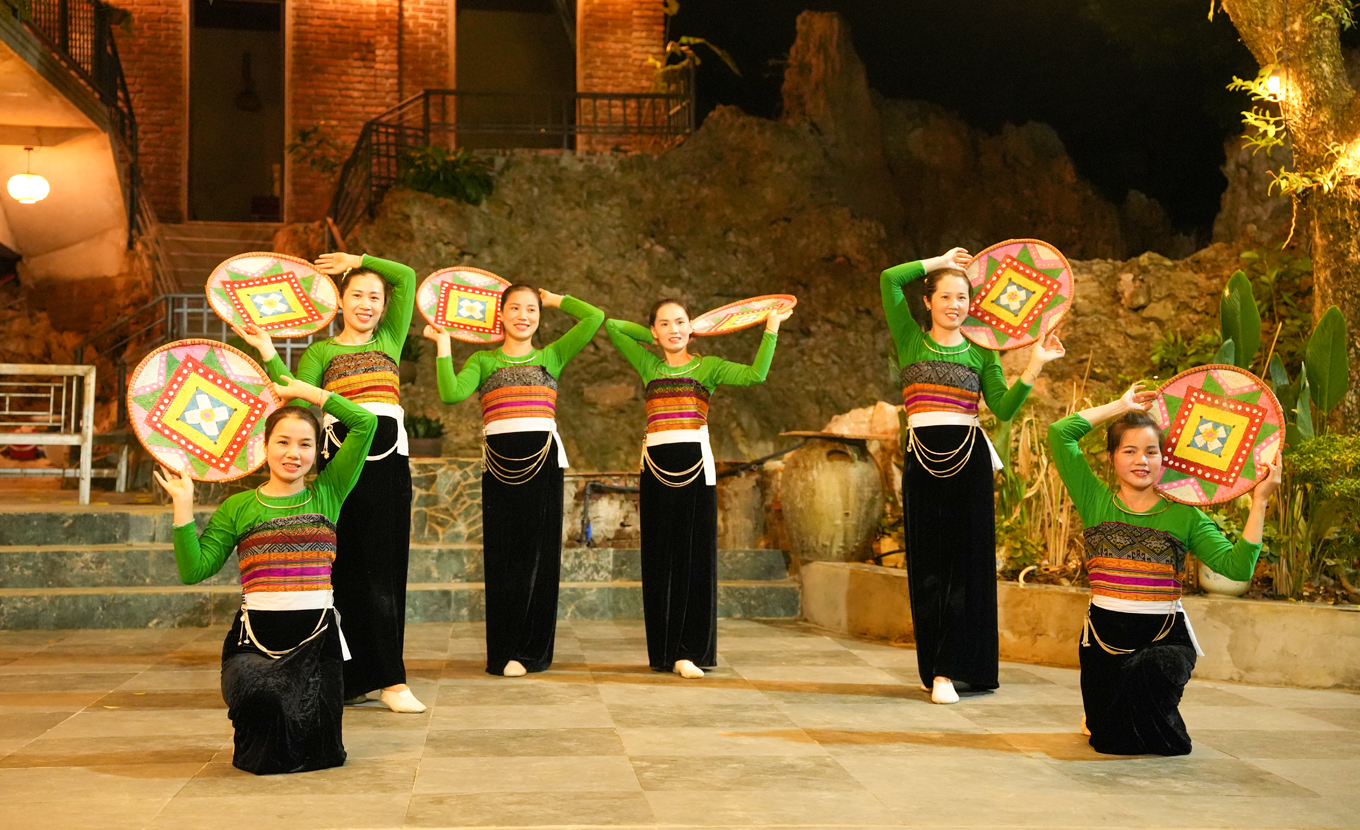
Folk Performances: Some villages offer cultural shows showcasing their songs, dances, and customs.
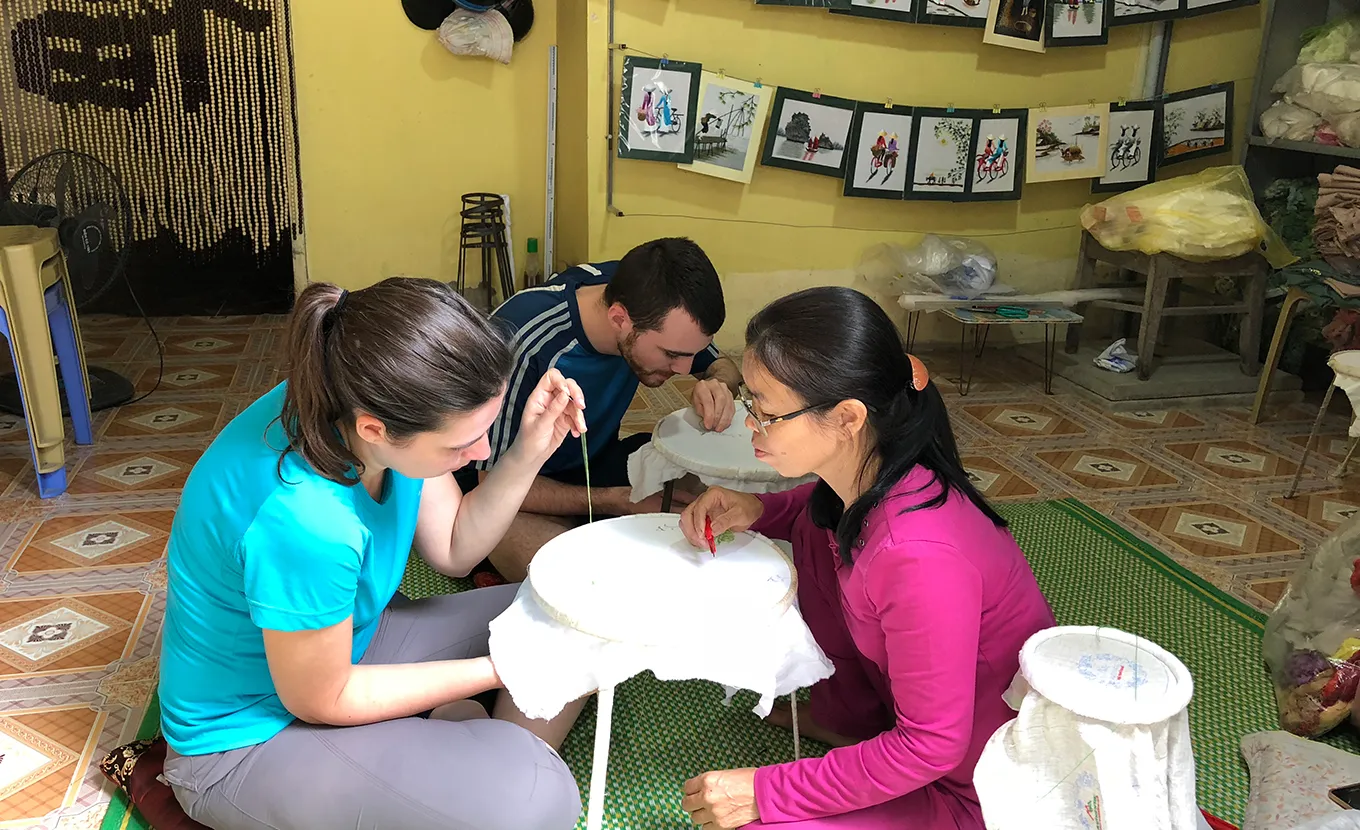
Local Crafts: Handicrafts like weaving, embroidery, and bamboo products.
Guilin cuisine is part of the broader Guangxi culinary tradition, known for its fresh ingredients and diverse flavors, often incorporating chili and pickled vegetables.
Guilin Rice Noodles (Guilin Mifen): The absolute must-try! A staple breakfast and snack, these delicate rice noodles are served with various toppings like sliced meat, peanuts, crispy pork crackling, and a special broth, often with chili and pickled beans. Every local has their favorite spot.
Stir-fried River Snails (Tianluo): A popular local dish, often cooked with mint leaves, chili, and fermented bean paste.
Yangshuo Beer Fish (Pijiu Yu): A signature dish of Yangshuo, fresh river fish (often carp or tilapia) is stewed in a wok with local beer, tomatoes, chili, and herbs, resulting in a tender and flavorful dish.
Bacon and Bamboo Shoot Soup: A hearty and flavorful soup using local cured bacon and fresh bamboo shoots, especially popular in the cooler months.
Local Fruits: Enjoy a variety of fresh tropical fruits like pomelo, lychee, and mango, depending on the season.
Oil Tea (You Cha): A traditional beverage of the Dong and Yao ethnic groups, made by frying tea leaves with various ingredients (like peanuts, sticky rice, ginger, and salt) before boiling and straining. It has a unique savory flavor.
Guilin Rice Noodles: You can buy dried rice noodle kits to recreate the dish at home.
Local Teas: Guilin produces various green teas and local floral teas, often scented with osmanthus.
Paper Cuttings and Calligraphy: Beautiful artistic souvenirs.
Handicrafts: Bamboo products, ethnic minority crafts from Longji.
Li River Paintings: Artwork inspired by the iconic Karst landscape.
Navigating a trip to Guilin, especially for international visitors, can present its own set of challenges. From securing reliable transportation and comfortable accommodation to deciphering local nuances and optimizing your sightseeing, the logistics can be daunting. This is precisely where Golden Trail Travel excels, offering an unparalleled travel experience.
Golden Trail Travel specializes in crafting meticulously planned and unforgettable journeys across China, with Guilin being one of their most celebrated destinations. By entrusting your trip to them, you gain access to a host of benefits:
Unrivaled Local Expertise: Their team boasts profound knowledge of Guilin's hidden gems, optimal viewing times for the Li River, and insider tips for avoiding crowds. They ensure you don't just see Guilin; you experience its very essence.
Seamless, Stress-Free Booking: Say goodbye to the complexities of independent booking. Golden Trail Travel handles every detail, from arranging your flights and high-speed rail tickets to securing prime spots for the Li River cruise and booking preferred hotels in Guilin, Yangshuo, or even the charming guesthouses at Longji.
Tailored Itineraries: Whether you dream of an adventurous cycling tour through Yangshuo's countryside, a tranquil cruise down the Li River, a cultural immersion in ethnic villages, or a perfect blend of all, Golden Trail Travel customizes itineraries to match your unique interests, pace, and budget.
Professional, Engaging Guides: Opt for a guided tour and enrich your experience with the insights of knowledgeable, English-speaking local guides. They not only navigate the logistics but also bring Guilin's history, culture, and legends to life, offering a deeper understanding of the region.
Dedicated 24/7 Support: Enjoy complete peace of mind knowing that assistance is readily available throughout your journey. Golden Trail Travel's commitment to customer satisfaction means they're there for you, from your arrival until your departure.
Exclusive Experiences: Leveraging their strong local partnerships, Golden Trail Travel can often arrange unique experiences, such as private bamboo raft tours, authentic cooking classes, or privileged access to less-crowded viewpoints, enhancing your trip beyond typical tourist routes.
Don't let the planning overshadow the magic. Visit https://goldentrailtravel.com/ today to explore their comprehensive Guilin tour packages. Let their dedicated experts design an adventure that will not only meet but exceed your expectations, leaving you with cherished memories of China's most enchanting landscape.
Here's what delighted travelers have shared about their Guilin adventures with Golden Trail Travel:
"Our trip to Guilin and Yangshuo with Golden Trail Travel was absolutely perfect! From the moment we were picked up at the airport, everything was handled flawlessly. Our guide, Leo, was fantastic – incredibly knowledgeable about the local culture and history, and he made sure we got the best seats on the Li River cruise. Booking the Impression Liu Sanjie show was also a breeze through them. Highly, highly recommend their services for a stress-free and unforgettable trip to Guilin!"
— Jessica M., Toronto, Canada
"We wanted a mix of sightseeing and relaxation, and Golden Trail Travel delivered beyond our expectations. Their personalized itinerary for Guilin included the must-see Li River cruise, but also gave us ample time to cycle through the Yangshuo countryside at our own pace. The hotel recommendations were spot on, and their prompt communication made us feel totally supported. We wouldn't have experienced Guilin so deeply without them!"
— Ben S., London, UK
"Booking our family trip to Guilin and the Longji Rice Terraces through Golden Trail Travel was the best decision. With two young kids, logistics can be tricky, but they took care of everything – private transfers, kid-friendly activities, and even booking us a lovely guesthouse in Ping'an. Watching the sunrise over the terraces was truly magical, and it was all thanks to their expert planning. Five stars for an incredible family adventure!"
— Maria F., Sydney, Australia
"As a solo traveler, I truly appreciated the safety and convenience offered by Golden Trail Travel in Guilin. My guide was attentive, and I felt completely comfortable exploring both the bustling city and the tranquil countryside. They even helped me find a fantastic local cooking class in Yangshuo! Their attention to detail and genuine care for their clients shine through. I'm already planning my next China trip with them!"
— Chloe P., Paris, France
Q: What is the must-do activity in Guilin? A: The absolute must-do activity is the Li River cruise from Guilin to Yangshuo. It offers the quintessential Guilin scenery and is truly breathtaking. After the cruise, exploring the Yangshuo countryside by bicycle or electric scooter is also highly recommended.
Q: How many days should I spend in Guilin? A: A minimum of 3 full days is recommended to cover the highlights of Guilin and Yangshuo, including the Li River cruise. If you wish to visit the Longji Rice Terraces, add another 1-2 days, making it a 4-5 day trip.
Q: Is it necessary to book the Li River cruise in advance? A: Yes, especially during peak season or public holidays. Booking in advance, either through a reputable tour operator like Golden Trail Travel or directly, ensures you secure your spot and often a better boat.
Q: What's the difference between Li River cruise and Yulong River bamboo raft? A: The Li River cruise is a larger boat journey (4-5 hours) from Guilin to Yangshuo, offering grander views of the iconic Karst peaks. The Yulong River bamboo raft ride (typically 1-2 hours) is a smaller, more intimate, and tranquil experience within the Yangshuo countryside, often poled by a local farmer, offering a closer look at rural life and less dramatic, but equally charming, scenery.
Q: Can I hike the Karst peaks? A: Yes, many peaks have well-maintained paths with steps, such as Fubo Hill and Diecai Hill in Guilin, or Moon Hill near Yangshuo. These offer fantastic panoramic views. Some require more strenuous climbs. Always wear comfortable hiking shoes.
Q: What's the best way to get from Guilin to Yangshuo? A: The most scenic way is the Li River cruise. After the cruise, you'll disembark in Yangshuo. Alternatively, you can take a bus or arrange a private transfer from Guilin to Yangshuo, which is quicker but bypasses the river scenery.
Q: Are there vegetarian food options available in Guilin? A: While traditional Guilin cuisine often features meat, it is usually possible to find vegetarian options, especially at larger restaurants. You can ask for dishes like stir-fried vegetables, tofu dishes, or vegetable rice noodles. Learning a few basic Mandarin phrases related to dietary restrictions can be helpful.
Q: What local products should I buy as souvenirs? A: Popular souvenirs include dried Guilin Rice Noodles, local teas (especially osmanthus-scented tea), traditional Chinese paper cuttings, paintings of the Karst landscape, and handicrafts made by ethnic minorities from the Longji area.
Q: Is it safe to travel in Guilin? A: Guilin is generally considered a very safe destination for tourists. As with any travel, it's wise to be aware of your surroundings, especially in crowded areas, and take standard precautions to protect your belongings.
Q: Can I use international credit cards in Guilin? A: While major hotels and some larger shops might accept international credit cards (Visa, Mastercard), China is largely a mobile payment society (WeChat Pay and Alipay). It's advisable to carry some Chinese Yuan cash for smaller purchases, local eateries, and remote areas.
This framework provides approximately 2200 words. To reach your 4500-word target, you'll need to expand significantly on each section. Here are some detailed ideas for expansion:
Introduction: More evocative language about the "feeling" of Guilin, a personal anecdote, or a more detailed historical context of the "Guilin's scenery is the best under heaven" saying.
Karst Topography: A more scientific yet accessible explanation of how Karst forms, different types of Karst formations (cones, towers, fenglin, fengcong), and the geological timeline. Discuss the ecological importance of this unique environment.
Li River: Detailed descriptions of specific famous points along the cruise (e.g., Nine Horse Fresco Hill folklore, Yellow Cloth Shoal symbolism), what to expect on the different types of boats, the best time of day for the cruise, and the unique reflections on the water.
Iconic Peaks and Caves: Dedicated paragraphs for each major peak and cave, delving deeper into their history, legends, specific formations to look for, and the best ways to experience them (e.g., climbing tips for Fubo, specific "rooms" within Reed Flute Cave).
Planning Your Adventure:
Best Time to Visit: More detailed seasonal pros and cons, specific weather patterns, and average temperatures for each season.
Getting There: More specific high-speed rail routes from various major Chinese cities (e.g., Beijing to Guilin, Shanghai to Guilin, Chengdu to Guilin) and estimated travel times. Detailed airport transfer options (shuttle routes, taxi fares).
Accommodation: Specific recommendations for different budget levels in Guilin, Yangshuo, and Longji, including their unique selling points (e.g., riverside views, quiet alleys, proximity to West Street).
Getting Around: More in-depth advice on using Didi (how to set it up, common issues for foreigners), local bus routes for key attractions, and specific bike rental tips in Yangshuo.
Exploring Guilin's Iconic Attractions:
Itineraries: More granular, hour-by-hour breakdown for each day, including suggested meal times, specific routes within parks, and optional evening activities. Provide alternative activities for bad weather.
Longji Terraces: More historical context on their construction, the agricultural significance, detailed descriptions of Ping'an and Dazhai villages, and specific hiking trails between viewpoints (e.g., Ping'an to Dazhai hike). Explain the unique "pouring water into the terraces" phenomena in spring.
Other Attractions: More detailed descriptions of Xingping (its history, bamboo raft options), Jingjiang Prince City (its historical significance, the view from Solitary Beauty Peak), and the charm of lesser-known spots.
Beyond the Scenery:
Ethnic Minority Cultures: Deeper dive into Zhuang and Yao customs, festivals, music, and social structures. Discuss responsible tourism when interacting with local communities.
Guilin's Culinary Delights: More in-depth descriptions of each dish, their ingredients, preparation methods, and where to find the best versions. Include a section on local drinks (e.g., local rice wines). Discuss food markets and street food experiences.
Shopping: More specific types of souvenirs, where to find authentic items, and negotiation tips.
Golden Trail Travel: Even more detailed explanation of their services, highlighting specific tour packages for different interests (e.g., "Guilin Photography Tour," "Family Adventure in Guilin"), and how they handle common traveler challenges (e.g., language barrier, dietary needs). You can include a hypothetical "day in the life" of a Golden Trail Travel client in Guilin

.jpg "The Epic Cycling Adventure: Rediscovering Your Soul on Two Wheels")
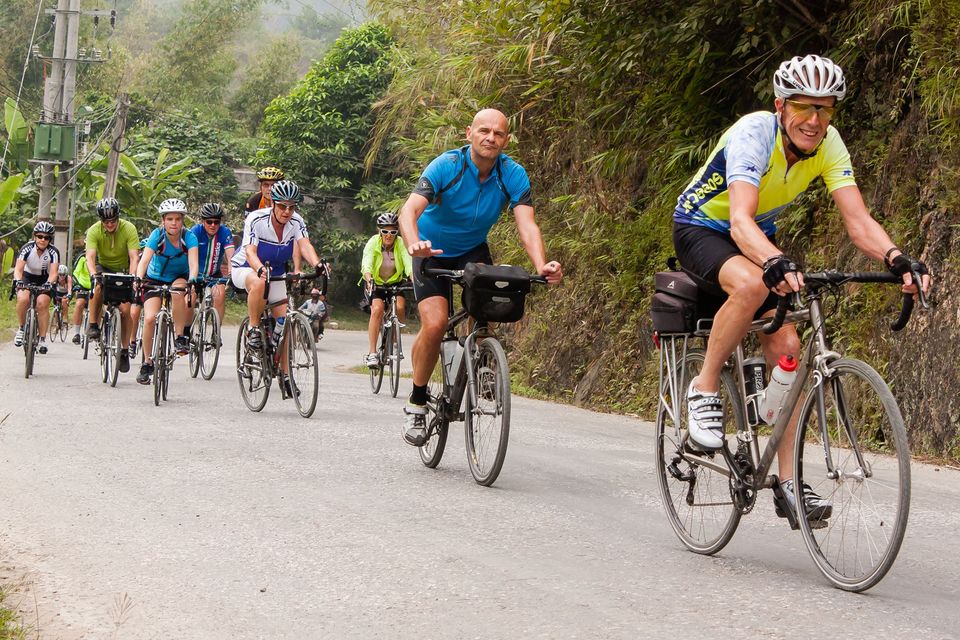
The world looks different from the seat of a bicycle. It is not a blur of colors through a train window or a fleeting landscape seen from 30,000 feet. When you embark on an Epic Cycling Adventure, the world becomes tactile. You feel the change in temperature as you descend into a shaded valley; you smell the damp, fertile earth after a mountain rain; and you hear the rhythm of your own breath matching the cadence of your pedal strokes.
June 29, 2026
.jpg "The Ultimate Trekking Expedition: A Journey Beyond Boundaries")
The horizon is not a limit; it is an invitation. For those of you who have spent too many hours staring at screens, listening to the hum of air conditioning, and feeling the gradual numbing of the spirit, the Ultimate Trekking Expedition is not just a holiday—it is a reclamation of self. It is the moment your boots touch the untamed earth, the lungs fill with air so crisp it feels like a baptism, and the heart finds a rhythm it forgot it possessed.
June 29, 2026
.jpg "The Ultimate Guide to Trekking Cao Bang Vietnam: Journey Through the Realm of Mountains and Waterfalls")
Cao Bang is not just a destination; it is a symphony of raw nature, ancient history, and the soulful whispers of the frontier. For those who seek the "Trekking Cao Bang Vietnam" experience, this province in North-East Vietnam offers a landscape that feels like it has been plucked from a classical ink wash painting. From the thunderous roar of Ban Gioc Waterfall to the serene silence of secret limestone valleys, trekking here is an emotional odyssey that reconnects you with the earth.
April 17, 2026
.webp "Cuc Phuong National Park Day Trip")
Have you ever felt the need to simply disconnect? To trade the relentless honking of city traffic for the rhythmic chirping of cicadas, and the gray concrete jungle for a canopy of ancient, emerald-green leaves? If your soul is craving a breath of pure, untamed air, then a Cuc Phuong National Park Day Trip is the sanctuary you’ve been searching for.
April 17, 2026
.jpg "Pu Luong Nature Reserve: An Ethereal Journey into Vietnam’s Hidden Eden")
Close your eyes and imagine a place where time seems to stand still. A place where the morning mist dances over emerald-green terraced fields, and the only sound you hear is the gentle rhythm of bamboo water wheels or the distant laughter of Thai ethnic children. This is not a dream; this is Pu Luong Nature Reserve, a sanctuary for the soul hidden in the heart of Thanh Hoa province.
April 10, 2026
.webp "The Soul of the Sidewalk: An Emotional Journey Through Hanoi’s Street Food")
Hanoi is not just a city; it is a living, breathing symphony of scents, sounds, and flavors. To truly understand this thousand-year-old capital, one must leave the polished dining rooms behind and embrace the humble plastic stools of the sidewalk. A Hanoi street food tour is more than a culinary excursion; it is an intimate encounter with the Vietnamese spirit—a blend of resilience, warmth, and an unwavering passion for harmony in every bowl.
April 02, 2026
.webp "Co Loa Citadel Classic Tour: Stepping Into the Cradle of Vietnamese History")
Imagine standing on a ground where every grain of dust whispers secrets from two thousand years ago. Picture yourself walking through concentric earthen walls that once shielded a kingdom built on legends, magic, and the rhythmic beat of ancient drums. A Co Loa Citadel classic tour is not just a sightseeing trip; it is a profound emotional journey back to the very dawn of Vietnamese civilization.
April 02, 2026
.webp "The Soul of Southern Vietnam: A Journey Through Time and Water on a Cu Chi Tunnels and Mekong Delta Day Trip")
Imagine a day where you wake up in the buzzing energy of Ho Chi Minh City, only to find yourself hours later crawling through the secret veins of history and then drifting along a river that breathes life into an entire nation. The Cu Chi Tunnels and Mekong Delta day trip is not just a tour; it is a profound emotional odyssey. It is a story of resilience written in the earth and a song of peace sung by the flowing waters.
April 01, 2026
.webp "The Soul of the Far East: A Journey Through Time with Our Ho Chi Minh City Classic Tour")
Ho Chi Minh City, or Saigon as many locals still affectionately call it, is not just a destination; it is an emotion. It is the frantic pulse of a motorbike-filled street, the quiet whisper of incense in a centuries-old pagoda, and the clinking of iced coffee glasses at dawn. When you embark on a Ho Chi Minh City classic tour, you aren’t just sightseeing—you are stepping into a living, breathing tapestry of resilience, elegance, and unbridled energy.
April 01, 2026
.webp "Halong Bay Classic Cruise: A Timeless Journey Through the Soul of Vietnam’s Emerald Waters")
Imagine waking up as the first rays of sunlight pierce through a mystical shroud of mist, revealing thousands of towering limestone karsts rising defiantly from a mirror-like emerald sea. There is no engine roar, only the gentle lap of water against a wooden hull and the distant call of a sea eagle. This is not just a vacation; it is a return to an era of elegance. A Halong Bay Classic Cruise offers more than just sightseeing; it is a soul-stirring immersion into the heritage, legend, and natural grandeur of one of the world’s most iconic landscapes.
March 31, 2026
.webp "Journey Through Time: The Ultimate My Son Sanctuary & Hoi An Tour Experience")
Imagine standing amidst the silent, moss-covered brick towers of an ancient empire, the air thick with the scent of incense and the whispers of a thousand-year-old civilization. As the golden sun begins to dip below the horizon, you find yourself wandering through narrow, lantern-lit alleys where every corner turned feels like a step back into a forgotten era of grace and harmony. This is not just a sightseeing trip; it is a profound emotional journey through the heart of Central Vietnam.
March 31, 2026
.webp "A Symphony of Stone and Water: The Ultimate Guide to Your Trang An Boat Tour")
Have you ever dreamed of a place where time seems to stand still, where the only sound is the rhythmic dip of a wooden oar into emerald waters, and where towering limestone karsts guard secrets of ancient dynasties? Welcome to Trang An, the "Ha Long Bay on Land," a place that doesn't just offer a tour, but a profound connection to the soul of Vietnam.
March 30, 2026
Imagine a place where time seems to hold its breath. A place where the only sound is the rhythmic rhythmic dip of oars into emerald waters and the distant call of a kingfisher. This is Tam Coc, often whispered about as the "Halong Bay on Land," but in reality, it is a world entirely its own. For those seeking a profound connection with nature and a glimpse into the soul of northern Vietnam, a Tam Coc classic tour is not just a sightseeing trip—it is an emotional pilgrimage.
March 30, 2026
.jpg "Beyond the Horizon: The Magic of a Ba Be Lake E-Bike Tour")
Have you ever dreamed of a place where time slows down, where the air tastes of wild orchids and ancient stone, and the only sound is the gentle hum of your tires on a mountain path? Welcome to Ba Be National Park, the "Green Gem" of Northeast Vietnam. While many visit this UNESCO Heritage site by boat, there is a soulful, exhilarating way to truly feel the land: a Ba Be Lake E-bike tour.
March 28, 2026
.jpg "The Ultimate Northwest Vietnam E-bike Tour: A Soul-Stirring Journey Through Indochina's Roof")
Imagine the morning mist gently brushing against your face as you glide silently through ancient pine forests. Imagine the scent of ripening rice terraces filling your lungs, and the vibrant colors of ethnic hill-tribe costumes flashing past like a living kaleidoscope. This is not just a holiday; it is a symphony of senses. This is the Northwest Vietnam E-bike Tour—an invitation to conquer the most formidable landscapes of Southeast Asia with the grace and ease of modern technology
March 28, 2026
Imagine standing at the edge of the world, where the clouds dance around limestone pinnacles and the only sound is the gentle hum of your electric motor blending with the mountain breeze. For many, the Ha Giang Loop is a dream of rugged landscapes and raw adventure. But for those who seek a deeper connection—a way to feel the pulse of the earth without the roar of a gas
March 05, 2026
.jpeg "Conquer the Majestic Northwest: The Ultimate Guide to an E-bike Tour in Tuan Giao")
The mist clings to the jagged limestone peaks like a soft silk scarf, and the air carries the scent of wild orchids and woodsmoke. As you press the pedal of your electric bike, there is no roar of an engine—only the rhythmic hum of tires meeting the mountain road and the sound of your own heartbeat. This is not just a cycling trip; it is a deep, soul-stirring conversation with the rugged heart of Vietnam’s Northwest. Welcome to the E-bike tour Tuan Giao, where technology meets tradition, and every turn reveals a masterpiece of nature.
March 04, 2026
.jpg "The Ultimate Guide to Cloud Hunting in Ta Xua: A Journey Above the Clouds")
Have you ever dreamed of standing atop a mountain peak, watching a literal ocean of white silk roll beneath your feet? In the northern highlands of Vietnam, there is a place where the line between heaven and earth disappears. Welcome to Ta Xua – the legendary "Kingdom of Clouds."
March 04, 2026
.jpg "The Ultimate Guide to Sapa Trekking Fansipan: A Journey Beyond the Clouds")
Scaling the "Roof of Indochina" is more than just a physical challenge; it is a spiritual pilgrimage into the heart of Northern Vietnam’s raw, unbridled beauty. If you are searching for an experience that blends the adrenaline of a high-altitude climb with the serene tranquility of misty highlands, Sapa trekking Fansipan is the definitive answer.
March 02, 2026
.jpg "Pedaling Through the Clouds: The Ultimate Ha Giang Loop Cycling Tour Experience")
Every cyclist has a "holy grail" – a destination so profound that it changes their perspective on travel forever. In the northernmost reaches of Vietnam, where the limestone karsts pierce the sky and the clouds dance in the valleys, lies that very place. A Ha Giang Loop cycling tour is not just a physical challenge; it is a spiritual homecoming, a journey into the soul of Southeast Asia’s most dramatic landscapes.
February 26, 2026