15 Ng. 100 Đ. Nguyễn Xiển, Thanh Xuân Nam, Thanh Xuân, Hà Nội 100000

15 Ng. 100 Đ. Nguyễn Xiển, Thanh Xuân Nam, Thanh Xuân, Hà Nội 100000
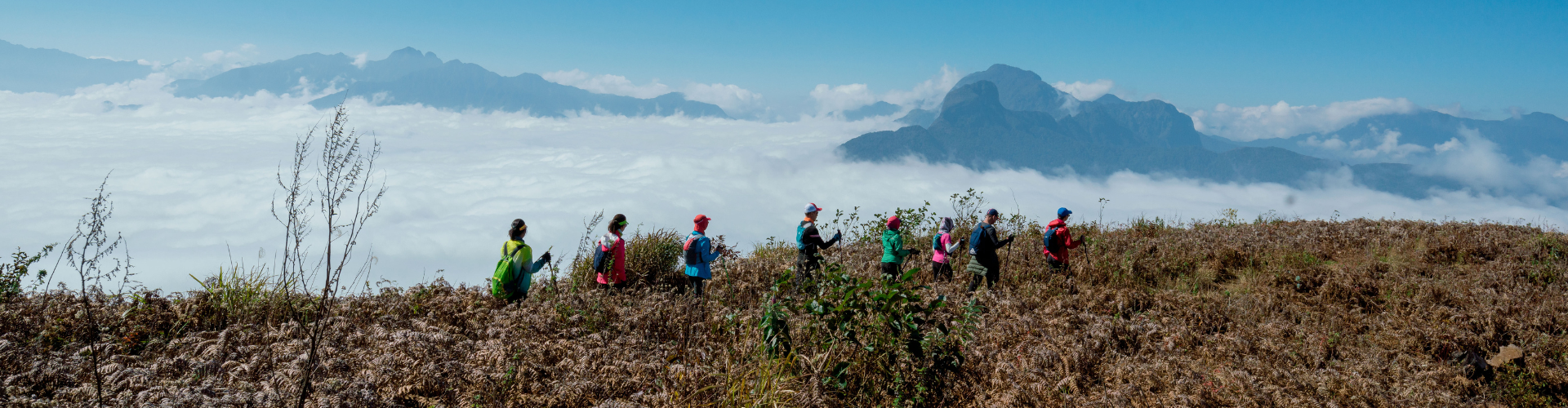
For the intrepid adventurer seeking the ultimate challenge and an unparalleled connection with nature, Pu Ta Leng emerges as one of Vietnam's most captivating and formidable peaks. Often dubbed the "Roof of the Northwest" or the "Second Roof of Indochina," this majestic mountain, soaring to approximately 3,049 meters (or 3,143 meters, depending on the source and measurement techniques, often considered Vietnam's second or third highest), is a realm of mist-shrouded forests, vibrant rhododendron blooms, and breathtaking cloud seas. Located in Tam Duong District, Lai Chau Province, Pu Ta Leng offers a trekking experience that is as demanding as it is rewarding, leading explorers through pristine primeval jungles to a summit that promises panoramic vistas of an endless ocean of clouds.
More than just a physical ascent, conquering Pu Ta Leng is a journey into Vietnam's untouched wilderness, a test of endurance, and an immersion into the rich biodiversity of the Hoang Lien Son mountain range. It's a place where ancient trees stand guard, rare orchids cling to mossy branches, and the vibrant culture of ethnic minority communities adds a unique human dimension to the wild landscape. For those who yearn to escape the ordinary, to push their limits, and to witness natural beauty on a truly grand scale, Pu Ta Leng beckons with its mystique and formidable charm.
This comprehensive guide will lead you on an in-depth exploration of Pu Ta Leng, detailing its unique geographical wonders, unraveling the secrets of its diverse ecosystems, outlining the challenges and triumphs of its trekking routes, immersing you in its vibrant local cultures, and providing essential tips to help you plan and conquer this magnificent peak. Whether you're a seasoned mountaineer, a passionate nature photographer, or simply a dream-chaser, Pu Ta Leng promises an experience that will etch unforgettable memories into your soul.
Pu Ta Leng's allure stems from its sheer scale, its dramatic altitude, and the unique atmospheric phenomena that frequently grace its peaks. It's a place where nature's artistry is on full display, offering a profound connection to the wild, untamed heart of Vietnam.
Pu Ta Leng's exact elevation has been a subject of some debate, often cited as 3,049 meters or 3,143 meters. Regardless of the precise number, it firmly holds its place as one of Vietnam's highest and most challenging summits.
The Summit View: Reaching the summit is the ultimate reward. On clear days, the panoramic views stretch endlessly, revealing a rugged tapestry of mountain ranges, deep valleys, and potentially even glimpses of Fansipan to the south.
Cloud Sea (Biển Mây): One of the most iconic phenomena. Pu Ta Leng, like other high peaks in the region, frequently stands above a vast "sea of clouds." Witnessing the sunrise or sunset over this ethereal ocean of white is a truly magical and unforgettable experience. The clouds often blanket the valleys below, leaving the peaks exposed like islands in the sky.
Varying Altitudes, Varying Landscapes: The trek to Pu Ta Leng takes you through distinct altitudinal zones, each with its own unique flora and fauna, creating a dynamic and ever-changing landscape throughout the ascent.
The Pu Ta Leng mountain range, part of the larger Hoang Lien Son system, is a haven for biodiversity, boasting a wide array of ecosystems.
Subtropical Evergreen Forest (Lower Slopes): Characterized by broadleaf trees, dense undergrowth, and a rich variety of ferns, mosses, and climbing plants. This zone is typically humid and teeming with insect life.
Montane Cloud Forest (Mid to High Altitudes): As you ascend, the forest transitions into a cloud forest, constantly shrouded in mist and fog. Trees here are often gnarled and covered in thick layers of moss, lichen, and epiphytes (plants that grow on other plants, like orchids and ferns). This creates an otherworldly, mystical atmosphere.
Alpine Zones (Near Summit): The vegetation becomes sparser near the summit, transitioning to hardy, wind-resistant shrubs and grasses, with rhododendrons dominating in their blooming season.
Pu Ta Leng is particularly renowned for its stunning floral displays and ancient trees.
Rhododendrons (Đỗ Quyên): Perhaps the most iconic flower of the Hoang Lien Son range. During their blooming season (typically late winter to early spring, around February to April), the mountain slopes burst into vibrant colors – reds, pinks, whites, and yellows – creating a truly spectacular sight. Some rhododendron trees are ancient and massive, adding to the magic of the landscape.
Ancient Fir Trees (Pơ Mu): Majestic, centuries-old fir trees with distinctive, aromatic wood. These ancient giants stand as silent guardians of the forest, adding to its primeval feel.
Orchids: The humid environment of the cloud forest is perfect for a vast array of wild orchids, clinging to tree branches and adding delicate beauty to the rugged landscape.
Mosses and Lichens: The constant moisture in the montane cloud forest creates a lush carpet of mosses and lichens, covering trees, rocks, and the forest floor, giving the forest an ethereal, almost fantastical appearance.
Bamboo Forests: Sections of the trail, particularly in the lower and mid-altitudes, can pass through dense bamboo forests, creating a unique and sometimes challenging walking experience.
While spotting large mammals is rare due to their shy nature and the density of the forest, the park is home to a rich variety of wildlife.
Primates: Various species of monkeys and langurs inhabit the forest, though they are often heard more than seen.
Birds: The diverse ecosystems support a wide range of bird species, making it a potential paradise for birdwatchers. The calls of exotic birds often accompany trekkers throughout their journey.
Reptiles and Amphibians: Snakes, lizards, and various amphibians thrive in the humid forest environment.
Insects: An abundance of insects, including colorful butterflies, adds to the vitality of the ecosystem.
Wild Boar, Deer, Small Carnivores: These are present but very elusive. Evidence of their presence, like tracks, might be observed.
Pu Ta Leng's high altitude means weather conditions can be highly unpredictable and change rapidly.
Temperatures: Can drop significantly, especially at higher elevations and during the night. Winter months can see temperatures near freezing or below, with occasional frost or even light snow. Summers are milder but still significantly cooler than the lowlands.
Rain and Mist: The montane cloud forest ensures frequent mist, fog, and rain, even during the dry season. This contributes to the mystical atmosphere but also impacts visibility and trail conditions.
Wind: The summit can be extremely windy, especially on exposed sections.
Understanding these natural elements is crucial for preparing for a safe and successful trek to Pu Ta Leng.
The ascent of Pu Ta Leng is a multi-day expedition that demands physical fitness, mental fortitude, and careful preparation. It's not a climb for beginners but promises an incredibly rewarding journey for experienced trekkers.
Most treks to Pu Ta Leng follow a 3-day, 2-night itinerary, starting from a base village in Tam Duong District, Lai Chau. Variations exist, but this is the most common and recommended duration to allow for acclimatization and appreciation of the journey.
Day 1: The Ascent to Camp 1 (Base Camp)
Starting Point: Typically from Nam Lo Village or Thac Vang Village in Tam Duong District, Lai Chau. The journey often begins with a motorbike ride from the pickup point to the actual trailhead.
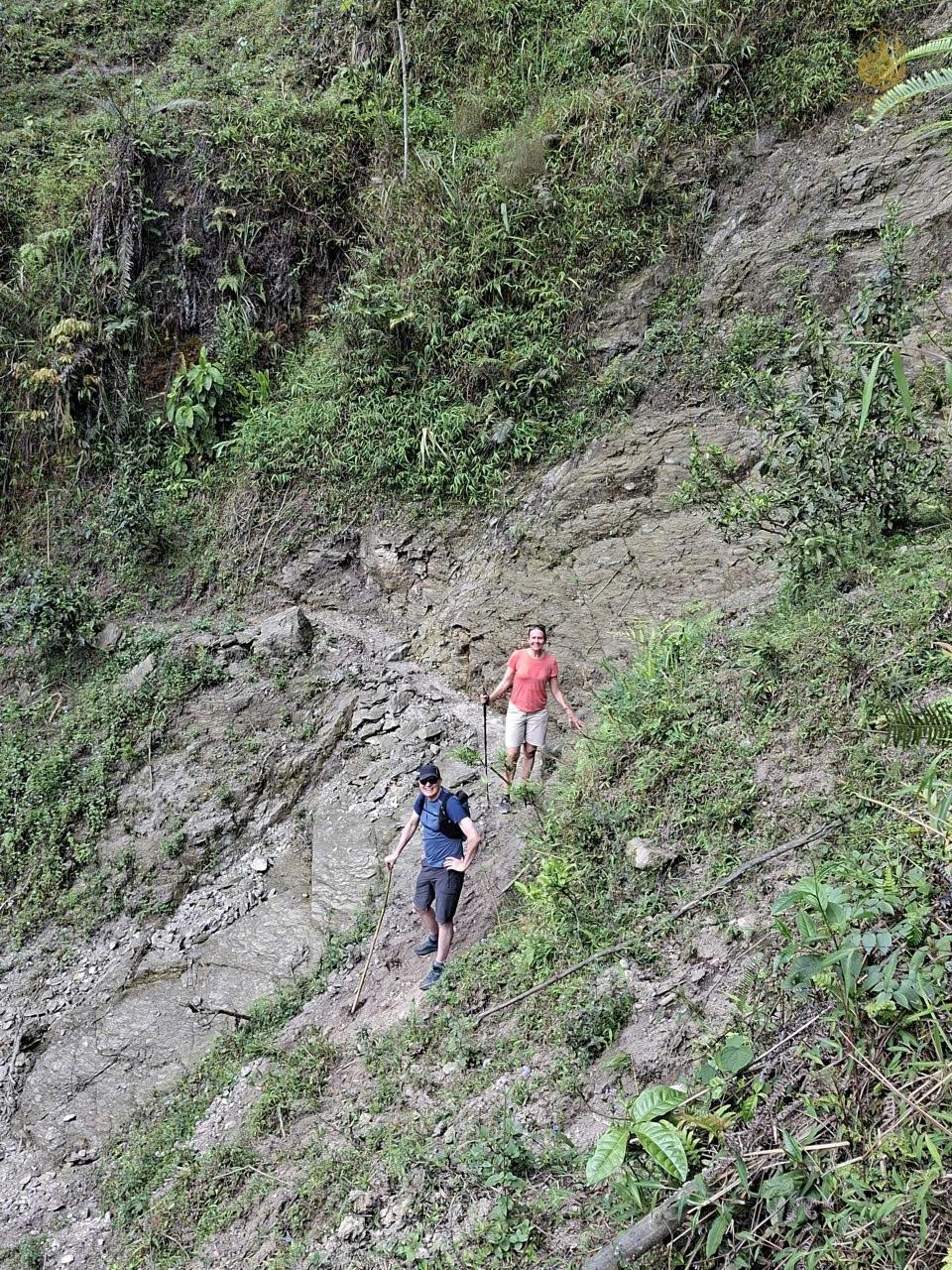
Trekking: The first day involves a continuous ascent through dense forest, crossing streams, and navigating challenging terrain. The trail can be steep, rocky, and often muddy or slippery, especially after rain.
Ecosystems: You'll pass through subtropical evergreen forest, gradually transitioning into the lower reaches of the montane cloud forest.
Camp 1 (Approx. 1,800m - 2,000m): Set up camp at a designated spot with basic facilities, often simple shelters or clearings for tents. This is where you'll spend the first night, sharing stories and preparing for the next day's challenge. Dinner prepared by porters.
Day 2: Summit Push and Descent to Camp 2
Early Start: Wake up before dawn for the summit push to catch the sunrise.
Summit Trek: This is the most challenging section, involving steep ascents, navigating through dense, moss-covered cloud forest, and potentially scrambling over rocks and roots. The terrain can be very wet and slippery. You'll pass through the heart of the rhododendron forests (if in season).
The Summit: Reach the peak of Pu Ta Leng. Spend time taking photos, absorbing the incredible panoramic views of the surrounding mountains, and hopefully witnessing the famous cloud sea.
Descent to Camp 2 (Approx. 2,500m - 2,800m): After celebrating the summit, you'll begin the descent to a higher camp, often located near a water source or a flat clearing. This descent is tough on the knees and requires careful footing. This camp offers even more dramatic views, particularly for sunset.
Day 3: Final Descent to the Trailhead
Long Descent: The final day involves a long and strenuous descent back to the starting point. The trail will likely be the same one used for the ascent or a slightly varied route.
Terrain: Expect a mix of steep downhill sections, rocky paths, and muddy areas. The descent can be particularly taxing on the legs.
Return: Arrive back at the trailhead, where transportation will take you back to a guesthouse for a well-deserved shower and meal before onward travel.
Terrain Variety: The trail is incredibly diverse, ranging from relatively flat forest paths to extremely steep, rocky, and root-laden ascents and descents. You'll encounter dense bamboo forests, slippery moss-covered rocks, and muddy sections.
Water Crossings: Numerous streams and small rivers need to be crossed, sometimes requiring wading or careful rock-hopping.
Weather: Highly unpredictable. Be prepared for sun, rain, mist, fog, and strong winds, often all in one day. Temperatures can drop significantly at higher altitudes.
Leeches: Common, especially during the rainy season. Wear long pants and use repellent.
Physical Demands: Requires excellent physical fitness, stamina, and strong knees for the long descents. Previous trekking experience, especially in challenging mountain terrain, is highly recommended.
Mental Fortitude: The long hours of trekking, combined with sometimes monotonous forest paths and challenging weather, require significant mental resilience.
Proper gear is paramount for a safe and comfortable trek up Pu Ta Leng.
Trekking Boots: Waterproof, ankle-supporting, and well-broken-in with excellent grip.
Layered Clothing: Essential for varying temperatures. Moisture-wicking base layers, warm mid-layers (fleece or down jacket), and a waterproof and windproof outer shell (jacket and pants).
Warm Hat & Gloves: Crucial for cold mornings and evenings at high altitude.
Sleeping Bag: Rated for cold temperatures (0°C to 5°C comfort rating is advisable).
Backpack: Comfortable hiking backpack (40-60L) to carry your personal gear.
Headlamp/Flashlight: With extra batteries, for early morning starts and navigating around camp.
Trekking Poles: Highly recommended for stability, especially on steep ascents and descents, and for muddy terrain.
Water Bottles/Hydration Bladder: Minimum 2-3 liters capacity. Water can be refilled at campsites.
High-Energy Snacks: Chocolates, nuts, energy bars, dried fruit.
Basic First-Aid Kit: Band-aids, antiseptic wipes, pain relievers, blister treatment, rehydration salts, any personal medications.
Insect Repellent: Strong repellent for mosquitoes and leeches.
Sun Protection: Sunscreen, sunglasses, hat.
Power Bank/Portable Charger: For electronic devices.
Small Dry Bags: To protect electronics and valuables from moisture.
Spare Clothes: Especially socks and a clean set for camp.
The journey to Pu Ta Leng is not just about the mountain itself; it's also about the vibrant local culture of the ethnic minority communities who call these mountains home and whose support is invaluable for the trek.
The remote villages at the base of Pu Ta Leng are primarily inhabited by H'Mong and Dao ethnic minority groups. Their distinct cultures, traditional livelihoods, and deep connection to the land are an integral part of the Pu Ta Leng experience.
Traditional Life: These communities often maintain traditional ways of life, relying on subsistence farming (rice, corn), raising livestock, and sometimes cultivating local herbs.
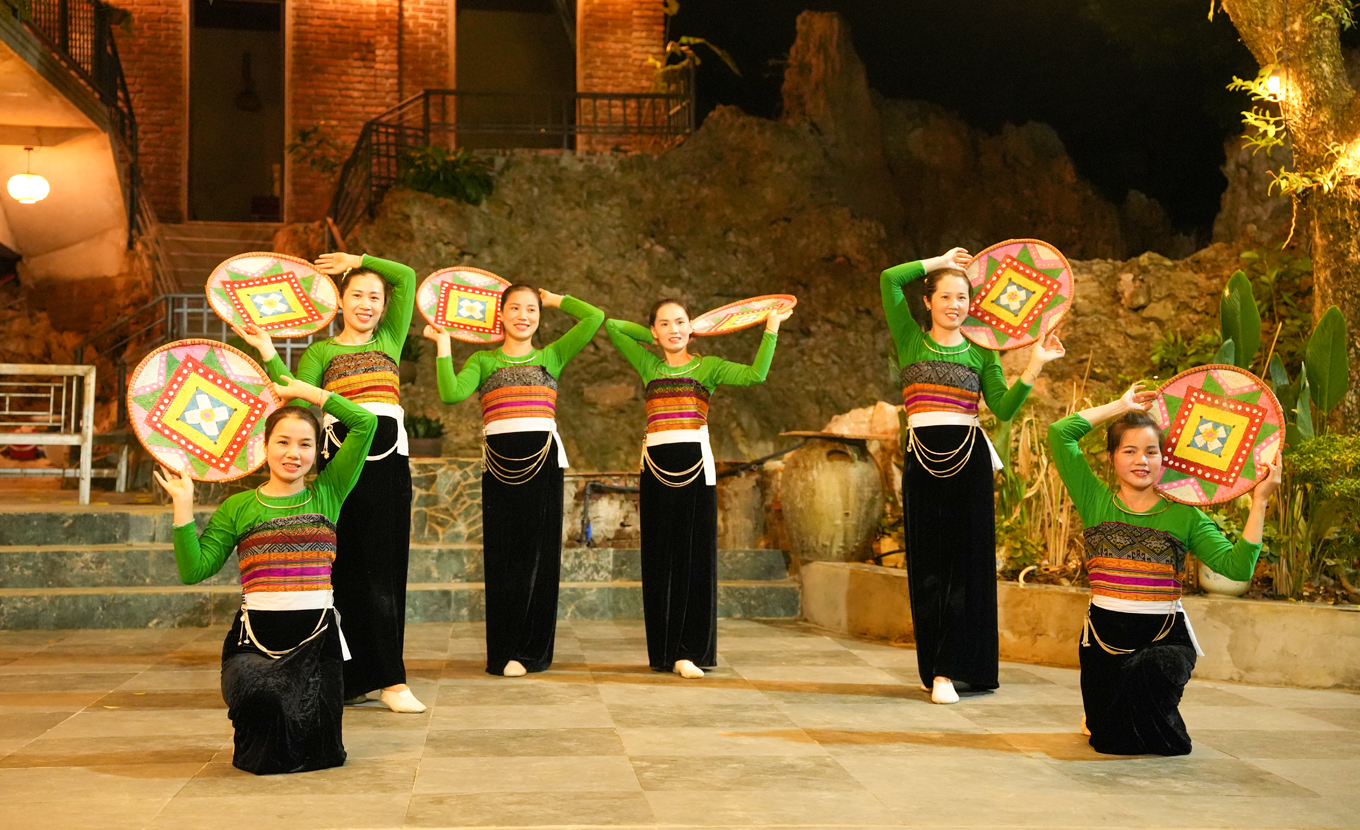
Colorful Attire: You'll often see H'Mong and Dao women in their beautiful, intricately embroidered traditional costumes.
Homestays: Some local families offer basic homestays in the villages near the trailhead, providing an authentic cultural experience before or after your trek. This is an excellent opportunity to sample local food and observe their daily life.
Conquering Pu Ta Leng without local support is almost impossible and not recommended. The porters and local guides are the backbone of any Pu Ta Leng expedition.
Porters: Often from the H'Mong or Dao communities, porters carry the majority of the gear, including tents, sleeping bags, cooking equipment, food, and water. Their strength, knowledge of the terrain, and resilience are awe-inspiring. They are intimately familiar with every twist and turn of the trail, having grown up in these mountains.
Local Guides: Essential for navigation, safety, and cultural insights. A good local guide understands the weather patterns, knows the safe routes, and can communicate with porters. They often serve as cultural bridges, helping you understand the local customs and traditions.
Economic Impact: Hiring local porters and guides directly supports the livelihoods of these communities, providing an important source of income that helps preserve their traditional way of life and reduces pressure on the natural environment.
Respect Local Customs: Always be respectful of the H'Mong and Dao cultures. Ask for permission before taking photos of people, especially children. Dress modestly when visiting villages.
Support Local Economy: Purchase local handicrafts directly from the communities if available.
Fair Wages: Ensure that your tour operator pays fair wages to porters and guides. Golden Trail Travel is committed to this.
Leave No Trace: Practice strict "Leave No Trace" principles. Pack out all your trash, avoid disturbing the environment, and respect wildlife. Do not take anything from the forest except photographs.
Communication: A local guide will help bridge any language barriers. Learn a few basic Vietnamese phrases ("Xin chào" - hello, "Cảm ơn" - thank you) to show respect.
The human connection with the H'Mong and Dao people and the reliance on their incredible strength and knowledge truly enrich the Pu Ta Leng experience, transforming a challenging trek into a profound cultural exchange.
The formidable challenge and remote nature of Pu Ta Leng National Park mean that careful planning, expert guidance, and robust logistical support are absolutely essential for a safe, successful, and truly unforgettable trek. This is where Golden Trail Travel stands out as your premier partner for conquering Vietnam's majestic peaks.
Golden Trail Travel is a leading tour operator specializing in curating authentic and exhilarating trekking adventures throughout Vietnam's magnificent mountain ranges. Their particular expertise in the remote Northern Highlands, including the captivating realm of Pu Ta Leng, sets them apart. Their unwavering commitment to safety, profound local knowledge, sustainable practices, and providing truly immersive journeys ensures that your expedition to Pu Ta Leng is not just successful, but deeply memorable and responsible.
Unparalleled Mountain Expertise & Safety: Golden Trail Travel's team possesses deep, firsthand knowledge of Pu Ta Leng's challenging terrain, unpredictable weather patterns, and specific logistical requirements.
Experienced Guides & Porters: They partner with highly skilled, certified local guides who are intimately familiar with every inch of the trail, and strong, reliable local porters who ensure your gear is safely transported. Safety is their absolute priority, with comprehensive protocols and emergency plans in place.
Proper Gear & Equipment: They ensure the provision of high-quality, well-maintained trekking and camping equipment (tents, sleeping bags, cooking gear) suitable for high-altitude conditions, often difficult to source locally.
Risk Management: Their guides are trained in first aid and mountain rescue basics, and they constantly monitor weather conditions to make informed decisions for your safety.
Seamless Logistics, from Start to Summit: The journey to Pu Ta Leng involves multiple transfers and considerations. Golden Trail Travel handles all the complexities, allowing you to focus solely on the trek:
Transportation: They arrange comfortable and reliable transport from Hanoi or Sapa to Lai Chau, and then appropriate local transfers (often motorbikes or 4x4s) to the remote trailheads in Nam Lo or Thac Vang villages.
Permits & Fees: They manage all necessary permits, park entrance fees, and local community contributions, navigating the bureaucratic requirements effortlessly.
Accommodation & Meals: They arrange pre-trek accommodation in Lai Chau or nearby towns, and provide delicious, hearty meals cooked by porters on the mountain, ensuring you are well-nourished for the demanding climb.
Authentic Cultural Immersion & Local Empowerment: Golden Trail Travel believes in sustainable and responsible tourism. By working closely with local H'Mong and Dao communities, they ensure your journey provides genuine cultural insights while directly benefiting the local economy.
Direct Local Support: Your trek directly supports the livelihoods of local porters and guides, ensuring fair wages and respectful engagement.
Cultural Exchange: Guides facilitate respectful interactions, allowing you to learn about the unique customs and traditions of the mountain people.
Customizable and Supportive Itineraries: While a standard 3-day/2-night trek is common, Golden Trail Travel can tailor your itinerary to your fitness level, time constraints, and specific interests. They offer comprehensive pre-trip briefings, advice on physical preparation, and constant support throughout your journey.
Beyond Pu Ta Leng: For those interested in a longer adventure, Golden Trail Travel can seamlessly combine your Pu Ta Leng expedition with other highlights of Vietnam's Northern Highlands, such as trekking in Sapa, exploring the stunning terraced fields of Mu Cang Chai, or visiting other unique ethnic minority regions.
Ready to challenge yourself, witness breathtaking landscapes, and stand atop one of Vietnam's highest peaks? Visit the Golden Trail Travel website at https://goldentrailtravel.com/ to explore their diverse range of trekking tours and custom adventure options.
Their user-friendly platform makes it easy to:
Browse detailed itineraries for Pu Ta Leng and other captivating mountain expeditions in Vietnam.
Read genuine testimonials from satisfied trekkers who have experienced the Golden Trail difference in Vietnam's remote highlands.
Submit a personalized inquiry for a custom-designed Pu Ta Leng adventure tailored precisely to your dreams and comfort level.
Effortlessly book your chosen tour with confidence, knowing you're embarking on a safe, supported, and truly unique journey into the heart of Vietnam's highest mountains with expert guidance.
Don't just dream of conquering Pu Ta Leng; achieve it with the unparalleled support and passion of Golden Trail Travel. Let them lead you to the majestic heights, creating memories that will last a lifetime and redefine your sense of adventure!
Q1: Where is Pu Ta Leng located? A1: Pu Ta Leng is located in Tam Duong District, Lai Chau Province, in the Northwest region of Vietnam, part of the Hoang Lien Son mountain range.
Q2: What is the elevation of Pu Ta Leng? A2: Pu Ta Leng is commonly cited as having an elevation of approximately 3,049 meters (or sometimes 3,143 meters), making it one of Vietnam's highest peaks, often considered the second or third highest.
Q3: How difficult is the trek to Pu Ta Leng? A3: The trek to Pu Ta Leng is considered very challenging, requiring excellent physical fitness, stamina, and previous trekking experience in rugged terrain. It involves steep ascents and descents, often on muddy, slippery, and rocky trails.
Q4: How many days does it typically take to conquer Pu Ta Leng? A4: Most treks to Pu Ta Leng are typically 3 days and 2 nights, starting from the base villages in Tam Duong District.
Q5: When is the best time to trek Pu Ta Leng? A5: The dry season, from October to April, is generally the best time. February to April is particularly popular for witnessing the vibrant rhododendron blooms. Avoid the peak rainy season (June-September) due to extremely challenging and dangerous trail conditions.
Q6: What kind of flora and fauna can I expect to see? A6: Pu Ta Leng is known for its dense primeval forests, ancient fir trees (Pơ Mu), and spectacular rhododendron blooms (seasonal). While wild animal sightings are rare, the forest is home to diverse bird species, primates, and various insects.
Q7: Are guides and porters necessary for the trek? A7: Yes, hiring local guides and porters is absolutely necessary and highly recommended for safety, navigation, carrying gear, and gaining insights into the local culture and environment.
Q8: What should I pack for a Pu Ta Leng trek? A8: Essential items include waterproof and ankle-supporting trekking boots, layered clothing (warm base, mid-layer, waterproof outer shell), a warm sleeping bag, headlamp, trekking poles, insect repellent (for leeches), and high-energy snacks

.jpg "The Ultimate Guide to the Best Vietnam Bike Tour Package: Experience the Odyssey of a Lifetime")
Vietnam is a land defined by its rhythmic transitions. From the jagged, mist-shrouded limestone peaks bordering China to the flat, sun-drenched alluvial plains of the Mekong Delta, the "S-curve" of Indochina offers one of the most diverse and rewarding landscapes in the world for adventurers. However, to truly see the soul of this nation, one must leave the crowded coastal highways and travel at a human pace. This is why a professional Vietnam bike tour package has become the gold standard for global travelers seeking authenticity, serenity, and physical challenge.
December 20, 2025
.jpg "Navigating the Cost of Adventure: The Definitive Guide to Vietnam Bike Tour Prices")
For many travelers, cycling across Vietnam is a bucket-list dream. From the emerald-green rice terraces of the North to the sun-drenched coastal roads of the Central region and the labyrinthine waterways of the Mekong Delta, the "S-curve" of Indochina is best experienced at the speed of two wheels. However, when planning such an epic journey, one of the first questions that arises is: What is a fair Vietnam bike tour price?
December 20, 2025
.jpg "Vietnam Cross Country Bike Tour: The Ultimate Guide to an Epic Journey")
Embarking on a Vietnam cross country bike tour is more than just a physical challenge; it is a profound pilgrimage through the heart and soul of Southeast Asia. Spanning over 2,000 kilometers from the misty mountain peaks of the north to the emerald-green waterways of the Mekong Delta, this journey offers a front-row seat to the dramatic evolution of a nation. Traveling at the speed of two wheels, you witness the subtle transitions of landscape, the rhythmic "Xin Chao" of rural villagers, and the historical echoes of the legendary Ho Chi Minh Trail.
December 20, 2025
.jpg "Cycling Vietnam North to South: The Ultimate Cross-Country Odyssey")
There is perhaps no greater physical and spiritual challenge in Southeast Asia than cycling Vietnam north to south. Spanning over 2,000 kilometers, this journey is more than just a bike ride; it is a profound exploration of a nation’s soul. From the misty, jagged peaks of the northern border to the sun-drenched, emerald waterways of the Mekong Delta, traveling at the speed of two wheels allows you to witness the dramatic transformation of landscape, culture, and climate in a way that no other form of travel can offer.
December 20, 2025
.jpg "Exploring the S-Curve: The Ultimate Guide to Vietnam Bike Tours")
Vietnam is a country that demands to be seen at the speed of a bicycle. From the misty, jagged peaks of the far north to the emerald-green waterways of the Mekong Delta, the landscape is a constantly shifting tapestry of beauty. But beyond the scenery, it is the sensory immersion that makes Vietnam bike tours so intoxicating. It is the smell of ripening rice, the rhythmic "Xin Chao" (hello) from children in remote villages, the taste of a steaming bowl of Pho at a roadside stall, and the profound sense of accomplishment after conquering a legendary mountain pass.
December 20, 2025
.jpg "Guided Ho Chi Minh Trail Cycling Tour: The Ultimate Expedition Through Vietnam's Soul")
The Ho Chi Minh Trail is arguably the most legendary road in Southeast Asia. Once a clandestine network of jungle paths, mountain passes, and river crossings used by the North Vietnamese forces during the American War, it has today been reclaimed by nature and history to become a world-class cycling destination. For the modern adventurer, embarking on a Guided Ho Chi Minh Trail cycling tour is not just about the physical challenge of traversing 2,000 kilometers
December 19, 2025
.jpg "Ho Chi Minh Trail by Bike: The Ultimate Journey Through Vietnam's Heart and History")
At Golden Trail Travel, we believe that to truly see Vietnam, you must slow down to the pace of two wheels. Our expertly curated cycling tours are designed to immerse you in the culture, history, and natural splendor of this legendary trail, ensuring that every pedal stroke tells a story.
December 19, 2025
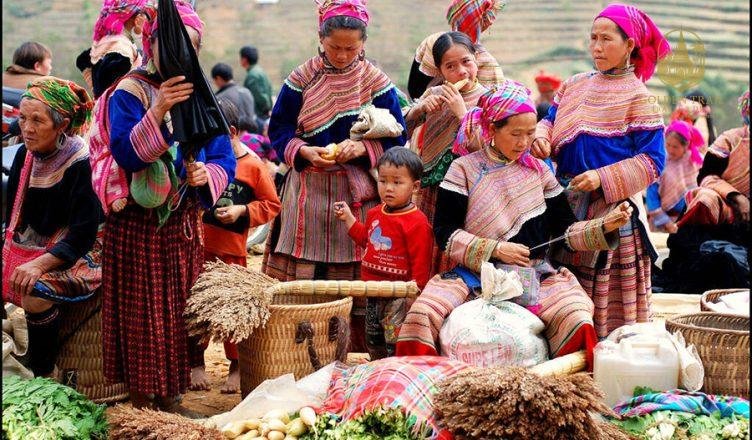
There are few better ways to experience Vietnam's vibrant culture than through a market day cycling tour. Imagine pedaling through misty valleys at sunrise, reaching a bustling rural market just as locals arrive on motorbikes, on foot, or with baskets balanced on their shoulders. The colors, sounds, and smells are pure sensory overload — and completely unforgettable.
December 04, 2025
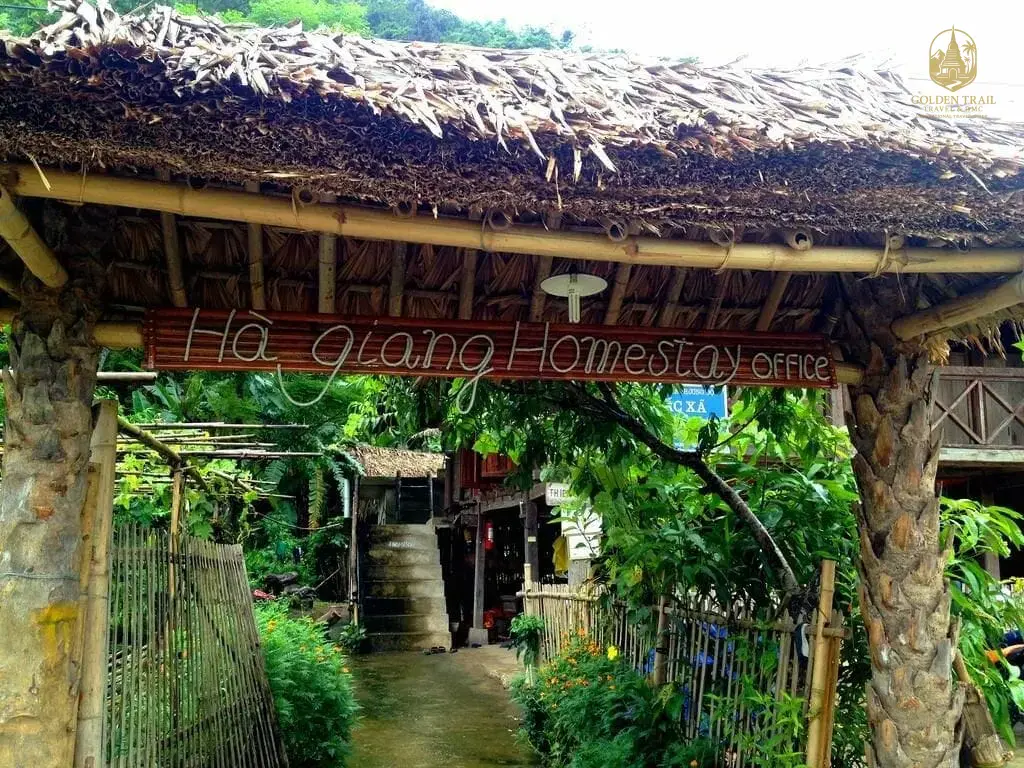
Want to truly connect with the heart and soul of Vietnam while exploring its scenic landscapes on two wheels? A homestay cycling tour offers the perfect blend of physical adventure, cultural immersion, and community connection.
December 04, 2025
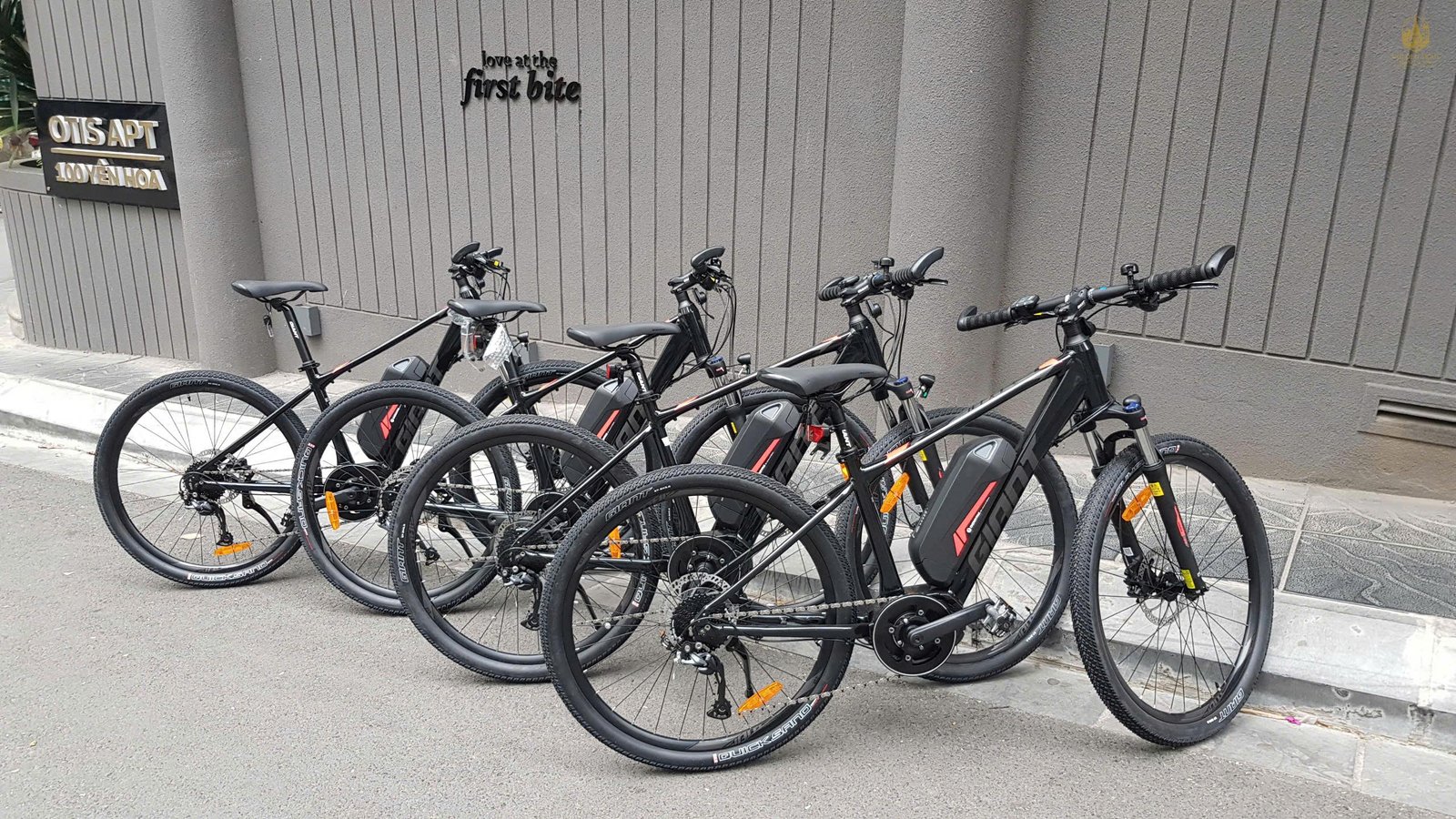
Looking for a way to explore the stunning mountains, rice terraces, and cultural villages of Northern Vietnam — without the exhaustion of steep climbs? An E-bike tour in Northern Vietnam is the perfect answer. Blending the joy of cycling with the ease of pedal assistance, e-biking lets you fully immerse yourself in the landscapes and cultures of the north, regardless of fitness level.
December 04, 2025
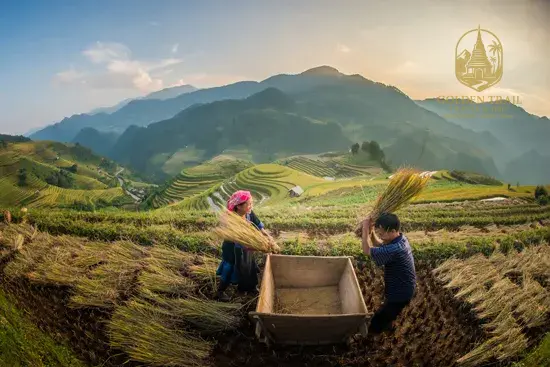
There are few experiences in Southeast Asia as magical as cycling through golden rice terraces during harvest season. Imagine riding past endless layers of shimmering gold, hearing the hum of local farmers harvesting by hand, and smelling the sweet scent of ripened rice in the cool autumn air. That’s the essence of rice harvest season cycling in Northern Vietnam — a perfect mix of nature, culture, and adventure.
December 04, 2025

Northern Vietnam is a dreamland for adventure travelers, cyclists, and motorbike riders. Its towering mountains, ethnic villages, and winding valleys offer unmatched beauty — but behind every epic route lies a practical question: what’s the real road condition in Northern Vietnam?
December 04, 2025

Cycling from Vietnam North to South is more than just a bike tour—it’s an unforgettable journey through history, culture, and nature. From misty mountains in the north to sun-kissed beaches in the south, this coast-to-coast ride offers incredible variety, both in terrain and experience.
December 03, 2025
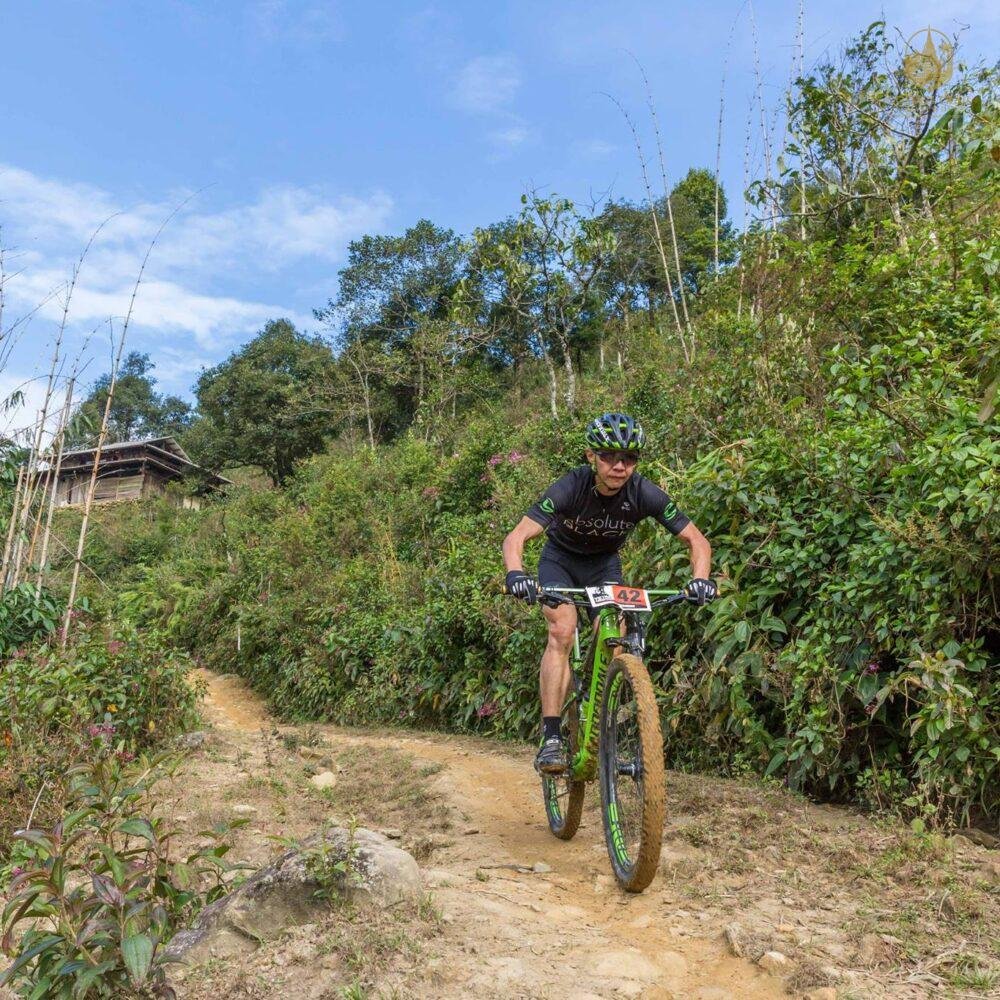
From the spectacular single tracks of Pu Luong to the mud trails of Sapa, the forest-lined valleys of Mai Chau, the karst mountain ridges of Ninh Binh, and the hidden jungle routes of the Central Highlands, Vietnam’s off-road trails cater to all levels—from intermediate riders to hardcore mountain bikers seeking multi-day cross-country expeditions.
November 29, 2025

Vietnam is a country of timeless charm, but there is one time of year when the nation transforms completely. It is a season when the chaotic traffic of the cities subsides into a peaceful hush, when the streets are painted in vibrant shades of red and yellow, and when the smell of burning incense and savory sticky rice cakes fills the air.
November 21, 2025
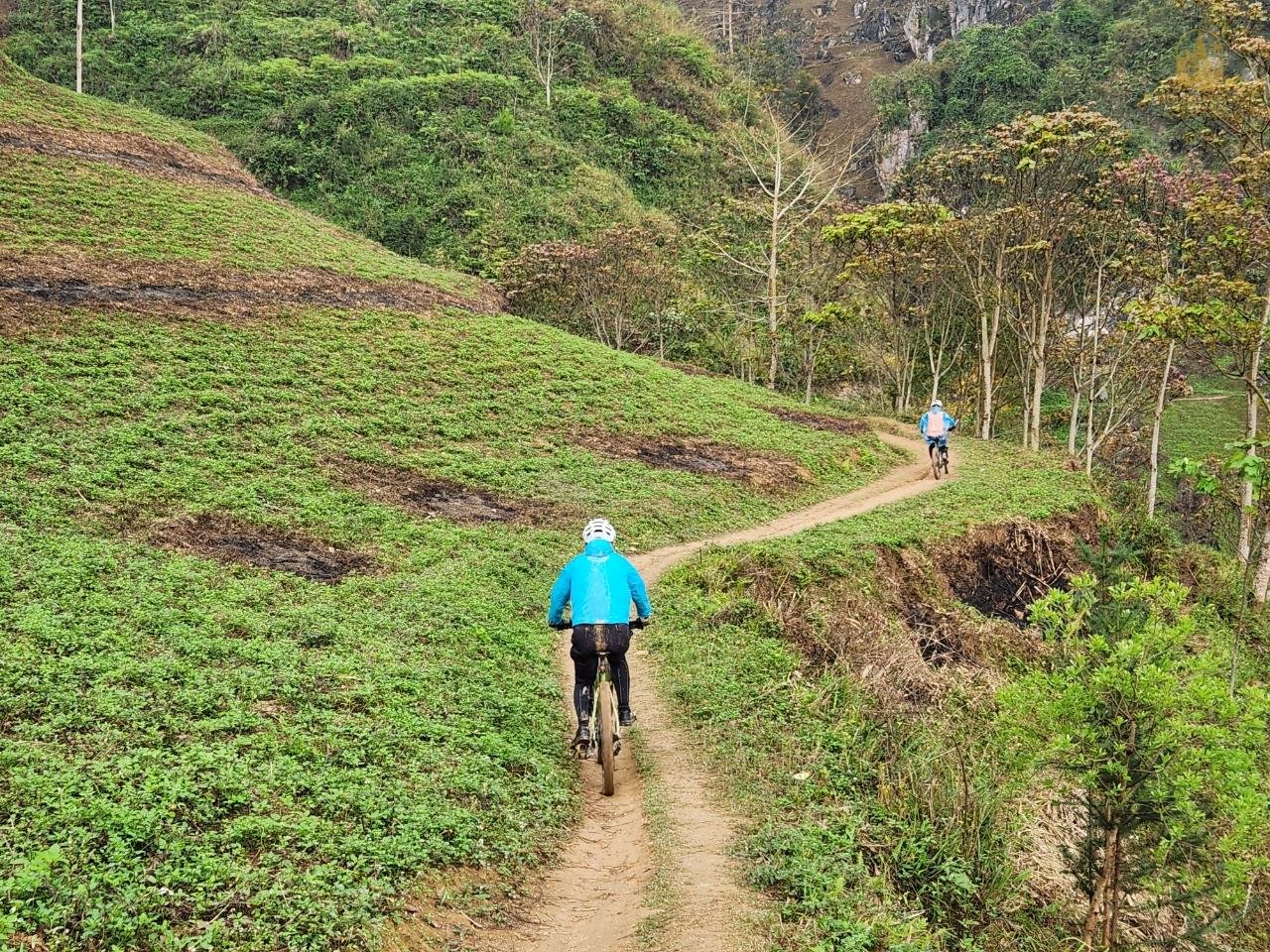
There are cycling trips, and then there are odysseys. Biking from Hanoi to Ho Chi Minh is not merely a vacation; it is a rite of passage. It is the act of traversing an entire nation, tracing the S-shape of the Dragon along the edge of the East Sea.
November 20, 2025
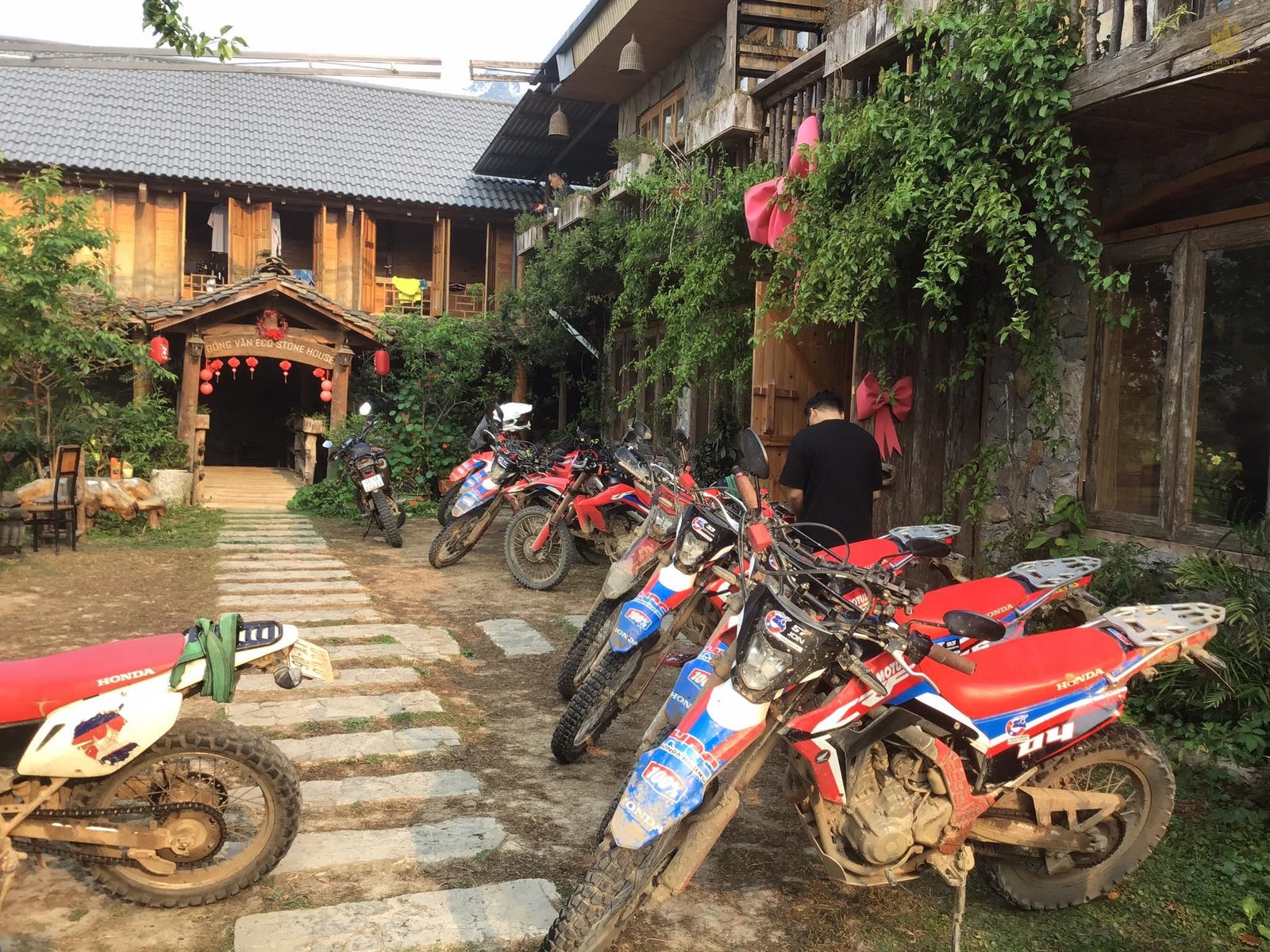
There are road trips, and then there are pilgrimages. Route 66 in the USA offers nostalgia; the Great Ocean Road in Australia offers scenery. But a Ho Chi Minh Trail motorbike tour offers something far more profound: a journey through the very soul of a nation.
November 20, 2025
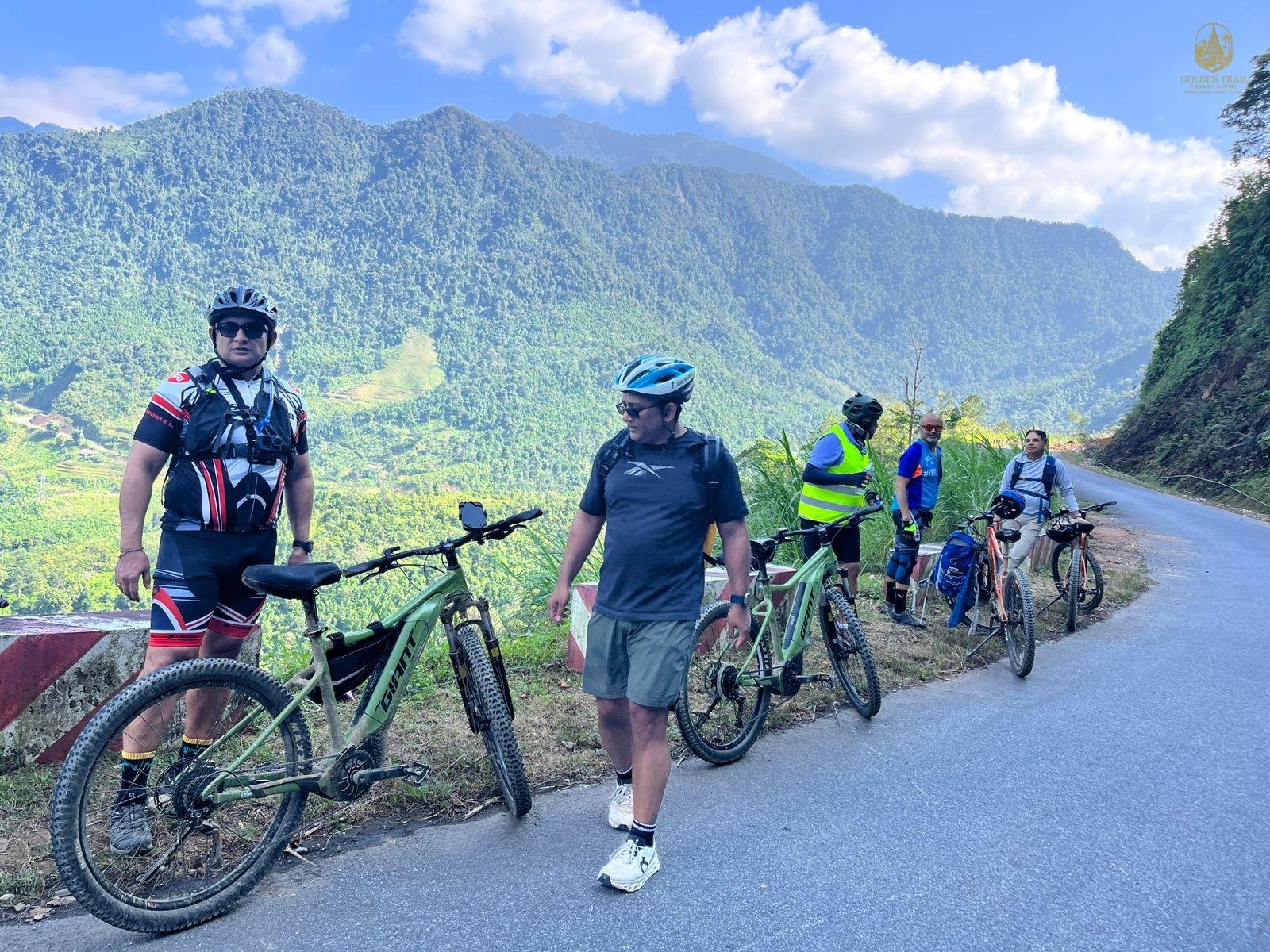
Vietnam is a country of sensory density. To the average tourist peering out from the window of a sleeper bus, it is a blur of neon lights, green rice paddies, and chaotic traffic. But to the cyclist, the map of Vietnam looks entirely different. Beneath the main highways lies a vast, intricate web of secondary roads, single tracks, dyke paths, and mountain passes. These are the bike trails Vietnam has kept secret for decades.
November 20, 2025
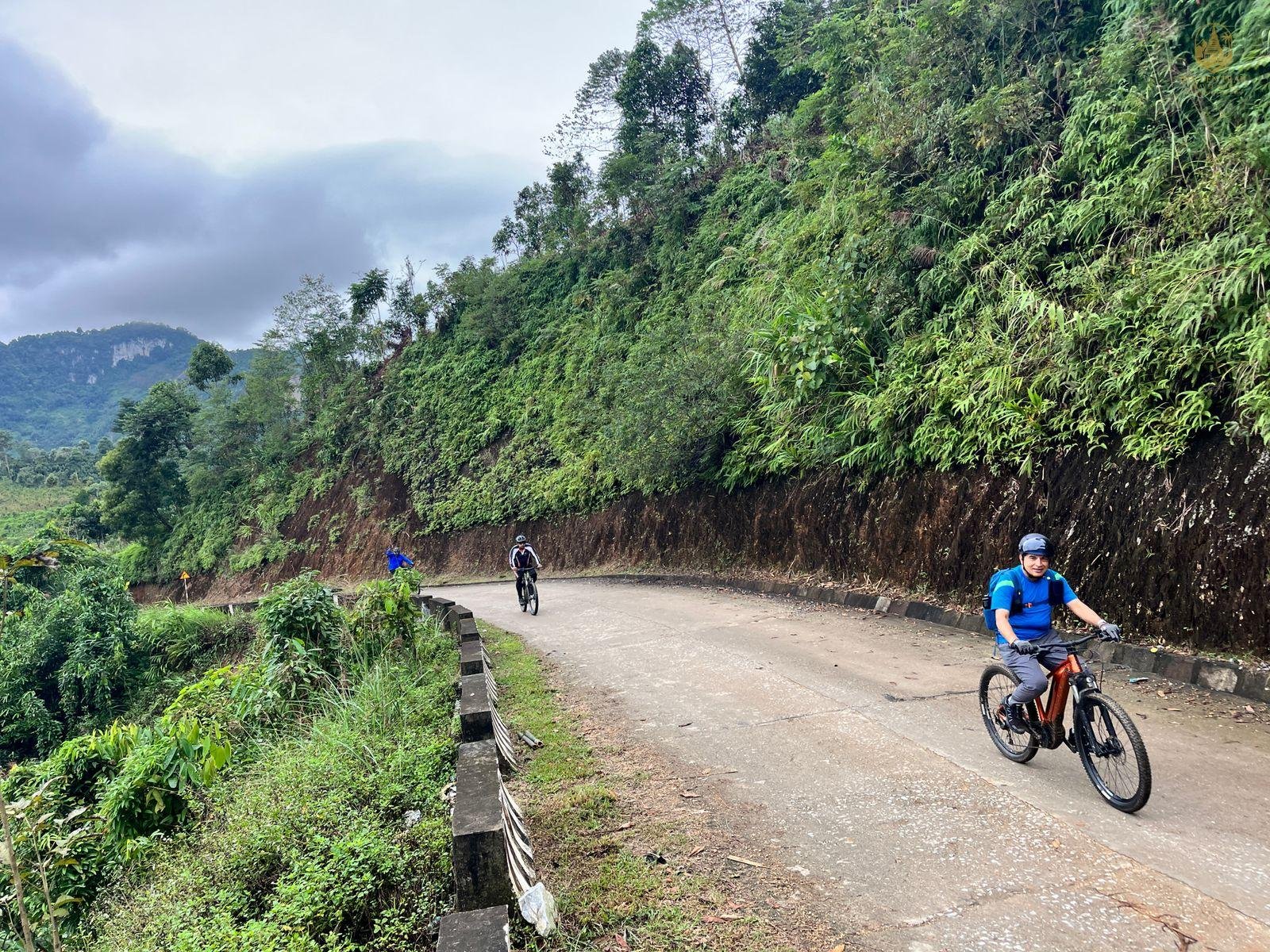
Vietnam is a country that reveals itself best at 15 kilometers per hour. While millions of tourists view this S-shaped nation through the tinted windows of a sleeper bus, a different breed of traveler knows the secret: the real magic happens off the highway. Vietnam Backroads bicycle tours are not just holidays; they are immersive expeditions into the heart of Southeast Asia.
November 20, 2025
.jpg "Vietnam Cycling Tour: The Ultimate Guide to Exploring Vietnam on Two Wheels")
Vietnam is consistently ranked among the world’s most captivating destinations for cycling. With its dramatic mountain passes, serene coastline roads, terraced rice fields, charming countryside villages and rich cultural diversity, the country offers endless opportunities for cyclists of all levels. Whether you're an experienced rider seeking challenging climbs or a leisure traveler looking to explore local culture at a slower pace, a Vietnam cycling tour promises scenery, adventure and unforgettable memories.
November 19, 2025