15 Ng. 100 Đ. Nguyễn Xiển, Thanh Xuân Nam, Thanh Xuân, Hà Nội 100000


15 Ng. 100 Đ. Nguyễn Xiển, Thanh Xuân Nam, Thanh Xuân, Hà Nội 100000
Introduction
Northern Vietnam is a dreamland for adventure travelers, cyclists, and motorbike riders. Its towering mountains, ethnic villages, and winding valleys offer unmatched beauty — but behind every epic route lies a practical question: what’s the real road condition in Northern Vietnam?
Whether you’re planning a cycling tour through Ha Giang, a road trip to Sapa, or an off-the-beaten-path loop around the Tonkin Alps, understanding road conditions in Northern Vietnam is crucial for a smooth, safe, and enjoyable experience.
In this guide, we’ll cover road quality by region, what types of vehicles and bikes are best, seasonal road hazards, safety tips, and how booking with Golden Trail Travel ensures expert navigation of even the roughest terrain.

Northern Vietnam is made up of steep mountain passes, narrow valley roads, and some of the most remote stretches in the country. Road quality can shift from paved to potholed to gravel within a few kilometers.
Rainy season (June–August) can cause landslides, floods, and erosion, especially on high passes like Ma Pi Leng or O Quy Ho. Dry season (October–April) offers more stable riding, but dusty or bumpy surfaces remain in some areas.
Knowing where roads are narrow, under construction, or affected by recent weather helps you plan better and stay safer — especially when traveling by bike or motorbike.
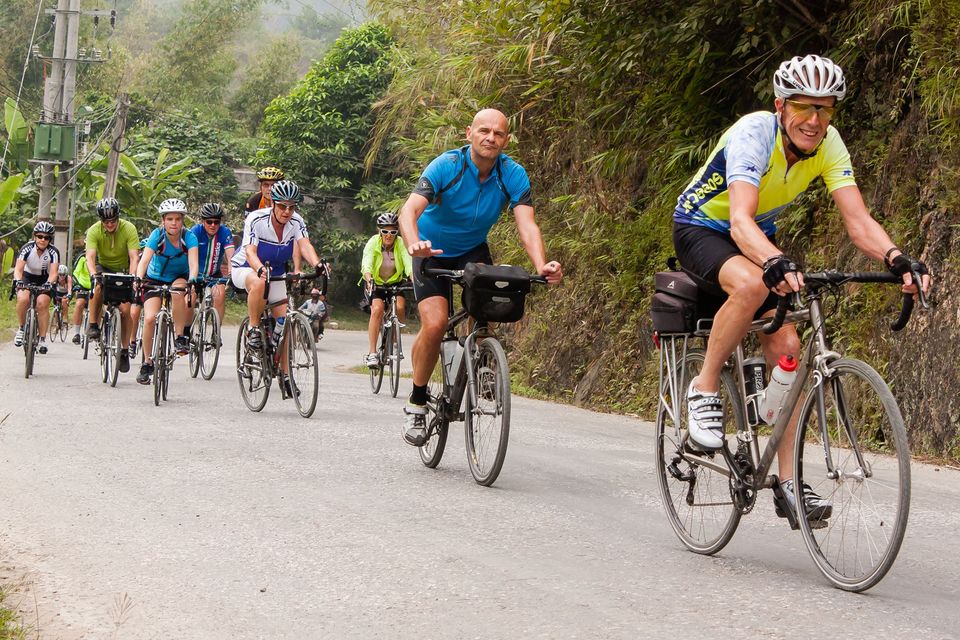
The route from Hanoi to Mai Chau is paved, mostly in good condition, and suitable for road bikes, cars, and motorbikes. Traffic decreases once you leave urban areas.
Best For: Road cyclists, beginner riders, self-drive cars
Watch out for: City traffic out of Hanoi, occasional potholes
This stretch includes scenic highlands with mostly paved roads. There are sections of steep climbs and fast descents. Road surface is good but narrow in places.
Best For: Touring cyclists, motorcycle travelers
Watch out for: Trucks, blind turns, fog in early morning
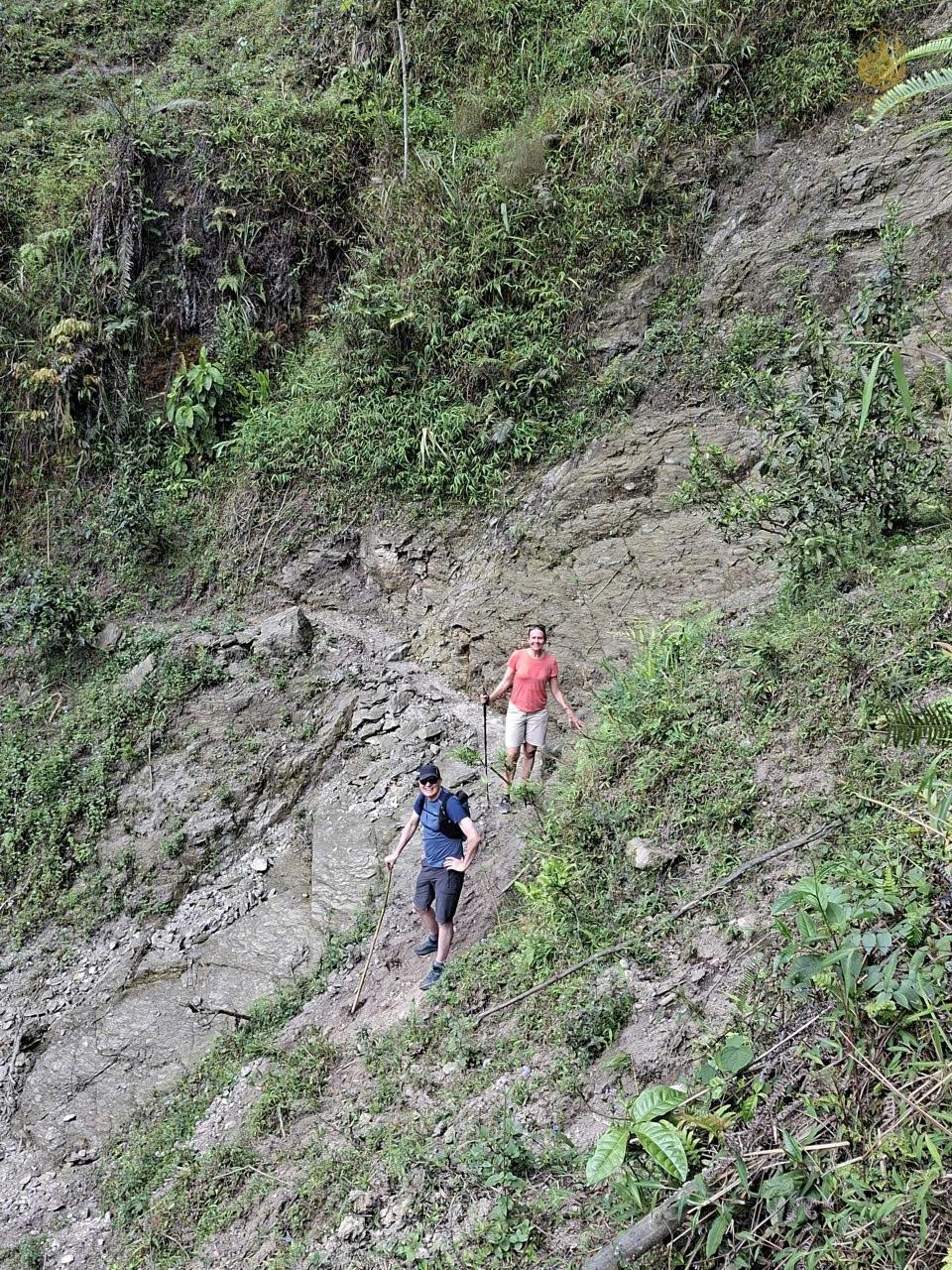
This route offers stunning landscapes and famous terraced rice fields. The Khau Pha Pass is paved but steep. Some remote areas have rough patches, especially after heavy rain.
Best For: Gravel or hybrid bikes, experienced riders
Watch out for: Gravel, landslides, erosion, road construction
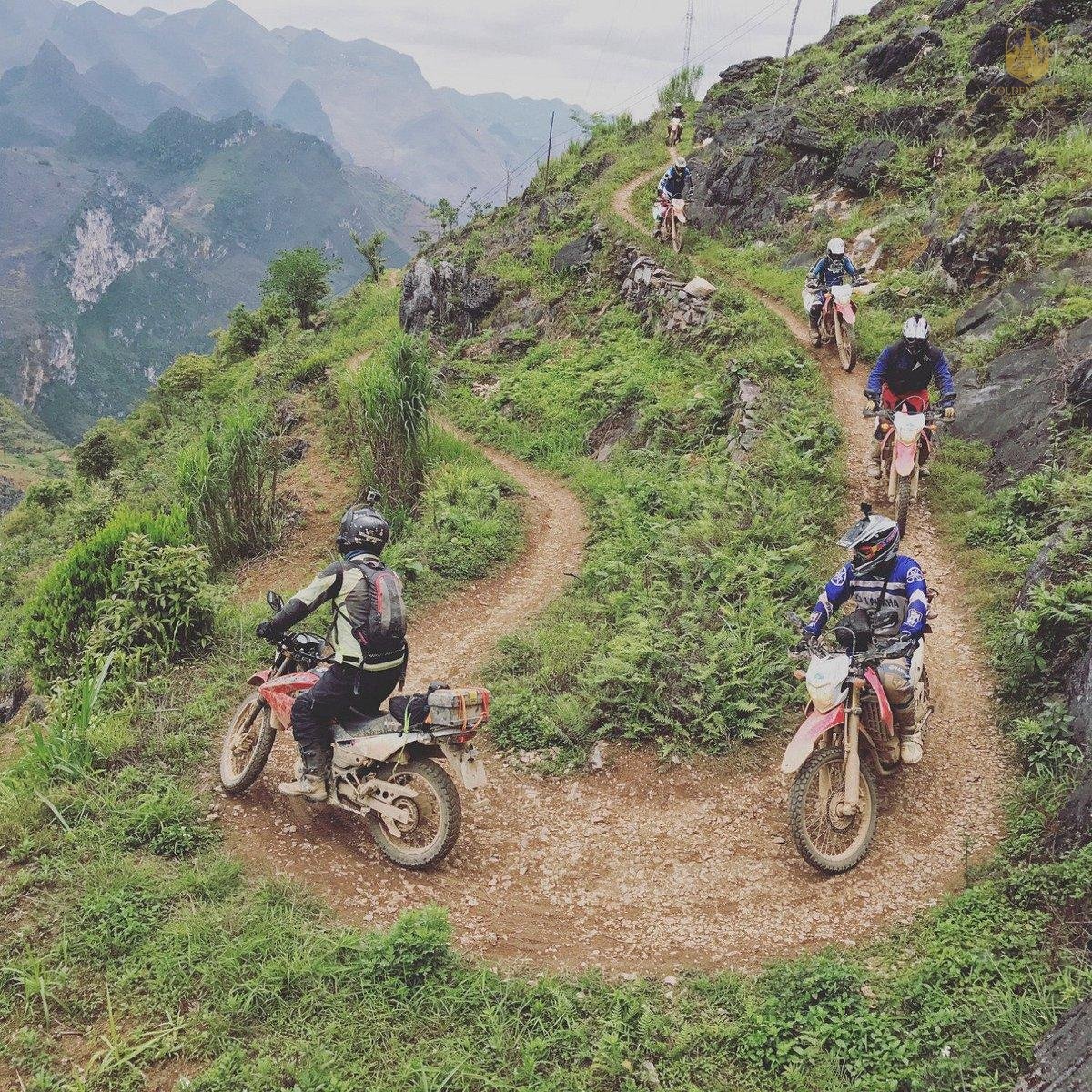
One of Vietnam’s most iconic loops, the Ha Giang Loop features epic scenery and sharp mountain passes. Roads are mostly sealed, but narrow with little guardrail and occasional washouts.
Best For: Motorbikes, supported cycling tours
Watch out for: Steep gradients, no shoulder, unpredictable curves
The road from Sapa to Y Ty is one of the most remote and high-altitude routes in Vietnam. It’s suitable for adventurous cyclists or 4WD vehicles. Road conditions vary greatly with some gravel, mud, and potholes.
Best For: Mountain bikes, off-road vehicles
Watch out for: No cell signal, fog, road washouts in wet season
Risks: Landslides, slippery surfaces, flash floods, poor visibility
Tips: Avoid remote routes without backup or support
Best roads: Main highways (QL32, QL6) and routes close to towns
Risks: Dust, hard-packed gravel, temperature drops at elevation
Tips: Bring layers, hydrate well, avoid riding late in the day
Best time for: Cycling, trekking, Ha Giang loop
Navigating the changing road conditions of Northern Vietnam is easier — and safer — with a trusted local expert. Golden Trail Travel offers fully supported tours for cyclists, adventure travelers, and cultural explorers.
Local guides with updated road reports and safe route planning
Backup vehicles for rough sections or emergency support
Quality bikes and vehicles suited for Vietnam’s terrain
Custom tour plans based on road condition and season
Connections with local communities for rest stops, homestays, and more
Book your North Vietnam cycling or motorbike adventure with confidence here: https://goldentrailtravel.com
Download offline maps: Google Maps or Maps.me for navigation
Ask locals: Villagers often know about recent landslides or closures
Fuel up early: Remote stretches may not have gas stations
Don’t ride at night: Visibility is low, and lighting is rare in remote areas
Bring tools and spares: Punctures and chain problems are common
Assuming all roads are paved – Many are not, especially near borders
Underestimating weather – Even paved roads can flood or wash out
Overloading your bike or vehicle – Travel light, especially for climbs
Traveling without support – Remote routes can be dangerous if solo
"The Ha Giang Loop was the most beautiful and challenging thing I’ve done. Golden Trail Travel helped us avoid construction zones and gave us real-time road updates."
— Sarah H., UK
"I biked from Mai Chau to Sapa and some parts were rough, but Golden Trail’s guide knew every curve and found amazing off-the-map places."
— Mathieu R., France
"Don’t underestimate the mountains! I would’ve been lost without a local guide. The roads were better than I expected — but the weather can change fast."
— Nguyen T., Vietnam
Q1: Are roads in North Vietnam safe for cyclists and travelers?
Yes, most main routes are safe, especially with a guide. Some remote areas require caution and appropriate equipment.
Q2: Do I need a mountain bike or can I use a road bike?
For paved sections like Hanoi–Mai Chau or Lao Cai–Sapa, a road bike is fine. For Ha Giang or Y Ty, use a gravel or mountain bike.
Q3: How bad are the roads in the rainy season?
Some rural roads may become muddy or impassable after heavy rain. Avoid riding during storms or landslide warnings.
Q4: Are road signs in English?
Not always. Major roads might be bilingual, but in remote areas, signs are mostly in Vietnamese. Guides help navigate this.
Q5: Can Golden Trail Travel customize my route based on road conditions?
Absolutely. Their local knowledge allows for daily adjustments based on weather, road reports, and your preferences.
The magic of Northern Vietnam lies in its wildness — and with that comes the need for careful road awareness. From smooth highways to rocky climbs, knowing the road condition in Northern Vietnam lets you ride, drive, or trek safely and confidently.
With expert support from Golden Trail Travel, your adventure will be challenging where it should be, comfortable where it counts, and unforgettable from start to finish.
Start your Northern Vietnam journey today at: https://goldentrailtravel.com






.jpg "The Epic Cycling Adventure: Rediscovering Your Soul on Two Wheels")
.jpg "The Ultimate Trekking Expedition: A Journey Beyond Boundaries")
.jpg "The Ultimate Guide to Trekking Cao Bang Vietnam: Journey Through the Realm of Mountains and Waterfalls")
.webp "Cuc Phuong National Park Day Trip")
.jpg "Pu Luong Nature Reserve: An Ethereal Journey into Vietnam’s Hidden Eden")