15 Ng. 100 Đ. Nguyễn Xiển, Thanh Xuân Nam, Thanh Xuân, Hà Nội 100000

15 Ng. 100 Đ. Nguyễn Xiển, Thanh Xuân Nam, Thanh Xuân, Hà Nội 100000
When most people picture Bali, they envision the bustling beaches of Seminyak, the vibrant nightlife of Kuta, or the spiritual hub of Ubud. While these areas certainly offer their own unique charms, there's a quieter, more authentic side to the "Island of Gods" that often goes overlooked: Tabanan. Nestled in the southwestern part of Bali, Tabanan Regency is a sprawling landscape of emerald rice terraces, majestic volcanoes, pristine black sand beaches, and deeply rooted cultural traditions. It's a place where the true essence of Bali, its natural splendor, and its spiritual heart, can be felt most profoundly.
This comprehensive guide will take you on a journey through Tabanan, revealing its hidden treasures, must-visit attractions, unique cultural experiences, and why it should be at the top of your Bali itinerary.
Tabanan offers a stark contrast to the more developed tourist enclaves. Here, life moves at a slower pace, dictated by the rhythms of nature and traditional Balinese village life. It's a place for travelers seeking:
Tranquility and Nature: Escape the crowds and immerse yourself in breathtaking natural landscapes.
Authentic Cultural Experiences: Witness traditional ceremonies, explore ancient temples, and interact with local communities.
Adventure: From hiking volcanic peaks to exploring hidden waterfalls, Tabanan offers a wealth of outdoor activities.
Sustainable Tourism: Support local communities and experience Bali in a more eco-conscious way.
Tabanan is not just a destination; it's an experience that connects you with the heart and soul of Bali.
Tabanan Regency is incredibly diverse geographically, encompassing a range of altitudes and ecosystems.
The northern reaches of Tabanan are dominated by the volcanic peaks of the Bedugul highlands, part of the extensive volcanic chain that runs through Bali.
Mount Batukaru: As Bali's second-highest volcano (after Mount Agung), Mount Batukaru (Gunung Batukaru) stands at an impressive 2,276 meters (7,467 feet). It's revered by locals and often shrouded in mystical mist. The lower slopes are home to dense rainforests, a haven for biodiversity, and offer challenging but rewarding trekking opportunities. At its foot lies the ancient Luhur Batukaru Temple, one of Bali's nine directional temples, dedicated to the guardian spirit of the island.
The Bedugul Highlands: This cool, mountainous region is famous for its three crater lakes:
Lake Bratan: The most iconic, home to the stunning Ulun Danu Beratan Temple, a picturesque temple complex seemingly floating on the water's surface. This temple is dedicated to Dewi Danu, the goddess of lakes and rivers, and is crucial for the island's irrigation system (subak).
Lake Buyan and Lake Tamblingan: These twin lakes, often referred to as "the twin lakes," are quieter and more untouched, surrounded by dense forests. They are popular spots for trekking, camping, and observing diverse flora and fauna.
Tabanan is often called the "rice bowl of Bali" due to its extensive and incredibly beautiful rice paddies. The Jatiluwih Rice Terraces, a UNESCO World Heritage site, are the crown jewel.
Jatiluwih Rice Terraces: Spanning over 600 hectares, these undulating terraces are a testament to the traditional Balinese "subak" irrigation system, an ancient and democratic water management system that reflects the Balinese philosophical concept of Tri Hita Karana (harmony between humans, nature, and God). Walking or cycling through Jatiluwih offers unparalleled views and a deep appreciation for the agricultural heritage of the island. The vibrant green changes to golden hues depending on the planting and harvesting cycles, creating a constantly evolving masterpiece.
While not as famous for surfing as the south, Tabanan's coastline offers unique and often secluded black sand beaches, formed from volcanic activity.
Tanah Lot Temple: Perhaps Bali's most iconic landmark, this ancient Hindu temple is perched dramatically on a rock formation just offshore, accessible only at low tide. Dedicated to the sea gods, Tanah Lot is especially breathtaking at sunset when its silhouette against the fiery sky creates a truly magical scene.
Echo Beach (Batu Mejan Beach): While technically in Canggu, it's very close to the Tabanan border and offers a popular spot for surfing, beachside dining, and enjoying the sunset.
Pasut Beach: A lesser-known black sand beach, ideal for those seeking solitude and dramatic coastal scenery. It's particularly popular with locals for motorbike rides on the sand.
Yeh Gangga Beach: Another quiet black sand beach offering stunning sunset views and a more serene atmosphere than its southern neighbors.
Tabanan is steeped in Balinese culture and spirituality, offering numerous opportunities to connect with the island's traditions.
Beyond Tanah Lot and Ulun Danu Beratan, Tabanan is home to several other significant temples:
Pura Luhur Batukaru: Located on the slopes of Mount Batukaru, this ancient temple is one of Bali's nine directional temples, protecting the island from evil spirits from the west. Surrounded by lush rainforest, it offers a serene and mystical atmosphere.
Pura Taman Ayun: A magnificent royal temple complex in Mengwi, near the Tabanan border. This UNESCO World Heritage site features multi-tiered meru (pagoda-like shrines) and a beautiful garden setting, reflecting classical Balinese temple architecture. It was the ancestral temple of the Mengwi royal family.
Exploring Tabanan's villages provides a glimpse into authentic Balinese daily life.
Penebel Village: A traditional village known for its arak (traditional Balinese alcoholic beverage) production and lush rice fields.
Local Markets: Visit traditional markets like Pasar Tabanan to experience the vibrant local economy, sample fresh produce, and observe daily interactions.
Subak System: Witness firsthand the intricate subak irrigation system, a UNESCO-recognized cultural landscape. Many local tours offer insights into this sustainable agricultural practice.
While Ubud is famous for its art scene, Tabanan also boasts talented artisans. Look for:
Bamboo Crafts: Many villages specialize in intricate bamboo weaving and furniture.
Wood Carvings: Traditional woodcarving workshops can be found, producing religious effigies and decorative items.
For the active traveler, Tabanan offers a plethora of exhilarating activities.
Mount Batukaru Treks: Challenging hikes through dense rainforest to the summit, often with local guides. Be prepared for a full-day adventure and varying weather conditions.
Jatiluwih Rice Terraces Walks: Gentle walks or longer treks through the rice paddies, ranging from 1 to 4 hours. You can rent bicycles for an easier exploration.
Waterfall Hikes: Discover hidden gems like the Yeh Hoo Waterfall or Blahmantung Waterfall, often requiring a trek through scenic landscapes.
Surfing: While not as renowned as the south, some breaks exist along the black sand beaches, particularly for experienced surfers.
Rafting: The Ayung River, which flows through parts of Tabanan, offers thrilling white-water rafting experiences suitable for various skill levels.
Canyoning: For the adventurous, some companies offer canyoning tours through natural gorges and waterfalls.
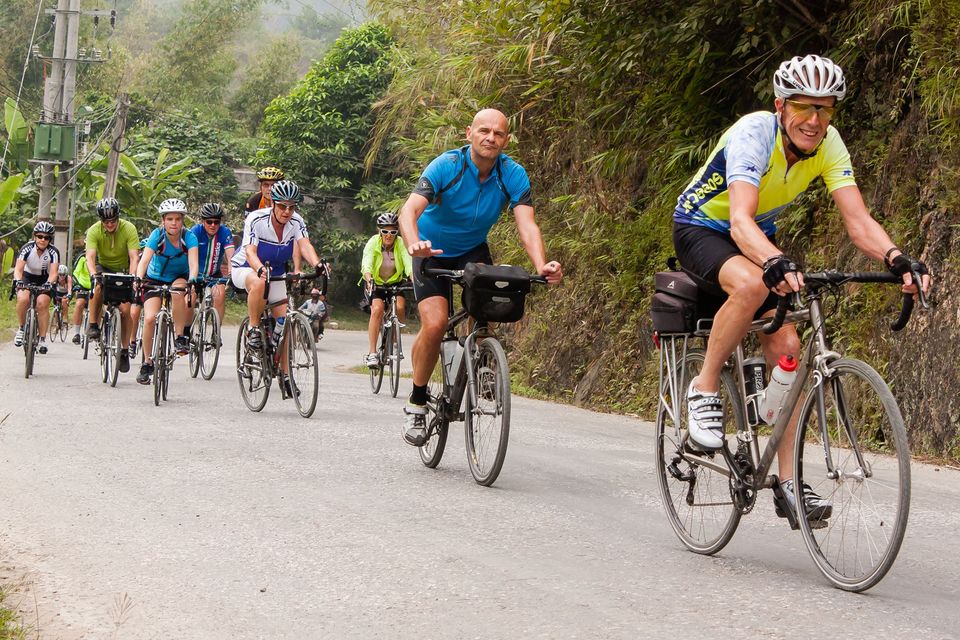
Scenic Cycling Tours: Explore the back roads and rice paddies on a bicycle, often with guided tours that include village visits and local meals.
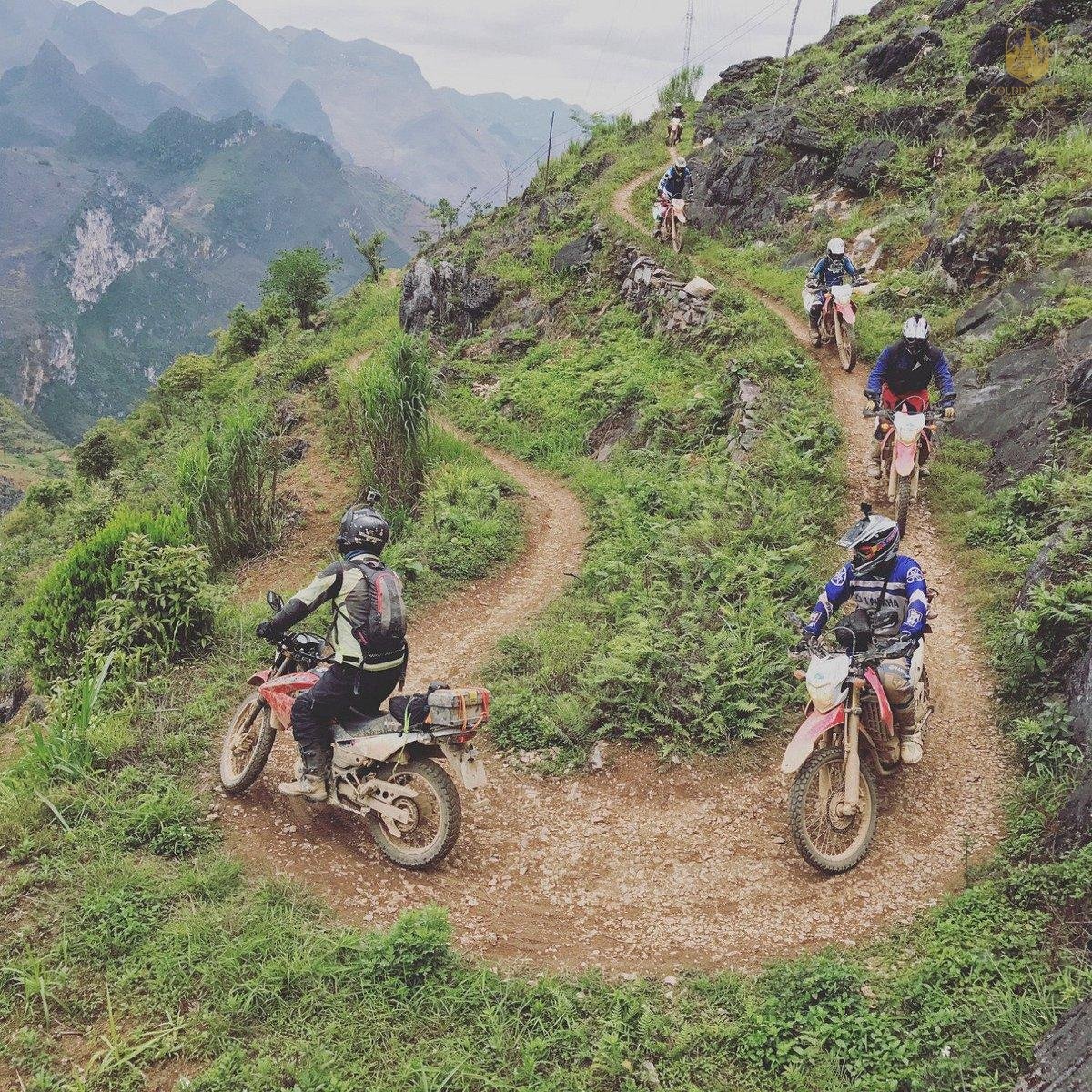
Motorbike Exploration: Rent a motorbike and explore the stunning landscapes at your own pace, but always exercise caution and wear a helmet.
Coffee Plantations: Visit local coffee farms, especially those producing Luwak coffee (Kopi Luwak), and learn about the unique production process. Many offer tastings.
Spice Gardens: Explore gardens growing various Balinese spices, fruits, and herbs.
To help you plan your itinerary, here are some must-do experiences in Tabanan:
Sunset at Tanah Lot Temple: An absolute must for any visitor to Bali. Arrive early to secure a good spot and witness the magical sunset.
Explore Jatiluwih Rice Terraces: Spend at least half a day walking or cycling through this UNESCO site. Consider a guided tour to learn about the subak system.
Visit Ulun Danu Beratan Temple: Marvel at the iconic floating temple on Lake Bratan and enjoy the cooler climate of the Bedugul highlands.
Hike Mount Batukaru (or visit Pura Luhur Batukaru): For the adventurous, a challenging trek to the summit; for others, a serene visit to the ancient temple amidst the rainforest.
Experience Local Life: Take a cooking class, visit a traditional market, or simply stroll through a local village to connect with the Balinese people.
Planning a trip to Tabanan, especially if you want to explore its diverse attractions efficiently, can be made much easier with the right support. That's where Golden Trail Travel comes in. As experts in crafting unforgettable Balinese experiences, Golden Trail Travel offers tailored tours that highlight the best of Tabanan, ensuring you see its iconic landmarks and discover its hidden gems.
Whether you're looking for a private driver to take you to the Jatiluwih Rice Terraces, a guided trek up Mount Batukaru, or a comprehensive itinerary that combines cultural immersion with adventure, Golden Trail Travel can curate the perfect trip for you. Their local knowledge, professional guides, and commitment to sustainable tourism make them an ideal partner for your Tabanan adventure.
Visit their website to explore their curated Bali tours and easily book your dream Tabanan experience: https://goldentrailtravel.com/
While not as dense with hotels as the south, Tabanan offers a range of accommodation options to suit different preferences and budgets, often providing a more secluded and authentic experience.
Luxury Retreats: Some high-end resorts are nestled amidst rice fields or on clifftops, offering unparalleled views and serenity.
Boutique Villas: Private villas are a popular choice, providing space, privacy, and often private pools, ideal for families or groups.
Eco-Lodges and Guesthouses: Closer to the mountains and rice terraces, you'll find charming eco-lodges and guesthouses that focus on sustainability and offer a closer connection to nature and local life.
Homestays: For a truly immersive cultural experience, consider a homestay in a local village, where you can interact directly with Balinese families.
Booking in advance is always recommended, especially during peak seasons.
Tabanan's culinary scene is a reflection of its agricultural bounty, offering fresh, authentic Balinese flavors.
Local Warungs: The best way to experience authentic Balinese food is to eat at local warungs (small, family-run restaurants). Try Nasi Campur (mixed rice), Babi Guling (suckling pig), or Betutu (slow-cooked chicken or duck).
Fresh Produce: Due to its fertile land, Tabanan boasts an abundance of fresh fruits and vegetables. Don't miss the opportunity to try tropical fruits like salak (snake fruit), mangosteen, and rambutan.
Balinese Coffee: Sample local Balinese coffee, known for its rich flavor.
Cooking Classes: Many guesthouses and tour operators offer cooking classes where you can learn to prepare traditional Balinese dishes using fresh, local ingredients.
The dry season (April to October) is generally considered the best time to visit Bali, including Tabanan. During these months, you'll experience sunny days, lower humidity, and less rainfall, making it ideal for outdoor activities like trekking and exploring the rice terraces.
Peak Season (July-August, December-January): Expect more tourists and higher prices.
Shoulder Seasons (April-June, September-October): Often the sweet spot, with good weather, fewer crowds, and potentially better deals on accommodation.
Even during the wet season (November to March), Tabanan can be beautiful. The rain usually comes in short bursts, and the landscapes are incredibly lush and green.
Respect Local Culture: Bali is deeply spiritual. Dress modestly when visiting temples (shoulders and knees covered). Be mindful of ceremonies and local customs.
Transportation: Renting a scooter is a popular way to explore, but be confident in your riding skills and always wear a helmet. For longer distances or if you prefer comfort, hiring a private car with a driver is recommended. Golden Trail Travel can assist with reliable transportation options.
Stay Hydrated: Bali's tropical climate means you need to drink plenty of water.
Sun Protection: Always use sunscreen, wear a hat, and sunglasses.
Mosquito Repellent: Especially important during dawn and dusk, and in more rural areas.
Learn Basic Indonesian Phrases: Even a few basic phrases like "Terima kasih" (thank you) can go a long way.
Cash is King: While larger establishments accept cards, many local warungs and smaller shops prefer cash.
Sustainable Tourism: Support local businesses, minimize your waste, and be mindful of your environmental impact.
"Tabanan was the highlight of our Bali trip! We booked a custom tour with Golden Trail Travel to see Jatiluwih and Ulun Danu Beratan, and it was seamless. Our guide was incredibly knowledgeable, and the entire experience felt so authentic. Highly recommend escaping the crowds and seeing the real Bali here!" - Sarah L., Australia
"We were looking for a quieter, more cultural experience in Bali, and Tabanan delivered perfectly. Golden Trail Travel organized a fantastic itinerary for us, including a trek up Mount Batukaru and a visit to a local coffee plantation. Their professionalism and deep understanding of the region made all the difference. Booking through their website was super easy too!" - Mark T., UK
"The rice terraces of Jatiluwih are truly a wonder, and Tanah Lot at sunset is indescribable. Golden Trail Travel helped us navigate Tabanan effortlessly. They provided comfortable transport and excellent recommendations for local food. It was an unforgettable journey into Bali's heartland." - Priya S., India
"As a photographer, Tabanan offered endless stunning landscapes. Golden Trail Travel understood exactly what I was looking for and helped me plan routes to capture the best light in the rice fields and at Tanah Lot. Their service was top-notch, and their website made planning a breeze. I'm already thinking about my next trip with them!" - David C., USA
"My family and I wanted a relaxed yet adventurous trip. Golden Trail Travel suggested Tabanan and it was perfect. We loved the serene environment, the beautiful temples, and the kids enjoyed the rice field walks. The staff at Golden Trail Travel were incredibly helpful and accommodating. A truly golden experience!" - Emily R., Canada
Q1: What is Tabanan known for? A1: Tabanan is primarily known for its stunning natural landscapes, especially the Jatiluwih Rice Terraces (a UNESCO World Heritage site) and the iconic Tanah Lot Temple. It's also famous for its cooler Bedugul highlands with Ulun Danu Beratan Temple on Lake Bratan, and as Bali's "rice bowl" due to its extensive rice paddies.
Q2: How far is Tabanan from popular tourist areas like Seminyak or Ubud? A2: Tabanan is a large regency. The eastern parts of Tabanan are relatively close to Canggu/Seminyak (around 30-60 minutes drive depending on traffic and specific location). The central and northern parts (like Jatiluwih or Bedugul) are further, typically 1.5 to 2.5 hours drive from southern Bali or Ubud.
Q3: Is Tabanan suitable for a family trip? A3: Absolutely! Tabanan offers a peaceful environment with plenty of activities suitable for families, such as gentle walks through rice fields, visiting temples, exploring botanical gardens, and interacting with nature. It provides a great balance between cultural immersion and relaxation.
Q4: Can I easily find food and accommodation in Tabanan? A4: While not as saturated as the south, Tabanan has a growing number of accommodation options ranging from eco-lodges and villas to homestays. You'll find plenty of local warungs offering authentic Balinese food, especially around major attractions and in towns. For specific preferences, booking in advance is advisable.
Q5: What is the "subak" system, and why is it important in Tabanan? A5: The "subak" is a traditional Balinese democratic irrigation system for rice paddies, managed by the community. It's crucial in Tabanan because the regency is a major rice producer, and the subak system (exemplified by Jatiluwih) ensures equitable water distribution and sustainable farming practices, reflecting the Balinese philosophy of Tri Hita Karana.
Q6: What adventure activities can I do in Tabanan? A6: Tabanan offers trekking (Mount Batukaru, rice terraces, waterfalls), cycling tours, white-water rafting on the Ayung River, and exploring the lesser-known black sand beaches.
Q7: Is it possible to visit Tabanan on a day trip? A7: Yes, many visitors do day trips, especially to Tanah Lot, Jatiluwih, and Ulun Danu Beratan. However, to truly appreciate the region's diverse offerings and peaceful atmosphere, an overnight stay or a multi-day itinerary is highly recommended. Golden Trail Travel can help you plan efficient day trips or longer stays.
Q8: What should I wear when visiting temples in Tabanan? A8: When visiting any temple in Bali, including those in Tabanan, it's essential to dress respectfully. This means covering your shoulders and knees. Many temples provide sarongs and sashes for rent at the entrance if you don't have your own.
Q9: How can Golden Trail Travel help me plan my trip to Tabanan? A9: Golden Trail Travel specializes in creating personalized Bali itineraries, including comprehensive tours of Tabanan. They offer expert local guides, comfortable transportation, and can customize your trip to include cultural experiences, adventure activities, and visits to specific attractions. You can easily book and plan your tour through their website: https://goldentrailtravel.com/

.jpg "The Epic Cycling Adventure: Rediscovering Your Soul on Two Wheels")
The world looks different from the seat of a bicycle. It is not a blur of colors through a train window or a fleeting landscape seen from 30,000 feet. When you embark on an Epic Cycling Adventure, the world becomes tactile. You feel the change in temperature as you descend into a shaded valley; you smell the damp, fertile earth after a mountain rain; and you hear the rhythm of your own breath matching the cadence of your pedal strokes.
June 29, 2026
.jpg "The Ultimate Trekking Expedition: A Journey Beyond Boundaries")
The horizon is not a limit; it is an invitation. For those of you who have spent too many hours staring at screens, listening to the hum of air conditioning, and feeling the gradual numbing of the spirit, the Ultimate Trekking Expedition is not just a holiday—it is a reclamation of self. It is the moment your boots touch the untamed earth, the lungs fill with air so crisp it feels like a baptism, and the heart finds a rhythm it forgot it possessed.
June 29, 2026
.jpg "The Ultimate Guide to Trekking Cao Bang Vietnam: Journey Through the Realm of Mountains and Waterfalls")
Cao Bang is not just a destination; it is a symphony of raw nature, ancient history, and the soulful whispers of the frontier. For those who seek the "Trekking Cao Bang Vietnam" experience, this province in North-East Vietnam offers a landscape that feels like it has been plucked from a classical ink wash painting. From the thunderous roar of Ban Gioc Waterfall to the serene silence of secret limestone valleys, trekking here is an emotional odyssey that reconnects you with the earth.
April 17, 2026
.webp "Cuc Phuong National Park Day Trip")
Have you ever felt the need to simply disconnect? To trade the relentless honking of city traffic for the rhythmic chirping of cicadas, and the gray concrete jungle for a canopy of ancient, emerald-green leaves? If your soul is craving a breath of pure, untamed air, then a Cuc Phuong National Park Day Trip is the sanctuary you’ve been searching for.
April 17, 2026
.jpg "Pu Luong Nature Reserve: An Ethereal Journey into Vietnam’s Hidden Eden")
Close your eyes and imagine a place where time seems to stand still. A place where the morning mist dances over emerald-green terraced fields, and the only sound you hear is the gentle rhythm of bamboo water wheels or the distant laughter of Thai ethnic children. This is not a dream; this is Pu Luong Nature Reserve, a sanctuary for the soul hidden in the heart of Thanh Hoa province.
April 10, 2026
.webp "The Soul of the Sidewalk: An Emotional Journey Through Hanoi’s Street Food")
Hanoi is not just a city; it is a living, breathing symphony of scents, sounds, and flavors. To truly understand this thousand-year-old capital, one must leave the polished dining rooms behind and embrace the humble plastic stools of the sidewalk. A Hanoi street food tour is more than a culinary excursion; it is an intimate encounter with the Vietnamese spirit—a blend of resilience, warmth, and an unwavering passion for harmony in every bowl.
April 02, 2026
.webp "Co Loa Citadel Classic Tour: Stepping Into the Cradle of Vietnamese History")
Imagine standing on a ground where every grain of dust whispers secrets from two thousand years ago. Picture yourself walking through concentric earthen walls that once shielded a kingdom built on legends, magic, and the rhythmic beat of ancient drums. A Co Loa Citadel classic tour is not just a sightseeing trip; it is a profound emotional journey back to the very dawn of Vietnamese civilization.
April 02, 2026
.webp "The Soul of Southern Vietnam: A Journey Through Time and Water on a Cu Chi Tunnels and Mekong Delta Day Trip")
Imagine a day where you wake up in the buzzing energy of Ho Chi Minh City, only to find yourself hours later crawling through the secret veins of history and then drifting along a river that breathes life into an entire nation. The Cu Chi Tunnels and Mekong Delta day trip is not just a tour; it is a profound emotional odyssey. It is a story of resilience written in the earth and a song of peace sung by the flowing waters.
April 01, 2026
.webp "The Soul of the Far East: A Journey Through Time with Our Ho Chi Minh City Classic Tour")
Ho Chi Minh City, or Saigon as many locals still affectionately call it, is not just a destination; it is an emotion. It is the frantic pulse of a motorbike-filled street, the quiet whisper of incense in a centuries-old pagoda, and the clinking of iced coffee glasses at dawn. When you embark on a Ho Chi Minh City classic tour, you aren’t just sightseeing—you are stepping into a living, breathing tapestry of resilience, elegance, and unbridled energy.
April 01, 2026
.webp "Halong Bay Classic Cruise: A Timeless Journey Through the Soul of Vietnam’s Emerald Waters")
Imagine waking up as the first rays of sunlight pierce through a mystical shroud of mist, revealing thousands of towering limestone karsts rising defiantly from a mirror-like emerald sea. There is no engine roar, only the gentle lap of water against a wooden hull and the distant call of a sea eagle. This is not just a vacation; it is a return to an era of elegance. A Halong Bay Classic Cruise offers more than just sightseeing; it is a soul-stirring immersion into the heritage, legend, and natural grandeur of one of the world’s most iconic landscapes.
March 31, 2026
.webp "Journey Through Time: The Ultimate My Son Sanctuary & Hoi An Tour Experience")
Imagine standing amidst the silent, moss-covered brick towers of an ancient empire, the air thick with the scent of incense and the whispers of a thousand-year-old civilization. As the golden sun begins to dip below the horizon, you find yourself wandering through narrow, lantern-lit alleys where every corner turned feels like a step back into a forgotten era of grace and harmony. This is not just a sightseeing trip; it is a profound emotional journey through the heart of Central Vietnam.
March 31, 2026
.webp "A Symphony of Stone and Water: The Ultimate Guide to Your Trang An Boat Tour")
Have you ever dreamed of a place where time seems to stand still, where the only sound is the rhythmic dip of a wooden oar into emerald waters, and where towering limestone karsts guard secrets of ancient dynasties? Welcome to Trang An, the "Ha Long Bay on Land," a place that doesn't just offer a tour, but a profound connection to the soul of Vietnam.
March 30, 2026
Imagine a place where time seems to hold its breath. A place where the only sound is the rhythmic rhythmic dip of oars into emerald waters and the distant call of a kingfisher. This is Tam Coc, often whispered about as the "Halong Bay on Land," but in reality, it is a world entirely its own. For those seeking a profound connection with nature and a glimpse into the soul of northern Vietnam, a Tam Coc classic tour is not just a sightseeing trip—it is an emotional pilgrimage.
March 30, 2026
.jpg "Beyond the Horizon: The Magic of a Ba Be Lake E-Bike Tour")
Have you ever dreamed of a place where time slows down, where the air tastes of wild orchids and ancient stone, and the only sound is the gentle hum of your tires on a mountain path? Welcome to Ba Be National Park, the "Green Gem" of Northeast Vietnam. While many visit this UNESCO Heritage site by boat, there is a soulful, exhilarating way to truly feel the land: a Ba Be Lake E-bike tour.
March 28, 2026
.jpg "The Ultimate Northwest Vietnam E-bike Tour: A Soul-Stirring Journey Through Indochina's Roof")
Imagine the morning mist gently brushing against your face as you glide silently through ancient pine forests. Imagine the scent of ripening rice terraces filling your lungs, and the vibrant colors of ethnic hill-tribe costumes flashing past like a living kaleidoscope. This is not just a holiday; it is a symphony of senses. This is the Northwest Vietnam E-bike Tour—an invitation to conquer the most formidable landscapes of Southeast Asia with the grace and ease of modern technology
March 28, 2026
Imagine standing at the edge of the world, where the clouds dance around limestone pinnacles and the only sound is the gentle hum of your electric motor blending with the mountain breeze. For many, the Ha Giang Loop is a dream of rugged landscapes and raw adventure. But for those who seek a deeper connection—a way to feel the pulse of the earth without the roar of a gas
March 05, 2026
.jpeg "Conquer the Majestic Northwest: The Ultimate Guide to an E-bike Tour in Tuan Giao")
The mist clings to the jagged limestone peaks like a soft silk scarf, and the air carries the scent of wild orchids and woodsmoke. As you press the pedal of your electric bike, there is no roar of an engine—only the rhythmic hum of tires meeting the mountain road and the sound of your own heartbeat. This is not just a cycling trip; it is a deep, soul-stirring conversation with the rugged heart of Vietnam’s Northwest. Welcome to the E-bike tour Tuan Giao, where technology meets tradition, and every turn reveals a masterpiece of nature.
March 04, 2026
.jpg "The Ultimate Guide to Cloud Hunting in Ta Xua: A Journey Above the Clouds")
Have you ever dreamed of standing atop a mountain peak, watching a literal ocean of white silk roll beneath your feet? In the northern highlands of Vietnam, there is a place where the line between heaven and earth disappears. Welcome to Ta Xua – the legendary "Kingdom of Clouds."
March 04, 2026
.jpg "The Ultimate Guide to Sapa Trekking Fansipan: A Journey Beyond the Clouds")
Scaling the "Roof of Indochina" is more than just a physical challenge; it is a spiritual pilgrimage into the heart of Northern Vietnam’s raw, unbridled beauty. If you are searching for an experience that blends the adrenaline of a high-altitude climb with the serene tranquility of misty highlands, Sapa trekking Fansipan is the definitive answer.
March 02, 2026
.jpg "Pedaling Through the Clouds: The Ultimate Ha Giang Loop Cycling Tour Experience")
Every cyclist has a "holy grail" – a destination so profound that it changes their perspective on travel forever. In the northernmost reaches of Vietnam, where the limestone karsts pierce the sky and the clouds dance in the valleys, lies that very place. A Ha Giang Loop cycling tour is not just a physical challenge; it is a spiritual homecoming, a journey into the soul of Southeast Asia’s most dramatic landscapes.
February 26, 2026