15 Ng. 100 Đ. Nguyễn Xiển, Thanh Xuân Nam, Thanh Xuân, Hà Nội 100000


15 Ng. 100 Đ. Nguyễn Xiển, Thanh Xuân Nam, Thanh Xuân, Hà Nội 100000

Introduction: The Sweet Heart of the Visayas
Negros Island. Often overshadowed by its more famous neighbors, this sprawling island in the Visayas region of the Philippines holds a unique charm, a blend of rich history, vibrant culture, stunning natural landscapes, and incredible biodiversity. Known as the "Sugar Bowl of the Philippines" due to its vast sugarcane plantations, Negros offers much more than just its sweet produce. From the towering peaks of its active volcanoes to the serene depths of its marine sanctuaries, and from the elegant ancestral homes of its capital cities to the raw beauty of its waterfalls, Negros is an island waiting to be explored. This comprehensive guide will take you on an in-depth journey through the island's dual provinces – Negros Occidental in the west and Negros Oriental in the east – revealing why it's a hidden gem and a must-visit destination for those seeking an authentic Philippine experience. And for an effortlessly planned and unforgettable exploration, Golden Trail Travel is your perfect partner, ready to craft your dream Negros adventure. Visit them at https://goldentrailtravel.com/ to book your personalized tour today!
I. Unveiling Negros Island: A Tale of Two Provinces
Negros is the fourth-largest island in the Philippines, divided into two distinct provinces by the rugged mountain ranges that traverse its center: Negros Occidental in the western part and Negros Oriental in the eastern part. This division, both geographic and cultural, offers a fascinating contrast for travelers.
A. Geographic Diversity: From Plains to Peaks:
Mountain Spine: The island is dominated by a central mountain range, which includes several volcanic peaks.
Mount Kanlaon: The highest peak in the Visayas and an active stratovolcano, dominating the landscape of central Negros. Its fertile slopes contribute to the island's agricultural richness.
Mount Talinis: A complex volcano system in Negros Oriental, known for its challenging trails and beautiful crater lakes.
Coastal Plains: Both provinces feature expansive coastal plains.
Negros Occidental: Characterized by vast flatlands ideal for sugarcane cultivation, stretching from its capital, Bacolod City, southwards.
Negros Oriental: Has narrower coastal plains, leading quickly to the mountainous interior, offering more dramatic coastal scenery and closer proximity to dive sites.
Surrounding Waters: Negros is bordered by the Panay Gulf and Guimaras Strait to the northwest, the Tañon Strait to the east (separating it from Cebu), and the Sulu Sea to the south. These waters are rich in marine biodiversity, particularly the Tañon Strait, a protected seascape.
B. Cultural Tapestry: Hiligaynon vs. Cebuano:
The historical and linguistic differences between the two provinces are significant:
Negros Occidental (Western Visayas):
Language: Primarily Hiligaynon (also known as Ilonggo), a melodious language shared with Panay Island.
Culture: Deeply influenced by the sugar industry. The "haciendero" culture, characterized by elegant ancestral homes and a more refined, genteel lifestyle, is prominent, especially in Bacolod and its surrounding towns. The people are often described as "malambing" (sweet and gentle).
Capital: Bacolod City, the "City of Smiles."
Negros Oriental (Central Visayas):
Language: Predominantly Cebuano, reflecting its historical ties and proximity to Cebu.
Culture: More rugged and laid-back, with a strong focus on marine life and natural wonders. It has a more adventurous vibe compared to its western counterpart.
Capital: Dumaguete City, the "City of Gentle People."
C. Historical Legacy: Sugar and Resistance:
Negros' history is intricately tied to the sugar industry, which boomed in the 19th and early 20th centuries, bringing immense wealth but also social disparities. The island played a role in the Philippine Revolution and has a rich heritage of resilience and cultural pride.
II. Negros Occidental: The Land of Sugar and Smiles
Negros Occidental, in the western half of the island, is known for its sweet produce, elegant ancestral homes, and the infectious cheer of its capital.
A. Bacolod City: The City of Smiles:
Bacolod City is the provincial capital and the economic heart of Negros Occidental. It's famous for its warm, friendly people and the vibrant MassKara Festival.
MassKara Festival: Held every October, this is Bacolod's most famous event. It's a spectacular street dance festival where performers wear vibrant masks adorned with smiling faces, symbolizing the city's ability to smile through adversacities. A truly unforgettable cultural experience.
The Ruins (Talisay City): Just north of Bacolod, "The Ruins" is perhaps the most iconic landmark in Negros Occidental. It's the remains of the ancestral mansion of Don Mariano Ledesma Lacson, a grand Italianate structure destroyed during World War II. Today, it stands as a beautiful, haunting skeleton, especially picturesque at sunset.
San Sebastian Cathedral: A beautiful old stone church in the heart of Bacolod, a testament to its colonial past.
Bacolod Public Plaza: The central park surrounded by historical buildings, a perfect spot for people-watching.
Provincial Capitol Lagoon and Park: A scenic spot with interesting sculptures and a relaxing atmosphere.
B. Gastronomic Delights: The Food Capital:
Negros Occidental is a true culinary haven, especially for meat lovers and those with a sweet tooth.
Chicken Inasal: Bacolod's most famous culinary contribution. Grilled chicken marinated in a unique blend of vinegar, calamansi, ginger, garlic, and annatto oil, giving it a distinct yellowish hue and savory-sweet flavor. Must be eaten with garlic rice and dipping sauces!
Cansi: A sour and savory beef soup, a local version of "Bulalo" but with a distinct souring agent (batuan fruit), giving it a unique tangy flavor.
Piaya: A flat, unleavened bread filled with muscovado sugar, often flavored with sesame seeds. A popular pasalubong (souvenir food).
Napoleones: A French-inspired pastry with layers of puff pastry filled with custard cream and topped with sugar glaze. A sweet treat from Bacolod.
Lumpia Ubod: Fresh spring rolls filled with palm heart, a specialty of the region.
Varieties of Kakanin: Traditional Filipino rice cakes and sweets, reflecting the island's abundance of sugar.
C. Beyond Bacolod: Haciendas and Nature:
Silay City: Known as the "Paris of Negros" or the "Museum City of Negros," Silay boasts over 30 ancestral houses, many of which are beautifully preserved examples of turn-of-the-century architecture, reflecting the wealth generated by the sugar industry. Don't miss the Balay Negrense Museum and Bernardino Jalandoni Museum.
Talisay City: Besides The Ruins, Talisay offers more insights into the sugar industry and eco-tourism sites.
Sipalay City: On the southern coast of Negros Occidental, Sipalay is gaining popularity for its pristine beaches (Sugar Beach, Punta Ballo Beach), laid-back atmosphere, and excellent dive sites, particularly around Danjugan Island Marine Reserve. It's an emerging alternative to more crowded beach destinations.
Danjugan Island Marine Reserve: A private island sanctuary near Sipalay, offering incredible biodiversity both above and below water. Ideal for snorkeling, diving, kayaking, and birdwatching, with a focus on conservation.
Mount Kanlaon National Park: For experienced trekkers, climbing Mount Kanlaon offers a challenging but rewarding experience with stunning views. Access is regulated due to its active nature.
III. Negros Oriental: The Gateway to Marine Wonders and Gentle People
Negros Oriental, on the eastern side, is characterized by its volcanic landscapes, vibrant marine life, and the laid-back charm of its capital, Dumaguete.
A. Dumaguete City: The City of Gentle People:
Dumaguete, the provincial capital, is a university town with a relaxed, intellectual vibe. It serves as an excellent jump-off point for exploring the marine wonders of Negros Oriental and beyond.
Rizal Boulevard: A scenic waterfront promenade perfect for evening strolls, lined with restaurants, cafes, and a view of the sea.
Silliman University: One of the oldest American-established universities in Asia, giving the city its intellectual atmosphere. Its campus is beautiful and houses a natural history museum.
Dumaguete Bell Tower and St. Catherine of Alexandria Cathedral: Historic landmarks in the city center, offering a glimpse into its colonial past.
Sans Rival Cakes & Pastries: A must-visit for their famous Sans Rival (a layered meringue cake with buttercream and cashews) and Silvanas (frozen cashew-meringue cookies).
B. Marine Paradise: Diving and Snorkeling Hotspots:
Negros Oriental boasts some of the best dive sites in the Philippines, attracting divers from around the world.
Apo Island: A world-renowned marine sanctuary located just off the coast of Dauin, a short boat ride from Dumaguete. Apo Island is famous for its exceptionally healthy coral reefs, abundant sea turtles (you're almost guaranteed to see them!), and diverse fish life. It's a paradise for both divers and snorkelers.
Dauin Marine Sanctuaries (Dauin and Zamboanguita): The coastline south of Dumaguete, particularly around Dauin and Zamboanguita, is a hotspot for "muck diving." These areas, often with sandy or silty bottoms, are home to an incredible array of rare and unusual macro critters, including frogfish, mimic octopuses, flamboyant cuttlefish, and various nudibranchs.
Siquijor Island (Day Trip/Overnight): While a separate province, Siquijor is easily accessible by ferry from Dumaguete and is often visited in conjunction with Negros Oriental. Known as the "Mystical Island," it offers beautiful beaches (Salagdoong Beach), waterfalls (Cambugahay Falls), and excellent snorkeling and diving, particularly in its marine sanctuaries.
Manjuyod Sandbar (Bais City): Located north of Dumaguete, this pristine white sandbar emerges only during low tide, creating a stunning island oasis in the middle of the sea. It's famous for dolphin and whale watching tours, particularly early in the morning, making it a truly magical experience.
C. Waterfalls, Lakes, and Mountain Adventures:
Twin Lakes (Lake Balinsasayao & Lake Danao): Nestled in a protected natural park near Sibulan (just north of Dumaguete), these serene crater lakes offer stunning natural beauty. Visitors can go kayaking, trekking, birdwatching, or simply enjoy the tranquility and views from a viewpoint.
Casaroro Falls (Valencia): A majestic and powerful single-drop waterfall hidden deep within a lush canyon near Valencia, requiring a challenging but rewarding trek to reach.
Pulangbato Falls (Valencia): Known for its unique reddish-orange rocks due to sulfur deposits from nearby hot springs, creating a picturesque and unique swimming spot.
Baslay Hot Spring (Dauin): Natural hot springs, perfect for relaxing after a day of diving or exploring.
Mount Talinis: For serious hikers, trekking Mount Talinis offers a multi-day challenge to its summit and crater lakes, providing incredible views and a deep immersion in nature.
IV. Inter-Provincial Connections and Journeys
While distinct, traversing between Negros Occidental and Negros Oriental offers a fascinating journey through the island's varied landscapes.
A. Trans-Island Travel:
Bus Routes: Public buses traverse the island, connecting Bacolod City (Negros Occidental) with Dumaguete City (Negros Oriental) via various routes that wind through the mountains or along the coast. The journey typically takes 5-7 hours.
Scenic Drives: Driving across the island provides breathtaking views of sugarcane fields, lush mountains, and coastal towns.
B. Combined Itineraries:
Many travelers choose to experience both sides of Negros, combining the historical elegance and culinary delights of the west with the marine wonders and natural adventures of the east.
V. Planning Your Negros Adventure with Golden Trail Travel
Exploring an island as diverse and extensive as Negros can be a complex undertaking, requiring careful planning for logistics, activities, and accommodations across its two provinces. This is where Golden Trail Travel shines as your expert partner, ensuring a seamless, enriching, and unforgettable journey.
A. Why Golden Trail Travel is Your Perfect Companion for Negros:
Expert Island Knowledge: Golden Trail Travel possesses unparalleled knowledge of both Negros Occidental and Negros Oriental. They know the best cultural sites, the most pristine dive spots, the most thrilling adventure activities, and the most charming local experiences.
Tailored Dual-Province Itineraries: Whether you wish to focus on the historical charm and culinary scene of Bacolod, the underwater wonders of Dumaguete, or a comprehensive tour combining the best of both provinces, Golden Trail Travel crafts personalized itineraries to match your interests, budget, and desired pace.
Seamless Logistics and Transfers: Navigating inter-province travel, arranging transfers to remote dive sites, or coordinating canyoneering trips can be challenging. Golden Trail Travel handles all transportation, accommodation bookings, and activity reservations, allowing you to relax and fully immerse yourself in the experience.
Trusted Local Partnerships: They collaborate with reputable local tour operators, licensed guides, and quality accommodations across both provinces, ensuring safety, reliability, and authentic experiences.
Exceptional Customer Service: From your initial inquiry to your return home, their dedicated team provides prompt, friendly, and comprehensive support, making your travel planning effortless and enjoyable.
Sustainable Tourism Commitment: Golden Trail Travel is committed to promoting responsible tourism, working with partners who respect local communities and contribute to environmental conservation, especially in marine sanctuaries like Apo Island.
B. Popular Negros Tour Packages (Sample Ideas):
West Negros Heritage & Culinary Tour (3-4 Days): Focus on Bacolod City (MassKara Festival - seasonal, The Ruins, ancestral houses), Silay City, and a culinary exploration of Chicken Inasal and local delicacies.
East Negros Dive & Nature Adventure (4-5 Days): Centers around Dumaguete as a base, with multiple dives/snorkeling trips to Apo Island, muck diving in Dauin, and visits to Twin Lakes and Casaroro Falls. Can include a whale shark day trip (Oslob) or a Siquijor day trip.
Ultimate Negros Explorer (7-10 Days): A comprehensive journey covering both provinces. Start in Bacolod (The Ruins, Silay, MassKara if applicable), then transfer to Dumaguete, experiencing Apo Island, Dauin diving, Twin Lakes, and a dolphin watching tour in Bais.
Negros Sugar & Sea Escape (5-7 Days): Combines the cultural and historical aspects of Bacolod's sugar industry with the pristine beaches and diving of Sipalay City and Danjugan Island.
Mount Kanlaon/Talinis Trek & Island Hopping (Custom): For avid trekkers, Golden Trail Travel can arrange guided expeditions to the island's volcanoes, followed by well-deserved relaxation and diving on its coasts.
C. How to Book Your Dream Negros Trip:
Ready to discover the captivating charm of Negros Island? Visit the Golden Trail Travel website at https://goldentrailtravel.com/ to browse their diverse range of tour packages, submit a customized itinerary request, or get in touch with one of their knowledgeable travel experts. Planning your extraordinary Philippine adventure has never been simpler or more personalized!
VI. Practical Tips for Traveling in Negros
To ensure a smooth and enjoyable trip to Negros, keep these practical tips in mind:
Best Time to Visit: The dry season (November to May) is generally the best time to visit Negros. This period offers sunny weather and calm seas, ideal for all outdoor and water activities. December to February are slightly cooler and peak tourist season. March to May are the hottest months. The wet season (June to October) can bring occasional rain and stronger winds, which might affect boat trips or mountain treks. The MassKara Festival in Bacolod is in October, which falls within the wet season but is a major draw.
Getting There:
To Bacolod (Negros Occidental): The Bacolod-Silay International Airport (BCD) serves the western side, with domestic flights from Manila and Cebu. Ferries also connect Bacolod to Iloilo (Panay Island).
To Dumaguete (Negros Oriental): The Sibulan Airport (DGT) serves the eastern side, with domestic flights from Manila and Cebu. Fast crafts and ferries connect Dumaguete to Cebu and Siquijor.
Transportation Within Negros:
Between Provinces: Public buses (Ceres Liner) regularly travel between Bacolod and Dumaguete (5-7 hours).
Within Cities/Towns: Taxis, ride-hailing apps (Grab in Bacolod), tricycles, and jeepneys are common.
To Attractions: For specific attractions like Apo Island or waterfalls, you'll typically take a bus or jeepney to the nearest town, then a tricycle or hire a private vehicle/boat. Golden Trail Travel simplifies this with pre-arranged transfers.
Accommodation: Negros offers a wide range of accommodation options. Bacolod has city hotels, while Dumaguete has hotels and guesthouses. Dive resorts are abundant in Dauin and Sipalay. You'll also find charming guesthouses and boutique resorts in various towns.
Currency: The Philippine Peso (PHP). ATMs are widely available in Bacolod and Dumaguete, but it's advisable to carry sufficient cash when venturing into smaller towns or remote areas.
Connectivity: Local SIM cards (Globe, Smart) are affordable and can be purchased at airports or malls. Wi-Fi is common in hotels and cafes, though speeds can vary.
Safety: Negros is generally safe for tourists. Exercise common sense, be aware of your surroundings, and secure your valuables. When trekking volcanoes, always check for the latest advisories. For diving, always choose reputable operators (which Golden Trail Travel ensures).
Sun Protection & Hydration: The tropical sun is intense. Always use high-SPF sunscreen, wear a hat, sunglasses, and stay well-hydrated by drinking plenty of water. Consider reef-safe sunscreen if diving or swimming in marine protected areas.
Respect Local Culture & Environment: Filipinos are known for their hospitality. Be respectful of local customs, religious sites (dress modestly in churches), and traditions. When visiting marine sanctuaries, adhere to guidelines to protect the fragile ecosystems.
Tipping: Tipping is not mandatory but appreciated for good service in restaurants, hotels, and for tour guides and drivers.
VII. Customer Reviews
Here's what our satisfied travelers have to say about their unforgettable Negros adventures with Golden Trail Travel:
"Our trip to Negros Occidental with Golden Trail Travel was a cultural delight! The MassKara Festival was incredible, and 'The Ruins' were even more beautiful than I imagined. Their team handled everything seamlessly, from transfers to festival tickets. Highly recommend!" - Maria T., USA
"Golden Trail Travel organized an amazing dive trip for me in Negros Oriental. Apo Island was just spectacular, swimming with so many turtles! And the muck diving in Dauin was a macro photographer's dream. Their local knowledge and professionalism made it an unforgettable experience." - David S., Germany
"We wanted to see both sides of Negros, and Golden Trail Travel curated the perfect itinerary. From the vibrant streets of Bacolod to the serene beauty of the Twin Lakes and the marine wonders near Dumaguete, every detail was perfect. A truly comprehensive and enjoyable trip!" - The Chen Family, Singapore
"I booked a customized tour to Negros with Golden Trail Travel, combining the Sipalay beaches with some inland exploration. They were incredibly flexible and accommodating. The unspoiled beauty of Danjugan Island was a highlight. Their service made my solo adventure stress-free and truly special." - Chloe L., France
VIII. Frequently Asked Questions (FAQ)
Q1: How do I get to Negros Island? A1: Negros is served by two main airports: Bacolod-Silay International Airport (BCD) in Negros Occidental and Sibulan Airport (DGT) in Negros Oriental (serving Dumaguete). Both have domestic flights from Manila and Cebu. Ferries also connect Negros to nearby islands like Panay (Iloilo) and Cebu.
Q2: What is the best time of year to visit Negros? A2: The dry season (November to May) is generally the best time, offering sunny weather for all activities, especially diving and beach hopping. The MassKara Festival in Bacolod is held in October, which falls in the wet season but is a major cultural event.
Q3: Is it easy to travel between Negros Occidental and Negros Oriental? A3: Yes, public buses regularly travel between the two capitals, Bacolod and Dumaguete, with journeys taking approximately 5-7 hours. Golden Trail Travel can also arrange private transfers for a more comfortable and efficient journey.
Q4: What are the must-visit attractions in Negros Occidental? A4: Must-visits include The Ruins in Talisay, the city of Bacolod (especially during MassKara Festival), the ancestral houses of Silay City, and for nature lovers, the beaches and marine life around Sipalay and Danjugan Island Marine Reserve.
Q5: What are the must-visit attractions in Negros Oriental? A5: Key attractions are Apo Island (for diving/snorkeling with turtles), Dauin (for muck diving), the Twin Lakes (Balinsasayao & Danao), Casaroro Falls, and Dumaguete City itself. The Manjuyod Sandbar and dolphin watching in Bais are also highly recommended.
Q6: What is the famous food in Negros? A6: In Negros Occidental, you must try Chicken Inasal and Piaya. In Negros Oriental (Dumaguete), don't miss Sans Rival and Silvanas. Fresh seafood is excellent across the island.
Q7: Can Golden Trail Travel customize my Negros itinerary? A7: Absolutely! Golden Trail Travel specializes in creating personalized itineraries. You can visit their website at https://goldentrailtravel.com/ to discuss your interests, budget, and desired activities, and they will craft a perfect Negros adventure for you, combining highlights from both provinces or focusing on a specific area.
Q8: Is Negros suitable for family travel? A8: Yes, Negros offers family-friendly experiences, from relaxing on beaches in Sipalay or Apo Island, exploring historical houses in Silay, enjoying dolphin watching in Bais, or visiting local farms. Golden Trail Travel can tailor itineraries to suit families with children.
Conclusion: Experience the Heart of the Visayas!
Negros Island is a destination of profound contrasts and captivating beauty, offering a rich tapestry of experiences that appeal to every traveler. From the elegant charm and culinary delights of its western half to the untamed natural wonders and unparalleled marine biodiversity of its east, Negros promises an authentic and unforgettable Philippine adventure. It's a place where history intertwines with vibrant culture, and natural splendor invites endless exploration.
Don't let the nuances of planning a multi-faceted island trip deter you from experiencing this incredible gem. With Golden Trail Travel as your dedicated partner, your journey through Negros will be seamless, enriching, and filled with remarkable discoveries. They are committed to transforming your travel dreams into a tangible reality, creating memories that will last a lifetime.
Embark on your extraordinary Negros Island adventure today. Visit https://goldentrailtravel.com/ and let Golden Trail Travel guide you to the sweet heart of the Visayas. Your unique Philippine experience awaits!

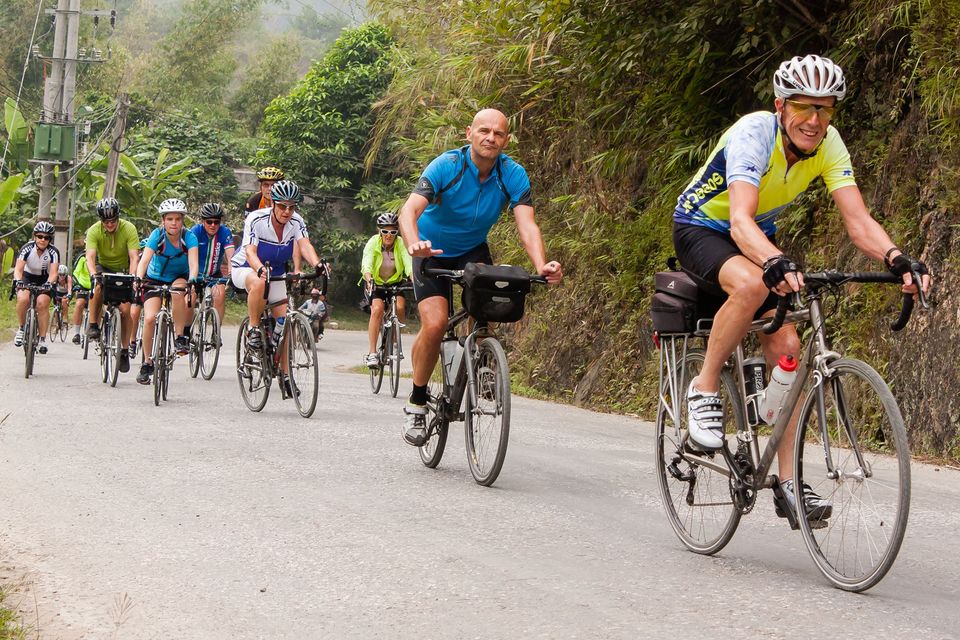
.jpg "The Epic Cycling Adventure: Rediscovering Your Soul on Two Wheels")
The world looks different from the seat of a bicycle. It is not a blur of colors through a train window or a fleeting landscape seen from 30,000 feet. When you embark on an Epic Cycling Adventure, the world becomes tactile. You feel the change in temperature as you descend into a shaded valley; you smell the damp, fertile earth after a mountain rain; and you hear the rhythm of your own breath matching the cadence of your pedal strokes.
June 29, 2026
.jpg "The Ultimate Trekking Expedition: A Journey Beyond Boundaries")
The horizon is not a limit; it is an invitation. For those of you who have spent too many hours staring at screens, listening to the hum of air conditioning, and feeling the gradual numbing of the spirit, the Ultimate Trekking Expedition is not just a holiday—it is a reclamation of self. It is the moment your boots touch the untamed earth, the lungs fill with air so crisp it feels like a baptism, and the heart finds a rhythm it forgot it possessed.
June 29, 2026
.jpg "The Ultimate Guide to Trekking Cao Bang Vietnam: Journey Through the Realm of Mountains and Waterfalls")
Cao Bang is not just a destination; it is a symphony of raw nature, ancient history, and the soulful whispers of the frontier. For those who seek the "Trekking Cao Bang Vietnam" experience, this province in North-East Vietnam offers a landscape that feels like it has been plucked from a classical ink wash painting. From the thunderous roar of Ban Gioc Waterfall to the serene silence of secret limestone valleys, trekking here is an emotional odyssey that reconnects you with the earth.
April 17, 2026
.webp "Cuc Phuong National Park Day Trip")
Have you ever felt the need to simply disconnect? To trade the relentless honking of city traffic for the rhythmic chirping of cicadas, and the gray concrete jungle for a canopy of ancient, emerald-green leaves? If your soul is craving a breath of pure, untamed air, then a Cuc Phuong National Park Day Trip is the sanctuary you’ve been searching for.
April 17, 2026
.jpg "Pu Luong Nature Reserve: An Ethereal Journey into Vietnam’s Hidden Eden")
Close your eyes and imagine a place where time seems to stand still. A place where the morning mist dances over emerald-green terraced fields, and the only sound you hear is the gentle rhythm of bamboo water wheels or the distant laughter of Thai ethnic children. This is not a dream; this is Pu Luong Nature Reserve, a sanctuary for the soul hidden in the heart of Thanh Hoa province.
April 10, 2026
.webp "The Soul of the Sidewalk: An Emotional Journey Through Hanoi’s Street Food")
Hanoi is not just a city; it is a living, breathing symphony of scents, sounds, and flavors. To truly understand this thousand-year-old capital, one must leave the polished dining rooms behind and embrace the humble plastic stools of the sidewalk. A Hanoi street food tour is more than a culinary excursion; it is an intimate encounter with the Vietnamese spirit—a blend of resilience, warmth, and an unwavering passion for harmony in every bowl.
April 02, 2026
.webp "Co Loa Citadel Classic Tour: Stepping Into the Cradle of Vietnamese History")
Imagine standing on a ground where every grain of dust whispers secrets from two thousand years ago. Picture yourself walking through concentric earthen walls that once shielded a kingdom built on legends, magic, and the rhythmic beat of ancient drums. A Co Loa Citadel classic tour is not just a sightseeing trip; it is a profound emotional journey back to the very dawn of Vietnamese civilization.
April 02, 2026
.webp "The Soul of Southern Vietnam: A Journey Through Time and Water on a Cu Chi Tunnels and Mekong Delta Day Trip")
Imagine a day where you wake up in the buzzing energy of Ho Chi Minh City, only to find yourself hours later crawling through the secret veins of history and then drifting along a river that breathes life into an entire nation. The Cu Chi Tunnels and Mekong Delta day trip is not just a tour; it is a profound emotional odyssey. It is a story of resilience written in the earth and a song of peace sung by the flowing waters.
April 01, 2026
.webp "The Soul of the Far East: A Journey Through Time with Our Ho Chi Minh City Classic Tour")
Ho Chi Minh City, or Saigon as many locals still affectionately call it, is not just a destination; it is an emotion. It is the frantic pulse of a motorbike-filled street, the quiet whisper of incense in a centuries-old pagoda, and the clinking of iced coffee glasses at dawn. When you embark on a Ho Chi Minh City classic tour, you aren’t just sightseeing—you are stepping into a living, breathing tapestry of resilience, elegance, and unbridled energy.
April 01, 2026
.webp "Halong Bay Classic Cruise: A Timeless Journey Through the Soul of Vietnam’s Emerald Waters")
Imagine waking up as the first rays of sunlight pierce through a mystical shroud of mist, revealing thousands of towering limestone karsts rising defiantly from a mirror-like emerald sea. There is no engine roar, only the gentle lap of water against a wooden hull and the distant call of a sea eagle. This is not just a vacation; it is a return to an era of elegance. A Halong Bay Classic Cruise offers more than just sightseeing; it is a soul-stirring immersion into the heritage, legend, and natural grandeur of one of the world’s most iconic landscapes.
March 31, 2026
.webp "Journey Through Time: The Ultimate My Son Sanctuary & Hoi An Tour Experience")
Imagine standing amidst the silent, moss-covered brick towers of an ancient empire, the air thick with the scent of incense and the whispers of a thousand-year-old civilization. As the golden sun begins to dip below the horizon, you find yourself wandering through narrow, lantern-lit alleys where every corner turned feels like a step back into a forgotten era of grace and harmony. This is not just a sightseeing trip; it is a profound emotional journey through the heart of Central Vietnam.
March 31, 2026
.webp "A Symphony of Stone and Water: The Ultimate Guide to Your Trang An Boat Tour")
Have you ever dreamed of a place where time seems to stand still, where the only sound is the rhythmic dip of a wooden oar into emerald waters, and where towering limestone karsts guard secrets of ancient dynasties? Welcome to Trang An, the "Ha Long Bay on Land," a place that doesn't just offer a tour, but a profound connection to the soul of Vietnam.
March 30, 2026
Imagine a place where time seems to hold its breath. A place where the only sound is the rhythmic rhythmic dip of oars into emerald waters and the distant call of a kingfisher. This is Tam Coc, often whispered about as the "Halong Bay on Land," but in reality, it is a world entirely its own. For those seeking a profound connection with nature and a glimpse into the soul of northern Vietnam, a Tam Coc classic tour is not just a sightseeing trip—it is an emotional pilgrimage.
March 30, 2026
.jpg "Beyond the Horizon: The Magic of a Ba Be Lake E-Bike Tour")
Have you ever dreamed of a place where time slows down, where the air tastes of wild orchids and ancient stone, and the only sound is the gentle hum of your tires on a mountain path? Welcome to Ba Be National Park, the "Green Gem" of Northeast Vietnam. While many visit this UNESCO Heritage site by boat, there is a soulful, exhilarating way to truly feel the land: a Ba Be Lake E-bike tour.
March 28, 2026
.jpg "The Ultimate Northwest Vietnam E-bike Tour: A Soul-Stirring Journey Through Indochina's Roof")
Imagine the morning mist gently brushing against your face as you glide silently through ancient pine forests. Imagine the scent of ripening rice terraces filling your lungs, and the vibrant colors of ethnic hill-tribe costumes flashing past like a living kaleidoscope. This is not just a holiday; it is a symphony of senses. This is the Northwest Vietnam E-bike Tour—an invitation to conquer the most formidable landscapes of Southeast Asia with the grace and ease of modern technology
March 28, 2026
Imagine standing at the edge of the world, where the clouds dance around limestone pinnacles and the only sound is the gentle hum of your electric motor blending with the mountain breeze. For many, the Ha Giang Loop is a dream of rugged landscapes and raw adventure. But for those who seek a deeper connection—a way to feel the pulse of the earth without the roar of a gas
March 05, 2026
.jpeg "Conquer the Majestic Northwest: The Ultimate Guide to an E-bike Tour in Tuan Giao")
The mist clings to the jagged limestone peaks like a soft silk scarf, and the air carries the scent of wild orchids and woodsmoke. As you press the pedal of your electric bike, there is no roar of an engine—only the rhythmic hum of tires meeting the mountain road and the sound of your own heartbeat. This is not just a cycling trip; it is a deep, soul-stirring conversation with the rugged heart of Vietnam’s Northwest. Welcome to the E-bike tour Tuan Giao, where technology meets tradition, and every turn reveals a masterpiece of nature.
March 04, 2026
.jpg "The Ultimate Guide to Cloud Hunting in Ta Xua: A Journey Above the Clouds")
Have you ever dreamed of standing atop a mountain peak, watching a literal ocean of white silk roll beneath your feet? In the northern highlands of Vietnam, there is a place where the line between heaven and earth disappears. Welcome to Ta Xua – the legendary "Kingdom of Clouds."
March 04, 2026
.jpg "The Ultimate Guide to Sapa Trekking Fansipan: A Journey Beyond the Clouds")
Scaling the "Roof of Indochina" is more than just a physical challenge; it is a spiritual pilgrimage into the heart of Northern Vietnam’s raw, unbridled beauty. If you are searching for an experience that blends the adrenaline of a high-altitude climb with the serene tranquility of misty highlands, Sapa trekking Fansipan is the definitive answer.
March 02, 2026
.jpg "Pedaling Through the Clouds: The Ultimate Ha Giang Loop Cycling Tour Experience")
Every cyclist has a "holy grail" – a destination so profound that it changes their perspective on travel forever. In the northernmost reaches of Vietnam, where the limestone karsts pierce the sky and the clouds dance in the valleys, lies that very place. A Ha Giang Loop cycling tour is not just a physical challenge; it is a spiritual homecoming, a journey into the soul of Southeast Asia’s most dramatic landscapes.
February 26, 2026