15 Ng. 100 Đ. Nguyễn Xiển, Thanh Xuân Nam, Thanh Xuân, Hà Nội 100000

15 Ng. 100 Đ. Nguyễn Xiển, Thanh Xuân Nam, Thanh Xuân, Hà Nội 100000
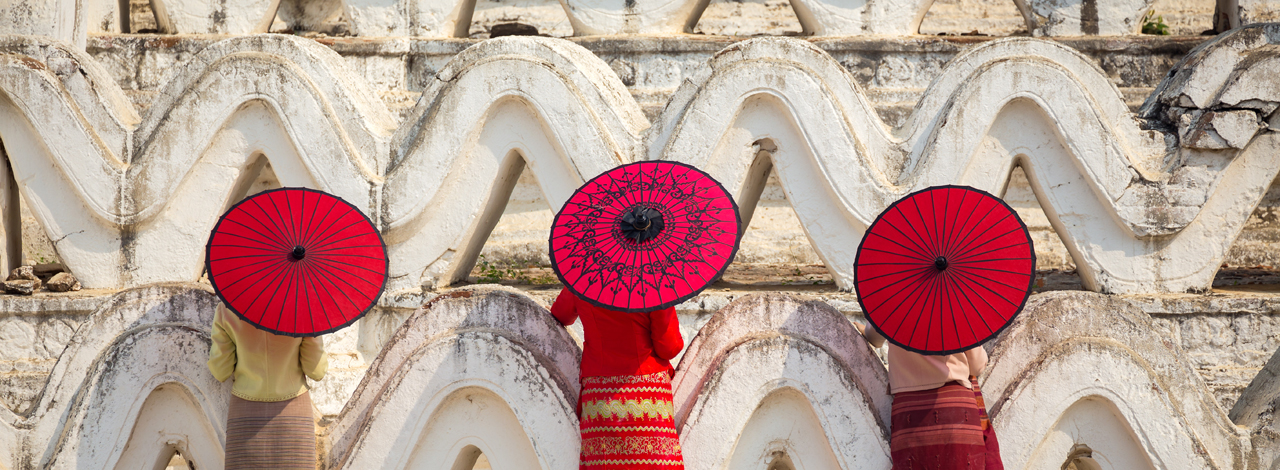
Imagine an island where emerald rice paddies cascade down hillsides like giant staircases to the sky, ancient temples whisper tales of deities and devotion, and the air is thick with the scent of frangipani and incense. Imagine a place where active volcanoes stand guard over vibrant sunrises, where the ocean reveals kaleidoscopic marine life, and where every sunset paints the sky in hues of impossible beauty. This is Bali, the famed "Island of Gods," a destination that consistently captivates the hearts of travelers worldwide.
More than just a tropical paradise with stunning beaches, Bali is a profound cultural and spiritual experience. It's a place where ancient Hindu traditions thrive amidst modern tourism, where artistic expression is a part of daily life, and where the gentle smiles of its people embody the island's intrinsic sense of peace. From the meditative calm of Ubud's rice fields to the exhilarating surf of the southern coast, from the towering peaks of its volcanoes to the vibrant underwater reefs, Bali offers a kaleidoscope of experiences that cater to every kind of traveler.
This comprehensive guide will take you on an in-depth exploration of Bali, delving into its diverse regions, its rich spiritual heritage, its thrilling adventures, and its tranquil retreats. Whether you're a spiritual seeker, an adrenaline junkie, a cultural enthusiast, or simply someone yearning for an escape to paradise, prepare to be enchanted by the enduring magic and unforgettable allure of Bali.
Bali, though relatively small, boasts an incredible geographical and cultural diversity that allows for a myriad of experiences within its shores. Understanding its distinct regions is key to unlocking its full potential.
This is often the first point of entry and the most developed area, known for its vibrant energy, beaches, and nightlife.
Kuta & Legian: Once Bali's original surf mecca, Kuta is still known for its lively nightlife, budget-friendly accommodation, and beginner-friendly surf breaks. Legian offers a slightly more relaxed vibe but retains the accessibility to shops and entertainment.
Seminyak: A step up in sophistication, Seminyak is synonymous with upscale boutiques, trendy cafes, fine dining restaurants, and stylish beach clubs. It's popular for luxury stays and a chic, cosmopolitan atmosphere.
Canggu: The island's current "it" spot, Canggu is a bohemian haven popular with digital nomads, surfers, and health-conscious travelers. It's characterized by its laid-back surf culture, vibrant café scene, rice paddies, and stunning sunsets over black sand beaches.
Uluwatu & The Bukit Peninsula: Perched on dramatic limestone cliffs, Uluwatu is renowned for its world-class surf breaks (for experienced surfers), iconic Uluwatu Temple, luxurious clifftop resorts, and breathtaking sunset views. It offers a more rugged and exclusive feel.
Sanur: A calmer, family-friendly coastal town on the eastern side, known for its gentle waves, charming beachfront promenade, and beautiful sunrises. It's a popular choice for those seeking relaxation and water sports like snorkeling and diving excursions to nearby islands.
Moving inland, the landscape transforms into lush green hills, terraced rice paddies, and a profound sense of cultural depth.
Ubud: Bali's spiritual and cultural heart, Ubud is nestled amidst rice fields and sacred monkey forests. It's a hub for yoga, meditation, traditional arts (dance, painting, carving), healthy eating, and artisanal crafts. Ubud offers a serene escape, brimming with temples, healing centers, and vibrant local markets.
Bedugul: A cool mountain region home to three stunning crater lakes (Lake Bratan, Lake Buyan, Lake Tamblingan) and the iconic Ulun Danu Beratan Temple. It's known for its botanical gardens, strawberry farms, and refreshing climate.
Munduk: A tranquil mountain village famous for its cool climate, lush coffee and clove plantations, and numerous cascading waterfalls. It's a trekker's paradise and offers a glimpse into authentic rural Balinese life.
This region offers a blend of volcanic landscapes, pristine beaches, and historical significance.
Mount Agung & Besakih Temple: Mount Agung is Bali's highest and most sacred volcano. At its foot lies Pura Besakih, the "Mother Temple" of Bali, the island's largest and most important temple complex.
Sidemen Valley: A picturesque and authentic valley known for its stunning rice terraces, traditional weaving villages, and tranquil atmosphere. It's a step back in time, offering a glimpse of unspoiled Bali.
Candidasa: A quiet coastal town offering a relaxed base for exploring East Bali's attractions, including ancient villages and beautiful snorkeling spots.
Amed & Tulamben: Famous for their incredible diving and snorkeling opportunities, particularly the USS Liberty shipwreck in Tulamben and the vibrant reefs of Amed. These areas are characterized by black sand beaches and dramatic volcanic backdrops.
Beyond the central mountains, North Bali offers a gentler pace and unique attractions.
Lovina: A quiet string of villages known for its black sand beaches, calm waters, and most famously, its sunrise dolphin watching tours. It's also a base for visiting nearby hot springs and Buddhist monasteries.
The least developed part of Bali, perfect for nature lovers and adventurous souls.
West Bali National Park (Taman Nasional Bali Barat): A protected area covering diverse ecosystems, from dense rainforests to mangrove swamps. It's home to the endangered Bali Starling.
Menjangan Island: Part of the National Park, Menjangan is a world-class dive and snorkel site, famous for its pristine coral walls, abundant marine life, and exceptional visibility.
Pemuteran: A tranquil coastal village near the National Park, known for its calm waters, healthy reefs, and successful coral rehabilitation projects (including the largest Biorock reef).
This regional diversity is what makes Bali endlessly fascinating. You can transition from vibrant beach life to serene mountain retreats, from spiritual awakenings to thrilling adventures, all within relatively short distances.
Bali is unique in Indonesia for its dominant religion, Agama Hindu Dharma, a distinct form of Hinduism that blends ancient animistic beliefs, Buddhism, and Shivaism. This spirituality permeates every aspect of Balinese life, making the island a truly sacred place.
At the core of Balinese Hinduism is the philosophy of Tri Hita Karana, meaning "three causes of well-being." This profound concept emphasizes harmony and balance in life through:
Harmony with God (Parhyangan): Expressed through devotion, prayers, and temple rituals.
Harmony with Other People (Pawongan): Manifested in community cooperation, respect, and traditional social structures.
Harmony with Nature (Palemahan): Seen in the reverence for the environment, especially water and land, reflected in the rice field irrigation system (subak).
Understanding Tri Hita Karana offers insight into the Balinese way of life, where offerings, ceremonies, and a deep respect for all living things are commonplace.
Bali is often called the "Island of a Thousand Temples," and for good reason. Temples are integral to village life, with each village having at least three main temples.
Pura Besakih (Mother Temple): Perched on the slopes of Mount Agung, this is Bali's largest, holiest, and most important temple complex. It's a vast collection of individual temples dedicated to various deities, representing the spiritual center for all Balinese Hindus.
Uluwatu Temple (Pura Luhur Uluwatu): Dramatically situated on a cliff edge overlooking the Indian Ocean, Uluwatu Temple is renowned for its breathtaking sunset views and the captivating Kecak Fire Dance performed daily at dusk. It's one of Bali's six key directional temples, believed to protect the island from evil spirits.
Tanah Lot Temple (Pura Tanah Lot): An iconic sea temple perched on a rock formation just offshore, accessible at low tide. Tanah Lot is one of Bali's most famous landmarks, offering spectacular sunset views as waves crash around its base. It's a pilgrimage site dedicated to the sea gods.
Ulun Danu Beratan Temple (Pura Ulun Danu Beratan): The picturesque "floating temple" on Lake Bratan in the Bedugul highlands. Dedicated to Dewi Danu, the goddess of lakes and rivers, it's a vital temple for the subak irrigation system and a stunning photographic subject.
Tirta Empul Temple: A sacred water temple where Balinese Hindus perform ritual purification (melukat) in holy spring water. Visitors can also participate in this cleansing ceremony, respectfully following local customs.
Goa Gajah (Elephant Cave): A mysterious archaeological site near Ubud, featuring a striking demon mouth entrance leading into a meditation cave. It combines Hindu and Buddhist elements.
When visiting temples, always dress respectfully (shoulders and knees covered, sarong and sash often required and available for rent at entrances), and be mindful of ongoing ceremonies.
You'll see evidence of Balinese spirituality everywhere, especially through:
Canang Sari: Small, intricately woven palm-leaf baskets filled with flowers, rice, cookies, and sometimes money or incense. These daily offerings are placed everywhere – on sidewalks, shrines, vehicles, and in front of homes – as a gesture of gratitude and to appease the spirits.
Ceremonies (Odalan): Bali is known for its frequent and elaborate temple festivals and ceremonies (Odalan), which can involve vibrant processions, traditional music (gamelan), dance, and elaborate offerings. If you encounter one, observe respectfully from a distance.
This deep spiritual foundation is what truly makes Bali the "Island of Gods," offering a profound experience beyond its scenic beauty.
Bali's landscape is a canvas of dramatic contrasts, shaped by its volcanic origins and surrounded by the vibrant marine life of the Coral Triangle.
Bali is home to several volcanoes, which not only shape its landscape but also hold deep spiritual significance.
Mount Agung: The highest and most sacred mountain in Bali (3,031 meters/9,944 feet). Trekking to its summit for sunrise is a challenging but rewarding experience for experienced hikers (though access is sometimes restricted due to volcanic activity or religious ceremonies).
Mount Batur: An active volcano in the Kintamani region, much more accessible for sunrise treks. Hikers typically begin before dawn to reach the summit in time to witness the spectacular sunrise over Lake Batur and the surrounding volcanic caldera. The landscape around Batur is starkly beautiful.
Lake Batur: A crescent-shaped crater lake adjacent to Mount Batur, offering serene views and local fishing villages.
The iconic rice terraces are a testament to the Balinese farmers' ingenuity and their communal irrigation system, Subak, recognized by UNESCO.
Tegalalang Rice Terraces (near Ubud): The most famous and easily accessible, known for their stunning tiered landscapes and picturesque swings.
Jatiluwih Rice Terraces: A UNESCO World Heritage site, offering vast, undulating rice paddies that stretch as far as the eye can see. Less crowded than Tegalalang, it's perfect for longer walks and immersing in rural beauty.
Sidemen Valley: Offers pristine, less-touristed rice terraces and a more authentic village experience.
Bali boasts numerous breathtaking waterfalls, perfect for cooling off and connecting with nature.
Gitgit Waterfall: One of Bali's most famous, a powerful, multi-tiered cascade easily accessible from North Bali.
Sekumpul Waterfall: Often dubbed Bali's most beautiful, a complex of several majestic cascades requiring a more adventurous trek but offering unparalleled views.
Banyumala Twin Waterfalls: A picturesque, multi-tiered waterfall forming a beautiful natural swimming pool, a hidden gem.
Tegenungan Waterfall: A popular and easily accessible waterfall near Ubud, perfect for a quick dip.
Bali's coastline is diverse, offering everything from golden sands to black volcanic shores.
White/Golden Sand Beaches: Found predominantly in the south (Seminyak, Kuta, Jimbaran, Nusa Dua), ideal for sunbathing, swimming, and water sports.
Black Sand Beaches: Unique to areas like Canggu, Lovina, Amed, and Keramas, these volcanic sands offer dramatic scenery and stunning sunsets.
Coral Reefs & Dive Sites: Bali is a gateway to incredible marine biodiversity.
Menjangan Island (West Bali): World-class wall diving with pristine corals and abundant marine life.
Tulamben: Famous for the accessible USS Liberty shipwreck wreck dive, teeming with marine life.
Amed: Known for its vibrant reefs, gentle currents, and relaxed diving atmosphere.
Nusa Lembongan & Nusa Ceningan: Offer healthy corals, drift diving, and opportunities to see Manta Rays and Mola Mola (ocean sunfish) seasonally.
Bali's natural beauty truly offers an escape into some of the most breathtaking landscapes on Earth.
Beyond its serene temples and tranquil rice paddies, Bali offers a thrilling playground for adventure seekers, both on land and in its waters.
Bali is a world-renowned surf destination, catering to all levels from absolute beginners to seasoned pros.
Beginner Spots: Kuta and Legian offer gentle, rolling waves perfect for learning, with numerous surf schools providing lessons and board rentals.
Intermediate Spots: Canggu (Echo Beach, Berawa) offers more challenging breaks, while Dreamland and Balangan in the south are popular.
Expert Spots: Uluwatu, Padang Padang, Bingin, and Impossibles on the Bukit Peninsula boast powerful reef breaks and barrels that attract professional surfers from around the globe.
Surf Camps: Many dedicated surf camps across the island offer intensive coaching and a vibrant surf community experience.
Experience the thrill of navigating Bali's tropical rivers through exhilarating white water rafting.
Ayung River (Ubud): The most popular choice, offering relatively gentle rapids (Class II-III) suitable for families and beginners, combined with stunning jungle scenery.
Telaga Waja River (East Bali): Offers more challenging and longer rapids (Class III-IV), appealing to more adventurous rafters.
Both offer a unique perspective of Bali's lush interior, with professional guides ensuring safety and fun.
Bali's diverse terrain makes it a fantastic destination for hiking and trekking.
Mount Batur Sunrise Trek: The most popular volcanic trek, starting before dawn to witness a breathtaking sunrise from the crater rim, overlooking Lake Batur and Mount Agung.
Mount Agung Trek: A more challenging and demanding ascent for experienced trekkers, offering unparalleled panoramic views from Bali's highest peak (seasonal and requires a guide).
Jungle Treks: Explore the dense rainforests of Munduk or West Bali National Park, discovering hidden waterfalls, exotic flora, and local wildlife.
Rice Field Walks: Gentle and picturesque walks through the terraced rice paddies of Ubud, Jatiluwih, or Sidemen.
The calm waters of Bali's southern coast, particularly around Nusa Dua and Tanjung Benoa, are hubs for a wide array of water sports.
Parasailing: Soar above the ocean for bird's-eye views.
Jet Skiing: Feel the rush of speed across the waves.
Banana Boat & Donut Rides: Fun group activities for families and friends.
Seawalker: Walk on the seabed with a special helmet, observing marine life.
Flyboarding: Propel yourself out of the water like a superhero.
For those seeking truly unique thrills, Bali offers more specialized adventures:
Canyoning: Descend through natural gorges, rappelling down waterfalls, jumping into pools, and sliding down natural rock slides. Various levels of difficulty are available.
ATV/Quad Biking: Roar through rice paddies, jungles, and traditional villages on an ATV, experiencing the terrain firsthand.
Ziplining: Soar through the treetops on a zipline, often combined with other adventure parks or treks.
Bali truly offers an adrenaline rush for every type of adventurer, ensuring your trip is filled with unforgettable excitement.
Balinese cuisine is a flavorful fusion of Indonesian, Chinese, and Indian influences, characterized by aromatic spices, fresh ingredients, and a harmonious balance of tastes.
Babi Guling (Suckling Pig): Bali's most famous dish. A whole pig is slow-roasted over an open fire until the skin is crispy, and the meat is tender and infused with a rich blend of spices (bumbu Bali). A must-try for meat-eaters.
Bebek Betutu (Slow-Roasted Duck): Whole duck stuffed with aromatic herbs and spices, wrapped in banana leaves, and slow-cooked for hours, resulting in incredibly tender and flavorful meat.
Sate Lilit: Minced fish, chicken, or pork mixed with grated coconut, rich spices, and fresh herbs, then wrapped around lemongrass stalks or bamboo skewers and grilled. Incredibly fragrant and delicious.
Lawar: A traditional Balinese mixed salad made from finely chopped vegetables, meat (often pork or chicken), grated coconut, and a rich blend of herbs and spices.
Nasi Campur Bali: A quintessential Balinese dish featuring a portion of rice accompanied by small servings of various side dishes, such as shredded chicken, satay, sambal, vegetables, and sometimes an egg. Each plate is a unique culinary journey.
Gado-Gado: A vibrant Indonesian salad with blanched vegetables, boiled eggs, tofu, tempeh, and rice cakes, all smothered in a rich peanut sauce.
Jimbaran Bay Seafood Dinners: Experience a magical beachfront dinner at Jimbaran Bay, where you can select fresh seafood directly from the display and have it grilled to perfection while enjoying the sunset with your feet in the sand.
Local Warungs: For authentic and affordable culinary experiences, seek out warungs (small, local eateries). This is where you'll find the most genuine flavors and interact with locals. Don't miss Nasi Goreng (fried rice) and Mie Goreng (fried noodles).
Café Culture: Ubud and Canggu, in particular, boast a thriving café scene with excellent coffee, healthy smoothie bowls, and a wide range of international and fusion cuisine.
Fine Dining: Seminyak, Uluwatu, and Ubud offer world-class fine dining restaurants with renowned chefs, providing exquisite culinary experiences.
Cooking Classes: Immerse yourself in Balinese culinary traditions by taking a cooking class. Learn to prepare a selection of classic dishes using local ingredients and traditional techniques. It's a fantastic way to take a piece of Bali's flavor home with you.
Balinese cuisine is a journey for the senses, from the fiery kick of its sambal to the aromatic subtlety of its spice blends.
Bali is often called the "Island of Artists" due to its rich artistic heritage and the integral role of creative expression in daily life. Alongside this, a thriving wellness scene offers deep rejuvenation.
Dance: Balinese dance is vibrant, expressive, and deeply spiritual. From the dynamic Barong and Kris Dance to the graceful Legong and the hypnotic Kecak Fire Dance (performed at Uluwatu Temple), witnessing a traditional dance performance is a must.
Music (Gamelan): The captivating sounds of Gamelan orchestras, with their intricate percussion, gongs, and flutes, accompany most ceremonies and dance performances.
Wood Carving: Mas village (near Ubud) is famous for its intricate wood carvings, from traditional masks and statues to ornate furniture.
Painting: Ubud and its surrounding villages are home to numerous art galleries showcasing traditional Balinese paintings and contemporary works.
Batik & Weaving (Tenun Ikat): Explore workshops where you can see the intricate process of creating batik fabrics (using wax-resist dyeing) and traditional hand-woven textiles (tenun ikat).
Silversmithing: Celuk village is known for its exquisite silver and gold jewelry.
Bali has emerged as a global hub for wellness, drawing seekers from around the world.
Yoga & Meditation: Ubud, in particular, offers countless yoga studios and meditation centers, ranging from drop-in classes to immersive retreats. Practices often blend traditional Balinese spirituality with various yoga disciplines.
Healing & Spa Treatments: Indulge in traditional Balinese massages, aromatherapy, and holistic healing therapies. Many resorts and dedicated spas offer a wide range of treatments designed for relaxation and rejuvenation.
Cleansing Ceremonies (Melukat): Participate in a purification ritual at sacred spring temples like Tirta Empul, believed to cleanse the body and soul.
Sound Healing: Experience the therapeutic power of sound baths, often using Tibetan singing bowls and other instruments, for deep relaxation and energy balancing.
As mentioned earlier, cooking classes are a fantastic way to engage with Balinese culture. Learn about local ingredients at a market tour, then prepare delicious traditional dishes under the guidance of a local chef.
Explore Bali's bustling local markets to experience the vibrant daily life, haggle for fresh produce, spices, and souvenirs, and soak in the lively atmosphere.
Bali's commitment to preserving its artistic and spiritual traditions, while embracing modern wellness practices, makes it a unique destination that nurtures both the body and the soul.
Bali offers an incredibly diverse range of accommodation options, catering to every budget, style, and preference.
Guesthouses & Homestays: Abundant across the island, especially in areas like Kuta, Legian, Ubud, and Canggu. These offer comfortable, clean rooms, often with breakfast included, at very affordable prices. Many are family-run, providing a personal touch.
Hostels: Popular among backpackers, especially in Kuta, Canggu, and Ubud, offering dormitory beds and social atmospheres.
Boutique Hotels: Charming, often uniquely designed hotels offering more amenities and personalized service than budget options, without the ultra-luxury price tag.
Private Villas: Renting a private villa is a popular option in Bali, offering space, privacy, and often a private pool. Many come with staff (housekeeping, cooks) and cater to families or groups. Available across all regions, particularly in Seminyak, Canggu, and Ubud.
5-Star Resorts: Bali boasts some of the world's most luxurious resorts, especially in Nusa Dua, Seminyak, and Uluwatu. These offer impeccable service, world-class facilities (spas, infinity pools, fine dining), and stunning locations.
Eco-Luxury Retreats: In areas like Ubud and Munduk, you'll find high-end eco-friendly resorts that blend seamlessly with nature, offering sustainable luxury.
Clifftop Villas: Uluwatu is renowned for its breathtaking clifftop resorts and villas, offering unparalleled ocean views.
Choosing Your Location:
Beach Lovers & Surfers: Kuta, Legian, Seminyak, Canggu, Uluwatu, Sanur.
Culture & Wellness: Ubud.
Peace & Nature: Munduk, Sidemen, Amed, Lovina.
Luxury & Resorts: Nusa Dua, Seminyak, Uluwatu.
Booking your accommodation well in advance, especially during peak seasons, is highly recommended. Many tours with Golden Trail Travel can include or assist with accommodation arrangements, ensuring you find the perfect place for your stay.
Planning a trip to Bali, with its myriad of attractions, diverse regions, and endless activities, can be exhilarating but also a little overwhelming. This is where Golden Trail Travel becomes your invaluable partner, transforming complex logistics into a seamless, enriching, and unforgettable experience.
Golden Trail Travel specializes in crafting immersive, personalized, and responsible travel experiences throughout Indonesia, with Bali as a flagship destination. They understand the island's unique charm, from its spiritual heart to its thrilling adventures, and are dedicated to ensuring your journey is tailored to your desires and exceeds your expectations.
Golden Trail Travel offers comprehensive services that include:
Customized Itineraries: Whether you dream of a relaxing beach getaway, an adventurous trekking expedition, a deep dive into Balinese culture, or a combination of everything, Golden Trail Travel can design a perfect, personalized itinerary just for you. They expertly connect different regions and activities to optimize your time.
Seamless Transfers: Enjoy comfortable and reliable private transportation services across the island, including airport pickups, inter-region transfers, and daily excursion transport. Their experienced drivers navigate Bali's roads with ease, allowing you to relax and enjoy the scenic journeys.
Expert Local Guides: Benefit from the insights of knowledgeable, English-speaking Balinese guides who provide cultural context, historical information, and local tips, enriching your understanding of the island and its people.
Curated Experiences: Golden Trail Travel hand-picks the best local experiences, from ethical dolphin watching tours and thrilling white-water rafting to authentic cooking classes, spiritual temple visits, and exhilarating volcano treks. They ensure quality and genuine engagement.
Accommodation Arrangements: They assist with booking the most suitable accommodation across Bali, from charming guesthouses and private villas to luxurious resorts, ensuring your stay is comfortable and aligns with your budget and preferences.
Responsible Tourism: Golden Trail Travel is deeply committed to sustainable and ethical travel practices. They work with local communities, minimize environmental impact, and promote respectful interactions, ensuring your visit benefits the island and its people.
24/7 Support: With Golden Trail Travel, you have peace of mind knowing that their team is available to assist you throughout your trip, handling any unforeseen circumstances or last-minute changes.
Don't just visit Bali; experience it with depth and authenticity. Let Golden Trail Travel be your guide, unlocking the magic of the "Island of Gods" for a truly bespoke and memorable adventure.
Visit their website today to explore their diverse range of Bali tours and easily book your dream journey to this enchanting island: https://goldentrailtravel.com/
The best time to visit Bali is generally during the dry season, from April to October.
Dry Season (April - October): This period offers consistently sunny days, lower humidity, and minimal rainfall. It's ideal for beach activities, surfing, diving, trekking, and exploring outdoor attractions. The ocean visibility for snorkeling and diving is typically at its best. July and August are peak tourist months.
Shoulder Seasons (April-May & September-October): These months are often considered ideal, offering pleasant weather with fewer crowds and generally better prices than the absolute peak season.
Wet Season (November - March): Characterized by higher rainfall, often in short, heavy bursts, and higher humidity. While still warm, rain can affect beach time and outdoor activities. However, the landscape is incredibly lush and green, waterfalls are at their most powerful, and it's less crowded. Diving and snorkeling can still be excellent, though visibility might be reduced in some areas.
Ultimately, Bali is a year-round destination, but the dry season offers the most consistently favorable weather for a wide range of activities.
Visa Requirements: Check Bali's (Indonesia's) visa requirements for your nationality well in advance. Many nationalities can enter with a Visa on Arrival (VOA) or are visa-exempt for short stays.
Currency: Indonesian Rupiah (IDR). ATMs are widely available in tourist areas, and credit cards are accepted in most hotels, restaurants, and larger shops. Always carry some cash for local markets, small warungs, and tips.
Language: Bahasa Indonesia is the national language, and Balinese is the local language. English is widely spoken in tourist areas. Learning a few basic Indonesian phrases like "Terima kasih" (Thank you) is always appreciated.
Dress Code for Temples: When visiting temples, always dress modestly. Shoulders and knees must be covered. Sarongs and sashes are usually available for rent or provided at temple entrances.
Respect Local Culture & Customs: Bali is a deeply spiritual island. Be respectful of local traditions, ceremonies, and daily offerings (canang sari) – do not step on them. Always use your right hand when giving or receiving things.
Bargaining: In local markets, bargaining is expected. Start by offering around half of the asking price and negotiate politely.
Sun Protection: The tropical sun is very strong. Use high-SPF sunscreen, wear a hat, and stay hydrated throughout the day.
Mosquitoes: Bring insect repellent, especially for evenings, or if you're staying near rice fields or lush areas.
Traffic: Bali's traffic, especially in the south, can be heavy and unpredictable. Allow ample travel time. Scooters are popular for getting around, but only rent one if you are an experienced rider and have an international driving permit. Helmets are mandatory.
Water Safety: Drink only bottled or filtered water. Be mindful of currents if swimming in the ocean, especially on the south coast.
Responsible Tourism: Support local businesses, minimize your plastic waste, respect marine life (especially during dolphin or snorkeling tours), and be mindful of your environmental footprint.
Sim Card: Purchase a local SIM card upon arrival for easy internet access and navigation.
Tipping: Tipping is not mandatory but is appreciated for good service (e.g., drivers, guides, massage therapists, hotel staff).
"Bali truly lived up to its reputation as the Island of Gods! The spiritual energy in Ubud, the stunning rice paddies, and the warmth of the Balinese people were unforgettable. We booked a comprehensive 10-day tour with Golden Trail Travel, and they handled everything flawlessly, from airport transfers to all our excursions. Our guide was exceptional, providing deep cultural insights. Highly, highly recommended!" — Sarah W., USA
"Our honeymoon in Bali was a dream, largely thanks to Golden Trail Travel. They curated a perfect itinerary for us, combining luxurious beach stays in Seminyak with cultural immersion in Ubud and an adventurous sunrise trek up Mount Batur. The professionalism and attention to detail from their team were outstanding. Their website made booking so easy!" — Liam J., UK
"From the breathtaking sunsets in Uluwatu to the serene temples and the amazing food, Bali has it all. We particularly enjoyed our diving trip to Menjangan Island, which Golden Trail Travel arranged perfectly. Their commitment to ethical tourism was also a big plus for us. We felt completely taken care of throughout our entire trip." — Chloe P., Australia
"I came to Bali for a yoga retreat and extended my stay to explore. Golden Trail Travel organized a fantastic custom tour that included a cooking class, visits to Tegalalang Rice Terraces, and Gitgit Waterfall. Their drivers were safe and punctual, and their local guides were so knowledgeable. This was my first time using a travel agency, and I'm so glad I chose them!" — Ben S., Canada
"Bali is a truly magical island. The diverse landscapes, from the black sand beaches of Canggu to the lush green of Munduk, never ceased to amaze us. We relied on Golden Trail Travel for all our inter-island transfers and day tours, and they were brilliant. Their communication was excellent, and every experience was exactly as promised. We're already planning our next trip back with them!" — Maria G., Germany
Q1: Is Bali safe for tourists? A1: Yes, Bali is generally very safe for tourists. Petty crime can occur, so take usual precautions with your belongings. Always be respectful of local customs and follow safety guidelines, especially when participating in adventure sports.
Q2: What is the best time of year to visit Bali? A2: The dry season (April to October) is generally considered the best time for sunny weather and outdoor activities. The shoulder seasons (April-May, September-October) offer a good balance of weather and fewer crowds.
Q3: What are the must-visit places in Bali? A3: Key highlights include Ubud (cultural heart), Seminyak/Canggu (trendy beaches), Uluwatu Temple (clifftop sunset), Mount Batur (sunrise trek), Tanah Lot Temple (sea temple), Tegalalang/Jatiluwih Rice Terraces, and the Gili Islands/Nusa Islands (for island hopping and marine life).
Q4: How do I get around Bali? A4: Options include hiring a private car with a driver, renting a scooter (for experienced riders only), using ride-hailing apps like Gojek or Grab (available in many areas), and local taxis.
Q5: What is the local currency and how do I manage money? A5: The local currency is Indonesian Rupiah (IDR). ATMs are widely available. Credit cards are accepted in most hotels and larger establishments. Always carry some cash for smaller purchases.
Q6: What should I wear when visiting temples in Bali? A6: Always dress respectfully. Shoulders and knees must be covered. You will often be required to wear a sarong and sash, which can usually be rented or provided at temple entrances.
Q7: Is it easy to find vegetarian/vegan food in Bali? A7: Yes, Bali, especially Ubud and Canggu, is a paradise for vegetarians and vegans, with a vast array of restaurants offering delicious plant-based options.
Q8: Can I drink tap water in Bali? A8: No, it is not safe to drink tap water in Bali. Always drink bottled or filtered water. Many hotels and cafes offer water refill stations.
Q9: What is the significance of the offerings (Canang Sari) seen everywhere? A9: Canang Sari are daily offerings made by Balinese Hindus as a gesture of gratitude to the gods and to appease the spirits, maintaining balance and harmony according to the Tri Hita Karana philosophy. Be careful not to step on them.
Q10: How can Golden Trail Travel help me plan my Bali trip? A10: Golden Trail Travel specializes in crafting customized and seamless Bali tours. They arrange comfortable transfers, expert local guides, curated excursions (including cultural, adventure, and wellness activities), and assist with accommodation bookings. They are committed to responsible tourism and ensure a hassle-free and authentic experience. Visit their website: https://goldentrailtravel.com/ to easily book your dream Bali adventure

.jpg "The Epic Cycling Adventure: Rediscovering Your Soul on Two Wheels")
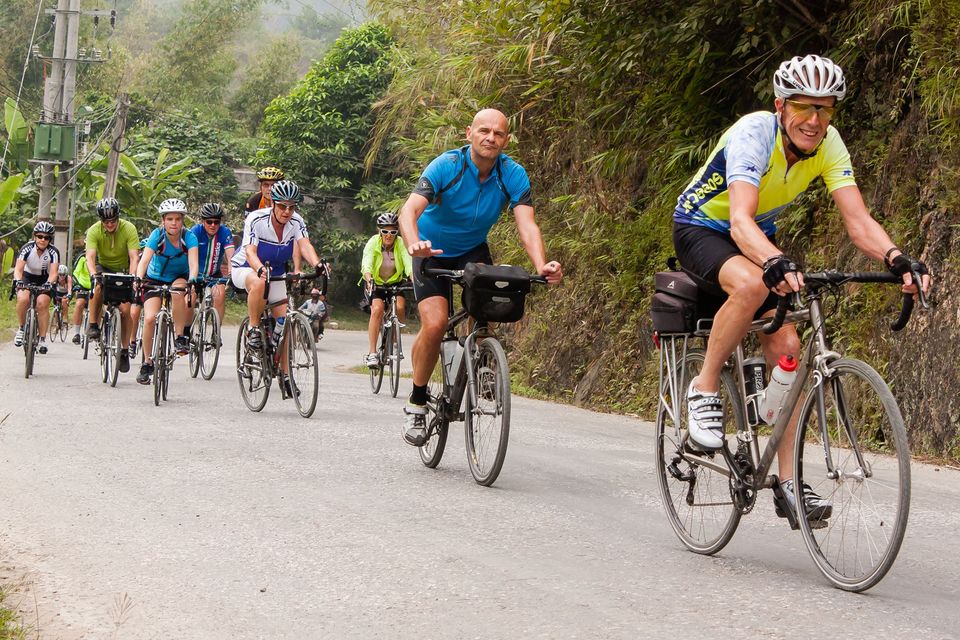
The world looks different from the seat of a bicycle. It is not a blur of colors through a train window or a fleeting landscape seen from 30,000 feet. When you embark on an Epic Cycling Adventure, the world becomes tactile. You feel the change in temperature as you descend into a shaded valley; you smell the damp, fertile earth after a mountain rain; and you hear the rhythm of your own breath matching the cadence of your pedal strokes.
June 29, 2026
.jpg "The Ultimate Trekking Expedition: A Journey Beyond Boundaries")
The horizon is not a limit; it is an invitation. For those of you who have spent too many hours staring at screens, listening to the hum of air conditioning, and feeling the gradual numbing of the spirit, the Ultimate Trekking Expedition is not just a holiday—it is a reclamation of self. It is the moment your boots touch the untamed earth, the lungs fill with air so crisp it feels like a baptism, and the heart finds a rhythm it forgot it possessed.
June 29, 2026
.jpg "The Ultimate Guide to Trekking Cao Bang Vietnam: Journey Through the Realm of Mountains and Waterfalls")
Cao Bang is not just a destination; it is a symphony of raw nature, ancient history, and the soulful whispers of the frontier. For those who seek the "Trekking Cao Bang Vietnam" experience, this province in North-East Vietnam offers a landscape that feels like it has been plucked from a classical ink wash painting. From the thunderous roar of Ban Gioc Waterfall to the serene silence of secret limestone valleys, trekking here is an emotional odyssey that reconnects you with the earth.
April 17, 2026
.webp "Cuc Phuong National Park Day Trip")
Have you ever felt the need to simply disconnect? To trade the relentless honking of city traffic for the rhythmic chirping of cicadas, and the gray concrete jungle for a canopy of ancient, emerald-green leaves? If your soul is craving a breath of pure, untamed air, then a Cuc Phuong National Park Day Trip is the sanctuary you’ve been searching for.
April 17, 2026
.jpg "Pu Luong Nature Reserve: An Ethereal Journey into Vietnam’s Hidden Eden")
Close your eyes and imagine a place where time seems to stand still. A place where the morning mist dances over emerald-green terraced fields, and the only sound you hear is the gentle rhythm of bamboo water wheels or the distant laughter of Thai ethnic children. This is not a dream; this is Pu Luong Nature Reserve, a sanctuary for the soul hidden in the heart of Thanh Hoa province.
April 10, 2026
.webp "The Soul of the Sidewalk: An Emotional Journey Through Hanoi’s Street Food")
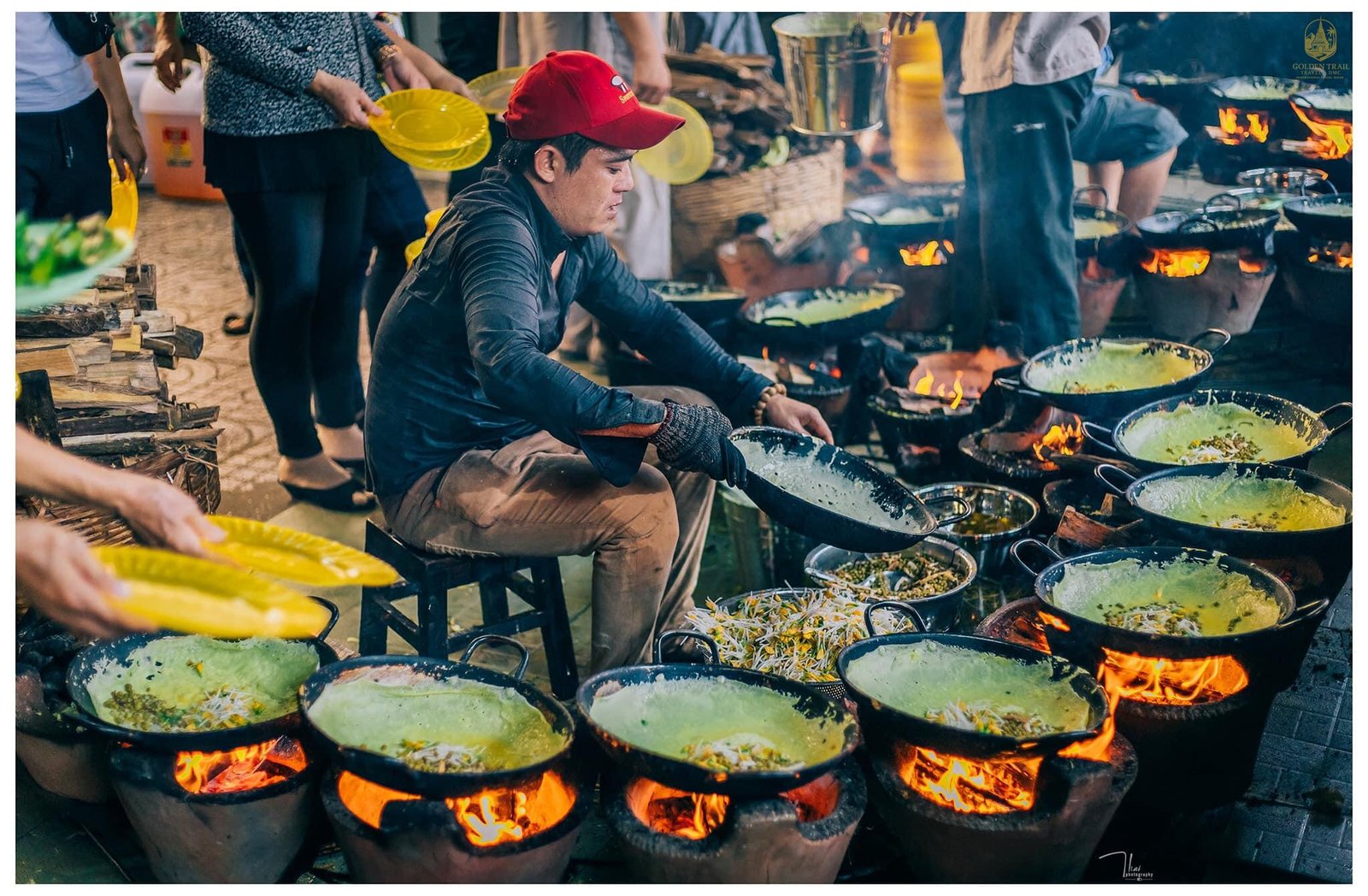
Hanoi is not just a city; it is a living, breathing symphony of scents, sounds, and flavors. To truly understand this thousand-year-old capital, one must leave the polished dining rooms behind and embrace the humble plastic stools of the sidewalk. A Hanoi street food tour is more than a culinary excursion; it is an intimate encounter with the Vietnamese spirit—a blend of resilience, warmth, and an unwavering passion for harmony in every bowl.
April 02, 2026
.webp "Co Loa Citadel Classic Tour: Stepping Into the Cradle of Vietnamese History")
Imagine standing on a ground where every grain of dust whispers secrets from two thousand years ago. Picture yourself walking through concentric earthen walls that once shielded a kingdom built on legends, magic, and the rhythmic beat of ancient drums. A Co Loa Citadel classic tour is not just a sightseeing trip; it is a profound emotional journey back to the very dawn of Vietnamese civilization.
April 02, 2026
.webp "The Soul of Southern Vietnam: A Journey Through Time and Water on a Cu Chi Tunnels and Mekong Delta Day Trip")
Imagine a day where you wake up in the buzzing energy of Ho Chi Minh City, only to find yourself hours later crawling through the secret veins of history and then drifting along a river that breathes life into an entire nation. The Cu Chi Tunnels and Mekong Delta day trip is not just a tour; it is a profound emotional odyssey. It is a story of resilience written in the earth and a song of peace sung by the flowing waters.
April 01, 2026
.webp "The Soul of the Far East: A Journey Through Time with Our Ho Chi Minh City Classic Tour")
Ho Chi Minh City, or Saigon as many locals still affectionately call it, is not just a destination; it is an emotion. It is the frantic pulse of a motorbike-filled street, the quiet whisper of incense in a centuries-old pagoda, and the clinking of iced coffee glasses at dawn. When you embark on a Ho Chi Minh City classic tour, you aren’t just sightseeing—you are stepping into a living, breathing tapestry of resilience, elegance, and unbridled energy.
April 01, 2026
.webp "Halong Bay Classic Cruise: A Timeless Journey Through the Soul of Vietnam’s Emerald Waters")
Imagine waking up as the first rays of sunlight pierce through a mystical shroud of mist, revealing thousands of towering limestone karsts rising defiantly from a mirror-like emerald sea. There is no engine roar, only the gentle lap of water against a wooden hull and the distant call of a sea eagle. This is not just a vacation; it is a return to an era of elegance. A Halong Bay Classic Cruise offers more than just sightseeing; it is a soul-stirring immersion into the heritage, legend, and natural grandeur of one of the world’s most iconic landscapes.
March 31, 2026
.webp "Journey Through Time: The Ultimate My Son Sanctuary & Hoi An Tour Experience")
Imagine standing amidst the silent, moss-covered brick towers of an ancient empire, the air thick with the scent of incense and the whispers of a thousand-year-old civilization. As the golden sun begins to dip below the horizon, you find yourself wandering through narrow, lantern-lit alleys where every corner turned feels like a step back into a forgotten era of grace and harmony. This is not just a sightseeing trip; it is a profound emotional journey through the heart of Central Vietnam.
March 31, 2026
.webp "A Symphony of Stone and Water: The Ultimate Guide to Your Trang An Boat Tour")
Have you ever dreamed of a place where time seems to stand still, where the only sound is the rhythmic dip of a wooden oar into emerald waters, and where towering limestone karsts guard secrets of ancient dynasties? Welcome to Trang An, the "Ha Long Bay on Land," a place that doesn't just offer a tour, but a profound connection to the soul of Vietnam.
March 30, 2026
Imagine a place where time seems to hold its breath. A place where the only sound is the rhythmic rhythmic dip of oars into emerald waters and the distant call of a kingfisher. This is Tam Coc, often whispered about as the "Halong Bay on Land," but in reality, it is a world entirely its own. For those seeking a profound connection with nature and a glimpse into the soul of northern Vietnam, a Tam Coc classic tour is not just a sightseeing trip—it is an emotional pilgrimage.
March 30, 2026
.jpg "Beyond the Horizon: The Magic of a Ba Be Lake E-Bike Tour")
Have you ever dreamed of a place where time slows down, where the air tastes of wild orchids and ancient stone, and the only sound is the gentle hum of your tires on a mountain path? Welcome to Ba Be National Park, the "Green Gem" of Northeast Vietnam. While many visit this UNESCO Heritage site by boat, there is a soulful, exhilarating way to truly feel the land: a Ba Be Lake E-bike tour.
March 28, 2026
.jpg "The Ultimate Northwest Vietnam E-bike Tour: A Soul-Stirring Journey Through Indochina's Roof")
Imagine the morning mist gently brushing against your face as you glide silently through ancient pine forests. Imagine the scent of ripening rice terraces filling your lungs, and the vibrant colors of ethnic hill-tribe costumes flashing past like a living kaleidoscope. This is not just a holiday; it is a symphony of senses. This is the Northwest Vietnam E-bike Tour—an invitation to conquer the most formidable landscapes of Southeast Asia with the grace and ease of modern technology
March 28, 2026
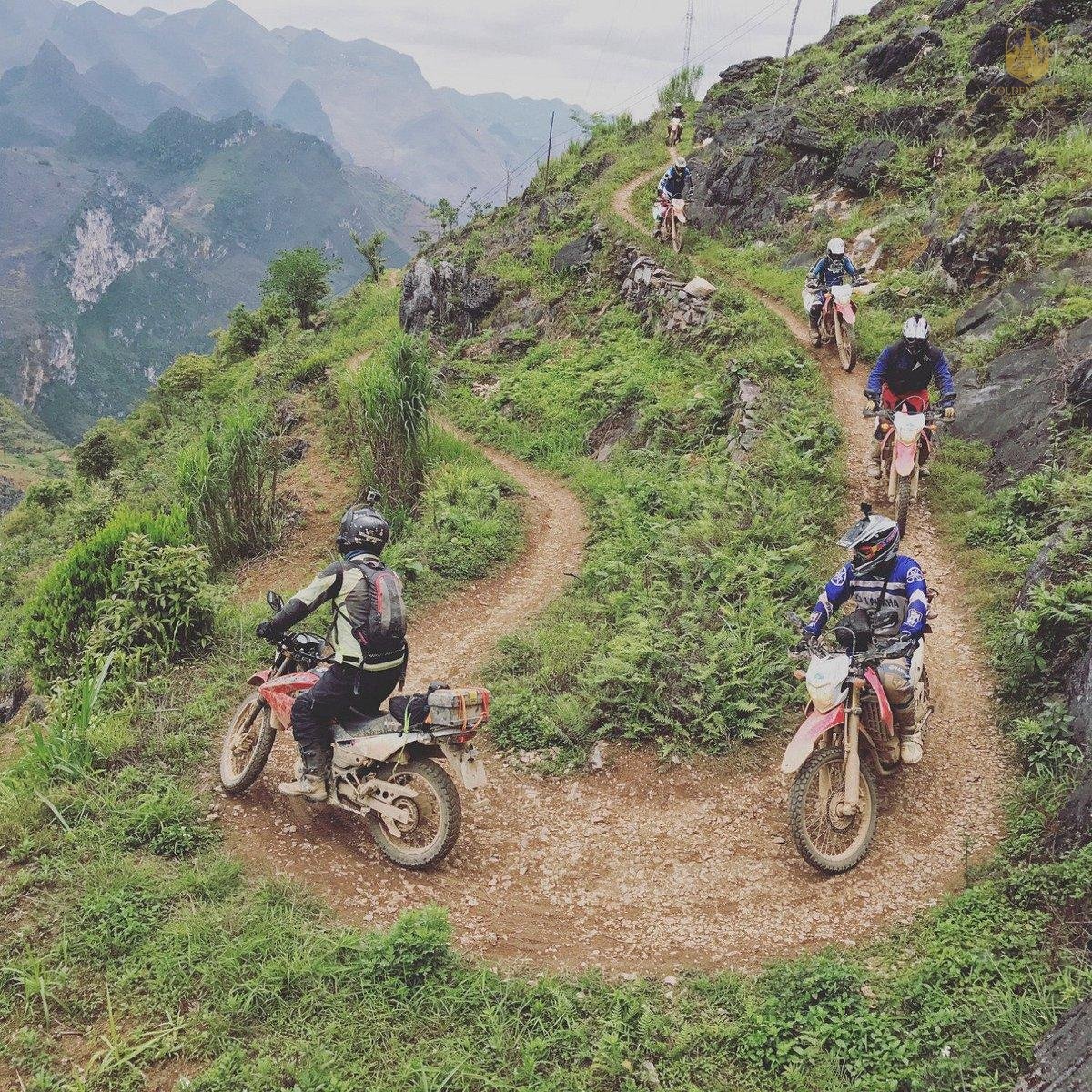
Imagine standing at the edge of the world, where the clouds dance around limestone pinnacles and the only sound is the gentle hum of your electric motor blending with the mountain breeze. For many, the Ha Giang Loop is a dream of rugged landscapes and raw adventure. But for those who seek a deeper connection—a way to feel the pulse of the earth without the roar of a gas
March 05, 2026
.jpeg "Conquer the Majestic Northwest: The Ultimate Guide to an E-bike Tour in Tuan Giao")
The mist clings to the jagged limestone peaks like a soft silk scarf, and the air carries the scent of wild orchids and woodsmoke. As you press the pedal of your electric bike, there is no roar of an engine—only the rhythmic hum of tires meeting the mountain road and the sound of your own heartbeat. This is not just a cycling trip; it is a deep, soul-stirring conversation with the rugged heart of Vietnam’s Northwest. Welcome to the E-bike tour Tuan Giao, where technology meets tradition, and every turn reveals a masterpiece of nature.
March 04, 2026
.jpg "The Ultimate Guide to Cloud Hunting in Ta Xua: A Journey Above the Clouds")
Have you ever dreamed of standing atop a mountain peak, watching a literal ocean of white silk roll beneath your feet? In the northern highlands of Vietnam, there is a place where the line between heaven and earth disappears. Welcome to Ta Xua – the legendary "Kingdom of Clouds."
March 04, 2026
.jpg "The Ultimate Guide to Sapa Trekking Fansipan: A Journey Beyond the Clouds")
Scaling the "Roof of Indochina" is more than just a physical challenge; it is a spiritual pilgrimage into the heart of Northern Vietnam’s raw, unbridled beauty. If you are searching for an experience that blends the adrenaline of a high-altitude climb with the serene tranquility of misty highlands, Sapa trekking Fansipan is the definitive answer.
March 02, 2026
.jpg "Pedaling Through the Clouds: The Ultimate Ha Giang Loop Cycling Tour Experience")
Every cyclist has a "holy grail" – a destination so profound that it changes their perspective on travel forever. In the northernmost reaches of Vietnam, where the limestone karsts pierce the sky and the clouds dance in the valleys, lies that very place. A Ha Giang Loop cycling tour is not just a physical challenge; it is a spiritual homecoming, a journey into the soul of Southeast Asia’s most dramatic landscapes.
February 26, 2026