15 Ng. 100 Đ. Nguyễn Xiển, Thanh Xuân Nam, Thanh Xuân, Hà Nội 100000



15 Ng. 100 Đ. Nguyễn Xiển, Thanh Xuân Nam, Thanh Xuân, Hà Nội 100000
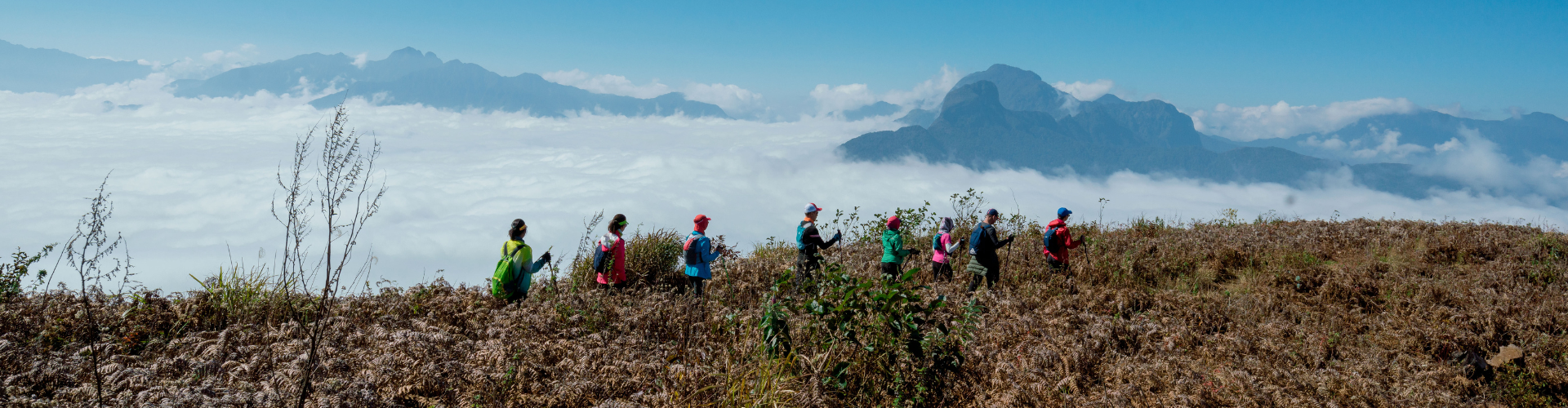
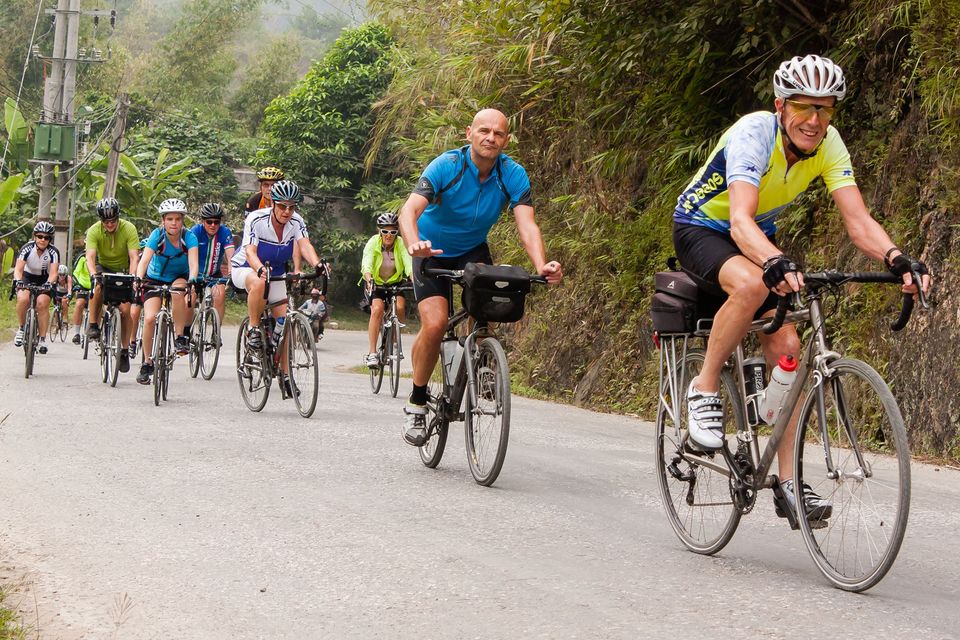
For the modern adventure cyclist, the northern reaches of Vietnam represent one of the last true frontiers. While the Ha Giang Loop has long dominated the headlines, a new, more profound journey is emerging for those who prefer the rhythm of a pedal over the roar of an engine: the Cao Bang Loop. Nestled within the Non Nuoc Cao Bang UNESCO Global Geopark, this route offers a kaleidoscopic journey through 500 million years of Earth's history. However, before embarking on such a journey, the most common question we receive at Golden Trail Travel is: What is the Cao Bang Loop cycling difficulty?
We will break down every facet of the challenge. From the technicality of the mountain passes to the endurance required for consecutive days in the saddle, we aim to provide you with the most transparent and helpful resource available. Whether you are a weekend warrior or a seasoned randonneur, understanding the demands of this "fossil landscape" is the first step toward a successful expedition.
.jpg)
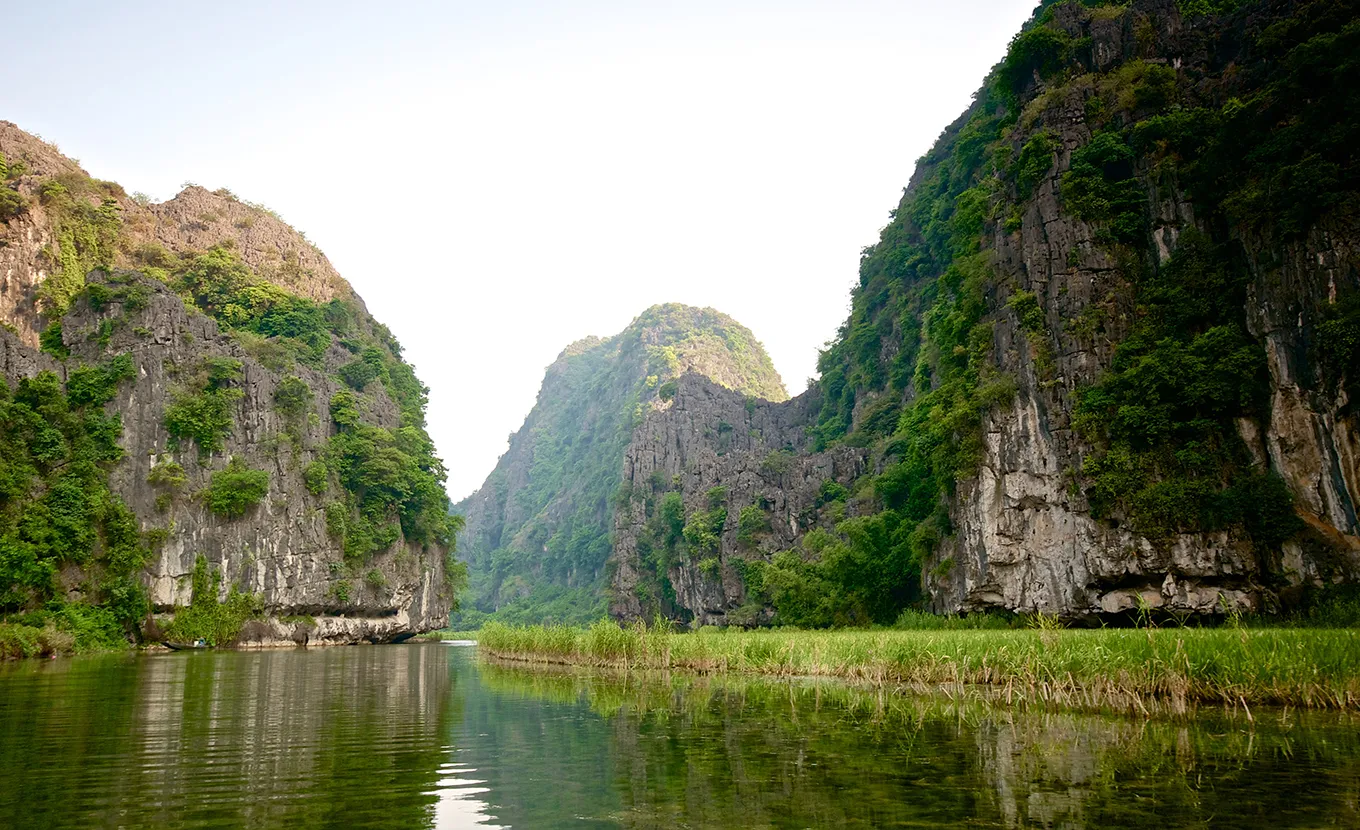
To gauge the Cao Bang Loop cycling difficulty, one must first understand the geological forces that shaped this region. Unlike the jagged, vertical peaks of Ha Giang, Cao Bang is characterized by "tower karst" topography. This means the terrain consists of thousands of individual limestone mountains rising abruptly from relatively flat or rolling river valleys.
For a cyclist, this creates a "pulse" rhythm. You aren't grinding up a 20-kilometer mountain pass for four hours (like you might in the Alps); instead, you are constantly navigating "rollers"—short, punchy climbs followed by rewarding, sweeping descents. The difficulty here isn't just in the height of the peaks, but in the frequency of the transitions.
Being a UNESCO Global Geopark means the roads are often carved through sensitive and spectacular geological formations. The roads follow the natural contours of the land, which means hairpins are common, and gradients can fluctuate wildly. This adds a layer of "mental technicality" to the ride; you must constantly manage your gears to stay efficient.
When we categorize the Cao Bang Loop cycling difficulty, we look at four primary pillars: Physical Endurance, Technical Skill, Environmental Factors, and Logistical Stress.
The total distance of the classic loop is approximately 250 to 300 kilometers, depending on detours. Over a 5-day itinerary, you are looking at 50–70 kilometers per day. While that may sound modest on paper, the cumulative elevation gain is significant. You can expect between 800m and 1,200m of climbing daily.
The physical challenge lies in the "constant engagement." Because the terrain is rarely flat for long, your heart rate fluctuates throughout the day. This type of riding is more taxing on the glycogen stores than a steady-state flat ride.
The asphalt in Cao Bang is generally better than in Ha Giang, but it is "mountain asphalt." This means you may encounter:
Limestone Dust: When dry, it’s fine; when wet, it can become a slick film.
Gravel Patches: Landslides or road repairs often leave small patches of loose gravel on corners.
Tight Hairpins: Descending the Ma Phuc Pass requires good braking technique and the ability to hold a line through a 180-degree turn.
Northern Vietnam is subtropical. The Cao Bang Loop cycling difficulty is often amplified by the weather. In the summer (May to August), the humidity can reach 90%, making a 5% gradient feel like 10%. Conversely, in the winter, the mist can be bone-chillingly cold on the descents.
Navigating a remote border province where English is rarely spoken adds a "stress difficulty" to self-guided riders. This is where choosing a professional team like Golden Trail Travel transforms the experience. By joining our cycling tours, you remove the stress of navigation, permit acquisition, and mechanical repairs, allowing you to focus purely on the physical effort and the scenery.
To truly understand the difficulty, we must look at the "Monsters of the Northeast."
This is the most famous climb on the loop. It gets its name because the gradient was once so steep that even horses were said to kneel in exhaustion.
The Difficulty: It is a 4km climb with an average gradient of 8%, but some sections hit 12%.
The Technicality: It features seven tiers of winding road. For the cyclist, it’s a mental game of looking up at the next tier and pacing oneself.
Located near the border, this pass is less about vertical gain and more about "flow."
The Difficulty: Moderate.
The Reward: It offers one of the most stunning views of the karst forest. The difficulty here is staying focused on the road when the scenery is so distracting.
While not a "pass," the road into the "Mountain Eye" (Nui Thung) valley involves some steep, concrete farm tracks. These are short (under 500m) but can be over 15% in gradient. They require a burst of power and good balance.
At Golden Trail Travel, we have optimized our itineraries to manage the Cao Bang Loop cycling difficulty effectively. Here is how a typical 5-day journey feels:
Difficulty Level: 3/10.
Description: A "shake-down" ride. The roads are mostly flat river valleys with small rollers. It’s the perfect time to get used to your bike and the humidity.
Cultural Reward: The incense-making village of Phuc Sen.
Difficulty Level: 7/10.
Description: This is the "Queen Stage." You tackle the Ma Phuc Pass early on. The mileage is higher, and the excitement of reaching the waterfall usually carries riders through the fatigue.
Deep Link: This is a highlight of our guaranteed tours, where we time our arrival to catch the best light for photography.
Difficulty Level: 4/10.
Description: A "recovery" day. We spend more time exploring the Nguom Ngao cave and pedaling along the turquoise Quay Son River. The terrain is largely flat bamboo groves.
Difficulty Level: 6/10.
Description: Remote and rugged. The roads are narrower, and there are more "hidden" climbs. You will feel the cumulative fatigue of the previous three days.
Difficulty Level: 5/10.
Description: A triumphant return. There is one final significant ridge to cross before a long, sweeping descent back into the provincial capital.
To minimize the Cao Bang Loop cycling difficulty, your training should focus on three specific areas:
You don't need to be fast; you just need to be able to keep moving for 5 hours. Focus on long, steady rides (Z2 heart rate) that last at least 3 hours. This builds the mitochondrial density required for multi-day touring.
If you live in a flat area, do "intervals" against the wind or on a stationary trainer with high resistance. Practice "grinding"—keeping a steady cadence of 70-80 RPM on a simulated hill.
Cycling in the mountains of Vietnam isn't just a leg workout. Navigating descents and absorbing the vibrations of "mountain asphalt" requires a strong core and stable shoulders. Incorporate planks and back extensions into your weekly routine.
The right equipment can reduce the perceived Cao Bang Loop cycling difficulty by 20%.
Mountain Bikes (Hardtail): This is our standard recommendation. A hardtail MTB with 2.1-inch tires provides the best comfort and safety. The suspension takes the sting out of the road, and the wide gear range makes the Ma Phuc Pass manageable.
Gravel Bikes: For the experienced rider who wants speed. You will be faster on the flats but will feel more fatigue in your hands and neck on the rougher sections.
E-Bikes: The Great Equalizer: If you are worried about the difficulty, an E-MTB is the solution. It flattens the passes and allows you to focus 100% on the scenery. We offer high-performance E-bikes as an upgrade on all our cycling tours.
Padded Shorts: Do not compromise here. Multi-day riding in a tropical climate makes saddle sores a real risk.
Braking Power: Ensure your bike has hydraulic disc brakes. The descents are long enough to cause "rim brake fade" or hand fatigue with mechanical brakes.
We often say that the Cao Bang Loop cycling difficulty is the "entrance fee" to paradise. Because the terrain is challenging, it keeps the mass-tourist buses away.
When you pedal into a Nung village at the pace of a bicycle, the interaction is different. You aren't a tourist behind a glass window; you are a fellow traveler who has shared the same hills and the same air. You will be invited for tea, you will see the traditional weaving of the Tay people, and you will experience the "Happy Water" (local rice wine) during a communal dinner in a stilt house.
The physical effort creates a sense of "earned beauty." Seeing the Ban Gioc waterfall after a 60km mountain ride is a far more spiritual experience than seeing it after a 3-hour van ride.
Our mission at Golden Trail Travel is to manage the Cao Bang Loop cycling difficulty so you can focus on the adventure.
Every tour includes a professional support vehicle. If you hit a wall on a climb, or if the heat becomes too much, the van is right there. You can hop in for 5 kilometers, recover, and rejoin the group. You only cycle as much as you want to.
Our guides know every pothole and every shortcut. They set the pace to ensure the group stays together and stays safe. Furthermore, we handle all bike maintenance. You finish the ride, and we clean, lube, and tune your bike for the next day.
We choose homestays and hotels that offer the best recovery. We know which restaurants serve the freshest "Pho Chua" and "Roasted Duck" to ensure your glycogen stores are topped up for the next stage. Explore our guaranteed tours to see how we’ve perfected the balance of challenge and comfort.
In terms of pure vertical gain, Ha Giang is harder. However, the Cao Bang Loop cycling difficulty is unique because of the constant "rollers" and the more humid, forested environment. Cao Bang is often considered more "enjoyable" for cycling because the valleys are wider and more scenic.
Yes, provided they have a basic level of fitness and choose an E-bike. For those on traditional bikes, we recommend being an "intermediate" rider who cycles at least once or twice a week.
It is 90% paved. However, "paved" in rural Vietnam means there may be dust, small potholes, or sections of gravel. Our mountain bikes are specifically chosen to handle these conditions with ease.
Absolutely. The border area is very peaceful. The only "difficulty" is ensuring you have the correct permits, which we handle for all our guests.
No problem! Our support van is always behind the last rider. You can hop in at any time. There is no judgment—the goal is to enjoy the journey.
James L. from the UK: "I was terrified of the Cao Bang Loop cycling difficulty after reading about the mountain passes. But the Golden Trail team was incredible. The guide set a perfect 'social pace' that allowed us to talk and ride. When I struggled on the Ma Phuc Pass, the van was there with cold water and encouragement. It’s the best thing I’ve ever done on two wheels."
Elena R. from Spain: "The scenery is like a movie, and the cycling is just the right amount of challenging. I used an E-bike, and it was the best decision. I could keep up with the faster riders and still have energy to explore the villages in the evening. Don't skip this!"
Mark S. from Australia: "The 'rollers' are definitely a leg-burner, but the descents are pure joy. The road quality was much better than I expected. If you like mountain biking but want to see real culture, this is the loop for you."
The Cao Bang Loop cycling difficulty is a variable that we can control. With the right training, the right gear, and the expert support of Golden Trail Travel, this "fossil landscape" becomes a playground of adventure.
It is a journey that will test your legs, but it will also expand your soul. From the roar of the Ban Gioc waterfall to the silent majesty of the karst towers, every pedal stroke is a story waiting to be told.
Are you ready to join us? Explore our full range of cycling tours and start your training today. The Northeast is waiting.




.jpg "The Epic Cycling Adventure: Rediscovering Your Soul on Two Wheels")
.jpg "The Ultimate Trekking Expedition: A Journey Beyond Boundaries")
.jpg "The Ultimate Guide to Trekking Cao Bang Vietnam: Journey Through the Realm of Mountains and Waterfalls")
.webp "Cuc Phuong National Park Day Trip")
.jpg "Pu Luong Nature Reserve: An Ethereal Journey into Vietnam’s Hidden Eden")