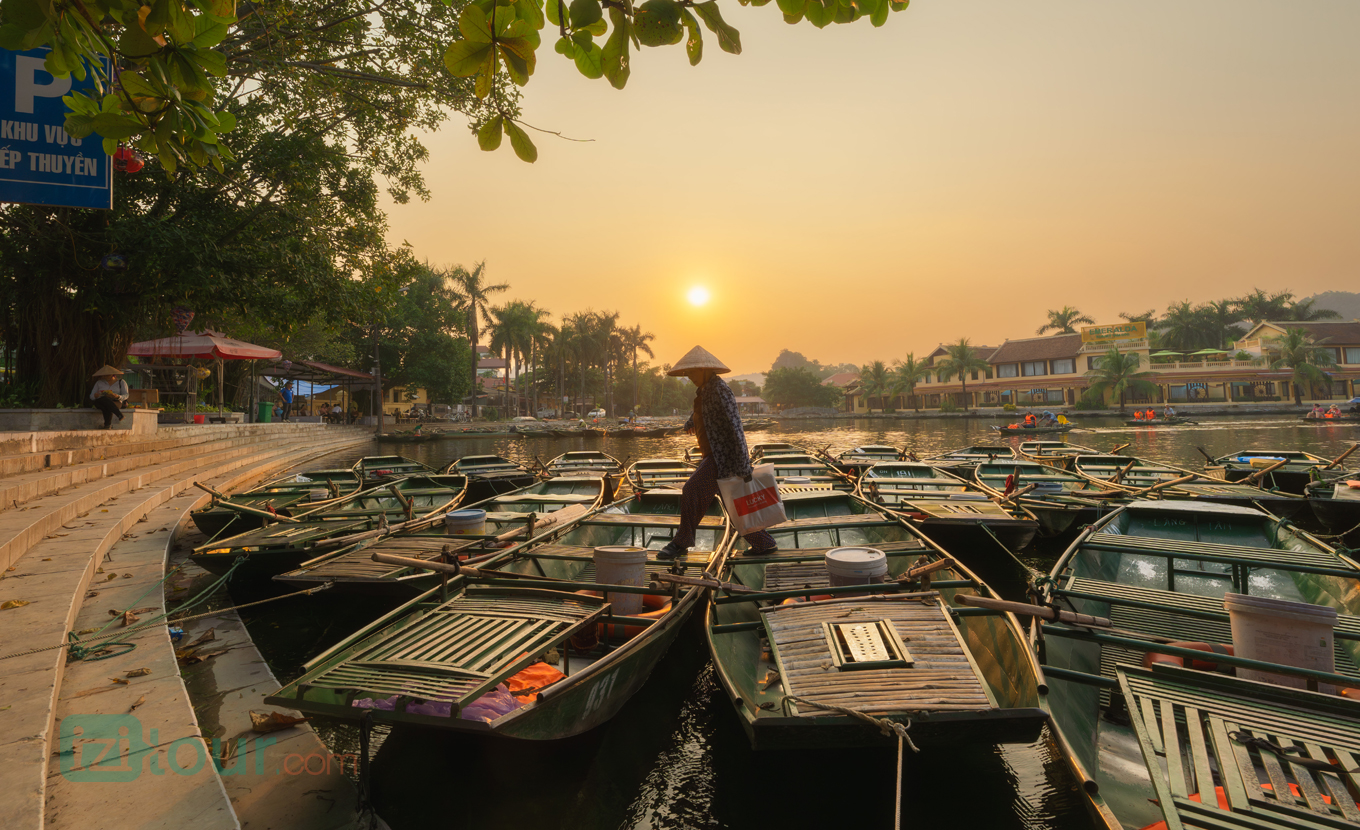
Discover the Beauty of Rice Paddies in Vietnam: A Journey Through Green Gold
Discover the Beauty of Rice Paddies in Vietnam: A Journey Through Green Gold
Getting Around Vietnam
August 01, 2025
Explore the stunning rice paddies in Vietnam with guided tours. From the terraced fields of Sapa to the vast plains of the Mekong Delta, discover Vietnam's breathtaking agricultural landscapes. Book your tour now!
Discover the Beauty of Rice Paddies in Vietnam: A Journey Through Green Gold
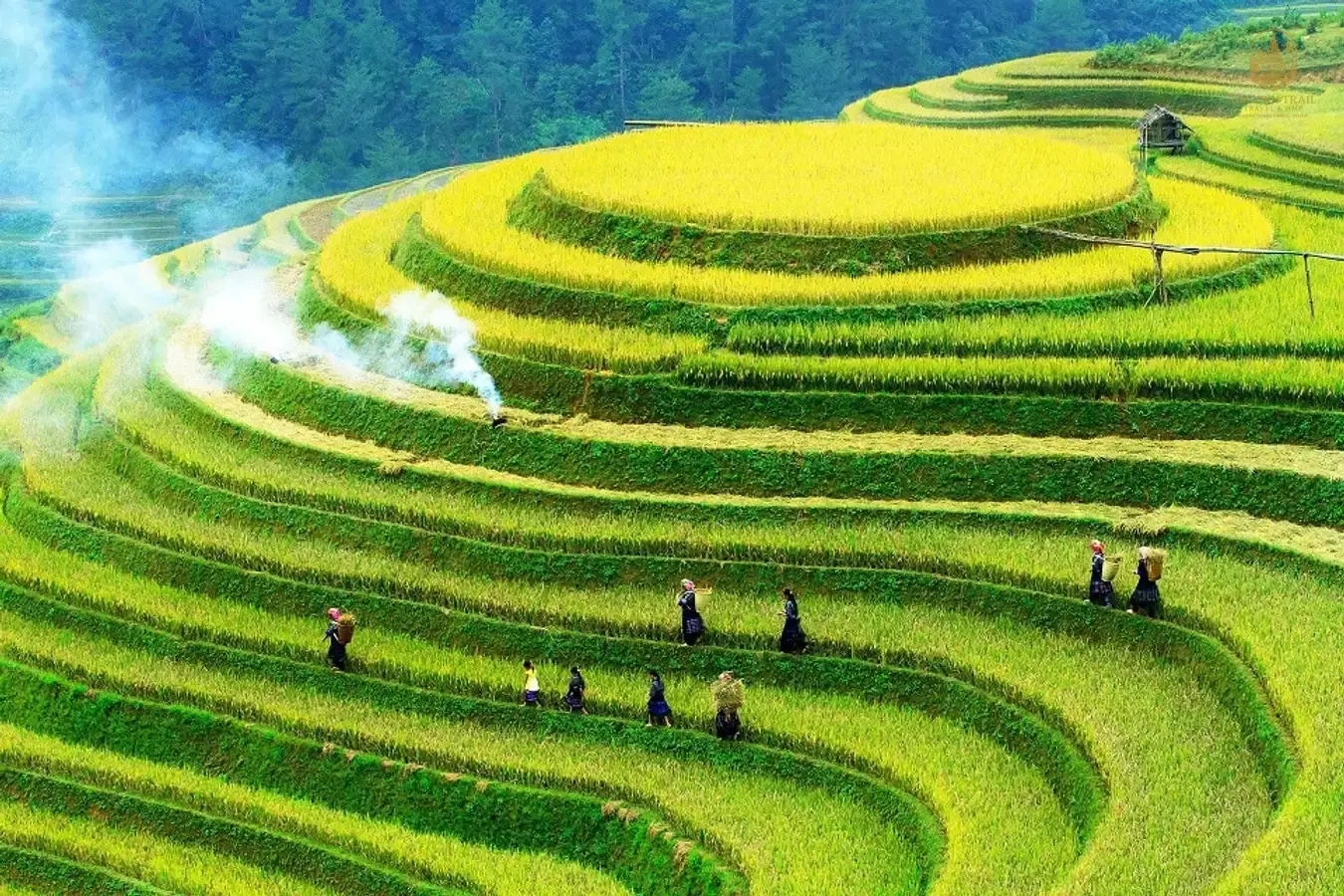
Vietnam, with its lush landscapes, diverse terrains, and vibrant culture, is home to some of the most stunning rice paddies in the world. From the terraced fields of Sapa in the north to the vast plains of the Mekong Delta in the south, Vietnam's rice paddies have not only shaped its agricultural economy but also become iconic symbols of the country’s natural beauty. For travelers looking to experience the essence of rural Vietnam, a visit to the country's rice paddies is an absolute must.
Discover the Beauty of Rice Paddies in Vietnam: A Journey Through Green Gold
In this comprehensive guide, we’ll take you on a journey through Vietnam's iconic rice paddies, exploring their historical significance, breathtaking views, and how you can best experience these natural wonders through Golden Trail Travel tours.
Why Rice Paddies are Essential to Vietnam’s Landscape
Rice paddies are not just agricultural fields—they are the heartbeat of Vietnam’s rural life. Rice farming has been a way of life for centuries, and the fields are deeply interwoven with the culture and traditions of the local people. These paddies play a vital role in the country’s economy, feeding millions of people and contributing significantly to Vietnam's agricultural exports.
The Agricultural Backbone of Vietnam
Vietnam is one of the world's largest producers of rice, and its fertile soil, combined with the tropical climate, makes it an ideal location for rice cultivation. The lush green fields seen across the country are not only a vital source of food but also a symbol of life and livelihood in Vietnam. The rice paddies Vietnam offers, with their undulating patterns and vibrant green colors, attract photographers, travelers, and anyone interested in immersing themselves in Vietnam’s rural landscapes.
Iconic Rice Paddies in Vietnam
Vietnam is home to some of the most stunning rice paddies in the world, each offering a unique perspective on the country’s agricultural practices and natural beauty. Here are the top destinations to experience Vietnam’s famous rice paddies:
1. Sapa Rice Paddies: The Terraced Wonders of the North
Located in the northern mountains, Sapa is famous for its terraced rice paddies that stretch across the hillsides. These lush, green fields are carved into the mountains, creating a breathtaking view that changes with the seasons.
Highlights of Sapa Rice Paddies:
Stunning Terraces: The Muong Hoa Valley is home to some of the most dramatic terraced rice fields, with layers of green that seem to go on forever. These terraces are a product of centuries of hard work by the H'mong people, who have cultivated rice on these slopes for generations.
Local Villages: Visiting the rice paddies of Sapa offers an opportunity to explore remote H'mong, Tay, and Dao villages, where visitors can learn about traditional farming techniques and the cultural importance of rice cultivation in these communities.
Best Time to Visit: The best time to visit Sapa’s rice paddies is during the planting season (April to May) and harvest season (September to October). During these times, the fields are either lush and green or golden and ripe for harvest.
Golden Trail Travel offers guided tours of Sapa’s rice terraces, where you can trek through the hills and interact with the local ethnic communities.
2. Mu Cang Chai Rice Terraces: A Hidden Gem in Northern Vietnam
While Sapa is popular among travelers, Mu Cang Chai is a lesser-known gem in northern Vietnam. This area is known for its vast, intricate terraced rice fields that have been recognized as a national heritage site.
Highlights of Mu Cang Chai Rice Paddies:
Magnificent Views: The rice terraces in Mu Cang Chai are surrounded by towering mountains, offering breathtaking views, especially at sunrise and sunset. The lush green fields provide a stark contrast to the golden yellow hues during the harvest season.
Cultural Immersion: The area is home to the Thai and H’mong ethnic minorities, and a visit to their villages gives you insight into their traditional farming methods and way of life.
Photography: The striking scenery of Mu Cang Chai rice terraces makes it a photographer's paradise. Whether you're capturing the vibrant green fields in the rainy season or the golden hues of the harvest, the views are truly unforgettable.
Golden Trail Travel offers tours to Mu Cang Chai, where you can hike the rice terraces, visit local villages, and learn about traditional farming.
3. The Mekong Delta: The Lifeblood of Southern Vietnam
In the south of Vietnam, the Mekong Delta is often referred to as the "Rice Bowl" of Vietnam. The fertile lands along the Mekong River have been the site of rice cultivation for centuries, producing an abundance of rice that sustains the local population and feeds the nation.
Highlights of Mekong Delta Rice Paddies:
Endless Fields: The flat, expansive fields of the Mekong Delta are covered with rice paddies that stretch for miles, creating a stunning landscape of green fields, canals, and small villages.
Floating Villages: The Mekong Delta is known for its floating villages, where rice cultivation is done alongside fishing and river-based activities. Visitors can take boat tours through the delta’s labyrinth of waterways, observing the life of the locals and their relationship with the land.
Harvest Season: The Mekong Delta is a prime spot to witness the harvest season in full swing, with farmers working tirelessly to reap the fruits of their labor.
For a unique experience, take a boat trip through the Mekong Delta to explore the rice fields and interact with the local communities.
4. Thanh Hoa and Hoa Lu: Peaceful Paddy Fields of the North
In Thanh Hoa Province, you’ll find beautiful rice paddies that extend through the rolling hills and valleys. Known for its scenic landscapes, Hoa Lu is also famous for its rice fields, which are often overshadowed by the region’s historical sites and ancient temples.
Highlights of Thanh Hoa Rice Fields:
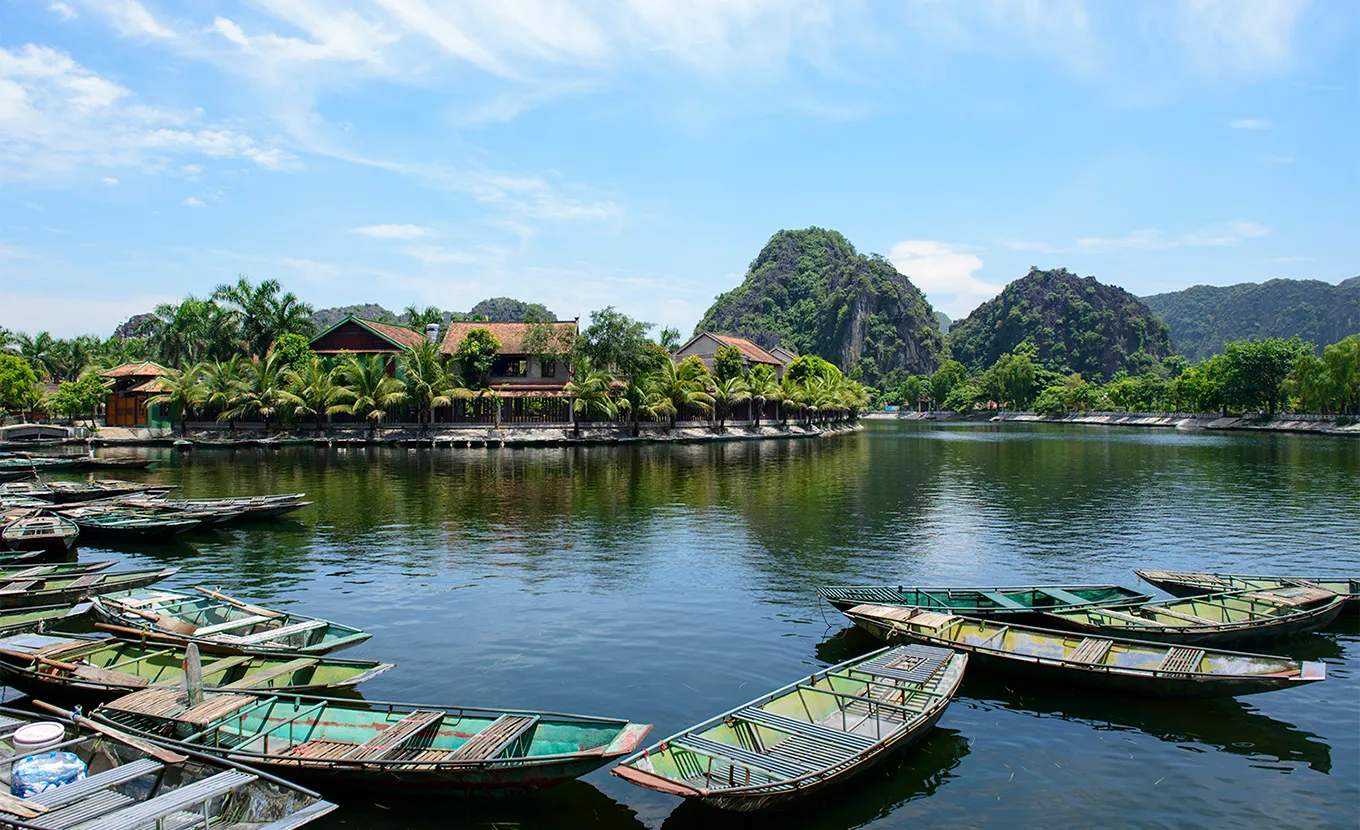
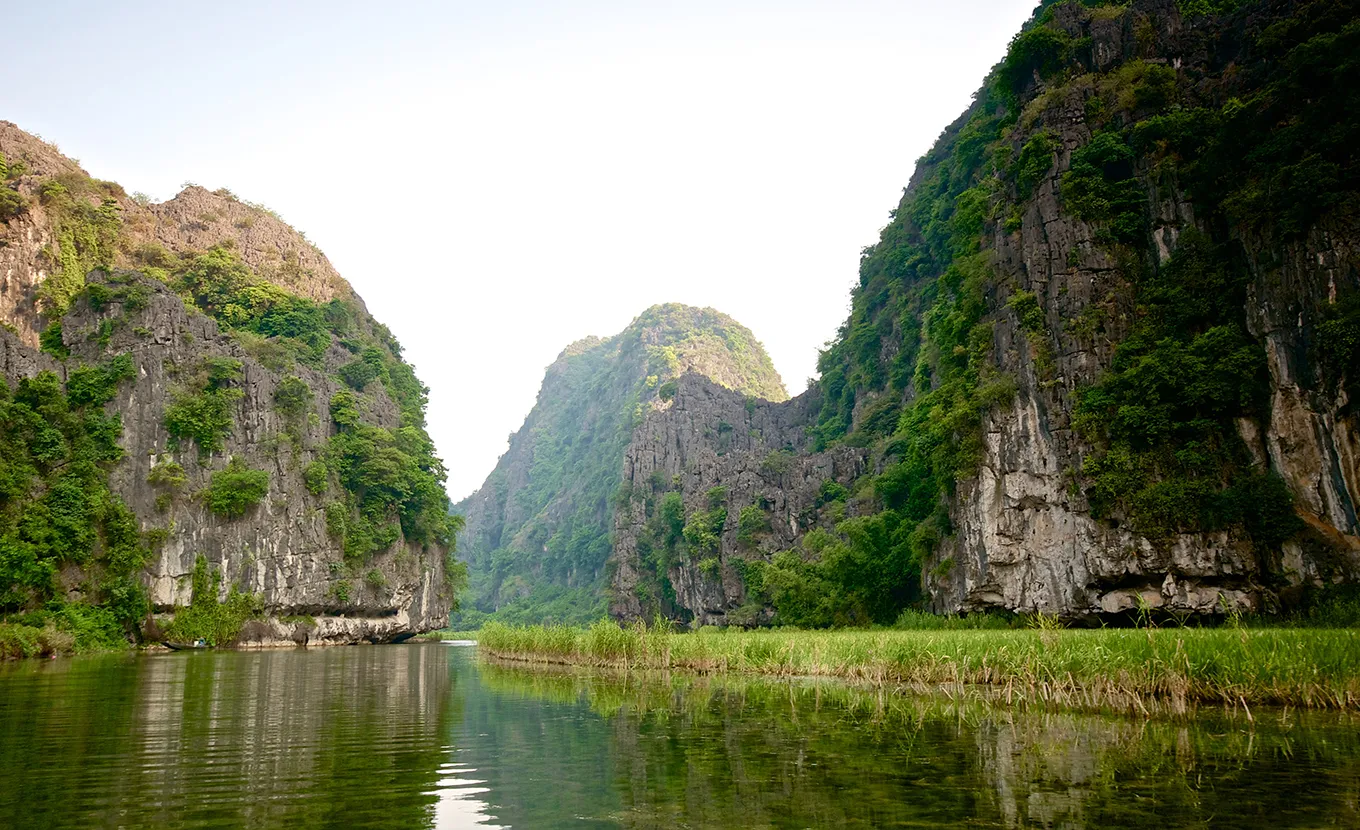
Stunning Landscapes: The peaceful rice fields in Thanh Hoa provide a quiet retreat from the hustle and bustle of Vietnam’s larger cities. The calm, flat fields are surrounded by dramatic limestone mountains and rolling hills, providing a beautiful and serene environment for reflection and relaxation.
Traditional Farming: Much like the other regions of Vietnam, the local farmers here continue to use traditional techniques for cultivating rice. A visit to this area gives you a chance to experience these age-old practices firsthand.
5. Hoa Binh Province: A Glimpse of Authentic Rural Vietnam
Located to the southwest of Hanoi, Hoa Binh is home to rolling green fields and winding rivers that surround its rich rice paddies. The picturesque landscape, with its rural villages and abundant fields, offers a peaceful retreat from the busy tourist areas of Vietnam.
Highlights of Hoa Binh Rice Fields:
Diverse Scenery: The Hoa Binh rice paddies are surrounded by mountains and dotted with small ethnic villages. Visitors can explore the area’s lush green fields, interact with the Muong and Thai ethnic groups, and enjoy the natural beauty of the area.
Farming Traditions: Hoa Binh is one of the best places to learn about traditional farming methods still used in rural Vietnam, as the farmers here maintain a close connection to their agricultural roots.
Best Time to Visit Vietnam’s Rice Paddies
The best time to visit Vietnam’s rice paddies depends on what type of experience you want to have:
April to May: The rice fields are lush and green during the planting season, making for vibrant and picturesque landscapes.
September to October: This is harvest season, and the rice fields turn golden, offering stunning views of the fields filled with ripe rice.
November to March: This is the dry season, and while the rice fields may not be as lush, it’s still a great time for trekking and exploring.
How to Experience Vietnam’s Rice Paddies
1. Trekking and Hiking Tours
Many of Vietnam’s rice paddies, especially in areas like Sapa and Mu Cang Chai, are accessible by foot. Trekking and hiking tours allow you to explore these terraces up close and experience the rhythm of rural life. You’ll have the opportunity to meet local farmers, observe traditional farming methods, and take in the breathtaking views.
Golden Trail Travel offers guided trekking tours to Vietnam’s most famous rice paddies, providing a safe and informative way to explore these natural wonders.
2. Photography Tours
Vietnam’s rice paddies are some of the most photographed landscapes in the world. Whether you’re capturing the vibrant green fields in the rainy season or the golden hues of the harvest, the scenery offers endless opportunities for stunning photographs.
Golden Trail Travel offers specialized photography tours where you can capture the beauty of Vietnam’s rice paddies with the help of expert guides.
3. Boat Tours in the Mekong Delta
A boat tour through the Mekong Delta provides a unique perspective of the rice paddies as you navigate the waterways. These tours often include visits to floating markets and local villages, giving you a chance to experience the everyday life of the people who depend on rice cultivation.
Frequently Asked Questions (FAQ)
1. When is the best time to visit Vietnam’s rice paddies?
The best time to visit is during the planting season (April to May) and harvest season (September to October). During these times, the fields are either lush and green or golden with ripe rice.
2. Can I visit the rice paddies in Vietnam on my own?
Yes, but for a more enriching experience, it’s recommended to take a guided tour. A local guide can provide insight into the farming techniques and local culture while helping you navigate the remote regions.
3. What can I expect during a rice paddy tour?
You’ll experience stunning landscapes, meet local farmers, observe traditional farming techniques, and learn about the cultural importance of rice cultivation in Vietnam. You’ll also have the opportunity to take in the natural beauty of the fields and surrounding areas.
4. Are there any accommodations near the rice paddies?
Yes, many rural areas near rice paddies offer homestays or guesthouses where you can immerse yourself in the local culture and enjoy the tranquil countryside.
Customer Reviews: What Travelers Are Saying
Emily T.: "The Sapa rice paddies tour was absolutely breathtaking. The views were out of this world, and the guide provided such valuable insights into the farming culture. A must-do if you visit Vietnam!"
John D.: "We did the Mu Cang Chai rice terrace tour, and it was the highlight of our trip. The golden rice fields during harvest season were incredible, and the local villages were so welcoming. Highly recommend the tour!"
Sophia L.: "The boat tour through the Mekong Delta was an unforgettable experience. We saw the rice fields from the water and learned about the farming techniques of the locals. The guide was amazing, and the scenery was spectacular."
Conclusion
Vietnam’s rice paddies are much more than just agricultural fields—they are an integral part of the country’s cultural and economic identity. Whether you’re trekking through the terraced hills of Sapa, cruising through the tranquil fields of the Mekong Delta, or simply immersing yourself in the rural life of Vietnam, the country’s rice paddies offer an experience like no other.
Book your rice paddy tour in Vietnam with Golden Trail Travel and explore the natural wonders and rich traditions of Vietnam's most iconic landscapes. Visit Golden Trail Travel to start planning your adventure today!
Golden Trail Travel Co., Ltd and Golden Cycling Tours would like to inform you of an important security notice.
Recently, we received warnings from Vietnamese authorities regarding an increase in online fraud targeting customers of travel companies and international businesses. Fraudsters are impersonating legitimate companies by using fake email addresses, forged payment instructions, and fraudulent bank account details to deceive customers into transferring funds.
These fraudulent emails are typically sent from unofficial email addresses and include fake banking information intended to redirect payments. This type of cybercrime, commonly known as phishing, is currently being reported and monitored by many organizations and government agencies.
To ensure the security of all transactions, Golden Trail Travel and Golden Cycling Tours use ONLY ONE official tax code and ONE official bank account as follows:
We will never request payment to any bank account other than the official account listed above.
Any phone number, email address, or payment information not included in our official contact details should be considered suspicious and potentially fraudulent.
Before making any payment, please contact us directly via our official hotline , WhatsApp or email addresses if you have any doubts or concerns.
If you receive any suspicious email or any request to change payment details, please notify us immediately so that we can verify the information and assist you.

.jpg "The Epic Cycling Adventure: Rediscovering Your Soul on Two Wheels")
.jpg "The Ultimate Trekking Expedition: A Journey Beyond Boundaries")
.jpg "The Ultimate Guide to Trekking Cao Bang Vietnam: Journey Through the Realm of Mountains and Waterfalls")
.webp "Cuc Phuong National Park Day Trip")
.jpg "Pu Luong Nature Reserve: An Ethereal Journey into Vietnam’s Hidden Eden")