15 Ng. 100 Đ. Nguyễn Xiển, Thanh Xuân Nam, Thanh Xuân, Hà Nội 100000


15 Ng. 100 Đ. Nguyễn Xiển, Thanh Xuân Nam, Thanh Xuân, Hà Nội 100000
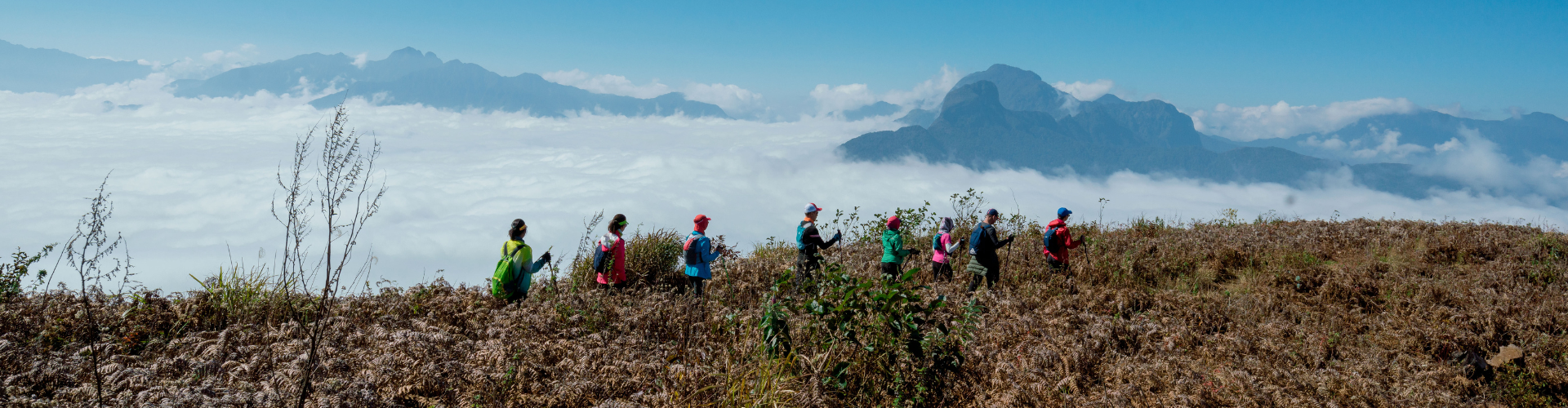
For some, trekking is an escape from the past—a chance to leave behind the digital age and reconnect with nature. But in Vietnam, trekking is a profound journey into history itself. Every winding path, every terraced field, and every ancient village tells a story that stretches back centuries, from the rise of great empires to the struggles for independence. For the history buff, a trekking tour in Vietnam is a unique opportunity to walk the footsteps of emperors, soldiers, and resilient local communities, seeing the landscape not just as a beautiful backdrop but as a living, breathing archive of human history. This guide is your map to the past, revealing how to combine the physical challenge of trekking with an intellectual and emotional journey through Vietnam's rich and complex heritage.
.jpg)
Why Vietnam is a Historian's Trekking Paradise
Vietnam's history is not confined to museums and ancient monuments; it is etched into the very fabric of its land. The country's dramatic geography—a mosaic of impenetrable mountains, vast deltas, and treacherous jungle—has shaped its destiny, defining battlegrounds, protecting ancient kingdoms, and carving out routes of survival and trade.
A Living Battlefield: Vietnam's landscape is a testament to centuries of conflict. Trekking can take you to the very heart of these historical moments, from the strategic highlands of Dien Bien Phu that defined the end of French colonialism to the dense forests of the Ho Chi Minh Trail, a legendary supply route that played a pivotal role in the American War. Walking these paths, you gain a visceral understanding of the scale and difficulty of these struggles.
Ancient Civilizations and Cultural Fusion: The mountainous regions and central coast are home to a diverse array of ethnic minority groups whose traditions and way of life have been shaped by centuries of migration, trade, and cultural exchange. Trekking through their villages is an opportunity to explore the living heritage of ancient peoples and to see firsthand how their cultures have been preserved and adapted over time.
The Ho Chi Minh Trail: This legendary supply route is a historical landmark in itself. It was not a single trail but a complex network of paths, roads, and waterways. Trekking portions of this trail offers a direct connection to a monumental chapter of 20th-century history, allowing you to see bomb craters, hidden shelters, and the rugged terrain that thousands of soldiers and civilians navigated.
A Guided Journey Through the Narrative: The true value of a historical trekking tour lies in the guide. A knowledgeable guide can act as a storyteller, bringing the landscape to life with tales of battles, legends of ancient kings, and insights into local customs. They transform a simple hike into an educational expedition, providing the context that makes the experience so meaningful.
The Ho Chi Minh Trail: Trekking a Legendary Route of Resilience
The Ho Chi Minh Trail is perhaps the most iconic historical trek in Vietnam. It was a logistical masterpiece, a network of jungle paths and roads that ran from North Vietnam through Laos and Cambodia to South Vietnam, serving as the main artery for soldiers and supplies during the American War. Trekking a section of this trail is not just a walk through the jungle; it is a journey through one of the most significant military achievements of the modern era.
Today, guided treks along sections of the Ho Chi Minh Trail are an incredibly immersive experience. The treks vary in difficulty, from gentle day hikes to challenging, multi-day expeditions.
Phong Nha-Ke Bang National Park: Many of the most popular treks are located in and around Phong Nha-Ke Bang National Park. The park’s dense jungle and karst landscape provided natural cover for the trail, and the massive cave systems, like the one that housed a hospital, served as natural bunkers. A trek here will take you through a stunning landscape and into caves that are living monuments to the war.
Hidden Historical Sites: As you trek, your guide will point out and explain the historical significance of sites that would be impossible to find on your own. You'll see remnants of old military posts, bomb craters that serve as a stark reminder of the air raids, and the remnants of the trail itself, which now blend in with the jungle landscape.
The Physical Challenge as a Historical Connection: The physical difficulty of trekking these paths, with their steep climbs and challenging terrain, provides a profound connection to the historical experience. You will gain a deep appreciation for the incredible endurance and resilience of the people who built and used this trail under the constant threat of attack.
The Ho Chi Minh Trail extended deep into the Central Highlands of Vietnam, a region of stunning natural beauty and a complex history of conflict and indigenous life. Trekking here offers an opportunity to connect this military history with the rich cultural heritage of the Montagnard people, who have lived in these highlands for centuries.
Golden Trail Travel specializes in crafting tours that follow the historical trajectory of the Ho Chi Minh Trail. Their guides are not only expert trekkers but also historians in their own right, providing a detailed and engaging narrative of the trail's construction, its strategic importance, and its human cost.
Vietnam's northernmost provinces are a world of breathtaking mountains and ancient cultures. For the history buff, this region offers a journey through layers of history, from the ancient origins of its ethnic groups to the defining battles of the 20th century.
The Dong Van Karst Plateau Geopark in Ha Giang is not just a geological wonder; it is a testament to the resilience of human culture. This rugged, beautiful land is home to dozens of ethnic minority groups whose history is intertwined with the mountains themselves.
Ancient Trade and Migration: The people of Ha Giang, primarily the Hmong, have a history of migration and struggle that is centuries old. Trekking through their villages, you'll see a culture that has been shaped by its environment, with terraced fields and homes built from local stone.
French Colonial Footprints: The region also holds significant historical sites from the French colonial era. The Dong Van Old Quarter, with its traditional homes and old market, and the Vuong family palace, a magnificent mansion that belonged to a powerful Hmong king, are two must-see historical sites that can be reached on a trek.
The Chinese Border: Ha Giang’s history is also defined by its proximity to China. Treks along the border offer an opportunity to see the historical and cultural exchange between the two nations, as well as the scars of past conflicts.
Dien Bien Phu is a small valley town with an enormous historical significance. It was the site of the decisive battle that ended French colonial rule in Indochina. For the history buff, a trek here is a powerful and somber experience.
The Battle Sites: Treks in and around the valley can take you to the key battle sites, including the French command bunker and the strategic hills that were captured by the Viet Minh. Walking these hills, you gain a sense of the sheer scale and difficulty of the battle, with your guide explaining the tactical decisions that led to victory.
Museums and Monuments: A historical trek in Dien Bien Phu is often combined with visits to the local museum and the massive war memorial, which provide important context for the trek itself.
Golden Trail Travel offers specialized trekking tours in both Ha Giang and Dien Bien Phu, providing guides who are experts in the region's history. They can help you craft an itinerary that focuses on the specific historical period that interests you most, from the French colonial era to the post-war reconstruction.
Central Vietnam is where the imperial heart of the country beat for centuries. It is a land of kings, great empires, and, more recently, a brutal modern war. Trekking here is a journey through a fascinating blend of ancient and modern history.
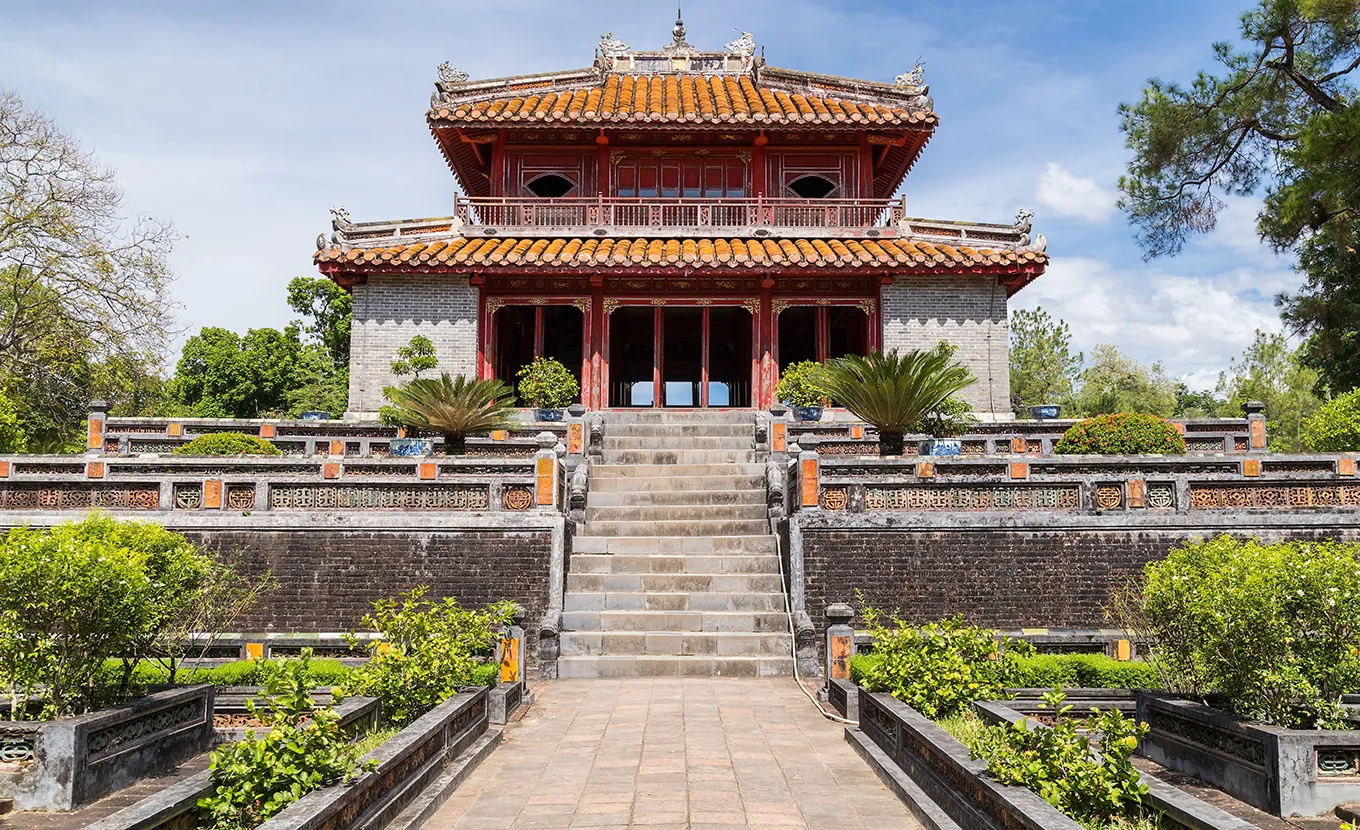
Hue, the former imperial capital, is a city steeped in history. A trek here can take you beyond the city's walls and into the surrounding countryside to explore the royal tombs of the Nguyen Dynasty, which are a magnificent testament to imperial power.
The DMZ (Demilitarized Zone): A short distance from Hue lies the DMZ, the former dividing line between North and South Vietnam. Trekking in this region is a powerful and sobering experience. You can walk through the Vinh Moc Tunnels, an incredible underground village that housed hundreds of people during the war, and see the remnants of the military bases that lined the DMZ.
Historical Context: A trekking tour in this area provides a deep understanding of the human impact of the war, with your guide sharing stories and historical context that brings the landscape to life.
Hoi An is famous for its well-preserved ancient trading port, a UNESCO World Heritage site. But just a short trek from the town lies a completely different kind of history: the ancient ruins of the Champa Kingdom.
My Son Sanctuary: A trek to the My Son Sanctuary, a cluster of abandoned and partially ruined Hindu temples, is a journey back in time. This was the spiritual and political heart of the Champa Kingdom, a powerful empire that dominated Central and Southern Vietnam for centuries.
The Trekking Experience: The trekking here can be combined with a visit to the ruins, allowing you to explore the surrounding landscape and to see how the temples were built and integrated into the natural environment. Your guide will explain the history of the Champa people, their unique culture, and the eventual decline of their empire.
Golden Trail Travel understands that a historical trek in Central Vietnam is about more than just walking. It’s about a deep understanding of the different layers of history. Their guides are well-versed in both the imperial history of Hue and the more recent history of the DMZ, providing a comprehensive and engaging narrative for your journey.
For a history buff, a trekking tour requires a different kind of preparation. Here are some essential tips to ensure your journey is both physically and intellectually rewarding.
Look for Expertise: Your guide is the key to unlocking the historical narrative of the landscape. When booking a tour, ask about the guide's expertise. Do they have a background in history? Are they from the local area and can they provide personal anecdotes and cultural context?
Golden Trail Travel's Guides: Golden Trail Travel prides itself on its guides who are not just navigators but also passionate historians. They have been trained to provide a rich, detailed narrative of the historical significance of every trek, from the ancient ruins to the modern battlefields.
Read Up on the History: Before you go, read up on the history of the regions you will be trekking through. This will give you a solid foundation and allow you to ask more specific, insightful questions.
Physical Preparation: A historical trek is still a physical challenge. Prepare for your trip by building your cardiovascular endurance and your core strength. You want to be able to focus on the historical narrative, not the physical struggle.
Packing Essentials: Pack a notebook and pen to jot down notes and observations. A good camera is also essential to document the historical sites and the stories you will encounter.
A historical trek is about observation and reflection. Take the time to simply sit and soak in the atmosphere of a historical site. Imagine the lives of the people who walked these paths before you. Listen to your guide's stories and ask questions. This is not a race to the finish line; it is a journey of discovery.
How Golden Trail Travel Elevates Your Historical Trek
For the history enthusiast, a trekking tour with Golden Trail Travel is more than just a vacation—it is a profound educational experience. They have built their reputation on providing tours that are not only adventurous and safe but also deeply enriching and meaningful.
Expert Guides with Historical Expertise: Golden Trail Travel ensures that their guides are not just experienced trekkers but also passionate historians. They understand the importance of historical context and are trained to provide a detailed and engaging narrative of the historical significance of every trek.
Tailored Historical Itineraries: They specialize in crafting bespoke tours that cater to your specific historical interests. Whether you want to focus on the Ho Chi Minh Trail, the French colonial era, or the ancient Champa Kingdom, they can design the perfect itinerary for you.
Access to Unique Historical Sites: Due to their deep local connections and expertise, they can take you to historical sites and villages that are often inaccessible to other tourists, providing a more authentic and intimate experience.
Seamless and Stress-Free Logistics: Golden Trail Travel handles all the logistics, from transportation and accommodation to meals, allowing you to focus completely on the historical narrative without the stress of planning.
Booking your historical trekking tour with Golden Trail Travel means you are choosing an adventure that is not only unforgettable but also respectful, educational, and deeply rewarding. You can explore their various tour options and start planning your expedition into Vietnam’s past by visiting their website at https://goldentrailtravel.com/.
Are the historical sites on these treks well-preserved? The level of preservation varies greatly. Some sites, like the imperial tombs in Hue, are well-maintained, while others, like the remnants of the Ho Chi Minh Trail, have been reclaimed by nature. Your guide will provide the historical context for each site, regardless of its condition.
How physically demanding are these historical treks? The difficulty can vary greatly. Some treks, like the ones in the Hue countryside, are quite gentle, while others, like the Ho Chi Minh Trail treks, can be physically demanding. Golden Trail Travel will work with you to find a tour that matches your fitness level.
Can I visit both ancient and modern historical sites on the same trip? Yes, absolutely. Vietnam's history is a rich tapestry, and a good tour operator can craft a single itinerary that covers multiple periods, from the ancient Champa Kingdom to the more recent American War.
What kind of cultural etiquette should I be aware of when visiting historical sites? When visiting temples or historical sites, it is respectful to dress modestly, covering your shoulders and knees. You should also ask for permission before taking photos of people or religious ceremonies.
How can I make sure my trip benefits the local communities? By choosing a tour operator like Golden Trail Travel that practices responsible tourism and works directly with local guides and homestays, you can ensure that your travel directly benefits the communities you visit.
Is it safe to trek in former conflict zones? Yes, it is very safe to trek in these areas with a professional guide. The trails have been cleared of any unexploded ordnance, and your guide is trained to ensure your safety and comfort at all times.
"My trekking tour of the Ho Chi Minh Trail with Golden Trail Travel was a powerful and unforgettable experience. Our guide was an absolute expert, and his stories brought the history to life. Walking those paths gave me a profound appreciation for the resilience of the Vietnamese people. This was more than a trek; it was a journey of discovery." - Michael S., History Professor, United States
"The Dien Bien Phu tour with Golden Trail Travel was incredible. Our guide was a history buff himself and knew every detail of the battle. We walked the hills where the fighting took place, and he explained the strategy and tactics. It was a truly immersive and emotional experience that I will never forget." - David P., Military Historian, Australia
"I've always been fascinated by the Champa Kingdom, and the trek to My Son with Golden Trail Travel was exactly what I was looking for. Our guide was a font of knowledge, and we got to explore the surrounding jungle and see the temples in their full historical context. I highly recommend them to any history lover." - Emily R., Archeologist, Canada



.jpg "The Epic Cycling Adventure: Rediscovering Your Soul on Two Wheels")
.jpg "The Ultimate Trekking Expedition: A Journey Beyond Boundaries")
.jpg "The Ultimate Guide to Trekking Cao Bang Vietnam: Journey Through the Realm of Mountains and Waterfalls")
.webp "Cuc Phuong National Park Day Trip")
.jpg "Pu Luong Nature Reserve: An Ethereal Journey into Vietnam’s Hidden Eden")