15 Ng. 100 Đ. Nguyễn Xiển, Thanh Xuân Nam, Thanh Xuân, Hà Nội 100000

15 Ng. 100 Đ. Nguyễn Xiển, Thanh Xuân Nam, Thanh Xuân, Hà Nội 100000
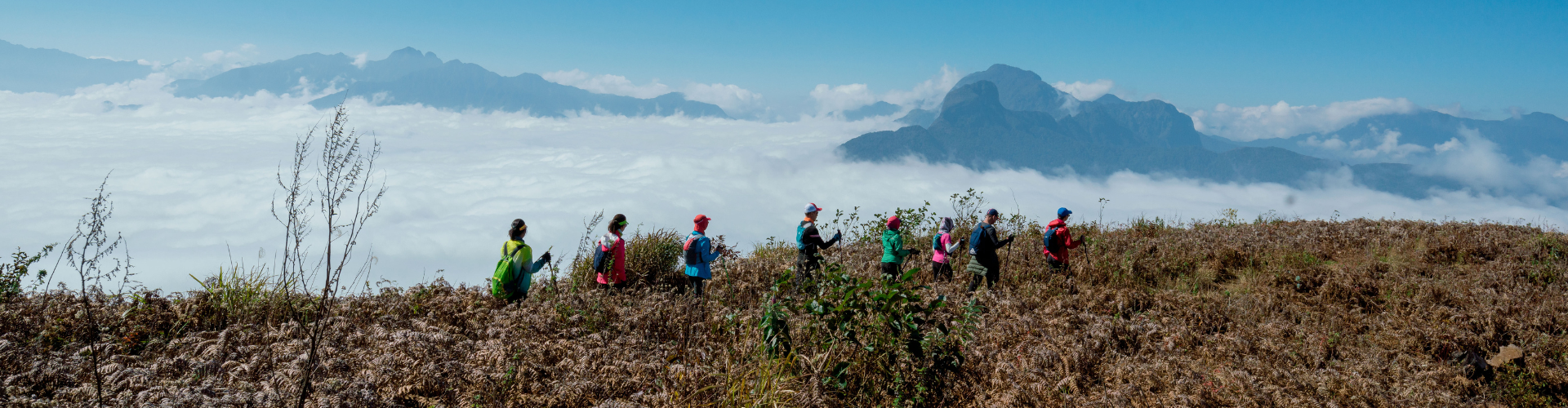
Are you ready to trade the familiar concrete jungle for a breathtaking expanse of emerald rice terraces, jagged limestone karsts, and mist-shrouded peaks? Do you long for the kind of journey that engages not just your eyes, but your soul, connecting you with ancient cultures and untamed nature? Then a Vietnam hiking holiday is calling your name.
.jpg)
Vietnam, a land of staggering natural beauty and rich cultural tapestry, is a hiker's paradise. From the northern highlands where ethnic minority groups have lived for centuries, to the lush national parks of the central coast and the remote, jungle-clad mountains of the south, the country offers a diverse and unforgettable trekking experience for every level of adventurer. This ultimate guide will take you deep into the heart of Vietnam’s best hiking destinations, offering expert tips, detailed itineraries, and a glimpse into the magic that awaits you on the trail.
Hiking in Vietnam is more than just a physical challenge; it's an immersive cultural experience. Unlike in many other parts of the world, a Vietnamese trek is often a journey through remote villages, where you'll be greeted with warm smiles and offered a chance to share a meal with a local family. The trails lead you past impossibly green rice paddies carved into mountainsides, through dense bamboo forests alive with the calls of exotic birds, and to panoramic viewpoints that will leave you speechless.
The landscape is astonishingly varied. In the north, you'll find the iconic terraced fields of Sapa and Ha Giang, which change color with the seasons from deep green to brilliant gold. The central region boasts a mix of coastal mountains, dense jungles, and hidden caves. The south offers a different kind of adventure, with national parks teeming with biodiversity and unique ecosystems. No matter where you choose to go, you'll be rewarded with scenery that is both dramatic and profoundly beautiful.
The northern part of Vietnam is undoubtedly the country's most famous hiking region. Here, the mountains are higher, the valleys deeper, and the cultural encounters more profound.
Sapa is the quintessential Vietnam hiking destination. While its main town has become more developed, the true magic lies on the trails that wind through the surrounding Muong Hoa Valley. This area is home to a number of ethnic minority groups, including the Hmong, Dao, and Tay people, and a trek here is a journey through their daily lives.
1. Sapa's Best Hiking Routes
Lao Chai & Ta Van: This is a classic Sapa trek. The trail takes you through a breathtaking valley filled with terraced rice fields. You'll walk from Lao Chai, a Hmong village, to Ta Van, a village of the Dzay people. A homestay in Ta Van is a highlight, offering an authentic glimpse into local life.
Cat Cat Village Loop: A shorter, more accessible hike from Sapa town, this route leads to a beautiful village where you can see traditional crafts and a stunning waterfall.
Fansipan Mountain: For the serious trekker, conquering Fansipan—the "Roof of Indochina"—is the ultimate challenge. At 3,143 meters, the climb is demanding and typically takes two to three days. The reward is a view from the highest peak in the country, a true badge of honor for any hiker.
Ta Phin Village: A less-traveled route, this trek takes you to a village of the Red Dao people, famous for their herbal baths. The trail is quieter and offers a more serene experience.
2. Practical Tips for Sapa Treks
Best Time to Visit: The dry season, from March to May and September to November, is ideal. The fields are a lush green in the summer and a golden yellow in the autumn.
Guides: A local guide is highly recommended. Not only do they navigate the trails, but they also serve as cultural ambassadors, helping you communicate with villagers and understand local customs.
Golden Trail Travel: To ensure a well-organized and culturally sensitive experience, consider booking your Sapa trekking adventure with a reputable company. Golden Trail Travel offers a variety of tours in Sapa, from day trips to multi-day treks, all designed by native specialists to give you an authentic and educational journey. Explore their options at https://goldentrailtravel.com/ and start planning your perfect Sapa adventure.
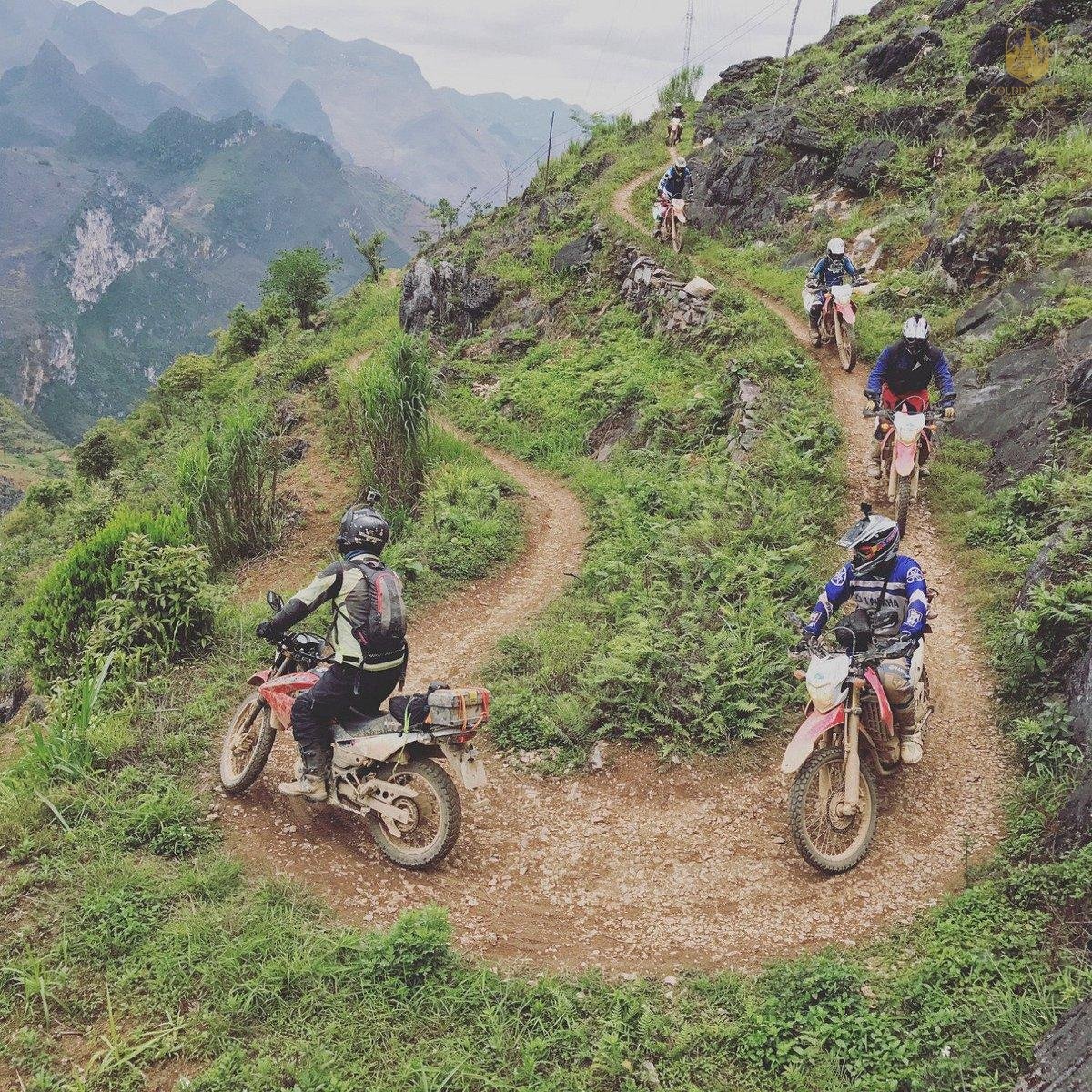
Ha Giang is often called Vietnam’s final frontier. It’s a place of dramatic landscapes and jaw-dropping scenery, far wilder and less visited than Sapa. The Ha Giang Loop, a famous motorbike route, can also be explored on foot, revealing hidden trails and stunning views.
1. Highlights of Ha Giang Hiking
Dong Van Karst Plateau: A UNESCO Global Geopark, this area is a spectacular landscape of limestone mountains, deep canyons, and winding rivers. Trekking here offers a sense of true isolation and incredible photo opportunities.
Ma Pi Leng Pass: While often experienced from the road, hiking sections of this pass provides a more intimate encounter with its epic scale. The views over the Nho Que River are truly unforgettable.
Hoang Su Phi: Famous for its impossibly steep rice terraces, Hoang Su Phi is an agricultural masterpiece. A multi-day trek here takes you through villages of the Hmong, Tay, and Nung people, offering a profound cultural immersion.
Located in Thanh Hoa province, Pu Luong is a stunning nature reserve that combines the terraced fields of the north with the lush rainforests of central Vietnam. It is a fantastic alternative to Sapa, offering similar beauty with fewer crowds.
1. Pu Luong Trekking Experience
Terraced Fields and Water Wheels: The trails here wind through terraced fields and past giant bamboo water wheels used by the local Thai people for irrigation.
Homestays: Staying in a traditional stilt house is a must. Many villages offer homestay experiences where you can enjoy local food and hospitality.
Central Vietnam offers a different kind of hiking experience, with trails that often lead to panoramic ocean views or deep into ancient rainforests.
Between the cities of Hue and Da Nang, Bach Ma National Park was once a French hill station. Today, its well-maintained trails lead to waterfalls, lakes, and stunning viewpoints.
1. What to Expect at Bach Ma
Five Lakes Trail: This popular trail takes you past a series of five pristine lakes and ends at the spectacular Do Quyen Waterfall.
Vong Hai Dai (Sea-Watching Tower): A short hike to this tower rewards you with a panoramic view of the coastline, mountains, and lagoons.
Da Lat is known for its cool climate and pine forests, making it a perfect base for hiking in the Central Highlands.
1. Notable Da Lat Hikes
Lang Biang Mountain: A moderate hike to the summit of Lang Biang provides stunning views of Da Lat and its surrounding lakes and forests.
Bidoup Nui Ba National Park: This park offers more challenging multi-day treks through diverse ecosystems, from pine forests to tropical jungles, and is a haven for biodiversity.
While the north is famous for its mountains, the south offers unique trekking opportunities in national parks teeming with wildlife.
Located near Ho Chi Minh City, Cat Tien is one of Vietnam’s most important national parks. It is a dense, lowland rainforest and a UNESCO Biosphere Reserve.
1. Cat Tien Treks
Crocodile Lake: A challenging trek through the jungle leads to Crocodile Lake, where you can see Siamese crocodiles and a variety of birds.
Botanical Gardens and Primates: Shorter trails offer opportunities to spot rare primates, such as the black-shanked douc langur.
A successful trekking trip requires careful planning. Here's what you need to know.
Northern Vietnam: The best time is the dry season (March to May and September to November). Avoid the rainy season (June to August), as trails can be muddy and dangerous.
Central Vietnam: The dry season from February to August is ideal.
Southern Vietnam: The dry season from December to April is the most comfortable for trekking.
Sturdy Hiking Boots: Essential for slippery and uneven trails.
Lightweight, Moisture-Wicking Clothing: The climate is often hot and humid.
Rain Jacket: Sudden downpours are common, especially in the mountains.
Backpack: A comfortable pack with a rain cover.
Water Bottle/Hydration Pack: Stay hydrated!
Sunscreen and Hat: The sun can be intense.
Insect Repellent: A must, especially in national parks.
Small First-Aid Kit: Blister plasters, pain relievers, and antiseptic wipes are crucial.
Headlamp: Useful for homestays and early morning starts.
For first-time visitors or those seeking a hassle-free experience, a professional tour operator is invaluable. They handle logistics, provide expert guides, and ensure your trip is safe and well-organized. A company like Golden Trail Travel specializes in crafting unforgettable adventures, from classic Sapa treks to off-the-beaten-path journeys in Ha Giang. Their deep local knowledge and commitment to sustainable tourism make them a top choice for your Vietnam hiking holiday. Visit their website at https://goldentrailtravel.com/ to find the perfect tour for you.
What truly sets a Vietnam hiking holiday apart is the cultural immersion. It's the chance to:
Stay in a Homestay: Sleep in a traditional stilt house, share meals with a local family, and learn about their way of life.
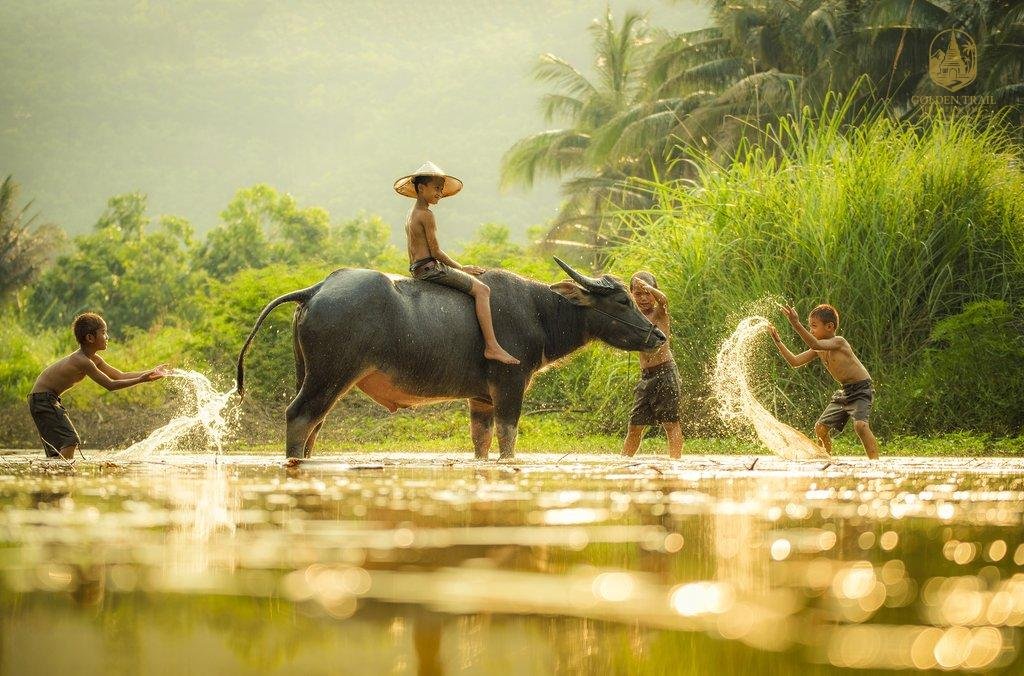
Witness Daily Life: See farmers working in the fields, children playing, and women weaving traditional textiles.
Learn about Ethnic Groups: Understand the unique languages, customs, and traditions of groups like the Hmong, Dao, and Tay.
Support Local Communities: Your trekking fee and homestay payments directly support the local economy.
Is hiking in Vietnam safe? Yes, it is generally safe, especially with a local guide. The main risks are slips and falls on muddy trails, so proper footwear is essential. Always inform someone of your route and stick to marked trails.
Do I need a guide for my hike? For most popular treks, especially in the northern mountains, a guide is highly recommended. They provide navigation, safety, and are invaluable for cultural communication.
How fit do I need to be? There are treks for all fitness levels, from easy day hikes to multi-day, challenging expeditions. Choose a trek that matches your physical ability.
Can I do a solo hike? While possible on some well-marked trails, it is generally not recommended, especially in remote areas. A guide or a group tour is a safer and more enriching option.
What is the food like during a hike? On multi-day treks, food is typically a mix of simple but delicious Vietnamese dishes prepared at homestays or by your guide. Expect plenty of rice, vegetables, and local meat.
"My Sapa trekking tour with Golden Trail Travel was the highlight of my trip to Vietnam. Our guide, Mai, was incredibly knowledgeable about the local Hmong culture, and the scenery was just unreal. The homestay experience was so authentic and welcoming. I can't recommend them enough!" - Sarah L.
"We booked a private Ha Giang tour with Golden Trail Travel, and it was everything we hoped for and more. The trek was challenging but so rewarding, and the views from Ma Pi Leng Pass were simply the most beautiful I've ever seen. The whole trip was perfectly organized." - David P.
"As a solo female traveler, I was a bit nervous about trekking alone, but Golden Trail Travel made me feel completely safe and comfortable. The group was friendly, our guide was a professional, and I made some amazing new friends. A truly unforgettable adventure." - Jessica T.



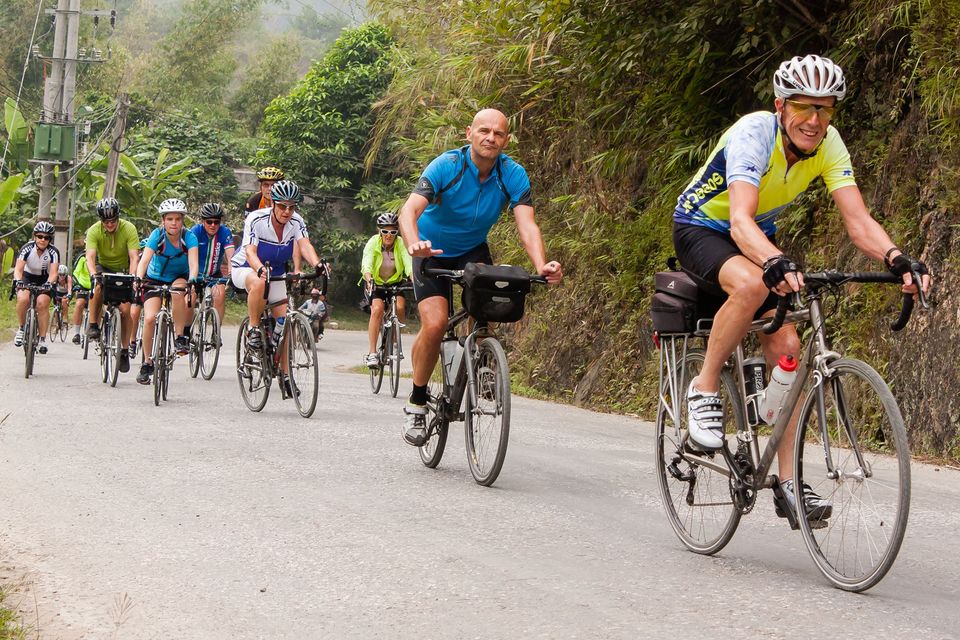
.jpg "The Epic Cycling Adventure: Rediscovering Your Soul on Two Wheels")
.jpg "The Ultimate Trekking Expedition: A Journey Beyond Boundaries")
.jpg "The Ultimate Guide to Trekking Cao Bang Vietnam: Journey Through the Realm of Mountains and Waterfalls")
.webp "Cuc Phuong National Park Day Trip")
.jpg "Pu Luong Nature Reserve: An Ethereal Journey into Vietnam’s Hidden Eden")