Discover the best of Vietnam on an unforgettable trekking tour. Explore breathtaking landscapes, from Sapa’s terraces to Ha Giang’s mountains, and experience authentic cultural immersion. Book your adventure with Golden Trail Travel.
Imagine this: you stand on a misty mountain ridge, the cool air refreshing your lungs as you gaze out over a sea of rolling, emerald-green peaks. Below you, a patchwork of terraced rice fields cascades down the valleys, reflecting the sky like shattered mirrors. A local guide, with a warm smile and a lifetime of knowledge etched into their face, points to a distant village, your destination for the night. This isn't just a hike; it's a journey into the heart and soul of a country defined by its dramatic landscapes and resilient people. This is the profound and transformative experience of a Vietnam trekking tour.
The Ultimate Guide to Vietnam Trekking Tours
Vietnam is a land of incredible natural beauty, a country of staggering contrasts where ancient traditions and a vibrant modern life coexist. While many travelers flock to the bustling cities of Hanoi and Ho Chi Minh City or cruise the iconic waters of Ha Long Bay, the true magic for the adventurous lies in its northern and central highlands. These regions are a paradise for trekkers, offering a network of trails that wind through dense jungles, over majestic mountains, and into remote ethnic minority villages. This comprehensive guide will take you deep into this world, exploring the best destinations, what to expect, and how to embark on an unforgettable journey.
The Allure of Trekking in Vietnam: A Journey of Discovery
Trekking in Vietnam is an experience that engages all your senses. It’s an adventure that goes far beyond a typical vacation, offering a genuine connection to the country’s natural and cultural heritage.
A Tapestry of Diverse Landscapes
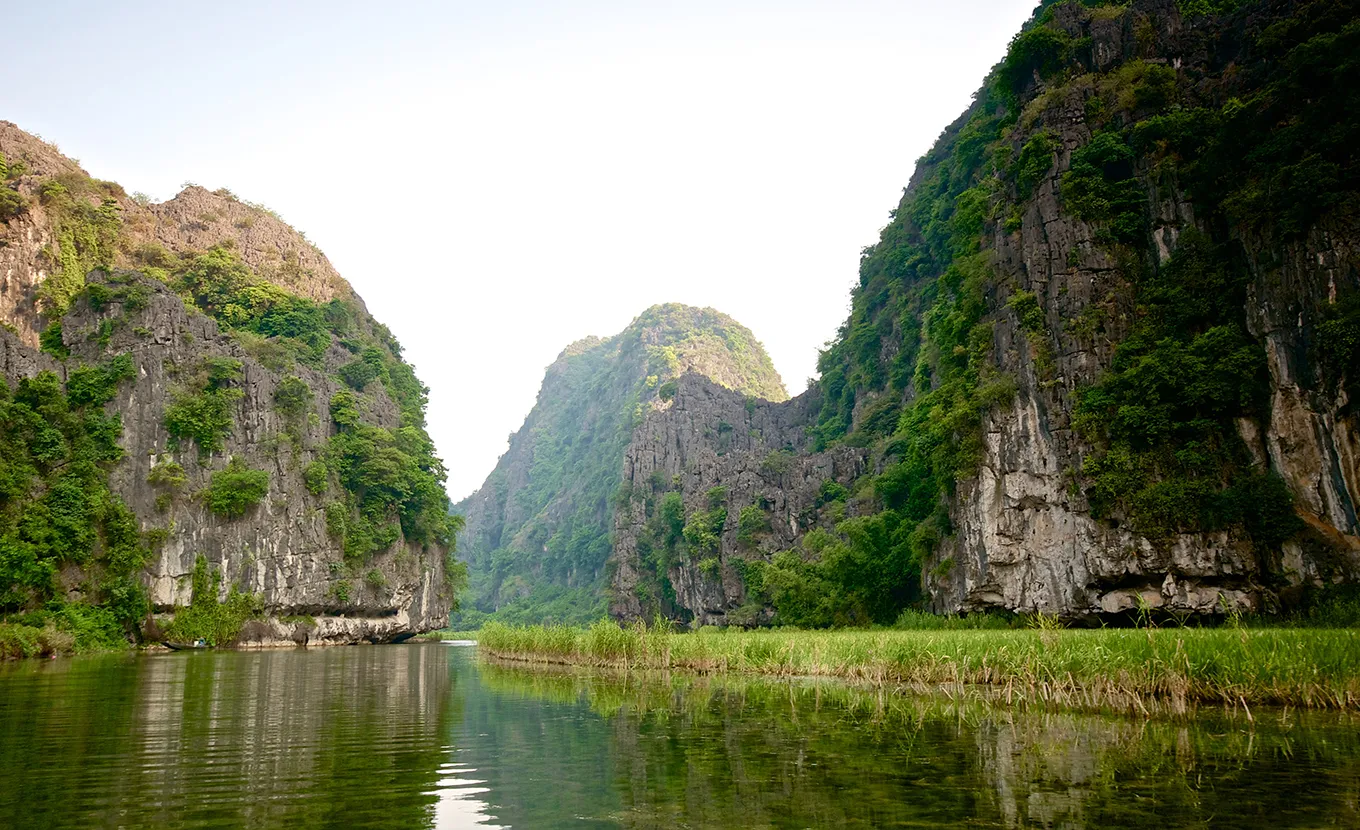
Vietnam’s geography is a trekker's dream. The country’s spine is a chain of mountains, the Truong Son Range, which creates a myriad of ecosystems and landscapes. From the sheer, limestone karsts of Ha Giang to the sprawling, jade-green rice terraces of Sapa, every region offers a unique backdrop for your adventure. You might find yourself trekking through a humid, tropical jungle one day and navigating a dry, windswept mountain pass the next. This diversity means that no two trekking tours are ever the same, ensuring a fresh and exciting experience every time.
Cultural Immersion and Authentic Encounters
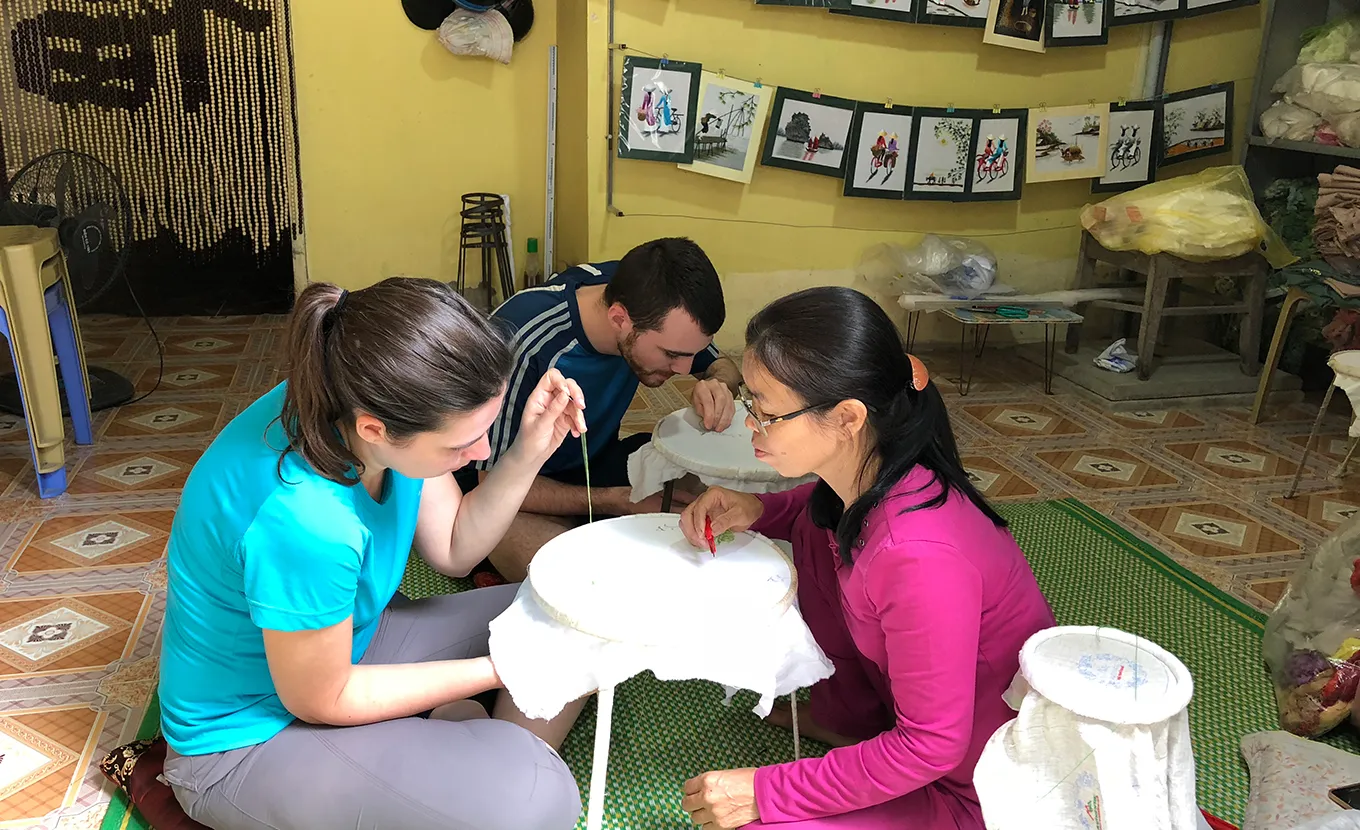
What truly sets a Vietnam trekking tour apart is the opportunity for deep cultural immersion. The northern highlands are home to dozens of different ethnic minority groups, each with its own language, customs, and vibrant traditions. Treks often lead you to these secluded villages, where a traditional homestay offers a window into a way of life that has remained unchanged for centuries. You'll share a home-cooked meal with a Hmong or Red Dao family, learn about their unique weaving techniques, and witness the rhythms of daily life firsthand. It's a humbling and enriching experience that turns a simple trek into a profound cultural exchange.
The Power of Local Guides
On a Vietnam trekking tour, your guide is more than just a navigator. They are your key to unlocking the secrets of the land and its people. Your guide will be a local, often from the very communities you visit. They possess an intimate knowledge of the trails, the local flora and fauna, and the customs of the ethnic groups you'll encounter. They are your translator, your storyteller, and your friend on the trail, transforming your journey from a simple hike into a guided educational and cultural adventure.
Top Destinations for Vietnam Trekking Tours
Vietnam's vast landscape offers a multitude of trekking destinations, each with its own unique character and charm. Choosing the right one depends on your desired level of adventure, the landscapes you want to see, and the cultural experiences you seek.
Sapa: The Iconic Mountain Hub
Located in the Lao Cai province, Sapa is Vietnam's most famous trekking destination. Its reputation is well-deserved, thanks to the breathtaking scenery of cascading rice terraces and the vibrant culture of the Black Hmong and Red Dao people.
The Landscape: Terraces and Peaks
The heart of Sapa's trekking is the Muong Hoa Valley, a spectacular expanse of terraced rice fields that change color with the seasons—from emerald green in the summer to shimmering gold in the autumn. The trails here wind through these terraces, past bamboo forests, and along the banks of a serene river. The ultimate challenge for trekkers is conquering Mount Fansipan, the highest peak in Indochina. While a cable car now makes it accessible, a multi-day trek to the summit remains a popular choice for serious mountaineers.
The Treks: Gentle Walks to Challenging Ascents
Sapa offers a range of trekking options for all fitness levels.
Easy Treks: Gentle walks from Sapa town to nearby villages like Cat Cat and Y Linh Ho. These are perfect for beginners or those who want a leisurely day of walking and sightseeing.
Moderate Treks: Multi-day tours through the Muong Hoa Valley, with homestays in villages like Lao Chai, Ta Van, and Giang Ta Chai. These treks offer a perfect balance of physical activity and cultural immersion, with stunning scenery at every turn.
Challenging Treks: The ascent of Mount Fansipan is a demanding, multi-day trek that requires a high level of fitness and is recommended for experienced trekkers. The reward is a view from the "Roof of Indochina" that few ever get to see.
Ha Giang: The Frontier of Adventure
For the adventurous trekker who wants to get off the beaten path, Ha Giang province is the ultimate destination. Located on the northernmost border with China, this is a land of dramatic, rugged beauty and raw, untouched culture.
The Landscape: Limestone Karsts and Winding Roads
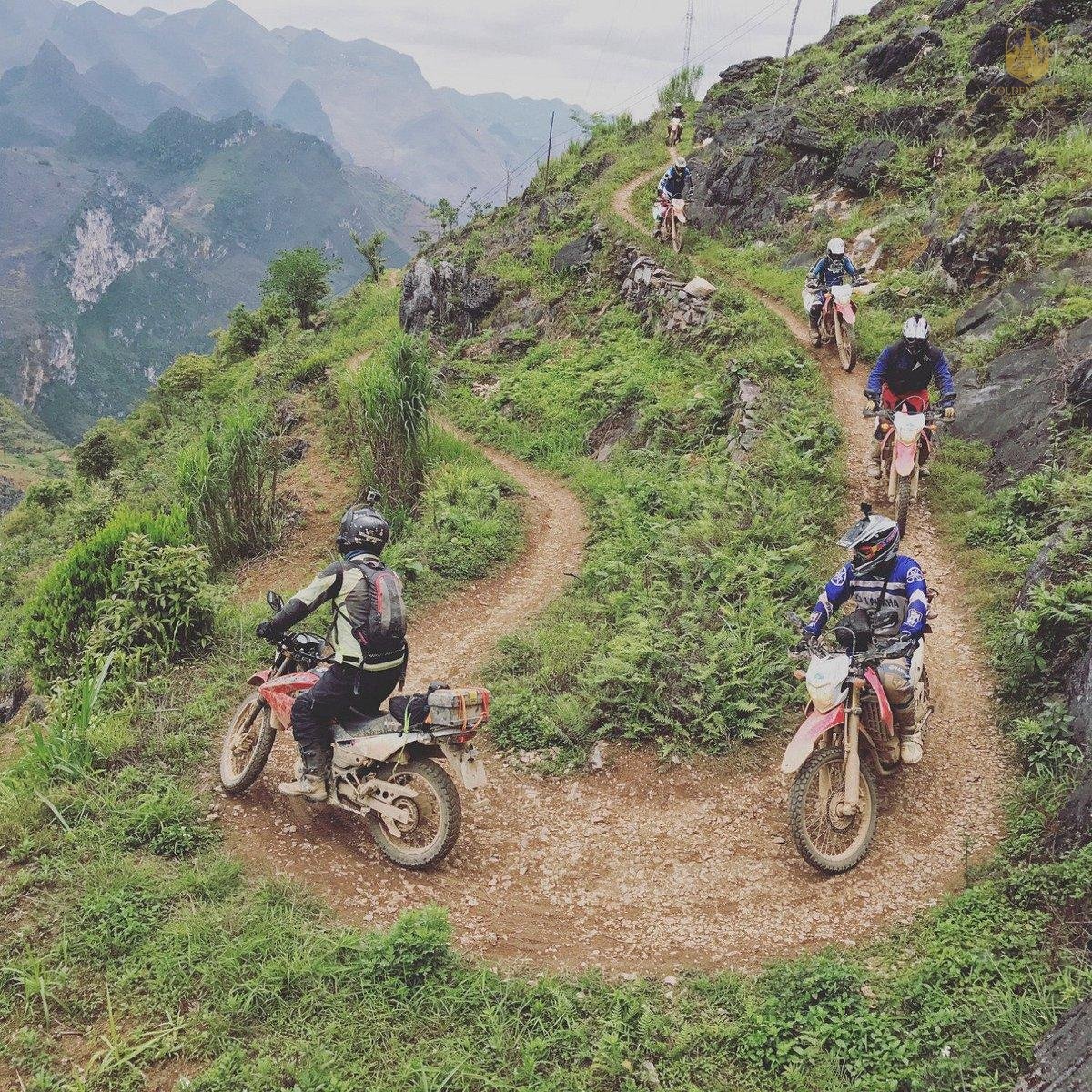
Ha Giang is famous for its towering limestone karsts, deep canyons, and the legendary Ha Giang Loop, a challenging road trip that winds its way through some of the most spectacular scenery in Southeast Asia. The trekking here is just as dramatic as the roads. The trails are less-traveled, more rugged, and take you through a landscape of surreal gray peaks and vast valleys. The most famous trek is to the summit of Ma Pi Leng Pass, where you can gaze down into a deep gorge carved by the Nho Que River.
The Treks: Raw and Rewarding
Trekking in Ha Giang is for those who seek a genuine adventure.
The Ha Giang Loop Trek: Instead of a motorbike, you can trek sections of the Ha Giang Loop, staying in remote villages and homestays. This allows for a deeper connection to the landscape and the local communities, like the Hmong, Tay, and Nung people.
Cao Banh Village Treks: Treks around this remote village take you through a unique geological landscape, with a focus on local culture and a sense of being at the very edge of the world.
Ma Pi Leng Pass: While most people see this from the road, trekking along the mountain ridges offers a much more immersive and awe-inspiring experience.
Pu Luong Nature Reserve: The Hidden Gem
If you’re looking for a trekking tour that combines stunning scenery with a profound sense of peace and tranquility, Pu Luong Nature Reserve is the perfect choice. This hidden gem is located in the Thanh Hoa province, offering a serene escape that feels worlds away from the hustle and bustle of city life.
The Landscape: Terraces and Jungles
Pu Luong is a breathtaking landscape of sweeping, tiered rice fields, lush primary forests, and traditional villages of the Thai ethnic minority. The treks here are gentle, winding through the terraces and along the banks of a serene river. The entire reserve is a testament to the harmony between nature and human life, with the local communities living in perfect symbiosis with their natural surroundings.
The Treks: Gentle and Immersive
Pu Luong is ideal for trekkers who want a relaxing and immersive experience.
Valley Treks: Easy to moderate treks connect the villages of the valley, such as Kho Muong, Don, and Ban Hieu. You'll walk past waterfalls, cross wooden suspension bridges, and see the daily life of the local people up close.
Waterfalls and River Treks: Treks to Hieu Waterfall, with its multi-tiered cascade, and along the banks of the serene river are a highlight of a Pu Luong tour.
Homestays: Homestays in traditional Thai stilt houses are a core part of the Pu Luong experience, where you can enjoy home-cooked meals and the genuine hospitality of your hosts.
Cao Bang: Waterfalls and Geoparks
For a mix of dramatic waterfalls, stunning geological formations, and deep cultural history, Cao Bang province is an excellent trekking destination. It is home to the Non Nuoc Cao Bang UNESCO Global Geopark and the magnificent Ban Gioc Waterfall.
The Landscape: Rivers, Karsts, and Waterfalls
Cao Bang's landscape is defined by its powerful rivers and towering limestone karsts. The centerpiece is the Ban Gioc Waterfall, a massive, multi-tiered cascade on the border with China. Treks in this region take you to the waterfall, past stunning rice paddies, and through dense jungle. The area is also famous for its caves, which are often part of a trekking itinerary.
The Treks: Scenic and Rewarding
Trekking in Cao Bang offers a blend of natural wonders and cultural discovery.
Ban Gioc Waterfall Trek: A trek to the famous waterfall is a must. The path takes you through a beautiful, scenic landscape, with plenty of opportunities for photos and a chance to feel the raw power of the cascade.
Nguom Ngao Cave Exploration: Many treks include a visit to this magnificent cave, a huge cavern filled with impressive stalactites and stalagmites.
Local Village Treks: Treks to local villages like Pac Bo, a significant historical site related to Ho Chi Minh, offer a chance to delve into Vietnam's rich past.
A Deeper Look into the Trekking Experience
A Vietnam trekking tour is more than just walking; it’s a fully immersive travel experience. Here’s a closer look at what you can expect to encounter and why it makes the journey so special.
Homestays: The Heart of the Journey
The homestay is the central pillar of a truly authentic Vietnam trekking tour. It’s where you’ll spend your evenings, not as a tourist, but as a welcomed guest in a local family’s home. The homestay provides a rare opportunity to witness and participate in the daily life of the community. You'll eat a home-cooked meal with your host family, often sharing a communal table and a few toasts of local rice wine. This is where you’ll learn about their customs, their history, and their way of life. The conversations, often conducted with the help of your guide, are a highlight for many trekkers, creating a deep connection that a hotel could never replicate.
Your Guide: More Than a Navigator
As mentioned, your guide is the most important part of your trekking tour. They are not simply pointing the way; they are your cultural ambassador, your expert on the environment, and your constant support. A good guide can spot a rare bird you would have missed, explain the significance of a local festival, and help you navigate the nuances of local etiquette. Their deep connection to the land and the people ensures that your trek is not only safe and well-planned but also rich with meaning and insight. They are the bridge between your world and theirs, and the experience is immeasurably better because of their presence.
Responsible Tourism
When you book a Vietnam trekking tour, it's crucial to choose an operator that practices responsible tourism. Ethical trekking ensures that your journey has a positive impact on the environment and the local communities you visit. This means:
Supporting Local Communities: Choosing a tour that works with local guides and homestays ensures that the economic benefits of your trip go directly to the people who need it most.
Environmental Preservation: Tour operators should adhere to "leave no trace" principles, ensuring that the natural beauty of the trekking areas is preserved for future generations.
Cultural Respect: A responsible tour operator will educate you on local customs and etiquette, ensuring that your interactions with the ethnic minority communities are respectful and positive.
Golden Trail Travel: Your Perfect Trekking Partner
To ensure a truly authentic, safe, and responsible trekking experience, it is essential to book with a reputable and experienced operator. Golden Trail Travel specializes in crafting these unique Vietnam trekking tours, with a deep commitment to sustainable tourism and local empowerment.
Tailored Experiences for Every Trekker
Golden Trail Travel's itineraries are meticulously designed not only to showcase Vietnam’s most stunning landscapes but also to highlight the incredible cultural heritage of the northern and central highlands. Their local guides, who are often from the very communities you visit, are passionate about their home and eager to share its stories with you.
Golden Trail Travel understands that every trekker is different. They offer a range of tours with varying levels of difficulty and duration. Whether you’re a seasoned mountaineer seeking a multi-day expedition or a family looking for a gentle, scenic walk, their team can help you find the perfect itinerary. They are dedicated to customizing your journey to your specific interests and fitness level. For a customized journey that perfectly balances adventure and cultural immersion, visit the Golden Trail Travel official website.
Unwavering Commitment to Safety and Expertise
Your safety is Golden Trail Travel's top priority. Their guides are all certified professionals with extensive training in first aid, rescue techniques, and local navigation. They know the trails intimately and are prepared for any situation. Golden Trail Travel’s small group sizes allow for a personalized experience, where the guide can provide individual attention and ensure everyone's safety and enjoyment.
By choosing a tour with Golden Trail Travel, you are not just a tourist; you are a partner in responsible, sustainable tourism. They work directly with ethnic minority families, ensuring that the income from your homestay and cooking lessons goes directly to them. This empowers the communities to preserve their traditions and way of life, making your trip an act of cultural preservation.
A Practical Guide for Your Vietnam Trekking Tour
A little preparation can go a long way in making your trekking tour an incredible success. Here are some practical tips to help you get ready for your adventure.
Physical Preparation
While not all trekking tours require elite physical fitness, a good level of physical conditioning will make the experience much more enjoyable.
Pre-Trip Training: Start walking and hiking regularly in the weeks leading up to your trip. Find local trails with varied terrain to get your body accustomed to ascents and descents.
Cardio: Incorporate cardiovascular exercises like jogging or cycling to build endurance.
Strength Training: Focus on strengthening your legs and core, as they will be crucial for navigating the trails.
Golden Trail Travel offers tours with a range of difficulty levels, so be sure to communicate your fitness level when booking.
Essential Packing List
Packing light is key, as you'll be carrying your daypack yourself. Here are some essentials:
Clothing: Pack in layers. The mountain weather can be unpredictable. Bring a waterproof and windproof jacket, a fleece or sweater for chilly evenings, and breathable trekking shirts. Long pants are recommended for protection from the sun and insects.
Footwear: A pair of sturdy, comfortable, and waterproof hiking boots is a must. Make sure they are well broken in before your trip to avoid blisters. Bring a pair of sandals or comfortable shoes for evenings at the homestay.
Gear: A daypack (20-30 liters) with a rain cover, a reusable water bottle, a headlamp or flashlight, and a small first-aid kit with blister plasters. A portable power bank is also a good idea.
Personal Items: Sunscreen, a hat, insect repellent, and eco-friendly toiletries. A small, thoughtful gift for your host family, like some stationery for the children or a simple souvenir from your home country, is a kind gesture.
Cultural Etiquette
As a guest in these communities, it is important to be respectful of their customs.
Ask for permission: Always ask for permission before taking a photo of a person or a family.
Dress modestly: While trekking, comfortable clothing is fine, but when visiting a village or a home, it is a sign of respect to have your shoulders and knees covered.
Be a mindful guest: Observe your hosts and follow their lead. When in a homestay, it is customary to take off your shoes before entering.
Do not touch heads: The head is considered a sacred part of the body in many cultures. Avoid touching people's heads, especially children's.
Customer Reviews
"A Trek of a Lifetime!" - Sarah T., USA
"My 3-day trek with Golden Trail Travel in Sapa was the perfect mix of adventure and cultural immersion. Our guide, Mai, was amazing! She took us through the most beautiful rice terraces I have ever seen and taught us so much about the Hmong culture. The homestay was a true highlight—the food was incredible, and the hospitality was unmatched. I felt completely safe and supported the entire time. Golden Trail Travel is a top-notch company, and I'll be recommending them to all my friends!"
"Exceeded All Expectations" - David P., UK
"I've done a lot of trekking, but this tour was different. We chose the Ha Giang trek, and the landscapes were just insane. But what really made the trip was the authentic experience we had with our guide, a local from the Hmong community. He knew every trail and every story. The trekking was challenging, but the sense of achievement and the stunning views were worth every step. If you're looking for an adventure that is both thrilling and deeply meaningful, Golden Trail Travel is the way to go. Their attention to detail and respect for local culture is top-notch."
"Perfect Blend of Adventure and Culture" - Emily R., Australia
"I wanted an experience that was more than just a hike, and Golden Trail Travel delivered. The Pu Luong tour was the perfect balance of challenging trekking and serene relaxation. The homestay was beautiful, nestled right in the rice fields. We even got to help with a bit of farming and learned how to make sticky rice. It was a profound experience that gave me a new perspective on life and food. I highly recommend this company for their professionalism and their commitment to sustainable tourism."
Frequently Asked Questions (FAQ)
Q: Are these tours suitable for beginners? A: Yes! Golden Trail Travel offers a wide range of tours, from easy half-day trips to more challenging multi-day expeditions. There are tours suitable for all fitness and experience levels.
Q: When is the best time to go on a Vietnam trekking tour? A: The best time is typically during the dry seasons: from September to November and from March to May. The weather is pleasant for trekking, and the landscapes are at their most beautiful.
Q: What is the typical group size for these tours? A: To ensure a personalized and safe experience, Golden Trail Travel typically organizes tours for small groups, often from 2 to 10 people.
Q: Do I need to bring my own trekking equipment? A: You will need personal items like hiking boots and clothing. However, your tour operator will provide any specialized equipment, such as trekking poles or helmets, for certain tours.
Q: What if I have dietary restrictions? A: You should inform Golden Trail Travel of any dietary restrictions or allergies when you book your tour. They will communicate this to the local families and guides to ensure your meals are prepared safely.
Golden Trail Travel Co., Ltd and Golden Cycling Tours would like to inform you of an important security notice.
Recently, we received warnings from Vietnamese authorities regarding an increase in online fraud targeting customers of travel companies and international businesses. Fraudsters are impersonating legitimate companies by using fake email addresses, forged payment instructions, and fraudulent bank account details to deceive customers into transferring funds.
These fraudulent emails are typically sent from unofficial email addresses and include fake banking information intended to redirect payments. This type of cybercrime, commonly known as phishing, is currently being reported and monitored by many organizations and government agencies.
To ensure the security of all transactions, Golden Trail Travel and Golden Cycling Tours use ONLY ONE official tax code and ONE official bank account as follows:
We will never request payment to any bank account other than the official account listed above.
Any phone number, email address, or payment information not included in our official contact details should be considered suspicious and potentially fraudulent.
Before making any payment, please contact us directly via our official hotline , WhatsApp or email addresses if you have any doubts or concerns.
If you receive any suspicious email or any request to change payment details, please notify us immediately so that we can verify the information and assist you.
.jpg)
.jpg "The Epic Cycling Adventure: Rediscovering Your Soul on Two Wheels")
.jpg "The Ultimate Trekking Expedition: A Journey Beyond Boundaries")
.jpg "The Ultimate Guide to Trekking Cao Bang Vietnam: Journey Through the Realm of Mountains and Waterfalls")
.webp "Cuc Phuong National Park Day Trip")
.jpg "Pu Luong Nature Reserve: An Ethereal Journey into Vietnam’s Hidden Eden")