15 Ng. 100 Đ. Nguyễn Xiển, Thanh Xuân Nam, Thanh Xuân, Hà Nội 100000

15 Ng. 100 Đ. Nguyễn Xiển, Thanh Xuân Nam, Thanh Xuân, Hà Nội 100000
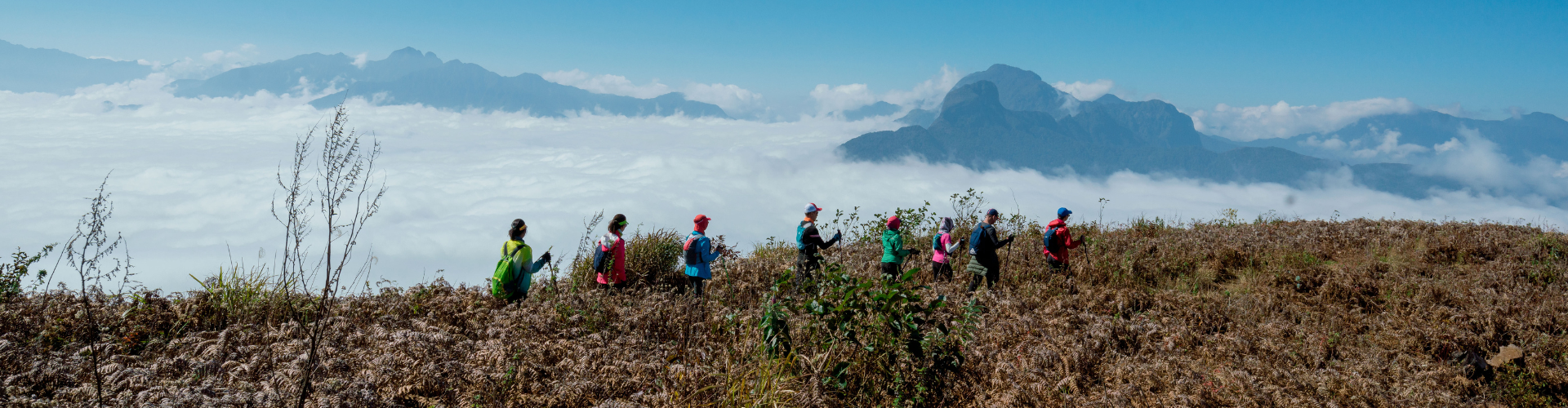
For many, the image of Vietnam is one of bustling cities, a serene coastline, and the hypnotic beauty of Halong Bay. But for the adventurous soul, Vietnam holds a different, equally magnificent secret: a rugged, mountainous heart that is a paradise for hikers. Hiking in Vietnam is far more than a simple walk through nature; it is a profound journey into the country's most spectacular landscapes and a deep dive into the rich tapestry of its ethnic cultures. It's an opportunity to escape the modern world, breathe in the crisp mountain air, and discover a way of life that has remained unchanged for centuries.
.jpg)
This comprehensive guide is your essential companion for planning an unforgettable hiking trip in Vietnam. We will explore the most breathtaking regions, from the iconic terraced fields of the north to the lush, ancient jungles of the south. We'll delve into the unique cultural encounters, provide all the practical information you need, and show you how to book a seamless and authentic adventure. Whether you are a seasoned trekker seeking a multi-day expedition or a novice looking for a gentle, scenic walk, Vietnam has a trail waiting for you. Get ready to discover a side of Vietnam that is rugged, authentic, and utterly unforgettable.
What makes Vietnam a premier hiking destination is its incredible geographical and cultural diversity. The country's long, S-shaped geography means that its hiking landscapes vary dramatically from north to south, offering a new experience at every turn. In the north, you'll find towering limestone karsts, steep mountain passes, and the famous terraced fields that glow in shades of green and gold. The central regions offer ancient forests and historical battlegrounds, while the south presents dense tropical jungles teeming with exotic wildlife.
But the true magic lies in the human element. Vietnam is home to 54 recognized ethnic minority groups, many of whom reside in the very highlands you will be exploring. Hiking through these regions provides a rare and humbling opportunity to meet these communities, stay in their traditional homes, and learn about their unique customs, languages, and sustainable farming practices. This cultural immersion transforms a simple hike into a life-changing expedition, where every step tells a story and every interaction is a cherished memory.
Northern Vietnam is the undisputed capital of hiking, a landscape defined by towering peaks and the breathtaking terraced fields of the highlands.
No discussion of hiking in Vietnam is complete without mentioning Sapa. For decades, Sapa has been the quintessential destination for hikers. Located in the far north-west, Sapa is surrounded by stunning mountain scenery, and its fame is largely due to the mesmerizing terraced rice fields that cascade down the mountainsides like giant green staircases. The town itself is a bustling hub, but just a short walk or ride away, you are plunged into a world of quiet villages and ancient traditions.
Hiking in Sapa offers a wide range of trails, from easy half-day walks to challenging multi-day treks. The most popular routes take you through villages of the H'Mông, Red Dzao, and Tay ethnic groups. A typical hike might involve a descent into the Muong Hoa Valley, following the winding river, and a gentle climb back up through rice paddies. Along the way, you'll see local farmers tending to their fields, children playing, and women expertly weaving and embroidering their traditional indigo-dyed clothing.
For the more serious hiker, the ultimate goal is conquering Mount Fansipan, known as the "Roof of Indochina." At 3,143 meters, the ascent is a demanding two-to-three-day trek through dense jungle, rocky paths, and steep climbs. The reward for reaching the summit is an unforgettable panoramic view of the Hoang Lien Son mountain range and, if you're lucky, a sea of clouds stretching out below you. Sapa is a place of immense beauty, and a guided hike here is an essential experience for any adventurer.
While Sapa is a classic, Hà Giang is where you go for a truly raw and authentic hiking experience. Hà Giang is Vietnam's northernmost province, a rugged and remote region that has only recently begun to attract a small but growing number of intrepid travelers. The landscape here is even more dramatic and untouched than Sapa's, defined by towering limestone karsts, deep valleys, and some of the most impressive terraced fields in the world.
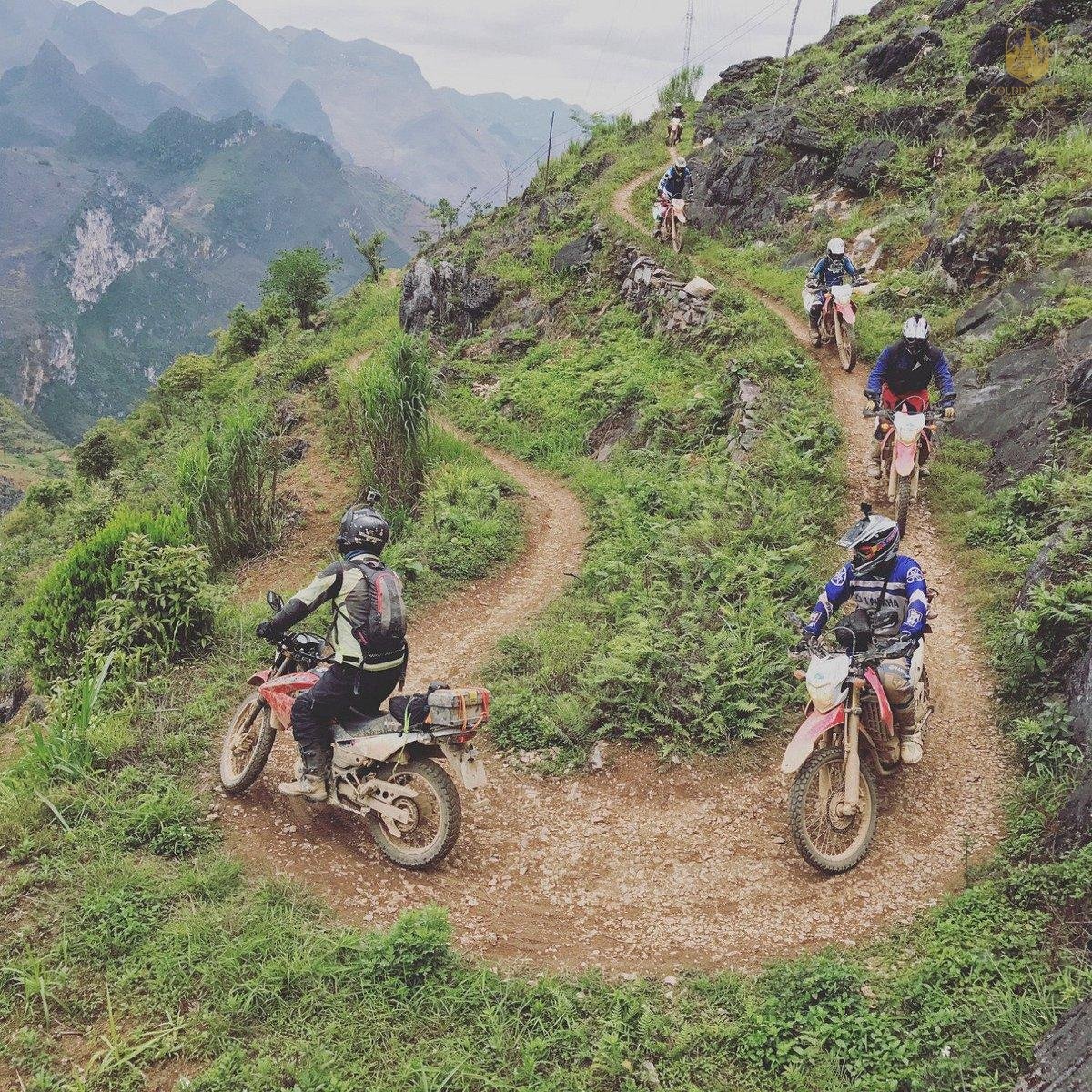
The famous Hà Giang Loop is typically explored by motorbike, but hiking is arguably the best way to truly appreciate its splendor. The sheer scale of the mountains and the intimate connection with the local communities can only be experienced on foot. This is a journey for those who crave solitude, authenticity, and a true sense of adventure.
Within Hà Giang, the district of Hoàng Su Phì is a hiking paradise. The terraced fields here are a National Monument, and the region is home to several villages that offer some of the most stunning and culturally rich hiking opportunities in Vietnam.
Hoàng Su Phì: The Crown Jewel of Terraced Fields. This region is a hiker's dream, offering a multitude of trails through some of the most spectacular scenery in all of Southeast Asia. The villages here are predominantly home to the Nùng, Dzao, and H'Mông ethnic groups, and each one offers a unique cultural perspective. Hiking through these villages, you will be constantly in awe of the monumental terraced fields, which shift in color with the seasons. From the mirror-like reflections of the pouring water season to the breathtaking golden hues of harvest time, the landscape is a photographer's and a hiker's paradise.
Dong Van Karst Plateau: A Geological Wonder. This is a UNESCO Global Geopark for a reason. The landscape is a surreal combination of jagged limestone peaks, deep canyons, and remote ethnic villages. Hiking here is a journey through a geological history book, with trails winding through valleys and along ridges that offer breathtaking views of the terrain. A trek to the summit of Lung Cu, the northernmost point of Vietnam, is a highly rewarding experience.
The Ma Pi Leng Pass: Trekking a Legendary Road. While the pass is famous for its motorbike road, hiking along the old trails on its slopes offers a completely different perspective. The views of the Nho Quế River carving its way through the canyon below are simply unforgettable. This is a challenging hike, but the rewards are well worth the effort.
Cao Bang, located in the far northeast of Vietnam, is a region of stunning natural beauty and deep historical significance. The landscape is a mix of limestone mountains, lush valleys, and serene rivers. The main attraction here is the magnificent Ban Gioc Waterfall, which straddles the border with China. Hiking in this region allows you to get away from the crowds and explore the hidden corners of the countryside.
Trails around Ban Gioc offer a chance to hike to viewpoints above the falls, giving you a unique perspective. You can also trek to the nearby Nguom Ngao Cave, a massive cavern with spectacular stalactites and stalagmites. Further afield, the trails in the Non Nuoc Cao Bang Geopark offer a deep dive into the region's geological and cultural history, with opportunities to visit remote villages and learn about the Tay and Nùng ethnic communities.
For those who want a taste of the northern highlands without the long journey, Mai Chau and Pu Luong are the perfect choices. Located just a few hours' drive from Hanoi, these regions offer stunning landscapes and a more relaxed pace of life.
Mai Chau: A Gentle Introduction to Highland Life. The Mai Chau valley is famous for its peaceful rice fields and the traditional stilt houses of the Thai ethnic group. Hiking here is generally easy, with flat trails winding through the paddies and past the villages. It's a great destination for families or those who prefer a less strenuous experience, offering a perfect blend of natural beauty and cultural immersion.
Pu Luong Nature Reserve: A Hidden Paradise. Located just next to Mai Chau, Pu Luong is a breathtakingly beautiful area of terraced rice fields and limestone mountains. It is often compared to Sapa but is far less crowded and offers a more intimate experience. The reserve is home to the Thai and Muong ethnic groups, and homestays in their traditional stilt houses are a major draw. Hiking here is a truly immersive experience, taking you through peaceful villages, across suspension bridges, and along the banks of the reserve's winding river.
Central Vietnam offers a different kind of hiking experience, defined by ancient forests, historical landscapes, and a more temperate climate.
Located near the historic city of Hue, Bach Ma National Park is a haven for nature lovers. The park is a remnant of a former French colonial-era hill station and is home to a rich and diverse ecosystem. Hiking here involves navigating dense jungle trails, discovering cascading waterfalls, and exploring the remnants of old French villas. The most popular hike leads to the summit of Bach Ma Mountain, offering a spectacular 360-degree view of the coastline, the mountains, and the famous Hai Van Pass. It's a great destination for those who want a blend of hiking, history, and natural beauty.
Known as the "City of Eternal Spring," Da Lat is a cool, misty mountain town in Vietnam's central highlands. The climate and landscape here are a sharp contrast to the rest of the country, with pine forests, lakes, and rolling hills. Hiking in Da Lat is more about adventure activities and discovering hidden waterfalls. You can hike to the Elephant Falls, the Pongour Falls, or through the pine forests to admire the stunning scenery. Da Lat is also famous for adventure sports, and many hikes can be combined with canyoning, rafting, and abseiling for an adrenaline-fueled experience.
Southern Vietnam is often overlooked for hiking, but it offers some fantastic opportunities for those who enjoy jungle expeditions and cooler climates.
A biodiversity hotspot, Cat Tien National Park is a haven for wildlife and an ideal location for jungle hiking. Located north of Ho Chi Minh City, the park is home to a vast range of flora and fauna, including elephants, civets, and numerous bird species. Hiking here is a truly immersive experience, taking you deep into the heart of a tropical rainforest. You can opt for day hikes or multi-day expeditions that include overnight stays in a jungle lodge. The most popular treks are to Crocodile Lake, where you can spot these ancient reptiles in their natural habitat, and to the various botanical gardens and ancient trees within the park.
A successful and enjoyable hiking trip in Vietnam requires careful planning and a good understanding of what to expect.
The first step is to assess your fitness level and your interests.
Beginner: A two-day, one-night hike in Mai Chau or Sapa is a great start. These hikes are generally not too strenuous and offer a good mix of scenery and culture.
Intermediate: A three-to-four-day hike in Hoàng Su Phì or a multi-day trip in Bach Ma National Park will provide a good challenge with rewarding views.
Advanced: Tackling Mount Fansipan or a longer expedition in the more remote parts of Hà Giang is for experienced hikers with a high level of fitness.
It is also crucial to decide if you want a private or group tour. A private tour offers more flexibility and a personalized experience, while a group tour can be a great way to meet fellow travelers.
The best time to hike in Vietnam depends on the region.
Northern Vietnam: The best time is during the dry season, from September to November, when the weather is cool and clear. The "golden season" for the rice paddies is in late September and October. The "pouring water season" in May and June is also a beautiful time to see the fields shimmering. Avoid the peak rainy season in July and August, as trails can be muddy and dangerous.
Central Vietnam: The dry season from February to May is ideal for hiking in places like Bach Ma and Da Lat.
Southern Vietnam: The dry season from December to April is perfect for hiking in Cat Tien National Park, as the heat and humidity are more manageable.
Footwear: Sturdy, comfortable hiking boots with good ankle support are non-negotiable. The trails can be steep, rocky, and muddy.
Clothing: Pack layers. The weather can change quickly in the mountains. Bring moisture-wicking clothes, a waterproof jacket, and a warm fleece or jacket for the evenings.
Backpack: A comfortable daypack for day hikes or a larger pack for multi-day trips is essential.
Sun Protection: A hat, sunglasses, and high-SPF sunscreen are a must. The sun can be intense at higher altitudes.
Rain Gear: A lightweight, waterproof jacket is crucial, especially during the rainy season.
First-Aid Kit: A small kit with bandages, antiseptic wipes, pain relievers, and any personal medications.
Water: Stay hydrated. Always carry a reusable water bottle. Some guides may provide filters or purification tablets.
Insect Repellent: To protect against mosquitoes and other insects.
Hiking through ethnic minority villages is a privilege, and it's essential to be respectful.
Ask for permission: Always ask for permission before taking photos of people, especially children and the elderly.
Dress modestly: While hiking, comfortable clothes are fine, but when visiting a village or a home, dress respectfully.
Respect private property: Don't enter a home or a field without an invitation.
Learn a few phrases: Learning a few simple phrases in Vietnamese or the local dialect will go a long way. "Xin chào" (hello) and "cảm ơn" (thank you) are a great start.
Be a responsible traveler: Don't litter. Don't buy products made from endangered animals. Support the local economy by buying handicrafts from the villagers.
Planning a hiking trip to a remote and unique destination like Vietnam can be daunting. The logistics of transportation, finding reliable guides, arranging accommodation, and navigating cultural nuances can be a lot to handle, especially for first-time visitors. This is where Golden Trail Travel comes in as your perfect partner for an unforgettable Vietnamese adventure.
Golden Trail Travel is a specialist in curating authentic, responsible, and seamless journeys to Vietnam’s most spectacular locations, with a particular focus on the breathtaking northern highlands. Their commitment to responsible tourism means they work closely with local communities, ensuring that your travel directly benefits the people and places you visit. Their expert local guides are not only fluent in English but are also deeply connected to the local communities and possess an intimate knowledge of the terrain, history, and traditions.
Choosing Golden Trail Travel means you can let go of the logistical worries and fully immerse yourself in the magic of your hike. They handle all the details, from arranging comfortable transportation from Hanoi to your hiking destination to securing authentic homestays where you'll be welcomed as a member of the family. Their guides are not just escorts; they are storytellers, cultural bridges, and companions who will enrich your journey with their knowledge and passion. Whether you want to conquer the peak of Fansipan or explore the remote terraced fields of Hoàng Su Phì, they have a tour package designed to suit your interests and fitness level. To begin your journey and book your dream hiking trip, visit their website at https://goldentrailtravel.com/ and let them guide you to the heart of Vietnam's hiking paradise.
Review 1: "Our hiking trip in Sapa with Golden Trail Travel was the highlight of our Vietnam trip. The landscapes are beyond words, and our guide, Linh, was incredible. She introduced us to a local H'Mông family where we shared a meal and learned so much about their lives. It felt so authentic and special. I highly recommend Golden Trail Travel for anyone wanting a real adventure." – Sarah and Tom, UK
Review 2: "I’ve been traveling to remote places for years, but hiking in Hoàng Su Phì with Golden Trail Travel was on another level. The hospitality of our homestay family was so genuine. The hike through the rice fields in the golden season was one of the most beautiful things I’ve ever seen. Golden Trail Travel organized everything flawlessly, making the challenging journey feel effortless." – David P., USA
Review 3: "As a solo female traveler, safety and comfort are my top priorities. Golden Trail Travel provided both. My guide was attentive and knowledgeable, and the accommodations were clean and welcoming. I felt completely safe and supported throughout the entire trip. The memories I made in Vietnam's mountains will last a lifetime." – Chloe, Australia
Review 4: "We chose Golden Trail Travel for a hike in Pu Luong, and it was the perfect escape from the city. The serene landscapes and the friendly local guides made it a truly memorable experience. We were able to disconnect and truly appreciate the beauty of Vietnam's nature. We are already planning our next trip with them to Ha Giang." - Alex, Singapore
What is the best time of year for hiking in Vietnam? The best time to hike depends on the region. For the northern highlands (Sapa, Ha Giang), the "golden season" from late September to mid-October is the most popular. The "pouring water season" in May and June is also a beautiful time. Avoid the peak rainy season in July and August. For the south, the dry season from December to April is ideal.
Do I need a guide for hiking in Vietnam? Yes, it is highly recommended to hire a local guide. They know the trails, can navigate unpredictable weather, and, most importantly, act as a cultural bridge, helping you interact respectfully with local communities and enhancing your experience with their knowledge of the area.
What is a homestay? A homestay is an authentic cultural experience where you stay in a local family's traditional house. Accommodation is simple but clean. You'll share meals with the family and have the opportunity to learn about their customs and daily life. It's a humbling and heartwarming experience.
Is it safe to travel to remote hiking areas? Yes, it is very safe. The locals are incredibly welcoming and friendly. However, it's wise to travel with a professional tour company and a local guide who can ensure your safety on the trails and on the often-challenging mountain roads.
What should I pack for a hiking trip? Pack layers, including a light jacket or fleece, as temperatures can change quickly. Sturdy hiking boots are essential for the trails. Bring sun protection (hat, sunglasses, sunscreen), rain gear, insect repellent, and a small first-aid kit.
How long should I plan to stay for a hiking trip? To truly appreciate the area, a 2 to 4-day trip is a good starting point. This allows enough time for hiking, visiting local villages, and experiencing a homestay.
Vietnam's hiking trails are a testament to the country's unparalleled natural beauty and the indomitable spirit of its people. From the legendary terraced fields of Hoàng Su Phì to the dense jungles of Cat Tien, each step you take is a discovery, a connection, and a memory in the making. This is a journey that will challenge your body, soothe your soul, and open your eyes to a way of life that is both ancient and profoundly beautiful.
Don't let the complexities of planning a trip to these remote destinations deter you. With the support of experts like Golden Trail Travel, this extraordinary adventure is within your reach. They can turn the complex logistics into a seamless, enriching experience, allowing you to focus on the magic that awaits. So, what are you waiting for? The mountains are calling, and an unforgettable journey to the heart of Vietnam is waiting for you.



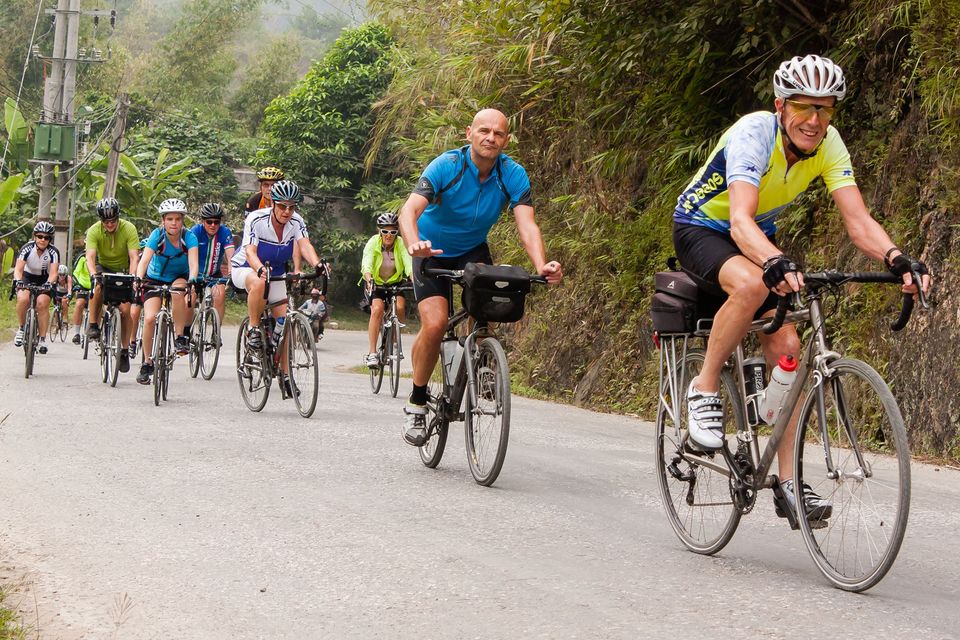
.jpg "The Epic Cycling Adventure: Rediscovering Your Soul on Two Wheels")
.jpg "The Ultimate Trekking Expedition: A Journey Beyond Boundaries")
.jpg "The Ultimate Guide to Trekking Cao Bang Vietnam: Journey Through the Realm of Mountains and Waterfalls")
.webp "Cuc Phuong National Park Day Trip")
.jpg "Pu Luong Nature Reserve: An Ethereal Journey into Vietnam’s Hidden Eden")