15 Ng. 100 Đ. Nguyễn Xiển, Thanh Xuân Nam, Thanh Xuân, Hà Nội 100000



15 Ng. 100 Đ. Nguyễn Xiển, Thanh Xuân Nam, Thanh Xuân, Hà Nội 100000
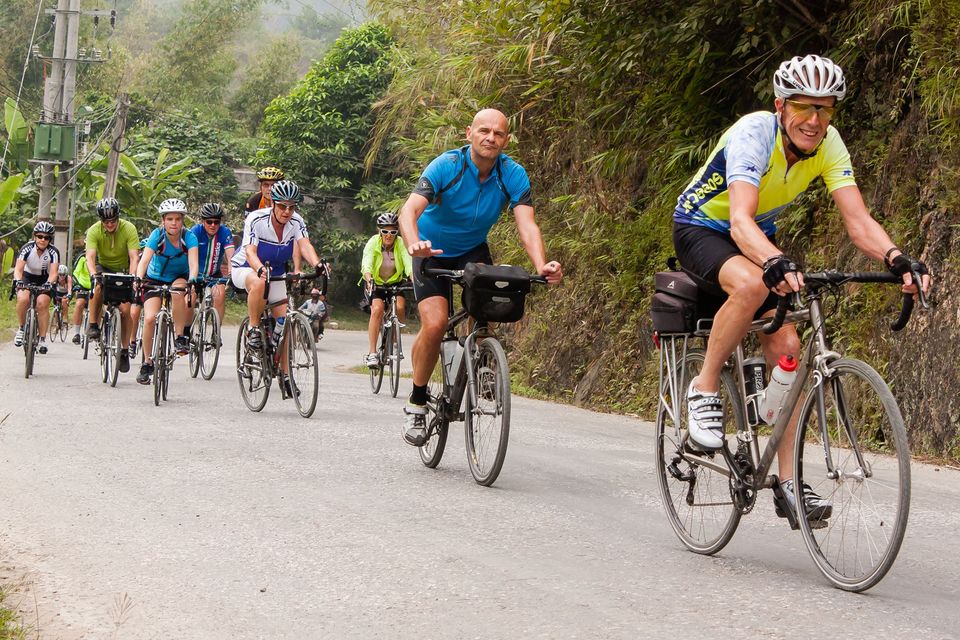
The Ho Chi Minh Trail is not just a road; it is a legendary artery of history that winds through the most rugged and beautiful landscapes of Southeast Asia. Stretching from the northern mountains near Hanoi, through the remote Truong Son range, and down into the high-altitude plateaus of the Central Highlands, it is a bucket-list destination for every serious cyclist. However, given Vietnam’s complex geography and diverse climate zones, timing is everything. Choosing the best time for Ho Chi Minh Trail cycling can mean the difference between a sun-drenched epic and a grueling battle against the elements.
At Golden Trail Travel, we have spent decades mapping every pass and valley along this historic supply route. Whether you are interested in a technical mountain biking Ho Chi Minh Trail adventure or a high-end road expedition, our team is here to ensure your timing aligns with the perfect weather window. For those looking for security and camaraderie, our guaranteed tours are scheduled specifically during the most favorable months to ensure the best possible experience.
.jpeg)
Vietnam is a long, S-shaped country spanning over 1,600 kilometers from north to south. When you cycle the Ho Chi Minh Trail, you are crossing through three distinct climate zones. What might be a dry, cool morning in the north could be a tropical downpour in the central mountains. To determine the best time for Ho Chi Minh Trail cycling, we must analyze the weather across the three primary sectors of the trail.
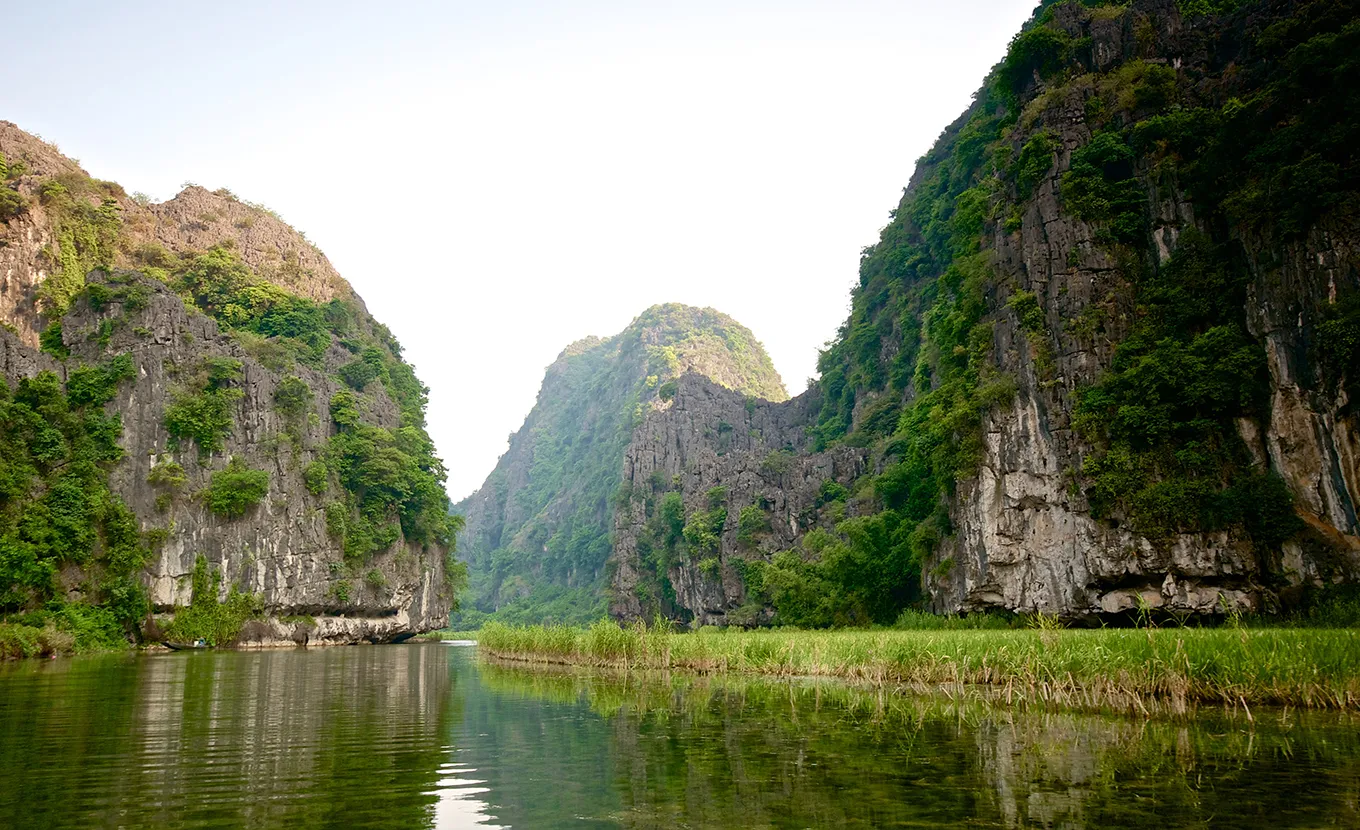
The northern part of the trail experiences four distinct seasons. Winter (December to February) can be surprisingly cold and misty, particularly in the karst mountains of Ninh Binh. Spring (March to April) is often considered the "Golden Window" for this region, offering blooming flowers and mild temperatures.
This is the most remote and challenging part of the trail. This region is prone to heavy rainfall and typhoons from September to November. During these months, the "Western Branch" of the Ho Chi Minh Highway can become hazardous due to landslides. The best time for Ho Chi Minh Trail cycling in this sector is undoubtedly between February and May, when the sky is clear and the humidity is manageable.
The Central Highlands (Tay Nguyen) follow a binary weather pattern: the dry season and the rainy season. The red basalt soil of Dak Lak and Kon Tum turns into a thick, sticky clay during the rains (May to October), which can make off-road detours impossible. Conversely, the dry season (November to April) offers crisp, cool mornings and sunny afternoons—perfect for long days in the saddle.
If you are looking for the absolute best time for Ho Chi Minh Trail cycling across the entire length of the country, the window from late February to late April is the undisputed winner.
Moderate Temperatures: You avoid the scorching 40°C heat of the northern summer and the bone-chilling mists of the highland winter.
Low Rainfall: This is the driest period for the central mountains and the highlands, ensuring that the "West Road" between Phong Nha and Khe Sanh is in pristine condition.
The Scent of the Highlands: In March, the coffee plantations of Dak Lak are in full bloom. The entire region is blanketed in white blossoms that smell like jasmine—a sensory experience you won’t get at any other time of year.
Whether you are on a multi-day cycling tour or a 14-day history expedition, this period offers the most consistent road conditions. The visibility on the mountain passes like Lo Xo and Hai Van is at its peak, providing the panoramic views that make the trail famous.
For those who cannot make the spring window, the late autumn months offer a different but equally compelling experience.
By late October, the rainy season in the Central Highlands begins to taper off. This is the time of the "Wild Sunflowers" (Hoa Da Quy), which line the roads with vibrant yellow blooms. The air is crisp and clean after the rains, and the waterfalls like Dray Nur and Dray Sap are at their most powerful.
While the south and highlands are beautiful in autumn, the central region around Hue and Quang Tri can still be wet in October. If you are planning a Ho Chi Minh Trail cycling itinerary during this time, it is often better to focus on the northern segments or skip the coastal detours in favor of the higher inland mountain roads.
January is excellent for the southern half of the trail. The Central Highlands are cool and dry. However, the north (Hanoi to Vinh) can be very cold and overcast. If you start in the north in January, be prepared with layered clothing and a high-quality rain jacket for the morning mists.
This is the "Summer of Fire" in Vietnam. Temperatures in the lowlands can regularly exceed 35°C with high humidity. For a Ho Chi Minh Trail scenic cycling route, this period offers incredible green rice paddies and long daylight hours, but you must be prepared to start your rides at 5:00 AM to beat the heat. This is a great time for shorter, 7-day tours in the higher, cooler altitudes of the Highlands.
This is the least recommended time for a full Ho Chi Minh Trail cycling 14 days expedition. The central coast and the Truong Son mountains are at peak risk for tropical storms. If you choose to ride during this time, having the support of Golden Trail Travel is essential, as our "sag wagons" and local guides can quickly adjust the route if a pass becomes blocked by rain or landslides.
The Ho Chi Minh Trail cycling difficulty is greatly amplified by heat. If you are not accustomed to tropical humidity, riding in the "cool" months (February/March) is a requirement, not a suggestion. High heat leads to rapid dehydration and fatigue on the steep gradients of the Truong Son range.
If your goal is to capture the most scenic cycling route, February offers the best light and the clearest skies. The "sea of clouds" in the mountains near A Luoi and Khe Sanh is most frequent during the transition from winter to spring.
The Lunar New Year (Tet) usually falls in late January or early February. While the weather is great, many local shops and guesthouses along the trail close for a week. Booking a guaranteed tour during this period ensures that all your logistics, meals, and accommodations are pre-arranged and confirmed despite the holiday closures.
Regardless of the best time for Ho Chi Minh Trail cycling you choose, your gear list must be adaptable.
Dry Season Essentials: High-SPF sunscreen, electrolyte tablets, and moisture-wicking jerseys. The sun in the Highlands is intense due to the altitude.
Shoulder Season Essentials: A lightweight, breathable rain jacket and arm/leg warmers for the mountain descents where the wind chill can be significant.
The Bike: For any season, we recommend a high-quality hardtail mountain bike or a robust gravel bike with 35mm+ tires. Check our available equipment to see the professional-grade Trek and Giant bikes we provide for all conditions.
One of the biggest advantages of traveling with Golden Trail Travel is our ability to pivot based on real-time weather data.
The "Sag Wagon": If a sudden mountain downpour occurs, our air-conditioned support van is there to give you a lift.
Route Knowledge: We know which roads drain well and which "off-road" paths become impassable mud. We adjust the daily itinerary to ensure you are always riding in the best possible conditions.
Daily Maintenance: Humidity and dust are hard on drivetrains. Our mechanics clean and tune your bike every evening, regardless of the weather.
The Ho Chi Minh Trail is a transformative experience, a journey that connects you to the heroic past and the vibrant future of Vietnam. While it can be ridden year-round with enough grit and support, aiming for the best time for Ho Chi Minh Trail cycling—the spring window of February to April—will reward you with the most comfortable temperatures, the clearest views, and the most fragrant landscapes.
Are you ready to pedal into history? Browse our latest cycling tours or find your perfect departure date on our guaranteed tours page. The mountains are calling, and the timing has never been better.
Q: Can I cycle the Ho Chi Minh Trail in the summer (June-August)? A: Yes, but it is extremely hot. You will need to start your days very early and stay disciplined with hydration. We recommend our guaranteed tours during this time as our support vans provide much-needed ice and cold drinks.
Q: When is the coffee blossom season in the Highlands? A: Usually from late January to March. It is one of the most beautiful sights on the Ho Chi Minh Trail cycling Central Vietnam route.
Q: Is the "West Road" between Phong Nha and Khe Sanh safe in the rainy season? A: It can be hazardous due to the risk of landslides and very slippery asphalt on the descents. We generally advise against riding this specific remote section in October and November unless you are with a professional support team.
Q: What is the temperature like in the Highlands in winter? A: In cities like Dalat or Kon Tum, nighttime temperatures can drop to 10-12°C in December and January. You will need a jacket for the evenings!
Mark T. from Australia: "I booked the Ho Chi Minh Trail cycling 14 days tour in March, following the advice that it was the best time. It was perfect. Blue skies every day and the coffee flowers in Dak Lak were incredible. Golden Trail Travel’s logistics were faultless!"
Sarah L. from the UK: "I joined a guaranteed tour in November. We had a bit of rain in Hue, but the Highlands were stunningly clear. The support van was a lifesaver when the rain got a bit too heavy on one of the passes."
David K. from Canada: "Don't underestimate the humidity in May! I'm glad I went with a professional team. The guides knew exactly when to start the rides and kept us fueled with electrolytes. Best cycling tour of my life."


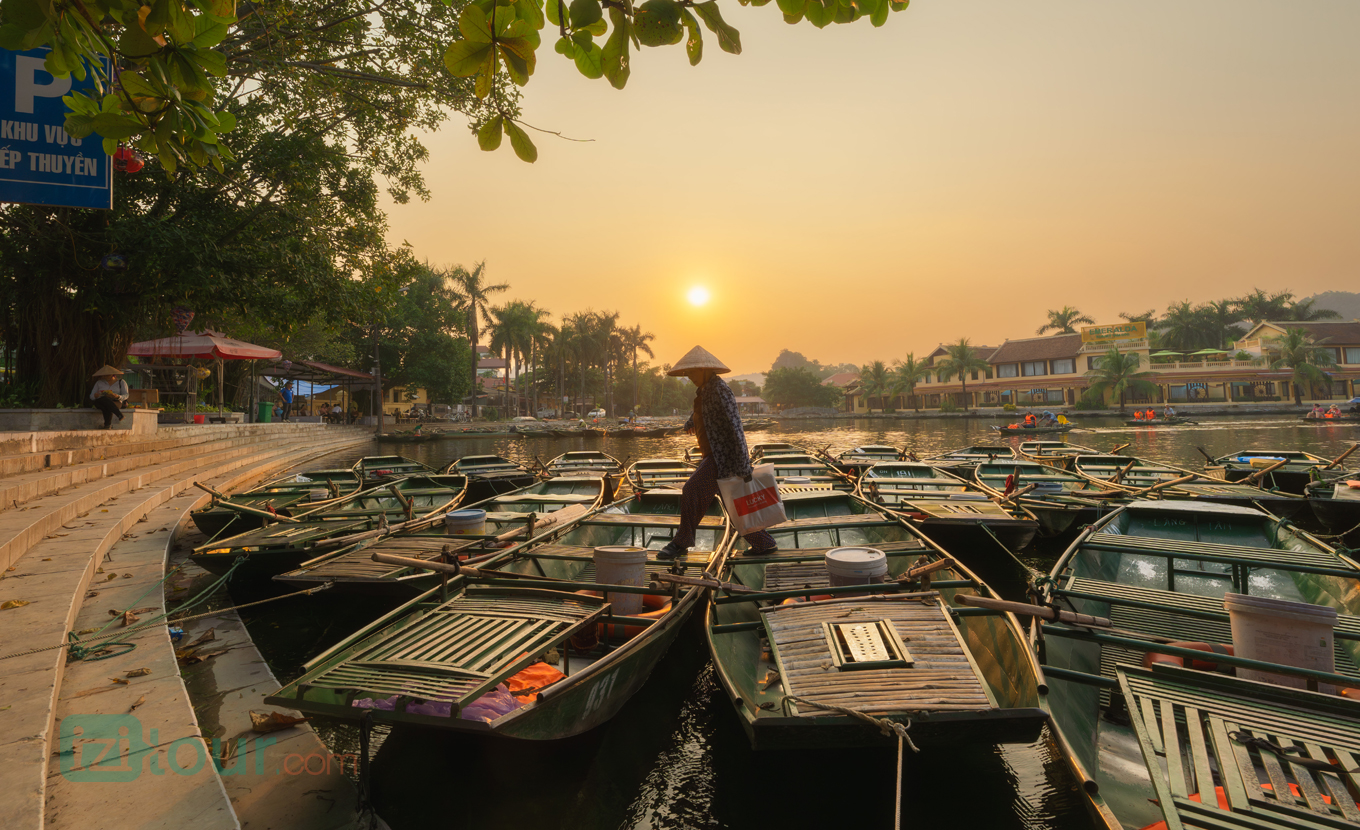

.jpg "The Epic Cycling Adventure: Rediscovering Your Soul on Two Wheels")
.jpg "The Ultimate Trekking Expedition: A Journey Beyond Boundaries")
.jpg "The Ultimate Guide to Trekking Cao Bang Vietnam: Journey Through the Realm of Mountains and Waterfalls")
.webp "Cuc Phuong National Park Day Trip")
.jpg "Pu Luong Nature Reserve: An Ethereal Journey into Vietnam’s Hidden Eden")