15 Ng. 100 Đ. Nguyễn Xiển, Thanh Xuân Nam, Thanh Xuân, Hà Nội 100000



15 Ng. 100 Đ. Nguyễn Xiển, Thanh Xuân Nam, Thanh Xuân, Hà Nội 100000
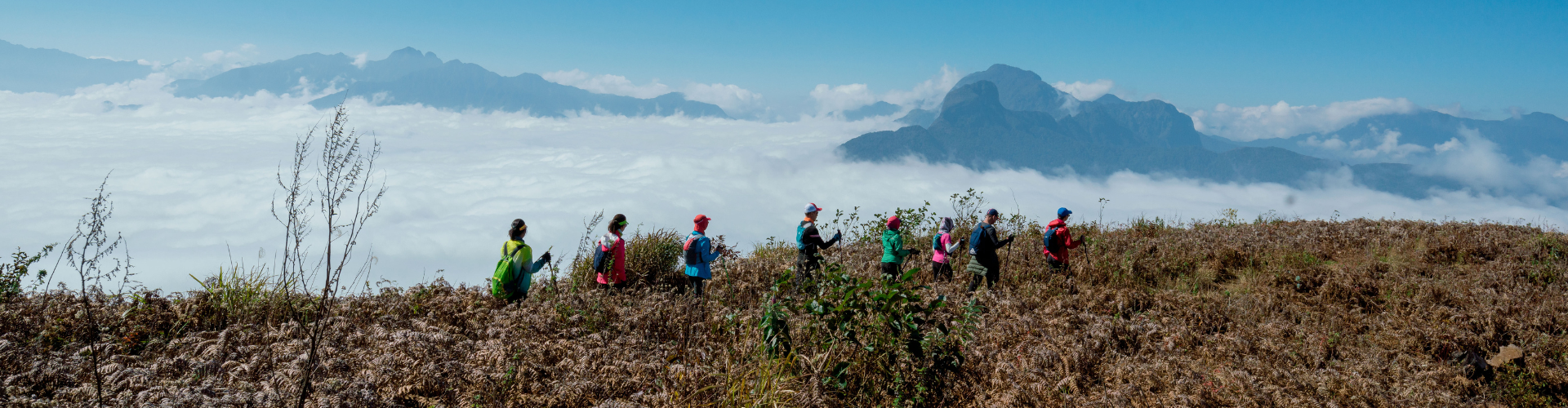
In an era of global connectivity, the modern traveler is a more thoughtful and discerning individual. We seek not just to see the world, but to engage with it in a way that is mindful, respectful, and genuinely beneficial. This is the heart of responsible travel: a commitment to leaving a positive footprint on the places we visit, and to creating a connection that is both authentic and sustainable. For the responsible traveler, Vietnam is not merely a destination of stunning landscapes and rich history; it is a profound opportunity. Its mist-shrouded mountains, lush valleys, and vibrant ethnic minority communities offer a perfect canvas for an adventure that is as transformative for the traveler as it is empowering for the local people and the environment.
.jpg)
This comprehensive guide is your blueprint for a journey with purpose. It will take you beyond the typical tourist trails and into the very soul of responsible trekking in Vietnam. We will explore how to trek through some of the world's most beautiful landscapes, from the iconic terraced rice fields of the north to the serene, secluded valleys of the central region, all while adhering to a set of principles that ensure your adventure is a force for good. You will discover how to immerse yourself in local culture, support sustainable practices, and connect with the world in a way that is deeply enriching for everyone involved. This is a guide for those who believe that the best way to see the world is to help preserve it, one thoughtful step at a time.
The Philosophy of Responsible Trekking: A Journey with Purpose
Responsible travel is not a niche market; it is a philosophy that guides every decision you make, from the tour operator you choose to the way you interact with a local child. In the context of trekking in Vietnam, it is a commitment to three core principles that create a harmonious and mutually beneficial experience.
The first principle of responsible trekking is a profound respect for the natural environment. Vietnam's trekking regions are often pristine and delicate ecosystems, and your role as a traveler is to ensure they remain that way for future generations.
The Leave No Trace Ethos: This is the cornerstone of environmental stewardship. It means packing out everything you pack in, from plastic water bottles and food wrappers to any non-biodegradable waste. In remote trekking areas, formal waste collection systems are often nonexistent. By carrying your trash with you, you ensure that the trails and villages remain clean and beautiful.
Avoiding Single-Use Plastics: A significant portion of environmental damage comes from plastic waste. A responsible traveler makes a conscious effort to avoid single-use plastics by carrying a reusable water bottle, a personal cutlery set, and a reusable shopping bag. Many tour operators, including Golden Trail Travel, provide filtered water at homestays, making it easy to refill your bottle and significantly reduce your plastic footprint.
Staying on Designated Trails: Trekking is an adventurous activity, but it’s crucial to stay on designated trails. Venturing off-path can lead to soil erosion, damage to delicate plant life, and disturbance of wildlife habitats. It's a simple act that has a massive positive impact on the preservation of the ecosystem.
Respecting Wildlife and Flora: Your role as a responsible traveler is to observe wildlife from a distance and never disturb their natural habitat. This means not feeding animals, not picking wildflowers, and not taking anything from the natural environment. The beauty of the landscape lies in its wildness, and by leaving it untouched, you help to preserve it.
The second principle of responsible travel is a deep and genuine respect for the local people and their culture. Vietnam is home to over 54 ethnic minority groups, each with its own unique traditions, languages, and customs. A responsible traveler engages with these cultures as a guest, not as a spectator.
Asking for Permission Before Taking Photos: The temptation to take photos of beautiful people in traditional dress is strong. However, it is a sign of respect to always ask for permission first. A simple gesture or a few words learned in the local language can make all the difference and show that you value the person, not just the picture.
Dressing Appropriately: When visiting ethnic minority villages, it is a sign of respect to dress modestly. While trekking attire is generally acceptable, it is wise to cover your shoulders and knees, especially when visiting a family's home or a sacred site.
Engaging in Authentic Cultural Exchange: The most rewarding part of a responsible trekking tour is the cultural exchange. This means asking questions (through your guide), listening to stories, and being open to learning about a way of life that may be very different from your own. It’s about being a participant in a conversation, not just a tourist taking notes.
Supporting Local Artisans and Traditions: By purchasing handicrafts directly from local artisans, you are not only taking home a beautiful souvenir but also directly supporting the local economy and helping to preserve traditional arts and crafts. It's crucial to buy from the person who made the item, not from a middleman in a tourist town.
The third principle of responsible travel is to ensure that your financial contribution directly benefits the communities you visit. A responsible trekking tour is a powerful tool for economic empowerment, creating a sustainable source of income for local people.
Booking with a Local Operator: By booking with a reputable local tour operator, like Golden Trail Travel, you ensure that a significant portion of your money stays within the local economy. These companies hire local guides, partner with local homestays, and buy supplies from local markets, creating a virtuous cycle of economic benefit.
Hiring Local Guides: A local guide is your most valuable asset. They are an expert on the land, a cultural interpreter, and a crucial link to the local community. By hiring a local guide, you provide them with a sustainable income and a sense of pride in their heritage.
Choosing Homestays Over Hotels: Staying in a homestay is not only an incredibly authentic experience but also a powerful way to support the local economy. Your payment goes directly to the family who is hosting you, helping them to improve their lives and their community.
Eating and Shopping Local: The best food in Vietnam is often found in local markets and small, family-run restaurants. By eating and shopping locally, you are supporting small businesses and ensuring that your money is flowing into the community, not to a large, faceless corporation.
Top Destinations for the Responsible Trekker
Vietnam’s diverse landscapes offer a variety of trekking opportunities that are perfect for the responsible traveler. The key is to choose destinations that not only have stunning natural beauty but also have a strong commitment to community-based tourism and environmental preservation.
Sapa is a renowned trekking destination, and it offers a perfect opportunity to practice responsible travel. The landscape of terraced rice fields is a testament to centuries of harmonious co-existence between humans and nature, and the local Hmong and Red Dao communities are at the forefront of community-based tourism.
Community-Based Tourism: The most authentic and responsible way to experience Sapa is by staying in a homestay in a remote village like Ta Van, Lao Chai, or Giang Ta Chai. These villages are home to Hmong and Red Dao families who have opened their homes to travelers. You will eat home-cooked meals, learn about their daily life, and sleep in a traditional stilted house.
Supporting Local Guides: The local guides in Sapa are often Hmong or Red Dao women who have an intimate knowledge of the land, its trails, and its history. They can act as your cultural bridge, helping you to understand the local customs and traditions. A reputable tour operator like Golden Trail Travel ensures that these guides are paid a fair wage and that their work is respected.
The Ingenuity of Terraced Fields: Trekking through the terraced rice fields is a powerful lesson in sustainable agriculture. You will witness firsthand how the local communities have, for centuries, used a system of water management and erosion control to grow their crops on the steep mountainsides.
Pu Luong Nature Reserve is a hidden gem in Northern Vietnam, a world of pristine forests, stunning waterfalls, and secluded villages. It is a perfect destination for the responsible traveler who seeks serenity and seclusion and wants to support a thriving and protected ecosystem.
Respecting a Protected Ecosystem: Pu Luong is a protected nature reserve, and a trek here is an opportunity to witness a landscape that has been carefully preserved for generations. The tour operators here, including Golden Trail Travel, have a strict leave no trace policy, and they educate their travelers on how to minimize their environmental footprint.
Sustainable Eco-Lodges: The accommodation in Pu Luong often consists of beautiful eco-lodges that are built with sustainable materials and are designed to minimize their environmental impact. They often have their own organic gardens, use solar power, and have advanced waste management systems.
Engaging with the Thai People: The reserve is home to the White Thai ethnic group, and a trek here is a chance to learn about their unique culture and their commitment to sustainable living. You will stay in their traditional stilted homes, eat their delicious home-cooked meals, and learn about their traditional arts and crafts.
Ha Giang is the ultimate destination for the adventurous and responsible traveler. It is a region of breathtaking beauty, with a landscape of karst plateaus and deep canyons, and a rich cultural heritage that is being carefully preserved. The Dong Van Karst Plateau is a UNESCO Global Geopark, a testament to its unique geological and cultural significance.
Geo-Conservation: By trekking in the geopark, you are supporting its conservation and the educational initiatives that help to protect its unique geological features. The tour operators here, including Golden Trail Travel, are committed to ensuring that your visit is a positive force for the preservation of this incredible landscape.
Cultural Preservation: The plateau is home to a variety of ethnic minority groups, each with its own unique culture and traditions. An eco-tour here is an opportunity to learn about these cultures in a respectful and non-intrusive way. The best way to do this is by staying in a homestay, where you can share a meal with a local family and learn about their way of life.
Supporting Local Artisans: The local people in Ha Giang are renowned for their beautiful handicrafts, from weaving and embroidery to traditional musical instruments. An important part of a responsible trekking tour is to buy these handicrafts directly from the artisans, ensuring that they are paid a fair price for their work and that their traditional arts and crafts are preserved.
Mai Chau is a peaceful valley just a few hours from Hanoi, but it is a world away from the city's chaos. It is a perfect destination for the responsible traveler who is looking for a gentle, authentic, and sustainable adventure.
Community-Based Tourism: The tourism in Mai Chau is largely community-based, with local families offering homestays, cooking classes, and traditional dance performances. This ensures that the financial benefits of tourism are shared equally among the community members.
Traditional Thai Homes and Sustainable Living: The Thai people of Mai Chau live in beautiful stilted homes that are a model of sustainable living. These homes are built with locally sourced wood and bamboo and are designed to stay cool in the summer and warm in the winter. A responsible trekking tour here is an opportunity to learn about this traditional, sustainable architecture.
The Role of Handicrafts and Fair Trade: The Thai people of Mai Chau are renowned for their beautiful handicrafts, from weaving and embroidery to traditional musical instruments. An eco-tour here is an opportunity to support these local artisans. By buying handicrafts directly from the artisans, you are ensuring that they are paid a fair price for their work and that their traditional arts and crafts are preserved.
Golden Trail Travel: Your Partner in Responsible Adventure
For the responsible traveler, the choice of a tour operator is the most important decision you will make. You need a partner who understands that this is not just a vacation, but a commitment to a better way of traveling. Golden Trail Travel is exactly that partner. They have built their business on the principles of responsible tourism, and they are dedicated to providing you with an authentic, high-quality, and ethical trekking experience.
A Commitment to Sustainable Practices: Golden Trail Travel is committed to sustainable practices in every aspect of their business. They have a strict leave no trace policy, and they educate their travelers on how to minimize their environmental impact. They also provide their travelers with reusable water bottles and ensure that they have access to filtered water at every stop, which eliminates the need for single-use plastic bottles.
Empowering Local Communities: Golden Trail Travel is committed to empowering the local communities they visit. They exclusively hire local guides from the communities you visit, which provides them with a sustainable income and helps to support their families. They also work directly with local families to provide authentic homestay experiences. This ensures that the financial benefits of tourism go directly to the community members.
Educational and Respectful Journeys: Golden Trail Travel is committed to providing educational and respectful journeys. Their guides are more than just navigators; they are cultural bridges who can help you to understand the local traditions, customs, and way of life. They also educate their travelers on how to interact with the local people in a respectful and non-intrusive way.
Seamless and Stress-Free Logistics: They handle all the logistics, from private transportation and airport transfers to pre-arranged permits and special experiences. This frees you from the stress of planning and allows you to focus completely on the adventure at hand.
Booking your responsible trekking tour with Golden Trail Travel means you are choosing an adventure that is not only unforgettable but also ethical, sustainable, and deeply rewarding. You can start planning your conscious journey and explore their various tour options by visiting their website: https://goldentrailtravel.com/.
What is the best time of year for a responsible trekking tour? The best times are during the shoulder seasons, from September to November and from March to May, when the weather is pleasant and the crowds are smaller. This also puts less strain on the local communities and environment.
How do I handle the language barrier on a responsible trek? Your guide is your most valuable asset. They can act as a translator, helping you to communicate with the local people and to learn about their culture.
How authentic is the homestay experience? The homestays offered by a reputable company like Golden Trail Travel are incredibly authentic. You will be welcomed into a local family’s home, share their meals, and learn about their daily life.
What is the Leave No Trace policy? The Leave No Trace policy is a set of principles that guide how you interact with the environment. It means packing out everything you pack in, staying on marked trails, and respecting wildlife and local communities.
Is it safe to trek in Vietnam as a responsible traveler? Yes, it is very safe to trek in Vietnam, especially with a professional guide. The people are incredibly kind and welcoming, and the crime rate is very low.
Can I get a vegetarian or vegan meal on a responsible trekking tour? Yes, absolutely. You should inform Golden Trail Travel of any dietary restrictions when you book your tour. The local families are very accommodating and can easily prepare delicious vegetarian and vegan meals using fresh vegetables and tofu.
"My trekking tour in Pu Luong with Golden Trail Travel was a life-changing experience. I was looking for a trip that would be both adventurous and responsible, and they delivered on every front. The homestay was a beautiful sanctuary, and I felt so good knowing that my money was directly supporting the local community and helping to preserve this beautiful nature reserve. I can't wait to book my next conscious adventure with them." - Maria P., Environmental Activist, USA
"I have been a responsible traveler for years, but the Sapa trek with Golden Trail Travel showed me a new level of ethical tourism. The homestay was an incredibly authentic experience, and our guide, a local Hmong woman, was a true expert on the land and the culture. I felt that my visit was a positive force for the community, and that is a priceless feeling." - David L., Sustainable Architect, Canada
"The Ha Giang tour with Golden Trail Travel was the perfect combination of adventure and responsibility. Our guide was an expert on the local culture and the trails, and we saw some of the most beautiful scenery I have ever seen. But what made it truly special was knowing that my travel was helping to preserve this incredible geopark and support the local communities. They are the only tour operator I will ever use in Vietnam." - Sophia C., Travel Blogger, UK






.jpg "The Epic Cycling Adventure: Rediscovering Your Soul on Two Wheels")
.jpg "The Ultimate Trekking Expedition: A Journey Beyond Boundaries")
.jpg "The Ultimate Guide to Trekking Cao Bang Vietnam: Journey Through the Realm of Mountains and Waterfalls")
.webp "Cuc Phuong National Park Day Trip")
.jpg "Pu Luong Nature Reserve: An Ethereal Journey into Vietnam’s Hidden Eden")