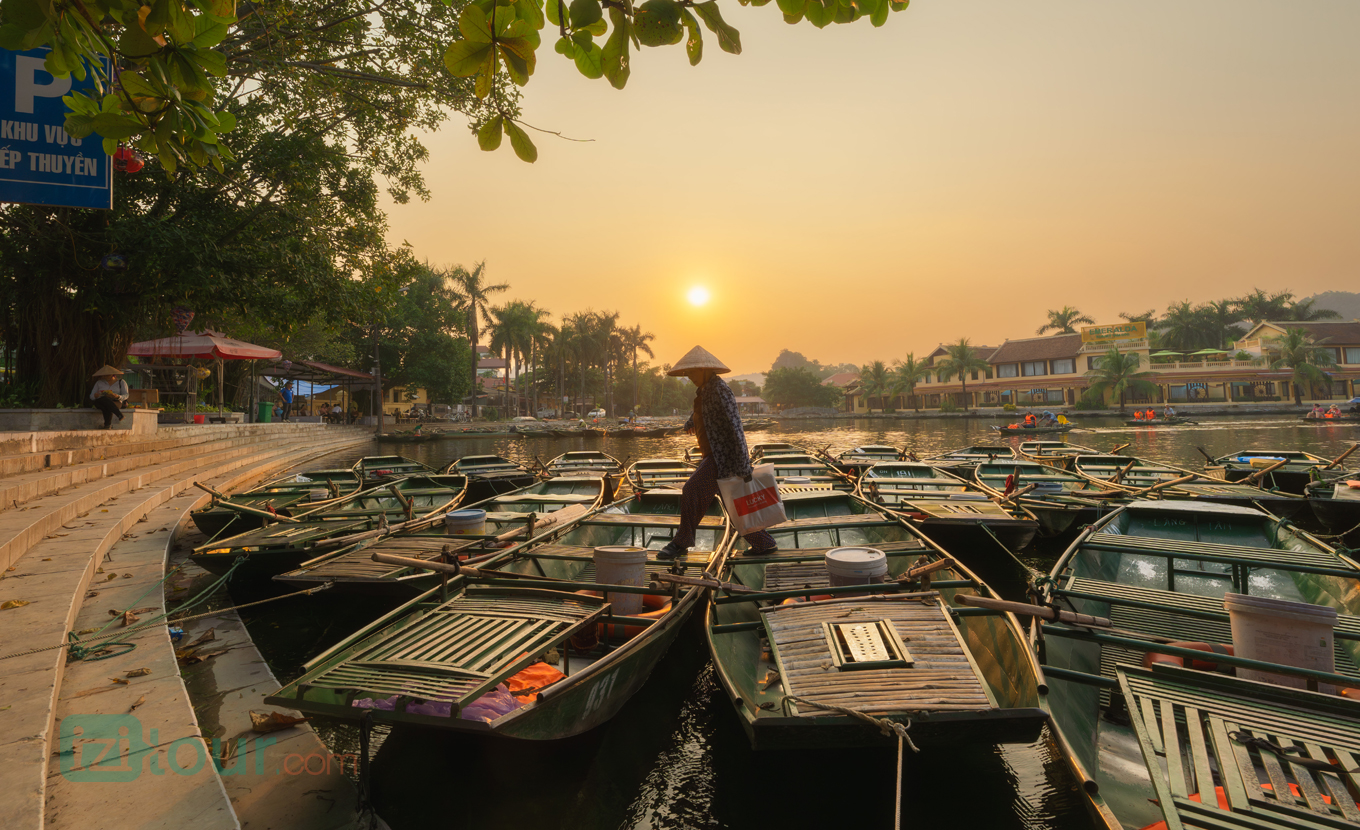
Mu Cang Chai Rice Terraces Bike Tour: The Ultimate Cycling Adventure Through Vietnam’s Golden Stairways
Mu Cang Chai Rice Terraces Bike Tour: The Ultimate Cycling Adventure Through Vietnam’s Golden Stairways
Getting Around Vietnam
January 22, 2026
If you’ve ever dreamed of pedaling through a landscape that looks like it was carved by gods with a painter’s brush—endless emerald steps in summer, glowing gold in harvest season—then a Mu Cang Chai rice terraces bike tour belongs at the top of your Vietnam bucket list.
Mu Cang Chai Rice Terraces Bike Tour: The Ultimate Cycling Adventure Through Vietnam’s Golden Stairways
If you’ve ever dreamed of pedaling through a landscape that looks like it was carved by gods with a painter’s brush—endless emerald steps in summer, glowing gold in harvest season—then a Mu Cang Chai rice terraces bike tour belongs at the top of your Vietnam bucket list.
Mu Cang Chai sits high in the mountains of northern Vietnam, where the air is cooler, the roads wind like ribbons across ridgelines, and the rice terraces spill down valleys in dramatic layers. Cycling here isn’t just a way to get from one viewpoint to another—it’s the best way to feel the terrain, meet local people at village pace, and stop whenever the view steals your breath (which will happen… constantly).
This long-form guide is designed to help you plan a truly memorable ride: best seasons, routes, day-by-day itinerary ideas, packing and safety tips, cultural notes, photo hotspots, and how to book a smooth, supported experience. Along the way, you’ll also find travel-extension ideas across Northern Vietnam—perfect if you want to combine Mu Cang Chai with other iconic destinations.
Mu Cang Chai Rice Terraces Bike Tour: The Ultimate Cycling Adventure Through Vietnam’s Golden Stairways
Why Choose a Mu Cang Chai Rice Terraces Bike Tour
There are places where cycling is pleasant—and places where cycling becomes a life highlight. Mu Cang Chai is the second kind.
You experience the terraces at the perfect pace
A car moves too fast; hiking can be slow and tiring for long distances. Cycling is the sweet spot: you can cover big scenery, stop whenever you want, and still feel the weather, the smells of rice and woodsmoke, and the rhythm of daily life.
The roads are made for “wow moments”
Northern Vietnam’s mountain roads rise and fall through passes, valleys, bamboo forests, and terrace amphitheaters. The climbs are real, but so are the rewards: panoramic overlooks, downhill runs with wind in your face, and villages tucked into misty slopes.
You connect with culture naturally
Many ethnic minority communities live in this region, including Hmong and Thai groups. On a bike tour, you pass through markets, school routes, farming paths, and homestay villages—giving you authentic, respectful interactions.
It’s a photographer’s paradise (even if you’re using a phone)
A Mu Cang Chai rice terraces cycling tour is basically a moving photo shoot: Khau Pha Pass, Tu Le valley, La Pan Tan viewpoints, and golden harvest scenes are wildly photogenic.
Where Are the Mu Cang Chai Rice Terraces?
Mu Cang Chai is in Yen Bai Province, Northwest Vietnam, roughly 300+ km from Hanoi. It’s famous for its “national heritage” terraced rice fields—some of the most iconic in the country.
The terrace “big three” viewpoints
These are the names you’ll hear again and again on any Mu Cang Chai bike tour itinerary:
La Pan Tan: The superstar viewpoints and striking patterns
Che Cu Nha: Wide terraced slopes, quieter atmosphere
De Xu Phinh: Dreamy terraces and village scenery
Best Time to Do a Mu Cang Chai Rice Terraces Bike Tour
Timing matters here, because the scenery changes dramatically with the agricultural cycle.
Harvest season (September to early October): the classic “golden terraces”
This is peak season for a reason. The terraces glow gold, the weather is often pleasant, and the entire region feels alive with harvest energy. If your main goal is the most iconic visuals, choose this window for your Mu Cang Chai rice terraces bike tour.
Water-pouring season (late May to June): mirror-like terraces
Before planting, terraces fill with water and reflect the sky like stair-step mirrors. The atmosphere is softer and mystical—perfect for a photography-focused tour.
Green season (July to August): lush and vibrant
If you love deep green landscapes and don’t mind occasional rain, this is stunning. Fewer crowds, rich colors, and a refreshing mountain feel.
Cooler months (November to March): crisp air, fewer rice visuals
You’ll get clearer skies and cool riding temperatures, but the terraces won’t be at their most dramatic. Still, it’s excellent for riders who prioritize cycling comfort.
What Kind of Cyclist Is This Tour For?
A Mu Cang Chai rice terraces bike tour can be tailored—so it works for more people than you might think.
Suitable for:
Active travelers who enjoy scenic rides
Beginners with support (vehicle backup + flexible distances)
Couples looking for a romantic, cinematic journey
Small groups wanting a private guided experience
Adventurous families (with careful route design)
Not ideal if:
You want flat cycling only (this is mountain terrain)
You dislike curvy roads or changing weather
You want nightlife (this is about nature and culture)
E-bike option: a game-changer
If you love the scenery but want to reduce the pain on climbs, ask for an e-bike setup. It opens the region to more travelers while keeping the ride joyful.
The Most Beautiful Cycling Routes in Mu Cang Chai
Below are some of the most popular (and most breathtaking) ride zones. A good guide will adjust them based on fitness, weather, and road conditions.
Khau Pha Pass: the legendary mountain road
Khau Pha Pass is often listed among Vietnam’s most impressive mountain passes. Cycling here delivers soaring views over Tu Le valley and ridge-to-ridge scenery.
Tu Le valley: rice fields, village life, relaxing pace
Tu Le is famous for its valley scenery and gentle rural feeling compared to higher passes.
La Pan Tan: iconic terrace geometry
If you’ve seen the famous swirling terrace patterns in photos, there’s a strong chance it was La Pan Tan.
Che Cu Nha and De Xu Phinh: quieter terrace immersion
These areas tend to feel calmer and more local. Perfect for riders who want fewer crowds and more “hidden gem” moments.
Sample Mu Cang Chai Rice Terraces Bike Tour Itineraries
2-Day Quick Escape: Hanoi → Nghia Lo → Mu Cang Chai
Day 1: Hanoi – Nghia Lo – Tu Le
Transfer part-way to reduce urban riding
Cycle gentle countryside roads into the mountains
Enjoy Tu Le valley views, local food, and relaxed pacing
Optional short hill climbs for sunset viewpoints
Day 2: Khau Pha Pass – La Pan Tan – Mu Cang Chai
Early start for clear views
Ride through/around Khau Pha Pass (climb depends on your level)
Terrace viewpoints at La Pan Tan, Che Cu Nha, De Xu Phinh
Return to Hanoi (or continue Northwest)
3-Day Classic Loop: Deep Immersion With Homestays
Day 1: Hanoi – Nghia Lo countryside ride
Ride quiet roads, small farms, and riverside paths
Local lunch stops and market visits
Overnight in a comfortable lodge or homestay
Day 2: Nghia Lo – Tu Le – Khau Pha Pass
Gradual climb toward Tu Le
Terrace detours for photos and village stops
Khau Pha Pass viewpoint stops (sunset is beautiful)
Homestay dinner with local specialties
Day 3: Mu Cang Chai terraces exploration loop
La Pan Tan + De Xu Phinh + Che Cu Nha
Choose short scenic loops or longer endurance rides
End with a slow village ride and cultural encounters
5–7 Day Expanded Adventure: Combine Terraces With Northern Vietnam Highlights
You can extend your Northern Vietnam journey toward coastal exploration in Hai Phong, or aim for cool mountain culture in Thai Nguyen. For borderland scenery and historic routes, consider Lang Son.
And if you want to pair terraces with epic waterfalls and limestone landscapes, a multi-day extension like the Ban Gioc waterfall experience in Cao Bang adds a powerful contrast to your rice-terrace ride.
For another spectacular terrace region with a different character, look into Hoang Su Phi—a brilliant add-on for travelers who can’t get enough of terraced mountains.
What You’ll Eat on a Mu Cang Chai Bike Tour
Cycling through the mountains earns you some of the most satisfying meals in Vietnam.
Local flavors to try
Sticky rice (often with local mountain herbs)
Grilled meats and seasonal greens
Simple, fresh soups perfect after a ride
Local tea and warm rice wine (if you choose)
Food tip for riders
Bring easy snacks (nuts, bananas, energy bars). Mountain riding burns more fuel than you expect.
Where You’ll Sleep: Homestay vs Lodge
Homestays (most authentic)
You’ll sleep in a traditional-style home, often with shared spaces, clean bedding, and warm hospitality. The big win: cultural immersion and home-cooked meals.
Lodges/Hotels (more privacy)
Perfect if you want en-suite bathrooms, quieter nights, and a more predictable comfort level.
Many travelers choose a mix: lodge on transfer nights, homestays in terrace villages.
Packing List for a Mu Cang Chai Rice Terraces Cycling Tour
Cycling essentials
Padded cycling shorts
Lightweight breathable tops + a warmer layer
Rain jacket or windbreaker
Gloves
Sunglasses
Sunscreen + insect repellent
Footwear
Cycling shoes if you ride clipped-in
Or comfortable trainers if you ride flat pedals
Small but important items
Refillable water bottle
Electrolyte tablets
Dry bag for electronics
Power bank
Simple first-aid basics (band-aids, blister care)
Difficulty, Terrain, and Realistic Expectations
It’s mountainous
Even “easy” days have rolling hills. But difficulty is manageable with:
Flexible daily distances
Strategic transfers (support vehicle)
E-bikes if needed
Plenty of stops (and you’ll want them anyway)
Typical daily riding range
Easy: 20–40 km
Moderate: 40–70 km
Challenging: 70–100 km in mountain terrain
Safety Tips for Cycling in Mu Cang Chai
Road awareness
Curves can be tight; ride defensively
Descend carefully—views can distract you
Weather changes quickly; fog can reduce visibility
Best practice: ride with local expertise
A guided experience means:
Route planning and hazard awareness
Mechanical support
Local-language help in villages
Smart timing for viewpoints and lighting
Cultural Etiquette: How to Be a Great Guest
A Mu Cang Chai rice terraces bike tour is more meaningful when you travel respectfully.
Simple rules that go far
Ask before photographing people
Dress modestly in villages
Keep voices low in quiet areas
Don’t step into rice terraces
Support local families through homestays and small purchases
Photography Tips: Capture the Terraces Beautifully
Best times for light
Sunrise: soft glow + mist
Late afternoon: warm highlights and deeper shadows that show terrace depth
How to frame terraces
Use roads as leading lines
Include a rider in the scene for scale
Look for curves and “S” shapes (especially in La Pan Tan)
Drone note
If you plan to use a drone, check local guidelines and always fly responsibly and respectfully.
Why Book With Golden Trail Travel for Your Mu Cang Chai Bike Tour
A place as wild-beautiful as Mu Cang Chai is best enjoyed with smooth logistics—so you can focus on the ride, the views, and the people.
What a well-designed tour should include
Routes matched to your fitness and travel style
A quality bike (or e-bike) and helmet
Support vehicle
Local guide who knows road conditions and hidden viewpoints
Homestays or lodging curated for comfort and authenticity
Flexible pacing, plenty of photo stops, and thoughtful meals
If you’re planning a broader North Vietnam adventure, it’s also easy to connect rice-terrace cycling with other destinations and themes—coast, culture, border landscapes, waterfalls, and more—through Golden Trail Travel’s curated routes and regional expertise.
Customer Reviews: What Riders Often Say
(Below are representative reviews written in the style of typical guest feedback to help you understand what travelers value most.)
“The views were unreal—like cycling through a painting.”
We hit Khau Pha Pass early and the terraces looked endless. Our guide timed the viewpoints perfectly, and the support vehicle meant we could ride at our own pace.
“Homestay night was the highlight.”
After riding all day, the home-cooked dinner and warm welcome made it feel like we weren’t just tourists passing through. We learned so much about local life.
“I used an e-bike and still felt like I earned it.”
I was nervous about climbs, but the e-bike made it fun instead of stressful. I could focus on the landscape—and I wasn’t exhausted the whole time.
“Great balance of cycling and culture.”
We rode scenic routes, visited small villages, and stopped at markets. It wasn’t just a sports trip—it was a full Northern Vietnam experience.
“Perfect for photography lovers.”
Golden light, misty valleys, layered terraces… I filled my camera roll in one day. The guide knew exactly where to stop for the best angles.
FAQ: Mu Cang Chai Rice Terraces Bike Tour
Is Mu Cang Chai suitable for beginner cyclists?
Yes—if the itinerary is designed with realistic distances, a support vehicle, and optional e-bike support. Mountain terrain is the main challenge, not technical cycling.
How many days do I need for the best experience?
A 3-day plan is the sweet spot for most travelers. If you can do 5–7 days, you can combine terraces with other Northern Vietnam highlights for a richer journey.
What’s the best month to see golden rice terraces?
Usually September to early October is the most iconic harvest window. Exact timing can vary slightly year to year.
Do I need a mountain bike or a road bike?
Many routes work well with a hybrid or mountain bike due to mixed road surfaces. Road bikes can work on certain paved segments, but flexibility matters in mountain regions.
Can families do this tour?
Yes, with careful planning. Shorter ride days, more transfers, and kid-friendly homestays can make it family-appropriate.
What should I wear in the mountains?
Layers. Mornings can be cool, afternoons warm, and weather can shift quickly. A light rain jacket is strongly recommended.
How do I combine Mu Cang Chai with other places in Northern Vietnam?
If you want iconic photos: harvest season. If you want fewer crowds: green season. If you want magical reflections: water-pouring season.
Don’t over-plan the kilometers
In Mu Cang Chai, the best moments happen when you stop often. Build in time for viewpoints, village chats, and spontaneous snacks.
Travel slower, connect deeper
A Mu Cang Chai rice terraces bike tour is not just about cycling—it’s about seeing Vietnam from the inside, at human speed, with mountains all around you.
Golden Trail Travel Co., Ltd and Golden Cycling Tours would like to inform you of an important security notice.
Recently, we received warnings from Vietnamese authorities regarding an increase in online fraud targeting customers of travel companies and international businesses. Fraudsters are impersonating legitimate companies by using fake email addresses, forged payment instructions, and fraudulent bank account details to deceive customers into transferring funds.
These fraudulent emails are typically sent from unofficial email addresses and include fake banking information intended to redirect payments. This type of cybercrime, commonly known as phishing, is currently being reported and monitored by many organizations and government agencies.
To ensure the security of all transactions, Golden Trail Travel and Golden Cycling Tours use ONLY ONE official tax code and ONE official bank account as follows:
We will never request payment to any bank account other than the official account listed above.
Any phone number, email address, or payment information not included in our official contact details should be considered suspicious and potentially fraudulent.
Before making any payment, please contact us directly via our official hotline , WhatsApp or email addresses if you have any doubts or concerns.
If you receive any suspicious email or any request to change payment details, please notify us immediately so that we can verify the information and assist you.

.jpg)
.jpg "The Epic Cycling Adventure: Rediscovering Your Soul on Two Wheels")
.jpg "The Ultimate Trekking Expedition: A Journey Beyond Boundaries")
.jpg "The Ultimate Guide to Trekking Cao Bang Vietnam: Journey Through the Realm of Mountains and Waterfalls")
.webp "Cuc Phuong National Park Day Trip")
.jpg "Pu Luong Nature Reserve: An Ethereal Journey into Vietnam’s Hidden Eden")