15 Ng. 100 Đ. Nguyễn Xiển, Thanh Xuân Nam, Thanh Xuân, Hà Nội 100000



15 Ng. 100 Đ. Nguyễn Xiển, Thanh Xuân Nam, Thanh Xuân, Hà Nội 100000
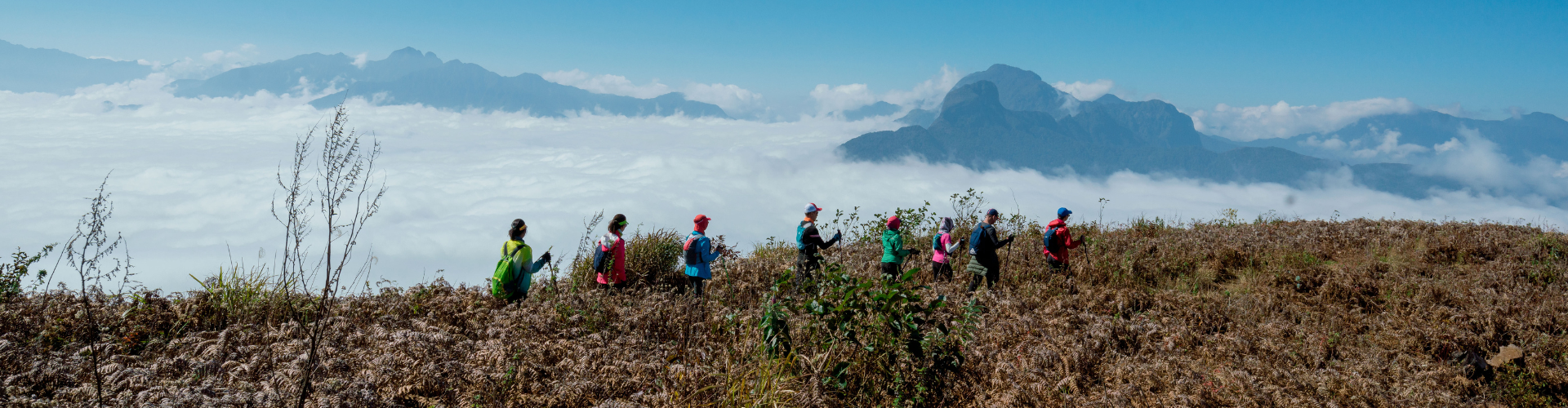
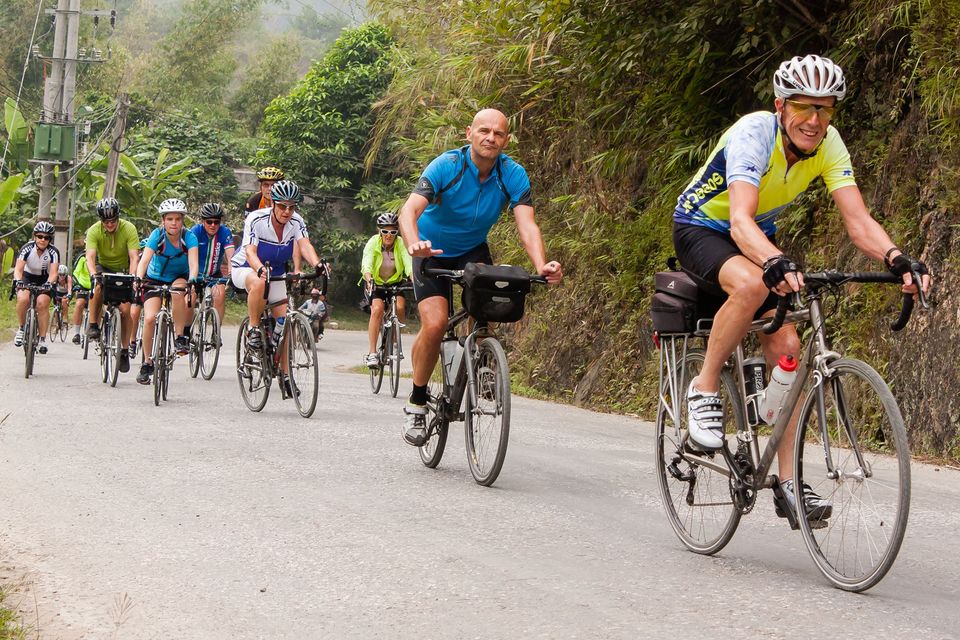
The Ho Chi Minh Trail is more than just a road; it is a legendary artery of history that stretches through the rugged spine of Vietnam. For the modern adventure cyclist, the name alone evokes images of misty mountain passes, dense tropical jungles, and a test of endurance like no other. But before you clip in and head south, the most common question arises: what is the actual Ho Chi Minh Trail cycling difficulty?
At Golden Trail Travel, we have spent decades guiding cyclists through the Truong Son mountain range. We believe that understanding the challenge is the first step toward a successful expedition. Whether you are considering our custom cycling tours or looking to join one of our guaranteed tours, this guide will break down the physical, environmental, and technical hurdles of the trail.
.jpeg)
To understand the difficulty, one must first understand the geography. The Ho Chi Minh Highway (the modern incarnation of the trail) follows the Truong Son mountain range. This is not a flat coastal ride. It is a relentless series of undulations, steep gradients, and high-altitude plateaus.
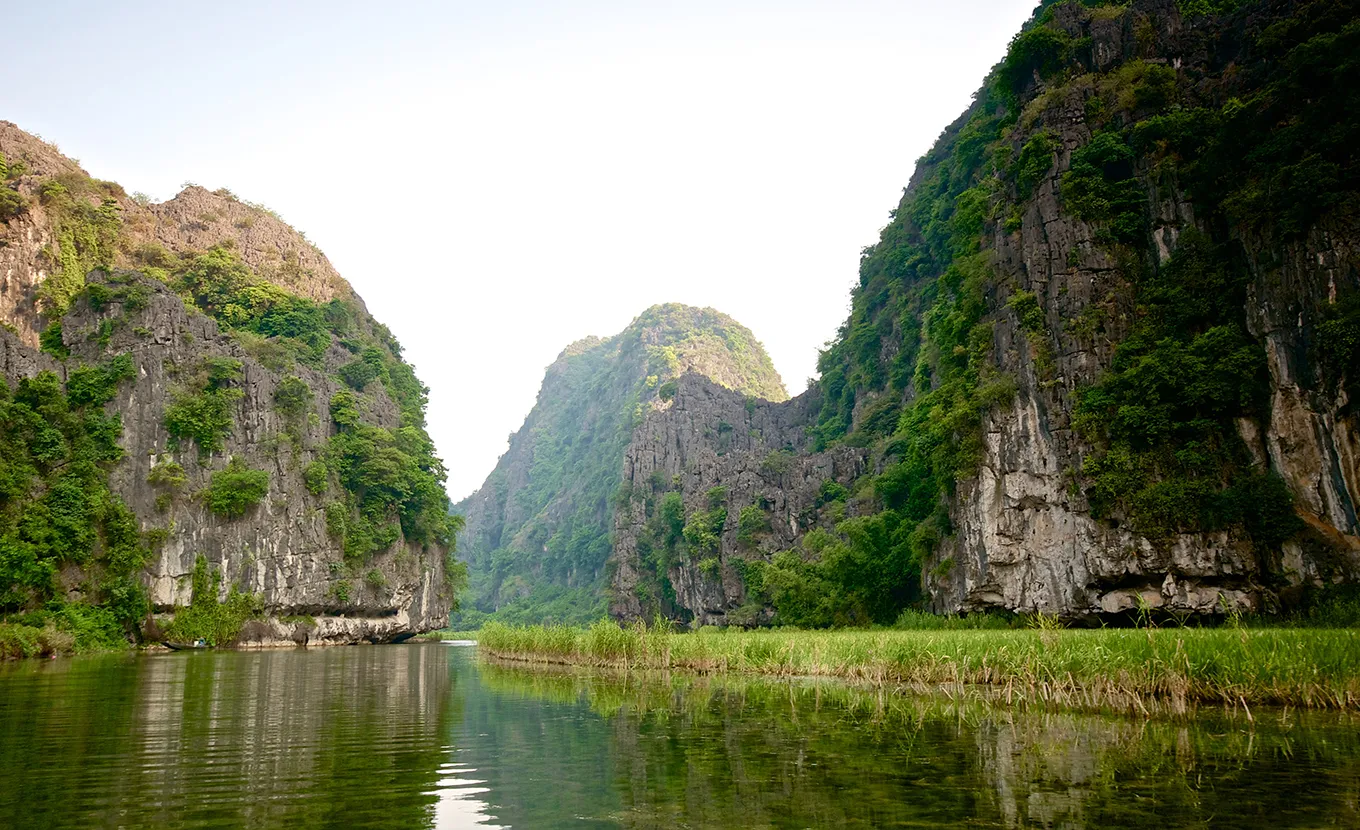
The trail starts in the north near Hanoi and heads toward the karst landscapes of Ninh Binh and Phong Nha. Initially, the difficulty is moderate, allowing riders to find their rhythm. However, as you move into Central Vietnam, the mountains become more imposing. The "Western Branch" of the highway, particularly the stretch between Phong Nha and Khe Sanh, is arguably the most difficult yet most rewarding section of the entire journey.
On a typical 14-day itinerary, a cyclist might accumulate over 15,000 meters of total vertical climbing. Some days involve multiple mountain passes, where you might climb 1,200 meters over a single 80km stage. The cumulative fatigue of back-to-back climbing days is a significant factor in the overall Ho Chi Minh Trail cycling difficulty.
A major component of the difficulty is the surface beneath your tires. The Ho Chi Minh Trail has evolved significantly since the 1960s, but it remains a varied environment.
The main Ho Chi Minh Highway is mostly paved with high-quality asphalt. This makes it suitable for road cycling Ho Chi Minh Trail adventures. However, the "West Road" is remote. Landslides during the monsoon season can occasionally leave debris or sections of broken pavement, requiring technical bike handling skills.
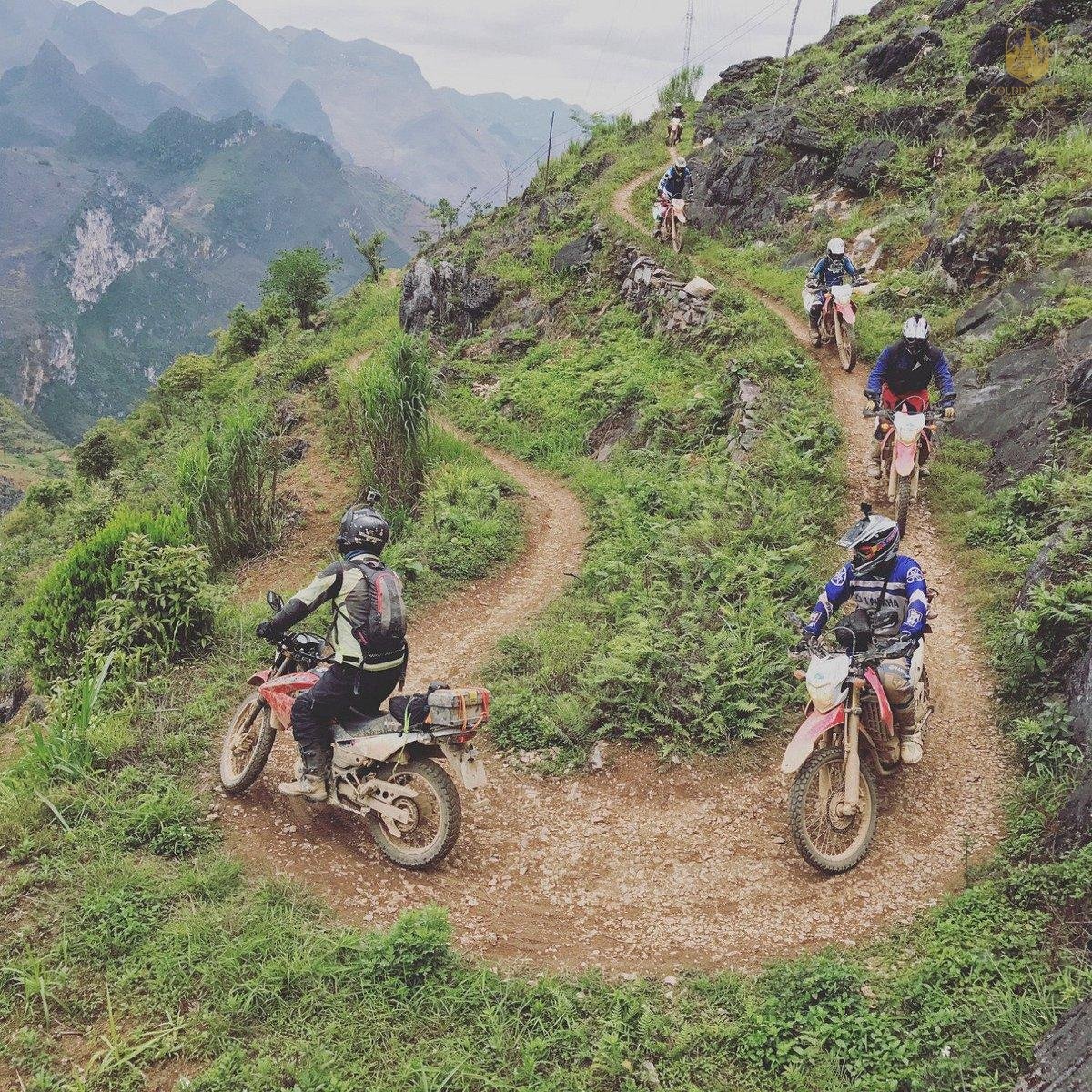
For those seeking a higher level of Ho Chi Minh Trail cycling difficulty, there are numerous "original trail" connectors. These are red-dirt tracks, gravel paths, and river crossings that are better suited for mountain biking Ho Chi Minh Trail. These sections require high-level core strength and technical proficiency in loose terrain.
In Vietnam, the environment is often a greater challenge than the incline. The tropical climate adds a layer of complexity to the Ho Chi Minh Trail cycling difficulty.
Vietnam's humidity can reach 80% to 90%. This makes evaporative cooling (sweating) less efficient, leading to rapid core temperature increases. Cyclists must manage their hydration and electrolyte intake with extreme care. At Golden Trail Travel, our support vans are always stocked with chilled water and mineral supplements to help riders cope with these conditions.
The weather varies by region. The central part of the trail can experience heavy rains from September to December. Riding through a tropical downpour on a mountain pass requires focus and specialized gear. Conversely, the "dry season" (February to May) offers better conditions but can be intensely hot in the lower valleys.
Who can conquer the trail? While the Ho Chi Minh Trail cycling difficulty is high, it is accessible to fit enthusiasts who prepare correctly.
You don't need to be a professional racer, but you should be comfortable with 6 to 8 hours in the saddle for multiple consecutive days. We recommend a 12-week training block that includes back-to-back long rides to build "base" endurance.
Perhaps the most underestimated part of the difficulty is the mental toughness required. The trail is long. There will be moments on a 10km climb under the sun where you will question your resolve. Having the camaraderie of a group on our guaranteed tours is often the difference between pushing through and calling for the support van.
No discussion of difficulty is complete without mentioning the iconic climbs that define the Ho Chi Minh Trail.
Located on the border of Quang Nam and Kon Tum provinces, the Lo Xo Pass is a 20-kilometer monster. It is famous for its steep gradients and winding turns. For many, this pass is the "final exam" of the Central Highlands section.
While slightly off the main inland trail, many itineraries include this "Ocean Cloud Pass." It is a scenic masterpiece but involves a sustained 10km climb that starts at sea level.
Heading south from Khe Sanh, the trail enters a series of rolling "punchy" climbs that can drain a rider's energy faster than a single long pass. The constant change in rhythm is a unique technical challenge.
The isolation of the trail is part of its charm, but it also increases the Ho Chi Minh Trail cycling difficulty for solo travelers.
On the Western Branch of the highway, there may be stretches of 50km to 100km without a single shop or mechanic. A simple mechanical failure like a broken chain or a torn sidewall can become a major ordeal if you are unsupported.
We mitigate the logistical difficulty by providing:
Professional Mechanics: Every tour includes a lead mechanic who cleans and adjusts bikes every evening.
Support Vehicles (Sag Wagons): If the difficulty becomes too much, our air-conditioned vans are always behind the group, ready to offer a lift or a cold drink.
Local Insight: Our guides know the "hidden" water stops and the best places to refuel with high-energy local food.
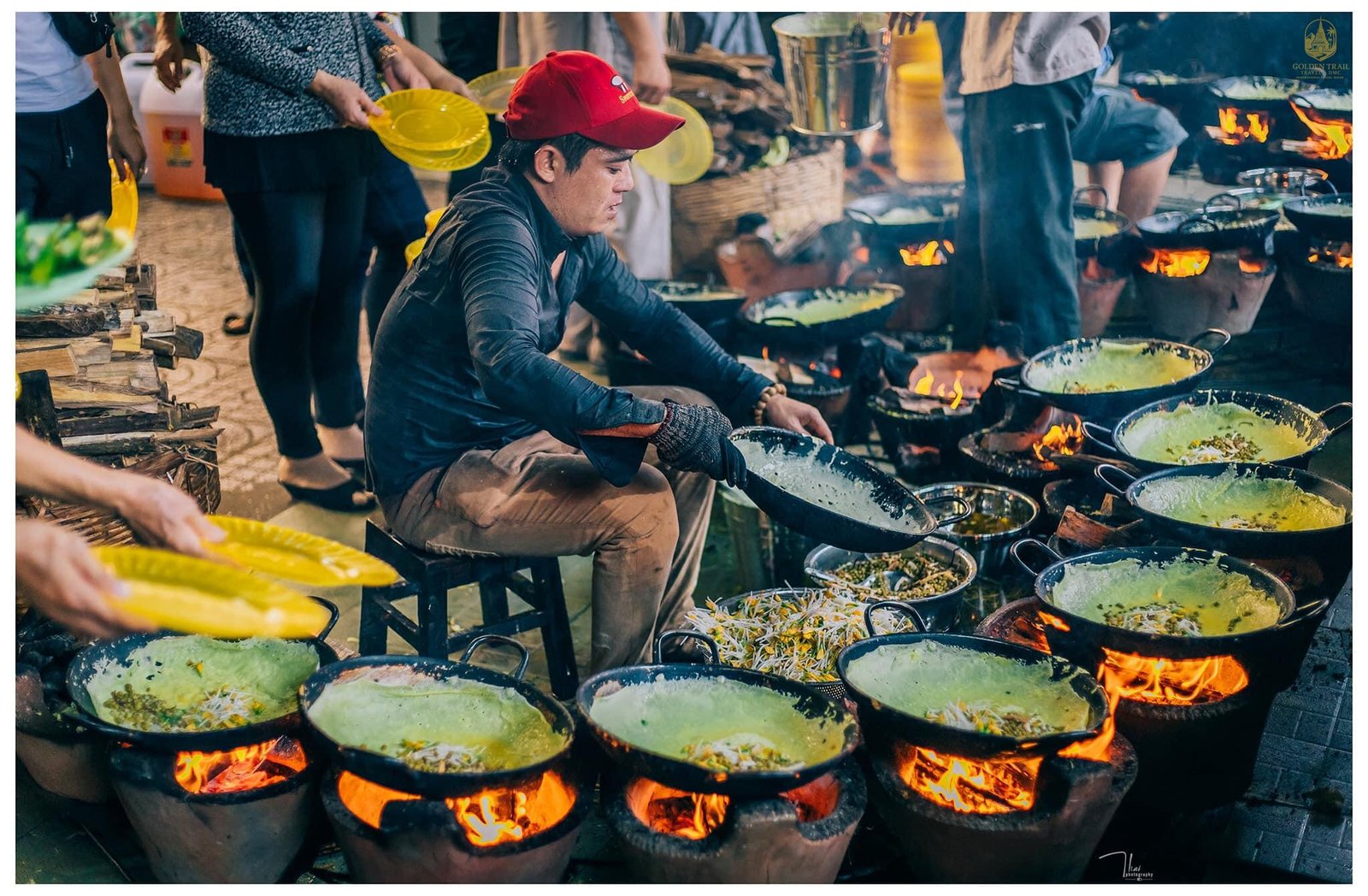
Adapting to the local diet is another factor. While Vietnamese food is incredibly healthy and fresh, finding the right "cycling fuel" in remote ethnic minority villages requires experience.
Riders burn between 3,000 and 5,000 calories a day on the trail. We ensure our guests get a balance of slow-release carbohydrates (rice, noodles) and high-quality proteins. Our cycling tours focus on the best local eateries that specialize in "Com Pho"—the staple of the Vietnamese road.
Communicating with the Paco, Bru-Van Kieu, or Ba Na people in remote areas can be difficult. Our guides act as cultural bridges, allowing you to focus on the ride while they handle the interactions and logistics.
To help you choose the right trip, we categorize the Ho Chi Minh Trail cycling difficulty by region:
|
Region |
Difficulty Level |
Terrain Profile |
|---|---|---|
|
Northern Section (Hanoi to Phong Nha) |
Moderate (3/5) |
Rolling hills, rural plains, limestone karsts. |
|
Central Section (Phong Nha to Hue/Hoi An) |
Challenging (5/5) |
Remote mountains, primary jungle, long passes. |
|
Highlands Section (Kon Tum to Dalat) |
Demanding (4/5) |
High plateaus, red dirt, undulating hills. |
Despite the challenges, the Ho Chi Minh Trail remains a "must-do." The difficulty is what makes the achievement so sweet.
The Scenery: You will see parts of Vietnam that 99% of tourists never reach.
The History: You are riding through a memorial to human resilience.
The Personal Growth: Completing a 14-day trek through the Truong Son range changes how you view challenges in your daily life.
If you are worried about the Ho Chi Minh Trail cycling difficulty, remember that you don't have to do it alone. By joining a professional outfit like Golden Trail Travel, you turn a survival exercise into a world-class vacation.
Are you ready to test your limits? Browse our latest cycling tours or find your perfect departure date on our guaranteed tours page. The legend is waiting, and we are ready to help you conquer it.
Q: Do I need a professional-grade bike to handle the difficulty? A: A high-quality bike makes a massive difference. We provide professionally maintained Trek and Giant mountain bikes that are specifically geared for the steep passes of the Truong Son range.
Q: What is the average daily distance? A: Most of our tours average 70km to 90km per day. This allows for the high elevation gain while still leaving time for historical stops and photography.
Q: Can I take a break if the climb is too hard? A: Absolutely. Our "sag wagon" (support van) follows the group. If you feel tired or the heat is too much, you can hop in the van for a few kilometers and rejoin the group later.
Q: Is the trail safe for solo female cyclists? A: Vietnam is one of the safest countries in the world for travelers. However, because of the remoteness of the trail, we always recommend joining a guaranteed tour for the added security of a group and support team.
Mark T. from New Zealand: "The Ho Chi Minh Trail cycling difficulty was exactly as described—tough but incredibly rewarding. The section from Phong Nha to Khe Sanh was the highlight. The Golden Trail team was fantastic; the cold towels at the top of the passes were a lifesaver!"
Sarah L. from the UK: "I was nervous about the mountains, but the support van was always there. The mechanical support was top-notch. I never had to worry about a flat tire or a skip in my gears. Highly recommend their guaranteed tours!"
David K. from Canada: "If you like climbing, this is your dream. The history and the scenery are mind-blowing. Don't underestimate the humidity, though—listen to the guides and drink your electrolytes. Best bike trip of my life."


.jpg "The Epic Cycling Adventure: Rediscovering Your Soul on Two Wheels")
.jpg "The Ultimate Trekking Expedition: A Journey Beyond Boundaries")
.jpg "The Ultimate Guide to Trekking Cao Bang Vietnam: Journey Through the Realm of Mountains and Waterfalls")
.webp "Cuc Phuong National Park Day Trip")
.jpg "Pu Luong Nature Reserve: An Ethereal Journey into Vietnam’s Hidden Eden")