15 Ng. 100 Đ. Nguyễn Xiển, Thanh Xuân Nam, Thanh Xuân, Hà Nội 100000

15 Ng. 100 Đ. Nguyễn Xiển, Thanh Xuân Nam, Thanh Xuân, Hà Nội 100000
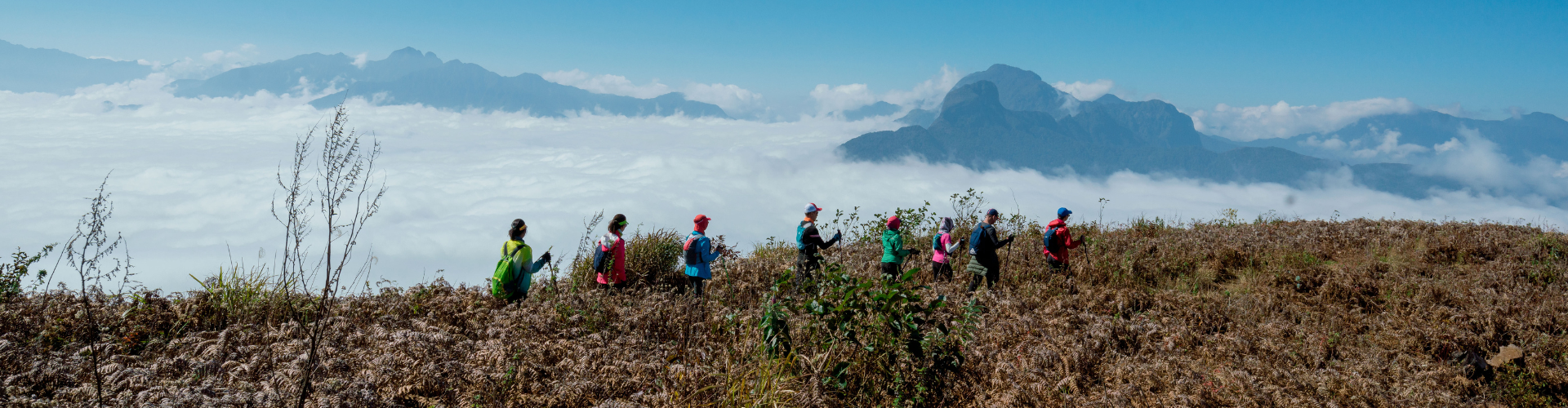
In the age of hyper-connectivity and endless scrolling, the most sought-after destination for the discerning traveler is not a place, but a feeling. It’s the feeling of genuine connection, of quiet solitude, and of stepping into a world where time seems to slow down. For those who seek to move beyond the well-worn tourist circuits and discover the true soul of a nation, Vietnam offers an extraordinary opportunity. Its towering mountains and verdant valleys are home to over 54 distinct ethnic minority groups, each preserving a unique way of life that has remained unchanged for centuries. A trekking tour in these remote villages is not just a vacation; it is a profound journey of cultural immersion, human connection, and self-discovery.
.jpg)
This comprehensive guide is your essential blueprint for an unforgettable adventure. It will take you deep into the heart of Vietnam's most secluded regions, where you will trade the comforts of a hotel for the warmth of a local homestay, and the anonymity of a crowd for the deep, personal connections forged on a quiet trail. We will explore the majestic landscapes, the vibrant cultures, and the ethical considerations that make these remote village experiences so rewarding. This is an invitation to not just see Vietnam, but to truly feel it, one thoughtful step at a time.
The Philosophy of Remote Village Trekking: A Journey with Purpose
For the conscious traveler, the choice to seek out a remote village experience is a deliberate one. It is a decision to prioritize authenticity over convenience, and to embrace a form of travel that is both deeply personal and profoundly respectful.
The heart of a remote village experience is the opportunity for authentic cultural exchange. This is not a performance for tourists; it is a chance to be a quiet guest, a respectful observer, and a learner.
Life Unfiltered: In these remote villages, life is lived as it has been for generations. You will witness ancient traditions, daily rituals, and a way of life that is deeply connected to the land. This is a chance to see life unfiltered, to learn about a culture from the people who live it, and to gain a new perspective on the world.
The Shared Meal: The shared meal is a cornerstone of the homestay experience. You will sit around a small table with a local family, eating home-cooked meals prepared with fresh, local ingredients. This is a chance to break bread with people from a different culture, to share stories through a translator, and to forge connections that are deeply real.
Beyond Words: In these remote villages, communication often transcends language. A smile, a gesture, or a shared laugh is often all that is needed to communicate. The connection is not just in the words, but in the shared experience of living, eating, and simply being present together.
Remote village trekking is an antidote to the fast-paced, high-stress world. It is a form of slow travel that forces you to be present, to appreciate the simple pleasures, and to find joy in a world that is a far cry from your own.
Disconnect to Reconnect: In these remote villages, Wi-Fi is often non-existent, and cell service is unreliable at best. This is a chance to disconnect from the digital world and to reconnect with the people around you, with nature, and with yourself.
The Rhythm of the Land: Life in these villages is governed by the rhythm of the land. You will wake up with the sun, go to bed with the moon, and live a life that is in harmony with nature. This is a chance to find a new kind of peace and tranquility that is often lost in the chaos of modern life.
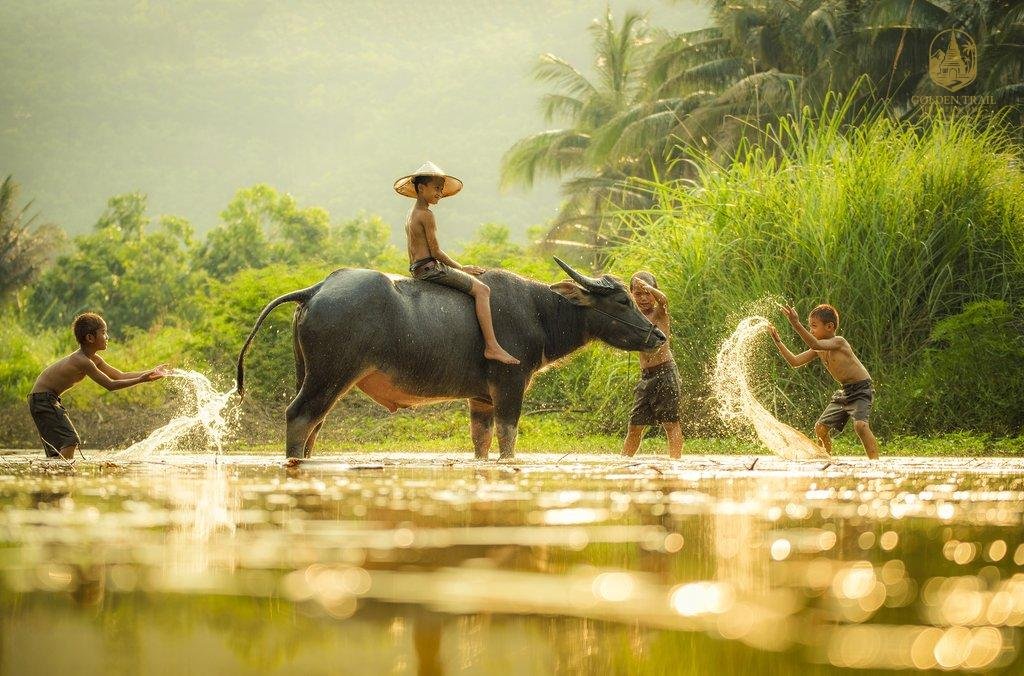
Finding Meaning in the Mundane: In these remote villages, the mundane is often magical. The sight of a farmer leading a buffalo through a rice field, the sound of a child’s laughter echoing through the valley, or the warmth of a fire on a cold night—these are the moments that you will remember forever.
Responsible travel is a powerful tool for economic empowerment. A trekking tour in a remote village should be designed to ensure that the financial benefits of tourism flow directly to the local communities, not to distant corporations.
Direct Economic Benefit: This means staying in family-run homestays, hiring local guides, and buying handicrafts directly from the artisans. When you pay for a tour, a significant portion of your money should be directly supporting the people whose land and culture you are visiting.
Preserving Cultural Heritage: By engaging with local communities, learning about their traditions, and supporting their handicrafts, you are helping to keep their culture alive and to instill a sense of pride and value in their heritage.
Minimizing Environmental Impact: As a guest in a remote village, it is your responsibility to minimize your environmental impact. This means packing out everything you pack in, avoiding single-use plastics, and respecting the natural environment.
Golden Trail Travel has built its entire business on these principles. They understand that the most rewarding travel experiences are also the most responsible ones. Their tours are designed to empower local communities, to preserve cultural heritage, and to provide you with an authentic, ethical, and unforgettable trekking experience. You can discover their commitment to sustainable and ethical tourism and book your next conscious adventure at https://goldentrailtravel.com/.
The Northern Highlands: Your Gateway to Remote Villages
While Vietnam’s rugged beauty is universal, some regions are particularly well-suited for a remote village trekking experience. These destinations combine stunning landscapes with a rich tapestry of ethnic minority cultures.
Sapa is a name synonymous with trekking in Vietnam, but its true beauty lies in the valleys that surround the bustling town. For the adventurous traveler, an authentic Sapa experience is found on the quiet trails and in the remote villages of the Hmong and Red Dao people.
A multi-day trekking tour in Sapa is designed to take you from one remote village to another, with each night spent in a traditional homestay.
Lao Chai and Ta Van: The villages of Lao Chai and Ta Van are nestled in a stunning valley, surrounded by terraced rice fields. These villages are home to the Black Hmong and Red Dao people, and they offer a perfect introduction to the remote village experience. You will trek through the rice fields, cross ancient stone bridges, and spend the night in a traditional wooden house, sharing a meal with a local family.
Giang Ta Chai: The village of Giang Ta Chai is home to the Red Dao people, and it is a world of lush bamboo forests, cascading waterfalls, and ancient traditions. The trek here is a little more challenging, but the rewards are immense. You will learn about the Red Dao’s intricate knowledge of herbal medicine, their beautiful silver jewelry, and their unique way of life.
Ban Ho: The village of Ban Ho is a remote village in the valley, and it is home to the Tay people. The trekking here is a peaceful and serene experience, with a focus on exploring the rice fields, the stilted houses, and the natural beauty of the land. A trek to Ban Ho is a chance to get away from the crowds and to find a true sense of peace and tranquility.
Ha Giang is often called Vietnam’s last frontier. Its dramatic landscapes of jagged limestone karsts and deep, winding canyons are a world away from the gentler beauty of other regions. For the intrepid traveler, an off-the-beaten-path trekking tour in Ha Giang is the ultimate remote village experience.
The Dong Van Karst Plateau, a UNESCO Global Geopark, is a geological marvel. The real magic, however, lies in the remote villages that are scattered across the plateau. Trekking here is a journey through a world of stone, where every rock formation tells a story of the earth’s ancient past.
The Hmong People of Dong Van: The plateau is home to the Hmong people, who have a unique and beautiful culture. You will trek through their villages, witness their traditional way of life, and stay in their simple, traditional homes. A trek here is a chance to learn about their ancient farming techniques, their intricate indigo dyeing process, and their vibrant spiritual traditions.
The Lo Lo People of Meo Vac: The Lo Lo people are one of Vietnam’s smallest ethnic minority groups, and they are incredibly difficult to reach. A dedicated, off-the-beaten-path trek with an expert guide can take you to their villages, offering a rare opportunity to learn about their unique culture, their beautiful traditional dress, and their ancient rituals.
The Dong Van Sunday Market: While the market is a bustling and colorful affair, it is also a powerful symbol of the remote village experience. It is a place where the ethnic minority people from the surrounding villages come to trade, to socialize, and to connect with their community. A visit to the market is a chance to witness the vibrant culture of the plateau and to see the people in their most authentic state.
Just a few hours from Hanoi, the Mai Chau Valley and the neighboring Pu Luong Nature Reserve offer a world away from the city's chaos. These peaceful valleys, with their lush rice fields and traditional stilted homes, are a perfect destination for a remote village trekking tour that combines a gentle adventure with a rich cultural experience.
The Mai Chau Valley is home to the White Thai ethnic group, and a trekking tour here is a chance to learn about their unique culture and their commitment to sustainable living.
Homestays in Stilted Houses: The Thai people live in beautiful stilted houses, which are a model of sustainable living. These homes are built with locally sourced wood and bamboo and are designed to stay cool in the summer and warm in the winter. A trekking tour here is a chance to stay in one of these traditional homes, to eat a home-cooked meal, and to learn about the local way of life.
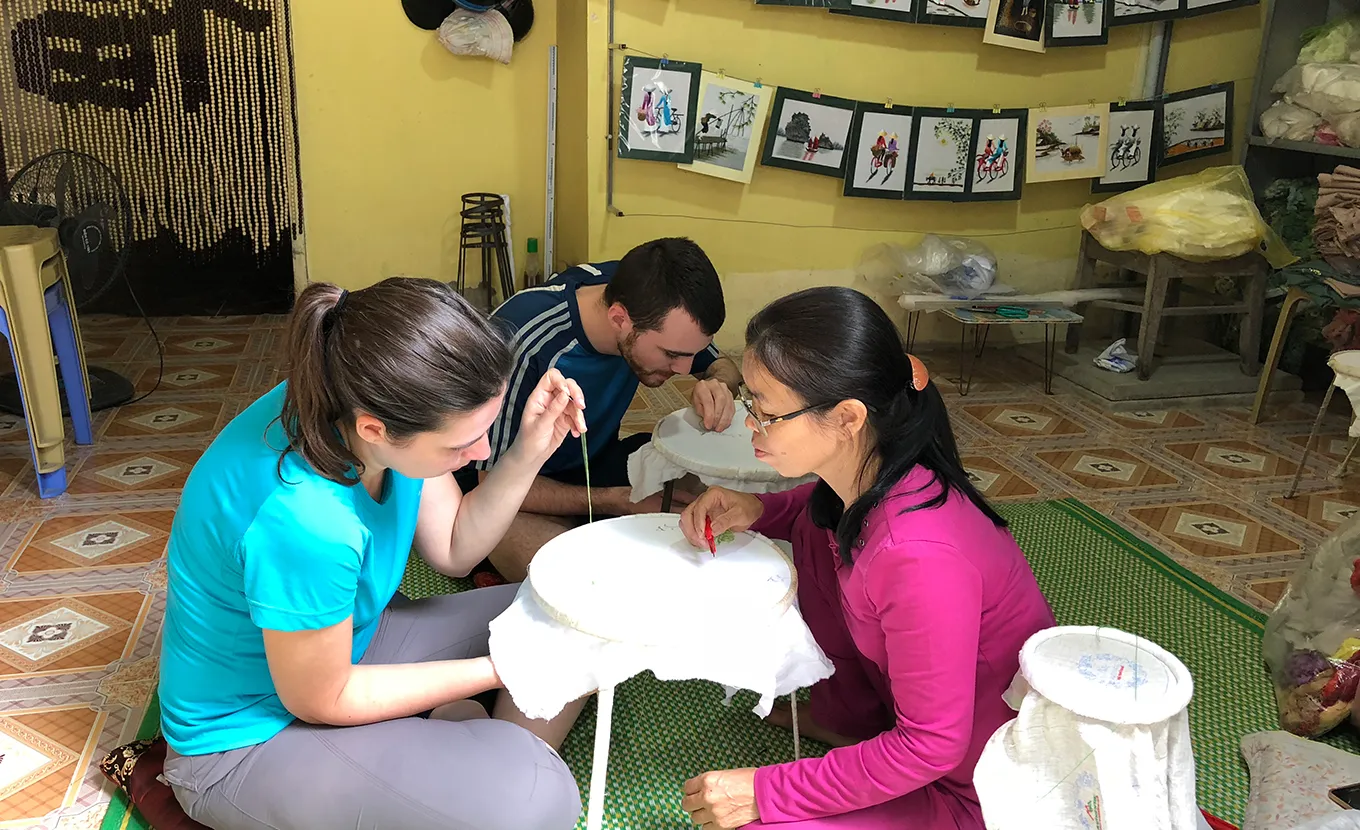
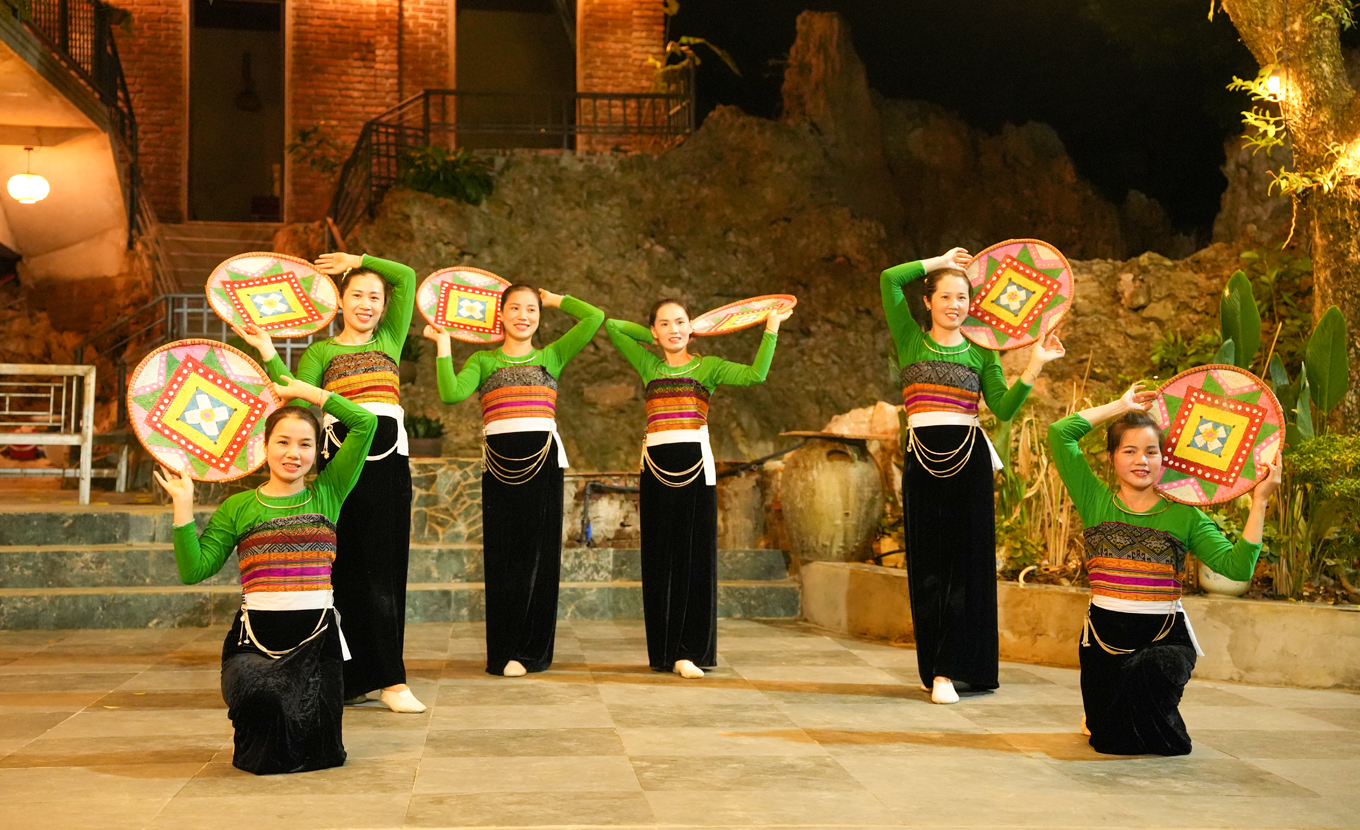
The Arts of the Thai People: The Thai people are renowned for their beautiful handicrafts, from weaving and embroidery to traditional musical instruments. An important part of a remote village experience here is to support these local artisans by buying their handicrafts directly from them.
Pu Luong Nature Reserve is a hidden gem in Northern Vietnam, a world of pristine forests, stunning waterfalls, and secluded villages. It is a perfect destination for the adventurous traveler who seeks a profound connection to a thriving and protected ecosystem.
The Villages of the Muong People: The reserve is home to the Muong people, and a trek here is a chance to learn about their unique culture and their commitment to sustainable living. You will trek through their villages, witness their traditional way of life, and stay in their simple, traditional homes.
The Waterfalls of the Forest: The treks here lead to a series of stunning waterfalls, where you can take a swim in the crystal-clear water and find a moment of serenity in the heart of the forest. This is a chance to find a true sense of peace and tranquility that is often lost in the chaos of modern life.
A Deeper Look: What to Expect from a Remote Village Experience
A remote village trekking tour is not like a traditional vacation. It is a journey that is designed to take you out of your comfort zone and to provide you with an experience that is both authentic and deeply rewarding.
For a remote village experience, a guide is not just a convenience; they are an absolute necessity. Your guide is your cultural bridge, your translator, and your companion.
An Expert on the Land and the People: A local guide has an intimate knowledge of the land, its trails, and its history. They can navigate the trails, read the weather, and handle any unexpected situations that may arise. They can also tell you about the local legends, the history of the land, and the stories of the people.
A Translator and a Companion: Your guide is a translator, helping you to communicate with the local people and to learn about their culture. They are also a companion, a friend who can share a laugh with you, tell you a story, and make you feel at home in a world that is so different from your own.
Golden Trail Travel is committed to hiring local guides from the communities you visit. They are trained to be more than just navigators; they are experts in their fields, with a deep knowledge of Vietnam’s history, culture, and natural environment.
The homestay is the heart of a remote village trekking tour. It is a chance to step into a local family’s home, to share a meal with them, and to learn about their way of life.
Simple but Comfortable: The accommodations in a homestay are simple but comfortable. You will sleep in a traditional stilted house, on a mattress or a mat, and you will be provided with a blanket and a mosquito net. There will be a shared bathroom with a shower and a toilet, and there may be a hot water heater.
Home-Cooked Meals: The meals are home-cooked, prepared with fresh, local ingredients, and they are delicious. You will eat with the family, sharing a meal and a laugh, and you will have a chance to learn about the local cuisine and the traditions of the people.
The Rhythm of the Home: You will live by the rhythm of the home, waking up with the family, eating with them, and going to bed with them. This is a chance to find a new kind of peace and tranquility, and to feel a sense of belonging in a world that is so different from your own.
As a guest in a remote village, it is your responsibility to be a good guest. This means being respectful of the local culture, traditions, and way of life.
Dressing Appropriately: When visiting ethnic minority villages, it is a sign of respect to dress modestly. While trekking attire is generally acceptable, it is wise to cover your shoulders and knees, especially when visiting a family's home or a sacred site.
Asking for Permission: The temptation to take photos of beautiful people in traditional dress is strong. However, it is a sign of respect to always ask for permission first. A simple gesture or a few words learned in the local language can make all the difference and show that you value the person, not just the picture.
Supporting the Local Economy: A responsible traveler makes a conscious effort to support the local economy. This means buying handicrafts directly from the artisans, eating at local restaurants, and using local transportation.
Planning Your Remote Village Experience with Golden Trail Travel
For a remote village trekking tour, the choice of a tour operator is the single most important decision you will make. You need a partner who understands that this is not just a vacation, but a journey that requires a commitment to ethical and responsible tourism. Golden Trail Travel is exactly that partner.
Bespoke Itineraries for Authentic Experiences: Golden Trail Travel specializes in creating bespoke itineraries that are tailored to your specific interests, fitness level, and desires. They can work with you to design a tour that takes you to the most remote villages, to the most stunning landscapes, and to the most authentic cultural experiences.
A Commitment to Local Communities: They are committed to empowering the local communities they visit. They exclusively hire local guides from the communities you visit, and they work directly with local families to provide authentic homestay experiences.
Seamless and Stress-Free Logistics: They handle all the logistics, from private transportation and airport transfers to pre-arranged permits and special experiences. This frees you from the stress of planning and allows you to focus completely on the adventure at hand.
A Journey with Purpose: Booking your remote village trekking tour with Golden Trail Travel means you are choosing an adventure that is not only unforgettable but also ethical, sustainable, and deeply rewarding. You can start planning your unique journey and explore their various tour options by visiting their website: https://goldentrailtravel.com/.
Is remote village trekking safe in Vietnam? Yes, it is very safe, especially with a professional and local guide. A local guide has an intimate knowledge of the trails, the weather, and the local communities, and they can ensure your safety and well-being.
What is the best time of year for a remote village trekking tour? The best times are during the shoulder seasons, from September to November and from March to May, when the weather is pleasant and the rice fields are at their most beautiful.
What kind of fitness level is required? The tours can be tailored to a variety of fitness levels, from gentle, leisurely walks to more challenging, strenuous climbs. You should inform Golden Trail Travel of your fitness level when you book your tour, and they will create an itinerary that is perfect for you.
How do I handle the language barrier in a remote village? Your guide is your most valuable asset. They can act as a translator, helping you to communicate with the local people and to learn about their culture. It is a good idea to learn a few simple words in Vietnamese, like "hello" and "thank you," as this will be greatly appreciated.
What should I pack for a remote village trek? You should pack light and smart. You will need a sturdy backpack, comfortable hiking boots, layered clothing, a reusable water bottle, and a small first aid kit. You can buy many of the essentials, like toiletries and snacks, for a very low price in Vietnam.
"My trekking tour in Ha Giang with Golden Trail Travel was a life-changing experience. I was looking for a trip that would be truly off-the-beaten-path, and they delivered on every front. Our guide was an expert on the land and the culture, and we saw some of the most beautiful scenery I have ever seen. The homestay was a truly authentic experience, and I felt so good knowing that my visit was a positive force for the local community. I can't wait to book my next adventure with them." - Maria P., Adventurer, USA
"I have been a traveler for years, but the trekking tour in Cao Bang with Golden Trail Travel showed me a new level of authenticity. The homestay was an incredibly rewarding experience, and our guide was a true expert on the local culture and the trails. I felt that my visit was a positive force for the community, and that is a priceless feeling. They are the only tour operator I will ever use in Vietnam." - David L., Photographer, UK
"The trekking tour in Mai Chau with Golden Trail Travel was the perfect combination of adventure and cultural immersion. The homestay was peaceful and the food was delicious. Our guide was an expert on the local culture and the trails, and we saw some of the most beautiful scenery I have ever seen. But what made it truly special was knowing that my travel was helping to preserve this incredible ecosystem and support the local communities. I highly recommend them to any traveler looking for a truly authentic adventure." - Sophia C., Writer, Canada


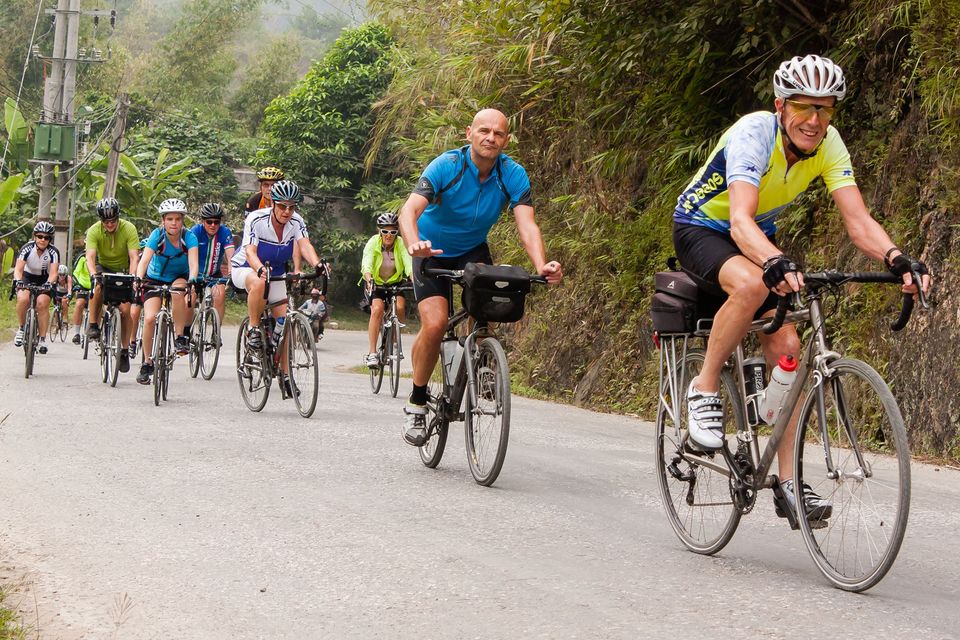
.jpg "The Epic Cycling Adventure: Rediscovering Your Soul on Two Wheels")
.jpg "The Ultimate Trekking Expedition: A Journey Beyond Boundaries")
.jpg "The Ultimate Guide to Trekking Cao Bang Vietnam: Journey Through the Realm of Mountains and Waterfalls")
.webp "Cuc Phuong National Park Day Trip")
.jpg "Pu Luong Nature Reserve: An Ethereal Journey into Vietnam’s Hidden Eden")