15 Ng. 100 Đ. Nguyễn Xiển, Thanh Xuân Nam, Thanh Xuân, Hà Nội 100000
15 Ng. 100 Đ. Nguyễn Xiển, Thanh Xuân Nam, Thanh Xuân, Hà Nội 100000
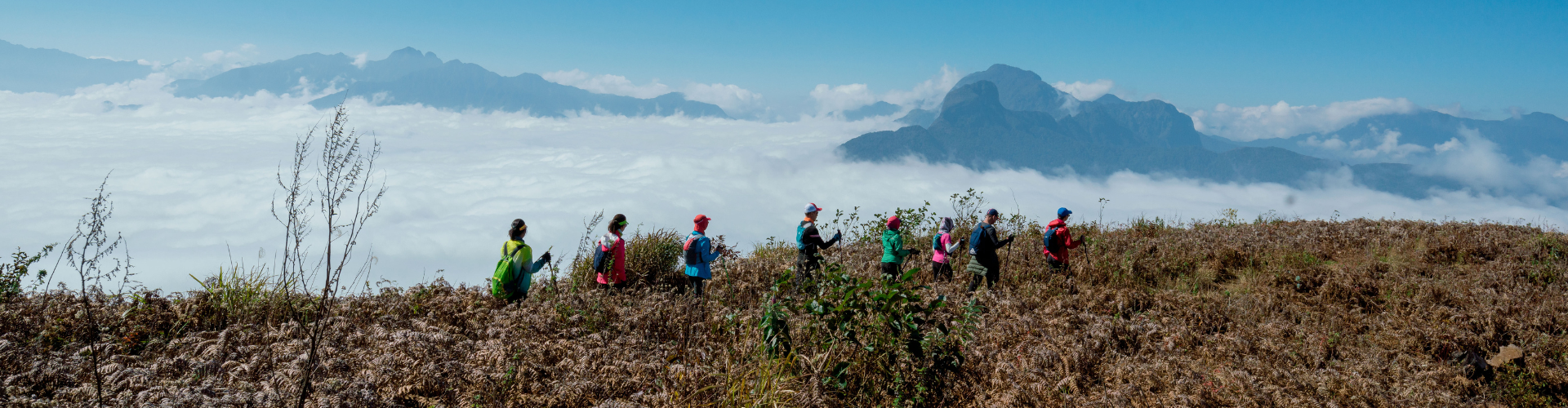
Beyond China's bustling metropolises lies a region where ancient traditions thrive amidst serene landscapes, where a resilient people have forged a unique identity, and where every dish tells a story of migration and perseverance. This is Meizhou, a city in Guangdong Province, proudly known as the "World Capital of Hakka (客家) Culture." For travelers seeking an authentic, deeply cultural, and visually captivating experience away from the well-trodden tourist paths, Meizhou offers an unparalleled window into the fascinating world of the Hakka people.
This comprehensive guide will immerse you in the vibrant tapestry of Meizhou – from its distinctive Hakka architecture and rich historical narratives to its picturesque natural beauty and renowned culinary traditions. We will also demonstrate how Golden Trail Travel can seamlessly unlock an unforgettable adventure, ensuring you discover the true essence and hidden gems of this remarkable Hakka heartland. Prepare to be enchanted by its heritage, soothed by its tranquil hills, and welcomed by its warm, community-minded spirit.
To truly appreciate Meizhou, one must understand its unique geographical setting and the compelling historical narrative that has cemented its role as the spiritual home of the Hakka people.
Meizhou is situated in the northeastern part of Guangdong Province, bordering Fujian and Jiangxi provinces. The region is predominantly mountainous, characterized by rolling hills, lush valleys, and a network of rivers, including the Mei River (from which Meizhou derives its name) and its tributaries. This topography, historically making it somewhat more isolated than coastal areas, proved to be a suitable haven for successive waves of Hakka migrants.
The most defining characteristic of Meizhou is its profound connection to the Hakka (客家) people. The term "Hakka" translates to "guest families," a name given to this Han Chinese subgroup who embarked on multiple significant migrations from northern and central China to the southern provinces over more than a thousand years, often fleeing war, famine, or political upheaval.
Waves of Migration: The Hakka's migratory history, which began as early as the Jin Dynasty (265-420 AD) and continued through the Tang, Song, Yuan, Ming, and Qing dynasties, led them to settle in the mountainous, less fertile border regions between Guangdong, Fujian, Jiangxi, and Guangxi. Meizhou, with its geographical seclusion, became a significant stronghold and a primary destination for many of these migrant groups.
Resilience and Preservation: Faced with challenges and often viewed as "outsiders" by existing populations, the Hakka developed a strong sense of community, self-reliance, and a fierce determination to preserve their distinct culture, language (Hakka dialect), and traditions. This resilience is visible in their architecture, customs, and even their cuisine.
Cultural Heartland: Meizhou's role as a major settlement area means it boasts the largest concentration of Hakka populations and the most comprehensive preservation of Hakka traditions, making it the undisputed "World Capital of Hakka Culture."
Meizhou has a long and stable administrative history. It was established as a county as early as the Southern Qi Dynasty (479-502 AD) and gained prominence as a prefecture-level city. Its strategic location meant it served as an important administrative, economic, and cultural center for the Hakka people in eastern Guangdong. It also became a hub for education, producing many influential figures throughout Chinese history.
Meizhou offers a captivating blend of unique cultural landmarks, historical sites, and tranquil natural beauty, providing a truly immersive travel experience.
The most striking visual representation of Hakka culture in Meizhou is its distinctive architecture, designed for communal living and defense. These buildings are not just structures; they are a testament to the Hakka's ingenuity, unity, and resilience.
Weilongwu (围龙屋 - Enclosed Dragon House): These are the most iconic Hakka architectural style in Meizhou. These large, often multi-family compounds are typically arranged in concentric semicircles or rectangles, resembling a coiled dragon, around a central ancestral hall and courtyard. They are built using compacted earth, brick, and timber, providing both living space and defense.
Pingshan Terraced Houses (坪山梯田围龙屋群): Located in Dapu County (within Meizhou prefecture), this area features a stunning collection of Weilongwu set against beautiful terraced fields, offering picturesque views and a glimpse into traditional Hakka rural life.
Wufenglou (五凤楼 - Five Phoenix Tower): These are grander, often multi-story rectangular or square buildings, characterized by distinct corner towers and upward-curving eaves, giving the appearance of a phoenix spreading its wings. They were typically built by wealthier Hakka families and combine residential function with strong defensive capabilities.
Dabu County (大埔县): Often considered the "Hakka Capital of China," Dabu County within Meizhou is particularly rich in well-preserved Hakka traditional villages and houses, offering some of the best examples of Weilongwu and Wufenglou architecture.
Exploring Hakka Houses: Golden Trail Travel can arrange visits to some of the best-preserved Hakka houses, offering insights into their unique layout, the history of the families who lived there, and the architectural principles behind their design. Some may even offer the chance to interact with local residents.
Beyond the traditional villages, Meizhou city itself offers cultural and historical attractions.
Ye Jianying Memorial Park (叶剑英纪念园): Dedicated to Marshal Ye Jianying, a prominent figure in Chinese Communist Party history and a Hakka native of Meizhou. The park includes a memorial hall, his former residence, and beautiful gardens, offering insights into modern Chinese history and the achievements of a Hakka son.
Meizhou Museum (梅州博物馆): Provides an excellent introduction to Meizhou's long history, its development, and, crucially, the story of the Hakka people, their migrations, customs, and unique contributions. It houses artifacts, photographs, and exhibits that offer valuable context for your explorations.
Zhenshan Pagoda (镇山宝塔): A historic pagoda located on a hill overlooking the Mei River, offering scenic views of the city and surrounding landscape. It's a testament to Meizhou's long urban history.
Meizhou's mountainous terrain offers a serene natural backdrop and opportunities for relaxation.
Fenghuangshan (凤凰山 - Phoenix Mountain): Located near Meizhou city, it's a popular spot for hiking and enjoying panoramic views. It's considered a sacred mountain by locals.
Mei River (梅江): The lifeline of the city, the Mei River offers pleasant riverside walks and cruises, providing a different perspective of Meizhou's urban and rural scenery.
Hot Springs: The region boasts several natural hot springs, offering a relaxing way to unwind after a day of exploration. Famous ones include Yannanfei Tea Garden and various resorts in the surrounding counties.
Yannanfei Tea Garden is a unique complex that combines tea cultivation, traditional Hakka culture, and leisure. It's an important site for understanding Hakka agricultural practices and their connection to nature.
Tea Plantations: Wander through picturesque tea plantations, learning about the tea cultivation process.
Hakka Culture Experience: The garden often features Hakka cultural performances, traditional architecture, and opportunities to taste local tea and Hakka snacks.
Leisure and Relaxation: With its scenic beauty and amenities, it's a perfect spot for a relaxing day trip.
Hakka cuisine is a cornerstone of their identity, known for its emphasis on savory flavors, the resourceful use of preserved ingredients, and hearty, comforting dishes often featuring pork and local vegetables. Meizhou is the perfect place to savor authentic Hakka food.
Salt-Baked Chicken (Yan Ju Ji - 盐焗鸡): A quintessential Hakka dish. Chicken is coated in a special salt mixture (often wrapped in paper) and baked, resulting in incredibly tender, aromatic, and flavorful meat. A must-try!
Braised Pork with Preserved Vegetables (Mei Cai Kou Rou - 梅菜扣肉): Succulent, melt-in-your-mouth pork belly is braised with "mei cai" (a type of dried preserved mustard greens). The dish is rich, savory, and deeply satisfying, with the preserved vegetables cutting through the richness of the pork.
Stuffed Tofu (Niang Dou Fu - 酿豆腐): A versatile and beloved Hakka dish where tofu pockets are typically stuffed with a flavorful mixture of minced pork and fish paste, then braised, fried, or steamed. The "niang" (酿) technique of stuffing is central to many Hakka dishes.
Stuffed Bitter Melon (Niang Ku Gua - 酿苦瓜) / Stuffed Peppers (Niang La Jiao - 酿辣椒): Following the "niang" technique, other vegetables like bitter melon and peppers are also commonly stuffed with meat and cooked, offering diverse textures and flavors.
Hakka Noodles (Mi Fen - 米粉) / Noodles with Braised Pork (Ban Mian - 拌面): Simple yet flavorful noodle dishes, often served with a savory broth or tossed with braised pork and green onions, reflecting the Hakka's practical and hearty approach to food.
Hakka Kejia Niang Jiu (客家娘酒 - Hakka Rice Wine): A sweet, often slightly sticky, fermented glutinous rice wine traditionally made by Hakka women, particularly during festivals or for medicinal purposes. It's a unique local beverage.
Wild Vegetable Stir-fries: Given their mountainous abodes, Hakka cuisine often incorporates various wild and seasonal vegetables, offering fresh and healthy side dishes.
Culinary Immersion: Golden Trail Travel can arrange authentic dining experiences, from local eateries to perhaps even a home-cooked meal in a Hakka village, offering a true taste of the region and insights into Hakka culinary traditions.
While Meizhou offers immense cultural rewards, navigating a less-traveled region, especially one with a distinct language and customs, can present challenges. This is where Golden Trail Travel becomes your invaluable partner, transforming your trip into a seamlessly planned, deeply insightful, and profoundly enriching adventure.
Golden Trail Travel excels in designing bespoke cultural tours that delve deep into the heart of Hakka heritage. They understand the nuances of the region and craft itineraries that go beyond standard sightseeing, allowing for genuine connection with the local culture.
Tailored to Your Interests: Whether you are primarily interested in Hakka architecture, historical migrations, traditional crafts, or authentic cuisine, Golden Trail Travel can customize a tour that perfectly aligns with your passions.
Optimal Logistics: They efficiently plan all aspects of your journey, including comfortable high-speed rail connections from major cities (like Guangzhou, Shenzhen, or Xiamen) to Meizhou, and reliable private transfers within the city and to surrounding Hakka villages.
Visit Golden Trail Travel's website at https://goldentrailtravel.com/ to explore their diverse range of tours and begin crafting your own Meizhou adventure.
A key component of a Golden Trail Travel experience in Meizhou is access to their network of expert local guides. These guides are fluent in English and possess a profound understanding of Hakka history, customs, the local dialect, and the intricate stories behind the architectural marvels.
Cultural Interpretation: Your guide will bridge language barriers and provide invaluable context, explaining the symbolism within Hakka architecture, the significance of ancestral halls, and the historical journey of the Hakka people.
Authentic Encounters: They can facilitate meaningful interactions with local Hakka residents, perhaps arranging visits to active Weilongwu where you can meet families and learn about their daily lives.
Culinary Exploration: They will lead you to the best authentic Hakka eateries, helping you navigate menus and savor the true flavors of the region.
Golden Trail Travel's local connections often allow for more intimate and exclusive experiences that enhance your understanding of Hakka culture:
In-depth Hakka House Tours: Beyond viewing from the outside, they can arrange guided tours inside well-preserved Hakka houses, offering detailed explanations of their unique structure and the communal living arrangements.
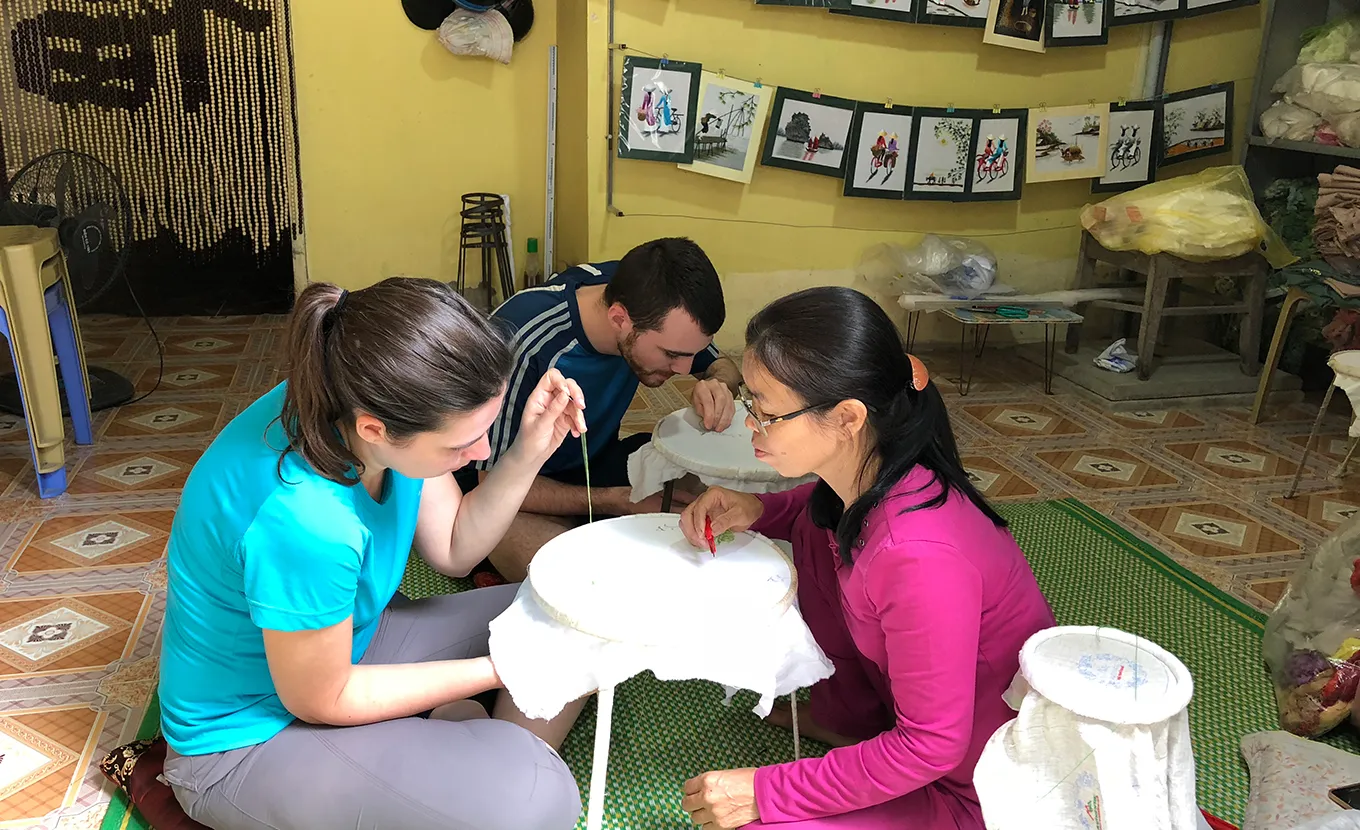
Cultural Workshops: Opportunities to witness or even participate in traditional Hakka crafts, such as tea ceremonies, traditional cooking, or learning about Hakka embroidery (subject to availability).
Off-the-Beaten-Path Discoveries: Access to charming, less-visited villages and scenic spots that offer a more authentic glimpse into rural Hakka life.
Traveling in regions that are not yet heavily developed for international tourism can sometimes present logistical challenges. Golden Trail Travel ensures your comfort and peace of mind throughout your journey:
Seamless Transportation: Arranging all ground transportation within Meizhou and transfers from your arrival point, ensuring smooth and comfortable journeys.
Quality Accommodation: Selecting reputable hotels or guesthouses that provide comfort and may offer insights into local architectural styles where appropriate.
24/7 Support: Providing continuous support and handling any unforeseen circumstances or language barriers, allowing you to relax and fully immerse yourself in the experience.
Golden Trail Travel is dedicated to promoting responsible and sustainable tourism practices. They strive to ensure that your visit to Meizhou benefits local communities, respects cultural heritage, and minimizes environmental impact, leaving a positive footprint on this unique region.
Meizhou's charm lies in its authenticity, its profound cultural depth, and its tranquil escape from the frenetic pace of modern life.
It offers an unparalleled opportunity to delve into the rich, resilient, and distinct Hakka culture, a crucial yet often overlooked part of China's diverse heritage.
The Weilongwu and Wufenglou are not just impressive structures; they are living testaments to the Hakka people's history, their communal spirit, and their determination to preserve their identity.
The rolling hills, verdant valleys, and tranquil rural scenes provide a calming backdrop for cultural exploration, perfect for leisurely strolls and enjoying fresh air.
Hakka cuisine is hearty, flavorful, and deeply rooted in tradition. Discovering its authentic dishes is a rewarding experience for any foodie, offering a taste of history.
For travelers who have already explored China's major highlights and are seeking a more unique and authentic experience, Meizhou offers a genuine sense of discovery and a refreshing change of pace.
The Hakka people are known for their strong community bonds and often extend genuine warmth and curiosity to visitors, leading to memorable and heartwarming interactions.
Q1: Where is Meizhou located in China? A1: Meizhou is a prefecture-level city located in the northeastern part of Guangdong Province, China, bordering Fujian and Jiangxi provinces.
Q2: What is Meizhou most famous for? A2: Meizhou is primarily famous as the "World Capital of Hakka Culture," renowned for its unique Hakka traditional architecture (like Weilongwu and Wufenglou), its deep historical roots, and authentic Hakka cuisine.
Q3: What unique architectural styles can I see in Meizhou? A3: Meizhou is famous for its Weilongwu (围龙屋 - Enclosed Dragon Houses), large, often semicircular or rectangular communal Hakka compounds, and Wufenglou (五凤楼 - Five Phoenix Towers), grander multi-story fortified residences. These are distinctive to Hakka communities.
Q4: How do I travel to Meizhou? A4: Meizhou is accessible by high-speed rail from major cities like Guangzhou, Shenzhen, or Xiamen (Fujian), arriving at Meizhou West Railway Station. It also has a domestic airport (Meizhou Meixian Airport). Golden Trail Travel can arrange all your transportation and transfers for a seamless journey.
Q5: What traditional Hakka dishes should I try in Meizhou? A5: You must try authentic Hakka cuisine, including Salt-Baked Chicken (Yan Ju Ji), Braised Pork with Preserved Vegetables (Mei Cai Kou Rou), Stuffed Tofu (Niang Dou Fu), and various Hakka noodle dishes. Don't forget to sample Hakka Rice Wine!
Q6: How can Golden Trail Travel enhance my trip to Meizhou? A6: Golden Trail Travel specializes in tailored Hakka cultural tours to Meizhou. They provide expert local guides who offer deep insights, handle all logistics (transport, accommodation, exclusive site access), and ensure a seamless, authentic, and unforgettable exploration of Hakka heritage.
Q7: Can Golden Trail Travel combine Meizhou with other destinations in China? A7: Yes! Golden Trail Travel can seamlessly integrate your visit to Meizhou with other Hakka cultural hubs in Guangdong or Fujian, or connect it with larger cities like Guangzhou, Shenzhen, or Xiamen, creating a comprehensive and enriching multi-destination tour.
"Our trip to Meizhou with Golden Trail Travel was truly enlightening! I've always been fascinated by the Hakka people, and exploring the Weilongwu houses firsthand was an incredible experience. Our guide was not only knowledgeable but also deeply passionate, sharing personal stories that brought the history to life. Golden Trail Travel handled every detail, making it a perfectly smooth and deeply moving cultural immersion." — Eleanor P., USA
"Meizhou was the peaceful, authentic escape I was looking for in China. The beautiful rolling hills and the tranquil atmosphere were so refreshing. Golden Trail Travel expertly organized our visit to the Pingshan Terraced Houses, which were stunning. Their efficiency and attention to detail meant I could simply relax and soak in the beauty and culture." — Marcus H., UK
"The food tour in Meizhou organized by Golden Trail Travel was a highlight of my entire trip to China! Every Hakka dish was a revelation – the Salt-Baked Chicken was divine! Beyond the gastronomy, getting to visit a local Hakka family and learn about their customs was an experience I'll cherish forever. Golden Trail Travel truly provides authentic and unforgettable cultural experiences." — Sophia L., Germany
"As a history enthusiast, I found Meizhou fascinating. The Ye Jianying Memorial Park provided crucial insights into modern Chinese history, and the Meizhou Museum beautifully curated the Hakka story. Golden Trail Travel's guides are top-notch; their deep understanding of local history made every site come alive. I highly recommend them for any cultural tour in China." — Professor Charles D., Australia
"My family and I wanted a unique cultural experience in China, and Meizhou delivered beyond our expectations. Golden Trail Travel crafted an itinerary that perfectly blended historical exploration with local interactions. The children loved the open spaces, and we all appreciated the genuine warmth of the Hakka people. It was a well-organized, safe, and truly heartwarming trip. We'll definitely use Golden Trail Travel again!" — Li Wei, Singapore
Meizhou stands as a profound testament to the resilience, ingenuity, and enduring cultural heritage of the Hakka people. It's a place where ancient traditions are not merely preserved but are a vibrant part of daily life, where unique architectural wonders tell stories of community and defense, and where serene landscapes provide a calming backdrop for cultural discovery. For travelers seeking an authentic, unhurried, and deeply cultural experience away from the bustling tourist hubs, Meizhou offers an unparalleled and rewarding journey.
To truly unlock the hidden charms and rich cultural tapestry of this Hakka heartland, an experienced and dedicated partner is indispensable. Golden Trail Travel is your trusted guide to Meizhou, offering meticulously planned tours, expert local insights, and a commitment to authentic encounters. Let them lead you through the serene beauty and profound heritage of Meizhou, where every traditional house holds a story, and your next unforgettable cultural adventure awaits.
.jpg "The Ultimate Guide to a Vietnam Bike Tour North to South: An Epic 2,000km Journey")
There is perhaps no greater physical and spiritual challenge in Southeast Asia than embarking on a Vietnam bike tour north to south. Spanning the entire length of this S-shaped nation, a trans-Vietnam cycling journey is more than just a sports activity; it is a profound exploration of a nation’s soul. From the misty, jagged peaks of the northern border to the sun-drenched, emerald waterways of the Mekong Delta, traveling at the speed of two wheels allows you to witness the dramatic transformation of landscape, culture, and climate in a way that no other form of travel can offer.
December 20, 2025
.jpg "Vietnam End to End Cycling: The Ultimate Cross-Country Odyssey")
The rhythmic whirring of a chain, the scent of blooming coffee blossoms in the highlands, and the misty silhouettes of limestone karsts at dawn—this is the reality of Vietnam end to end cycling. Spanning over 2,000 kilometers from the northern border to the southern plains, this journey is not just a bicycle tour; it is a life-marker, a profound pilgrimage through the heroic history and vibrant culture of a nation that has truly found its peace.
December 20, 2025
.jpg "Vietnam Cross Country Bike Tour: The Ultimate Guide to an Epic Journey")
Embarking on a Vietnam cross country bike tour is more than just a physical challenge; it is a profound pilgrimage through the heart and soul of Southeast Asia. Spanning over 2,000 kilometers from the misty mountain peaks of the north to the emerald-green waterways of the Mekong Delta, this journey offers a front-row seat to the dramatic evolution of a nation. Traveling at the speed of two wheels, you witness the subtle transitions of landscape, the rhythmic "Xin Chao" of rural villagers, and the historical echoes of the legendary Ho Chi Minh Trail.
December 20, 2025
Vietnam is a land of sensory overload, a place where the landscape shifts as dramatically as its history. For the global adventurer, there is no more profound way to witness this transformation than through Vietnam long distance cycling. Spanning over 2,000 kilometers from the misty peaks of the far north to the emerald-green waterways of the Mekong Delta, a cross-country journey on two wheels is a rite of passage. It is a challenge that demands physical grit, mental resilience, and a deep-seated curiosity about the soul of Indochina.
December 20, 2025
.jpg "Cycling Vietnam North to South: The Ultimate Cross-Country Odyssey")
There is perhaps no greater physical and spiritual challenge in Southeast Asia than cycling Vietnam north to south. Spanning over 2,000 kilometers, this journey is more than just a bike ride; it is a profound exploration of a nation’s soul. From the misty, jagged peaks of the northern border to the sun-drenched, emerald waterways of the Mekong Delta, traveling at the speed of two wheels allows you to witness the dramatic transformation of landscape, culture, and climate in a way that no other form of travel can offer.
December 20, 2025
.jpg "The Ultimate Vietnam Bicycle Tour Guide: Pedal Through the Soul of Indochina")
Vietnam is a country that demands to be seen at the speed of a bicycle. From the misty, jagged peaks of the far north to the emerald-green waterways of the Mekong Delta, the landscape is a constantly shifting tapestry of beauty. But beyond the scenery, it is the sensory immersion that makes a Vietnam bicycle tour so intoxicating. It is the smell of ripening rice, the rhythmic "Xin Chao" (hello) from children in remote villages, the taste of a steaming bowl of Pho at a roadside stall, and the profound sense of accomplishment after conquering a legendary mountain pass.
December 20, 2025
.jpg "Vietnam Cycling Tour: The Ultimate Guide to an Unforgettable Adventure")
The rhythm of life in Vietnam is best experienced at the speed of a bicycle. From the jagged limestone peaks of the far north to the emerald-green waterways of the Mekong Delta, the landscape is a constantly shifting tapestry of beauty. But beyond the scenery, it is the sensory immersion that makes a Vietnam cycling tour so intoxicating. It is the smell of ripening rice, the rhythmic "Xin Chao" (hello) from children in remote villages, the taste of a steaming bowl of Pho at a roadside stall, and the profound sense of accomplishment after conquering a legendary mountain pass.
December 20, 2025
.jpg "Exploring the S-Curve: The Ultimate Guide to Vietnam Bike Tours")
Vietnam is a country that demands to be seen at the speed of a bicycle. From the misty, jagged peaks of the far north to the emerald-green waterways of the Mekong Delta, the landscape is a constantly shifting tapestry of beauty. But beyond the scenery, it is the sensory immersion that makes Vietnam bike tours so intoxicating. It is the smell of ripening rice, the rhythmic "Xin Chao" (hello) from children in remote villages, the taste of a steaming bowl of Pho at a roadside stall, and the profound sense of accomplishment after conquering a legendary mountain pass.
December 20, 2025
.jpeg "The Ultimate Adventure: Why Choosing the Best Ho Chi Minh Trail Cycling Tour Operator is Your Key to an Epic Journey")
The Ho Chi Minh Trail is more than just a road; it is a legendary labyrinth of history, a logistical masterpiece of the 20th century, and today, arguably the most prestigious long-distance cycling route in Southeast Asia. For adventurers looking to conquer the "Blood Vessel of Vietnam," the journey spans over 2,000 kilometers of rugged terrain, misty mountain passes, and dense tropical jungles. However, because of its remote nature and historical complexity, the success of your expedition depends entirely on one factor: selecting the best Ho Chi Minh Trail cycling tour operator.
December 20, 2025
.jpg "Navigating the Legend: A Comprehensive Guide to the Ho Chi Minh Trail Cycling Tour Vietnam Price")
Embarking on a journey along the Ho Chi Minh Trail is not merely a holiday; it is a pilgrimage through the heroic history and untamed beauty of Southeast Asia. Once a clandestine network of jungle paths and rugged mountain tracks used by North Vietnamese forces during the American War, it has today transformed into one of the most prestigious long-distance cycling routes on the planet. For many adventurers, the primary question before clipping into the pedals is: what is the Ho Chi Minh Trail cycling tour Vietnam price?
December 20, 2025
.jpeg "Exploring the Legend: Why You Should Book Ho Chi Minh Trail Cycling Tour Today")
The Ho Chi Minh Trail is more than just a road; it is a legendary artery that pulsates with the history of a nation’s resilience. Once a clandestine network of jungle paths and rugged mountain tracks used by North Vietnamese forces during the American War, it has today transformed into one of the most prestigious long-distance cycling routes in Southeast Asia. For those with a thirst for adventure and a desire to see the "real" Vietnam, to book Ho Chi Minh Trail cycling tour is to embark on a transformative experience that combines physical endurance with profound cultural discovery.
December 20, 2025
.jpg "Understanding the Ho Chi Minh Trail Cycling Tour Price: A Comprehensive Value Guide for Adventurers")
The Ho Chi Minh Trail is not just a road; it is a legendary artery that pulsates with the history of a nation’s resilience. Once a clandestine network of jungle paths and rugged mountain tracks, it has today transformed into one of the most prestigious long-distance cycling routes in Southeast Asia. However, for most travelers, the primary question before embarking on this 2,000-kilometer odyssey is: what is a fair Ho Chi Minh Trail cycling tour price?
December 20, 2025
.jpeg "The Ultimate Guide to the Best Time for Ho Chi Minh Trail Cycling: Planning Your Legendary Journey")
The Ho Chi Minh Trail is not just a road; it is a legendary artery of history that winds through the most rugged and beautiful landscapes of Southeast Asia. Stretching from the northern mountains near Hanoi, through the remote Truong Son range, and down into the high-altitude plateaus of the Central Highlands, it is a bucket-list destination for every serious cyclist. However, given Vietnam’s complex geography and diverse climate zones, timing is everything. Choosing the best time for Ho Chi Minh Trail cycling can mean the difference between a sun-drenched epic and a grueling battle against the elements
December 20, 2025
.jpeg "Conquering the Legend: A Deep Dive into Ho Chi Minh Trail Cycling Difficulty")
The Ho Chi Minh Trail is more than just a road; it is a legendary artery of history that stretches through the rugged spine of Vietnam. For the modern adventure cyclist, the name alone evokes images of misty mountain passes, dense tropical jungles, and a test of endurance like no other. But before you clip in and head south, the most common question arises: what is the actual Ho Chi Minh Trail cycling difficulty?
December 20, 2025
.jpg "Navigating Legend: The Comprehensive Ho Chi Minh Trail Cycling Route Map and Adventure Guide")
The Ho Chi Minh Trail is not merely a path on a map; it is a legendary labyrinth of history, a logistical masterpiece of the 20th century, and today, arguably the most prestigious long-distance cycling route in Southeast Asia. For adventurers looking to conquer the "Blood Vessel of Vietnam," understanding the Ho Chi Minh Trail cycling route map is the first step toward a life-changing expedition. This journey takes you from the misty limestone karsts of the north through the rugged Truong Son mountain range and into the high-altitude coffee plateaus of the Central Highlands.
December 20, 2025
.jpg "The Ultimate Ho Chi Minh Trail Cycling Itinerary: A Journey Through History and Landscape")
For those who seek the path less traveled, the Ho Chi Minh Trail represents the holy grail of adventure. Once a clandestine network of jungle paths and rugged mountain tracks used by North Vietnamese forces during the American War, it has today transformed into one of the most prestigious long-distance cycling routes in Southeast Asia. Engaging in a Ho Chi Minh Trail cycling itinerary is a transformative experience that allows travelers to witness the breathtaking evolution of a country from a theater of conflict to a corridor of peace and natural splendor.
December 20, 2025
.jpg "The Ultimate Guide to a Ho Chi Minh Trail Multi-Day Cycling Tour: Pedal Through History and Nature")
The Ho Chi Minh Trail is arguably the most legendary road in Southeast Asia. Once a clandestine network of jungle paths, mountain passes, and river crossings used by North Vietnamese forces during the American War, it has today been reclaimed by nature and history to become a world-class cycling destination. For the modern adventurer, embarking on a Ho Chi Minh Trail multi-day cycling tour is not just about the physical challenge of traversing 2,000 kilometers; it is a profound journey through a landscape that has transitioned from a theater of conflict to a corridor of peace, resilience, and breathtaking natural beauty.
December 20, 2025
.jpg "The Epic 14-Day Ho Chi Minh Trail Cycling Odyssey: A Journey Through Vietnam’s Heroic Past and Stunning Present")
The Ho Chi Minh Trail is not merely a road; it is a legendary monument to human resilience, a logistical miracle of the 20th century, and now, arguably the most prestigious long-distance cycling route in Southeast Asia. For those with a thirst for adventure and a desire to see the "real" Vietnam, a Ho Chi Minh Trail cycling 14 days expedition is the ultimate bucket-list item. This two-week journey takes you from the bustling streets of the north, through the rugged Truong Son mountain range, and down into the sun-drenched valleys of the central and southern regions.
December 20, 2025
.jpg "Ho Chi Minh Trail Cycling 10 Days: The Ultimate Adventure Through Vietnam’s Heroic Heart")
The Ho Chi Minh Trail is not merely a path on a map; it is a legendary monument to human resilience, a logistical miracle of the 20th century, and today, one of the most prestigious long-distance cycling routes in the world. For adventurers seeking a profound connection with history and nature, a Ho Chi Minh Trail cycling 10 days expedition offers the perfect balance. It is long enough to immerse yourself in the rugged landscapes of the Truong Son mountain range but focused enough to cover the most iconic highlights of Central Vietnam and the Highlands.
December 19, 2025
.jpg "7 Days on the Legend: The Ultimate Ho Chi Minh Trail Cycling Experience")
The Ho Chi Minh Trail is not merely a path on a map; it is a legendary monument to human resilience, a logistical miracle of the 20th century, and now, arguably the most prestigious long-distance cycling route in Southeast Asia. For many, the full 2,000-kilometer odyssey from Hanoi to Ho Chi Minh City is a dream that requires weeks of commitment. However, for those with limited time but an unlimited appetite for adventure, a Ho Chi Minh Trail cycling 7 days expedition offers the perfect "best-of" experience, focusing on the most dramatic mountain passes, historical landmarks, and cultural heartlands of Central Vietnam.
December 19, 2025