15 Ng. 100 Đ. Nguyễn Xiển, Thanh Xuân Nam, Thanh Xuân, Hà Nội 100000

15 Ng. 100 Đ. Nguyễn Xiển, Thanh Xuân Nam, Thanh Xuân, Hà Nội 100000
In a world increasingly driven by speed and sensation, there are still pockets of tranquility that invite you to slow down, breathe deeply, and reconnect with nature's gentle rhythms. On the northern coast of Bali, far removed from the vibrant chaos of Seminyak or the spiritual buzz of Ubud, lies such a place: Lovina. This charming stretch of black sand beaches and quiet villages offers a refreshing antithesis to the island's bustling south, providing a haven of authentic Balinese serenity, where the dawn chorus is often accompanied by the playful splashes of wild dolphins.
Lovina isn't about thumping nightclubs or designer boutiques; it's about early morning boat rides on calm, crystal-clear waters, witnessing breathtaking sunrises painting the sky over volcanic sands, and immersing yourself in a local culture that remains largely untouched by mass tourism. It's a place where the smiles are genuine, the pace is leisurely, and the unique allure of Bali's northern landscape truly shines. From therapeutic hot springs and majestic waterfalls to serene Buddhist monasteries and vibrant underwater worlds, Lovina promises a diverse and deeply rewarding experience for the discerning traveler.
This comprehensive guide will lead you into the gentle embrace of Lovina, exploring its unique geological beauty, its iconic marine encounters, its rich cultural tapestry, and its role as a peaceful base for discovering the hidden gems of North Bali. Whether you seek quiet contemplation, adventurous exploration, or simply a true taste of authentic Balinese life, prepare to be captivated by the understated elegance and profound tranquility of Lovina.
Lovina is not a single village but rather a string of seven traditional villages (Kaliasem, Kalibukbuk, Anturan, Tukad Mungga, Umeanyar, Pemaron, and Temukus) stretching approximately 8 kilometers along the coastline of North Bali. This unique composition contributes to its laid-back and dispersed atmosphere.
Geographically, Lovina is situated on Bali's northern coast, facing the Bali Sea. This location inherently sets it apart from the southern tourist hubs:
Calmer Waters: Unlike the often-turbulent waves of the Indian Ocean in the south, the Bali Sea here is typically calm and clear, making it ideal for swimming, snorkeling, and gentle boat trips.
Less Developed: The infrastructure is less commercialized, with smaller, more intimate hotels and guesthouses. This means fewer crowds, less traffic, and a more relaxed pace of life.
Authentic Charm: Lovina retains a strong sense of local community and traditional Balinese village life. Fishermen still head out in their traditional jukungs (outrigger canoes) at dawn, and daily rituals are an integral part of the rhythm.
The air in Lovina feels different – perhaps it's the gentle sea breeze, perhaps it's the absence of constant motorbikes, or perhaps it's simply the pervasive sense of peace that encourages you to unwind and truly experience the moment.
One of Lovina's most distinctive features is its unique black sand beaches. These aren't the golden or white sands found elsewhere; instead, they are composed of dark, volcanic sand, a testament to Bali's fiery geological origins.
Unique Beauty: The black sand creates a dramatic contrast with the turquoise sea and the vibrant green of the tropical foliage. It absorbs heat more readily, so while it can get warm underfoot during the day, it adds to the unique visual appeal.
Spectacular Sunsets: The black sand, combined with the westward-facing coastline, creates incredibly vibrant and often surreal sunsets. As the sun dips below the horizon, the sky explodes in fiery oranges, purples, and reds, reflected dramatically on the dark, wet sand – a photographer's dream.
Calm and Inviting: The calm waters make the beaches perfect for swimming, especially for families with children, or simply relaxing by the shore.
Interestingly, Lovina was one of the very first areas in Bali to develop as a tourist destination in the 1960s. This was thanks to a local visionary, Anak Agung Panji Tisna, a former regent of Buleleng, who, after traveling abroad, saw the potential for tourism in his hometown while ensuring it developed sustainably and integrated with local culture. The name "Lovina" itself is believed to be derived from the words "Love Indonesia," reflecting his vision for the area. This early, conscious development has helped Lovina maintain its charm and avoid the over-commercialization seen in some other parts of Bali.
Lovina's tourism is largely driven by local entrepreneurs and families. Many boat captains, guesthouse owners, and restaurant staff are locals, providing an authentic and friendly experience. This community-focused approach means visitors often feel more like welcomed guests than mere tourists, fostering genuine connections.
The single most iconic attraction in Lovina, drawing visitors from across the globe, is the unforgettable experience of watching wild dolphins at sunrise.
Each morning, long before the sun makes its grand appearance, hundreds of small traditional outrigger canoes, known as jukungs, dot the horizon. Their mission: to seek out the playful pods of wild dolphins that frequent Lovina's calm waters. This ritual has been a cornerstone of Lovina's tourism for decades, offering a magical encounter with marine life.
While incredibly popular, the ethics of dolphin watching tours have become a topic of discussion. The sheer number of boats chasing the dolphins has, at times, led to concerns about disturbing their natural behavior.
Choosing Ethical Operators: It is crucial to choose a responsible tour operator. Look for guides who:
Maintain a respectful distance from the dolphins.
Do not chase or surround the pods.
Limit the time spent with each pod.
Educate passengers on dolphin behavior and conservation.
Prioritize the dolphins' well-being over a perfect photo opportunity.
Golden Trail Travel's Commitment: Golden Trail Travel is committed to sustainable and responsible tourism. When booking a dolphin watching tour through them (https://goldentrailtravel.com/), you can be assured that they partner with local operators who adhere to ethical guidelines, prioritizing the welfare of the dolphins and the marine environment. They aim to provide an awe-inspiring experience that respects wildlife.
The dolphin watching tour typically begins around 5:30 AM, just as the sky begins to lighten.
Traditional Jukungs: You'll embark on a traditional wooden outrigger canoe, often with a colorful sail. The gentle rocking of the jukung as it glides through the calm pre-dawn waters is incredibly peaceful.
The Chase: As the sun begins to peek over the eastern horizon, painting the clouds in fiery hues, your boat captain will expertly navigate, scanning the water for signs of dolphin activity. Once a pod is spotted, a gentle "chase" might ensue, as boats try to position themselves to witness the dolphins.
Playful Pods: Witnessing pods of spinner and bottlenose dolphins leaping, twirling, and playing in their natural habitat, often just meters from your boat, is an exhilarating sight. Their sleek bodies slicing through the water, their joyful clicks and whistles, and their seemingly effortless aerial acrobatics are truly captivating.
Sunrise Spectacle: Simultaneously, you'll be treated to one of Bali's most beautiful sunrises, with the sky ablaze with color and the distant volcanic peaks forming a dramatic backdrop. The combination of the sunrise and the dolphins creates a truly magical and unforgettable start to your day.
Beyond Dolphins: Snorkeling: Many dolphin tours include a stop for snorkeling after the dolphin watching. The calm, clear waters of Lovina are perfect for this, allowing you to explore the colorful coral reefs and diverse marine life just offshore.
This dawn encounter is a quintessential Lovina experience, offering a blend of natural wonder, exhilarating wildlife observation, and serene beauty.
Beyond the dolphin encounters, Lovina's calm waters offer excellent opportunities for underwater exploration, whether you're a beginner snorkeler or an experienced diver.
The absence of strong currents and large waves makes Lovina's coastline particularly suitable for snorkeling and diving, especially for:
Beginners: First-timers can feel comfortable and safe exploring the shallow reefs.
Families: Children can safely enjoy swimming and snorkeling close to shore.
Relaxed Diving: It's a great spot for leisurely dives, focusing on marine life observation rather than challenging currents.
While some areas might have experienced coral degradation in the past, significant efforts are underway for coral rehabilitation.
Biorock Projects: Lovina is home to several Biorock projects, which use low-voltage electricity to accelerate coral growth, creating artificial reefs that attract marine life. Snorkeling or diving these sites allows you to witness these conservation efforts firsthand.
Diverse Marine Life: The reefs, both natural and artificial, attract a variety of reef fish, sea turtles, moray eels, and vibrant nudibranchs, making for engaging underwater photography.
Several local dive sites are easily accessible from Lovina, perfect for half-day trips:
Lovina Reefs: Numerous shallow reefs just offshore, ideal for snorkeling and introductory dives.
Puri Jati (PJ) Dive Site: A popular muck diving site near Lovina, famous for its unique macro marine life like frogfish, seahorses, and various crustaceans, appealing to underwater photographers.
For serious divers, Lovina also serves as a convenient base for exploring some of Bali's most renowned dive sites, often reachable as day trips or short overnight excursions.
Pemuteran (Approx. 1.5-2 hours drive west):
Gentle Bay: A calm, sheltered bay known for its rich biodiversity and excellent macro diving.
Biorock Project: Pemuteran hosts the world's largest Biorock coral reef restoration project, a fascinating dive site showcasing successful conservation.
Manta Point: Often accessible from Pemuteran, offering opportunities to spot majestic manta rays (seasonal).
Menjangan Island (Approx. 2 hours drive + boat ride):
Part of West Bali National Park: This protected island offers pristine conditions and some of Bali's best wall diving.
Spectacular Walls: Famous for dramatic drop-offs adorned with vibrant soft and hard corals, giant gorgonian fans, and sponges.
Diverse Marine Life: Expect to see reef sharks, barracudas, large schools of fish, sea turtles, and an incredible array of colorful reef inhabitants.
Land Animals: The island is also home to Javan Rusa deer, which can often be seen by the shore, hence the name "Deer Island."
Clarity: Menjangan's waters are known for their exceptional clarity, offering excellent visibility.
Exploring these underwater realms from Lovina provides a refreshing perspective on Bali's natural beauty, showcasing the island's commitment to marine conservation and its rich biodiversity. Golden Trail Travel can arrange ethical dolphin tours and snorkeling/diving trips, including full-day excursions to Pemuteran or Menjangan Island, ensuring a safe and memorable underwater adventure.
Lovina's allure extends far beyond its famous dolphins and tranquil beaches. The surrounding area is rich in cultural sites, natural wonders, and opportunities to connect with local life.
Perched on a hillside overlooking the ocean, just a short drive from Lovina, is Brahma Vihara Arama Banjar. This is Bali's largest Buddhist monastery and a serene, beautiful place of worship and contemplation.
Unique Architecture: The monastery features a blend of Balinese and Buddhist architectural styles, with intricate carvings, colorful murals, and golden stupas reminiscent of Borobudur in Central Java.
Peaceful Gardens: Wander through tranquil gardens, past meditation rooms, and observe the beautiful statues of Buddha.
Bodhi Tree: A sacred Bodhi tree, a descendant of the tree under which Buddha attained enlightenment, adds to the spiritual ambiance.
Panoramic Views: From its elevated position, the monastery offers stunning panoramic views of the surrounding rice fields, hills, and the Bali Sea.
Meditation: It’s a peaceful place for personal reflection and meditation, inviting visitors to soak in the calm atmosphere.
A short distance from the monastery lies Banjar Hot Springs, a natural thermal spring known for its therapeutic sulfurous waters.
Healing Properties: The warm, mineral-rich waters are believed to have healing properties for skin conditions and muscle aches.
Lush Setting: The springs are set amidst lush tropical gardens, with stone carved dragon spouts feeding the tiered pools.
Public and Private Pools: There are several public pools, including a larger one for swimming and smaller, warmer pools for soaking. Some private bathing areas are also available.
Relaxation: It's a wonderful place to relax and rejuvenate after a day of exploring or trekking, offering a unique local spa experience.
North Bali is famed for its stunning waterfalls, offering refreshing retreats and breathtaking natural beauty.
Gitgit Waterfall (Approx. 30-45 min drive south of Lovina):
One of Bali's Most Famous: A powerful, multi-tiered waterfall cascading into a natural pool, surrounded by lush tropical rainforest.
Accessible: Relatively easy access with a well-maintained path, though it involves some stairs.
Bathing: You can swim in the refreshing pool at the base of the falls.
Sekumpul Waterfall (Approx. 1.5-2 hours drive southeast of Lovina):
"Seven Waterfalls": Often hailed as Bali's most beautiful waterfall complex, Sekumpul comprises multiple powerful cascades tumbling down cliffs into a dramatic valley.
Adventurous Trek: Reaching the base of all falls requires a challenging but incredibly rewarding trek through rice fields, lush jungle, and across rivers. Local guides are highly recommended for this trek.
Unforgettable Views: The sheer scale and beauty of Sekumpul are awe-inspiring, offering incredible photo opportunities.
Munduk Waterfall (Approx. 1 hour drive southwest of Lovina):
Serene and Picturesque: A beautiful, less crowded waterfall surrounded by coffee and clove plantations.
Pleasant Walk: The walk to Munduk waterfall is through scenic rural landscapes.
Cool Climate: The Munduk area is known for its refreshing cool climate, perfect for trekking.
For a true taste of local life, explore Lovina's traditional markets and the surrounding villages.
Seririt Market (Pasar Seririt): A bustling traditional market, a short drive from Lovina, where locals buy fresh produce, spices, meat, fish, and household goods. It's a vibrant sensory experience and a great place to observe daily Balinese life away from tourist traps.
Singaraja (North Bali's Former Capital): Explore the colonial architecture and historical sites of Singaraja, Bali's former capital, offering a glimpse into its past as a major trading port.
Rice Terraces: Scenic drives through the rolling hills around Lovina reveal beautiful terraced rice fields, offering picturesque views and insights into Bali's agricultural heartland.
Exploring Local Villages: Take a leisurely walk or bike ride through the smaller villages around Lovina to observe traditional houses, daily routines, and the warmth of the local people.
These attractions provide a diverse range of experiences, ensuring that a visit to Lovina is much more than just a dolphin encounter. Golden Trail Travel can help you tailor excursions to these sites, providing comfortable transportation and knowledgeable guides for a truly enriching exploration of North Bali.
Lovina's culinary scene is a delightful reflection of its coastal location and authentic Balinese character, with an emphasis on fresh ingredients and local flavors.
Given its identity as a fishing village, fresh seafood is a highlight of dining in Lovina.
Grilled Fish (Ikan Bakar): Indulge in freshly caught snapper, barracuda, or tuna, simply grilled with a touch of Balinese spices and served with rice and sambal (chili sauce).
Seafood Warungs: Look for beachfront warungs or local eateries where you can often choose your fish directly from the day's catch. The simplicity allows the fresh flavors to shine.
Lovina is dotted with countless small, family-run warungs serving delicious and affordable Balinese and Indonesian dishes.
Nasi Campur: A quintessential Indonesian dish, featuring a plate of rice surrounded by small portions of various side dishes like shredded chicken, vegetables, tempeh, and a fried egg.
Mie Goreng / Nasi Goreng: Classic Indonesian fried noodles and fried rice, available everywhere and always a satisfying choice.
Sate Lilit: Minced fish or chicken mixed with grated coconut, rich spices, and wrapped around lemongrass sticks before grilling – a Balinese specialty.
Bebek Betutu: While more famously from Ubud, some restaurants in Lovina may offer this slow-cooked, intensely flavorful duck dish.
Dining at these local warungs offers an authentic culinary experience and a chance to interact with friendly locals.
While the focus is on local fare, Lovina also has a growing number of restaurants catering to international tastes, offering Western dishes, pizza, pasta, and other Asian cuisines. These are often found along the main road of Kalibukbuk.
North Bali, particularly around the Munduk region (accessible from Lovina), is known for its coffee plantations.
Freshly Brewed Coffee: Many cafes and guesthouses in Lovina will serve local Balinese coffee.
Kopi Luwak (Civet Coffee): For the adventurous coffee connoisseur, you might find places offering Kopi Luwak, a unique and expensive coffee processed through the digestive system of civet cats. Ethical concerns around the production of Kopi Luwak exist, so choose producers carefully or avoid it if you're uncomfortable.
The culinary journey in Lovina is relaxed and flavorful, inviting you to savor the fresh produce and authentic tastes of North Bali.
Lovina's tranquil atmosphere is perfect for unwinding, but it also offers a range of activities to keep you engaged.
The black sand beaches of Lovina offer front-row seats to spectacular sunsets. Find a comfortable spot on the beach, perhaps with a cool drink in hand, and watch as the sky transforms into a canvas of fiery colors, reflected dramatically on the dark, wet sand. It's a daily ritual not to be missed.
The peaceful environment of Lovina is increasingly attracting yoga enthusiasts and wellness seekers.
Yoga Retreats: Several guesthouses and resorts now offer dedicated yoga studios or wellness programs.
Meditation: The serene surroundings, including the Buddhist monastery, are conducive to meditation and inner peace.
Immerse yourself in Balinese culture by taking a traditional cooking class. Learn to prepare classic dishes, understand local ingredients, and bring the flavors of Bali back home with you. Many guesthouses or dedicated cooking schools offer these engaging experiences.
Relaxation is key in Lovina. Indulge in a traditional Balinese massage at your resort or a local spa. The therapeutic techniques and natural essential oils will melt away any tension, leaving you refreshed and rejuvenated.
Experience life as a local fisherman by joining a traditional fishing trip. Head out with the jukungs during the day or evening, learn traditional fishing techniques, and perhaps even catch your own dinner. It's a unique way to connect with the local community and the sea.
Rent a bicycle or a motorbike and explore the quiet roads and pathways winding through the rice fields, villages, and coastal areas around Lovina. It's a fantastic way to discover hidden gems and enjoy the fresh air at your own pace.
Lovina encourages a slower, more mindful approach to travel, where relaxation and authentic engagement take precedence.
Lovina offers a diverse range of accommodation options, catering to various budgets and preferences, all typically characterized by a more intimate and personal feel than the larger resorts in South Bali.
Budget-Friendly Guesthouses: Numerous homestays and guesthouses offer clean, comfortable rooms at very affordable prices, often run by local families, providing a warm and personal touch.
Mid-Range Hotels & Resorts: You'll find a good selection of small to medium-sized hotels and resorts, many with swimming pools, gardens, and restaurants, offering excellent value for money.
Boutique Villas: For those seeking more privacy and luxury, there are beautiful private villas available, often with their own pools and stunning views, perfect for couples or families.
Eco-Friendly Stays: Reflecting North Bali's focus on nature, some accommodations emphasize eco-friendly practices and sustainable tourism.
Seaside: Staying directly on or very close to the beach means easy access to dolphin tours, snorkeling, and stunning sunsets. These options provide refreshing sea breezes and the sound of gentle waves.
Inland (a few minutes drive from the coast): Some beautiful villas and resorts are nestled slightly inland, offering more seclusion, often with lush garden settings, rice field views, and a quieter atmosphere. They typically provide shuttle services to the beach.
Regardless of your choice, Lovina's accommodation options are designed to enhance your peaceful retreat, providing a comfortable base for exploring the region. It's advisable to book your accommodation in advance, especially during peak seasons. Many tours with Golden Trail Travel can include or assist with accommodation arrangements, ensuring you find the perfect place for your stay.
Preparing for your trip to Lovina involves understanding the best ways to get there, navigate the area, and make the most of your time.
From South Bali (Ngurah Rai International Airport - DPS):
Private Driver/Taxi: The most common and convenient way. The journey takes approximately 2.5-3.5 hours, depending on traffic and your specific destination in Lovina. Prices vary, but agree on the fare beforehand.
Perama Bus: A more budget-friendly option. Perama operates shuttle buses between major tourist areas (like Kuta, Ubud, Sanur) and Lovina. It's slower but much cheaper.
Motorbike/Scooter: For adventurous travelers, renting a scooter from South Bali and driving north is an option, offering flexibility. Be aware of the winding mountain roads (e.g., through Bedugul) and ensure you have proper international driving permits and experience.
From Java (Gilimanuk Ferry Port):
If you're coming from Java, you'll take a ferry from Ketapang (East Java) to Gilimanuk (West Bali). From Gilimanuk, Lovina is about a 2-3 hour drive by private car or public bus.
Walking: Lovina is spread out, but within each village (like Kalibukbuk), walking is pleasant for exploring shops, restaurants, and the beach.
Scooter Rental: The most popular way for independent travelers to get around Lovina and explore nearby attractions like the hot springs or monastery. Rentals are widely available. Ensure you're comfortable riding, wear a helmet, and have an international driving permit.
Bicycle Rental: A relaxed way to explore the local area, especially the quieter backroads and rice fields.
Private Driver: For longer excursions (e.g., to waterfalls, Pemuteran, or Menjangan Island), hiring a private car with a driver for a half-day or full-day is highly recommended. This offers comfort, convenience, and local insights. Golden Trail Travel can arrange reliable and experienced drivers.
Ojek (Motorbike Taxi): Local motorbike taxis are available for short distances.
The dry season (April to October) is generally considered the best time to visit Lovina.
Dry Season: Expect sunny days, lower humidity, and calmer seas, ideal for dolphin watching, snorkeling, diving, and exploring outdoor attractions. Water visibility for diving and snorkeling is typically at its best.
Shoulder Seasons (April & October): These months can also be good, with fewer crowds and generally pleasant weather, though there might be occasional showers.
Wet Season (November to March): Characterized by higher rainfall, which can lead to occasional strong winds and rougher seas (though still calmer than the south). While green and lush, some outdoor activities might be affected by rain, and visibility for diving/snorkeling might decrease. However, waterfalls are at their most powerful.
General Safety: Lovina is generally very safe. Use common sense, secure your belongings, and be aware of your surroundings.
Ocean Safety: Always follow your guide's instructions during boat trips and snorkeling. Be mindful of currents if swimming far offshore, though Lovina's waters are usually very calm.
Scooter Safety: If renting a scooter, wear a helmet, drive cautiously, and ensure you have appropriate insurance.
Sun Protection: The tropical sun is strong. Use high-SPF sunscreen, wear a hat, and stay hydrated.
Mosquitoes: Bring insect repellent, especially for evenings or if visiting lush, green areas.
Language: Bahasa Indonesia is the national language, and Balinese is the local language. English is widely spoken in tourist areas (hotels, restaurants, tour operators). Learning a few basic Indonesian phrases is always appreciated.
Currency: Indonesian Rupiah (IDR). ATMs are available, and credit cards are accepted in most hotels and larger restaurants. Always have some cash for smaller purchases at local warungs or markets.
While Lovina's charm lies in its laid-back atmosphere, navigating its attractions, securing ethical tours, and seamlessly integrating it into a broader Bali itinerary can be made significantly easier and more rewarding with expert assistance. This is where Golden Trail Travel becomes your invaluable partner for an unforgettable Lovina experience.
Golden Trail Travel specializes in crafting immersive, seamless, and authentic travel experiences throughout Indonesia, with a keen focus on cultural depth and responsible tourism. They understand the unique allure of North Bali and Lovina, ensuring your visit is not just pleasant but truly enriching and hassle-free.
Golden Trail Travel offers comprehensive services that include:
Ethical Dolphin Watching Tours: They partner with local boat operators committed to responsible tourism guidelines, ensuring your dolphin encounter is respectful of the marine wildlife.
Customized Itineraries: Whether you desire a dedicated Lovina retreat or wish to combine it with adventures in other parts of Bali (like Ubud, Munduk, or even East Java's volcanoes), Golden Trail Travel can tailor a perfect itinerary to your interests, pace, and budget.
Seamless Transfers: Enjoy comfortable and reliable private transportation services to and from Lovina from any part of Bali, including airport pickups and inter-region transfers, allowing you to relax and enjoy the scenic journey.
Expert Local Guides: Benefit from the insights of knowledgeable, English-speaking guides who can lead you through cultural sites, explain Balinese traditions, and introduce you to the hidden gems of North Bali.
Curated Excursions: They can arrange snorkeling and diving trips (including to Menjangan Island), visits to hot springs and waterfalls, cooking classes, or traditional fishing experiences, ensuring you experience the best of what Lovina offers.
Accommodation Assistance: They can assist with booking the most suitable accommodation in Lovina, from charming seaside resorts to secluded villas, ensuring your stay is comfortable and aligns with your preferences.
All-Inclusive Logistics: From coordinating specific tour times to managing all necessary permits and entrance fees, Golden Trail Travel handles all the details, allowing you to fully immerse yourself in Lovina's tranquil ambiance.
Don't miss the opportunity to discover the serene beauty and authentic charm of North Bali. Let Golden Trail Travel unlock the magic of Lovina, providing the seamless and enriching experience you need for a truly unforgettable Balinese adventure.
Visit their website today to explore their diverse range of Bali tours, including personalized options for Lovina, and easily book your journey to this tranquil paradise: https://goldentrailtravel.com/
"Lovina was a breath of fresh air after the crowds of South Bali. The dolphin watching at sunrise was truly magical, and we appreciated that Golden Trail Travel worked with ethical boat captains. Our entire North Bali tour was perfectly organized by them, from transfers to our visit to Brahma Vihara Arama. Highly recommend their professional and thoughtful service!" — Sarah K., Germany
"We absolutely loved our stay in Lovina! The black sand beaches were beautiful, and the snorkeling was surprisingly good. We booked a full-day tour to Gitgit and Sekumpul Waterfalls with Golden Trail Travel, and it was one of the highlights of our trip. Our guide was fantastic, and the waterfalls were breathtaking. Their website was super easy to use for booking." — Liam C., Australia
"If you're looking for an authentic, peaceful Bali experience, Lovina is it. We enjoyed the calm pace, the delicious fresh seafood, and the therapeutic hot springs. For our transfers from Ubud and local excursions, we relied on Golden Trail Travel. Everything was seamless and comfortable, allowing us to truly relax and soak in the culture. Fantastic service!" — Emily R., Canada
"My dive trip to Menjangan Island from Lovina, organized by Golden Trail Travel, was incredible! The corals were pristine, and the visibility was amazing. They also arranged a lovely cooking class for us in Lovina itself. Their attention to detail and commitment to responsible tourism really stood out. I wouldn't hesitate to book with them again for future Bali adventures." — David P., USA
"Lovina offered the perfect blend of relaxation and soft adventure. The morning dolphin trip, followed by snorkeling, was amazing. We also loved exploring the local markets. Golden Trail Travel's team was very responsive and helpful in planning our itinerary. They ensured a smooth and enjoyable experience from start to finish. Highly recommend their services for North Bali!" — Maria S., Netherlands
Q1: What is Lovina famous for? A1: Lovina is most famous for its sunrise dolphin watching tours, its unique black sand beaches of volcanic origin, and its tranquil, laid-back atmosphere as a peaceful alternative to South Bali. It's also known for snorkeling, diving, and nearby cultural sites like the Brahma Vihara Arama Buddhist monastery and Banjar Hot Springs.
Q2: Where is Lovina located in Bali? A2: Lovina is located on the northern coast of Bali, facing the Bali Sea, in the Buleleng Regency.
Q3: How do I get to Lovina from Bali's airport (Denpasar - DPS)? A3: The most common way is by private taxi or hired car with a driver, which takes approximately 2.5-3.5 hours. Shuttle buses (like Perama) are also available as a more budget-friendly option.
Q4: Is the dolphin watching in Lovina ethical? A4: While popular, there have been past concerns about the number of boats. It's crucial to choose responsible tour operators who maintain a respectful distance from the dolphins, do not chase them aggressively, and prioritize their well-being. Golden Trail Travel partners with ethical local operators who adhere to these guidelines.
Q5: What are the black sand beaches like in Lovina? A5: Lovina's beaches are distinctive due to their dark, volcanic sand. They are generally calm and good for swimming, and they offer particularly stunning sunsets where the colors of the sky are dramatically reflected on the wet sand.
Q6: What can I do in Lovina besides dolphin watching? A6: Beyond dolphins, you can enjoy snorkeling and diving (including local reefs and nearby world-class sites like Menjangan Island), visit Brahma Vihara Arama Buddhist monastery, relax at Banjar Hot Springs, explore magnificent waterfalls (Gitgit, Sekumpul, Munduk), visit local markets, enjoy fresh seafood, and experience Balinese cooking classes.
Q7: Is Lovina suitable for families with children? A7: Yes, Lovina is very family-friendly. Its calm waters are safe for swimming, dolphin watching is exciting for kids, and there are many cultural and natural attractions that can be enjoyed by all ages.
Q8: What kind of accommodation is available in Lovina? A8: Lovina offers a range of options from budget-friendly guesthouses and homestays to mid-range hotels/resorts and boutique villas, often with pools and garden settings. The atmosphere is generally more intimate and quiet than in South Bali.
Q9: What is the best time to visit Lovina? A9: The dry season (April to October) is the best time, offering sunny days, calm seas, and optimal conditions for all activities, including dolphin watching and snorkeling/diving.
Q10: How can Golden Trail Travel help me plan my trip to Lovina? A10: Golden Trail Travel specializes in crafting customized and seamless Bali tours, including Lovina. They can arrange ethical dolphin watching tours, private transfers, excursions to waterfalls, hot springs, or Menjangan Island, and assist with accommodation. Their expert local guides and easy online booking (https://goldentrailtravel.com/) ensure a hassle-free and enriching experience in North Bali.

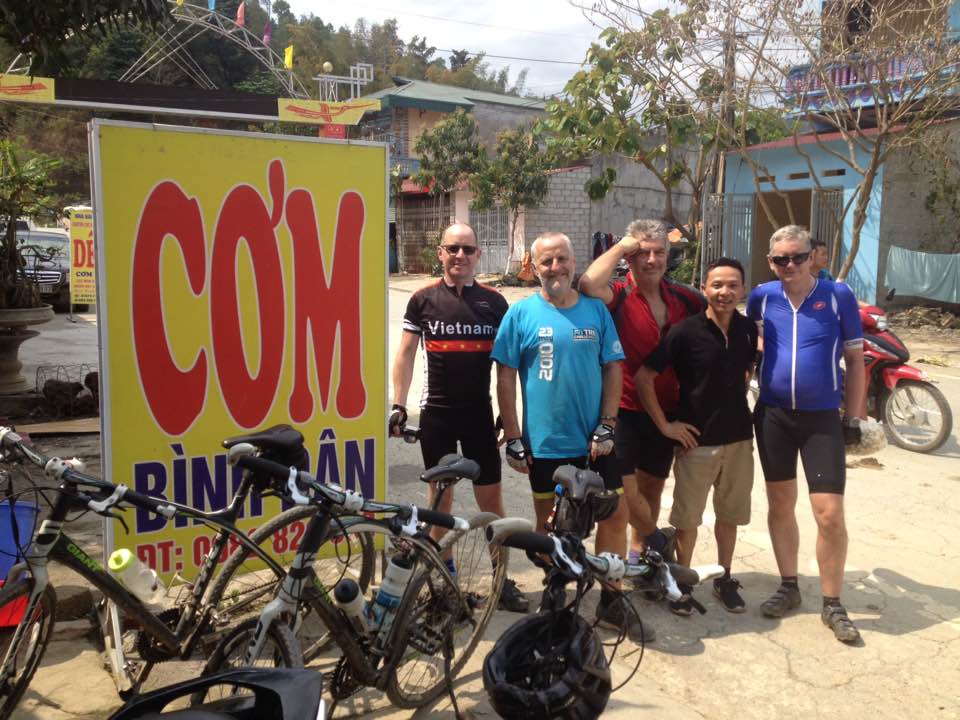
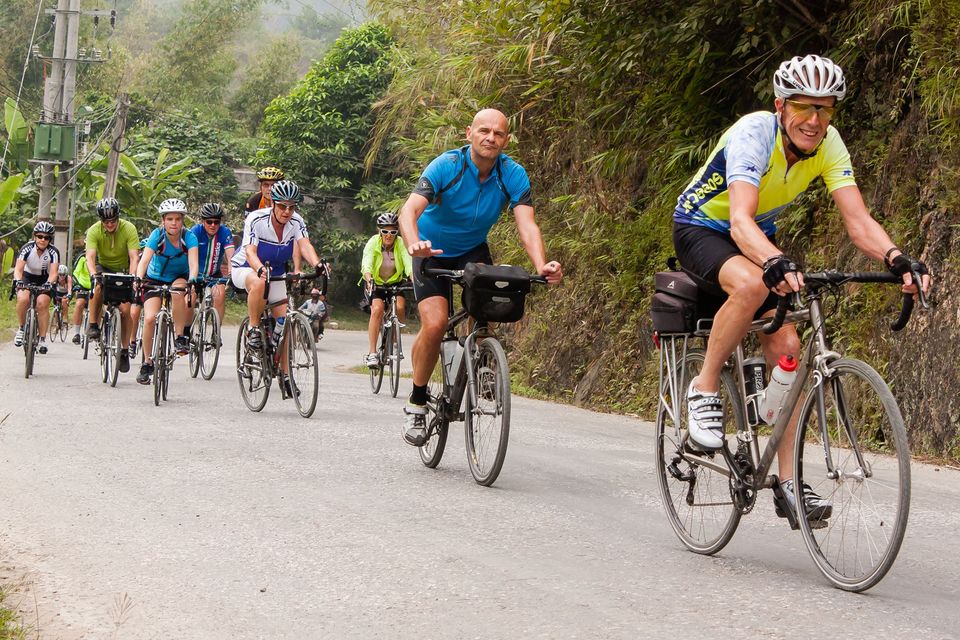
Vietnam offers a wide selection of places where biking tours can be arranged. The collection includes such places as Mai Chau valley, Tam Coc, Sapa, Bac Ha, Ha Giang, Hue, Hoian, Nha Trang and the Mekong delta.
May 28, 2025
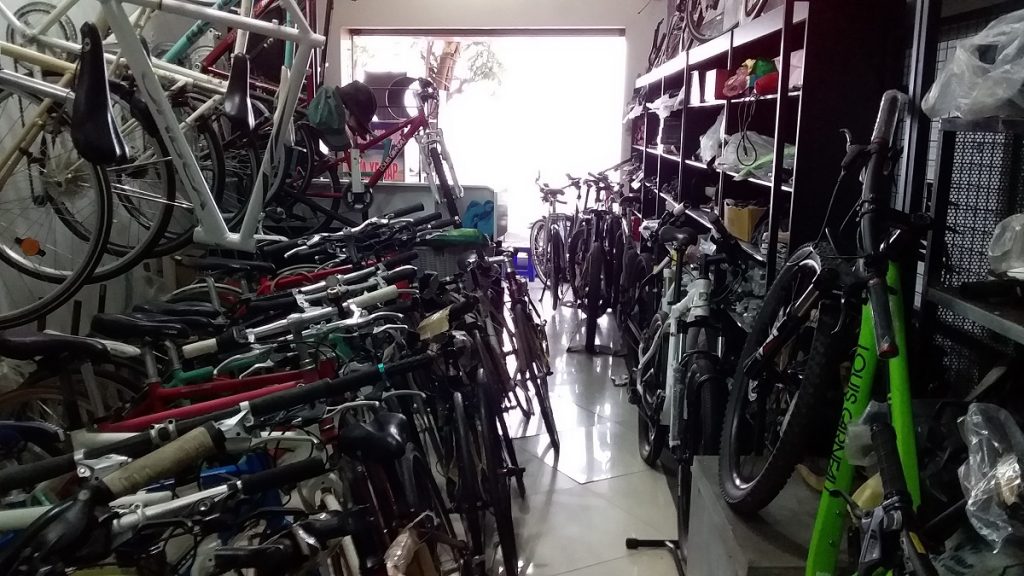
Bicycles are no longer the most important mean of transport of Hanoian people. Now it is the time of scooters and motorcycles. People go to work by motorbike. They go on holidays by motorbike as well. Therefore, it is still easy for you to find a bicycle shop in Hanoi
May 28, 2025

If you look for Hanoi bicycle rental service in Hanoi, then you have just found the right place. Lotussia Travel offers a wide array of bicycles for you to rent. We have all bicycles for your travel needs including mountain bicycles for mountain biking, road bicycles for easy bicycle touring, and small bicycles for kids as well.
May 28, 2025

Hanoi, the capital of Vietnam offers a wide selection of both day cycling tours and short cycling excursions. The most popular Hanoi cycling tours are the half-day and one-day tours are arranged in Hanoi city and its surrounding countryside area.
May 28, 2025

Vietnam mountain bikes, also known as trailbikes are the workhorse category of mountain bikes. An all mountain bike is a mountain bike built to handle almost everything a mountain biker will run into on a full day of riding.
May 28, 2025

I had done my research before sign-ing up for a four day and three night cycling tour in Lao Cai province with Golden Trail Travel. My friends thought I was mad, cycling around one of the most mountains parts of northern Vietnam. But, the trip is well planned, so you’re never on your own. But I didn’t tell my friends that – I liked to think they pictured me huff-ing and puffing on my father’s rickety old Peugeot up and down the hills under a blazing hot sun.
May 28, 2025
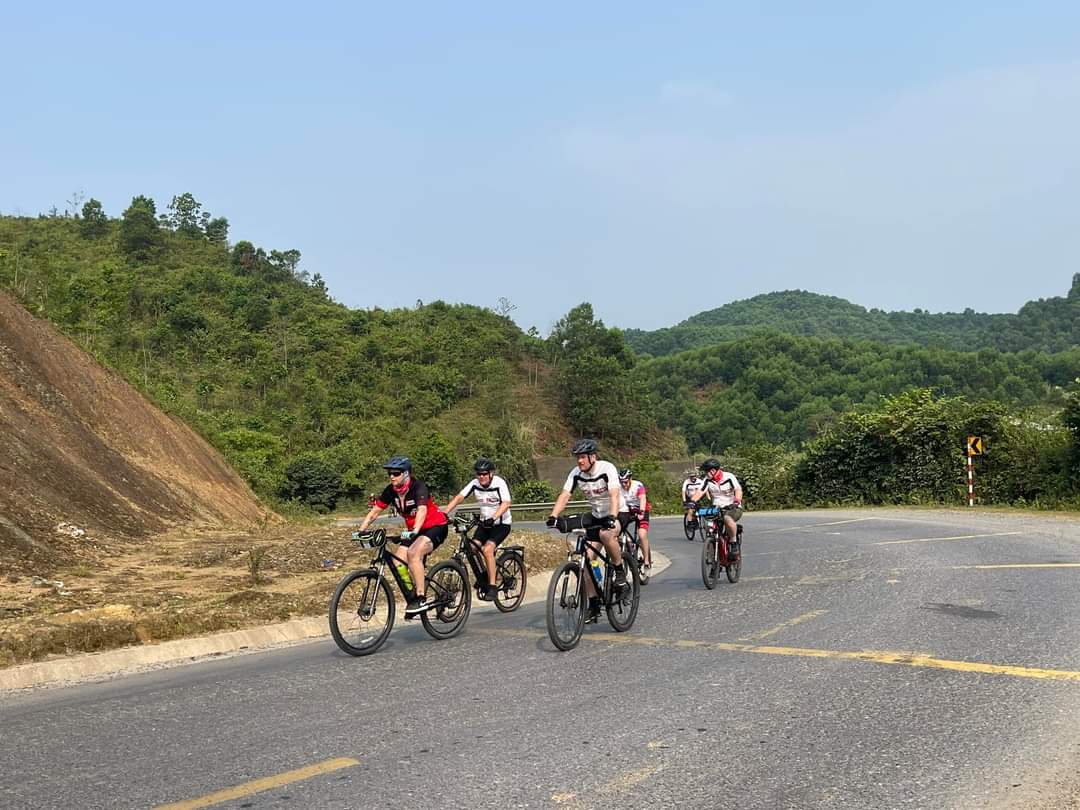
The best biking trails for cycling from Hanoi to Luang Prabang, Laos is the north-west Vietnam. After a visit to Hanoi, the capital of Vietnam, you can take the overnight train, usually departs at 21:00 pm in Hanoi and arrive around 5:00 am the following day.
May 28, 2025
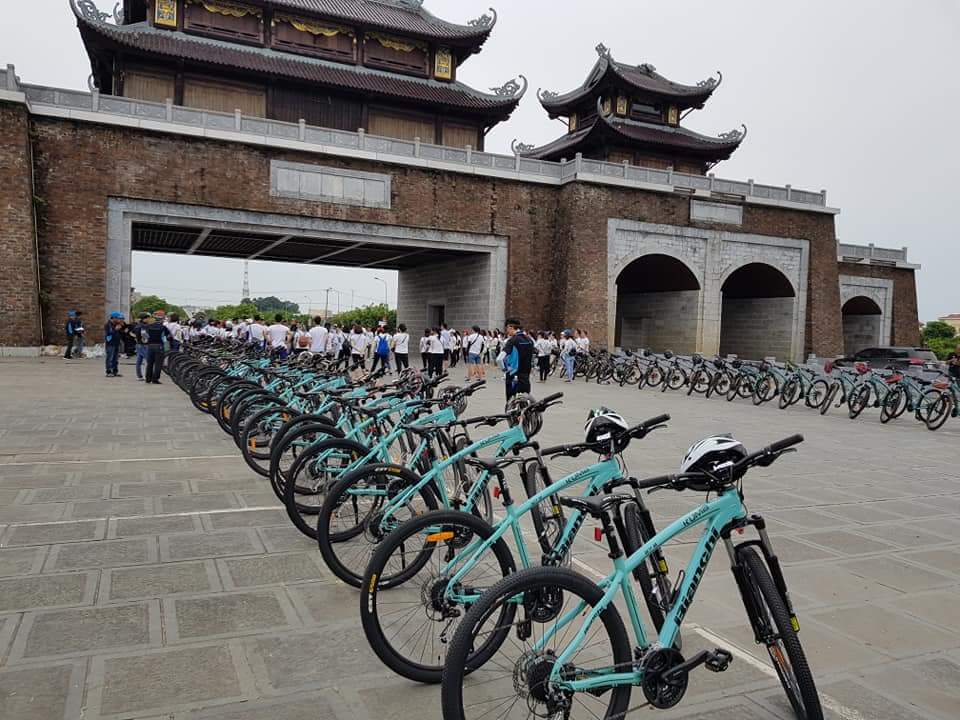
If you look for a bicycle hire service in Hanoi, then you have just found the right place. Vietnam Cycling is a Hanoi based tour operator offering both bicycle tours and bike hire service.
May 28, 2025
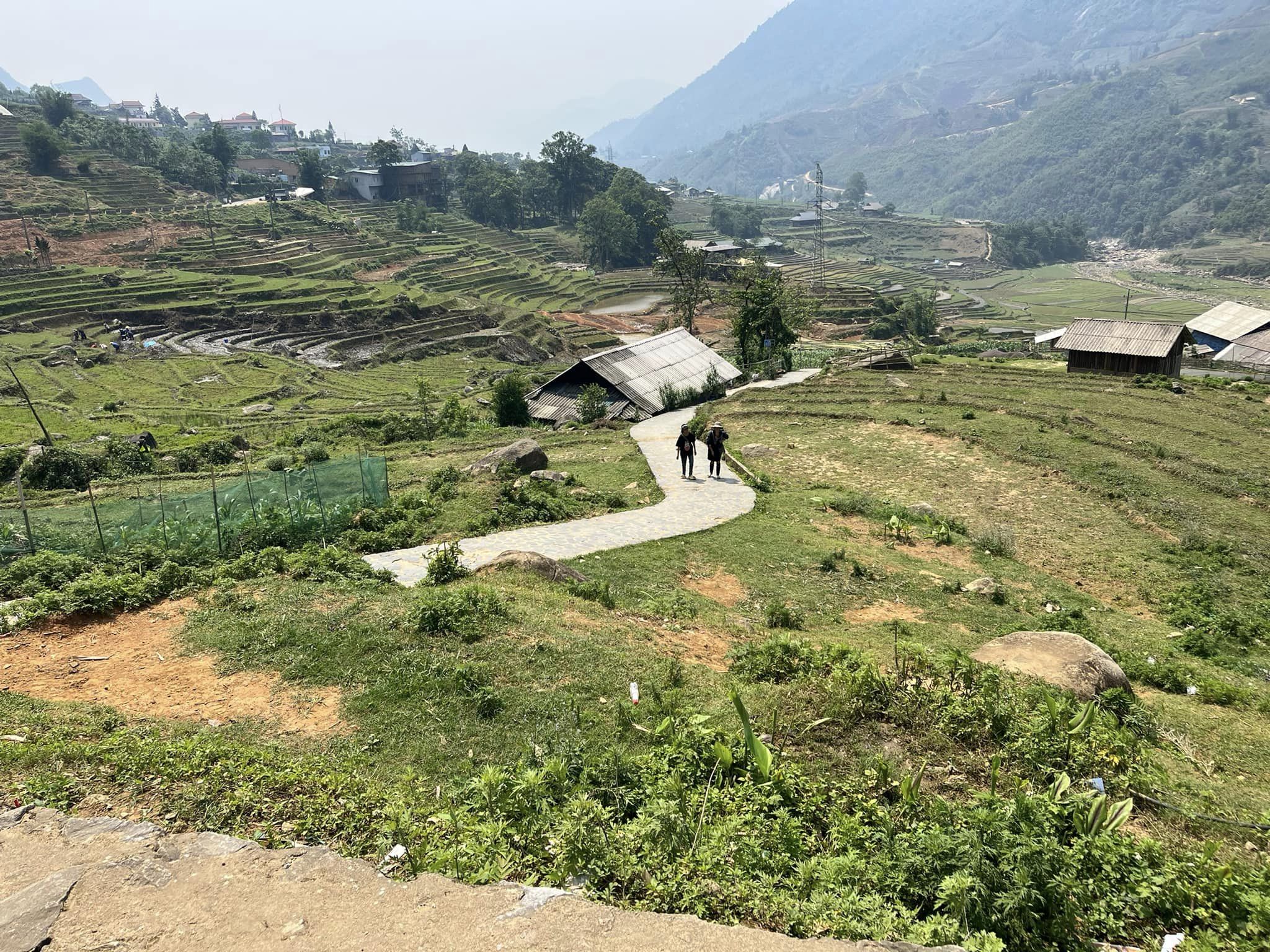
Cycling in Vietnam in March can be a truly unforgettable experience. The country is known for its beautiful natural landscapes, bustling cities, and rich culture, all of which can be explored by bike.
May 28, 2025
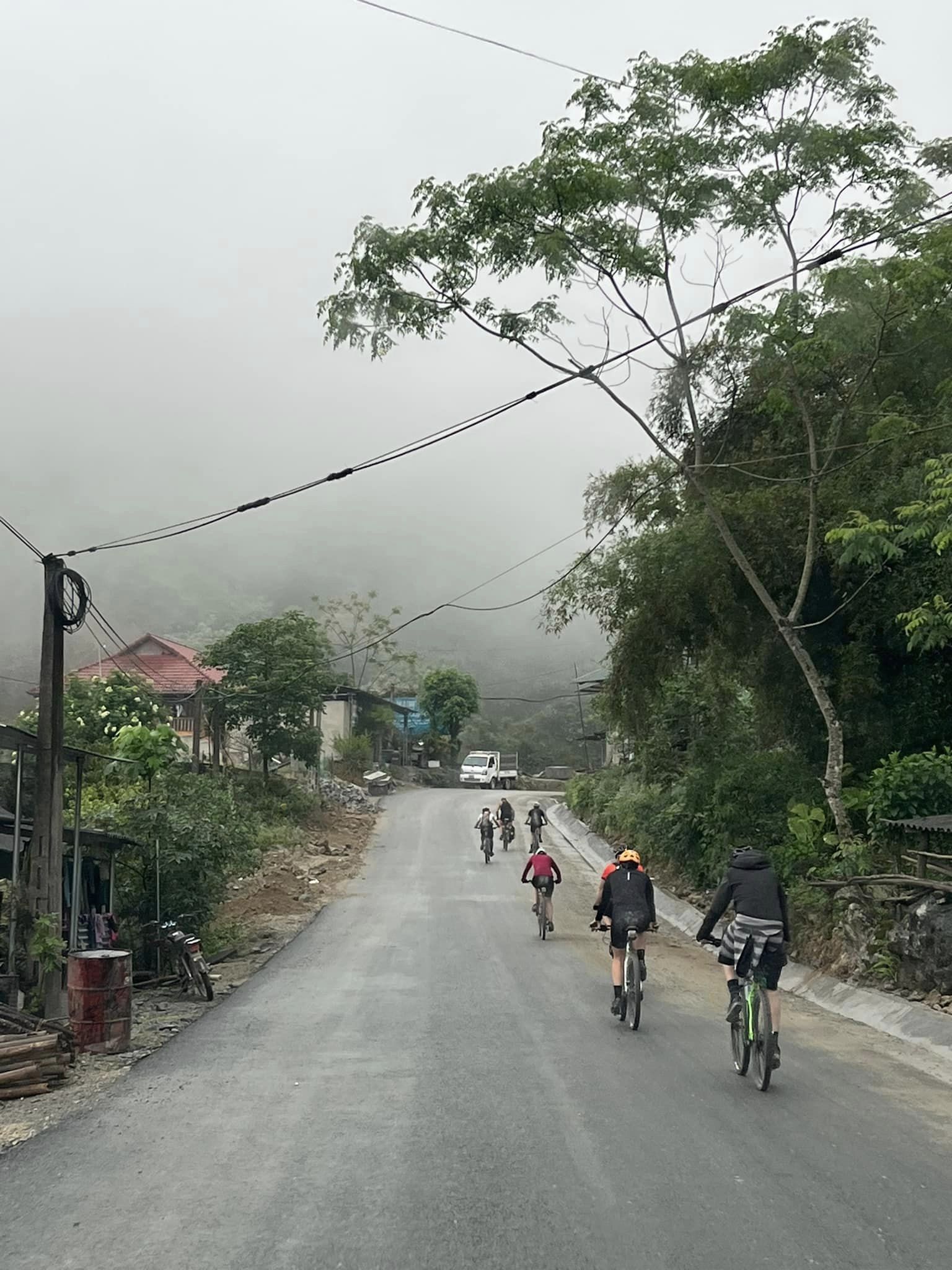
April is a great time to visit Vietnam and go cycling, as the weather is generally warm and dry, with temperatures ranging from the mid-70s to mid-80s Fahrenheit (25-30°C). The country is known for its beautiful natural landscapes, bustling cities, and rich culture, all of which can be explored by bike
May 28, 2025
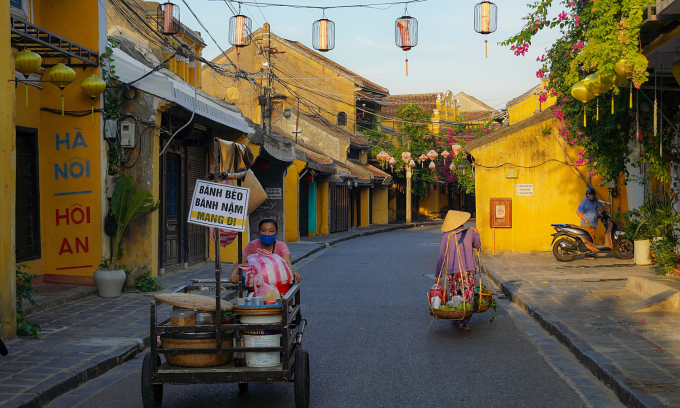
Architectural Digest has ranked Tran Phu Street in Hoi An, known for its century-old homes and monthly lantern festival, as one of the 71 most beautiful streets in the world.
May 28, 2025
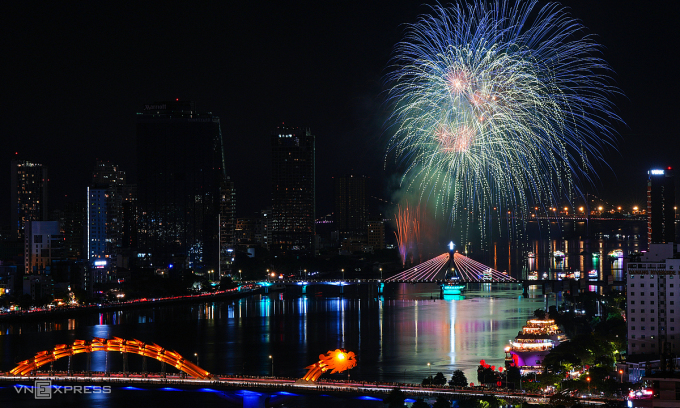
There are plenty of hotels, eateries, and homes in Danang that provide views of the International Fireworks Festival, but they are not free.
This evening, June 8, is the opening night of the Danang Fireworks International Festival.
Nearly 10,200 seats, double that of 2023, are available in the festival viewing stands, and all of the tickets for the last night have been sold.
May 28, 2025
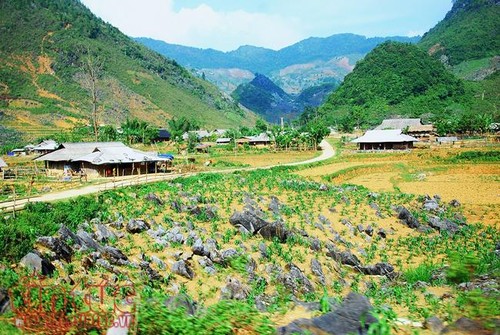
Tua Chua, a mountainous district of Dien Bien province offers great fun trekking homestay tours, hiking, walking experience in the north west region of Vietnam. Look for some jungle trek, trekking homestay, hill tribe trek in an off the beaten path destination in Vietnam? Tua Chua might be a perfect choice.
May 28, 2025
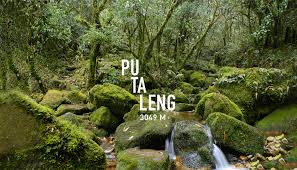
Pu Ta Leng Mountain is located in Hoang Lien Son mountain range, at Ta Leng village, Tam Duong commune, Lai Chau province. Its peak, at 3,049 meters above sea level is the second highest peak in Indochina.
May 28, 2025
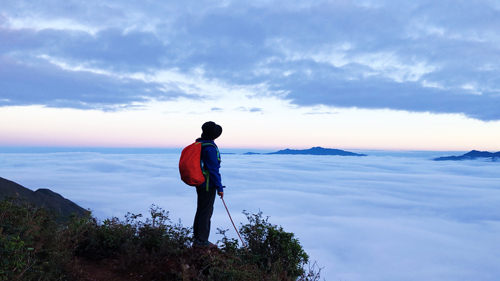
Ta Chi Nhu mountain is situated in Tram Tau District, in the northern mountainous province of Yen Bai, Vietnam. It is one of top places of mountain climbers and “cloud” hunters.
May 28, 2025
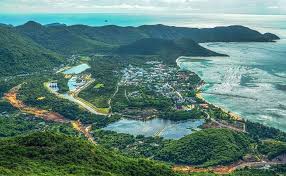
Con Dao National Park is a natural reserve area on Con Dao Island, in Ba Ria Vung Tau Province in coastal southeastern Vietnam. The park includes a part of the island and the surrounding sea. The national park is characterized by a diverse ecosystem. Many species of corals and especially the sea turtles, dolphins, and endangered dugongs are found here
May 28, 2025
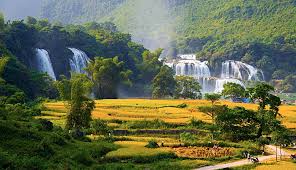
Trekking North East Vietnam to discover tropical forest, karst mountains and Tay, Nung, Dzao hill tribes at the north of the Red River Delta, Vietnam.
May 28, 2025
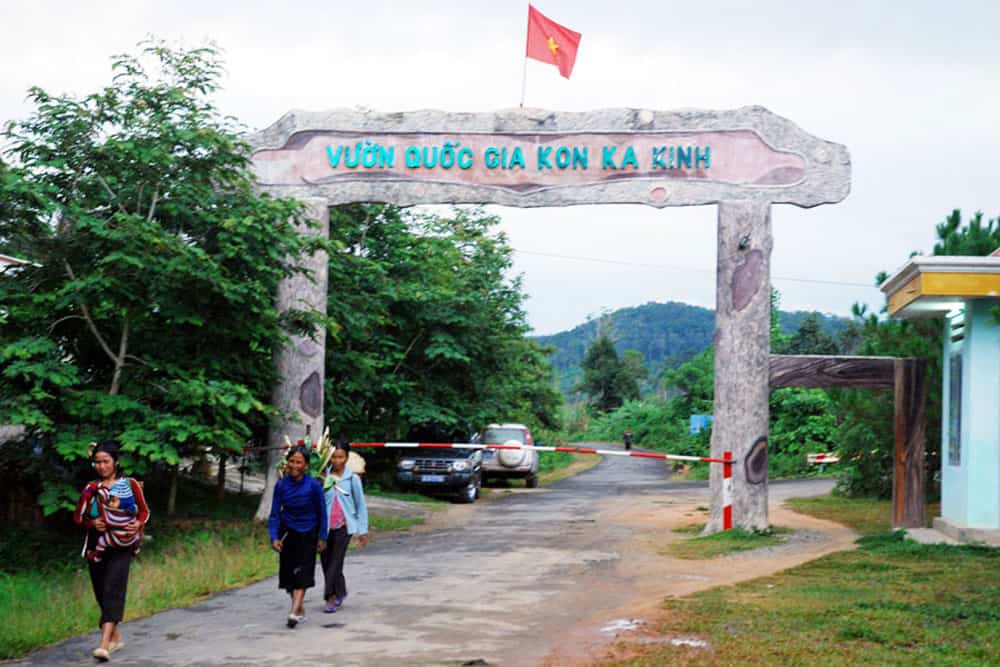
Kon Ka Kinh National Park is located in Kon Pne, Dakrong and Krong communes, K’Bang district, Ha Dong commune, Dak Doa district, and Ayun commune, Mang Yang district, Gia Lai province. The national park is situated on the Kon Tum plateau in the central Annamite mountains.
May 28, 2025
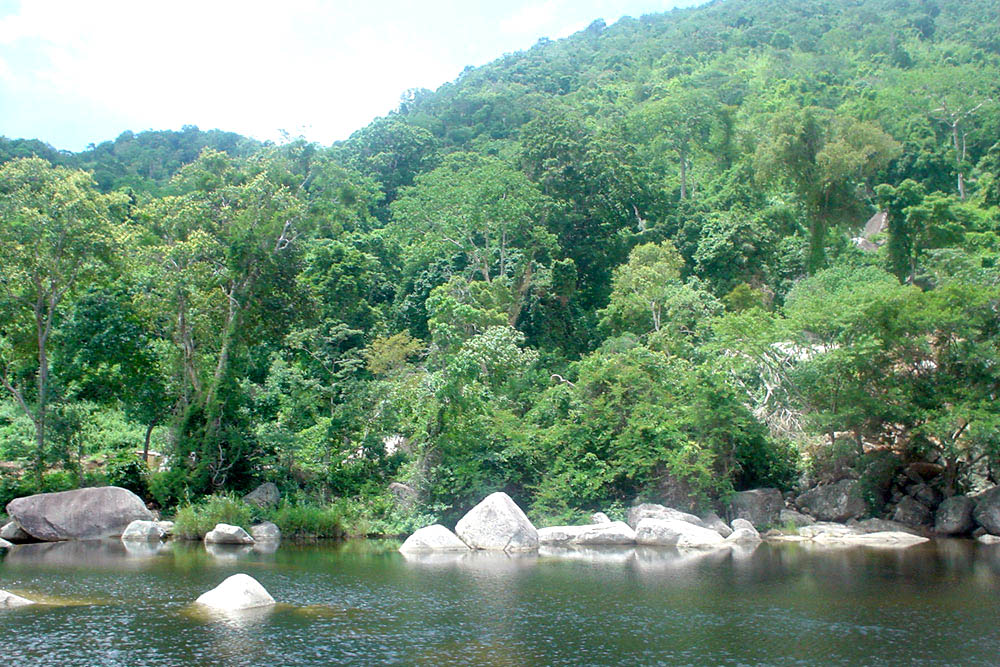
Chu Yang Sin National Park is located in Lak and Krong Bong districts, Dak Lak province, 60 km to the south-east of Buon Ma Thuot city. The national park encompasses a range of high mountains in the northern part of the Southern Annamite Mountains. The national park is centered on Mount Chu Yang Sin, which, at 2,442 m, is the highest point in the southern Annamites. The topography of the national park is characterized by steep slopes and narrow valleys.
May 28, 2025
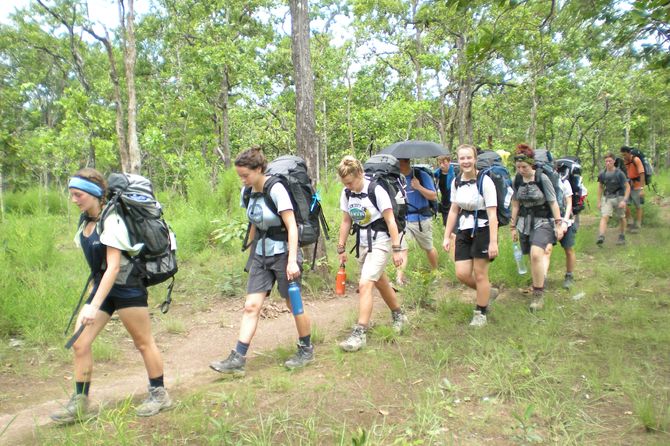
Chu Mom Ray National Park lies in the two districts of Sa Thay and Ngoc Hoi in Kon Tum Province, central highlands of Vietnam. It is the only national park in Vietnam which shares the border with the two countries of Laos and Cambodia.
May 28, 2025