Wudang Mountains: The Sacred Cradle of Taoism and Martial Arts – A Journey to China's Mystical Peaks
Imagine a realm where mist-shrouded peaks pierce the heavens, where ancient temples cling precariously to cliff faces, and where the gentle movements of Tai Chi echo through serene valleys. This is the Wudang Mountains (武当山), a UNESCO World Heritage site in Hubei Province, revered as the birthplace and spiritual heartland of Taoism and the legendary Wudang martial arts. More than just a collection of scenic landscapes, Wudang is a living sanctuary where spirituality, philosophy, natural beauty, and martial prowess converge, offering a profound journey into China's mystical soul.
This comprehensive guide will transport you through the ethereal world of Wudang – from its millennia-old Taoist architecture and profound philosophical underpinnings to its breathtaking natural vistas and the enduring legacy of its martial arts traditions. We'll also show you how Golden Trail Travel can unlock an unforgettable and seamlessly organized adventure, ensuring you discover the true essence and hidden treasures of this remarkable spiritual retreat. Prepare to be inspired by its tranquility, awed by its history, and enlightened by its timeless wisdom.
Wudang Mountains: Where Immortals Tread – History, Geography, and Enduring Identity
To truly appreciate the Wudang Mountains today, it's essential to understand its unique geographical setting and the compelling historical narrative that has cemented its status as a sacred site of unparalleled importance in China.
A Landscape Blessed by Nature and Spirit:
The Wudang Mountains are located in the northwestern part of Hubei Province, stretching across several counties. Characterized by steep, verdant peaks, deep valleys, pristine forests, and abundant streams, the range is considered to possess auspicious "feng shui" – a harmonious balance of natural energies. Its unique topography, often shrouded in mist and clouds, has long been regarded as an ideal place for spiritual cultivation and ascetic practice, earning it epithets like "the most beautiful mountain under heaven."
-
Geological Formation: The mountains are part of the Qinling-Dabashan mountain range, known for their unique karst formations and rich biodiversity.
-
Microclimate: Wudang's elevation and forested cover contribute to its distinct microclimate, often featuring misty mornings and a tranquil atmosphere conducive to spiritual contemplation.
The Birthplace and Sanctum of Taoism:
Wudang's history is inextricably linked with Taoism, one of China's indigenous philosophical and religious traditions.
-
Early Asceticism: From as early as the Eastern Han Dynasty (25-220 AD), Taoist hermits and practitioners began settling in the Wudang Mountains, drawn by its perceived spiritual energy and secluded environment for meditation and elixir cultivation.
-
Flourishing During Tang and Song: Taoist presence grew significantly during the Tang (618-907 AD) and Song (960-1279 AD) Dynasties, with more temples being built and Taoist teachings spreading.
-
The Imperial Endorsement of the Ming Dynasty: The golden age of Wudang began during the Ming Dynasty (1368-1644), particularly under Emperor Yongle (永乐帝). After usurping the throne, Yongle embarked on a massive construction project, commissioning the building of a vast complex of Taoist temples, palaces, and monasteries across the mountains over a period of 12 years (1412-1424). This imperial patronage elevated Wudang to the status of the "Imperial Temple" and the "Great Taoist Mountain," second only to the capital's Forbidden City in its grand scale and importance. This project involved hundreds of thousands of laborers and artisans, transforming Wudang into an unparalleled Taoist architectural wonder.
-
Synthesis of Beliefs: Wudang Taoism emphasizes internal alchemy (Neidan), health preservation (Yang Sheng), and martial arts (Wushu), integrating philosophical concepts with physical and spiritual practices. Unlike some other Taoist sects, Wudang Taoism incorporated elements from Confucianism and Buddhism, reflecting a syncretic approach.
The Cradle of Wudang Martial Arts:
Beyond its spiritual significance, Wudang is renowned as the origin and spiritual home of Wudang martial arts (武当武术), often seen as a philosophical counterpoint to the external, hard-style martial arts of Shaolin.
-
Internal Styles: Wudang martial arts emphasize "internal" (Neijia) styles, focusing on cultivating internal energy (Qi), soft and fluid movements, balance, relaxation, and the redirection of an opponent's force.
-
Tai Chi Chuan (太极拳): While the exact origins are debated, Wudang is widely considered a key birthplace and development center for Tai Chi Chuan, as well as Baguazhang and Xingyiquan. Legend attributes its creation to the immortal Taoist sage Zhang Sanfeng (张三丰), who is believed to have observed the movements of a snake and a bird, leading to the creation of Tai Chi.
-
Health and Self-Defense: Wudang martial arts are practiced not just for self-defense but equally for health, longevity, and spiritual cultivation, aligning with Taoist principles of harmony and balance. Today, Wudang continues to be a vibrant center for the study and practice of these internal arts.
The Mystical Allure of Wudang: Unforgettable Temples, Peaks, and Experiences
Wudang Mountains offer a profound journey through architectural masterpieces, stunning natural landscapes, and the living traditions of Taoism and martial arts.
The Forbidden City in the Mountains: Wudang's Imperial Complex:
The sheer scale and artistic brilliance of Wudang's Taoist architectural complex are breathtaking. Built into the rugged mountain terrain, these structures seamlessly blend with their natural surroundings, demonstrating unparalleled harmony between human artistry and nature. It is a UNESCO World Heritage site, celebrated for its masterly fusion of Ming Dynasty imperial architecture with Taoist philosophical principles.
-
Golden Palace (金殿 - Jīndiàn) on Tianzhu Peak (天柱峰): The absolute pinnacle of Wudang. Perched atop the highest peak, Tianzhu Peak (Heavenly Pillar Peak), this entire hall is cast in gilded bronze, weighing over 20 tons. Built in 1416, it is remarkably preserved and gleams under the sun, symbolizing the ultimate harmony between heaven and earth. The ascent to Tianzhu Peak offers spectacular, often cloud-shrouded, panoramic views.
-
Prince Slope (太子坡 - Tàizǐ Pō) / Fuzhen Temple (复真观): This complex is famous for its unique "Nine-Bend Yellow River Wall" (九曲黄河墙), a winding red wall designed to mimic the Yellow River, and its "One Pillar and Twelve Beams" (一柱十二梁) structure, an engineering marvel where a single pillar supports twelve beams. Legend says this is where Prince Zhenwu (who later became Emperor Zhenwu, the Taoist deity revered at Wudang) first began his spiritual cultivation.
-
Purple Cloud Palace (紫霄宫 - Zǐxiāo Gōng): One of the largest and most complete temple complexes in Wudang, dating back to the Ming Dynasty. It features grand halls, courtyards, and beautiful statues. Its majestic layout and intricate details make it a highlight for experiencing imperial Taoist architecture.
-
Nanyan Palace (南岩宫 - Nányán Gōng): Meaning "South Cliff Palace," this temple complex is literally built into the cliff face, with many halls cantilevered over sheer drops.
-
Dragon Head Incense (龙头香 - Lóngtóu Xiāng): A highly dangerous yet historically famous incense burner at Nanyan Palace, extending out over a vast chasm. While it is now prohibited to walk on it, its historical significance and daring construction are remarkable.
-
Yuzhen Palace (玉真宫): Although largely destroyed and undergoing reconstruction, Yuzhen Palace was historically the largest Taoist architectural complex in Wudang, serving as the "training base" for imperial Taoist priests. Its scale and layout still hint at its former grandeur.
Embrace the Spirit of Taoism: Philosophy and Practice:
A visit to Wudang is an opportunity to delve into the core tenets of Taoist philosophy, which emphasizes harmony with nature, balance (Yin and Yang), simplicity, and longevity.
-
Meditation and Contemplation: The tranquil environment of the mountains and temples provides an ideal setting for quiet reflection and meditation.
-
Taoist Rituals: Observe Taoist priests performing daily rituals, chanting, and ceremonies, offering a glimpse into living spiritual traditions.
-
Yang Sheng (养生 - Health Preservation): Learn about Taoist principles of health preservation, which underpin Wudang martial arts and traditional Chinese medicine.
Witnessing Wudang Martial Arts: Grace and Power:
Wudang is synonymous with internal martial arts. While formal training requires extended stays, visitors can often witness demonstrations and even participate in introductory sessions.
-
Tai Chi Demonstrations: Watch masters and students perform fluid, graceful Tai Chi forms, showcasing the balance of softness and internal power.
-
Wudang Kung Fu Schools: Many schools in the Wudang area welcome visitors for short-term courses or demonstrations, allowing you to learn basic movements or simply appreciate the discipline and artistry.
-
Qi Gong Practice: Observe or join practitioners of Qi Gong, a system of coordinated body posture and movement, breathing, and meditation used for health, spirituality, and martial arts training.
Scenic Hiking and Cable Car Journeys:
Wudang offers a mix of challenging hikes and convenient cable car access, allowing everyone to experience its beauty.
-
Cable Car: Take a thrilling cable car ride to the upper reaches of the mountains, offering spectacular aerial views of the temples and peaks. The climb to Golden Palace still requires a significant walk after the cable car.
-
Hiking Trails: Explore numerous well-maintained hiking trails that wind through dense forests, past waterfalls, and connect various temple complexes. Each path offers unique perspectives and moments of tranquility.
-
Views from Peaks: The views from Tianzhu Peak are legendary, but other peaks also offer stunning vistas, especially during sunrise or sunset when the clouds often create a mystical "sea of clouds" effect.
The Simple, Wholesome Cuisine of Wudang: A Taste of Taoist Philosophy
Wudang's cuisine reflects its Taoist heritage, emphasizing vegetarian dishes, locally sourced ingredients, and the principles of health preservation (Yang Sheng). While not as diverse as broader Chinese cuisines, it offers unique and wholesome flavors.
-
Taoist Vegetarian Cuisine (道家素食 - Dàojiā Sùshí): Many temples and restaurants in Wudang specialize in vegetarian dishes, often prepared with wild mountain vegetables, mushrooms, tofu, and grains. The chefs are skilled at creating flavorful and varied dishes that mimic the appearance and texture of meat.
-
Mushrooms: Wudang is rich in various types of edible wild mushrooms, which are a staple of the local diet.
-
Mountain Vegetables: Fresh, seasonal greens foraged from the mountain slopes.
-
Tofu and Soy Products: Creative uses of various tofu forms.
-
Wudang Jelly (武当葛粉 - Wǔdāng Géfěn): A local specialty made from Kudzu root (Gegen), known for its health benefits. It's often served as a translucent, slightly sweet jelly, particularly refreshing in warmer weather.
-
Sanxian Bean Curd (三鲜豆皮 - Sānxiān Dòupí): While not exclusively Wudang, this Hubei specialty is popular. It's a savory fried dish made with a thin sheet of bean curd skin filled with sticky rice, mushrooms, bamboo shoots, and sometimes meat.
-
Local Farm-to-Table: Many guesthouses and restaurants emphasize fresh, locally sourced ingredients, offering a genuine taste of the region's produce.
-
Herbal Teas: Enjoy various herbal teas, often made from local medicinal plants, aligning with the Taoist focus on health and longevity.
Unlocking Your Wudang Adventure with Golden Trail Travel
Venturing to a sacred mountain like Wudang, especially one with such deep spiritual and martial arts traditions, requires more than just booking flights. This is where Golden Trail Travel becomes your invaluable partner, transforming your trip into a seamlessly planned, deeply insightful, and profoundly enriching adventure.
Specialized Taoist and Martial Arts Immersion Tours:
Golden Trail Travel excels in designing bespoke tours that fully capture the essence of Wudang, catering to your specific interests, whether they are spiritual, martial arts-focused, historical, or purely scenic.
-
Tailored Itineraries: From prioritizing temple visits and Taoist rituals to arranging introductory martial arts lessons and extensive hiking routes, Golden Trail Travel can customize a tour that perfectly aligns with your passions and fitness level.
-
Beyond the Surface: They connect you with the profound philosophical underpinnings of Wudang, offering opportunities to understand the "why" behind the "what," leading to a more meaningful experience.
Visit Golden Trail Travel's website at to explore their diverse range of tours and begin crafting your own Wudang adventure.
Knowledgeable Local Guides:
A key component of a Golden Trail Travel experience in Wudang is access to their network of expert local guides. These guides are fluent in English and possess a profound understanding of Taoist philosophy, Wudang history, architectural significance, and the nuances of martial arts traditions.
-
Spiritual Interpretation: Your guide will bridge cultural and linguistic gaps, explaining complex Taoist concepts in an accessible manner, deciphering the symbolism within temples, and providing context for rituals.
-
Martial Arts Insights: They can introduce you to local martial arts practitioners, explain the principles of Tai Chi, and ensure you observe or participate in demonstrations respectfully.
-
Hidden Pathways: They know the best routes for hiking, the most serene spots for contemplation, and can even facilitate interactions with resident monks or martial artists where appropriate.
Seamless Logistics and Comfort:
Traveling to a mountainous, sacred site in China requires meticulous planning. Golden Trail Travel ensures your comfort and peace of mind throughout your journey:
-
Transportation: Arranging all ground transportation to and within Wudang Mountains (including transfers from Xiangyang, Shiyan, or Wuhan airports/high-speed rail stations to Wudang Mountain town, and then local transportation like the scenic area shuttle bus and cable cars to access the temple complexes). They ensure you navigate the mountainous terrain efficiently.
-
Accommodation: Selecting reputable hotels or guesthouses within the scenic area or at the base of the mountain, ranging from comfortable to traditional, that meet your comfort and budget requirements. Staying within the scenic area can enhance the mystical experience.
-
Trouble-free Travel: Handling any potential language barriers or logistical hurdles, such as purchasing tickets, navigating temple protocols, or finding authentic local eateries, allowing you to relax and fully immerse yourself in the experience.
Combination Tours: Exploring Hubei and Central China:
Wudang Mountains can be seamlessly integrated into a broader exploration of Hubei Province and Central China. Golden Trail Travel can combine your visit to Wudang with trips to:
-
Wuhan: The provincial capital, offering a modern city experience with its own historical sites, museums, and vibrant culinary scene (e.g., Yellow Crane Tower, Hubei Provincial Museum).
-
Three Gorges Dam: A monumental engineering marvel on the Yangtze River, offering a contrasting modern wonder to Wudang's ancient heritage.
-
Shennongjia National Nature Reserve: For those seeking more pristine natural beauty and unique biodiversity (including the elusive Golden Snub-nosed Monkey).
Golden Trail Travel's expertise extends across the entire region, allowing for efficient, insightful, and complementary multi-city itineraries that truly showcase the best of Central China.
Commitment to Responsible Tourism:
Golden Trail Travel is dedicated to promoting responsible and sustainable tourism practices. They strive to ensure that your visit to Wudang benefits local communities, respects the sacred nature of the site and its Taoist traditions, and minimizes environmental impact, leaving a positive footprint on this revered mountain.
The Enduring Allure of Wudang: Why These Mystical Peaks Beckon
Wudang Mountains' magnetic appeal lies in its profound spiritual depth, its breathtaking natural beauty, and its living traditions that seamlessly blend philosophy and physicality.
A Profound Spiritual Journey:
As the spiritual heartland of Taoism, Wudang offers an unparalleled opportunity to connect with an ancient philosophy, observe rituals, and experience a serene environment conducive to self-reflection.
Architectural Masterpieces in Nature:
The Taoist temple complex, a UNESCO World Heritage site, is an engineering and artistic marvel. Temples built into cliffs and the glittering Golden Palace atop Tianzhu Peak are breathtaking testaments to human devotion and ingenuity.
The Cradle of Internal Martial Arts:
For enthusiasts of Tai Chi, Kung Fu, or anyone interested in the internal arts, Wudang offers a chance to see and perhaps even practice at the source of these graceful and powerful disciplines.
Breathtaking Natural Scenery:
The mist-shrouded peaks, lush forests, and cloud formations create a mystical and awe-inspiring landscape that rejuvenates the spirit.
Authentic Cultural Immersion:
Unlike heavily commercialized sites, Wudang maintains a strong sense of its sacred identity, offering a more authentic encounter with living Taoist traditions and a glimpse into monastic life.
Health and Longevity Focus:
The emphasis on Yang Sheng (health preservation) through diet, martial arts, and meditation provides valuable insights into holistic well-being.
A Sense of Discovery:
For travelers seeking a unique and profound experience beyond China's mainstream attractions, Wudang offers a truly distinctive adventure into a mystical realm.
Frequently Asked Questions (FAQ) about Wudang Mountains and Golden Trail Travel
Q1: Where are the Wudang Mountains located in China? A1: The Wudang Mountains are located in the northwestern part of Hubei Province, China. The nearest major cities are Shiyan and Xiangyang.
Q2: What is Wudang Mountains most famous for? A2: Wudang Mountains are most famous as the birthplace and spiritual center of Taoism and the cradle of Wudang martial arts, including Tai Chi. It's a UNESCO World Heritage site renowned for its ancient Taoist architectural complexes, especially the Golden Palace on Tianzhu Peak.
Q3: What's the significance of the Golden Palace on Wudang Mountain? A3: The Golden Palace (金殿) on Tianzhu Peak is the highest point and most sacred structure in Wudang. It is entirely cast in gilded bronze and represents the pinnacle of Ming Dynasty imperial Taoist architecture and symbolizes the harmony of heaven and earth.
Q4: How do I travel to Wudang Mountains? A4: You can reach Wudang by flying into Shiyan Wudangshan Airport (WDS) or Xiangyang Airport (XFN), or by taking a high-speed train to Wudangshan Railway Station. From there, you'll take a short bus ride to the mountain's entrance. Golden Trail Travel can arrange all your transfers and logistics.
Q5: Can I learn Tai Chi or Kung Fu in Wudang? A5: Yes, many martial arts schools in the Wudang area offer short-term introductory courses or longer-term training programs. Even if you're just visiting, you can often witness impressive demonstrations of Wudang martial arts. Golden Trail Travel can help you find suitable opportunities.
Q6: What kind of food can I expect in Wudang? A6: Wudang is known for its Taoist vegetarian cuisine, emphasizing fresh mountain vegetables, mushrooms, and soy products, prepared according to principles of health preservation (Yang Sheng). You can also find local Hubei dishes.
Q7: How can Golden Trail Travel enhance my Wudang trip? A7: Golden Trail Travel specializes in tailored Taoist and martial arts immersion tours to Wudang. They provide expert local guides who offer deep insights, handle all logistics (transport, accommodation, sacred site protocols), and ensure a seamless, authentic, and unforgettable spiritual and cultural journey.
Customer Reviews: My Spiritual Journey to Wudang with Golden Trail Travel
"Our trip to Wudang Mountains with Golden Trail Travel was truly transformative. The Golden Palace atop Tianzhu Peak was awe-inspiring, especially shrouded in mist. Our guide was incredibly knowledgeable about Taoist philosophy, explaining the profound meaning behind the temples and rituals. We even had an introductory Tai Chi session which was so grounding. Golden Trail Travel handled every detail, making it a perfectly spiritual and stress-free adventure." — Eleanor R., USA
"I've always been fascinated by martial arts, and visiting the birthplace of Wudang Kung Fu was a dream come true. Golden Trail Travel arranged for us to witness an incredible demonstration and even participate in a short Tai Chi lesson. The mountains themselves are breathtaking, especially the Prince Slope. Their expertise in planning and seamless logistics allowed me to fully immerse myself in the experience." — Marcus L., UK
"The serene atmosphere of Wudang was exactly what I needed. Golden Trail Travel guided us through the beautiful Purple Cloud Palace and helped us find peaceful spots for meditation. The Taoist vegetarian meals were surprisingly delicious and healthy. This was more than just a trip; it was a journey for the soul, flawlessly organized by Golden Trail Travel. Highly recommend for those seeking tranquility and spiritual insight." — Sophia M., Germany
"As a history buff, the Ming Dynasty architectural complex in Wudang was a marvel. Golden Trail Travel provided a guide who was an expert in Chinese history and Taoism, which deepened my appreciation immensely. Learning about Emperor Yongle's patronage and the symbolic layout of the temples was fascinating. Their meticulous planning meant I could focus entirely on the rich heritage." — Professor Charles D., Australia
"Golden Trail Travel created an unforgettable itinerary for my solo adventure to Wudang. I loved the hiking, the stunning views, and the opportunity to observe Taoist practices. I felt safe and supported throughout the entire trip, thanks to their excellent organization and responsive team. It truly felt like stepping into a mystical world. I'll definitely use Golden Trail Travel again for my next unique travel experience in China!" — Li Wei, Singapore
Conclusion: Wudang Awaits – Your Path to Enlightenment and Inner Harmony
The Wudang Mountains stand as a profound testament to the enduring power of spirituality, the elegance of traditional Chinese architecture, and the grace of internal martial arts. It's a place where mist-shrouded peaks whisper ancient wisdom, where golden temples reach for the heavens, and where the rhythmic flow of Tai Chi embodies the very essence of balance and harmony. For those seeking a unique journey into China's mystical soul, a path to spiritual enlightenment, or simply a breathtaking escape into nature, Wudang offers an experience that is deeply authentic, visually stunning, and profoundly transformative. It is a destination that beckons to the adventurous spirit and the contemplative mind alike.
To truly unlock the multifaceted wonders and hidden depths of this extraordinary sacred mountain, an experienced and dedicated partner is indispensable. Golden Trail Travel is your trusted guide to Wudang, offering meticulously planned tours, expert local insights, and a steadfast commitment to authentic encounters. Let them lead you through the serene trails and ancient temples of Wudang, where the whispers of Taoist masters echo through time, and your next unforgettable spiritual odyssey awaits.
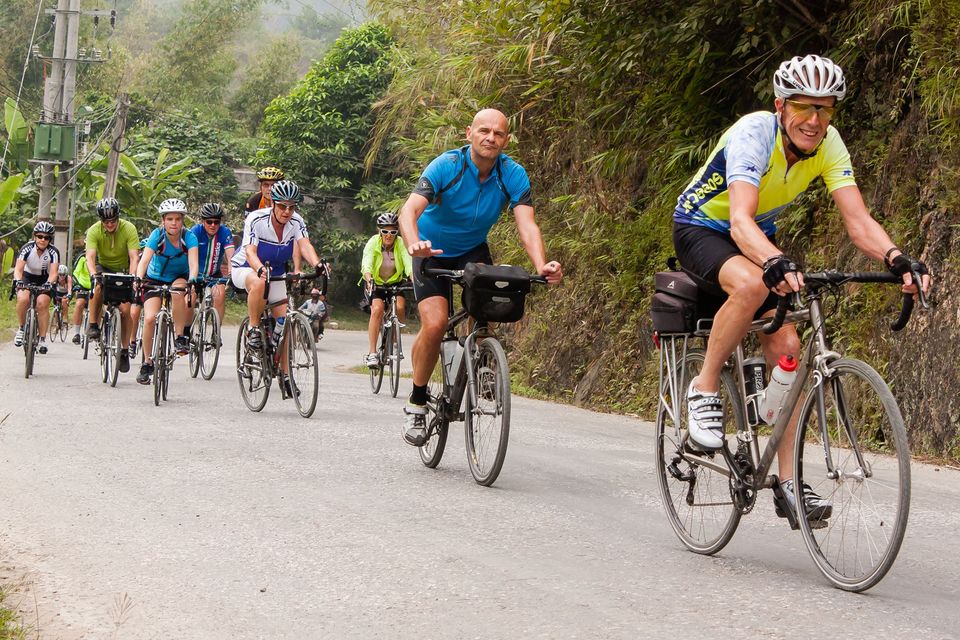
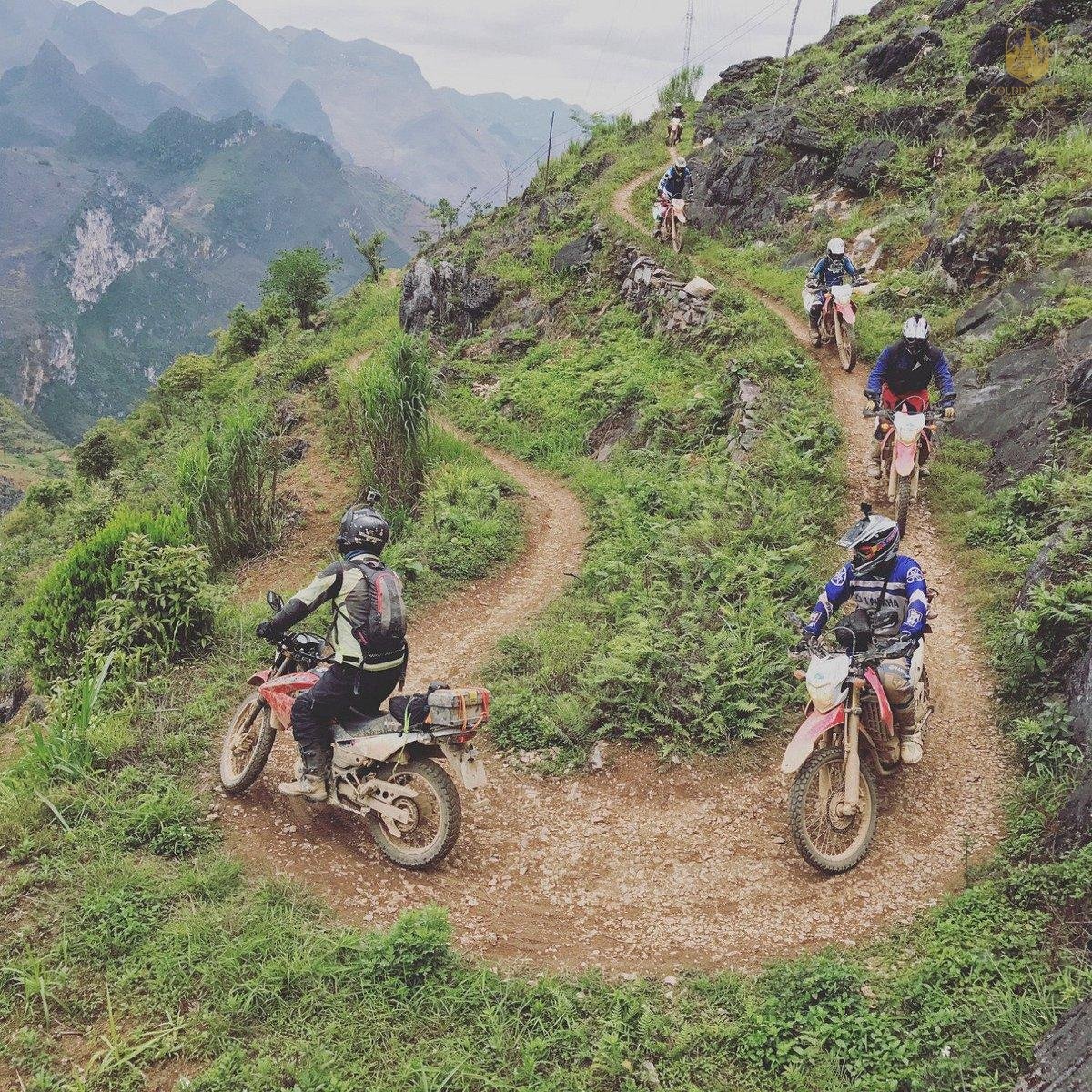

.jpg "Mountain Biking Sapa: The Ultimate Guide to Cycling Vietnam’s Most Breathtaking Mountain Landscapes")
.jpg "Vietnam Cycling Tour: The Ultimate Guide to Exploring Vietnam on Two Wheels")
.webp "Mountain Biking Hanoi")
.webp "Best Vietnam Mountain Biking Tours: The Ultimate Guide to Exploring Vietnam on Two Wheels")
.jpg "Cycle Laos: The Ultimate Guide to Exploring Laos by Bicycle")
.jpeg "Laos Cycling Tours: The Ultimate Guide to Exploring Southeast Asia’s Most Serene Cycling Paradise")
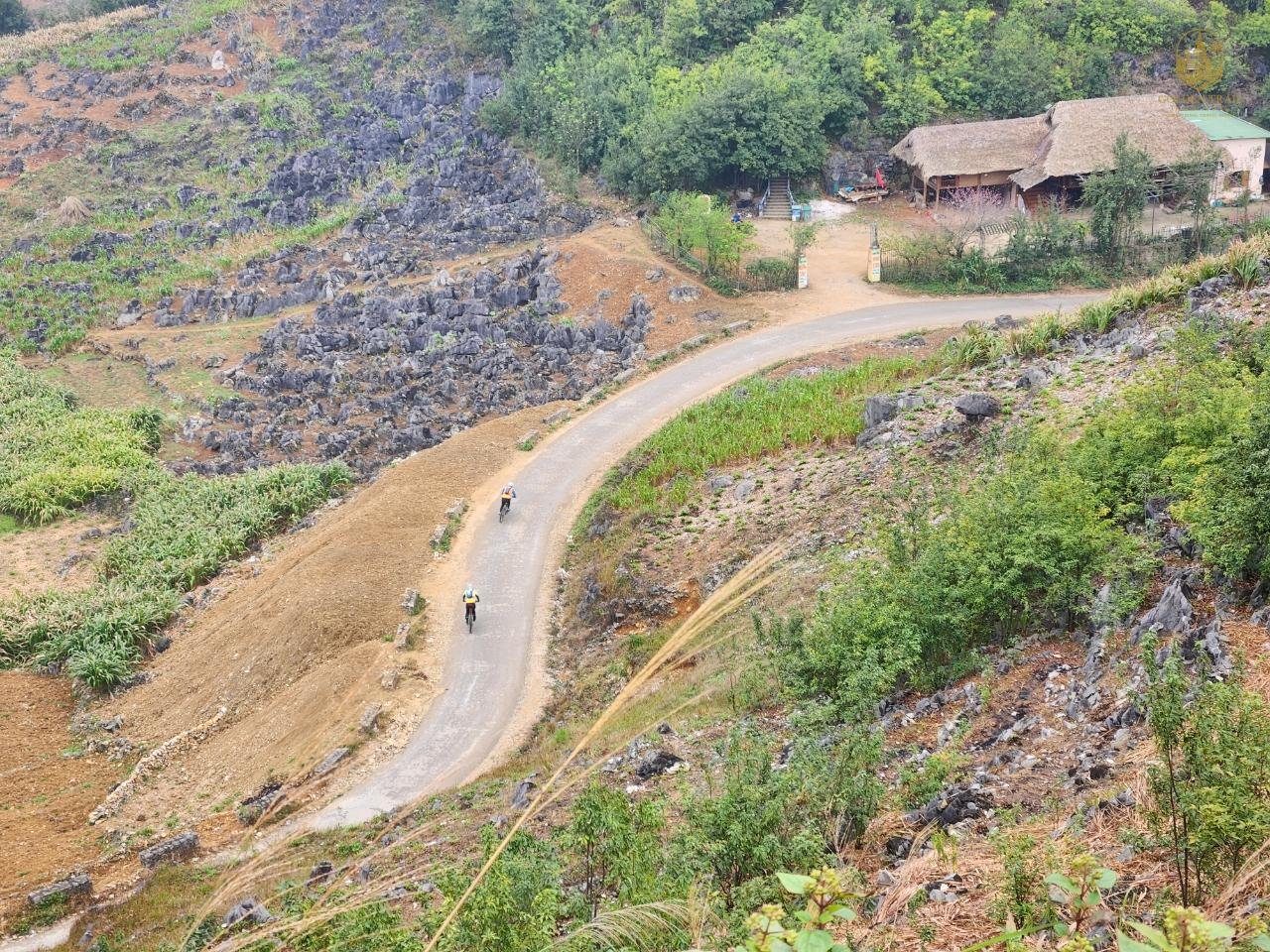
.jpeg "Best Cycling Tours Vietnam to Laos: The Ultimate Cross-Border Adventure")