The Rice Terraces of Bali: Emerald Staircases to the Sky – A Journey Through Culture, Community & Unparalleled Beauty
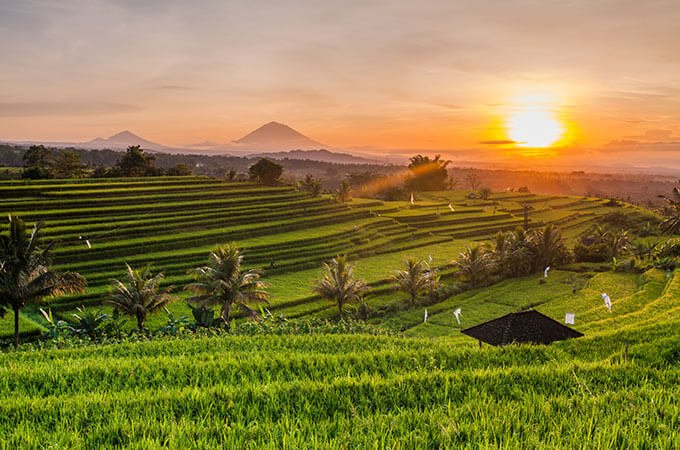
Step into a landscape where art meets agriculture, where ancient traditions carve monumental beauty into the earth, and where every shade of green paints a masterpiece under the tropical sun. These are The Rice Terraces of Bali, legendary emerald staircases that cascade down hillsides, reflecting the sky and whispering tales of a spiritual connection between humanity, nature, and the divine. More than just picturesque scenery, these terraced landscapes are the living heart of Balinese culture, sustained by an intricate and ancient irrigation system known as Subak, a UNESCO World Heritage-listed marvel.
For centuries, Balinese farmers have meticulously sculpted these incredible contours into the island's fertile volcanic slopes, transforming rugged terrain into fertile rice paddies. Each terrace is a testament to perseverance, communal harmony, and a deep reverence for the land. They are not merely agricultural fields but sacred spaces, embodying the Balinese philosophy of Tri Hita Karana – the harmonious relationship between humans, God, and nature.
This comprehensive guide will invite you to delve into the profound beauty and cultural significance of Bali's rice terraces. We will explore the ingenious Subak system that sustains them, journey through the most iconic and serene terraced landscapes, and uncover the unique experiences that await within these verdant masterpieces. Whether you seek breathtaking photography opportunities, invigorating treks, or a deeper understanding of Balinese life, prepare to be enchanted by the enduring magic and timeless beauty of Bali's rice terraces.
The Philosophy Behind the Beauty: The Subak System
To truly appreciate the visual splendor of Bali's rice terraces, one must first understand the intricate, ancient, and deeply spiritual system that underpins their very existence: Subak.
What is Subak? An Ancient Cooperative Irrigation System
Subak is not just an irrigation network; it is a unique socio-religious organization that manages water distribution for rice paddies on Bali. Dating back to the 9th century, this democratic and self-governing system ensures that all farmers, regardless of the location of their fields (whether uphill or downhill), receive an equitable share of water.
-
Hydraulic Temples: The Subak system is intricately linked with a network of "water temples" (Pura Ulun Swi or Pura Ulun Danu). These temples are not just places of worship; they serve as central points for water management, where priests (Pekaseh) determine planting schedules and water allocation based on religious ceremonies and astronomical observations.
-
Democratic Principles: Farmers within a Subak community collectively decide on planting times, water sharing, and conflict resolution. This highly cooperative system is a testament to Balinese communal harmony.
-
Interconnectedness: From the main water source (often a natural spring or river diversion) to a series of canals, tunnels, weirs, and terraces, the water flows meticulously from higher fields to lower ones, ensuring every paddy receives its share. The system is designed to maximize water efficiency and prevent erosion.
Spiritual Significance: Tri Hita Karana in Practice
The Subak system is a perfect embodiment of the Balinese philosophical concept of Tri Hita Karana, which means "three causes of well-being" or "three reasons for prosperity." This philosophy seeks to maintain harmony among:
-
Parhyangan (Harmony with God): Expressed through the water temples, rituals, and offerings made to Dewi Sri (the goddess of rice and fertility). Farmers pray for abundant harvests and sufficient water.
-
Pawongan (Harmony with Humans): Evident in the cooperative spirit among farmers, mutual assistance, and democratic decision-making within the Subak community.
-
Palemahan (Harmony with Nature): Demonstrated by the sustainable management of water resources and the land, ensuring the long-term health of the ecosystem.
For the Balinese, rice is not just a staple food; it is a gift from God, and its cultivation is a sacred act. The terraces are a living temple, where daily rituals and offerings ensure the well-being of the crops and the community.
UNESCO World Heritage Status: A Global Recognition
In 2012, five specific rice terrace landscapes and their associated water temples were collectively designated as a UNESCO World Heritage site under the name "Cultural Landscape of Bali Province: the Subak System as a Manifestation of the Tri Hita Karana Philosophy." This prestigious recognition acknowledges:
-
The outstanding universal value of the Subak system as a democratic and egalitarian agricultural system.
-
Its deep philosophical and spiritual underpinnings (Tri Hita Karana).
-
Its exceptional beauty as a harmonious blend of human creativity and natural landscape.
This recognition highlights the importance of preserving these living landscapes, not just for their aesthetic appeal, but for their profound cultural and historical significance.
Bali's Iconic Rice Terraces: Where Beauty Unfolds
While rice terraces can be found throughout Bali, several locations stand out for their breathtaking scale, accessibility, or authentic charm. Each offers a unique perspective on this iconic Balinese landscape.
1. Jatiluwih Rice Terraces: The UNESCO World Heritage Masterpiece
Often hailed as Bali's most spectacular and authentic rice terraces, Jatiluwih (meaning "truly beautiful" or "beautifully vast") lives up to its name. Located in the Tabanan Regency, approximately 1.5 to 2 hours drive northwest of Ubud, Jatiluwih is one of the five sites included in the UNESCO World Heritage listing for the Subak system.
-
Vastness and Scale: Unlike the more confined terraces, Jatiluwih stretches across vast, undulating hillsides, covering over 600 hectares (nearly 1,500 acres). The sheer scale of the terracing is awe-inspiring, offering endless panoramic views.
-
Authentic Experience: Jatiluwih is less commercialized than Tegalalang, providing a more peaceful and genuine insight into traditional Balinese farming life. While there are viewing points and some local restaurants, the focus remains on the agricultural landscape.
-
Trekking Routes: A dedicated network of well-maintained walking paths allows visitors to trek through the terraces. There are several routes of varying lengths (from 1-hour short walks to 4-hour extensive hikes), offering immersive experiences up close with the rice paddies and farmers at work.
-
Best Time to Visit: The appearance of the terraces changes with the rice cultivation cycle.
-
Newly Planted (bright green seedlings): Often seen shortly after harvest and replanting.
-
Lush Green (mid-growth): The most vibrant and iconic emerald green, usually 2-3 months after planting.
-
Golden Yellow (ready for harvest): Just before harvest, the fields turn a beautiful golden hue.
-
Brown (post-harvest): After harvesting, the fields are left to dry or are being prepared for the next cycle. Visiting during the mid-growth phase (typically April-May or September-October) offers the most quintessential "green" views, though every stage has its own beauty.
-
Local Produce & Cuisine: Enjoy fresh, organic rice and other local produce at the handful of warungs and restaurants overlooking the terraces.
Jatiluwih offers a profound connection to Bali's agricultural heritage and a truly unforgettable visual spectacle.
2. Tegalalang Rice Terraces (Ceking Rice Terrace): The Iconic Photo Spot
Located just north of Ubud (around a 20-30 minute drive), Tegalalang Rice Terraces, also known as Ceking Rice Terrace, is arguably Bali's most famous and most photographed rice terrace. Its accessibility and dramatic tiered appearance make it a popular stop for day-trippers.
-
Iconic Tiered Landscape: The terraces here are carved steeply into a valley, creating a dramatic, almost theatrical, cascading effect. This unique topography makes it incredibly photogenic.
-
Photography Opportunities: Tegalalang is a photographer's paradise. Numerous viewpoints, strategically placed swings (including the famous "Bali Swings"), and "Love Bali" signs allow for creative and often exhilarating photo opportunities.
-
More Commercialized: Due to its popularity, Tegalalang is more commercialized than Jatiluwih. You'll find many cafes, souvenir stalls, and small shops lining the main road overlooking the terraces. This means more crowds, especially during peak hours.
-
Exploring the Terraces: While many visitors simply view from the top, you can descend into the valley and walk along the narrow paths through the paddies. Be prepared for some steep sections and muddy trails, especially after rain. Local farmers may ask for a small "donation" for passage or photos.
-
Cafes with Views: Enjoy a coffee or meal at one of the many cafes perched on the ridge, offering stunning panoramic views of the terraces.
-
Best Time to Visit: Early morning (sunrise) or late afternoon (before sunset) are ideal to avoid the crowds, beat the heat, and capture the best light.
Despite its commercialization, Tegalalang's sheer beauty and accessibility make it a must-visit for many travelers to Ubud.
3. Sidemen Valley Rice Terraces: Authentic Tranquility
For those seeking a truly authentic, peaceful, and less-touristed experience, the Sidemen Valley in East Bali offers some of the most beautiful and tranquil rice terraces. Often compared to Ubud before mass tourism, Sidemen is a gem for travelers desiring cultural immersion and serene natural beauty.
-
Undisturbed Serenity: Sidemen is far less developed and crowded than Ubud or the south. Life here moves at a slower pace, deeply rooted in traditional Balinese village life.
-
Lush, Green, & Authentic: The rice terraces here are just as stunning, but they blend seamlessly with traditional villages, rivers, and lush tropical vegetation, creating a harmonious and unspoiled landscape.
-
Mount Agung Backdrop: On clear days, the majestic presence of Mount Agung provides a dramatic and awe-inspiring backdrop to the emerald fields.
-
Cultural Immersion: Spend time in the local villages, observe traditional weaving (songket and endek), witness daily rituals, and interact with friendly locals.
-
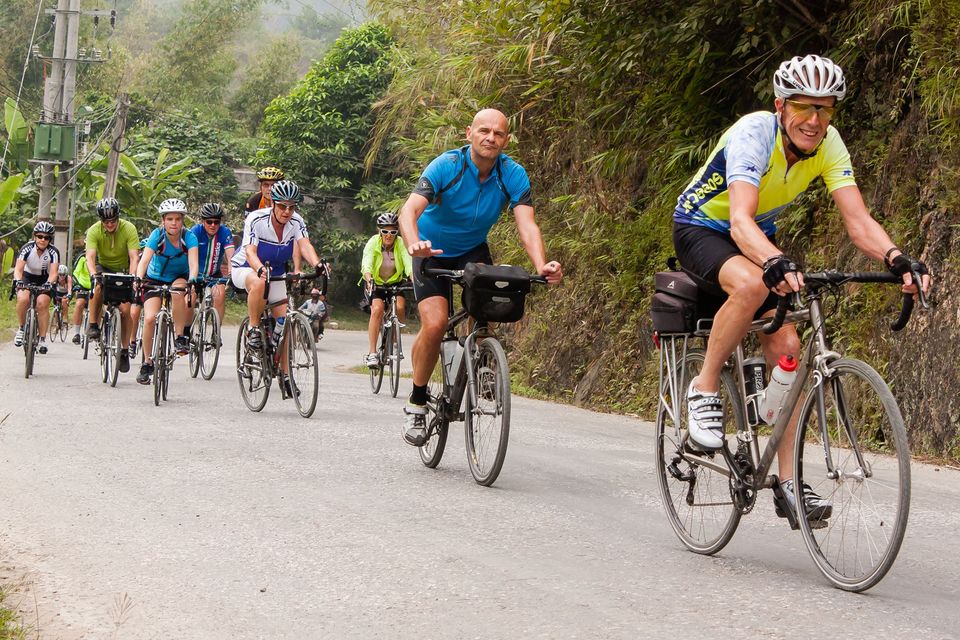
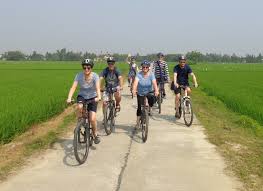
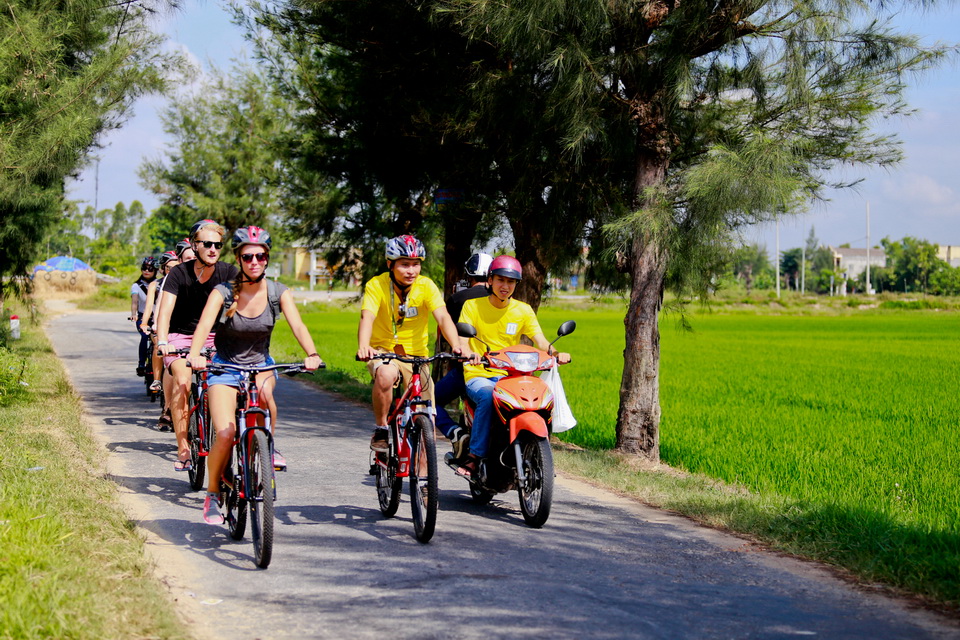
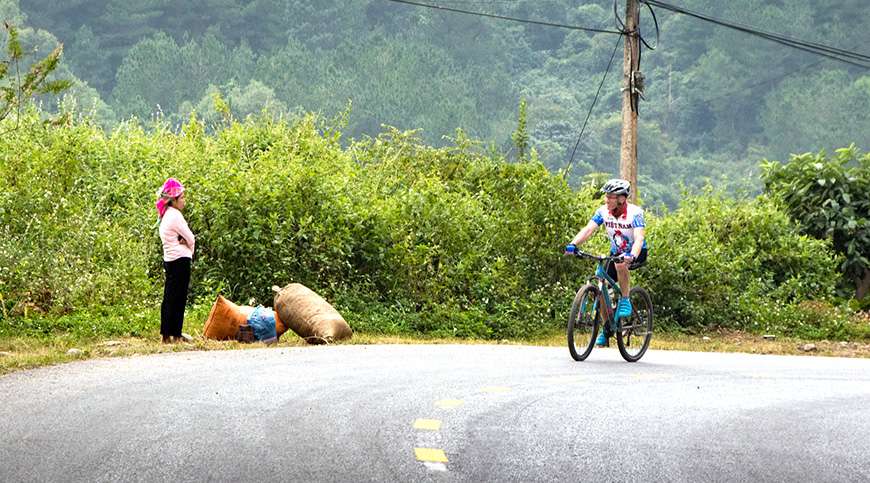
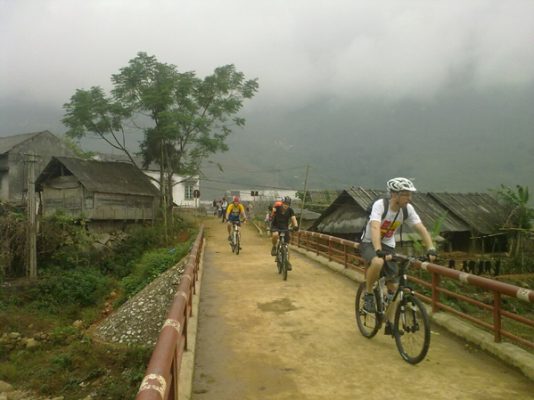
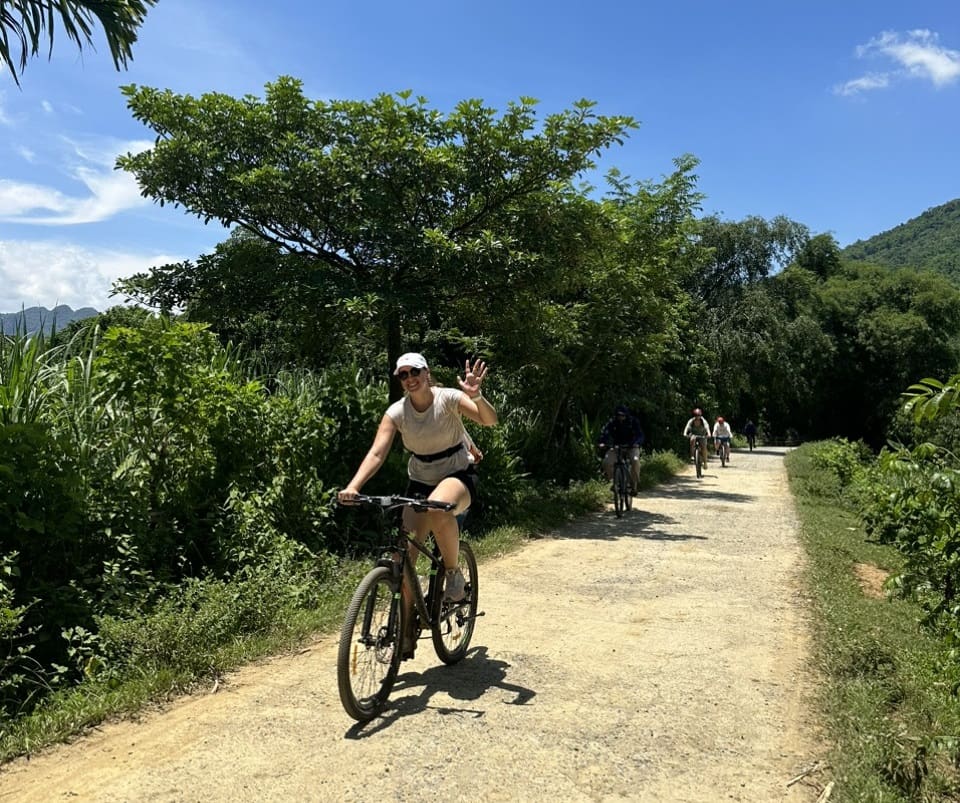
Trekking & Cycling: Sidemen is excellent for leisurely treks and cycling tours through the rice paddies, along riverbanks, and through local communities. These activities offer intimate encounters with the landscape and local life.
-
Artistic Inspiration: The valley has long attracted artists and writers seeking inspiration from its tranquil beauty.
Sidemen offers a deep dive into genuine Balinese rural life, away from the tourist bustle, making its rice terraces particularly rewarding for those seeking peace and authenticity.
4. Munduk Rice Terraces: Mountain Serenity
Nestled in the cool highlands of North Bali, the Munduk region also boasts beautiful rice terraces, though they often share the landscape with coffee and clove plantations.
-
Cool Climate & Misty Vistas: The higher elevation of Munduk means a cooler climate and often misty mornings, lending a mystical atmosphere to the rice fields.
-
Integrated Landscape: Munduk's terraces are part of a broader agricultural landscape, where coffee plants and clove trees grow alongside the rice paddies. Treks here often combine visits to waterfalls with walks through these diverse plantations.
-
Less Dramatic Terracing: While beautiful, Munduk's terraces might not be as dramatically carved as Tegalalang or as vast as Jatiluwih, but they offer a peaceful and serene backdrop to the mountain village life.
-
Trekking Opportunities: Excellent for combining rice field walks with visits to the region's famous waterfalls (Munduk, Banyumala, Sekumpul) and coffee plantation tours.
Munduk's rice terraces offer a different flavor of Balinese agricultural beauty, integrated into a cooler, mistier, and more diverse natural environment.
The Rice Cultivation Cycle: A Year in the Terraces
The appearance of Bali's rice terraces changes dramatically throughout the year, depending on the stage of the rice cultivation cycle. Understanding this cycle enhances the appreciation for the farmers' tireless work and the intricate Subak system.
-
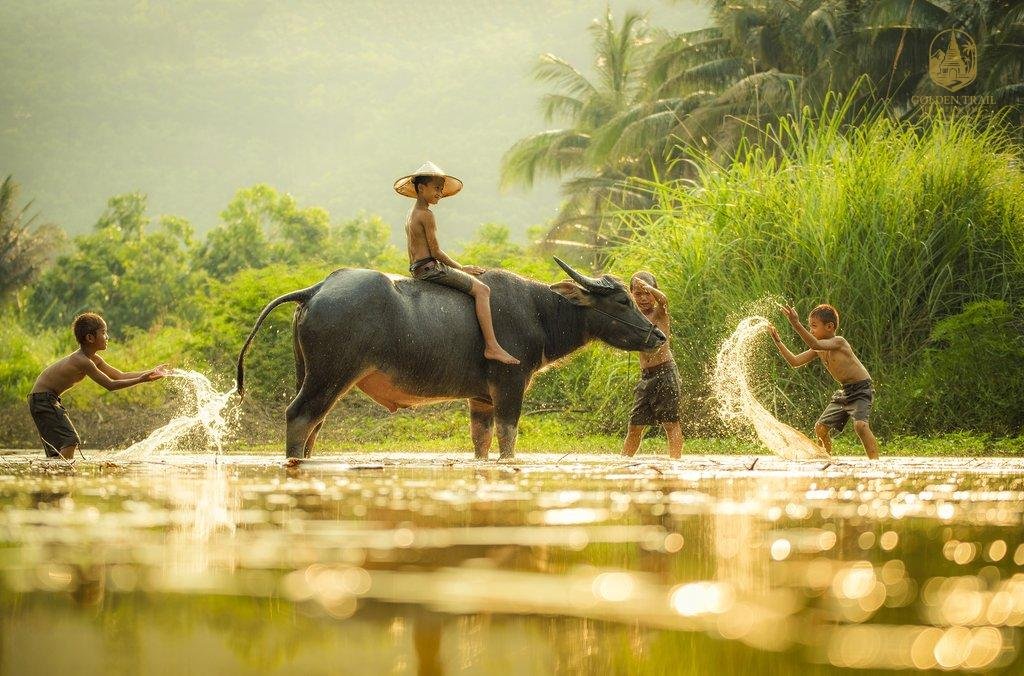
Plowing and Preparation: After harvest, the fields are left to dry out for a period. Then, water buffalo (or sometimes small tractors) are used to plow and prepare the soil, turning over the stubble and aerating the earth. The terraces are then meticulously leveled and prepared for flooding.
-
Flooding and Nursery: The terraces are systematically flooded using the Subak irrigation channels. Meanwhile, rice seedlings are grown in small, densely packed nursery beds.
-
Planting (Munduk): Young rice seedlings, typically 20-30 days old, are painstakingly transplanted by hand into the flooded paddies. This is often done by groups of farmers working together, a vibrant scene of collective effort. The fields are a brilliant, vibrant green during this phase.
-
Growth and Maintenance: Over the next few months, the rice plants grow taller, and the fields remain flooded. Farmers continuously manage water levels, fertilize, and control pests and weeds by hand. The terraces transition from bright green to a lush, deep emerald.
-
Golden Yellow & Harvest: As the rice grains mature, the fields turn a beautiful golden-yellow hue, signifying they are ready for harvest. Harvesting is also typically done by hand, with farmers cutting the stalks with small sickles.
-
Drying and Threshing: After harvesting, the rice stalks are often laid out on mats to dry in the sun. Threshing (separating the grain from the stalk) can be done by hand or with simple machines.
-
Rest Period: Once harvested, the fields are sometimes left fallow for a short period to allow the soil to regenerate before the next cycle begins.
Bali's climate allows for multiple rice harvests per year, typically two or three, depending on the region and water availability. This continuous cycle means that at any given time, different terraces will be in different stages of growth, adding to the dynamic beauty of the landscape.
Beyond the Views: Immersive Experiences in the Rice Terraces
Visiting Bali's rice terraces offers more than just scenic viewpoints; it's an opportunity for deep immersion in nature, culture, and traditional life.
Trekking & Hiking: Walk Through Living Art
-
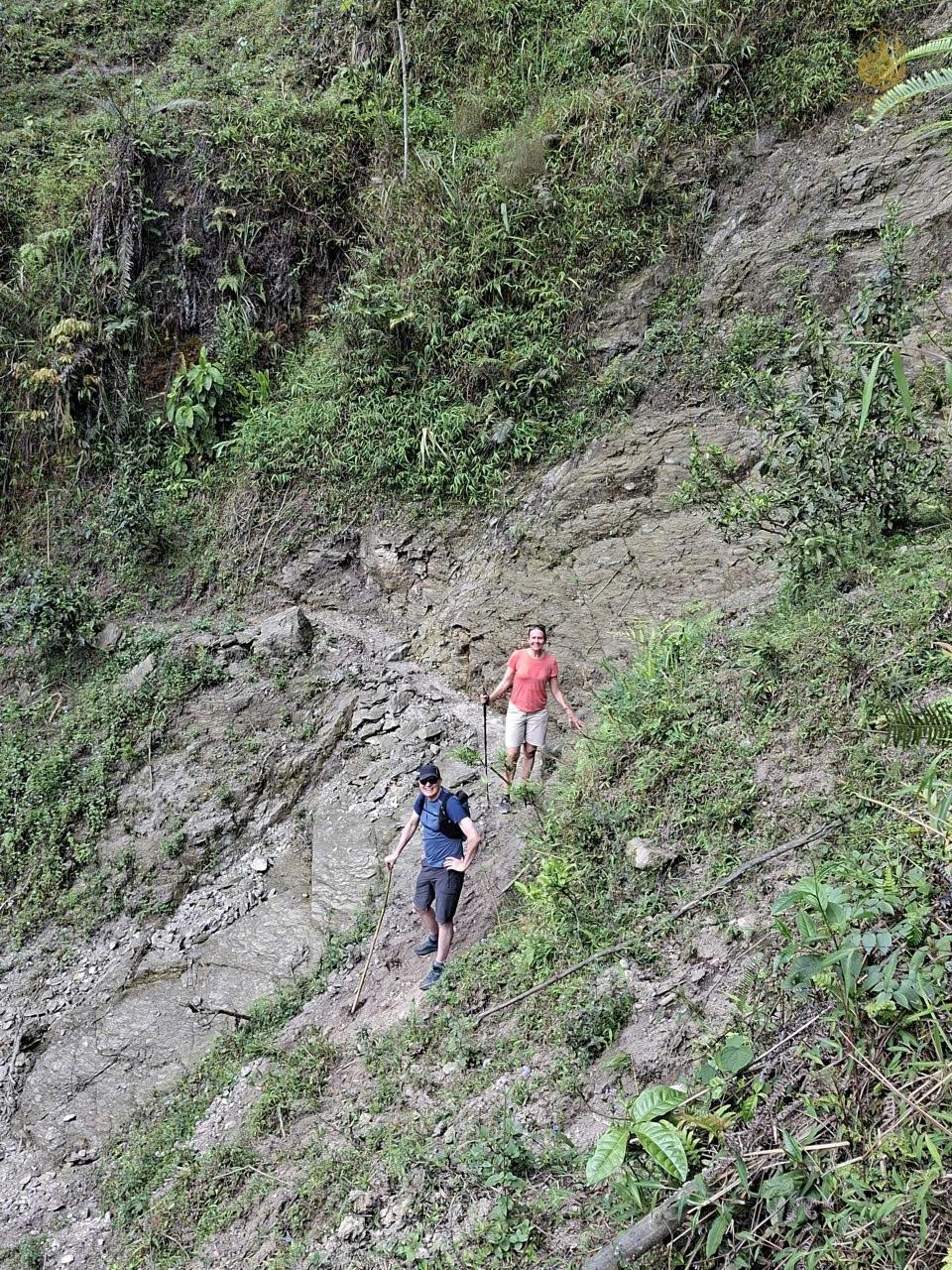
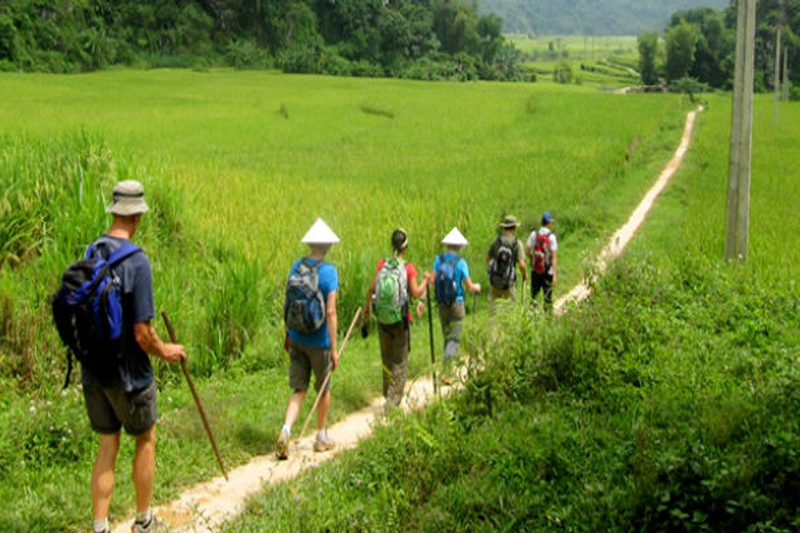
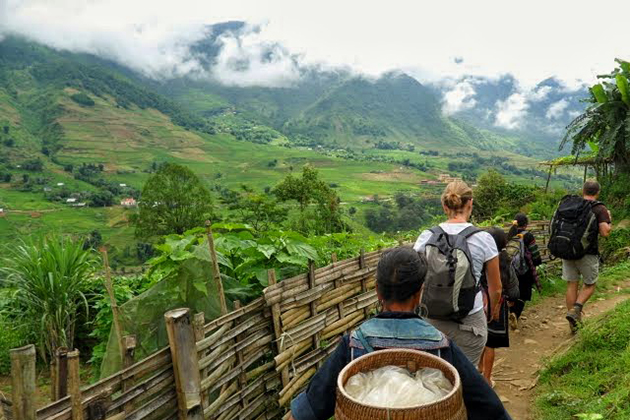
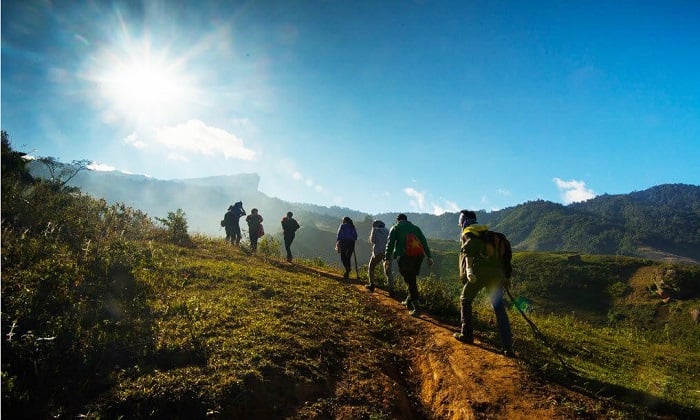
Jatiluwih Trekking: Choose from clearly marked trekking routes ranging from 1 to 4 hours, allowing you to walk right amidst the vast paddies, observe farmers at work, and appreciate the scale of the Subak system up close.
-
Tegalalang Exploration: While smaller, walking down into the Tegalalang valley and exploring the paths offers a more intimate perspective than just viewing from the ridge. Be prepared for varying terrain.
-
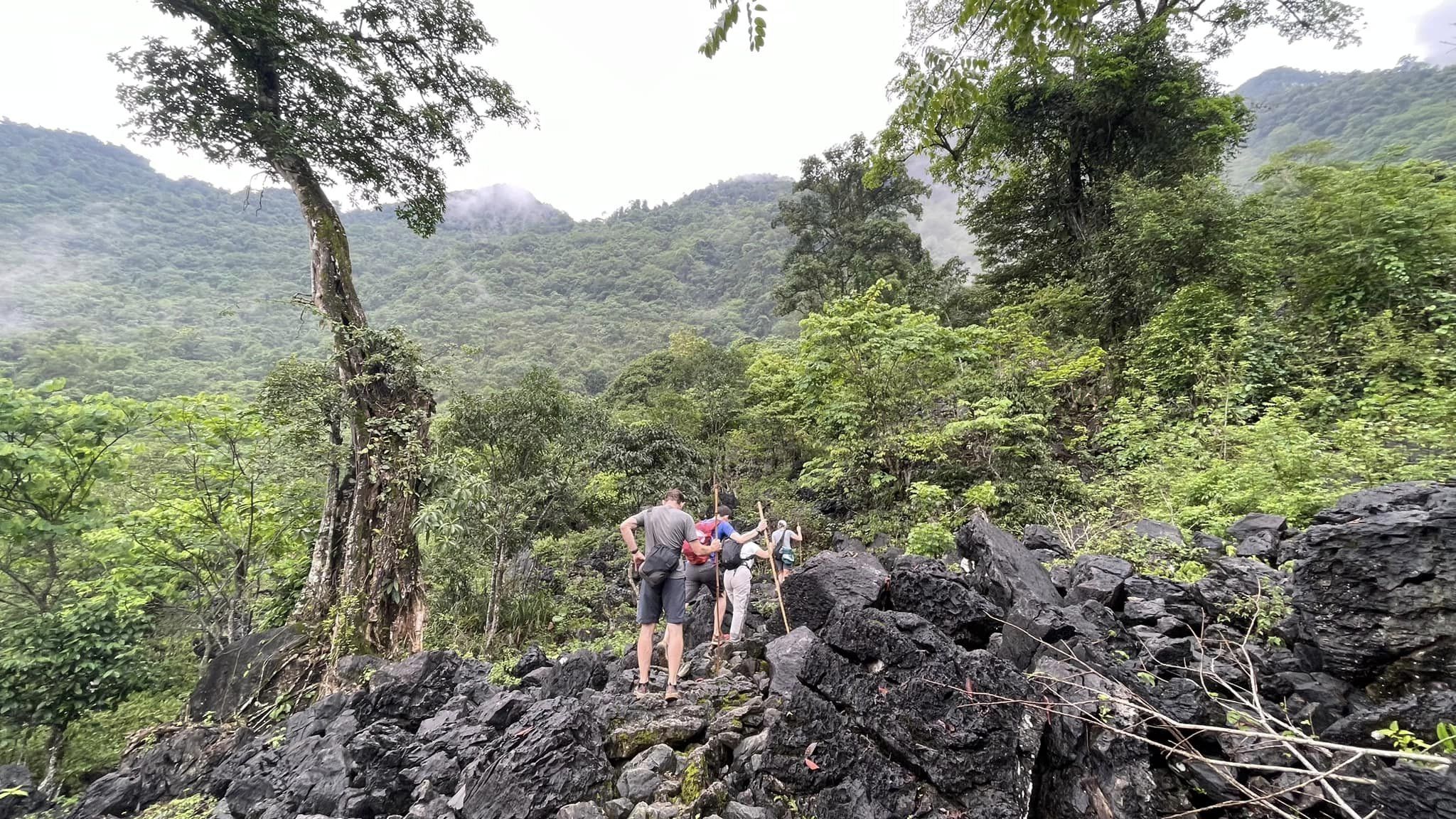
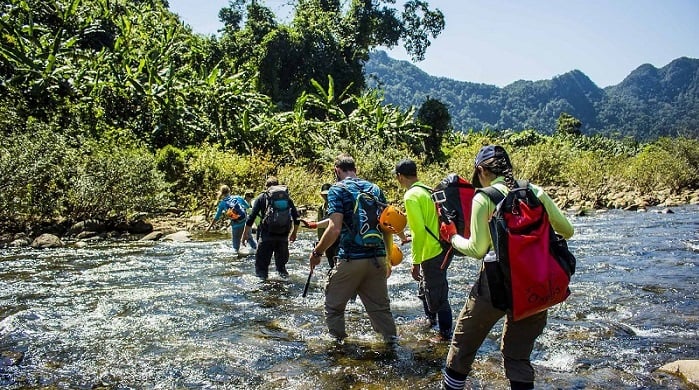
Sidemen & Munduk Treks: These areas are perfect for longer, less crowded treks that combine rice fields with jungle, rivers, and coffee/clove plantations. Often, these treks lead to hidden waterfalls or traditional villages.
-
Guided Treks: Hiring a local guide (especially with Golden Trail Travel) enhances the experience, as they can provide insights into the Subak system, local farming practices, flora and fauna, and cultural nuances.
Cycling Tours: Pedal Through Paradise
-
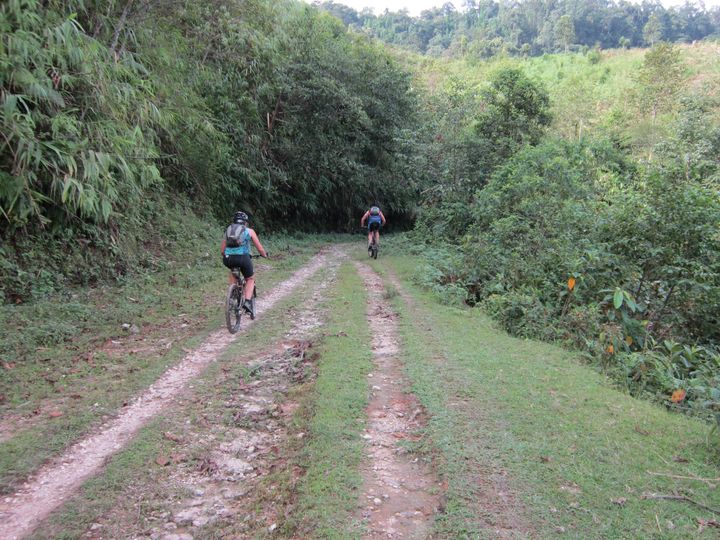
Ubud Countryside Cycling: Many tours start near the Kintamani volcano and involve a leisurely downhill cycle through traditional villages, stopping at local homes, temples, and, of course, rice paddies.
-
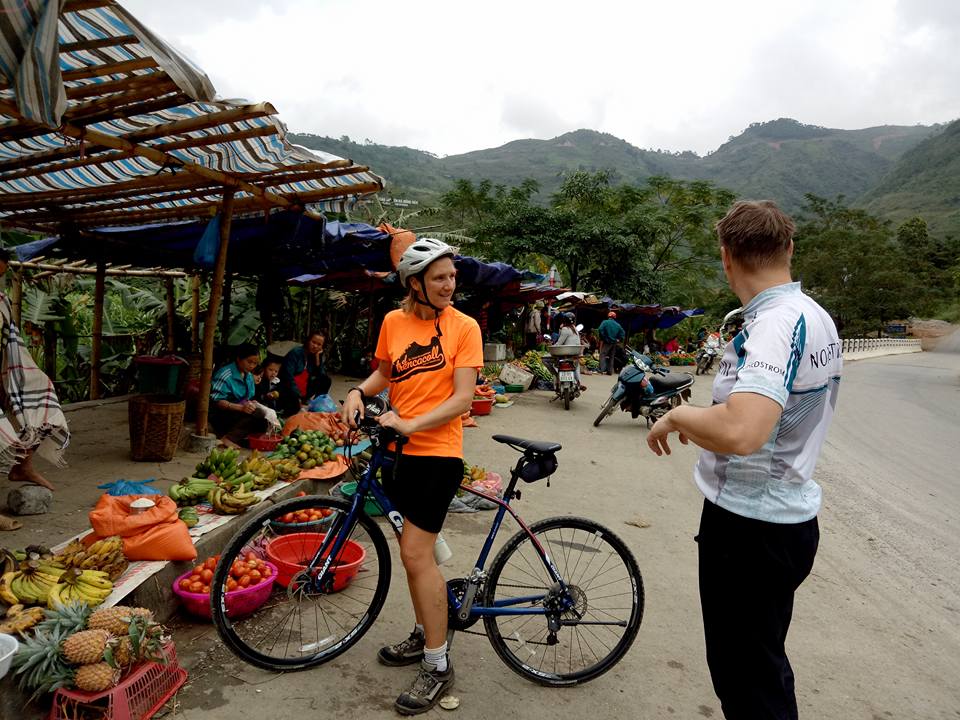
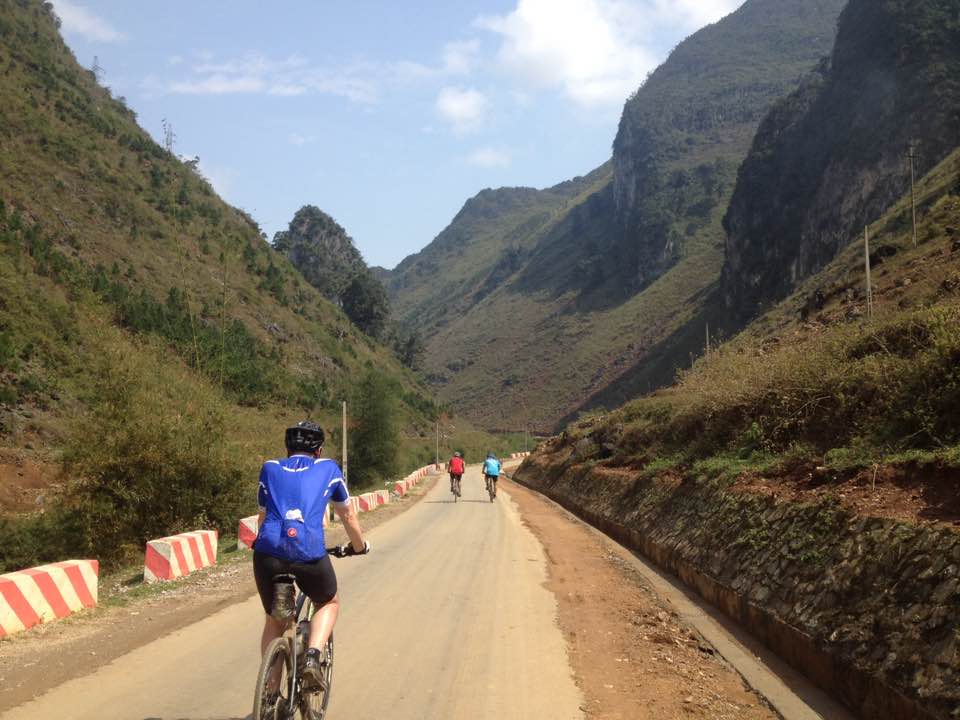
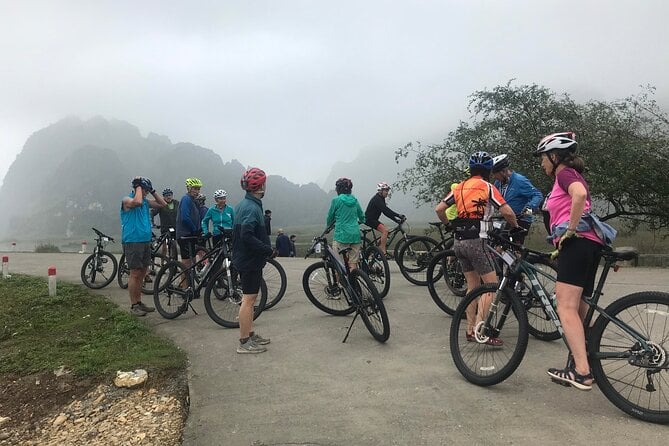
Sidemen & Munduk Cycling: These quieter regions offer fantastic opportunities for cycling through scenic backroads, plantations, and rice fields, providing a more intimate connection with the rural landscape.
Photography: Capturing the Emerald Hues
-
Golden Hours: Sunrise and late afternoon (golden hour) offer the best light for photography, creating long shadows and vibrant colors. The mist often adds a magical touch in the early morning.
-
Angles & Perspectives: Experiment with different angles – from panoramic viewpoints to close-ups of rice stalks, farmers, or reflections in the flooded paddies.
-
Iconic Shots: Tegalalang is famous for its swings and 'Love Bali' signs, perfect for unique photo ops (though often with a queue).
Local Cooking Classes: From Field to Fork
Many cooking classes, especially those in and around Ubud or Sidemen, begin with a visit to a local market or even a walk through rice fields to understand the source of ingredients. Learning to prepare Balinese dishes in a rural setting adds a unique dimension to your culinary experience.
Stay in a Rice Field Villa/Homestay
For the ultimate immersion, consider staying in a villa or homestay nestled within or adjacent to rice fields. Waking up to the sounds of nature and the views of the emerald paddies is an incredibly serene experience. Ubud, Sidemen, and parts of Canggu offer such options.
Observe Local Life & Farming Practices
The rice terraces are living, working landscapes. Take time to observe the farmers at work, whether plowing with water buffalo, meticulously planting seedlings, or harvesting the golden grains. Their dedication and harmony with nature are truly inspiring.
Engaging in these activities allows you to move beyond being a passive observer and become an active participant in the enduring beauty and cultural richness of Bali's rice terraces.
Conservation and Sustainability: Protecting Bali's Green Legacy
While the rice terraces are a symbol of Bali's enduring beauty and sustainability, they face increasing pressures from tourism, urbanization, and climate change. Efforts are ongoing to protect this vital cultural landscape.
Challenges Faced
-
Tourism Impact: Over-tourism in certain areas (like Tegalalang) can lead to erosion of pathways, increased litter, and commercialization that disrupts the authentic farming lifestyle.
-
Urbanization and Development: The expansion of hotels, villas, and infrastructure sometimes encroaches on valuable agricultural land, reducing the acreage of rice paddies.
-
Climate Change: Changes in rainfall patterns and temperatures can affect water availability and crop yields, posing a threat to the delicate balance of the Subak system.
-
Generational Shift: Younger generations sometimes seek more lucrative careers outside of farming, leading to a potential decline in traditional knowledge and labor.
Efforts in Conservation and Sustainable Tourism
-
UNESCO Recognition: The World Heritage status for Jatiluwih and other Subak sites provides a framework for international protection and sustainable management.
-
Community Involvement: Local Subak communities are crucial in maintaining the system. Supporting local initiatives that directly benefit farmers helps preserve their way of life.
-
Responsible Tourism: Visitors can play a vital role by:
-
Staying on Designated Paths: To avoid damaging the fragile terraces.
-
Minimizing Waste: Reducing plastic use and disposing of trash properly.
-
Supporting Local Economy: Buying from local farmers or eateries.
-
Respecting Farmers: Asking permission before taking photos and offering a small donation if appropriate.
-
Choosing Ethical Tour Operators: Companies that prioritize sustainable practices and fair benefits for local communities.
-
Educational Initiatives: Raising awareness among locals and tourists about the importance of the Subak system and the need for its preservation.
Protecting Bali's rice terraces is not just about preserving a beautiful landscape; it's about safeguarding a living cultural heritage that embodies sustainability, community, and spiritual harmony.
Practical Information for Visiting Bali's Rice Terraces
To make your visit to Bali's rice terraces enjoyable and respectful, here are some practical tips:
Best Time of Day to Visit
-
Early Morning (Sunrise): Highly recommended, especially for Tegalalang and Jatiluwih. The soft morning light is magical, the air is cool, and you'll avoid the crowds. Mist often adds an ethereal touch.
-
Late Afternoon (Golden Hour): Another excellent time, as the sun begins to set, casting long shadows and painting the terraces in golden hues. Fewer crowds than midday.
-
Midday: Can be very hot and crowded, especially at Tegalalang. The light can also be harsh for photography.
What to Wear and Bring
-
Comfortable Walking Shoes: Essential, as paths can be uneven, muddy (especially after rain), and slippery.
-
Lightweight Clothing: Breathable fabrics are best for the tropical climate.
-
Hat & Sunglasses: For sun protection.
-
Sunscreen: Apply generously and reapply.
-
Water Bottle: Stay hydrated. Many places offer refill stations.
-
Insect Repellent: Especially important for early morning or late afternoon visits.
-
Camera: For capturing the stunning scenery.
-
Cash: For entrance fees, donations to farmers, and purchases at local stalls.
-
Small Backpack: To carry your essentials.
Respecting the Farmers and the Land
-
Donations/Fees: At popular spots like Tegalalang, local farmers might ask for a small "donation" to cross their land or take photos. This is customary and helps support their livelihood. Be polite and respectful.
-
Stay on Paths: Do not venture off designated paths, as you could damage the delicate irrigation systems or crops.
-
No Littering: Always take your trash with you.
-
Ask Permission: If you wish to take a close-up photo of a farmer at work, politely ask for permission first. A smile and "Terima kasih" (thank you) go a long way.
Getting There
-
Scooter Rental: An adventurous option for independent travelers (only if experienced and with proper license).
-
Private Driver: The most comfortable and convenient way to visit, allowing you to tailor your itinerary and make multiple stops. Golden Trail Travel offers excellent private car services with knowledgeable drivers.
-
Organized Tours: Many tour operators offer half-day or full-day tours that include visits to the rice terraces, often combined with other attractions like temples or waterfalls.
By being prepared and respectful, your visit to Bali's rice terraces will be a deeply rewarding and memorable experience.
Why Visit The Rice Terraces of Bali with Golden Trail Travel
While the sheer beauty of Bali's rice terraces is undeniable, unlocking their deeper significance and experiencing them fully can be profoundly enhanced with expert guidance. This is where Golden Trail Travel becomes your invaluable partner, transforming a simple sightseeing trip into an immersive cultural and environmental journey.
Golden Trail Travel specializes in crafting seamless, authentic, and responsible travel experiences throughout Indonesia, with a deep understanding of Bali's unique cultural landscape. They are committed to showcasing the island's natural beauty while ensuring a positive impact on local communities and the environment.
Golden Trail Travel offers comprehensive services that elevate your rice terrace experience, including:
-
Expert Local Guides: Their knowledgeable, English-speaking Balinese guides are not just drivers; they are storytellers who can explain the intricate workings of the Subak system, share the philosophy of Tri Hita Karana, introduce you to local farmers, and reveal the nuances of Balinese rural life.
-
Tailored Itineraries: Whether you want to focus exclusively on the rice terraces, combine them with temple visits, volcano treks, or local cooking classes, Golden Trail Travel can custom-design an itinerary that perfectly matches your interests and pace. They connect the best rice terrace spots with other nearby attractions for an efficient and enriching day.
-
Seamless Transportation: Enjoy comfortable and reliable private car transfers from your accommodation directly to the rice terraces and other destinations. Their experienced drivers navigate Bali's roads with ease, allowing you to relax and soak in the scenery without any logistical worries.
-
Authentic Experiences: Golden Trail Travel goes beyond the standard tourist stops. They can arrange genuine rice field trekking tours, cycling adventures through rice paddies and local villages, or visits to lesser-known, pristine terraces like those in Sidemen, offering a more intimate connection with the landscape.
-
Support for Local Communities: By choosing Golden Trail Travel, you're supporting an operator committed to responsible tourism. They work to ensure that local communities and farmers directly benefit from tourism, contributing to the sustainable preservation of these vital landscapes.
-
Hassle-Free Booking: Their user-friendly website makes it easy to explore tour options, customize your trip, and book securely online, ensuring a smooth planning process from start to finish.
Don't just see the rice terraces; understand them, walk among them, and feel the rhythm of life that pulses through their emerald veins. Let Golden Trail Travel be your guide to unlocking the profound beauty and cultural significance of Bali's living landscapes.
Visit their website today to explore their diverse range of Bali tours, including dedicated experiences for the rice terraces, and easily book your journey to this enchanting island: https://goldentrailtravel.com/
Customer Reviews for The Rice Terraces of Bali & Golden Trail Travel
"Visiting Jatiluwih Rice Terraces with Golden Trail Travel was an absolute highlight of our Bali trip! The sheer scale and beauty were breathtaking, and our guide explained the Subak system so clearly. It was far less crowded than Tegalalang, and the trekking was incredible. Golden Trail Travel organized everything perfectly, from pick-up to drop-off. Highly recommend this authentic experience!" — Sarah W., USA
"We did a sunrise tour to Tegalalang Rice Terraces with Golden Trail Travel, and it was magical! We avoided the crowds, and the light for photos was amazing. Our driver was punctual and shared great local insights. Later, they took us to a fantastic local cafe overlooking the terraces. Their service is truly top-notch, making our Bali experience unforgettable." — Liam K., UK
"The Sidemen Valley rice terraces, arranged by Golden Trail Travel, were exactly what we were looking for – peaceful, authentic, and stunningly beautiful. We did a wonderful cycling tour through the paddies and local villages. It felt like we stepped back in time. Golden Trail Travel’s commitment to providing genuine experiences really shone through. Fantastic!" — Emily C., Australia
"As a photographer, the rice terraces were a must-see for me. Golden Trail Travel curated a perfect photography tour, taking me to the best spots in Jatiluwih and even some lesser-known vantage points. Their guides understood exactly what I needed. It was an incredibly rewarding experience. Their website also made it so easy to plan!" — David P., Canada
"Our family had an amazing day exploring the rice fields and learning about Balinese farming. Golden Trail Travel arranged a private tour to a rice terrace near Ubud and included a fun cooking class afterwards. Our kids loved seeing the water buffalo! The whole day was well-paced and educational. We felt very comfortable and well looked after." — Maria G., Germany
Frequently Asked Questions (FAQ) about The Rice Terraces of Bali
Q1: What are the Bali Rice Terraces and why are they famous? A1: The Bali Rice Terraces are ancient, intricately sculpted agricultural landscapes where rice is cultivated on tiered slopes. They are famous for their breathtaking beauty, their embodiment of the Subak irrigation system (a UNESCO World Heritage site), and their deep cultural and spiritual significance in Balinese Hinduism.
Q2: What is the Subak system? A2: Subak is a traditional, democratic, and cooperative irrigation system unique to Bali. It manages water distribution for rice paddies through a network of canals, tunnels, and water temples, ensuring equitable water sharing among farmers and reflecting the Balinese philosophy of harmony with God, humans, and nature (Tri Hita Karana).
Q3: What are the main rice terraces to visit in Bali? A3: The most famous are Jatiluwih Rice Terraces (a vast UNESCO site, more authentic), Tegalalang Rice Terraces (iconic, dramatic, near Ubud, popular for photos), Sidemen Valley Rice Terraces (tranquil, authentic, less touristy), and Munduk Rice Terraces (cooler climate, combined with plantations).
Q4: What is the best time of day to visit the rice terraces for photos? A4: Early morning (sunrise) or late afternoon (golden hour) are ideal. The light is soft, the temperatures are cooler, and you'll generally encounter fewer crowds, making for better photography conditions.
Q5: What is the best time of year to see the rice terraces in their vibrant green? A5: The appearance changes with the cultivation cycle, but for the most vibrant green, visit during the mid-growth phase, typically 2-3 months after planting. This often falls in April-May or September-October, after the planting season (which varies locally).
Q6: Can I walk or trek through the rice terraces? A6: Yes, most rice terraces have designated walking paths. Jatiluwih offers well-marked trekking routes of various lengths. At Tegalalang, you can descend into the valley and explore the paths. Comfortable shoes are essential.
Q7: Is there an entrance fee to visit the rice terraces? A7: Yes, most popular rice terraces (like Jatiluwih and Tegalalang) have an entrance fee. At Tegalalang, local farmers might also ask for small "donations" if you cross their private land.
Q8: What should I wear and bring when visiting the terraces? A8: Wear comfortable walking shoes (that you don't mind getting muddy), lightweight clothing, a hat, and sunglasses. Bring sunscreen, insect repellent, plenty of water, and cash.
Q9: How can Golden Trail Travel help me experience the Bali Rice Terraces? A9: Golden Trail Travel specializes in organizing seamless and authentic tours to Bali's rice terraces. They provide expert local guides to explain the Subak system and culture, comfortable private transportation, and can customize itineraries to combine rice terraces with other attractions like temples, waterfalls, or cooking classes. Visit their website: https://goldentrailtravel.com/ to book.
Q10: Are the rice terraces environmentally friendly? A10: The traditional Subak system itself is highly sustainable. However, increased tourism and development can pose challenges. Visitors are encouraged to practice responsible tourism by staying on paths, minimizing waste, and respecting the local environment and farmers