Sapa: The Misty Jewel of Northern Vietnam – Trekking Through Terraced Rice Fields and Ethnic Cultures
Introduction: Discovering the Mystique of Sapa
Perched high in the Hoàng Liên Son mountain range of Northern Vietnam, Sapa emerges as a breathtaking tapestry of mist-shrouded peaks, verdant terraced rice fields, and vibrant ethnic minority cultures. This enchanting highland town, often referred to as the "Roof of Indochina," offers a profound escape from the bustling lowlands, inviting travelers to immerse themselves in a world of stunning natural beauty, rich traditions, and unparalleled adventure.
Sapa's allure is multifaceted: the crisp mountain air, the mesmerizing patterns of the rice terraces carved into the hillsides, the vibrant colors of ethnic costumes, and the genuine warmth of the local communities. Whether you're an avid trekker seeking challenging mountain trails, a cultural enthusiast eager to learn about indigenous lifestyles, or simply a soul yearning for serene beauty and fresh perspectives, Sapa promises an unforgettable journey. This comprehensive guide will take you deep into the heart of this misty jewel, exploring its iconic landscapes, diverse ethnic groups, thrilling activities, culinary delights, and practical tips for planning your perfect highland adventure. And as you envision your trek through these ethereal landscapes, remember that Golden Trail Travel (https://goldentrailtravel.com/) is your ideal partner for crafting unforgettable experiences, offering unique trekking and cycling tours and comprehensive packages that seamlessly integrate the majestic beauty of Sapa.
Chapter 1: The Land and Its People – Geography and Demographics of Sapa
Sapa's unique charm is inseparable from its dramatic geography and the vibrant mosaic of ethnic groups who call this region home.
-
Geography: The Roof of Indochina: Sapa is located in Lào Cai Province, in the northwestern region of Vietnam, close to the border with China. It lies at an elevation of approximately 1,500 meters (4,921 feet) above sea level.
- Hoàng Liên Son Mountain Range: The town is nestled in the majestic Hoàng Liên Son mountain range, which includes Fan Si Pan (often spelled Fansipan), the highest mountain in Indochina, standing at 3,143 meters (10,312 feet). The rugged peaks and deep valleys create a spectacular, often dramatic, landscape.
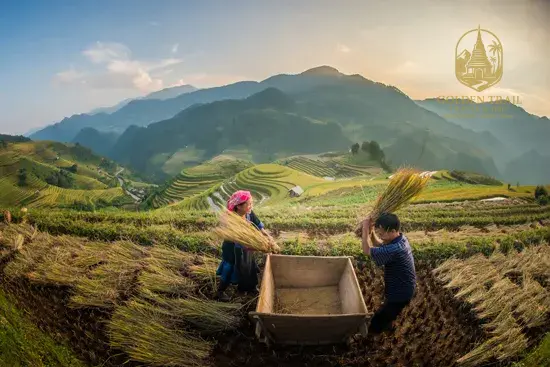
- Terraced Rice Fields: Perhaps Sapa's most iconic feature, the terraced rice fields are an ingenious agricultural marvel carved into the steep hillsides by generations of ethnic minority people. These verdant staircases are particularly beautiful during the transplanting season (May-June) when they are flooded, and the harvest season (September-October) when they turn a brilliant golden hue. They are recognized by UNESCO as part of the Hoang Lien National Park.
- Climate: Sapa experiences a temperate to subtropical climate, with four distinct seasons. Summers are cool and wet, while winters are cold, often bringing frost and occasionally snow (a rare phenomenon in tropical Vietnam). The misty and foggy conditions are characteristic, adding to its mysterious allure.
-
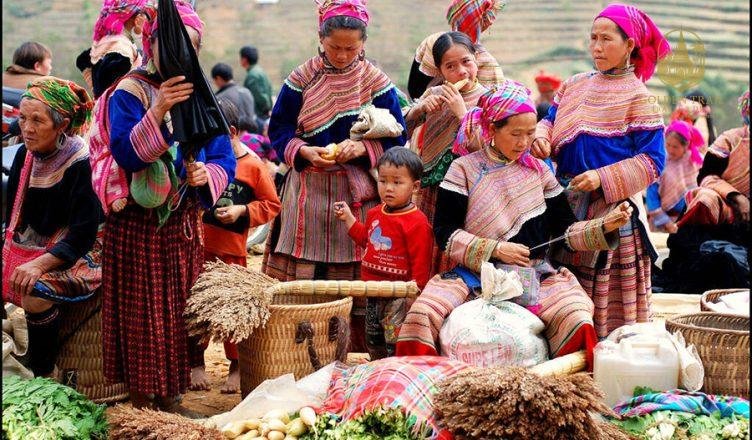
Demographics: A Mosaic of Ethnic Minorities: Sapa is home to several distinct ethnic minority groups, each with their own unique language, customs, traditional dress, and way of life. They make up the majority of the population in the surrounding villages.
- Hmong (Black Hmong): The largest ethnic group in the Sapa region, easily recognizable by their indigo-dyed clothing and traditional silver jewelry. They are skilled farmers and artisans.
- Dao (Red Dao): Distinguished by their elaborate red embroidered traditional costumes and distinctive red headscarves, often adorned with silver coins. They have unique spiritual practices and a rich herbal medicine tradition.
- Tay: Known for their stilt houses and traditional weaving, often living closer to rivers.
- Gai (Dzay): Often reside in lower valleys and are known for their vibrant, colorful clothing and farming techniques.
- Xao Pho (Phu La): A smaller group, sometimes identified by their distinctive clothing.
- Cultural Exchange: Interactions with these ethnic communities, particularly during treks to their villages, offer invaluable insights into their rich cultures and traditional ways of life, which have remained largely unchanged for centuries.
Chapter 2: Sapa's Iconic Landscapes – Peaks, Valleys, and Waterfalls
Sapa's natural beauty is unparalleled, offering a feast for the eyes and soul.
-
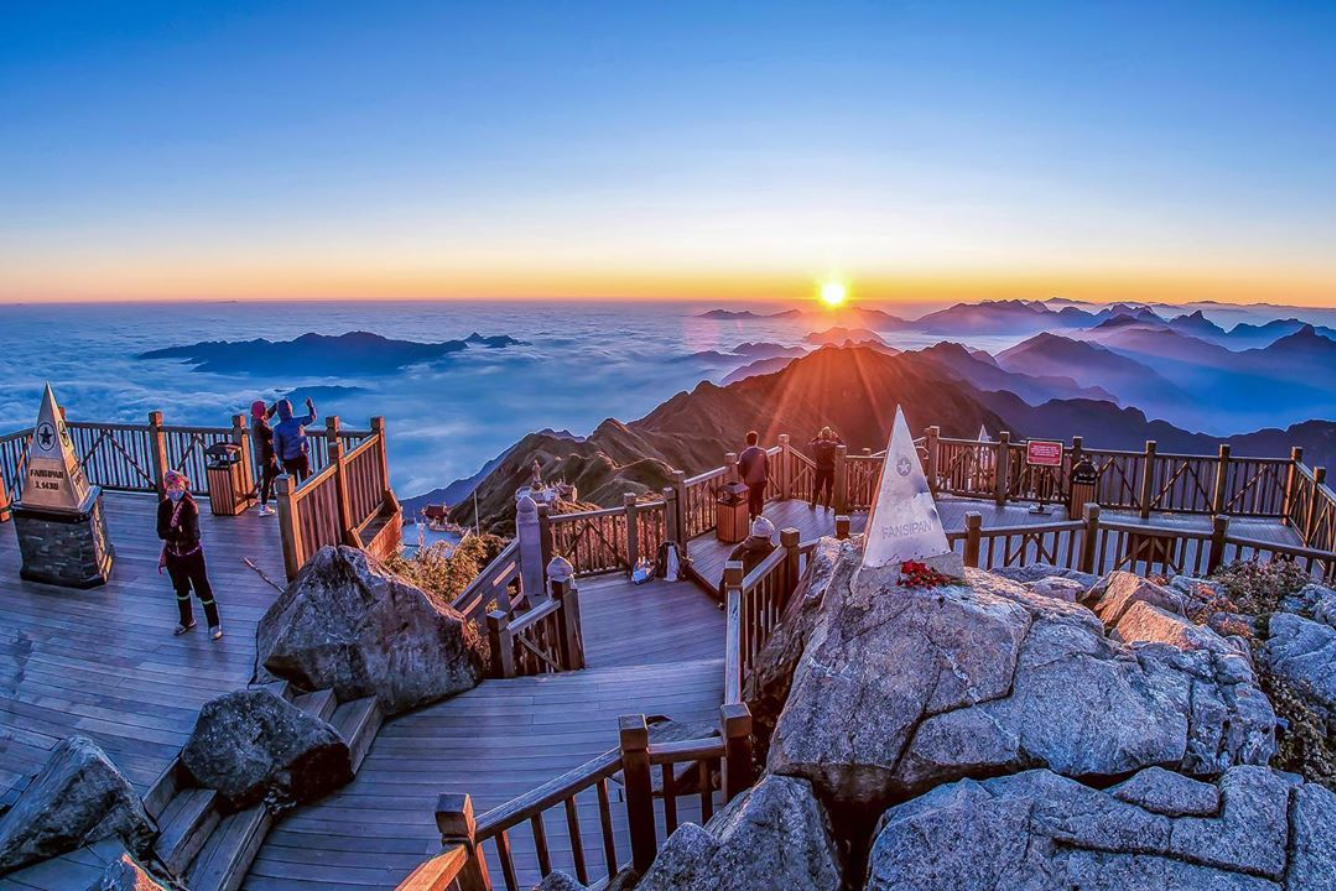
Fan Si Pan (Fansipan): The Roof of Indochina The highest peak in Vietnam, Laos, and Cambodia, Fansipan is a majestic challenge for trekkers. While a strenuous multi-day trek used to be the only way to conquer it, a modern cable car system now whisks visitors from Sapa town almost to the summit in a matter of minutes.
- Cable Car Experience: The cable car ride itself offers breathtaking panoramic views of the terraced valleys, clouds, and surrounding mountains. At the top, you'll find a spiritual complex with pagodas, statues, and observation decks.
- Trekking Fansipan: For experienced and adventurous trekkers, organized multi-day treks to the summit remain a popular option, offering a truly immersive experience in the high-altitude wilderness.
-
Muong Hoa Valley: The Heart of the Terraces Stretching southeast of Sapa town, the Muong Hoa Valley is arguably the most famous and visually stunning feature of the region. It's renowned for its magnificent terraced rice fields that cascade down the hillsides, creating a mesmerizing landscape.
- Trekking Hub: Most popular treks lead through this valley, connecting various ethnic minority villages like Lao Chai, Ta Van, and Giang Ta Chai.
- Ancient Rock Field: Within the valley, an ancient rock field features hundreds of carved rocks with mysterious symbols and images, believed to date back thousands of years. Its purpose remains a subject of archaeological debate.
-
Cat Cat Village: A Traditional Hmong Hamlet One of the most accessible and popular ethnic minority villages near Sapa town, Cat Cat is a Black Hmong village nestled in a picturesque valley. Visitors can descend into the village (a fairly easy downhill walk) to witness traditional Hmong crafts, water mills, and a beautiful waterfall. While touristy, it offers a quick glimpse into Hmong culture.
-
Ta Van Village: A Diverse and Peaceful Hamlet Located deeper in the Muong Hoa Valley, Ta Van is a larger village home to several ethnic groups, including Hmong, Red Dao, and Dzay. It offers a more authentic and less commercialized experience than Cat Cat. Many homestays are available here for those wishing to spend a night in a local village. The landscape around Ta Van is particularly stunning, with rolling rice terraces and a peaceful river.
-
Silver Waterfall (Thac Bac): A Majestic Cascade Located about 12 kilometers from Sapa town on the way to Fansipan, Silver Waterfall is a powerful and impressive cascade that plunges over 200 meters. A viewing bridge allows visitors to get up close to the roaring waters, which are especially voluminous during the rainy season.
-
Love Waterfall (Thac Tinh Yeu): A Romantic Legend Hidden amidst lush forest, Love Waterfall is named after a local legend about a fairy and a woodcutter. It's a picturesque waterfall requiring a pleasant trek through bamboo forests to reach, offering a tranquil and romantic setting.
Chapter 3: Cultural Immersion and Authentic Experiences
Sapa is not just about natural beauty; it's a gateway to understanding the rich traditions of its ethnic minority communities.
-
Homestays: Living with Locals Staying in a local homestay in a village like Ta Van, Lao Chai, or Giang Ta Chai is one of the most enriching experiences Sapa offers. You'll live with an ethnic minority family, share meals, learn about their daily life, traditions, and customs, and gain a profound appreciation for their hospitality and resilience. It's an authentic cultural exchange.
-
Trekking and Village Visits: The most popular way to experience Sapa's culture is through guided treks to ethnic minority villages. These treks vary in difficulty and duration, from half-day walks to multi-day excursions. Guides, often local women from the communities, lead you through terraced fields, across streams, and into the villages, explaining local customs, farming practices, and the significance of their traditional clothing.
-
Sapa Market: A Burst of Colors and Commerce The main market in Sapa town is a bustling hub where ethnic minority people from surrounding villages come to trade goods, socialize, and sell their exquisite handicrafts. You'll find intricately embroidered textiles, silver jewelry, unique traditional clothing, and local produce. Visiting the market offers a vibrant glimpse into the daily life and commerce of the region.
-
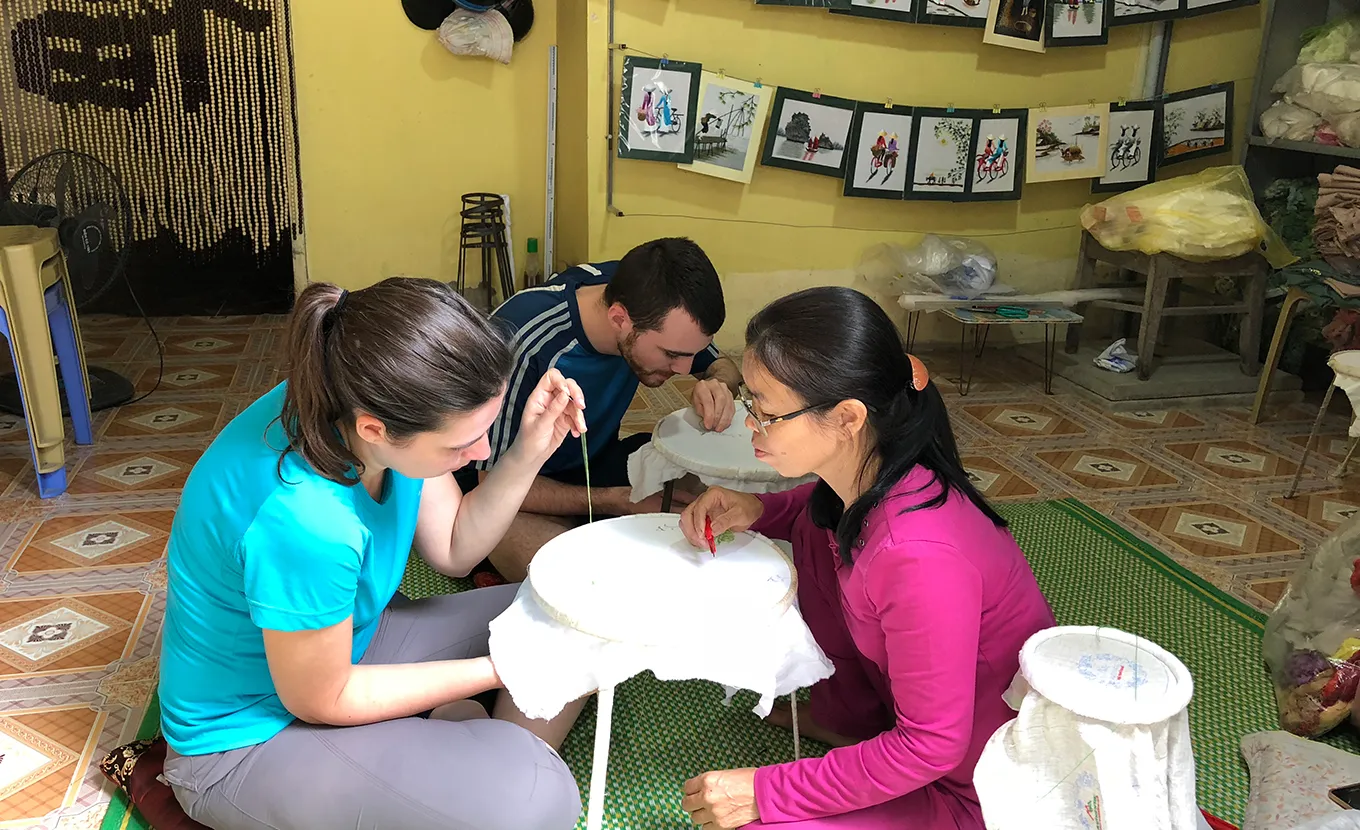
Traditional Handicrafts and Textiles: Many ethnic minority women are skilled artisans, particularly in embroidery, weaving, and batik (wax-dyeing). You can often see them working on their crafts in the villages or at the market. Purchasing handicrafts directly from them supports their livelihoods and preserves traditional skills.
-
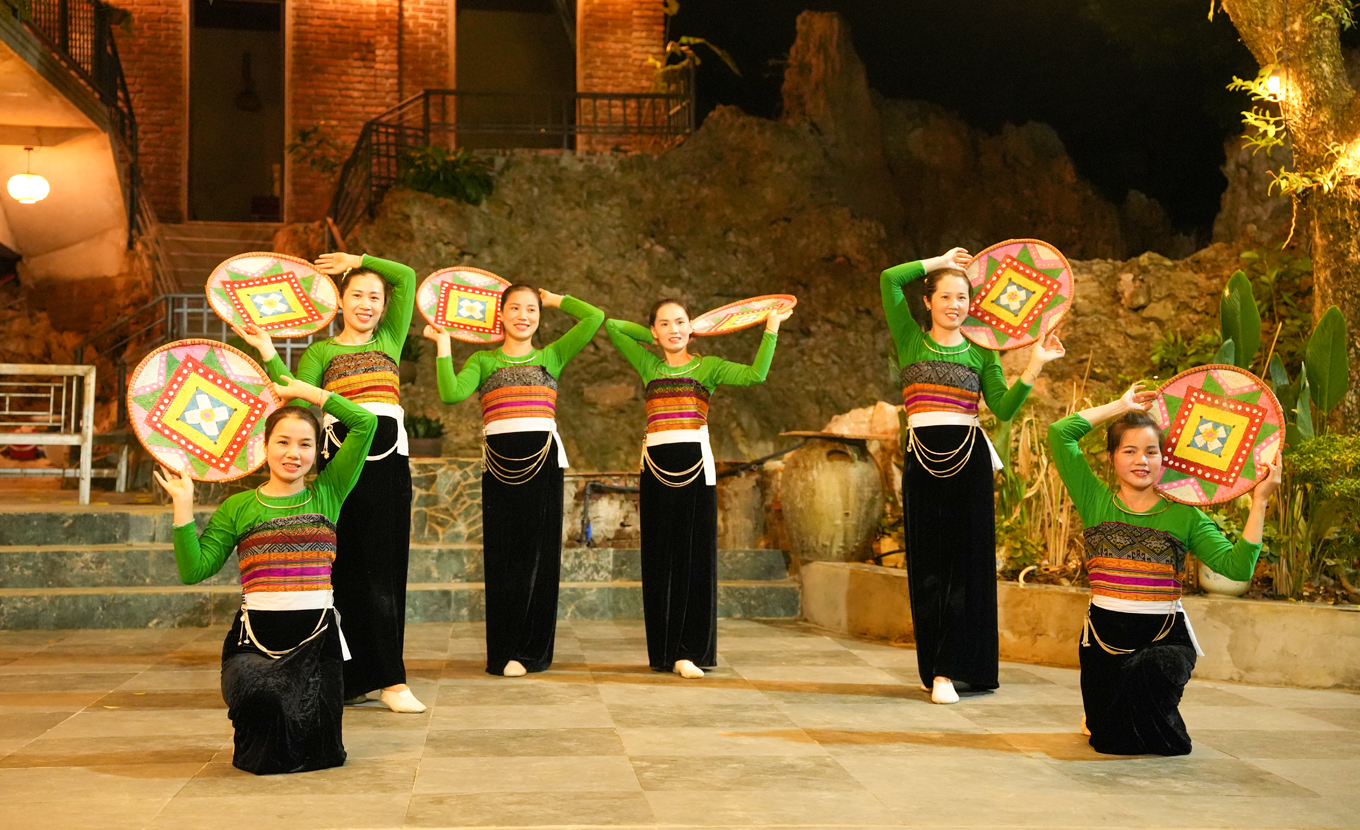
Local Festivals: If your visit coincides with local festivals, you'll have a chance to witness vibrant celebrations, traditional music, dancing, and rituals. These festivals are deeply rooted in the agricultural cycles and spiritual beliefs of the communities.
-
Cultural Exchange Opportunities: Many local organizations and tour operators facilitate respectful cultural exchange programs, allowing visitors to learn traditional cooking, farming techniques, or language basics from the ethnic communities.
Chapter 4: Sapa's Unique Cuisine – Highland Flavors
Sapa's cuisine is hearty and comforting, designed to warm you in the cool mountain air, often utilizing local produce and traditional cooking methods.
-
Thang Co (Horse Hotpot): The Ultimate Local Specialty This is Sapa's most famous and adventurous dish. Traditionally made from horse meat and internal organs, it's cooked in a large pot with various spices and herbs. While it might sound daunting, it's a staple of the Hmong people and offers a truly authentic taste of highland cuisine. Some restaurants now offer beef or pork versions.
-
Salmon Hotpot (Lau Ca Hoi): A Popular Delicacy Despite being a mountain town, Sapa has successful salmon farms. Fresh salmon is a popular ingredient, especially in hotpot. The salmon hotpot is a delicious and warming dish, perfect for Sapa's cool evenings, served with fresh local vegetables and noodles.
-
Grilled Dishes (Do Nuong): Perfect for Cool Evenings The cool climate makes grilled food incredibly popular. You'll find numerous street stalls and restaurants offering a wide variety of grilled items:
- Grilled Pork/Chicken Skewers: Marinated meat grilled over charcoal.
- Grilled Vegetables: Corn, sweet potato, and other local vegetables.
- Grilled Sticky Rice: Sticky rice wrapped in banana leaves and grilled.
- Grilled Eggs: Hard-boiled eggs grilled until slightly smoky.
-
Local Vegetables and Herbs: Sapa's fertile soil and cool climate are ideal for growing various unique vegetables and herbs not commonly found in other parts of Vietnam, such as "cải mèo" (mustard greens) and "su su" (chayote shoots). These are often stir-fried with garlic or added to hotpots.
-
Black Hmong Rice Wine (Ruou San Lung): A Strong Spirit A potent traditional rice wine brewed by the Hmong people, often with a distinct herbal aroma. It's a strong local spirit, usually consumed during meals or celebrations.
-
Com Lam (Bamboo Sticky Rice): A Unique Snack Sticky rice cooked in bamboo tubes over an open fire. The bamboo imparts a subtle, earthy flavor, and the rice is served by peeling back the bamboo casing. A convenient and tasty snack, often served with grilled pork.
-
Pork Armpit (Lon Cap Nach): A Traditional Delicacy This refers to small, free-range pigs raised by ethnic minorities, known for their lean and flavorful meat. They are often roasted whole or prepared in various local dishes, a sought-after delicacy.
-
Highland Fruits: Seasonal fruits like plums, peaches, and pears thrive in Sapa's climate, offering fresh and juicy treats.
Chapter 5: Activities and Experiences – Making the Most of Your Sapa Trip
Sapa offers a wealth of activities that allow you to fully immerse yourself in its natural beauty and rich culture.
-
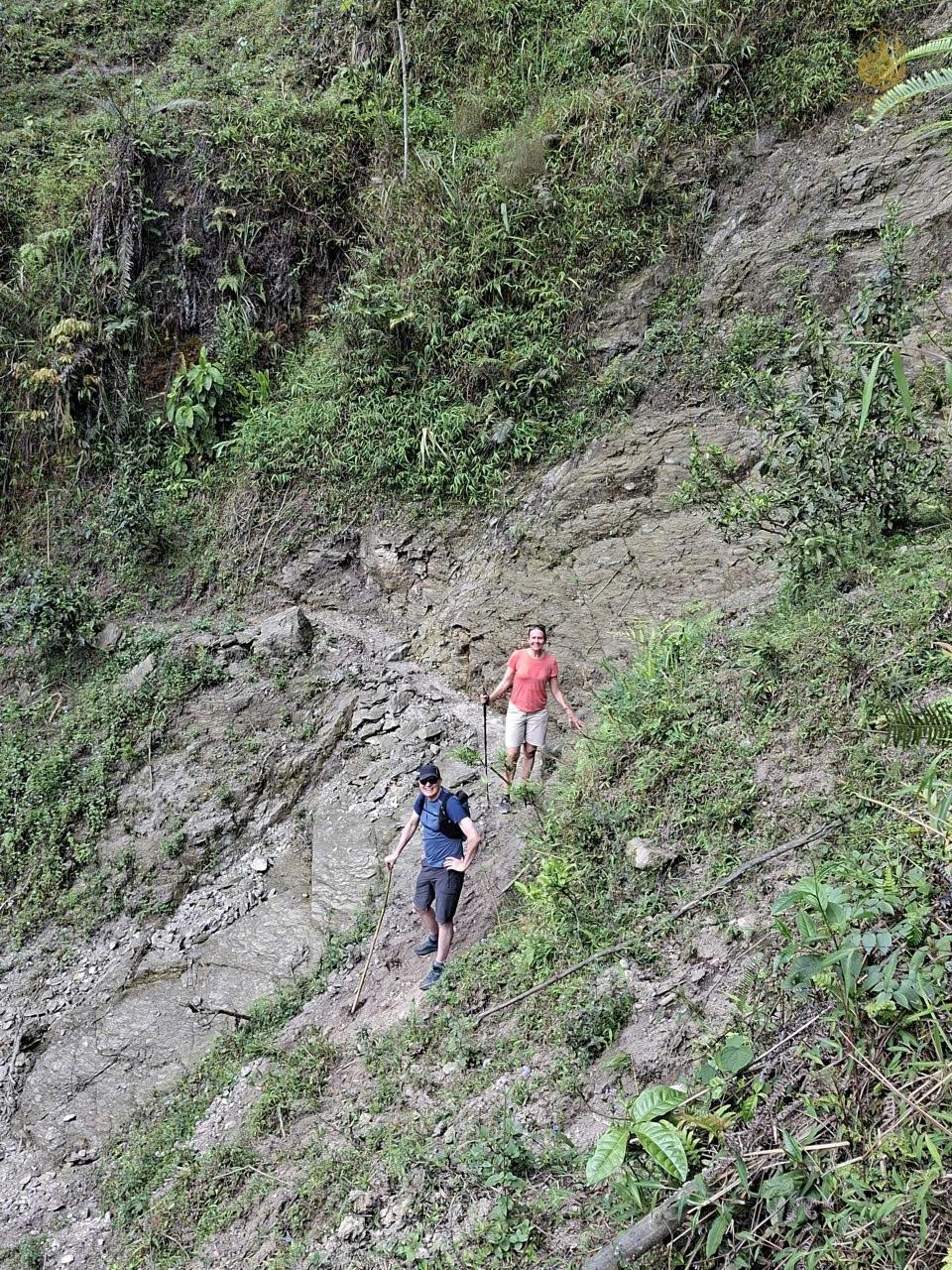
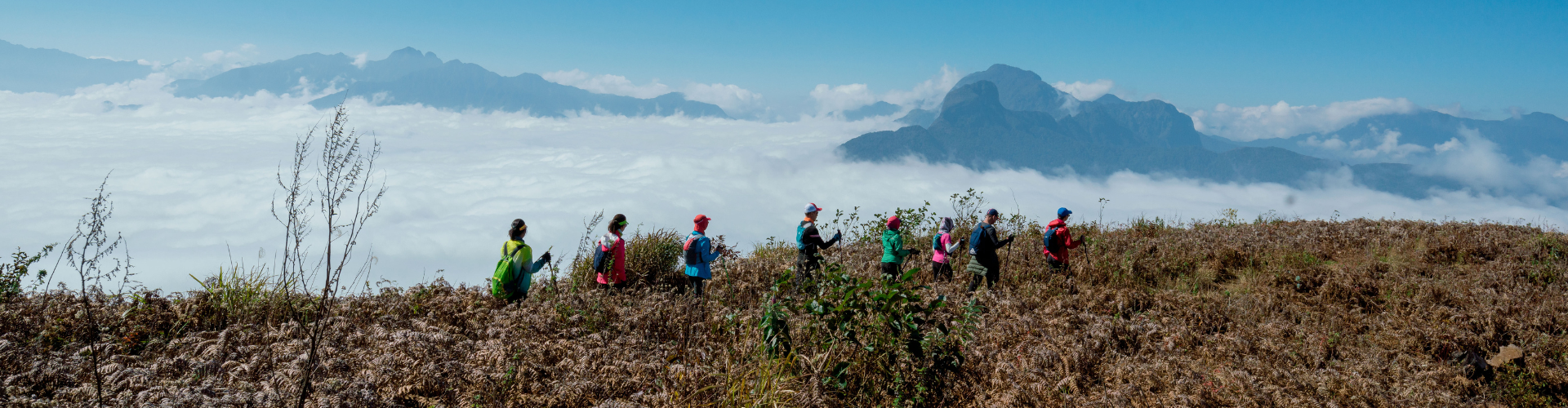
Trekking/Hiking: This is the quintessential Sapa experience. Options range from easy half-day walks to challenging multi-day treks, often involving homestays. Popular routes include trekking to Lao Chai, Ta Van, Giang Ta Chai, and Ban Ho villages. Guided treks are highly recommended for safety, navigation, and cultural insights.
-
Fansipan Cable Car: A must-do for panoramic views of the entire region without the strenuous climb. The ride itself is an experience, often above a sea of clouds.
-
Exploring Sapa Town: Wander through Sapa town, visit the Stone Church, explore the bustling Sapa Market for handicrafts, and relax at one of the many cafes with mountain views.
-
Motorbike Exploration: For the adventurous, renting a motorbike allows for independent exploration of the surrounding areas, including Silver Waterfall, Love Waterfall, and more remote villages. Exercise caution on winding and sometimes slippery roads.
-
Visit Local Markets: Beyond Sapa Market, look for local markets in larger villages or specific days of the week (e.g., Bac Ha Market on Sundays, although it's a significant journey from Sapa). These are vibrant cultural hubs.
-
Photography: Sapa's landscapes are a photographer's dream. Capture the terraced fields, misty mountains, waterfalls, and the vibrant ethnic costumes. Sunrise and sunset often create magical lighting.
-
Traditional Herbal Baths: After a long trek, indulge in a traditional Red Dao herbal bath, known for its therapeutic and relaxing properties. Many homestays and hotels offer this.
-
Cooking Classes: Learn to prepare local Vietnamese and ethnic minority dishes through cooking classes offered by some homestays or tour operators.
-
Interacting with Local People: Engage respectfully with the ethnic minority people, learn about their crafts, and appreciate their unique way of life. Supporting their local businesses (by buying handicrafts or staying in homestays) directly benefits the communities.
Chapter 6: Practical Planning for Your Sapa Adventure
To ensure a smooth and memorable trip to Sapa, consider these practical tips.
-
Best Time to Visit:
- September to November: Generally considered the best time. Clear skies, mild temperatures, and the golden rice harvest season (late Sept - Oct) offer breathtaking views.
- March to May: Pleasant weather, green rice fields, and blooming flowers.
- December to February: Cold and often foggy/misty. Can be very beautiful with a mysterious atmosphere, but visibility for views might be limited, and temperatures can drop to freezing with occasional snow.
- June to August: Warmest and wettest period. Rice fields are lush green, but heavy rain can make trekking trails slippery.
-
Getting There from Hanoi:
- Overnight Train: The most popular and traditional way. Trains depart from Hanoi's Tran Quy Cap Station to Lao Cai City. From Lao Cai, it's a 45-minute to 1-hour minivan/bus ride up to Sapa. Sleeper berths are comfortable.
- Luxury Bus/Limousine Bus: A faster (approx. 5-6 hours direct) and increasingly popular option. Buses go directly from Hanoi to Sapa town, often offering comfortable seating and Wi-Fi.
- Private Car: Most flexible but also the most expensive.
-
Getting Around Sapa:
- Walking: Sapa town is easily walkable. Many short treks start directly from town.
- Motorbike Taxi (Xe Om): Convenient for short distances or getting to nearby villages if you don't want to walk far.
- Rented Motorbike: For independent exploration of waterfalls and more distant villages, but only if you are an experienced rider on mountain roads.
- Organized Tours/Treks: The best way to explore the villages and terraced fields, often including transport.
-
Accommodation: Sapa offers a range of accommodation from luxury hotels with stunning views (e.g., Hotel de la Coupole) to comfortable guesthouses, and authentic homestays in ethnic minority villages. Booking in advance, especially during peak season, is advisable.
-
What to Pack:
- Layers: Temperatures can vary greatly. Pack warm clothes for evenings and early mornings, even in warmer months. A waterproof jacket/poncho is essential.
- Comfortable Trekking Shoes: Sturdy, waterproof hiking boots are ideal for muddy or slippery trails.
- Sun Protection: Hat, sunglasses, sunscreen.
- Insect Repellent: Especially during warmer months.
- Small Backpack: For day treks, with water, snacks, and essentials.
- Personal Medications:
- Power Bank: For charging devices.
- Cash (VND): Essential for local purchases in villages and markets.
-
Language: Vietnamese is the official language. English is spoken by many tour guides and in hotels. Many ethnic minority people who interact with tourists also speak some English.
-
Respectful Tourism:
- Ask Permission: Always ask before taking photos of local people, especially children.
- Bargain Fairly: When buying handicrafts, a little polite bargaining is acceptable.
- Support Local: Buy handicrafts directly from the villagers. Consider homestays to directly support their economy.
- Dress Modestly: Especially when visiting religious sites or engaging deeply with local communities.
- No Gifts/Sweets to Children: While well-intentioned, this can encourage begging and dependency. Better to support local schools or community projects.
- Leave No Trace: Pack out everything you pack in.
Chapter 7: Your Sapa Adventure with Golden Trail Travel
Sapa is a destination that demands a well-planned itinerary to truly unlock its magic, and Golden Trail Travel (https://goldentrailtravel.com/) is your expert partner in making that happen. Specializing in immersive and active travel experiences throughout Vietnam, Golden Trail Travel offers unparalleled opportunities to explore Sapa's majestic landscapes and vibrant ethnic cultures.
Here’s why Golden Trail Travel is the perfect choice for your Sapa adventure:
- Expertly Curated Trekking Tours: Whether you're a seasoned trekker or looking for a gentle village walk, Golden Trail Travel offers a range of meticulously planned trekking tours suitable for various fitness levels. Their routes take you through the most stunning terraced fields, past cascading waterfalls, and directly into the heart of ethnic minority villages like Lao Chai, Ta Van, and Giang Ta Chai.
- Authentic Homestay Experiences: Many of their Sapa tours include overnight stays in traditional homestays with local ethnic minority families. This provides an invaluable opportunity for genuine cultural exchange, allowing you to share meals, learn about daily life, and experience the warm hospitality of the local people. This is a core part of their commitment to authentic travel.
- Knowledgeable Local Guides: Your journey will be led by experienced local guides, often from the ethnic communities themselves. They possess an intimate knowledge of the terrain, local customs, languages, and hidden gems, ensuring a safe, informative, and truly immersive experience. They bridge the cultural gap and enhance your understanding of the region.
- Seamless Logistics: From comfortable overnight train or limousine bus transfers from Hanoi to Sapa, to internal transportation within the region, Golden Trail Travel handles all the logistics. This allows you to relax and focus entirely on the breathtaking scenery and cultural encounters.
- Support for Local Communities: By choosing Golden Trail Travel, you are directly contributing to responsible tourism practices that benefit the local ethnic minority communities. Their tours are designed to create sustainable livelihoods and preserve the unique cultural heritage of the region.
- Customized Itineraries: If you have specific preferences, time constraints, or wish to combine Sapa with other destinations like Hanoi, Halong Bay, or Ninh Binh, Golden Trail Travel can tailor a bespoke itinerary just for you.
- Easy Booking and Comprehensive Support: Planning your Sapa trip is made simple with their user-friendly website: https://goldentrailtravel.com/. Explore their diverse range of tours, read testimonials, and easily book your next unforgettable adventure with the confidence of reliable support throughout your journey.
Let Golden Trail Travel lead you on an extraordinary journey through the misty mountains and vibrant cultures of Sapa, turning your travel dreams into a breathtaking reality.
Conclusion: Sapa – A Journey for the Soul
Sapa is more than just a destination; it's an experience that profoundly touches the soul. It's a place where the grandeur of nature's artistry unfolds in sweeping terraced landscapes, where the resilience and vibrant traditions of ethnic minority communities endure, and where the crisp mountain air fills you with a sense of peace and rejuvenation. From the challenging ascent of Fansipan to the gentle rhythms of village life, and from the lively markets to the quiet contemplation of a misty morning, Sapa offers a captivating tapestry of moments. It invites you to step off the beaten path, connect with authentic cultures, and witness a side of Vietnam that is as breathtakingly beautiful as it is deeply moving. A journey to Sapa is a journey into the heart of Northern Vietnam, leaving you with memories that will last a lifetime.
FAQ: Your Questions About Sapa Answered
Q1: What is the best time to visit Sapa? A1: The best time to visit Sapa is from September to November for clear skies, mild temperatures, and the golden rice harvest season (late Sept - Oct). March to May also offers pleasant weather and green rice fields.
Q2: How do I get to Sapa from Hanoi? A2: The most common ways are by overnight train (Hanoi to Lao Cai, then a short bus/minivan to Sapa) or by luxury/limousine bus (direct to Sapa, approx. 5-6 hours).
Q3: Is trekking in Sapa suitable for beginners? A3: Yes, there are trekking options for all fitness levels. You can choose from easy half-day walks to more challenging multi-day treks with varying terrain. It's always recommended to go with a local guide.
Q4: What are "terraced rice fields" and why are they famous in Sapa? A4: Terraced rice fields are stepped fields built into hillsides for rice cultivation. They are famous in Sapa because the ethnic minority groups have meticulously carved them into the steep Hoàng Liên Son mountains over generations, creating breathtaking, iconic landscapes, especially during planting or harvest seasons.
Q5: What ethnic minority groups live in Sapa? A5: Sapa is home to several ethnic minority groups, primarily the Hmong (Black Hmong), Dao (Red Dao), Tay, Gai (Dzay), and Xao Pho (Phu La), each with their unique customs and traditional clothing.
Q6: Should I do a homestay in Sapa? A6: Yes, a homestay is highly recommended for a truly authentic cultural experience. It allows you to live with a local family, share meals, and learn about their daily life and traditions, providing a deeper insight into Sapa's unique culture.
Q7: How can I reach the summit of Fansipan Mountain? A7: You can reach the summit of Fansipan by taking a modern cable car system from Sapa town, which offers breathtaking panoramic views. For experienced adventurers, guided multi-day treks to the summit are also an option.
Q8: What local dishes should I try in Sapa? A8: Be adventurous and try Thang Co (horse hotpot, or beef/pork versions), fresh Salmon Hotpot, grilled dishes (pork skewers, corn, sweet potato), and Com Lam (sticky rice cooked in bamboo).
Q9: What should I pack for a trip to Sapa? A9: Pack layers of clothing, including warm clothes for chilly evenings, a waterproof jacket/poncho, sturdy and comfortable trekking shoes, sun protection (hat, sunscreen), and insect repellent.
Q10: Where can I find reliable tours for Sapa, especially for trekking and cultural experiences? A10: For well-organized and authentic Sapa tours, including trekking with local guides and homestay experiences, we highly recommend checking out Golden Trail Travel at https://goldentrailtravel.com/. They specialize in immersive and responsible travel.
Customer Reviews: Experiences with Golden Trail Travel
"Our Sapa trekking and homestay experience with Golden Trail Travel was the highlight of our Vietnam trip. Our Hmong guide, May, was incredible – so knowledgeable about the culture and trails. Sleeping in a local homestay and sharing meals with the family was truly special. The booking process on https://goldentrailtravel.com/ was smooth, and everything was perfectly organized. We felt so immersed!" – Sophie L., Canada
"Golden Trail Travel delivered an unforgettable Sapa adventure. We opted for a challenging 3-day trek, and the support from our guides and porters was exceptional. The landscapes were even more stunning than the photos, and the cultural insights we gained were invaluable. If you want a genuine, responsible trekking experience in Sapa, they are the ones to go with." – Mark R., Germany
"From the comfortable overnight train from Hanoi to the breathtaking views from Fansipan (arranged by Golden Trail Travel), our Sapa trip was seamless. Their attention to detail, especially ensuring our trek was at the right pace for our group and that our homestay was authentic, really stood out. Highly recommend them for anyone visiting Sapa!" – The Jensen Family, Denmark
"I've done many treks, but my Sapa journey with Golden Trail Travel was unique. The focus on connecting with the local ethnic communities was wonderful. We learned so much and felt truly welcomed. Their dedication to sustainable tourism is also commendable. Don't hesitate to check out their offerings on https://goldentrailtravel.com/." – Jessica H., Australia

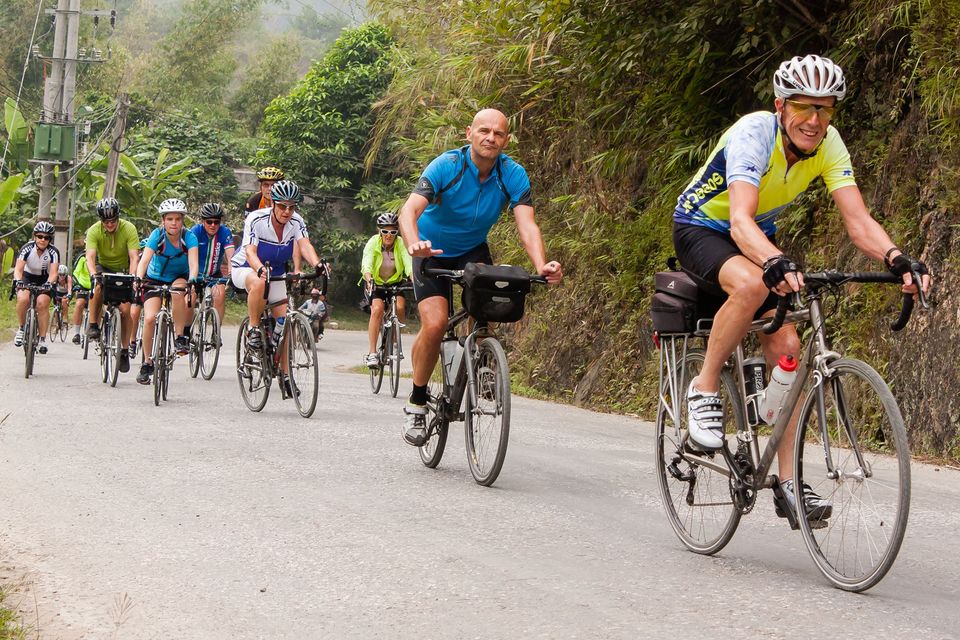
.jpg "The Ultimate Guide to a Vietnam Bike Tour North to South: An Epic 2,000km Journey")
.jpg "The Ultimate Guide to Vietnam Long Distance Cycling: Conquering the S-Curve")
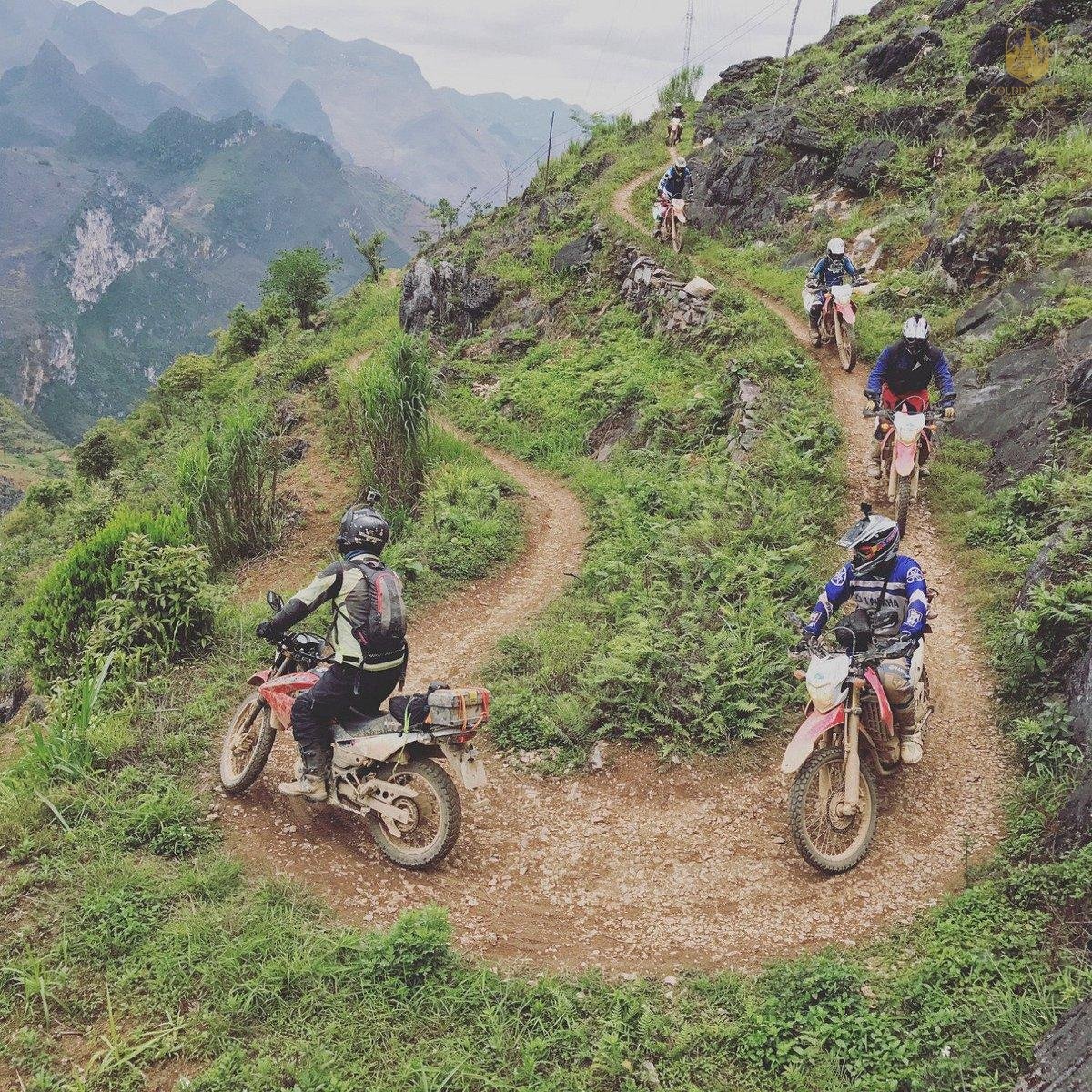
.jpg "Exploring the S-Curve: The Ultimate Guide to Vietnam Bike Tours")
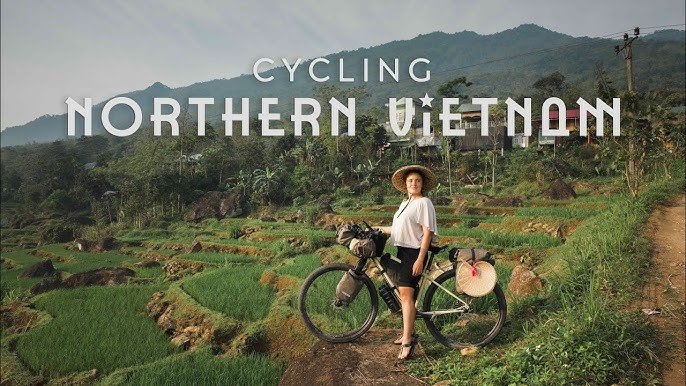


.jpg "12-Day Northern Vietnam Cycling Tour: Mu Cang Chai, Ha Giang & Hoang Su Phi Bike Adventure")
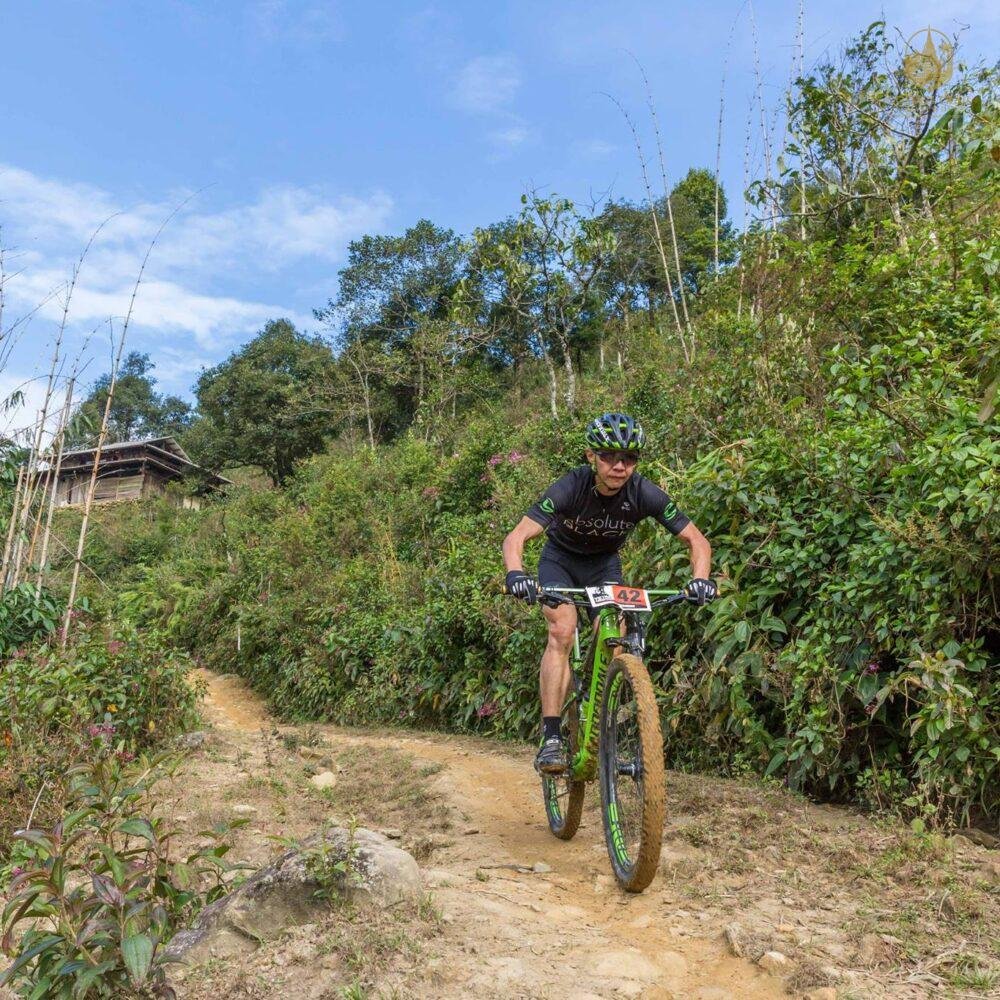

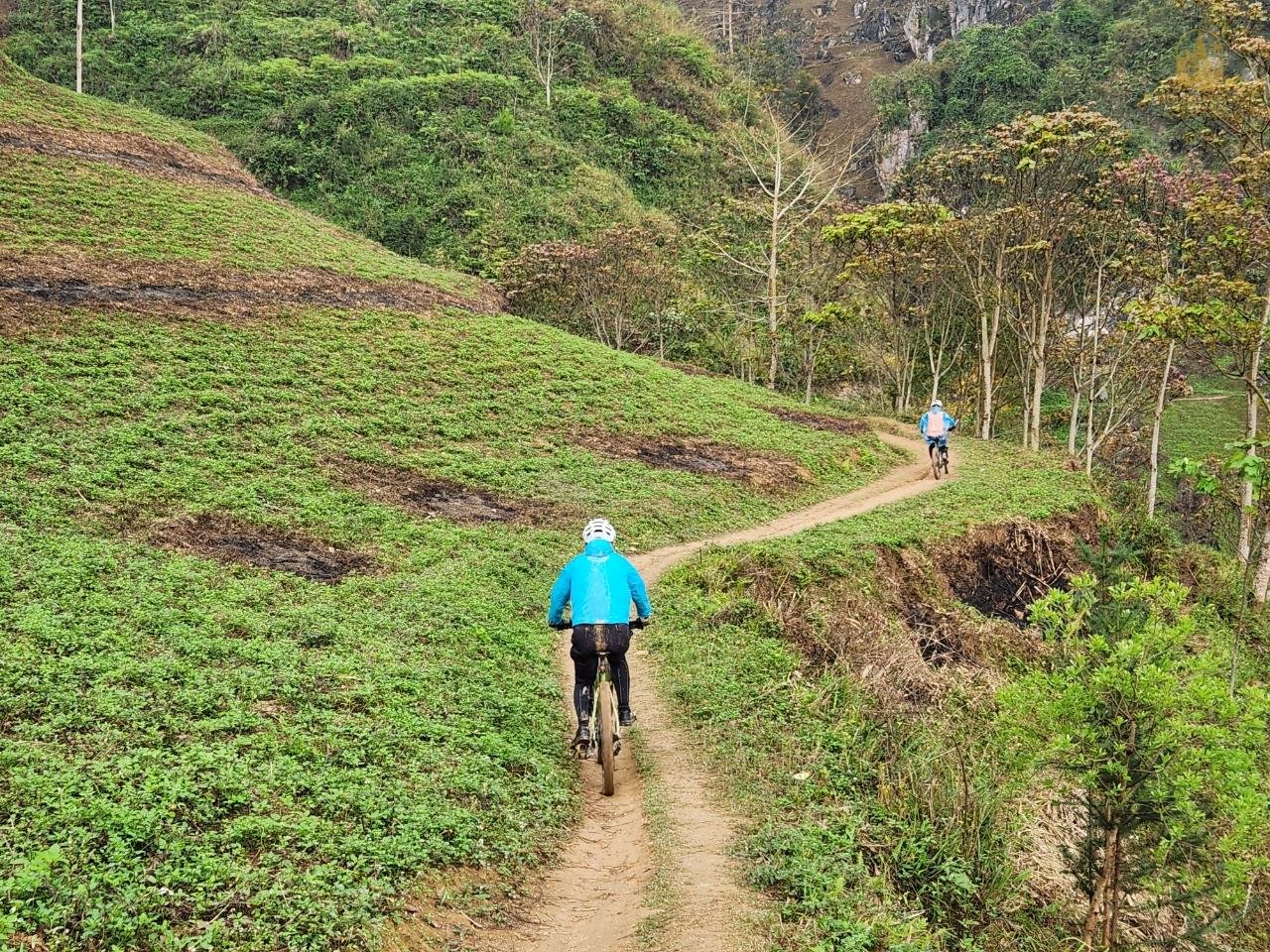
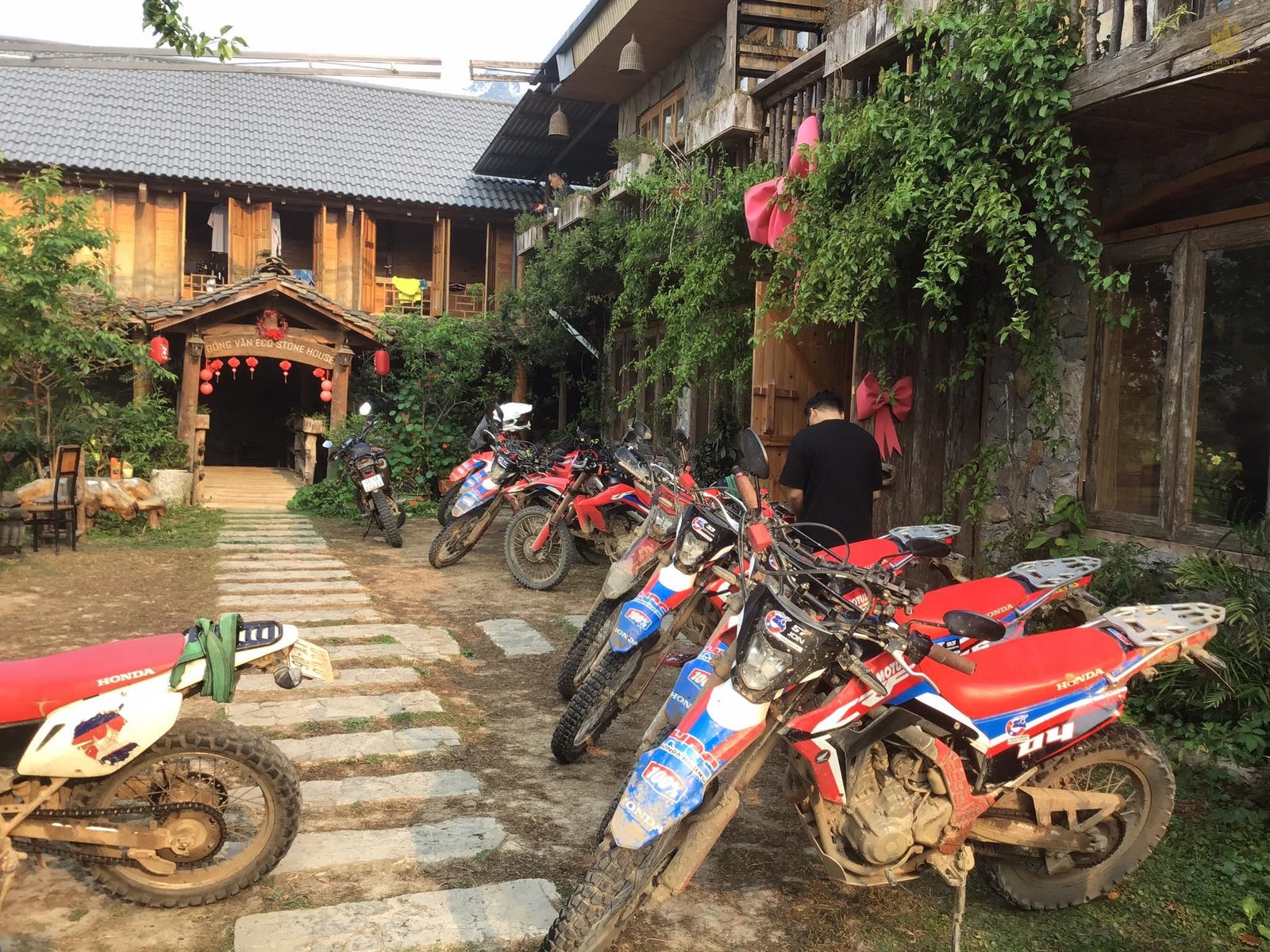
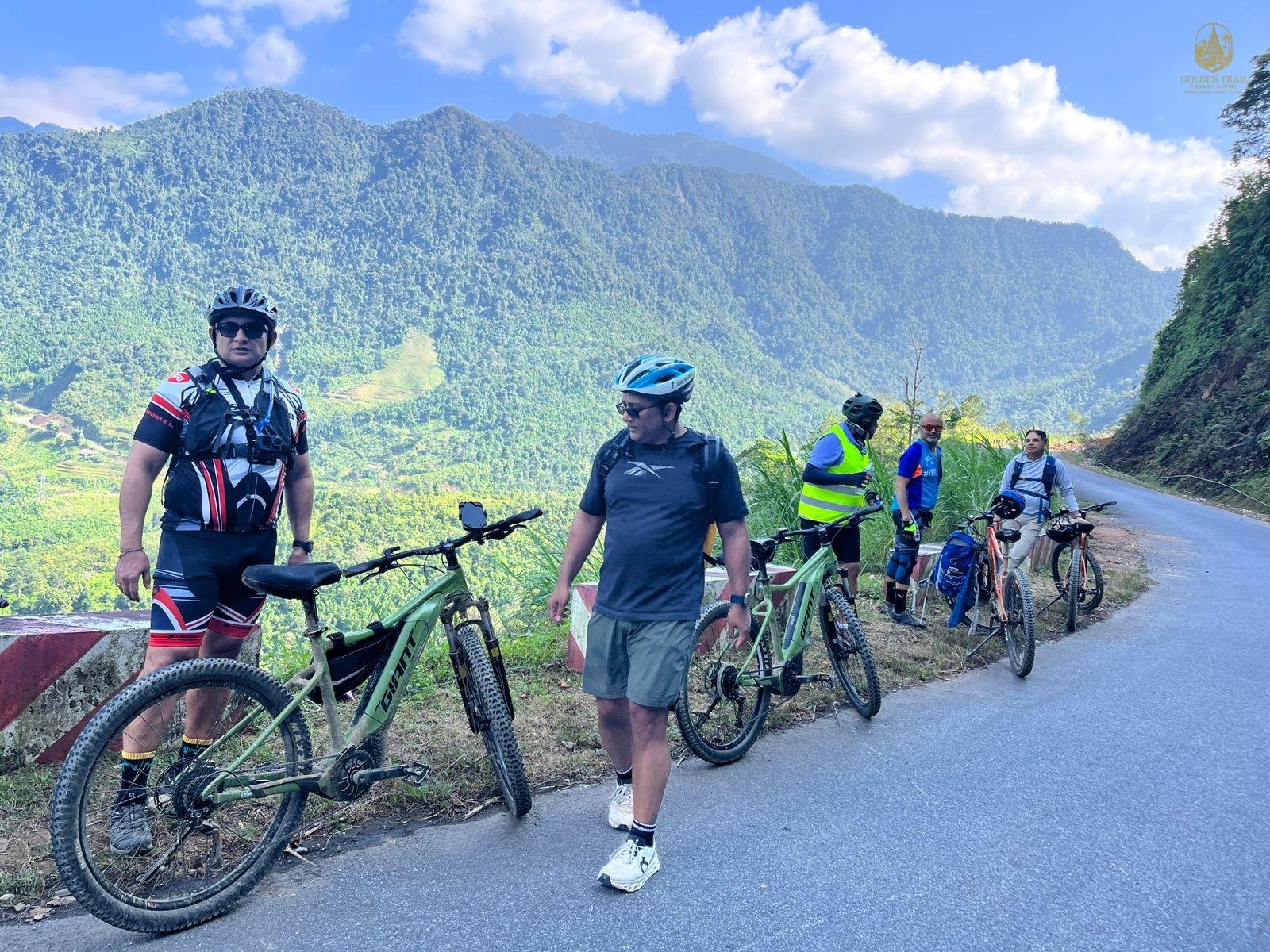
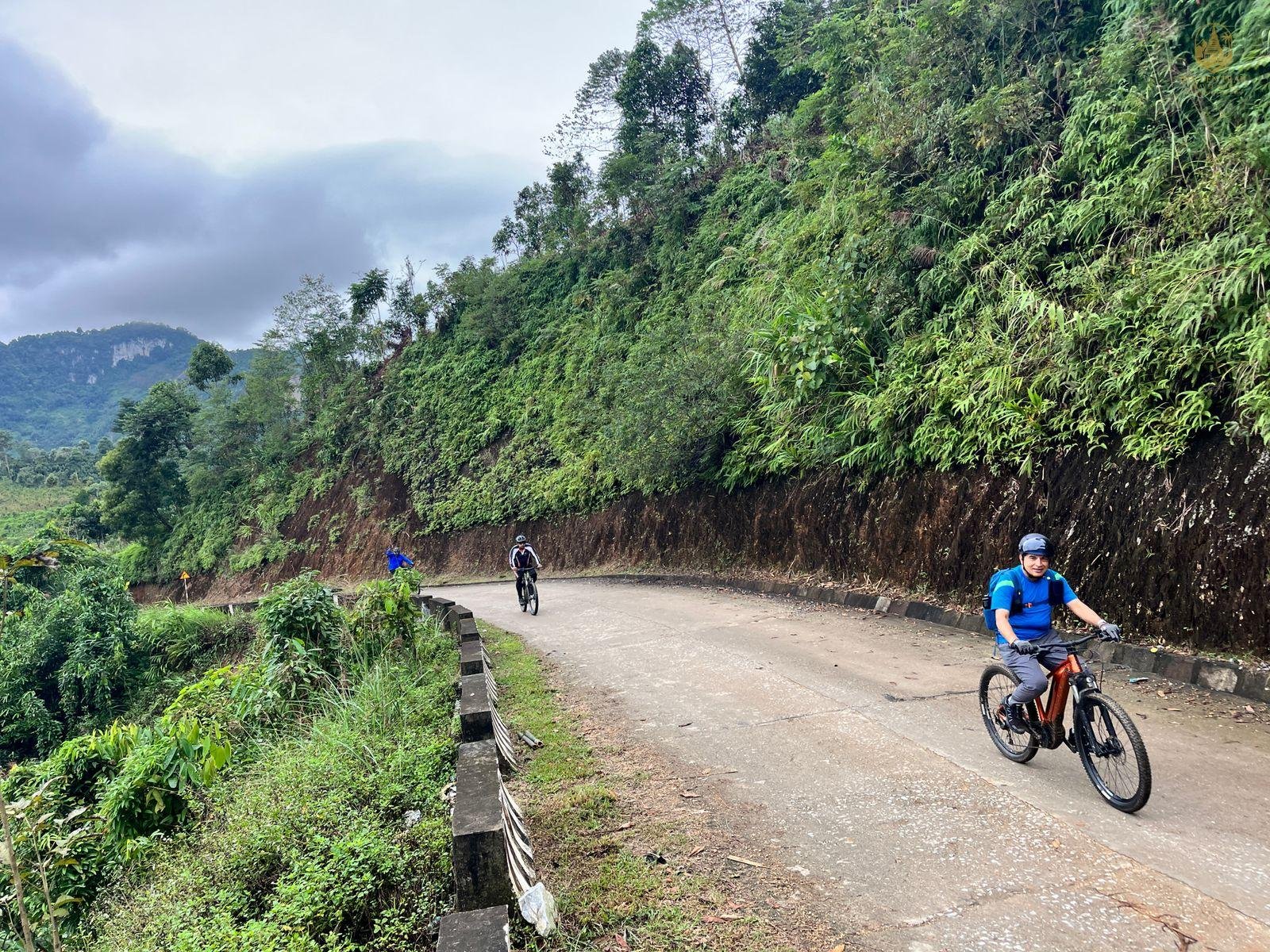
.jpg "Mountain Biking Sapa: The Ultimate Guide to Cycling Vietnam’s Most Breathtaking Mountain Landscapes")