15 Ng. 100 Đ. Nguyễn Xiển, Thanh Xuân Nam, Thanh Xuân, Hà Nội 100000
15 Ng. 100 Đ. Nguyễn Xiển, Thanh Xuân Nam, Thanh Xuân, Hà Nội 100000
Imagine a city cradled in a high-altitude valley, bathed in perpetual sunshine, where the air hums with the reverence of centuries. Above it, an architectural marvel, a colossal white and crimson palace, seems to touch the heavens. This is Lhasa (Lasa), the spiritual and cultural heart of Tibet, a place of profound significance to Buddhists worldwide, and a destination that evokes a sense of awe, mystery, and deep spiritual connection. Nestled over 3,600 meters (11,800 feet) above sea level in the majestic Himalayas, Lhasa is not just a city; it's a living testament to an ancient civilization, a vibrant hub of devotion, and an unparalleled window into the unique world of Tibetan Buddhism. If you seek a journey that transcends mere sightseeing, one that challenges your perceptions and nourishes your soul, a pilgrimage to Lhasa promises an unforgettable and transformative experience on the Roof of the World.
Lhasa's identity is inextricably linked to its role as the center of Tibetan Buddhism. Its history is a chronicle of spiritual devotion, political power, and enduring cultural heritage.
The history of Lhasa dates back over 1,300 years. Its name, "Lhasa," literally means "place of the gods" in Tibetan, reflecting its sacred status from its very inception. The city rose to prominence during the 7th century when King Songtsen Gampo, a legendary figure who unified the Tibetan plateau and introduced Buddhism to Tibet, established his capital here. He built the original Red Palace on Marpori Hill (the site of the future Potala Palace) and facilitated the construction of the Jokhang Temple, which remains the holiest site in Tibet.
Over the centuries, Lhasa grew into the political, religious, and economic epicenter of Tibet. It became the traditional seat of the Dalai Lamas, who served as both the spiritual and temporal leaders of Tibet, further solidifying the city's unique position as a sacred urban landscape.
The Dalai Lamas are the spiritual leaders of the Gelug school of Tibetan Buddhism, believed to be manifestations of Avalokiteshvara, the Bodhisattva of Compassion. For centuries, the Potala Palace served as their winter residence and the spiritual and administrative heart of Tibet.
The sheer scale and majesty of the Potala Palace reflect the immense spiritual and political power it once wielded. Built on a sacred mountain, its white and red sections symbolize the secular and religious aspects of Tibetan life. Within its thick walls, countless chapels, stupas (containing the remains of past Dalai Lamas), precious relics, and intricate murals tell the story of a civilization deeply rooted in faith. The palace stands not just as an architectural wonder but as the enduring symbol of Tibetan identity and resilience.
Tibetan Buddhism (Vajrayana Buddhism), a distinct form of Mahayana Buddhism, permeates every aspect of life in Lhasa. It's not merely a religion but a comprehensive way of life that influences art, philosophy, governance, and daily customs.
Reverence for Life: A core principle is compassion for all sentient beings.
Karma and Reincarnation: The belief in cause and effect across lifetimes drives ethical conduct.
Mantra Chanting and Prayer Wheels: The continuous recitation of sacred syllables and the turning of prayer wheels (each revolution believed to send prayers to the heavens) are ubiquitous practices that create a pervasive spiritual atmosphere.
Pilgrimage (Kora): Circumambulating sacred sites (like the Potala and Jokhang Temple) is a fundamental act of devotion, with pilgrims often prostrating themselves along the path.
In Lhasa, you'll witness this deep faith firsthand: monks in crimson robes debating philosophy, elderly pilgrims tirelessly circling temples, and the air filled with the gentle hum of prayers. It's an immersive spiritual experience that touches even the most secular visitor.
Lhasa's landscape is dotted with magnificent monasteries, temples, and palaces, each telling a vital part of Tibet's story.
Dominating the Lhasa skyline from its perch atop Marpori Hill, the Potala Palace is without doubt the most iconic symbol of Tibet and a UNESCO World Heritage site. This colossal structure served as the winter palace of the Dalai Lamas from the 7th century until the 14th Dalai Lama's exile in 1959.
Architecture and Sections: The palace is comprised of the White Palace (Potrang Karpo), which housed the living quarters of the Dalai Lamas and the secular government offices, and the Red Palace (Potrang Marpo), which contains the stupa tombs of past Dalai Lamas, chapels, and sacred scriptures. Its sturdy stone and timber construction, sloping walls, and golden roofs are marvels of traditional Tibetan engineering and artistry.
Treasures Within: Inside, you'll find an astonishing collection of precious artifacts: golden stupas adorned with jewels, elaborate murals depicting Buddhist stories and Tibetan history, ancient thangka paintings, countless Buddha statues, and sacred scriptures. Each room whispers tales of centuries of devotion and power.
Visiting Protocol: Due to its immense popularity and preservation efforts, visitors usually have a limited time (often one hour) inside the palace, and entrance tickets are released in limited numbers daily. Booking in advance is crucial. Be prepared for numerous stairs and altitude.
Considered the holiest temple in Tibet, the Jokhang Temple stands at the spiritual heart of Lhasa. Founded in the 7th century by King Songtsen Gampo, it houses the sacred Jowo Shakyamuni Buddha statue, believed to have been blessed by Buddha himself.
Pilgrimage Hub: The Jokhang is the ultimate destination for pilgrims from across Tibet, many of whom undertake long, arduous journeys, prostrating themselves the entire way. The atmosphere inside and around the temple is thick with devotion, incense, and murmuring prayers.
Architectural Blend: Its architecture is a unique blend of Tibetan, Tang Dynasty Chinese, Nepalese, and Indian influences, reflecting the historical cultural exchanges. The golden roofs and intricate carvings are particularly striking.
Barkhor Kora: The temple is surrounded by the Barkhor Street circuit, a sacred pilgrim's path that pilgrims circumambulate clockwise.
More than just a street, Barkhor Street is a vibrant, bustling circumambulation route around the Jokhang Temple, forming Lhasa's traditional and cultural heart.
Pilgrim's Circuit: You'll witness devout pilgrims performing their kora, spinning prayer wheels, and sometimes prostrating. The energy is palpable.
Marketplace: Barkhor is also a lively marketplace, filled with shops selling Tibetan artifacts, religious items, thangka paintings, jewelry, souvenirs, and daily necessities. It's an excellent place for people-watching and soaking in the local atmosphere.
Cultural Immersion: Explore the narrow alleys, find traditional teahouses, and observe the daily life of Lhasa's residents.
Literally meaning "Jewel Park," Norbulingka served as the summer palace and park of the Dalai Lamas from the mid-18th century. It's a vast, tranquil complex of palaces, gardens, and chapels, offering a peaceful retreat from the bustling city.
Expansive Gardens: Lush gardens, fountains, and artificial lakes create a serene environment. It's particularly popular with locals for picnics and strolls.
Dalai Lamas' Residences: Explore the various palace buildings, including the Kelsang Phodrang, Tsokyil Phodrang, and the New Palace (Takten Migyur Phodrang), which was the 14th Dalai Lama's private residence before his exile.
Murals and Art: The palaces house exquisite murals depicting Buddhist stories and historical events.
One of the "Great Three" Gelug monasteries of Tibet (along with Drepung and Ganden), Sera Monastery is famous for its monk debates.
Debating Courtyard: Every afternoon (except Sundays), monks gather in the debating courtyard to engage in animated philosophical debates, a unique and lively spectacle of Tibetan Buddhist scholarship. Their dramatic gestures, clapping, and loud exclamations are fascinating to witness.
Historical Significance: Founded in 1419, Sera was once home to thousands of monks and played a crucial role in Tibetan religious and political life.
Statues and Murals: Explore the various colleges and chapels within the monastery, adorned with beautiful statues and murals.
Also one of the "Great Three" Gelug monasteries, Drepung Monastery was once the largest monastery in the world, housing over 10,000 monks at its peak. It was considered the "mother monastery" to the Dalai Lamas.
Vast Complex: Built into the Gambo Utse mountain, Drepung's white monastic buildings sprawl across the hillside like a heap of rice (its name literally means "Rice Heap").
Historical Importance: It was a powerhouse of monastic education and a major political force in Tibet.
Gandens of Shoton Festival: The giant Thangka (religious tapestry) unveiling during the Shoton Festival takes place on the hillside opposite Drepung, a truly magnificent event.
A significant temple in Lhasa, Ramoche Temple is considered the sister temple to the Jokhang. It was originally built to house a gilded copper statue of the Buddha Sakyamuni, brought to Tibet by Princess Wencheng of the Tang Dynasty.
Ancient Roots: Though smaller than the Jokhang, it holds immense historical and religious importance.
Architectural Style: Similar to Jokhang, it displays a blend of Tibetan and Chinese architectural influences.
Lhasa offers more than just iconic landmarks; it's an opportunity to dive deep into the daily life, traditions, and vibrant spirit of the Tibetan people.
Tibetan food is hearty, comforting, and designed for survival in the high-altitude, cold climate.
Yak Butter Tea (酥油茶 - Su You Cha): The quintessential Tibetan beverage. Salty and rich, made with yak butter, it's a staple for warmth and energy. An acquired taste, but a cultural must-try.
Tsampa (糌粑 - Zang Ba): Roasted barley flour, the staple food. Often mixed with yak butter tea and kneaded into a dough.
Yak Meat: A primary protein source, prepared in various ways: stewed, dried (yak jerky), grilled, or in hotpot.
Momos (包子 - Bao Zi): Delicious Tibetan dumplings, typically filled with yak meat or vegetables, steamed or fried.
Thukpa (藏面 - Zang Mian): Tibetan noodle soup, a warm and hearty meal.
Balep (糌粑饼 - Zang Ba Bing): Tibetan flatbread, often served with meals.
Tibetan Barley Wine (青稞酒 - Qing Ke Jiu): A mildly alcoholic, fermented highland barley beer, often served warm.
Sweet Tea (甜茶 - Tian Cha): Tibetan milk tea, sweet and comforting, often served in teahouses.
Exploring local teahouses is an excellent way to experience the local pace of life and savor these culinary delights.
Tibetan festivals are deeply rooted in their lunar calendar and Buddhist faith, offering vibrant and profound cultural experiences.
Shoton Festival (雪顿节 - Xuědùn Jié): The "Yogurt Festival," usually in August, is one of Tibet's largest festivals. It begins with the spectacular unveiling of a giant Thangka painting of Buddha on the hillside opposite Drepung Monastery, followed by a week of Tibetan opera performances, horse racing, and picnics.
Losar (藏历新年 - Zangli Xinnian): Tibetan New Year, usually in February or March, is the most important holiday. Families gather, perform rituals, exchange greetings, and enjoy special foods.
Butter Lamp Festival (酥油灯节): Celebrated on the 15th day of the first lunar month (after Losar), where butter sculptures of deities and auspicious symbols are displayed.
Saga Dawa Festival (萨嘎达瓦节): Commemorates the birth, enlightenment, and parinirvana of Buddha, usually in May/June. Pilgrims undertake Koras around sacred sites, often for entire days.
If your travel dates align with a festival, it offers an unparalleled opportunity for cultural immersion and photography.
Tibetan craftsmanship is intricate and deeply symbolic. In Lhasa, you can find:
Thangka Paintings: Exquisite religious scroll paintings, often depicting Buddhist deities, mandalas, or narratives.
Tibetan Rugs and Carpets: Hand-woven with intricate patterns and vibrant colors.
Silver and Turquoise Jewelry: Beautifully crafted ornaments, often incorporating coral, amber, and other semi-precious stones.
Prayer Wheels and Mala Beads: Religious artifacts used in daily prayers.
Incense: Made from local herbs and spices, used in religious rituals and for its aromatic properties.
The shops around Barkhor Street are excellent places to explore these traditional items.
Teahouses: Visit a local teahouse (like Canggu Nunnery Teahouse) to experience the relaxed atmosphere, sip sweet tea, and observe locals socializing.
Kora Circuits: Join pilgrims on their kora (circumambulation) around the Potala, Jokhang, or monasteries. Even if you don't share their faith, the experience of being part of this stream of devotion is powerful.
Observe Daily Rituals: Witnessing monks debating, pilgrims prostrating, and families spinning prayer wheels offers a profound insight into a way of life deeply connected to spirituality.
Local Markets: Explore local markets beyond Barkhor Street for a glimpse into daily life and fresh produce.
Lhasa's high elevation is a significant factor for travelers. Proper preparation and awareness of altitude sickness are crucial for a safe and enjoyable trip.
Acute Mountain Sickness (AMS) can occur when ascending rapidly to high altitudes. Symptoms can range from mild (headache, nausea, dizziness, fatigue, shortness of breath, difficulty sleeping) to severe (High Altitude Cerebral Edema - HACE, or High Altitude Pulmonary Edema - HAPE), which are life-threatening.
Consult Your Doctor: Before your trip, consult your doctor about traveling to high altitudes and discuss potential medications like Diamox (Acetazolamide).
Gradual Ascent: This is the most important factor. Fly into Lhasa directly, but plan to take it very easy for the first 1-2 days. Avoid flying into higher areas immediately (e.g., Everest Base Camp).
Rest on Arrival: Upon arrival in Lhasa, prioritize rest. Avoid strenuous activity, excessive walking, and heavy lifting for at least the first 24-48 hours.
Stay Hydrated: Drink plenty of water (at least 3-4 liters per day). Avoid alcohol, caffeine, and smoking, which can dehydrate you.
Eat Lightly: Opt for easily digestible, carbohydrate-rich meals.
Monitor Symptoms: Pay attention to any symptoms. If they worsen, descend to a lower altitude if possible, and seek medical attention. Do not ignore severe symptoms.
Avoid Overexertion: Especially in the first few days, limit physical activity. Even simple tasks can feel exhausting.
Oxygen Supply: Many hotels and tour vehicles in Lhasa have oxygen cylinders available for guests experiencing mild symptoms.
Positive Mindset: A relaxed and positive attitude can also help. Stress can exacerbate symptoms.
Golden Trail Travel prioritizes traveler safety and designs itineraries that account for altitude acclimatization, providing guidance and support throughout your journey.
Traveling to Tibet is a unique experience that requires specific permits and arrangements, making an organized tour with a reliable operator like Golden Trail Travel highly recommended, if not mandatory, for foreign visitors.
Expert Knowledge & Permitting: Golden Trail Travel possesses unparalleled expertise in arranging tours to Tibet. They understand the complex and ever-changing Tibet Travel Permit (TTP) requirements and handle the entire application process on your behalf, ensuring a smooth and hassle-free entry. This is crucial as foreign travelers cannot travel independently to Tibet.
Altitude Acclimatization Prioritized: Your safety is paramount. Golden Trail Travel designs itineraries that carefully consider altitude acclimatization, allowing for gradual ascent, sufficient rest days in Lhasa, and providing guidance on managing AMS, ensuring you can enjoy your trip comfortably.
Seamless Logistics: From international flights to domestic travel within China, internal transfers in Tibet, and comfortable accommodation, Golden Trail Travel manages all aspects of your journey. They provide reliable vehicles, experienced drivers, and carefully selected hotels that prioritize comfort and location.
Knowledgeable Local Guides: Your tour will be led by experienced, licensed Tibetan guides who offer profound insights into their culture, religion, and history. They are not just escorts but storytellers who bring the sites to life, facilitate cultural interactions, and provide invaluable support.
Authentic Cultural Immersion: Golden Trail Travel goes beyond standard sightseeing. They arrange opportunities for genuine cultural immersion, such as respectful visits to local Tibetan families, participation in traditional rituals (where appropriate), and experiences like tea house visits that connect you directly with the heart of Tibetan life.
Dedicated Support & Safety: With 24/7 support and an unwavering commitment to traveler safety, Golden Trail Travel provides peace of mind throughout your journey. They monitor conditions, adapt plans as needed, and ensure you have a comfortable and secure experience in this unique region.
It's important to understand that foreign tourists (non-Chinese citizens) cannot travel independently in Tibet. You must:
Obtain a Tibet Travel Permit (TTP) issued by the Tibet Tourism Bureau.
Travel with a licensed tour guide.
Travel in a private vehicle arranged by a travel agency (unless it's a specific, pre-approved group tour using public transport, which is rare for standard tourist routes).
Have your itinerary pre-arranged and approved by the authorities.
Golden Trail Travel manages all these requirements, making your dream trip to Lhasa a reality.
Option 1: Lhasa Sacred City Discovery (4-5 Days) This itinerary focuses solely on Lhasa and its immediate surroundings, ideal for a first-time visit or for those with limited time.
Day 1: Arrival in Lhasa & Acclimatization.
Morning/Afternoon: Arrive at Lhasa Gonggar Airport (LXA). Golden Trail Travel's guide and driver will meet you and transfer you to your hotel in Lhasa (approx. 1 hour drive).
Afternoon: Check into your hotel. Prioritize rest and hydration. Gentle walk around your hotel area.
Evening: Simple dinner. Avoid strenuous activity.
Day 2: Potala Palace, Jokhang Temple & Barkhor Street.
Morning: Visit the iconic Potala Palace. Explore its magnificent halls, chapels, and golden stupas.
Lunch: Enjoy a traditional Tibetan lunch.
Afternoon: Explore the sacred Jokhang Temple, witnessing pilgrim devotion. Then, immerse yourself in the vibrant atmosphere of Barkhor Street, observing pilgrims and Browse local shops.
Evening: Optional: Try Yak Hotpot for dinner.
Day 3: Drepung & Sera Monasteries.
Morning: Visit Drepung Monastery, once the largest monastery in the world. Explore its vast complex.
Lunch: Local Tibetan cuisine.
Afternoon: Head to Sera Monastery to witness the captivating monk debates (held most afternoons).
Evening: Free time for relaxation or cultural performance (optional).
Day 4: Norbulingka & Departure or Extension.
Morning: Explore Norbulingka, the former summer palace of the Dalai Lamas, with its beautiful gardens and serene palaces.
Lunch: Enjoy a final Lhasa meal.
Afternoon: Transfer to Lhasa Gonggar Airport (LXA) for your onward flight.
Extension Option: Extend to Yamdrok Lake (stunning turquoise lake, 1-day trip) or Ganden Monastery (one of the "Great Three," 1-day trip, requires fitness).
Option 2: Lhasa & Central Tibet Journey (7-9 Days) A comprehensive tour exploring Lhasa and significant cultural and natural sites in Central Tibet, often including a visit to Yamdrok Lake and Gyantse/Shigatse.
Days 1-4: Follow the Lhasa Sacred City Discovery itinerary (Day 1-4).
Day 5: Lhasa to Gyantse via Yamdrok Lake.
Drive to Yamdrok Lake, one of Tibet's holy lakes, famous for its stunning turquoise waters (approx. 2 hours). Enjoy scenic views.
Continue to Gyantse (approx. 2 hours). Visit the Pelkor Chode Monastery and its unique Kumbum Stupa.
Overnight in Gyantse.
Day 6: Gyantse to Shigatse.
Morning: Explore Gyantse further.
Afternoon: Drive to Shigatse (approx. 2 hours), Tibet's second-largest city.
Visit Tashilhunpo Monastery, the seat of the Panchen Lamas, an impressive complex with huge gilded statues and stupas.
Overnight in Shigatse.
Day 7: Shigatse to Lhasa.
Morning: Explore Shigatse more deeply.
Afternoon: Scenic drive back to Lhasa (approx. 5-6 hours).
Overnight in Lhasa.
Day 8-9: Departure or Everest Base Camp Extension.
Day 8: Departure from Lhasa.
Extension Option: Embark on a multi-day journey from Shigatse to Everest Base Camp (EBC) on the Tibetan side for unparalleled views of Mount Everest (requires additional days and specific permits).
Ready to embark on your unforgettable journey to the sacred heart of Tibet? Visit Golden Trail Travel's website to explore their curated Tibet tours and easily book your adventure: https://goldentrailtravel.com/
Lhasa is more than a city of grand monuments; it's a living, breathing testament to a profound spiritual heritage. The moment you arrive, you feel a distinct energy, an ancient resonance that permeates the very air. The sight of the majestic Potala Palace, the pervasive scent of juniper incense around the Barkhor, and the melodic chants emanating from the monasteries create an immersive sensory experience unlike any other. It’s a place where time seems to slow, inviting contemplation and a deeper connection to the spiritual realm.
What truly defines the Lhasa experience is the warmth and unwavering faith of its people. Witnessing pilgrims tirelessly circumambulating sacred sites, their faces etched with devotion, is deeply humbling. The vibrant energy of the monk debates at Sera, the quiet reverence inside the Jokhang Temple, and the communal warmth of a local teahouse all offer authentic glimpses into a way of life deeply rooted in compassion and tradition.
Lhasa challenges you to step outside your comfort zone, to embrace the physical demands of high altitude, and to open your mind to a culture that values spiritual enlightenment above all else. It's a journey that leaves an indelible mark on your soul, filling you with a sense of peace, wonder, and a profound appreciation for the enduring power of faith. Whether you are a devout Buddhist, a curious traveler, or an adventurer seeking the highest frontiers, Lhasa offers a transformative pilgrimage, a true encounter with the Roof of the World.
Q1: Where is Lhasa located? A1: Lhasa is the capital city of the Tibet Autonomous Region of China, located in a valley of the Himalayan mountains at an altitude of approximately 3,650 meters (11,975 feet) above sea level.
Q2: What is the best time to visit Lhasa? A2: The best time to visit Lhasa is generally from April to October. These months offer the most pleasant weather, with warm days and less extreme cold. Peak tourist season is usually from June to September. Winter (November to March) is very cold but offers clear skies, fewer crowds, and unique cultural experiences, though some remote areas may be inaccessible.
Q3: How do I get to Lhasa? A3: The most common ways to get to Lhasa are by flying to Lhasa Gonggar Airport (LXA) from major Chinese cities (e.g., Chengdu, Kunming, Beijing, Shanghai) or by taking the Qinghai-Tibet Railway (Tibetan Sky Train) from cities like Xining, Chengdu, or Beijing. Golden Trail Travel can arrange all flight and train tickets as part of your tour package.
Q4: What are the main attractions in Lhasa? A4: The most famous attractions are the Potala Palace, Jokhang Temple, Barkhor Street, Norbulingka (Summer Palace), Sera Monastery (for monk debates), and Drepung Monastery.
Q5: How long should I plan to stay in Lhasa? A5: A minimum of 3 full days (4 nights) in Lhasa is recommended to visit the main sites and allow for proper altitude acclimatization. For a more relaxed pace or to include nearby sites like Yamdrok Lake or Ganden Monastery, 5-7 days are ideal.
Q6: Is it safe to travel to Lhasa? What about altitude sickness? A6: Yes, it is generally safe to travel to Lhasa. However, altitude sickness (AMS) is a significant concern due to the high elevation. Most travelers experience mild symptoms. It's crucial to ascend gradually, rest upon arrival, stay hydrated, and avoid alcohol/strenuous activity for the first 1-2 days. Golden Trail Travel prioritizes acclimatization in their itineraries. Always consult your doctor before traveling.
Q7: Do I need a special permit to visit Lhasa? A7: Yes, foreign travelers (non-Chinese citizens) must obtain a Tibet Travel Permit (TTP) to enter Tibet. This permit is usually arranged through a licensed tour operator like Golden Trail Travel, as independent travel for foreigners in Tibet is not permitted. You will also need a valid Chinese Visa.
Q8: What kind of accommodation is available in Lhasa? A8: Lhasa offers a range of accommodation from comfortable hotels (including 4 and 5-star options) to charming boutique hotels and traditional guesthouses. Many hotels provide oxygen services for guests.
Q9: What Tibetan food specialties should I try in Lhasa? A9: Don't miss Yak Butter Tea (Su You Cha), Tsampa (Zang Ba), Yak meat (often in hotpot or stewed), Momos (Tibetan dumplings), and Tibetan Noodle Soup (Thukpa). Also, try Sweet Tea (Tian Cha) in local teahouses.
Q10: What are some important cultural considerations when visiting Lhasa? A10: Respect local customs and religious practices. Dress modestly when visiting monasteries (shoulders and knees covered). Always walk clockwise around Buddhist sites (e.g., Potala, Jokhang, stupas). Do not take photos inside monasteries unless explicitly permitted. Be respectful when interacting with monks and locals.
"Our journey to Lhasa with Golden Trail Travel was truly spiritual. The Potala Palace is even more magnificent in person, and standing on Barkhor Street, surrounded by pilgrims, felt incredibly authentic. Golden Trail Travel handled all the permits and logistics flawlessly, which made the whole experience stress-free. Our guide was exceptional, sharing profound insights into Tibetan Buddhism." — Eleanor V., USA
"Lhasa has been a lifelong dream, and Golden Trail Travel made it a reality. The altitude was a concern, but their itinerary allowed for perfect acclimatization, and our guide was always there with support. Witnessing the monk debates at Sera Monastery was a highlight – a truly unique cultural experience. Highly recommend their professional and caring service." — Dr. Anya Sharma, India
"As a photographer, Lhasa offered endless opportunities. The light on the Potala, the colors of the monasteries, and the faces of the devout pilgrims were simply captivating. Golden Trail Travel understood my needs, ensuring we were at the best spots at the right time. Their expertise in arranging permits and travel was invaluable." — Michael W., UK
"The moment we arrived in Lhasa, we felt a profound sense of peace. The Jokhang Temple is simply breathtaking. Golden Trail Travel's team was excellent, from our comfortable transfers to the knowledge of our guide. We felt completely safe and well-cared for on the Roof of the World. An unforgettable journey!" — The Dubois Family, France
"Golden Trail Travel organized our entire Tibet trip, including Lhasa and a visit to Yamdrok Lake. Every detail was perfect. Our guide was a kind and knowledgeable local, enriching our understanding of Tibetan culture and history. If you're planning a trip to Tibet, they are absolutely the best choice!" — Li Mei and Family, Singapore

.jpg "The Ultimate Adventure: Ho Chi Minh Trail Off the Beaten Track Cycling")
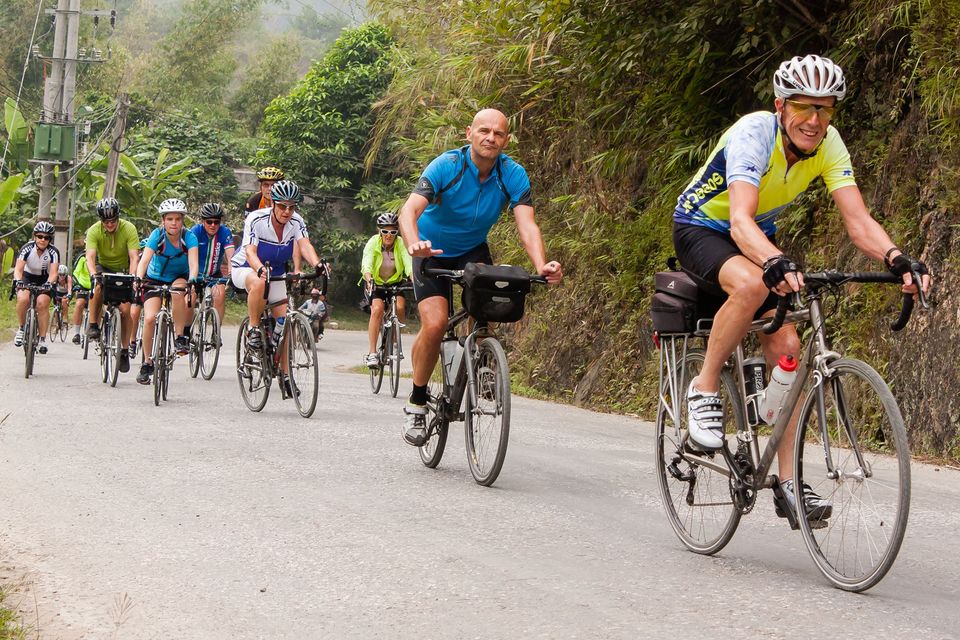
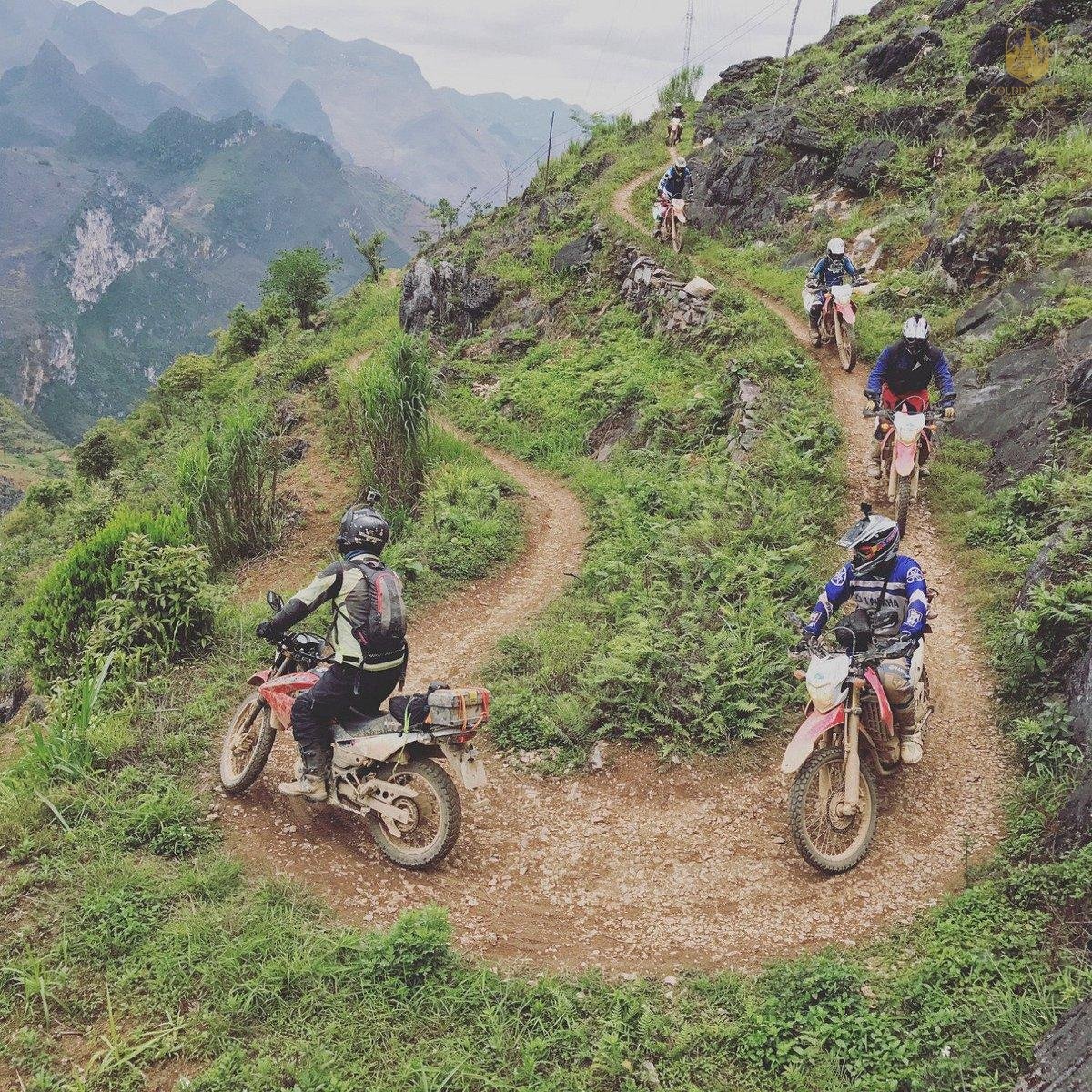
The Ho Chi Minh Trail is not just a road; it is a legendary artery that pulsates with the history of a nation’s resilience. Once a clandestine network of jungle paths and rugged mountain tracks used by North Vietnamese forces during the American War, it has today transformed into one of the most prestigious long-distance cycling routes in Southeast Asia. Engaging in Ho Chi Minh Trail off the beaten track cycling is a transformative experience that allows travelers to witness the breathtaking evolution of a country from a theater of conflict to a corridor of peace and natural splendor.
December 19, 2025
.jpg "Ho Chi Minh Trail Scenic Cycling Route: The Ultimate Visual and Historical Journey")
The name "Ho Chi Minh Trail" often conjures images of historical conflict and tactical ingenuity. However, for the modern adventurer, this legendary network of paths has transformed into something entirely different: the most Ho Chi Minh Trail scenic cycling route in Southeast Asia. Spanning over 2,000 kilometers from the northern karst mountains to the southern plains, this route is a sensory masterpiece. It is a place where emerald jungles meet limestone pinnacles, where misty mountain passes overlook ancient ethnic villages, and where the air is thick with the scent of pine and coffee blossoms.
December 19, 2025
.jpg "Ho Chi Minh Trail War History Cycling: A Journey Through the Heroic Heart of Vietnam")
The Ho Chi Minh Trail is arguably the most legendary road in Southeast Asia. Once a clandestine network of jungle paths, mountain passes, and river crossings used by North Vietnamese forces during the American War, it has today been reclaimed by nature and history to become a world-class cycling destination. For the modern adventurer, embarking on a Ho Chi Minh Trail war history cycling expedition is not just about the physical challenge of traversing 2,000 kilometers; it is a profound journey through a landscape that has transitioned from a theater of conflict to a corridor of peace, resilience, and breathtaking natural beauty.
December 19, 2025
.jpg "Ho Chi Minh Trail Cycling History Tour: A Journey Through Vietnam’s Heroic Past")
The Ho Chi Minh Trail is not merely a path on a map; it is a legendary monument to human resilience, a logistical miracle of the 20th century, and now, arguably the most prestigious long-distance cycling route in Southeast Asia. Once a clandestine network of jungle paths, hidden bridges, and mountain passes that sustained a nation during the American War, it has been reclaimed by nature and time to become the ultimate frontier for adventure seekers. Embarking on a Ho Chi Minh Trail cycling history tour is a profound experience that combines physical endurance with a deep-dive into the heroic history and diverse cultures of the Truong Son mountain range.
December 19, 2025
.jpg "Ho Chi Minh Trail Cycling Adventure Tour: The Definitive Journey Through the Heart of Vietnam")
The Ho Chi Minh Trail is not merely a path on a map; it is a legendary monument to human resilience, a logistical miracle of the 20th century, and now, arguably the most prestigious long-distance cycling route in Southeast Asia. Once a clandestine network of jungle tracks, hidden bridges, and mountain passes that sustained a nation during the American War, it has been reclaimed by nature and time to become the ultimate frontier for adventure seekers. Embarking on a Ho Chi Minh Trail cycling adventure tour is a profound experience that combines physical endurance with a deep-dive into the heroic history and diverse cultures of the Truong Son mountain range.
December 19, 2025
.jpg "Exploring the Imperial Heart and the Heroic Trail: The Ultimate Guide to Ho Chi Minh Trail Cycling Hue")
The city of Hue is often celebrated for its imperial majesty—the sprawling Citadel, the forbidden purple city, and the serene tombs of the Nguyen Emperors along the Perfume River. However, for those who seek adventure beyond the palace walls, the mountains to the west hold a different kind of legend. Ho Chi Minh Trail cycling Hue represents a profound intersection of Vietnam’s royal past and its heroic, resilient modern history. This journey takes you from the refined elegance of the lowlands into the rugged, mist-shrouded peaks of the Truong Son range, where the "Blood Vessel of the Nation" once sustained a country’s fight for independence.
December 19, 2025
.jpg "Ho Chi Minh Trail Cycling Quang Tri: A Deep Dive into the Heart of the DMZ")
For any traveler with an interest in history, resilience, and the sheer power of transformation, Ho Chi Minh Trail cycling Quang Tri is more than just a bike ride; it is a pilgrimage. Quang Tri province, located in the narrowest part of Vietnam’s "S-curve," was the most heavily bombed province in human history. Today, the smoke of conflict has been replaced by the morning mists of the Truong Son mountains, and the thunder of artillery by the whirring of bicycle gears.
December 19, 2025
.jpg "Ho Chi Minh Trail Cycling Dak Lak: A High-Altitude Journey Through Vietnam’s Coffee Heartland")
For those who seek the path less traveled, the Ho Chi Minh Trail offers an unparalleled window into the soul of Indochina. While much of the trail’s northern and central stretches are defined by limestone karsts and jungle-shrouded peaks, the segment known as Ho Chi Minh Trail cycling Dak Lak introduces a completely different rhythm. This is a land of red basalt soil, misty high-altitude plateaus, thunderous waterfalls, and the intoxicating scent of world-class coffee blossoms.
December 19, 2025
.webp "Exploring the Soul of the Highlands: The Ultimate Guide to Ho Chi Minh Trail Cycling Kon Tum")
When it comes to legendary adventures in Southeast Asia, few routes carry the historical weight and natural grandeur of the Ho Chi Minh Trail. While many cyclists focus on the coastal routes or the northern mountains, those in search of the "true" spirit of the Vietnamese interior eventually find themselves in the Central Highlands. Specifically, Ho Chi Minh Trail cycling Kon Tum represents a pinnacle of the adventure—a journey through misty mountain passes, vast coffee plantations, and the ancestral lands of resilient ethnic minority groups.
December 19, 2025
.jpg "Ho Chi Minh Trail Cycling Central Vietnam: A Journey Through the Heroic Heart of the Truong Son Mountains")
The Ho Chi Minh Trail is more than just a route; it is a legendary monument to human endurance and a masterpiece of military logistics. While the trail spans the length of Indochina, it is in the middle of the country that the most dramatic chapters were written. Ho Chi Minh Trail cycling Central Vietnam offers a profound immersion into the most rugged, beautiful, and historically significant sections of the "Blood Vessel of the Nation." From the gargantuan limestone karsts of Phong Nha to the misty valleys of A Shau, this journey is a rite of passage for every serious adventure cyclist.
December 19, 2025
.webp "Ho Chi Minh Trail Cycling Vietnam: The Definitive Journey Through History and Nature")
The Ho Chi Minh Trail is arguably the most legendary road in Southeast Asia. Once a clandestine network of jungle paths, mountain passes, and river crossings used by North Vietnamese forces during the American War, it has today been reclaimed by nature and history to become a world-class cycling destination. For the modern adventurer, embarking on a Ho Chi Minh Trail cycling Vietnam expedition is not just about the physical challenge of traversing 2,000 kilometers; it is a profound journey through a landscape that has transitioned from a theater of conflict to a corridor of peace, resilience, and breathtaking natural beauty.
December 19, 2025
.jpg "The Ultimate Adventure: Conquering the Ho Chi Minh Trail Cycling Laos")
The Ho Chi Minh Trail is a name that resonates through history as a symbol of human endurance, logistical genius, and the untamed spirit of Southeast Asia. While the Vietnamese sections of the trail are famous, it is the segment known as Ho Chi Minh Trail cycling Laos that offers the most rugged, authentic, and historically profound experience for the modern adventurer. This legendary network of paths, hidden beneath the dense canopies of the Truong Son mountain range and the limestone karsts of central Laos, remains one of the final frontiers for long-distance cyclists seeking a journey that transcends mere tourism.
December 19, 2025
.jpg "Road Cycling Ho Chi Minh Trail: The Definitive Guide to Vietnam’s Greatest Tarmac Adventure")
For the dedicated road cyclist, there is a specific kind of magic found in a perfectly paved road that winds through an untouched landscape. In Southeast Asia, that magic has a name: the Ho Chi Minh Highway. Once a legendary network of supply paths hidden beneath a dense jungle canopy, the trail has been transformed into a series of modern, high-quality roads that offer some of the best road cycling Ho Chi Minh Trail experiences on the planet. This 2,000-kilometer journey from North to South is a test of endurance, a history lesson on wheels, and a visual feast that rivals the Alps or the Pyrenees.
December 19, 2025
.webp "Mountain Biking Ho Chi Minh Trail: Conquering the Rugged Heart of Vietnam")
The Ho Chi Minh Trail is a name that resonates through history, but for the modern adventurer, it represents the ultimate frontier of Southeast Asian cycling. While many travelers experience Vietnam via the coastal Highway 1, the true soul of the country remains hidden within the dense jungles and soaring peaks of the Truong Son mountain range. Embarking on a mountain biking Ho Chi Minh Trail expedition is not just a test of physical endurance; it is an immersion into a landscape where history and nature are inextricably linked.
December 19, 2025
.jpg "Supported Cycling Tour Ho Chi Minh Trail: The Ultimate Adventure through Vietnam’s History and Landscape")
At Golden Trail Travel, we specialize in turning this historical odyssey into a seamless experience. Our premium cycling tours are meticulously designed to provide the perfect balance between grit and luxury, ensuring that every pedal stroke you take is backed by a team of experts.
December 19, 2025
.jpg "The Ultimate Guide to Self-Guided Ho Chi Minh Trail Cycling: Navigating Vietnam’s Legendary Path")
However, embarking on a 2,000-kilometer journey through some of Southeast Asia’s most rugged terrain requires meticulous planning. At Golden Trail Travel, we understand the allure of the independent road. Whether you are looking for high-end bike rentals or want to transition from a solo ride to one of our expertly managed cycling tours, this guide provides the essential blueprint for your self-guided odyssey.
December 19, 2025
.jpg "Guided Ho Chi Minh Trail Cycling Tour: The Ultimate Expedition Through Vietnam's Soul")
The Ho Chi Minh Trail is arguably the most legendary road in Southeast Asia. Once a clandestine network of jungle paths, mountain passes, and river crossings used by the North Vietnamese forces during the American War, it has today been reclaimed by nature and history to become a world-class cycling destination. For the modern adventurer, embarking on a Guided Ho Chi Minh Trail cycling tour is not just about the physical challenge of traversing 2,000 kilometers
December 19, 2025
.jpg "Ho Chi Minh Trail Long-Distance Cycling: The Ultimate Epic Journey Through Vietnam")
For the modern adventurer, few challenges rival the prestige and sheer scale of Ho Chi Minh Trail long-distance cycling. This is not just a bicycle ride; it is a 2,000-kilometer pilgrimage through the "Blood Vessel of Vietnam." Once a clandestine network of jungle paths, mountain tracks, and hidden bridges used by the North Vietnamese forces to supply the South
December 19, 2025
.jpg "Ho Chi Minh Trail Cycling Adventure: The Ultimate Journey Through Vietnam’s Heroic Landscapes")
At Golden Trail Travel, we specialize in crafting these deep-immersion journeys. Whether you are seeking a grueling physical challenge or a slow-paced historical exploration, our cycling tours provide the expertise, logistics, and passion required to conquer this legendary path.
December 19, 2025
.jpg "Vietnam Ho Chi Minh Trail Cycling: An Epic 2,000km Odyssey through Time and Nature")
At Golden Trail Travel, we specialize in crafting these deep-immersion journeys. Whether you are seeking a grueling physical challenge or a slow-paced historical exploration, our cycling tours provide the expertise, logistics, and passion required to conquer this legendary path.
December 19, 2025