15 Ng. 100 Đ. Nguyễn Xiển, Thanh Xuân Nam, Thanh Xuân, Hà Nội 100000

15 Ng. 100 Đ. Nguyễn Xiển, Thanh Xuân Nam, Thanh Xuân, Hà Nội 100000
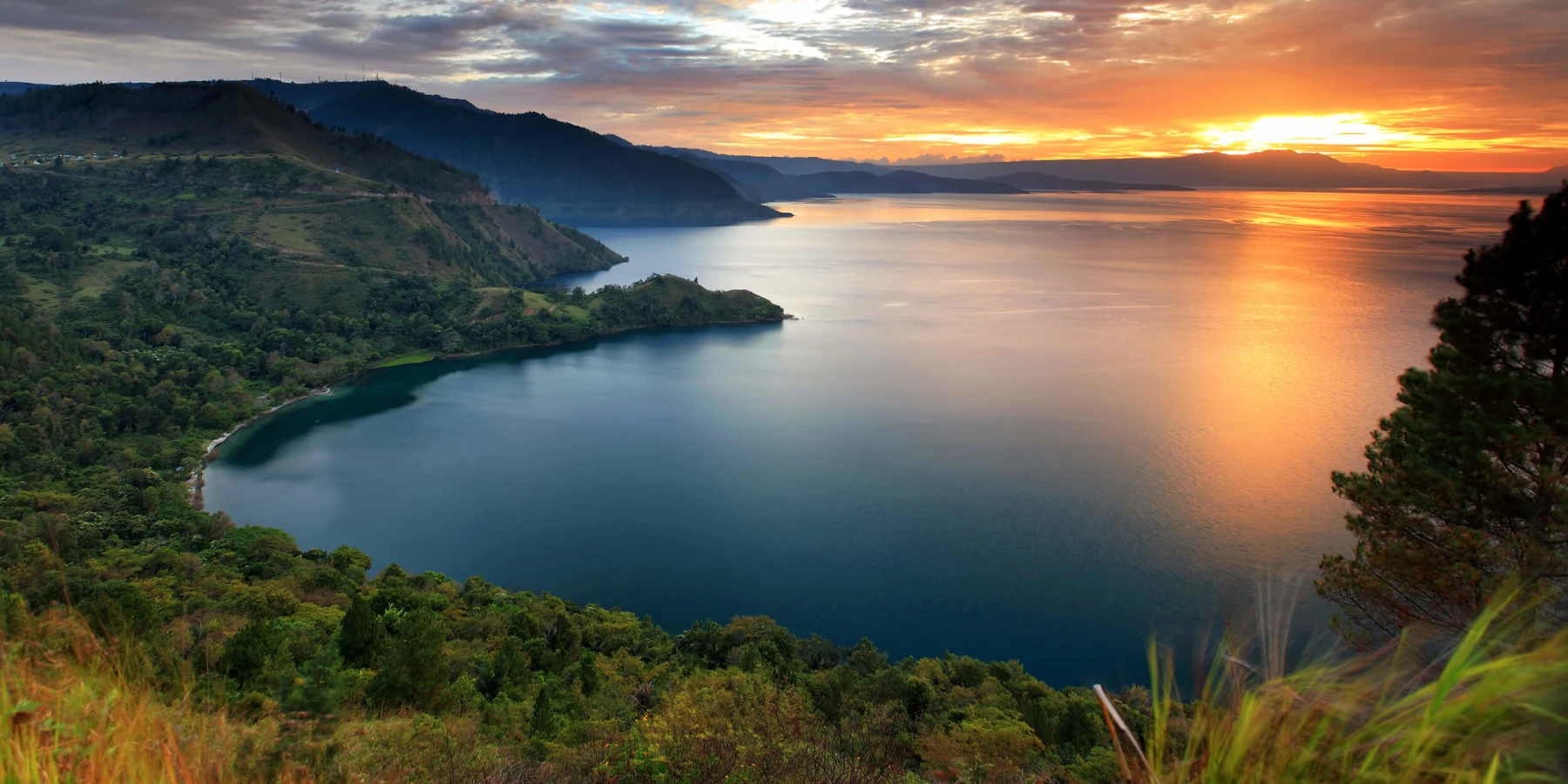
Imagine a lake so vast it feels like an ocean, so deep it holds ancient secrets, and so breathtakingly beautiful it stills the soul. This is Lake Toba (Danau Toba), the largest volcanic lake in the world, cradled within the caldera of a supervolcano that erupted tens of thousands of years ago, creating one of the most significant geological features on Earth. Located in the highlands of North Sumatra, Indonesia, Lake Toba is not merely a body of water; it is a cultural epicentre, a natural wonder, and a serene escape that offers a profoundly authentic and unforgettable experience for every traveler.
At its heart lies Samosir Island (Pulau Samosir), an island within an island, a place where the vibrant culture of the Batak people thrives, offering a unique blend of ancient traditions, warm hospitality, and stunning landscapes. From the cool, crisp mountain air to the tranquil waters reflecting the surrounding peaks, Lake Toba invites you to slow down, explore, and connect with a side of Indonesia rarely seen in mainstream tourist brochures.
This comprehensive guide will take you on an in-depth journey through the geological marvels, rich history, diverse cultural tapestry, thrilling adventures, and serene beauty that define Lake Toba and its enchanting surroundings. Whether you seek spiritual solace, cultural immersion, outdoor exhilaration, or simply a tranquil retreat, prepare to uncover why Lake Toba is a true jewel of Sumatra.
The sheer scale of Lake Toba is astounding. Measuring approximately 100 kilometers long and 30 kilometers wide, and reaching depths of up to 505 meters (1,666 feet), it is the largest volcanic lake globally. Its formation is a tale of cataclysmic proportions, a geological event that shaped the planet.
Around 74,000 years ago, the Toba volcano experienced one of the largest explosive eruptions in Earth's history, a super-eruption of colossal magnitude (VEI 8). This event ejected an estimated 2,800 cubic kilometers of material, plunging the Earth into a volcanic winter and causing a significant population bottleneck in human history. The collapse of the magma chamber after this colossal eruption created the massive caldera that now holds Lake Toba. Over time, water filled this depression, forming the lake, and subsequent uplift formed the prominent Samosir Island in its center.
Today, the lake's vast expanse, surrounded by towering volcanic cliffs and lush green highlands, offers a breathtaking panorama. The clean, cool water, a stark contrast to Indonesia's often humid lowlands, provides a refreshing environment. The unique geological history contributes to the region's fertile soil, supporting diverse agriculture and creating stunning natural vistas. The air here is often clearer, and the nights cooler, making it a pleasant respite from tropical heat.
At the very heart of Lake Toba lies Samosir Island, an island roughly the size of Singapore, and the spiritual and cultural homeland of the Toba Batak people. This fertile land, rising majestically from the lake, is where Batak traditions, music, architecture, and beliefs have been preserved for centuries.
The Batak are an indigenous ethnic group of North Sumatra, known for their strong communal bonds, distinctive culture, and rich traditions. The Toba Batak, specifically, are the predominant group around Lake Toba and on Samosir Island.
Customary Houses (Batak Traditional Houses): Instantly recognizable, Batak traditional houses (rumah adat) feature distinctive saddle-shaped roofs, often with elaborate carvings and painted motifs. These houses are not just dwellings but embody the Batak philosophy and social structure. Many villages on Samosir still have well-preserved traditional houses.
Music and Dance: The Batak are renowned for their vibrant musical traditions, particularly the Uning-uningan (traditional music played with various instruments) and Tor-Tor dance, a ritualistic dance often performed during ceremonies and celebrations.
Cuisine: Batak cuisine is distinct, often featuring bold flavors and spices. Key ingredients include andaliman (Batak pepper), which provides a unique tingling sensation, and various forms of pork and freshwater fish from the lake.
Christianity: While initially animist, many Batak people converted to Christianity (primarily Protestantism) through missionary work in the 19th and 20th centuries, though traditional beliefs and customs often blend with their faith.
Samosir Island is dotted with picturesque villages, each offering a glimpse into Batak life and history.
Tuk Tuk: The main tourist hub on Samosir Island, Tuk Tuk is a peninsula with a relaxed, bohemian vibe. It offers a wide range of guesthouses, restaurants, cafes, and shops catering to travelers. It's the most convenient base for exploring the island and offers beautiful lakeside views.
Tomok Village: Located near the main ferry crossing to Parapat, Tomok is a popular first stop for visitors. It's famous for the ancient stone tombs of King Sidabutar and his descendants, featuring intricate carvings and traditional Batak structures. The village also has a bustling souvenir market where you can find traditional Batak crafts, fabrics, and carvings.
Ambarita Village: Known for its unique Batu Kursi (Stone Chairs), an ancient megalithic court where traditional village meetings, trials, and even executions of criminals took place. This historical site offers a fascinating, albeit grim, insight into Batak customary law (adat) and justice systems of the past.
Simanindo Village: Home to the Batak Museum (Museum Huta Bolon Simanindo), which houses a collection of Batak artifacts and traditional houses. Visitors can often witness daily performances of the Tor-Tor dance and Sigale-gale puppet show here, providing an excellent cultural immersion experience.
Tele Tower (Menara Tele): While not on Samosir Island itself, the Tele Observation Tower, located on the mainland, offers the most breathtaking panoramic views of Lake Toba and Samosir Island from a high vantage point. It's accessible by road, providing a different perspective of the lake's vastness.
Lake Toba offers a plethora of activities, from serene relaxation to exhilarating adventures, catering to all types of travelers.
The calm, clear waters of Lake Toba are perfect for a variety of aquatic pursuits:
Swimming: Enjoy a refreshing dip in the lake's cool, clean waters. Many guesthouses in Tuk Tuk have direct lake access.
Kayaking and Canoeing: Rent a kayak or canoe and paddle around the tranquil bays of Tuk Tuk, exploring the coastline at your own pace.
Stand-Up Paddleboarding (SUP): A popular activity for gliding across the calm lake surface, offering a unique perspective.
Boating and Lake Cruises: Take a traditional longboat to explore different villages on Samosir Island, or hire a private boat for a leisurely cruise around the lake. Public ferries also regularly connect Parapat (mainland) to Tuk Tuk and Tomok.
Fishing: Try your hand at fishing for the lake's freshwater species.
Samosir Island itself is ripe for exploration:
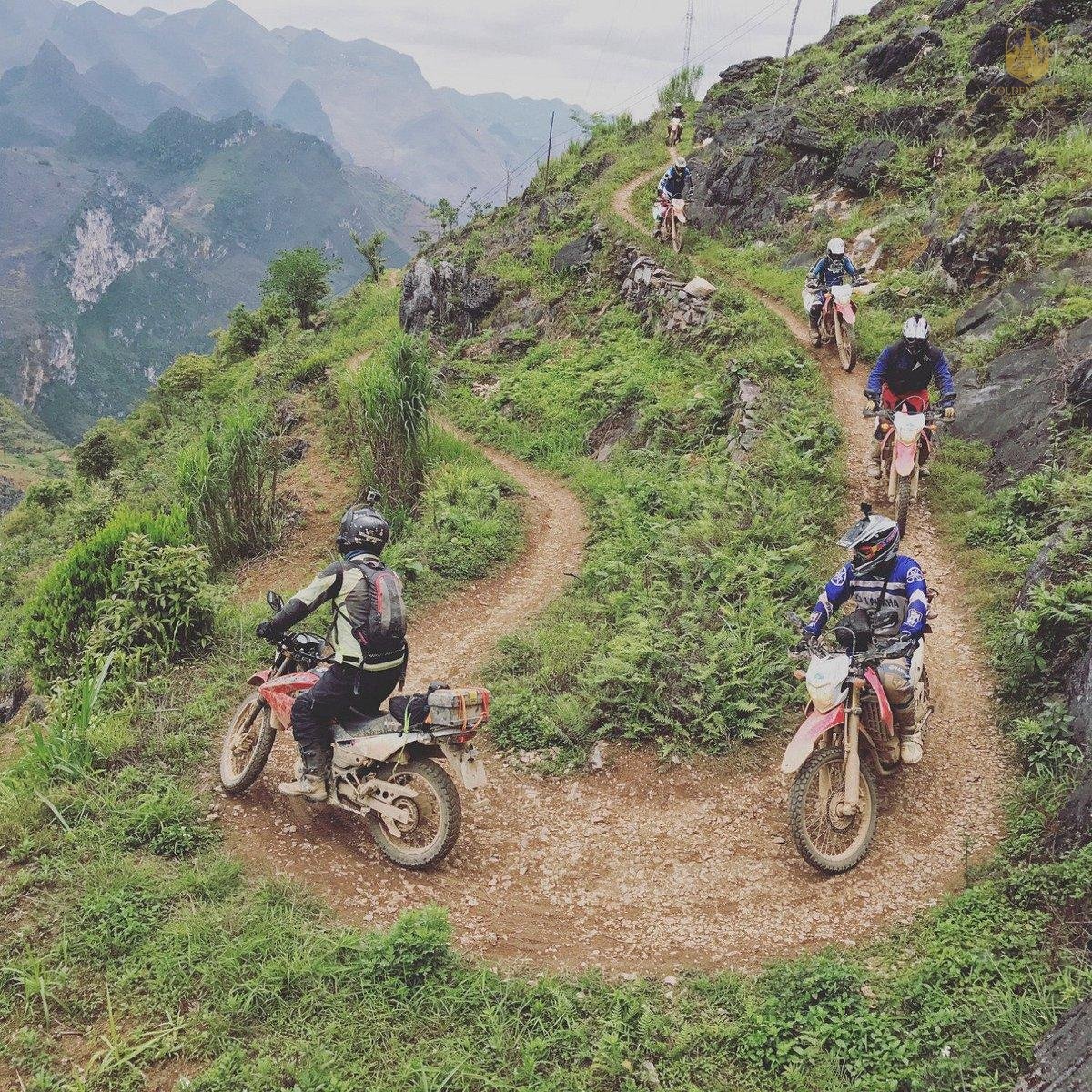
Motorbike Exploration: Renting a motorbike is arguably the best way to explore Samosir Island independently. The roads are generally good, winding through picturesque rice paddies, traditional villages, and offering stunning lake views at every turn. You can discover hidden viewpoints and local life.
Cycling: For a more active exploration, bicycles are available for rent, allowing you to pedal through the quieter roads and enjoy the scenery at a leisurely pace.
Hiking and Trekking: Explore the interior of Samosir Island, which rises to a plateau. There are trails leading to viewpoints, waterfalls (like Situmurun Waterfall), and local villages, offering insights into agricultural life.
Hot Springs: Visit the small, sulfurous hot springs near the western side of Samosir Island (Pangururan) for a relaxing soak after a day of exploration.
Waterfalls: Besides Situmurun, there are other smaller waterfalls tucked away in the island's lush landscape, often requiring a short trek to reach.
Tor-Tor Dance & Sigale-gale Puppet Show: Witness traditional Batak dance and the unique Sigale-gale puppet performance, often held at the Batak Museum in Simanindo. These shows offer a fascinating insight into Batak rituals and folklore.
Batak Language Lessons: Some local guides or cultural centers may offer basic introductions to the Batak language.
Cooking Classes: Learn to prepare traditional Batak dishes, often involving local spices and freshwater fish.
Village Walks: Simply strolling through villages allows you to observe daily life, witness traditional crafts, and interact with the friendly Batak people.
Lake Toba's culinary scene offers a unique blend of Indonesian and distinct Batak flavors, heavily influenced by its fresh lake produce and local spices.
Ikan Arsik: A signature Batak dish featuring freshwater fish (often carp or tilapia) slow-cooked in a rich, flavorful yellow sauce made with a complex blend of spices, including the essential andaliman (Batak pepper), turmeric, ginger, and lemongrass. The andaliman provides a unique numbing, tingling sensation on the tongue.
Mie Gomak: Often called "Batak spaghetti," this hearty noodle dish is a staple, featuring thick yellow noodles in a spicy coconut milk curry, commonly served with boiled eggs and vegetables.
Saksang: A traditional Batak dish made from minced pork (or sometimes dog meat) cooked in its own blood, seasoned with herbs and spices. This is a very traditional dish, often served during ceremonies (note: non-halal).
Babi Panggang Karo (BPK): While more commonly associated with the Karo Batak people from the highlands, BPK (roasted pork) is also found around Lake Toba, served with a spicy blood sauce and green chili sambal (note: non-halal).
Manuk Napinadar: Roasted chicken seasoned with chicken blood and a mix of traditional Batak spices (note: non-halal).
Ayam Sambal Andaliman: Chicken stir-fried with a fiery sambal (chili paste) featuring the distinctive andaliman pepper.
Fresh Lake Fish: Enjoy a variety of fresh fish from Lake Toba, often grilled or fried simply with chili and lime.
Guesthouse Restaurants: Many guesthouses in Tuk Tuk have their own restaurants serving a mix of Indonesian, Batak, and sometimes Western dishes, often with beautiful lake views.
Local Warungs: For authentic and affordable Batak cuisine, seek out local warungs (small eateries) in the villages.
Cafes in Tuk Tuk: Tuk Tuk has a growing number of charming cafes offering coffee, fresh juices, and lighter meals, perfect for relaxing after a day of exploring.
Lake Toba is often part of a larger North Sumatra itinerary, seamlessly combining with other iconic destinations.
Medan: The capital of North Sumatra, Medan is the primary gateway to Lake Toba (approximately 4-5 hours drive). It offers a rich history, diverse culture, and a legendary food scene (Maimun Palace, Tjong A Fie Mansion, Great Mosque).
Bukit Lawang (Bohorok): For wildlife enthusiasts, Bukit Lawang, home to the critically endangered Sumatran orangutans, is a must-visit. It's about a 3-4 hour drive from Medan, making it a natural fit for a combined itinerary with Lake Toba. (Note: The term "Bohorok" refers to the wider district, with Bukit Lawang being the main tourist access point).
Berastagi: Located in the Karo Highlands, roughly 2-3 hours from Lake Toba (depending on specific route) and 2 hours from Medan, Berastagi is a cool mountain town famous for its active volcanoes (Mount Sibayak), hot springs, and vibrant fruit market. It makes for a great stopover between Medan and Lake Toba.
Navigating the logistics of a multi-destination trip in North Sumatra, especially one involving remote natural wonders like Lake Toba, can be challenging. From arranging comfortable transportation to finding knowledgeable local guides and booking suitable accommodation, having expert assistance can transform your journey into a seamless and unforgettable adventure. This is precisely where Golden Trail Travel becomes your invaluable partner.
Golden Trail Travel specializes in crafting immersive and responsible travel experiences throughout Indonesia, with a particular expertise in North Sumatra. They understand the nuances of the region, ensuring you make the most of your time, whether you're exploring the cultural richness of Samosir Island, trekking to volcanic viewpoints, or simply relaxing by the lake.
Golden Trail Travel offers comprehensive packages that include:
Customized Itineraries: From dedicated Lake Toba tours to multi-destination packages combining Medan, Bukit Lawang, and Berastagi, they can tailor a trip to your interests, budget, and travel style.
Experienced Local Guides: Benefit from the insights of professional, English-speaking guides who can deepen your cultural understanding, share local stories, and enhance your overall experience.
Reliable Transportation: Enjoy comfortable and efficient travel between destinations with their well-maintained vehicles and experienced drivers. This is crucial for reaching Lake Toba from Medan and exploring Samosir Island.
Accommodation Arrangements: They can assist with securing suitable accommodation options, from lakeside guesthouses in Tuk Tuk to hotels in Medan.
Seamless Logistics: From airport transfers in Medan to ferry arrangements to Samosir Island, Golden Trail Travel handles all the details, allowing you to relax and immerse yourself in the journey.
Ethical Tourism: They are committed to responsible tourism practices, supporting local communities and ensuring your visit is beneficial to the region.
Don't let the complexities of planning overshadow the excitement of your Sumatran adventure. Let Golden Trail Travel handle the arrangements, ensuring a smooth, enriching, and memorable journey through the majestic landscapes and vibrant culture of Lake Toba.
Visit their website to explore their diverse range of Lake Toba and North Sumatra tours and easily book your dream adventure: https://goldentrailtravel.com/
Accommodation options around Lake Toba are primarily concentrated on Samosir Island, particularly in the Tuk Tuk area, offering a range of choices from budget-friendly guesthouses to more comfortable resorts, most with direct lake access and stunning views.
Guesthouses (Homestays): The most common type of accommodation in Tuk Tuk, offering simple yet comfortable rooms, often run by local Batak families. Many have direct access to the lake and offer a relaxed, communal atmosphere.
Boutique Hotels/Resorts: A growing number of mid-range to upscale hotels and resorts are emerging, providing more amenities like swimming pools, larger rooms, and diverse dining options, all while maintaining the serene lakeside vibe.
Hotels in Parapat: If you prefer to stay on the mainland before taking the ferry to Samosir, Parapat offers several hotel options, though the atmosphere is generally less relaxed than on the island.
Booking in advance, especially during peak season or public holidays, is always advisable. Many tours with Golden Trail Travel will include or assist with accommodation arrangements.
The best time to visit Lake Toba is during the dry season, from May to September.
Dry Season (May - September): This period offers the most pleasant weather with sunny days, lower humidity, and less rainfall. This is ideal for outdoor activities like trekking, exploring Samosir Island by motorbike, and enjoying the lake.
Shoulder Seasons (April & October): These months can also be good, with fewer tourists and generally pleasant weather, though there might be occasional showers.
Wet Season (November - March): Expect higher rainfall, though often in short, heavy bursts. While travel is still possible, some outdoor activities might be affected by rain, and certain roads might be more challenging to navigate. However, the landscapes are incredibly lush and green during this time.
The climate around Lake Toba is generally cooler than the lowlands due to its altitude, making it a refreshing escape year-round.
Getting There: The nearest major airport is Kualanamu International Airport (KNO) in Medan. From Medan, it's a 4-5 hour drive to Parapat (the mainland ferry terminal). Ferries regularly depart from Parapat to Tuk Tuk (Samosir Island). Consider arranging transfers with Golden Trail Travel for a smooth journey.
Transportation on Samosir: Renting a motorbike is the most popular way to explore Samosir. Ensure you have an international driving permit and feel confident riding. Alternatively, you can hire a car with a driver for a day or take local public transport (angkot).
Respect Local Culture: The Batak people have strong traditions. Dress modestly when visiting villages and sacred sites, and be respectful during ceremonies. Ask for permission before taking photos of people.
Cash is King: While some larger hotels may accept cards, most local establishments, warungs, and smaller shops on Samosir operate on cash. Ensure you withdraw enough Rupiah in Medan or Parapat before heading to the island, as ATMs might be limited or out of order.
Stay Hydrated: Despite the cooler climate, it's still important to drink plenty of water.
Sun Protection: Even on cloudy days, the sun at altitude can be strong. Use sunscreen, wear a hat, and sunglasses.
Mosquito Repellent: Essential, especially during dawn and dusk.
Learn Basic Indonesian Phrases: Even a few words like "Terima kasih" (thank you) and "Horas!" (a common Batak greeting) will be greatly appreciated by locals.
Responsible Tourism: Support local businesses, minimize your waste, and be mindful of your environmental impact on this pristine lake and its surrounding areas.
Golden Trail Travel: For a stress-free and insightful trip, consider booking your tours and transfers with Golden Trail Travel (https://goldentrailtravel.com/). Their local expertise and comprehensive services are invaluable.
"Lake Toba is truly mesmerizing! The vastness of the lake and the tranquility of Samosir Island were exactly what we needed. We booked a 4-day Lake Toba and Berastagi tour with Golden Trail Travel, and it was perfectly organized. Our driver was excellent, and the itinerary allowed us to see all the cultural highlights and enjoy the beautiful scenery. Their service made the trip so relaxing and enjoyable." — Maria S., Spain
"We combined our Lake Toba trip with an orangutan trek in Bukit Lawang, and Golden Trail Travel managed all the logistics flawlessly. The transition from the jungle to the serene lake was incredible. We loved exploring Samosir Island by motorbike and trying Ikan Arsik. Golden Trail Travel provided a fantastic guide on Samosir who shared so much about Batak culture. Highly recommend their comprehensive tours!" — John D., UK
"The moment we saw Lake Toba from Tele Tower, we were speechless. It's even more magnificent in person! Our stay on Samosir was incredibly peaceful, and the Tor-Tor dance performance was a highlight. Golden Trail Travel arranged all our transfers from Medan and our ferry to Samosir, making everything stress-free. Their team was very responsive and helpful throughout the planning process." — Sarah L., Australia
"As a history enthusiast, visiting the ancient tombs in Tomok and the stone chairs in Ambarita on Samosir Island was fascinating. The Batak culture is so rich and unique. Golden Trail Travel provided a knowledgeable local guide who brought these historical sites to life. Their seamless booking process via their website also made everything very convenient." — David C., USA
"Lake Toba offered a wonderful escape from the city bustle. We enjoyed swimming in the lake and just relaxing by the water. Our kids loved the space to explore. Golden Trail Travel designed a family-friendly itinerary for us, ensuring we had comfortable accommodation and safe transport. It was a memorable family vacation thanks to their excellent planning." — Emily R., Canada
Q1: What is Lake Toba, and why is it famous? A1: Lake Toba is the largest volcanic lake in the world, formed in the caldera of a supervolcano that erupted approximately 74,000 years ago. It's famous for its immense size, breathtaking natural beauty, and as the cultural heartland of the indigenous Batak people, particularly Samosir Island located in its center.
Q2: Where is Lake Toba located? A2: Lake Toba is located in North Sumatra, Indonesia, in the Batak Highlands.
Q3: How do I get to Lake Toba? A3: The primary gateway is Medan's Kualanamu International Airport (KNO). From Medan, it's a 4-5 hour drive by car or bus to Parapat, the main ferry terminal on the mainland. From Parapat, public ferries or private boats regularly cross to Tuk Tuk or Tomok on Samosir Island. Many travelers opt for arranged transfers with tour operators like Golden Trail Travel for convenience.
Q4: What is Samosir Island? A4: Samosir Island is a large island located in the middle of Lake Toba. It is the cultural and spiritual center of the Toba Batak people, known for its traditional villages, ancient tombs, cultural performances, and scenic landscapes.
Q5: What are the main attractions on Samosir Island? A5: Key attractions include Tomok Village (ancient tombs, souvenir market), Ambarita Village (stone chairs of the ancient court), Simanindo Village (Batak Museum, Tor-Tor dance and Sigale-gale puppet shows), and exploring the island by motorbike to see rice paddies, traditional houses, and scenic viewpoints.
Q6: What activities can I do at Lake Toba? A6: You can swim, kayak, stand-up paddleboard, or take boat cruises on the lake. On Samosir Island, popular activities include exploring by motorbike or bicycle, hiking, visiting hot springs, and experiencing Batak cultural performances.
Q7: What is Batak cuisine like? A7: Batak cuisine is known for its bold flavors and use of fresh lake fish and unique spices like andaliman (Batak pepper). Must-try dishes include Ikan Arsik (spicy fish stew), Mie Gomak (Batak noodles), and various pork dishes (note: many traditional Batak dishes are non-halal).
Q8: What is the best time of year to visit Lake Toba? A8: The best time to visit Lake Toba is during the dry season, from May to September, when you'll experience more sunny days, lower humidity, and more pleasant conditions for outdoor activities.
Q9: Can I combine a trip to Lake Toba with other destinations in North Sumatra? A9: Absolutely! Lake Toba is often combined with visits to Medan (for city exploration), Bukit Lawang (for orangutan trekking), and Berastagi (for volcanoes and highlands). Golden Trail Travel specializes in crafting multi-destination itineraries for North Sumatra.
Q10: How can Golden Trail Travel help with my trip to Lake Toba? A10: Golden Trail Travel offers comprehensive tour packages for Lake Toba and North Sumatra. They can arrange comfortable transfers from Medan, experienced local guides on Samosir Island, accommodation, and customize itineraries to include cultural experiences, adventures, and visits to other key destinations. Their services ensure a hassle-free and enriching journey. You can book your tour easily via their website: https://goldentrailtravel.com/
.jpg "The Ultimate Guide to the Cao Bang Loop Cycling Tour: Vietnam’s Untouched Frontier")
At Golden Trail Travel, we believe that the best way to experience this frontier is slow, rhythmic, and close to the ground. In this exhaustive guide, we will explore everything you need to know about conquering the Cao Bang Loop, from the thundering cascades of Ban Gioc to the hidden ethnic villages where time seems to have stood still.
December 24, 2025
.jpg "Navigating the Frontier: Choosing the Best Ha Giang Loop Cycling Tour Operator")
The Ha Giang Loop in Northern Vietnam is widely considered one of the most spectacular road journeys in the world. For many, it is the ultimate "final frontier," a land of jagged limestone pinnacles, deep river canyons, and vibrant ethnic minority cultures that have remained largely unchanged for centuries. While the loop has become a magnet for motorbike travelers
December 22, 2025
.jpg "Conquer the Clouds: The Definitive Guide to a Ha Giang Loop Cycling Tour in Vietnam")
The northern frontier of Vietnam is a place where the landscape doesn't just surround you—it confronts you with its raw, jagged majesty. For years, the Ha Giang Loop has been the "Holy Grail" for adventure travelers, traditionally navigated by motorbikes.
December 22, 2025
.jpg "Conquering the Happiness Road: The Definitive Guide to the Best Ha Giang Loop Cycling Tour")
The northern frontier of Vietnam is a place where the landscape doesn't just surround you—it confronts you. It is a world of vertical limestone karsts, emerald rivers slicing through the deepest canyons in Southeast Asia, and a series of switchbacks that seem to climb directly into the clouds. While many travelers choose to experience this "final frontier" on the back of a motorbike,
December 22, 2025
.jpg "The Ultimate Guide to Booking Your Ha Giang Loop Cycling Adventure")
The northernmost province of Vietnam, Ha Giang, is a land that seems to have been sculpted by the gods themselves. It is a world of jagged limestone pinnacles, emerald rivers carving through deep canyons, and roads that defy gravity. While the Ha Giang Loop
December 22, 2025
.jpg "Scaling the Sky: A Technical and Experiential Guide to Ha Giang Loop Cycling Elevation")
The Ha Giang Loop is often described as the "final frontier" of Vietnam. It is a place where the landscape doesn't just surround you; it confronts you. For adventure seekers, the allure of this UNESCO Global Geopark is undeniable, but for the cyclist, the conversation always begins and ends with one word: elevation.
December 22, 2025
.jpg "Mastering the Miles: A Deep Dive into Ha Giang Loop Cycling Distance")
The Ha Giang Loop is often described as the "Holy Grail" of adventure travel in Southeast Asia. Nestled against the Chinese border in Northern Vietnam, this UNESCO Global Geopark is a labyrinth of limestone pinnacles, emerald rivers, and ethnic minority cultures that have remained unchanged for centuries. While the loop has traditionally been conquered by motorbikes
December 22, 2025
.jpg "Season of Dreams: Discovering the Best Time for Ha Giang Loop Cycling")
The Ha Giang Loop is more than a destination; it is a profound physical and spiritual journey through Vietnam’s final frontier. As you navigate the winding roads carved into the side of limestone peaks, every pedal stroke reveals a new layer of the Dong Van Karst Plateau’s majesty. However, for a cyclist, the experience is dictated by the elements.
December 22, 2025
.jpg "The Final Frontier: A Deep Dive into the Ha Giang Loop Cycling Difficulty")
The Ha Giang Loop in Northern Vietnam is widely regarded as one of the most spectacular road journeys on the planet. For decades, it has been the holy grail for backpackers on motorbikes. However, a new breed of traveler is looking for a deeper, more visceral challenge.
December 22, 2025
.jpg "Mapping the Soul of the Mountains: The Definitive Ha Giang Loop Cycling Route Map Guide")
The northernmost province of Vietnam, Ha Giang, is a place where the landscape doesn’t just provide a backdrop—it tells a story. For decades, the "Happiness Road" has winding through the jagged limestone pinnacles of the Dong Van Karst Plateau, offering a rite of passage for adventurers.
December 22, 2025
.jpg "Conquer the Heights: The Ultimate Ha Giang Loop Cycling Itinerary")
The northern frontier of Vietnam is a land where the geography seems to have been sculpted by the gods themselves. Jagged limestone pinnacles, emerald rivers carving through deep canyons, and roads that defy gravity—this is the Ha Giang Loop.
December 22, 2025
.jpg "Capturing the Clouds: The Ultimate Ha Giang Loop Photography Cycling Tour Guide")
There is a specific kind of magic that happens when the first rays of dawn pierce through the limestone pinnacles of Northern Vietnam. The mist clings to the valleys, the "Happiness Road" snakes into the distance, and for a photographer, the world becomes a canvas of infinite possibilities. While many travelers choose to navigate this rugged terrain by motorbike, a new breed of visual storytellers is discovering a more intimate way to document the frontier.
December 22, 2025
.jpg "Pedaling Through Time: The Ultimate Ha Giang Loop Cultural Cycling Tour Guide")
Northern Vietnam is a land where the geography dictates the pace of life. Here, the mountains aren't just obstacles; they are the architects of culture. While many modern travelers choose to zip through the famous loop on the back of a motorbike, those seeking a profound connection with the land choose a different path.
December 22, 2025
.jpg "The Silence of Stone: A Complete Guide to Ha Giang Loop Remote Cycling Tours")
There is a specific kind of silence that only exists at the top of a limestone peak in Northern Vietnam. It is not the absence of sound, but rather the presence of a vast, ancient stillness that swallows the noise of the modern world. For those looking to escape the conventional tourist paths and truly test their mettle against nature
December 22, 2025
For the modern adventurer, the world often feels like it has been entirely mapped, photographed, and uploaded. Yet, in the northernmost reaches of Vietnam, where the limestone karsts of the Dong Van Plateau pierce the clouds, there remains a frontier that defies the ordinary. While the "Happiness Road" has become a popular route for motorbikes, a new breed of explorers is looking for something deeper, quieter, and more challenging.
December 22, 2025
.jpg "Beyond the Horizon: The Ultimate Ha Giang Loop Scenic Cycling Experience")
There are roads that take you from point A to point B, and then there are roads that transform your very soul. The Ha Giang Loop in Northern Vietnam belongs firmly in the latter category. While the world has recently woken up to the beauty of this "final frontier" through the lens of motorbike travelers, a more intimate, challenging, and rewarding way to experience this UNESCO Global Geopark has emerged.
December 22, 2025
.jpg "The Whispering Pines: A Complete Guide to Ha Giang Loop Yen Minh Cycling")
Deep in the heart of Northern Vietnam, where the limestone giants of the Dong Van Karst Plateau begin to reveal their true scale, lies a valley that offers a stark, beautiful contrast to the rugged grey peaks. Yen Minh, often referred to as the "Green Oasis" or the "Pine Forest Capital" of Ha Giang, serves as a vital artery in the legendary loop
December 22, 2025
.jpg "Gateway to the Clouds: The Ultimate Guide to Ha Giang Loop Quan Ba Cycling")
The journey into Northern Vietnam is often described as a transition from the world of the ordinary into a realm of myth. As you leave the bustling provincial capital of Ha Giang City, the horizon begins to ripple with limestone giants. For many, the true adventure begins at the district of Quan Ba.
December 22, 2025
.jpg "The King of Passes: A Comprehensive Guide to Ha Giang Loop Ma Pi Leng Cycling")
For the global cycling community, there are certain roads that carry a legendary status. The Stelvio Pass in Italy, the Sa Calobra in Mallorca, and the Alpe d'Huez in France are all names that evoke a sense of awe. However, tucked away in the rugged northern tip of Vietnam lies a stretch of asphalt that rivals, if not surpasses, these European icons in both drama and difficulty.
December 22, 2025
.jpg "Conquer the Clouds: The Ultimate Guide to Ha Giang Loop Meo Vac Cycling")
The Ha Giang Loop is often described as the "final frontier" of Vietnam, a land where limestone pinnacles pierce the clouds and ancient traditions remain etched into the mountainsides. While many travelers choose to navigate these winding roads by motorbike, there is a growing community of adventurers seeking a more visceral connection to the landscape. For those with grit, passion, and a love for the open road, Ha Giang Loop Meo Vac cycling represents the pinnacle of adventure in Southeast Asia.
December 22, 2025