15 Ng. 100 Đ. Nguyễn Xiển, Thanh Xuân Nam, Thanh Xuân, Hà Nội 100000

15 Ng. 100 Đ. Nguyễn Xiển, Thanh Xuân Nam, Thanh Xuân, Hà Nội 100000
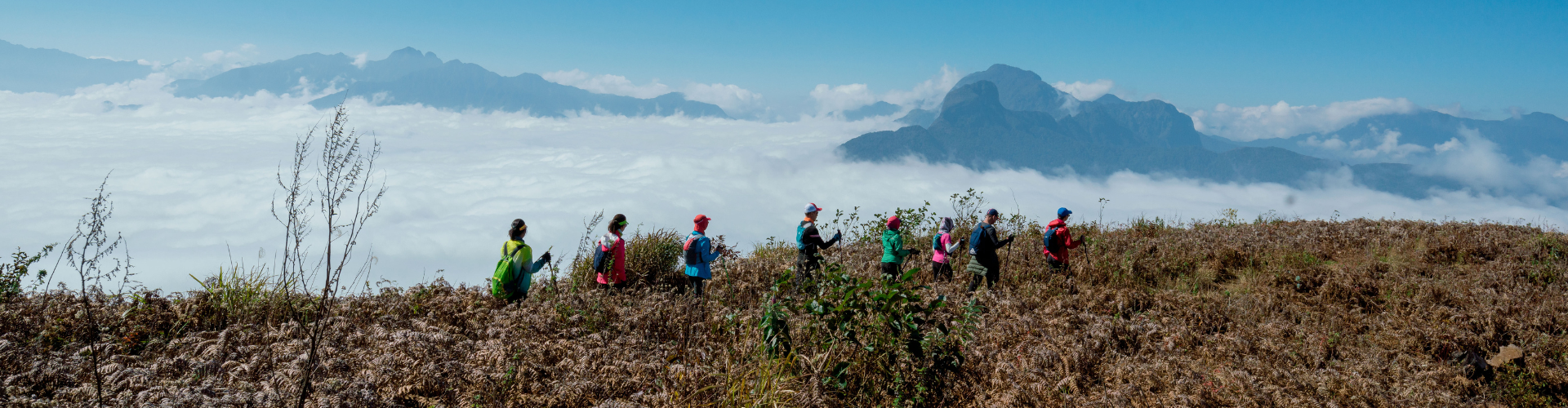
Nestled in the heart of Sabah, Malaysian Borneo, Kinabalu Park stands as a testament to nature's grandeur. A UNESCO World Heritage Site since 2000, it's not just home to Southeast Asia's highest peak, Mount Kinabalu, but also a sprawling ecological wonderland teeming with unparalleled biodiversity. From the ancient, moss-draped forests to the dramatic granite spires of the summit, Kinabalu Park offers a captivating blend of scientific marvel, breathtaking landscapes, and thrilling adventure. Whether you're a seasoned mountaineer, a passionate botanist, a birdwatcher, or simply a nature lover seeking solace, Kinabalu Park promises an enriching and unforgettable experience. And for a truly seamless and expertly guided exploration of this magnificent destination, Golden Trail Travel (https://goldentrailtravel.com/) is your ideal partner, crafting bespoke tours that bring the wonders of Kinabalu Park to life.
Kinabalu Park's designation as a UNESCO World Heritage Site highlights its "outstanding universal value" as one of the most important biological sites in the world. Its unique geological history, dramatic altitudinal variation, and isolated location have fostered an extraordinary array of life forms, many of which are found nowhere else on Earth.
The park's diverse landscape is a direct result of the uplift of Mount Kinabalu, a young, still-growing granite massif.
Mount Kinabalu: Dominating the park, this majestic peak (4,095 meters / 13,435 feet) is a formidable presence and a major draw for adventurers. Its granite face contrasts starkly with the lush vegetation below.
Unique Geology: The mountain's granitic composition, combined with the extreme altitudinal gradient, creates a multitude of microclimates and habitats, supporting an incredible diversity of life.
Vegetation Zones: As you ascend from the lowland rainforests (around 180 meters) to the alpine meadows and barren rock faces of the summit, you'll witness distinct changes in vegetation. These zones include lowland dipterocarp forests, montane oak-chestnut forests, cloud forests, and sub-alpine grasslands. Each zone hosts its own unique plant and animal communities, making the park a living laboratory for ecological study.
Kinabalu Park is a true biodiversity hotspot, often referred to as a "mega-diversity" site. Its isolation and unique climate have led to high levels of endemism, meaning many species are found only here.
Flora Extravaganza: The park boasts an estimated 5,000 to 6,000 species of plants, more than all of Europe and North America combined! This includes an astonishing variety of:
Orchids: Over 1,200 species, with some of the world's rarest and most beautiful, including the iconic slipper orchids.
Rhododendrons: Over 20 species, displaying vibrant blooms in various hues.
Nepenthes (Pitcher Plants): At least 26 species of these carnivorous plants, including the magnificent Nepenthes rajah, the largest pitcher plant in the world, capable of holding up to 3.5 liters of water.
Ginger, Ferns, Mosses: A dizzying array of these plants carpet the forest floor and tree trunks.
Fauna Wonderland: While large mammals are shy and rare, the park is a paradise for smaller creatures and birdwatchers:
Birds: Over 326 species, including many endemics like the Kinabalu friendly warbler, mountain blackbird, and various hornbills.
Mammals: Over 100 species, including the elusive Bornean gibbon, sun bear, barking deer, and various civets. Smaller mammals like squirrels, tree shrews, and bats are more commonly sighted.
Insects and Amphibians: A staggering number of insect species, including many unique butterflies and moths, along with a diverse range of frogs and other amphibians, thrive in the park's varied habitats.
Kinabalu Park offers much more than just the climb to the summit. Its expansive grounds provide a wealth of activities for visitors of all interests and fitness levels.
This is the park's crown jewel and a major draw for adventurers worldwide. The climb is challenging but incredibly rewarding.
Permit and Guide Requirements: All climbers must obtain a permit from Sabah Parks and be accompanied by a certified mountain guide. Booking well in advance is crucial due to limited daily permits.
The Summit Trail (Timpohon Gate): The most popular route, usually a 2-day, 1-night climb.
Day 1: Trek from Timpohon Gate (1,866m) to Laban Rata (3,272m), passing through diverse forest zones. The journey takes 4-6 hours.
Overnight at Laban Rata: Climbers rest and acclimatize at the basic but comfortable dormitory-style accommodation.
Day 2: The pre-dawn summit push from Laban Rata to Low's Peak (4,095m) begins around 2-3 AM. This involves a steep ascent over granite slabs, often assisted by ropes. Reaching the summit for sunrise is an unparalleled experience, offering panoramic views above the clouds.
Via Ferrata: For an added adrenaline rush, the Kinabalu International Kinabalu Ferrata (KIKIF) offers two routes (Walk the Torq and Low's Peak Circuit) that allow climbers to traverse the mountain's rock faces with the aid of cables, rungs, and ladders. It's the highest Via Ferrata in the world.
Safety and Preparation: Proper physical training, appropriate gear (warm clothing, headlamp, sturdy hiking boots), and adherence to guide instructions are paramount for a safe and successful climb.
For those not aiming for the summit, or to complement the climb, Kinabalu Park offers numerous well-maintained trails around the park headquarters area.
Botanical Garden: A beautifully curated collection of native flora, including many of the orchids and pitcher plants found in the park, providing an easy way to appreciate the biodiversity.
Timpohon Gate Walk: Even without a summit permit, you can walk the initial section of the summit trail from Timpohon Gate to Carson's Fall (approximately 1-2 hours return), experiencing the lower montane forest.
Silau-Silau Trail: An easy 3km loop trail through the montane forest, perfect for birdwatching and spotting smaller wildlife like squirrels and insects.
Liwagu Trail: A more challenging 5.6km trail that follows the Liwagu River, offering beautiful river views and a chance to spot unique flora.
Mahanau Trail: A pleasant loop trail that provides good views of the surrounding hills and a chance to experience the cloud forest.
Guided Walks: Highly recommended to hire a local nature guide at the park headquarters. Their expertise will significantly enhance your experience, helping you spot elusive wildlife and identify fascinating plant species that you might otherwise miss.
Located about 40 km from the park headquarters, Poring Hot Spring offers a different side of Kinabalu Park.
Sulphur Hot Springs: Relax and rejuvenate in the natural hot spring pools, believed to have therapeutic properties. Both open-air and private tubs are available.
Canopy Walkway: A thrilling experience, this suspension bridge is built high in the rainforest canopy, offering a bird's-eye view of the forest and a chance to spot arboreal wildlife. It's an exhilarating walk, typically 41 meters high and 157 meters long.
Kipungit Waterfall: A pleasant, short walk from the hot springs leads to a tranquil waterfall where you can enjoy a refreshing dip.
Butterfly Farm: A small but charming enclosure showcasing various species of colorful local butterflies.
Rafflesia Flower Site: Poring is one of the best places to potentially spot the rare and giant Rafflesia flower (the largest flower in the world). Its blooming is unpredictable, so inquire locally if one is in bloom during your visit.
Kinabalu Park is a prime destination for birdwatchers, boasting an impressive diversity of species, including many endemics.
Montane Species: Look for the Kinabalu friendly warbler, Kinabalu shy thrush, mountain blackbird, and various broadbills and sunbirds.
Strategic Location: The varied altitudes provide different habitats, attracting a wide range of resident and migratory birds.
Guided Birdwatching Tours: Hiring a specialized birdwatching guide is highly recommended to maximize your chances of spotting rare and elusive species.
Navigating the logistics of a trip to Kinabalu Park, especially for a Mount Kinabalu climb, can be complex. This is where Golden Trail Travel (https://goldentrailtravel.com/) becomes your indispensable partner, ensuring a stress-free and enriching adventure.
Guaranteed Permits & Accommodation: Booking Mount Kinabalu permits and Laban Rata accommodation (which are highly limited and sell out months in advance) can be challenging. Golden Trail Travel specializes in securing these crucial bookings for you.
Expert Local Knowledge: Their team comprises local experts who know Kinabalu Park intimately, from the best trails for wildlife spotting to the nuances of mountain climbing.
Tailored Itineraries: Whether you're focused solely on the summit, want a blend of nature walks and cultural experiences, or wish to combine Kinabalu Park with other Sabah attractions, Golden Trail Travel crafts personalized itineraries that perfectly suit your interests, fitness level, and budget.
Seamless Logistics: From airport transfers to Kinabalu Park, transportation within the park, certified mountain guides, and all necessary equipment arrangements, Golden Trail Travel handles every detail. This means you can focus entirely on enjoying the natural beauty.
Experienced & Certified Guides: Safety is paramount, especially on Mount Kinabalu. Golden Trail Travel provides experienced, highly trained, and certified mountain guides who prioritize your well-being and enhance your journey with their knowledge.
Responsible Tourism: Golden Trail Travel is committed to sustainable and ethical tourism practices. They work closely with Sabah Parks and local communities, ensuring that your visit contributes positively to conservation efforts and local livelihoods.
Exceptional Customer Support: From your initial inquiry to your post-trip follow-up, Golden Trail Travel provides dedicated and responsive support, addressing all your questions and concerns promptly.
Mount Kinabalu Summit Climb (2 Days/1 Night): The classic package including permits, guide, Laban Rata accommodation, meals on the mountain, and transfers from Kota Kinabalu. Often includes an option for Via Ferrata.
Kinabalu Park & Poring Hot Spring Day Tour: A full-day excursion from Kota Kinabalu covering the park headquarters (Botanical Garden, trails) and the Poring Hot Spring area (canopy walkway, hot springs, possible Rafflesia sighting).
Kinabalu Park Nature & Culture Escape (3 Days/2 Nights): A more relaxed multi-day trip focusing on exploring various trails, birdwatching, potentially a visit to a local village, and the Poring Hot Spring, without necessarily climbing the summit.
Kinabalu Park & Kota Kinabalu City Combo: Combines the natural wonders of Kinabalu Park with the urban attractions and island hopping of Kota Kinabalu.
Ultimate Sabah Adventure (Customizable): Golden Trail Travel can combine Kinabalu Park with other iconic Sabah destinations like Sepilok Orangutan Rehabilitation Centre, Kinabatangan River (for wildlife safaris), and Kiulu (for rafting) for a comprehensive Borneo experience.
To maximize your enjoyment and ensure a smooth trip to Kinabalu Park, especially if you're planning a climb, keep these practical tips in mind:
Book in Advance (Especially for Mount Kinabalu): Mountain permits and Laban Rata accommodation sell out quickly, often 3-6 months in advance, particularly during peak seasons. Book through Golden Trail Travel to secure your spot.
Physical Preparation: If you plan to climb Mount Kinabalu, engage in regular cardio and strength training for several months before your trip. The climb is demanding.
Acclimatization: If possible, spend a day or two at Kinabalu Park Headquarters (around 1,500m) before starting your climb to help your body adjust to the altitude.
What to Pack (General Visit): Lightweight, breathable clothing, comfortable walking shoes, a hat, sunscreen, insect repellent, rain gear (even in dry season), and a camera.
What to Pack (Mount Kinabalu Climb): Warm layers (including waterproof and windproof outer layers), trekking poles, headlamp, sturdy hiking boots, warm gloves, beanie, small backpack, personal toiletries, high-energy snacks, and a refillable water bottle.
Stay Hydrated: Drink plenty of water throughout your visit, especially during the climb, to prevent dehydration and aid acclimatization.
Respect Nature: Stay on marked trails, do not litter, do not disturb wildlife, and do not collect plants or rocks.
Altitude Sickness: Be aware of the symptoms of Acute Mountain Sickness (AMS) during the climb (headache, nausea, dizziness). Inform your guide immediately if you experience them. Descending is the best cure.
Local Guides: Consider hiring a local nature guide even for shorter walks around the park headquarters; their knowledge of flora, fauna, and local culture is invaluable.
Poring Hot Spring Location: Remember Poring Hot Spring is an hour's drive from the park headquarters, so factor in travel time.
Preserving Kinabalu Park's extraordinary biodiversity and supporting the local communities is crucial. Your visit can contribute positively through responsible tourism practices.
Choose Ethical Operators: Partner with companies like Golden Trail Travel who prioritize sustainable practices, respect local cultures, and contribute to conservation.
Leave No Trace: Pack out everything you pack in. Do not litter, and ensure you dispose of waste properly in designated bins.
Stick to Trails: Remain on marked trails to minimize impact on fragile ecosystems and prevent erosion.
Respect Wildlife: Do not feed, touch, or disturb any animals. Observe from a distance.
Support Local Economy: Purchase handicrafts from local artisans, and use local services where possible. Your contribution directly benefits the communities that live around the park.
Conserve Resources: Be mindful of your water and energy consumption, especially in accommodations.
Cultural Sensitivity: If interacting with local communities, be respectful of their customs and traditions. Ask for permission before taking photographs of people.
Kinabalu Park is more than just a destination; it's an awe-inspiring natural masterpiece, a scientific marvel, and a haven for adventurers and nature lovers alike. From the challenging ascent of Mount Kinabalu to serene walks amidst ancient forests, and the relaxing soak in Poring Hot Springs, the park offers an unparalleled range of experiences that connect you deeply with Borneo's wild heart. Its incredible biodiversity, dramatic landscapes, and the profound sense of accomplishment from standing atop its peak leave an indelible mark on every visitor.
Let Golden Trail Travel be your gateway to this extraordinary UNESCO World Heritage Site. With their unparalleled local expertise, seamless logistics, commitment to safety, and dedication to crafting personalized adventures, they ensure your Kinabalu Park experience is not just a trip, but a truly transformative journey.
Your unforgettable adventure in Borneo's crown jewel awaits. Visit https://goldentrailtravel.com/ today to begin planning your Kinabalu Park dream!
Q1: Where is Kinabalu Park located? A1: Kinabalu Park is located in the state of Sabah, Malaysian Borneo, approximately 90 kilometers (about 2 hours drive) from the state capital, Kota Kinabalu.
Q2: What is the main attraction of Kinabalu Park? A2: The primary attraction is Mount Kinabalu, Southeast Asia's highest peak (4,095 meters), offering challenging climbs and breathtaking views. The park is also famous for its incredible biodiversity, including thousands of plant species like orchids, pitcher plants, and rhododendrons.
Q3: Do I need a permit to climb Mount Kinabalu? A3: Yes, all climbers must obtain a climbing permit from Sabah Parks and be accompanied by a certified mountain guide. Permits are limited daily and must be booked well in advance, often several months ahead. Golden Trail Travel can assist with securing these.
Q4: How long does it take to climb Mount Kinabalu? A4: The most common climb package is 2 days and 1 night, with an overnight stay at Laban Rata (3,272 meters) before the pre-dawn summit push.
Q5: What is Poring Hot Spring, and is it part of Kinabalu Park? A5: Poring Hot Spring is a popular attraction located within the Kinabalu Park complex, about an hour's drive (40 km) from the main park headquarters. It features natural sulfur hot spring baths and a famous canopy walkway high in the rainforest canopy.
Q6: Can I see the Rafflesia flower in Kinabalu Park? A6: Yes, the Rafflesia flower, the world's largest flower, can occasionally be seen blooming around the Poring Hot Spring area. Its blooming is unpredictable, so it's best to inquire locally upon arrival or through your tour operator (like Golden Trail Travel) if one is in bloom.
Q7: Is Kinabalu Park suitable for non-climbers? A7: Absolutely! Kinabalu Park offers numerous nature trails and botanical gardens around the park headquarters that are suitable for all fitness levels. Poring Hot Spring also offers relaxing baths and the canopy walk without needing to climb the mountain.
Q8: What kind of wildlife can I expect to see? A8: While large mammals are elusive, the park is excellent for birdwatching (over 300 species), spotting unique insects, and various plant life. You might also see smaller mammals like squirrels, civets, and tree shrews.
Q9: How can Golden Trail Travel help me plan my trip to Kinabalu Park? A9: Golden Trail Travel specializes in Kinabalu Park tours, assisting with Mount Kinabalu permit bookings, providing experienced guides, arranging transfers and accommodation, and crafting customized itineraries to ensure a seamless and unforgettable experience. Visit https://goldentrailtravel.com/ for more details.
Q10: What should I bring for a day trip to Kinabalu Park (excluding the climb)? A10: Bring comfortable walking shoes, light clothing, a rain jacket/poncho, insect repellent, sunscreen, a hat, a reusable water bottle, and a camera. Swimwear if you plan to use the hot springs.
"Climbing Mount Kinabalu with Golden Trail Travel was the adventure of a lifetime! From securing the impossible-to-get permits to the incredibly supportive guide, every detail was flawlessly executed. Reaching the summit at sunrise was an emotional and unforgettable moment. Thank you for making my dream come true!" — Sarah J., USA
"We booked a Kinabalu Park and Poring Hot Spring day tour with Golden Trail Travel, and it was fantastic. Our guide was super knowledgeable about the flora and fauna, and the canopy walk was exhilarating. The hot springs were a perfect end to the day. Highly recommend their professional and friendly service." — The Chen Family, Singapore
"As a keen birdwatcher, Kinabalu Park was a must-visit, and Golden Trail Travel helped me tailor an itinerary focusing on birding trails. Their specialized guide was exceptional, helping me spot several endemic species. It was a truly enriching experience, expertly handled from start to finish." — Dr. Emily R., UK
"We didn't climb the mountain, but our nature walks and visit to the Botanical Garden in Kinabalu Park, arranged by Golden Trail Travel, were incredibly insightful. We learned so much about Borneo's unique plants. The team was so responsive and helpful with all our questions. Definitely a top-notch travel partner!" — Mark & Lisa F., Australia
.jpg "Grand 15-Day Cycling Tour: Conquer the Journey from Bangkok to Hanoi")
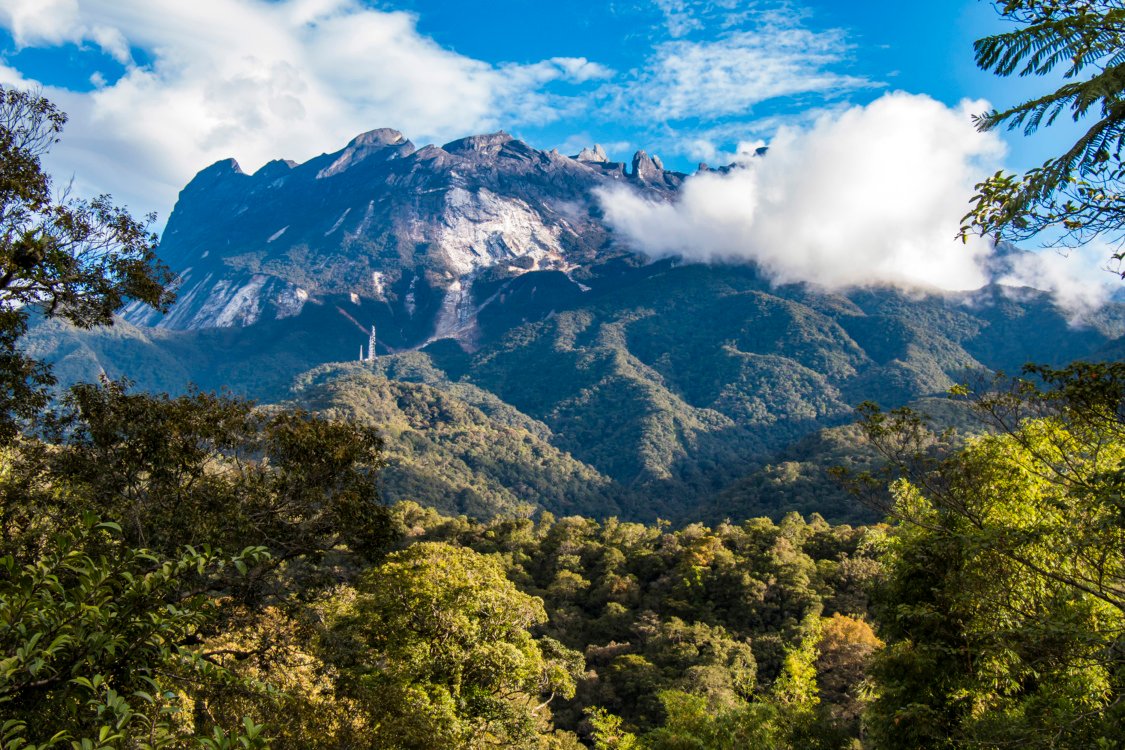
It’s a full-bodied Southeast Asian cycling odyssey: bustling Thai streets, riverside backroads, emerald rice paddies, limestone karsts, mountain passes, and the electric final arrival into Vietnam’s capital.
January 20, 2026
.jpg "Ultimate 14-Day Hoang Su Phi - Sapa - Dien Bien - Moc Chau Mountain Bike Challenge")
Ultimate 14-Day Hoang Su Phi - Sapa - Dien Bien - Moc Chau Mountain Bike Challenge is not just a cycling holiday. It’s a full-on mountain bike expedition across four iconic highland regions, designed for riders who want big climbs, remote tracks, culture-rich villages, and that “I can’t believe we rode that” feeling every single day.
January 20, 2026
.webp "Authentic Mekong Delta 4-Day Tour from Saigon | Explore Ben Tre, Tra Vinh, Sa Dec & Long Xuyen")
This itinerary is designed for travelers who want culture, nature, food, and real-life encounters: small canals, family workshops, bustling local markets, Khmer pagodas, riverside villages, and the kind of meals you remember long after the trip ends.
January 12, 2026
.jpg "Experience Daklak Lak Lake and Ban Don in Style – 3-Day Highlands Discovery Tour (Luxury Central Highlands Getaway)")
The experience Daklak Lak Lake and Ban Don in Style – 3-Day Highlands Discovery Tour is designed for travelers who want comfort, curated moments, and meaningful cultural discovery—wrapped into three unforgettable days.
January 12, 2026
If you’re craving a North Vietnam experience that feels authentic, quiet, cinematic, and far from the crowded tourist routes, this Bac Son Valley Tour from Hanoi – 2 Days Journey to North Vietnam’s Hidden Paradise is exactly what you’ve been looking for
January 12, 2026
If you’re craving a Vietnam trip that feels wild, cinematic, and deeply local, this Cao Bang camping 5 days journey is the kind that stays with you long after you’ve unpacked your backpack. Think: stone stilt houses tucked beside a stream, a limestone “eye” that frames the sunrise, and a switchback mountain pass that looks like it was drawn by an artist with a daring streak
January 11, 2026
.jpg "The Definitive Guide to Selecting a Cao Bang Loop Cycling Tour Operator: Conquering the UNESCO Frontier")
In the remote northeastern corner of Vietnam, tucked against the winding border with China, lies a landscape that feels as though it was sculpted by the gods and forgotten by time. This is the Non Nuoc Cao Bang UNESCO Global Geopark—a region of prehistoric limestone karsts, thundering waterfalls, and ancient ethnic cultures. While most travelers experience this frontier via motorbike or bus, the true adventurer knows that the most intimate, rewarding, and sustainable way to conquer this terrain is from the saddle of a bicycle.
December 24, 2025
.jpg "The Definitive Guide to Cao Bang Loop Cycling Tour Vietnam: Conquering the UNESCO Frontier")
Deep in the heart of the Northeast, where the limestone karsts rise like ancient guardians and the emerald rivers carve paths through prehistoric valleys, lies a journey that transcends ordinary travel. The Cao Bang Loop cycling tour Vietnam is quickly becoming the holy grail for adventure seekers worldwide. This isn't just a bike ride; it is a full-sensory immersion into the Non Nuoc Cao Bang UNESCO Global Geopark—a region recognized for its exceptional geological heritage and vibrant ethnic cultures.
December 24, 2025
.jpg "The Definitive Guide to the Best Cao Bang Loop Cycling Tour: Conquering the Frontier")
In the remote northeastern corner of Vietnam, where the limestone karsts rise like ancient sentinels and rivers of brilliant turquoise carve paths through emerald valleys, lies a journey that is quickly becoming the holy grail for adventure travelers. The Cao Bang Loop is not just a destination; it is a prehistoric landscape that has been 500 million years in the making.
December 24, 2025
.jpg "The Ultimate Guide to Book Cao Bang Loop Cycling Tour: Conquer the Frontier with Golden Trail Travel")
Northeast Vietnam is a land of emerald rivers, towering limestone karsts, and a prehistoric silence that can only be truly appreciated from the saddle of a bicycle. For the modern adventurer, the decision to Book Cao Bang Loop cycling tour is the beginning of a transformative journey into the Non Nuoc Cao Bang UNESCO Global Geopark.
December 24, 2025
.jpg "Conquering the Verticals: The Definitive Guide to Cao Bang Loop Cycling Elevation")
For the modern adventure traveler, the northeastern frontier of Vietnam represents a final boundary of raw, unfiltered exploration. While the world has long heard of the Ha Giang Loop, a more geologically complex and vertically intriguing challenge is gaining momentum among elite cyclists: the Cao Bang Loop. Nestled within the Non Nuoc Cao Bang UNESCO Global Geopark, this route is a masterpiece of "tower karst" topography. However, for those planning to tackle this frontier on two wheels, one question dictates every preparation: What is the Cao Bang Loop cycling elevation profile really like?
December 24, 2025
.jpg "The Ultimate Guide to Cao Bang Loop Cycling Distance: Mapping Your Frontier Adventure")
Deep in the heart of Northeast Vietnam, where the limestone karsts rise like ancient sentinels and rivers of brilliant turquoise carve paths through emerald valleys, lies a journey that is quickly becoming the holy grail for adventure travelers. The Cao Bang Loop cycling distance is a topic of intense interest for those looking to conquer the Non Nuoc Cao Bang UNESCO Global Geopark. Unlike the more famous (and often more crowded) Ha Giang Loop, Cao Bang offers a raw, authentic, and geologically diverse experience that is best appreciated at the slow, rhythmic pace of a bicycle.
December 24, 2025
.jpg "Seasonal Splendor: Finding the Best Time for Cao Bang Loop Cycling")
Vietnam’s northeast frontier is a landscape of prehistoric majesty. The Non Nuoc Cao Bang UNESCO Global Geopark is not just a destination; it is a geological storybook written in limestone and emerald waters over 500 million years. For the adventure cyclist, the question isn't whether to go, but when to go. Determining the best time for Cao Bang Loop cycling is the difference between a ride through a golden paradise and a battle against the elements.
December 24, 2025
.jpg "Mastering the Frontier: An In-Depth Analysis of the Cao Bang Loop Cycling Difficulty")
We will break down every facet of the challenge. From the technicality of the mountain passes to the endurance required for consecutive days in the saddle, we aim to provide you with the most transparent and helpful resource available. Whether you are a weekend warrior or a seasoned randonneur, understanding the demands of this "fossil landscape" is the first step toward a successful expedition.
December 24, 2025
.jpg "The Ultimate Master Guide to the Cao Bang Loop Cycling Route Map: Navigating Vietnam's Hidden Frontier")
Deep in the heart of Northeast Vietnam, far beyond the neon glow of Hanoi and the crowded cruise routes of Halong Bay, lies a landscape that feels like a prehistoric legend. The Cao Bang Loop cycling route map is rapidly becoming the gold standard for adventure seekers who want to experience the raw, unfiltered essence of the Non Nuoc Cao Bang UNESCO Global Geopark.
December 24, 2025
.jpg "The Definitive Cao Bang Loop Cycling Itinerary: Journey Through the Heart of the UNESCO Global Geopark")
At Golden Trail Travel, we believe that the best way to see the world is slow, rhythmic, and close to the ground. Our cycling tours are designed to immerse you in the raw beauty of the Non Nuoc Cao Bang UNESCO Global Geopark. In this exhaustive guide, we will walk you through a detailed 6-day itinerary, technical preparation, cultural insights, and everything you need to know to conquer the "secret garden" of Northern Vietnam.
December 24, 2025
.jpg "Capturing the Frontier: The Ultimate Cao Bang Loop Photography Cycling Tour Guide")
At Golden Trail Travel, we believe that the best way to see the world is through a lens, but the best way to reach that lens-worthy moment is from the saddle of a bicycle. In this exhaustive guide, we will explore why a photography-focused cycling journey is the ultimate way to experience Cao Bang, providing you with the technical tips, itinerary highlights, and cultural etiquette needed to bring home a portfolio of a lifetime.
December 24, 2025
.jpg "The Ultimate Guide to the Cao Bang Loop Nature Cycling Tour: A Journey Through Vietnam’s Untouched Eden")
Deep in the heart of Northeast Vietnam, where the border with China is marked by emerald rivers and towering limestone walls, lies a region so geographically significant and visually stunning that it has been recognized as a UNESCO Global Geopark. For the modern adventurer, there is no better way to touch, feel, and breathe this landscape than through a Cao Bang Loop nature cycling tour. This isn't just a bike ride; it is a portal into a prehistoric world, a slow-motion immersion into a land where nature still dictates the pace of life.
December 24, 2025
.jpg "The Ultimate Frontier: A Comprehensive Guide to the Cao Bang Loop Remote Cycling Tour")
Vietnam is a land of legends, and for the modern adventure cyclist, those legends are often found in the rugged, limestone-carved terrain of the far Northeast. While the Ha Giang Loop has long held the crown for Southeast Asia’s most famous road trip, a new contender has emerged for those seeking a more authentic, tranquil, and geologically stunning experience: the Cao Bang Loop remote cycling tour.
December 24, 2025
.jpg "Exploring the Uncharted: The Ultimate Guide to Cao Bang Loop Off the Beaten Track Cycling")
In the remote northeastern reaches of Vietnam, where the limestone karsts rise like ancient sentinels and the emerald rivers carve paths through prehistoric valleys, lies a journey that is quickly becoming the holy grail for adventure cyclists. While the Ha Giang Loop has long held the title of Southeast Asia’s most famous road trip, a quieter, more authentic contender has emerged: the Cao Bang Loop off the beaten track cycling experience
December 24, 2025