15 Ng. 100 Đ. Nguyễn Xiển, Thanh Xuân Nam, Thanh Xuân, Hà Nội 100000

15 Ng. 100 Đ. Nguyễn Xiển, Thanh Xuân Nam, Thanh Xuân, Hà Nội 100000
Imagine standing atop an ancient fortress, gazing out at an endless serpentine dragon of stone winding over rugged mountains, its watchtowers standing sentinel against the horizon. This is Jinshanling, a section of the Great Wall of China that offers an unparalleled blend of dramatic scenery, relatively preserved original features, and a less crowded experience compared to its more famous counterparts. Located approximately 130 kilometers (80 miles) northeast of Beijing, Jinshanling is a paradise for hikers, photographers, and history enthusiasts seeking an authentic and breathtaking encounter with one of humanity's greatest architectural achievements.
For travelers yearning for an active adventure, a deep dive into imperial Chinese history, and opportunities for spectacular photography, Jinshanling presents an irresistible allure. In this comprehensive guide, we'll embark on a journey to uncover the multifaceted charm of Jinshanling, exploring its unique features, optimal hiking routes, historical significance, and practical tips for an unforgettable trek. Moreover, we'll highlight how Golden Trail Travel (https://goldentrailtravel.com/) can elevate your Jinshanling adventure, crafting bespoke tours that seamlessly blend the thrill of the trek with your comfort and interests, ensuring a stress-free and deeply enriching experience.
The Great Wall of China, a monumental symbol of Chinese civilization, stretches for thousands of kilometers across diverse landscapes. Among its many sections, Jinshanling stands out for several compelling reasons:
Originality and Restoration: Jinshanling offers a unique balance. While some sections are rugged and wild, showcasing the Wall's original, unrestored grandeur with crumbling sections and overgrown paths, other parts have been meticulously restored. This contrast provides a full spectrum of the Wall's historical journey, from ancient decay to revived majesty.
Dramatic Scenery: Nestled amidst the rolling mountains of Hebei Province, Jinshanling's terrain is more undulating and dramatic than many other sections. The Wall here follows the contours of the peaks, offering spectacular vistas, steep climbs, and a sense of remoteness.
Architectural Diversity: This section is celebrated for its dense concentration of watchtowers – some say over 100 within a relatively short stretch – each unique in its design and structure. There are battlements, blockhouses, and unique "barrier walls" that traverse the main wall, adding to its defensive complexity.
Fewer Crowds: Compared to Mutianyu or Badaling, Jinshanling generally sees fewer tourists, especially on weekdays and outside of peak seasons. This allows for a more peaceful and contemplative experience, ideal for photography and soaking in the atmosphere.
Hiking Opportunities: Jinshanling is particularly popular for hiking, especially the classic trek that connects it to the Simatai West section. This route offers varying levels of challenge and spectacular views throughout.
To truly appreciate Jinshanling, it's essential to understand what sets it apart.
Watchtowers Galore: Jinshanling boasts an impressive number of watchtowers, spaced much closer together than in other sections. These towers served as vital lookout points, communication hubs (using smoke signals), and living quarters for soldiers. Many of them are two-storied, offering internal shelters and strategic positions. Look for the distinct "five-hole watchtowers," which are particularly rare.
Barrier Walls: A unique feature of Jinshanling is the presence of "barrier walls" built on top of the main wall, separating sections into smaller units. These served as an additional defensive layer, allowing defenders to hold ground even if a lower section was breached.
Interlocking Walls: The Wall at Jinshanling often features sections where two walls run parallel or intersect, indicating complex defensive strategies and adaptations to the mountainous terrain.
Brick and Stone Craftsmanship: Pay attention to the intricate brickwork and stonemasonry. The materials were often sourced locally, and the construction methods reflect the advanced engineering skills of the Ming Dynasty.
While the entire section is fascinating, some watchtowers and areas are particularly renowned:
Small Jinshan Tower (Xiao Jinshan Lou): One of the prominent towers near the east entrance, offering great views.
Big Jinshan Tower (Da Jinshan Lou): Often considered the most iconic tower in this section, known for its strategic location and well-preserved structure. It's a fantastic spot for panoramic photos.
Hiding Tower (Ying Bi Lou): A unique tower designed for strategic concealment.
Wangjing Tower (Wangjing Lou): The highest point of Jinshanling, offering breathtaking long-distance views, including on clear days, a glimpse of Beijing. This is a common high point for photographers.
General Tower (Jiangjun Lou): Another important tower, often marking a significant point on hiking routes.
Hiking is the best way to experience Jinshanling. The most popular route is the Jinshanling to Simatai West trek.
Starting Point: Typically, you'd begin at the East Gate (closer to the cable car station) or the Main Gate (West Gate) of Jinshanling. The classic hike often starts from the East Gate.
The Route: The hike usually covers about 5 to 6 kilometers (3-4 miles) and takes approximately 3 to 4 hours, depending on your pace, photo stops, and the condition of the Wall.
Varying Terrain: The path varies from well-restored, broad sections to wild, crumbling, and steep stretches. There are challenging ascents and descents, so good physical condition is required.
Watchtower Count: Along this route, you'll pass numerous watchtowers, each offering a new perspective and photo opportunity.
Connecting to Simatai West: The hike typically ends at the Simatai West (East) section. Note that the main Simatai section to the east is no longer open for through-hiking to Jinshanling, but the western part is still accessible from Jinshanling.
Ending Point: From Simatai West, you can take a cable car or zip line down to the exit.
Loop Hikes within Jinshanling: If you prefer not to do a one-way hike to Simatai, you can explore the various sections of Jinshanling and then return to your starting point. You can hike from the East Gate to a certain point (e.g., General Tower or Wangjing Tower) and then turn back.
Wilder Sections: For experienced hikers seeking a more rugged challenge, some sections beyond the main tourist paths offer a truly "wild" Wall experience, but these require greater caution and potentially a local guide.
Pace Yourself: Don't rush. Take time to absorb the views, explore the watchtowers, and capture photos.
Wear Appropriate Footwear: Sturdy hiking shoes with good grip are essential, as sections can be uneven, slippery (especially after rain), and steep.
Dress in Layers: Weather on the Wall can change quickly. Layers allow you to adapt to temperature fluctuations.
Bring Water and Snacks: There are limited facilities on the Wall itself, so carry enough water, especially during warmer months. Snacks for energy are also a good idea.
Sun Protection: The Wall offers little shade. Bring sunscreen, a hat, and sunglasses.
Respect the Wall: Do not climb on crumbling sections or deface the Wall. Stick to marked paths.
Most of the Jinshanling section of the Great Wall was built during the Ming Dynasty (1368-1644), largely under the supervision of the legendary general Qi Jiguang. The Ming Dynasty heavily reinforced and expanded the Wall, turning it into the formidable defensive barrier we see today.
Defensive Masterpiece: The Jinshanling section exemplifies Ming Dynasty military engineering and strategic thinking. Its numerous watchtowers, sophisticated battlements, and unique barrier walls were designed to withstand serious attacks from northern nomadic tribes.
Construction Techniques: The Wall here primarily uses bricks, a more advanced construction material than the rammed earth used in earlier dynasties. These bricks were often kilned locally, and their sheer quantity represents an immense logistical and labor effort.
Communication Network: The watchtowers were not just defensive strongholds but also part of a sophisticated communication system. Smoke signals by day and fire signals by night allowed messages to be rapidly transmitted across vast distances, alerting central command to approaching threats.
Jinshanling offers unique beauty in every season, making it a year-round destination for different types of experiences.
Spring (April - May): The mountains turn green, wild flowers bloom, and the air is fresh. It's a fantastic time for hiking and enjoying vibrant colors.
Summer (June - August): Lush and green, but can be hot and humid, with a higher chance of rain. Early mornings are best to avoid heat and haze.
Autumn (September - October): Widely considered the best time to visit. The surrounding mountains are ablaze with vibrant reds, oranges, and yellows of autumn foliage, creating truly spectacular photographic opportunities. Temperatures are pleasant for hiking.
Winter (November - March): Cold, but often clear skies. A truly magical experience if you catch it after fresh snowfall, turning the Wall into a winter wonderland. Fewer crowds. Ensure you dress warmly.
Photography Tips:
Golden Hour: Sunrise and sunset offer the most dramatic light for photography, casting long shadows and illuminating the Wall in warm hues.
Wide-Angle Lens: Essential for capturing the vastness of the Wall and the surrounding landscapes.
Telephoto Lens: Great for isolating specific watchtowers or details, and for capturing the distant serpentine stretches of the Wall.
Tripod: Useful for low-light shots during sunrise/sunset or for capturing star trails (if staying overnight).
Patience: Wait for the right light, clear skies, and moments when the Wall is less crowded.
While Jinshanling offers a more authentic Great Wall experience, its relative remoteness from Beijing, coupled with the need for reliable transportation and possibly a guide for the best hiking experience, can be a hurdle for independent travelers. This is where Golden Trail Travel (https://goldentrailtravel.com/) becomes your invaluable partner, ensuring a seamless, enriching, and truly memorable trek on this magnificent section of the Great Wall.
Seamless Transportation: Getting to Jinshanling from Beijing involves a significant drive. Golden Trail Travel arranges comfortable, private transfers directly from your hotel in Beijing, eliminating the hassle of public transport, which can be time-consuming and confusing.
Expertly Designed Treks: Golden Trail Travel offers a range of meticulously crafted tours to Jinshanling, from half-day visits to full-day hiking excursions, including the popular Jinshanling to Simatai West trek. They optimize routes based on your fitness level and interests.
Knowledgeable Local Guides: Benefit from the profound insights of professional, English-speaking local guides. They not only handle all logistics and communication but also share fascinating historical anecdotes, architectural details, and local stories about the Wall, enriching your understanding and appreciation.
Optimized Timing: Golden Trail Travel plans your visit to Jinshanling to avoid the largest crowds where possible, allowing you to enjoy a more peaceful and immersive experience, particularly crucial for photographers.
Safety and Comfort: Your safety and comfort are paramount. Guides are trained to ensure a safe hiking experience, and vehicles are well-maintained. They'll also ensure you have adequate water and support throughout your trek.
Customization Options: Whether you're a serious hiker, a casual sightseer, a family with children, or a dedicated photographer, Golden Trail Travel can tailor your Jinshanling tour to your specific preferences, pace, and interests. They can also seamlessly integrate your Jinshanling trek into a broader Beijing or China itinerary.
Exceptional Customer Service: Their dedicated team provides personalized support from your initial inquiry to your return home, addressing all your questions and ensuring your comfort and satisfaction throughout your journey.
Easy Online Booking: Visit their user-friendly website at to explore their diverse Jinshanling and China tour packages, view detailed itineraries, and conveniently book your dream adventure online.
Here’s a possible itinerary, showcasing how Golden Trail Travel can help you explore Jinshanling:
Morning: Golden Trail Travel's private vehicle and English-speaking guide will pick you up from your Beijing hotel. Enjoy a comfortable scenic drive (approx. 2-2.5 hours) to the Jinshanling Great Wall.
Late Morning/Noon: Arrive at Jinshanling. Your guide will assist with entry and provide an overview of the Wall. Begin your trek from the East Gate (or Main Gate, depending on your preferred starting point).
Afternoon: Embark on the iconic Jinshanling to Simatai West hike (approx. 3-4 hours). Explore numerous watchtowers, marvel at the varied architecture, and capture stunning photographs of the wild and restored sections. Your guide will point out key historical features and best photo spots.
Late Afternoon: Conclude your hike at Simatai West. Take the cable car down to the exit.
Evening: Your private vehicle will transfer you back to your Beijing hotel, allowing you to relax after an exhilarating day.
This itinerary is fully customizable. Golden Trail Travel can adjust the hiking duration and intensity, include a visit to a local farm restaurant for lunch, or arrange for an early morning departure for sunrise photography.
The best times to visit Jinshanling for optimal weather and stunning views are:
Autumn (September to October): This is widely considered the prime season. The weather is cool and dry, with clear skies, and the surrounding mountains are ablaze with vibrant fall foliage, creating breathtaking photographic opportunities.
Spring (April to May): Pleasant temperatures, lush greenery returning, and wildflowers blooming make it a beautiful time for hiking.
Avoid major Chinese national holidays (e.g., May Day in early May, National Day in early October), as even Jinshanling can see increased crowds. Summer (June to August) can be very hot and humid, with a higher chance of rain and haze, making hiking less comfortable. Winter (November to March) is cold, but often offers clear views and a magical, less crowded experience if you are prepared for the chill, especially after a snowfall.
Physical Fitness: The Jinshanling hike involves steep sections and uneven terrain. A reasonable level of fitness is recommended.
Footwear is Key: Wear sturdy, comfortable hiking boots or shoes with good ankle support and grip.
Layered Clothing: Dress in layers that you can easily add or remove as temperatures change throughout the day and with exertion.
Hydration and Snacks: Carry plenty of water (at least 1-2 liters per person) and high-energy snacks like nuts or fruit. There are vendors near the entrances, but not always on the Wall itself.
Sun Protection: Essential year-round. Bring sunscreen, a wide-brimmed hat, and sunglasses.
Gloves (Optional but Recommended): For holding onto railings or steadying yourself on steeper sections.
Backpack: To carry your water, snacks, extra layers, and camera gear.
Respect the Environment: Do not litter. Stay on marked paths to preserve the Wall's structure and the surrounding ecosystem.
Beware of Vendors: Local vendors might approach you on the Wall, especially in less crowded areas, offering drinks or souvenirs. Be polite but firm if you're not interested. Your Golden Trail Travel guide will manage any interactions.
Photography Gear: Bring your camera, extra batteries, and memory cards. A wide-angle lens is highly recommended.
Mobile Connectivity: Signal can be spotty on some parts of the Wall. Download offline maps if needed.
Emergency Contact: Ensure your phone is charged. Your Golden Trail Travel guide will be your primary point of contact for any assistance.
A1: Jinshanling is unique for its wild and partially restored sections, offering a more authentic feel. It's renowned for its dense concentration of watchtowers (over 100 within a short stretch), its dramatic, undulating terrain, and its relatively fewer crowds compared to other popular sections. It's a favorite for hikers and photographers.
A2: Jinshanling is approximately 130 kilometers (80 miles) northeast of Beijing. The drive usually takes about 2 to 2.5 hours by private vehicle, depending on traffic.
A3: The best way to get to Jinshanling is via a private tour with a reputable operator like Golden Trail Travel. They provide comfortable private transfers from your Beijing hotel, ensuring a hassle-free journey. Public transport options exist but are more time-consuming and involve transfers.
A4: Jinshanling offers a range of experiences. The fully restored sections near the entrances are suitable for beginners or those with limited mobility. The popular Jinshanling to Simatai West hike involves steep climbs and uneven terrain, making it best for moderately experienced hikers with good physical fitness.
A5: You can hike from Jinshanling to Simatai West. The main Simatai section (beyond Simatai West) is generally not open for through-hiking connections from Jinshanling. The Jinshanling to Simatai West trek is a classic and highly recommended route.
A6: The classic Jinshanling to Simatai West hike (approx. 5-6 km) typically takes around 3 to 4 hours, depending on your pace, number of photo stops, and the specific section's condition.
A7: Autumn (September to October) is widely considered the best time for photography at Jinshanling, as the surrounding mountains are vibrant with fall foliage. Spring (April to May) also offers beautiful green landscapes. Early mornings during sunrise offer the best light and fewer crowds.
A8: At Jinshanling, you can see numerous watchtowers (including unique "five-hole" towers), barrier walls built on top of the main wall, well-preserved battlements, and impressive Ming Dynasty brickwork. These features showcase the complex defensive strategies of the era.
A9: There are usually some small vendors selling snacks and drinks near the entrance points of Jinshanling. However, options are limited on the Wall itself. It's highly recommended to bring your own water and snacks for the hike. Your Golden Trail Travel guide can also recommend local restaurants for meals.
A10: For a reliable and well-organized tour to Jinshanling, we highly recommend booking directly with a specialized tour operator like Golden Trail Travel. They offer expertly planned itineraries, experienced English-speaking guides, and seamless private transfers from Beijing. Visit their official website at to explore their diverse Jinshanling and China tour packages and make secure bookings.
"My hike on the Jinshanling Great Wall with Golden Trail Travel was the highlight of my China trip! The scenery was absolutely stunning, especially with the autumn colors. Our guide, Alex, was incredibly knowledgeable about the Wall's history and pointed out all the best spots for photos. The private transfer from Beijing made everything so easy. I highly recommend Golden Trail Travel for an unforgettable Great Wall experience! Book through https://goldentrailtravel.com/."
"As a photographer, Jinshanling was a dream come true. The variety of wild and restored sections, coupled with the dramatic mountain backdrop, provided endless opportunities. Golden Trail Travel organized a perfect early start for sunrise, and our guide knew all the prime vantage points. Their seamless logistics meant I could focus entirely on getting the shots. Excellent service, truly a professional outfit!"
"We wanted a Great Wall experience that felt more authentic than the crowded sections, but still manageable for our family. Jinshanling was perfect, and Golden Trail Travel made it so accessible. Our guide was fantastic, pacing the hike for everyone and sharing fascinating stories. The kids loved exploring the watchtowers. Golden Trail Travel truly delivered a memorable family adventure."
"Traveling solo, I felt completely supported and safe with Golden Trail Travel. My guide was not just an expert on the Wall but also a wonderful companion, making the Jinshanling trek incredibly enjoyable. The level of detail in their planning, from pick-up to drop-off, was impeccable. If you're looking for an immersive and hassle-free Great Wall hike, look no further than Golden Trail Travel!"
"Having visited other sections of the Great Wall before, Jinshanling with Golden Trail Travel offered a uniquely majestic and less commercialized experience. The wild sections were breathtaking, and the restored parts showcased incredible craftsmanship. Our guide's historical insights were invaluable. Golden Trail Travel's professionalism and attention to detail were outstanding. For an authentic and rewarding Great Wall trek, they are the clear choice."
Jinshanling offers a powerful and intimate encounter with the Great Wall of China. It's a place where you can truly appreciate the scale of this ancient marvel, marvel at its ingenious design, and immerse yourself in breathtaking natural landscapes. From its unique watchtowers to its dramatic, undulating terrain, Jinshanling promises an adventure that is both physically exhilarating and historically profound.
Don't let the logistics of planning such a trip deter you from experiencing this iconic wonder. With Golden Trail Travel (https://goldentrailtravel.com/), your Jinshanling trek will be expertly crafted, seamlessly managed, and deeply enriching. Their commitment to personalized service, knowledgeable guides, and comfortable transportation ensures that you can focus solely on conquering the mighty Jinshanling Great Wall, creating memories that will last a lifetime.

.jpg "Ho Chi Minh Trail Biking Tour: The Definitive Journey Through Vietnam’s Legendary Frontier")
At Golden Trail Travel, we specialize in transforming this historical legend into an accessible, world-class adventure. Our meticulously designed cycling tours offer more than just a ride; they provide a gateway to the "Blood Vessel of Vietnam," guided by experts who understand the terrain as well as the history that defines it.
December 19, 2025
At Golden Trail Travel, we believe that to truly see Vietnam, you must slow down to the pace of two wheels. Our expertly curated cycling tours are designed to immerse you in the culture, history, and natural splendor of this legendary trail, ensuring that every pedal stroke tells a story.
December 19, 2025
.jpg "Ho Chi Minh Trail Cycling Tour Vietnam: The Ultimate Journey Through History and Landscape")
At Golden Trail Travel, we specialize in turning this historical legend into a tangible reality. Whether you are a seasoned cyclist looking for a grueling challenge or a history enthusiast wanting to witness the remnants of the American War (known in Vietnam as the Resistance War Against America), our meticulously planned expeditions provide the perfect balance of adventure and comfort.
December 19, 2025
.jpg "The Ultimate Guide to Cycling the Ho Chi Minh Trail: A Journey Through History and Nature")
Cycling the Ho Chi Minh Trail is not just a physical challenge; it is an immersion into the soul of Vietnam. Once a complex web of tracks, paths, and roads used by the North Vietnamese during the American War, it has transformed into one of the most scenic and culturally rich cycling routes in Southeast Asia. Whether you are an adrenaline junkie seeking steep climbs or a history buff looking to touch the remnants of the past, this legendary trail offers an unparalleled experience.
December 19, 2025
.jpg "Ho Chi Minh Trail Bicycle Tour: A Legendary Cycling Journey Through the Heart of Vietnam")
Vietnam is a destination that captivates travelers with its dramatic landscapes, resilient history, and vibrant cultural identity. Among the many ways to explore this fascinating country, a Ho Chi Minh Trail bicycle tour stands out as one of the most immersive and meaningful adventures available. More than a cycling holiday, this journey is a passage through history, nature, and authentic rural life that few travelers ever truly experience.
December 19, 2025
.jpg "Ho Chi Minh Trail Bike Tour: The Ultimate Cycling Journey Through Vietnam’s Legendary Route")
Vietnam is a country where history, nature, and culture intersect in powerful ways. Among all adventure travel experiences, a Ho Chi Minh Trail bike tour stands out as one of the most profound and rewarding journeys for cyclists and explorers alike. This legendary route offers far more than scenic cycling. It is a deep dive into Vietnam’s past, a close encounter with remote rural life, and a physically engaging adventure through some of Southeast Asia’s most untouched landscapes.
December 19, 2025
.jpg "Ho Chi Minh Trail Cycling: The Ultimate Adventure Through Vietnam’s Legendary Route")
Vietnam is a country where history, culture, and breathtaking landscapes blend seamlessly—and there is no better way to experience this than through Ho Chi Minh Trail cycling. This legendary route is more than just a path; it is a living museum, a ribbon of stories stretching from north to south, through misty mountains, remote ethnic villages, dense jungles, and peaceful rural countryside.
December 19, 2025
.jpg "13 Days Northwest Cycling Tour in Vietnam: Conquer the Mountains, Feel the Freedom")
This 13 Days Northwest Cycling Tour is not just a holiday – it’s a journey of emotions. Imagine the burn in your legs as you climb a winding mountain pass, the rush of wind on a long downhill, the warmth of tea shared with a local family, and the quiet pride you feel each evening knowing you conquered another stretch of northern Vietnam by bike.
December 12, 2025
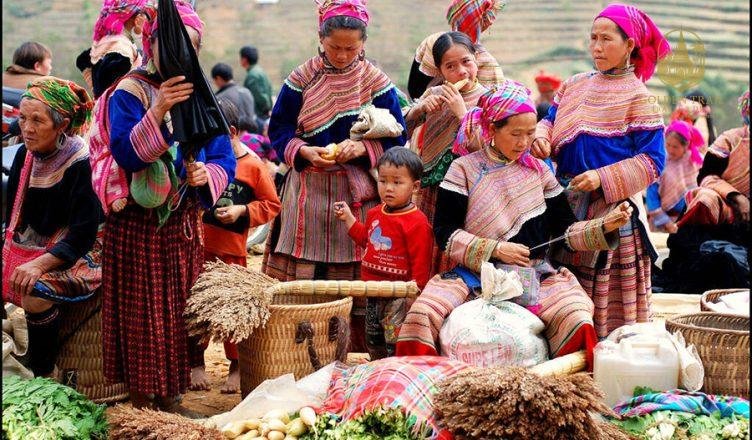
There are few better ways to experience Vietnam's vibrant culture than through a market day cycling tour. Imagine pedaling through misty valleys at sunrise, reaching a bustling rural market just as locals arrive on motorbikes, on foot, or with baskets balanced on their shoulders. The colors, sounds, and smells are pure sensory overload — and completely unforgettable.
December 04, 2025
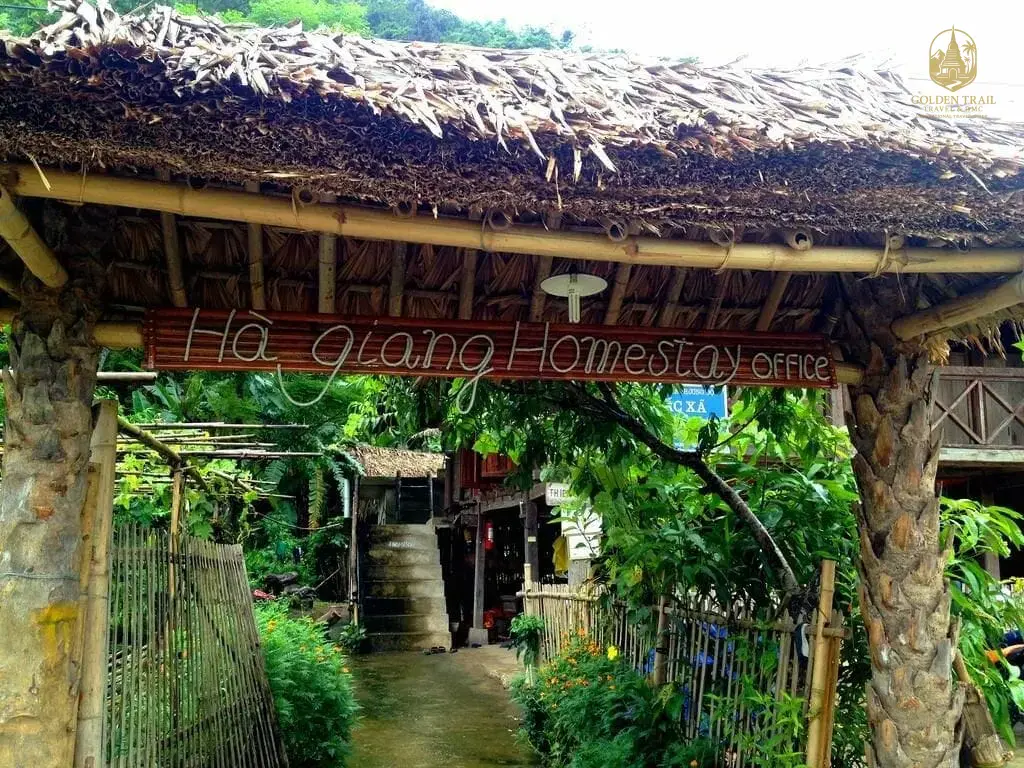
Want to truly connect with the heart and soul of Vietnam while exploring its scenic landscapes on two wheels? A homestay cycling tour offers the perfect blend of physical adventure, cultural immersion, and community connection.
December 04, 2025
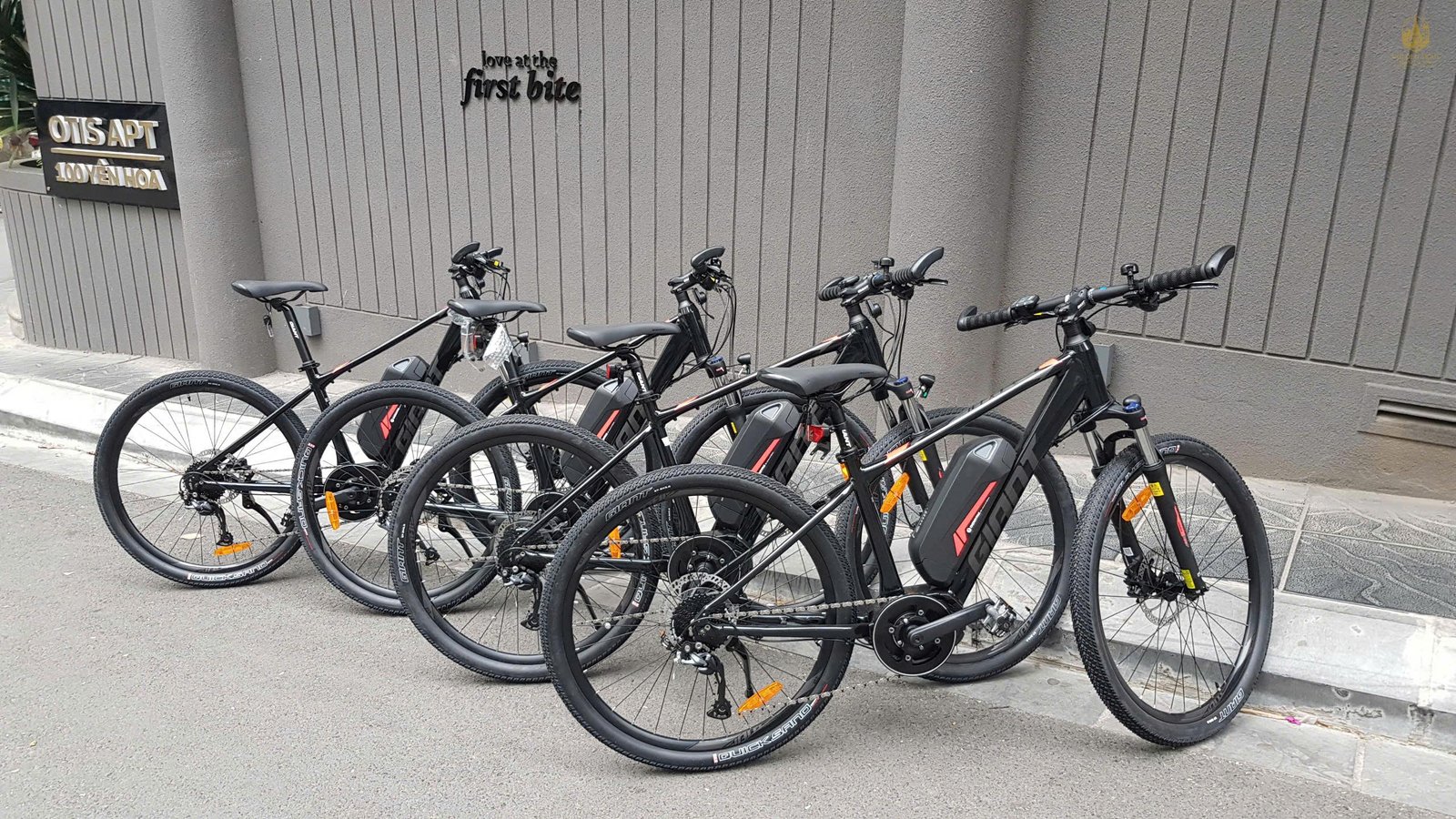
Looking for a way to explore the stunning mountains, rice terraces, and cultural villages of Northern Vietnam — without the exhaustion of steep climbs? An E-bike tour in Northern Vietnam is the perfect answer. Blending the joy of cycling with the ease of pedal assistance, e-biking lets you fully immerse yourself in the landscapes and cultures of the north, regardless of fitness level.
December 04, 2025
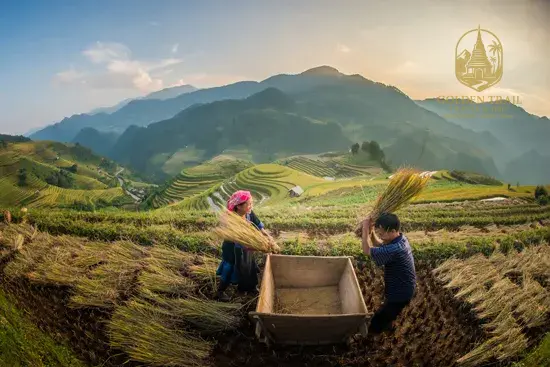
There are few experiences in Southeast Asia as magical as cycling through golden rice terraces during harvest season. Imagine riding past endless layers of shimmering gold, hearing the hum of local farmers harvesting by hand, and smelling the sweet scent of ripened rice in the cool autumn air. That’s the essence of rice harvest season cycling in Northern Vietnam — a perfect mix of nature, culture, and adventure.
December 04, 2025
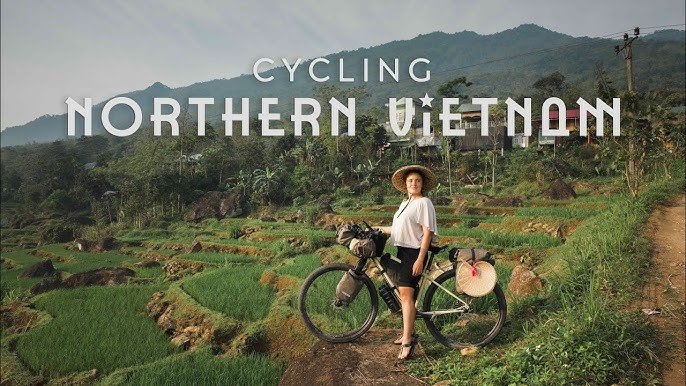
Cycling through Northern Vietnam is one of Asia’s most rewarding adventures. The region offers misty mountains, lush rice terraces, ethnic villages, and thrilling climbs — but to enjoy it fully, timing is everything. Knowing the best time to cycle Northern Vietnam ensures you're riding in the right weather, with the best road conditions, views, and cultural experiences.
December 04, 2025

Northern Vietnam is a dreamland for adventure travelers, cyclists, and motorbike riders. Its towering mountains, ethnic villages, and winding valleys offer unmatched beauty — but behind every epic route lies a practical question: what’s the real road condition in Northern Vietnam?
December 04, 2025

Vietnam is a paradise for cyclists craving epic climbs, challenging ascents, and unforgettable scenery. With its dramatic mountain passes, misty highlands, and low-traffic roads, cycling climbs in Vietnam offer a unique combination of physical challenge and visual reward. From the twisting switchbacks of the north to the cool pine-covered roads of the Central Highlands, Vietnam’s climbs are as varied as they are breathtaking.
December 04, 2025

From mist-covered highland passes to lush river valleys, the elevation profile of North Vietnam is as diverse and dramatic as its landscapes. Whether you're planning a multi-day cycling tour, a trekking expedition, or simply want to understand the physical terrain of this rugged region, knowing the elevation changes is key to preparation and performance.
December 04, 2025

If you’re searching for one of Southeast Asia’s most exhilarating and visually stunning cycling adventures, look no further than Tonkin Alps cycling in northern Vietnam. This hidden gem — stretching across the remote provinces of Ha Giang, Lao Cai, and Yen Bai — offers epic mountain passes, ethnic hill-tribe encounters, and landscapes that rival the European Alps.
December 04, 2025

Cycling from Hanoi to Halong Bay is one of the most rewarding and accessible adventures in northern Vietnam. This route takes you through bustling city streets, tranquil countryside, traditional villages, and finally to the emerald waters and limestone cliffs of one of the world's natural wonders.
December 04, 2025

For the adventurous soul, few journeys in Vietnam match the thrill and beauty of going from Hanoi to Sapa by bike. Spanning over 300 kilometers of winding roads, mountain passes, and scenic countryside, this route challenges your legs and rewards your spirit with every turn of the pedal.
December 04, 2025

If you're seeking an unforgettable adventure through Vietnam’s most breathtaking landscapes, The Ha Giang Loop cycling journey delivers it all. Towering mountains, dramatic passes, ethnic hill-tribe culture, and rugged, winding roads await you in this legendary region near the Chinese border.
December 04, 2025