Bukit Lawang: A Journey into the Heart of the Sumatran Rainforest – Encountering Orangutans and Embracing Ecotourism
Nestled deep within the lush, verdant embrace of North Sumatra, Bukit Lawang stands as a beacon of hope for one of the planet's most iconic and endangered primates: the Sumatran orangutan. More than just a picturesque village, Bukit Lawang is the primary gateway to the Gunung Leuser National Park, a UNESCO World Heritage Site and one of the last remaining strongholds for these magnificent red apes in the wild.
For adventurers, wildlife enthusiasts, and eco-conscious travelers, Bukit Lawang offers an unparalleled opportunity to embark on an unforgettable jungle trek, witness semi-wild and wild orangutans in their natural habitat, and immerse yourself in the sights, sounds, and vibrant life of a truly ancient rainforest. It's a place where responsible tourism directly contributes to conservation efforts, making every visit a meaningful step towards protecting Sumatra's invaluable biodiversity.
The Sanctuary's Story: The Evolution of Bukit Lawang's Conservation Legacy
The history of Bukit Lawang is inextricably linked to the plight and conservation of the Sumatran orangutan. Once abundant across Sumatra, these intelligent primates faced severe threats from habitat loss due to deforestation for palm oil plantations, logging, and mining, as well as the illegal pet trade.
From Rehabilitation to Ecotourism Hub
In 1973, a vital Orangutan Rehabilitation Centre was established in Bukit Lawang. Its primary goal was to rescue captive or orphaned orangutans, rehabilitate them, and slowly reintroduce them into the wild. The center provided veterinary care, feeding platforms (where rehabilitated orangutans would come for supplemental food), and training to help them re-learn essential survival skills.
The presence of the rehabilitation center naturally attracted visitors. People were drawn by the unique opportunity to see these incredible creatures up close and learn about conservation efforts. Over time, as the success of the rehabilitation program grew, and the need to protect the surrounding rainforest became paramount, Bukit Lawang transitioned into a prominent ecotourism destination.
The 2003 Flood and Resilient Rebuilding
In 2003, Bukit Lawang faced a devastating flash flood. The Bahorok River, which runs through the village, swelled dramatically, causing immense destruction, loss of life, and severely damaging infrastructure, including parts of the orangutan rehabilitation center. This tragic event highlighted the fragility of human settlements in such close proximity to nature and the impacts of environmental changes.
However, the spirit of Bukit Lawang proved resilient. With international aid and the unwavering determination of its local community, the village was gradually rebuilt. The rehabilitation center's focus shifted slightly from active feeding of semi-wild orangutans (to encourage more self-sufficiency) towards more rigorous forest protection and responsible tourism practices. The emphasis moved towards ensuring that tourist activities did not negatively impact the orangutans' natural behavior.
Today, Bukit Lawang stands as a powerful example of sustainable ecotourism. Local guides, many of whom are former poachers or loggers, have been retrained and now serve as passionate advocates for the rainforest and its inhabitants. Tourism revenue directly supports local livelihoods and contributes to conservation initiatives, making it a model for how human presence can coexist beneficially with endangered wildlife.
Into the Green Heart: Exploring Gunung Leuser National Park from Bukit Lawang
The primary allure of Bukit Lawang is its direct access to the Gunung Leuser National Park (GLNP), a vast expanse of tropical rainforest spanning over 1 million hectares. GLNP is one of only two places in the world where Sumatran orangutans, tigers, rhinoceroses, and elephants coexist in the wild.
1. Jungle Trekking: The Ultimate Orangutan Encounter
The highlight of any visit to Bukit Lawang is embarking on a jungle trek to spot orangutans. Treks can range from a half-day gentle walk to multi-day expeditions deep into the forest.
-
Orangutan Spotting: While sightings are never guaranteed (as these are wild animals), Bukit Lawang boasts one of the highest probabilities of encountering semi-wild and wild Sumatran orangutans. Your experienced local guide will lead you through the dense foliage, tracking their movements by observing broken branches, nests (where orangutans sleep), and calls.
-
Semi-Wild Orangutans: You may encounter orangutans who were once part of the rehabilitation program and occasionally visit areas closer to the village or designated feeding zones (though regulated, feeding is minimal to encourage wild foraging). These encounters offer closer views.
-
Wild Orangutans: Deeper in the jungle, you might spot truly wild orangutans, which are often more elusive but incredibly rewarding to observe in their natural, undisturbed state.
-
Biodiversity Beyond Orangutans: The rainforest is teeming with life. Keep an eye out for other fascinating creatures:
-
Thomas Leaf Monkeys: Known for their distinctive "punk rock" hairstyles.
-
Macaques: Common and often seen along the river.
-
Gibbons: Their haunting calls often echo through the forest.
-
Monitor Lizards, Snakes, Exotic Birds: The park is a haven for diverse reptile and avian species.
-
Sumatran Tigers, Rhinos, Elephants: While incredibly rare and shy, these critically endangered megafauna also inhabit the park, though sightings are highly improbable for standard treks.
-
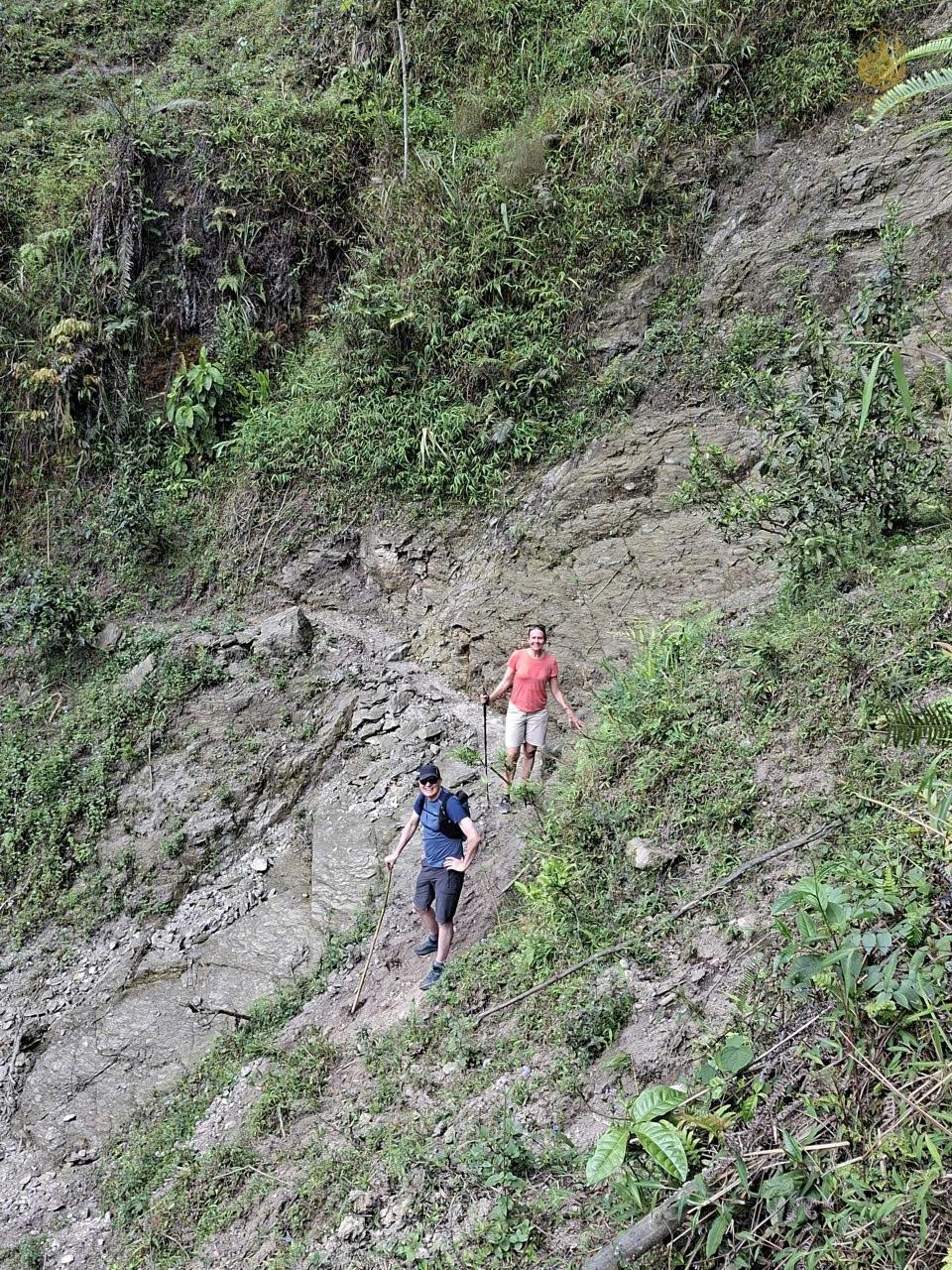
Trek Difficulty: Treks vary in difficulty, from relatively flat paths suitable for beginners to challenging uphill climbs and muddy descents. Guides will tailor the trek to your fitness level.
-
Responsible Tourism: Always trek with a certified local guide. They ensure your safety, protect the forest, and know how to minimize disturbance to the wildlife. Maintain a respectful distance from orangutans (at least 10 meters) and never feed them.
2. River Tubing: A Refreshing Descent
After a strenuous jungle trek, a popular and exhilarating way to return to Bukit Lawang is by river tubing. Guides will help you tie inner tubes together, and you'll float downstream on the Bahorok River, navigating gentle rapids and enjoying the lush scenery from a unique perspective. It's a fun and refreshing end to a jungle adventure.
3. Bat Cave Exploration: A Subterranean World
Just a short walk from the village, the Bat Cave (Gua Kelelawar) offers a fascinating subterranean experience. Equipped with headlamps, you can explore the cavern, marveling at the stalactites and stalagmites, and witnessing thousands of bats clinging to the cave ceiling. Your guide will provide insights into the cave's ecosystem and its inhabitants.
4. Village Life and Local Immersion
Bukit Lawang itself is a charming village built along the banks of the Bahorok River.
-
Guesthouses and Homestays: The village offers a range of accommodation from basic guesthouses to more comfortable riverside lodges, many run by local families.
-
Local Cuisine: Enjoy delicious Indonesian food at riverside restaurants, often serving fresh fish, Nasi Goreng, Mie Goreng, and local specialties.
-
Community Interaction: Engage with the friendly local community. Many guides and guesthouse owners are fluent in English and are eager to share their knowledge of the rainforest and Sasak culture.
-
Cooking Classes: Some guesthouses offer cooking classes where you can learn to prepare traditional Indonesian dishes.
-
Rubber Plantation Tour: Take a short walk to nearby rubber plantations to see how rubber is tapped and processed, offering insight into a key local industry.
Conservation at its Core: Why Bukit Lawang Matters
Visiting Bukit Lawang isn't just a holiday; it's an act of support for critical conservation efforts.
-
Orangutan Protection: The primary mission is the protection of the critically endangered Sumatran orangutan. Your guide fees and park entrance fees directly contribute to park management, anti-poaching patrols, and conservation initiatives.
-
Habitat Preservation: By promoting ecotourism, Bukit Lawang helps demonstrate the economic value of a standing rainforest, providing an alternative to destructive industries like palm oil.
-
Local Livelihoods: Tourism provides sustainable income for local communities, reducing their reliance on activities that could harm the forest (like illegal logging or poaching). Many former loggers are now guides, becoming guardians of the environment they once exploited.
-
Education and Awareness: Visitors leave with a deeper understanding of the threats facing rainforests and orangutans, becoming advocates for conservation themselves.
It is crucial for visitors to adhere strictly to ethical guidelines provided by guides and the park authorities to ensure minimal impact on the orangutans and their habitat. This includes maintaining distance, not feeding the animals, and packing out all trash.
Planning Your Bukit Lawang Adventure: Essential Tips for Eco-Conscious Travelers
A trip to Bukit Lawang requires some specific planning to ensure a safe, enjoyable, and responsible experience.
-
Visa Requirements: Check Indonesia's visa regulations based on your nationality. Many countries have visa-free entry for tourism for up to 30 days.
-
Currency: Indonesian Rupiah (IDR). ATMs are scarce in Bukit Lawang; it's essential to withdraw enough cash in Medan or at the airport before you travel to the village. Most guesthouses and tour operators accept cash only.
-
Language: Bahasa Indonesia is the official language. English is widely spoken by guides and guesthouse owners in Bukit Lawang.
-
Connectivity: Mobile signal can be intermittent. Wi-Fi is available in some guesthouses but can be slow. It's a good place to disconnect!
-
Getting to Bukit Lawang:
-
Fly to Medan (KNO): The nearest major international airport is Kualanamu International Airport (KNO) in Medan, North Sumatra.
-
Airport Transfer/Private Car: The most common and convenient way to get from Medan to Bukit Lawang is by pre-arranged private car or shared taxi/minivan (approx. 3-4 hours, depending on traffic). Your guesthouse or tour operator can usually arrange this.
-
Public Bus: A cheaper but much slower option involves taking a public bus from Medan's Pinang Baris terminal to Binjai, then another bus to Bukit Lawang. Not recommended for first-time visitors due to complexity.
-
Best Time to Visit: The dry season (May to September) is generally the best time for jungle treks, with less rain and more comfortable conditions. The wet season (October to April) brings more rain, but treks are still possible, though trails can be muddier. Orangutan sightings are possible year-round.
-
What to Pack (Jungle Essentials):
-
Sturdy Trekking Shoes/Sandals: That can handle mud and wet conditions.
-
Lightweight, Long-Sleeved Clothing: To protect against insects and sun. Quick-dry materials are best.
-
Rain Jacket/Poncho: Tropical downpours can occur anytime.
-
Insect Repellent (DEET recommended): Essential to protect against mosquitoes.
-
Sunscreen & Hat: For sun protection.
-
Small Backpack: For day treks, to carry water, snacks, and essentials.
-
Reusable Water Bottle: Stay hydrated and minimize plastic waste.
-
Basic First-Aid Kit: Band-aids, antiseptic wipes, blister treatment.
-
Headlamp/Flashlight: For exploring the Bat Cave or if returning late from a trek.
-
Swimwear: For river tubing or waterfall dips.
-
Dry Bag: To protect electronics and valuables from water during river activities.
-
Camera (with waterproof protection): For capturing incredible moments. Avoid flash photography near orangutans.
-
Health & Safety:
-
Vaccinations: Consult your doctor about recommended vaccinations for Indonesia, especially for a jungle environment (e.g., Hepatitis A & B, Typhoid, Tetanus).
-
Malaria: Bukit Lawang is considered a low-risk malaria area, but discuss prophylaxis with your doctor. Always use mosquito repellent.
-
Leeches: Common in rainforests; your guide can help remove them. Tucking pants into socks helps.
-
Drink Bottled Water: Always.
-
Booking Treks and Accommodation:
-
It's highly recommended to book your jungle trek and accommodation in advance, especially during peak season.
-
Your guesthouse can often arrange guides, permits, and transfers.
-
Ensure your guide is officially licensed and part of a responsible tourism initiative.
-
Respectful Interaction with Wildlife:
-
Maintain Distance: Always keep at least 10 meters (30 feet) distance from orangutans.
-
No Feeding: Never feed orangutans. This is crucial for their health and to prevent them from becoming dependent on humans.
-
No Touching: Do not touch orangutans. They can transmit diseases to humans, and vice versa.
-
No Flash Photography: Flash can disturb and stress the animals.
-
Listen to Your Guide: Your guide is experienced and knows how to behave responsibly in the jungle. Follow their instructions at all times.
-
Environmental Responsibility:
-
Pack It In, Pack It Out: Leave no trace. Carry all your trash out of the national park.
-
Support Local: Choose local guides and guesthouses.
Embark on Your Sumatra Adventure with Golden Trail Travel
Planning an immersive eco-adventure to a destination like Bukit Lawang, especially when involving jungle treks and ethical wildlife encounters, requires careful coordination. Let Golden Trail Travel be your trusted partner in crafting a responsible and unforgettable journey to the heart of Sumatra.
With Golden Trail Travel, you can easily arrange:
-
Tailored Sumatra Itineraries: Whether your focus is orangutan encounters in Bukit Lawang, exploring Lake Toba, or experiencing other Sumatran wonders, they can design a personalized itinerary that aligns with your interests and values.
-
Seamless Logistics: From airport transfers from Medan to comfortable accommodation in Bukit Lawang, reliable local guides for your jungle treks, and all necessary permits, Golden Trail Travel handles every detail.
-
Ethical Tourism: They prioritize working with local, certified guides and operators who adhere to strict ethical guidelines for wildlife encounters, ensuring your visit contributes positively to conservation.
-
Expert Local Knowledge: Benefit from their deep understanding of Sumatra, its culture, and its natural treasures, ensuring an authentic and enriching experience.
-
Hassle-Free Booking: Easily plan and book your entire Sumatra adventure online through their user-friendly platform.
Visit https://goldentrailtravel.com/ today to begin planning your extraordinary journey to Bukit Lawang and support the vital conservation efforts for the Sumatran orangutan!
Customer Reviews: Tales from the Rainforest
Visitors to Bukit Lawang often share profound and moving experiences, highlighting the unique connection with nature and wildlife.
"Bukit Lawang was the absolute highlight of my Indonesia trip! Trekking into the rainforest and seeing orangutans in their natural habitat was truly magical and humbling. Our guide was incredibly knowledgeable and passionate about conservation. The river tubing back was such a fun way to end the trek. Highly, highly recommend this responsible travel experience. Golden Trail Travel arranged our transfer and guide, making everything seamless." - Sarah J., Canada
"An unforgettable adventure! We did a multi-day trek and saw so many orangutans, including a mother with her baby. The guides were amazing – they knew so much about the forest and the animals. It's tough trekking, but so worth it for the experience. Knowing my money goes to support the local community and conservation efforts makes it even better." - David L., Australia
"If you love wildlife and want an authentic jungle experience, Bukit Lawang is the place. It's not a zoo, it's real. We saw Thomas Leaf monkeys, gibbons, and of course, the magnificent orangutans. The village has a great relaxed vibe, and the people are so friendly. Booked through https://goldentrailtravel.com/, and they were excellent." - Emily S., United Kingdom
"The flash flood in 2003 left such an impression, but seeing how resilient Bukit Lawang has become and how dedicated the community is to ecotourism is inspiring. The Bat Cave was a cool side trip. Be prepared for humidity and possible rain, but it's all part of the rainforest charm!" - Omar K., United Arab Emirates
"This place is a must-visit for any animal lover. The focus on ethical tourism and orangutan welfare is clear. Our guide ensured we kept a respectful distance, and it was still an incredibly close and personal encounter. The river tubing was a blast! Such a special place." - Chloe P., Germany
Frequently Asked Questions (FAQ) about Bukit Lawang
Q1: What is Bukit Lawang known for? A1: Bukit Lawang is primarily known as the gateway to Gunung Leuser National Park, offering unique opportunities for ethical jungle treks to see critically endangered Sumatran orangutans in their natural habitat.
Q2: Where is Bukit Lawang located? A2: Bukit Lawang is a small village in North Sumatra, Indonesia, situated on the banks of the Bahorok River, within the buffer zone of Gunung Leuser National Park.
Q3: How do I get to Bukit Lawang? A3: The nearest international airport is Kualanamu International Airport (KNO) in Medan. From Medan, you can arrange a private car or shared minivan transfer directly to Bukit Lawang (approx. 3-4 hours).
Q4: What is the best time to visit Bukit Lawang for orangutan treks? A4: The dry season (May to September) is generally considered the best time for jungle treks due to less rain and more comfortable trekking conditions. Orangutan sightings are possible year-round.
Q5: Is it guaranteed to see orangutans during a trek? A5: While sightings are very common in Bukit Lawang, it is never 100% guaranteed as these are wild and semi-wild animals in their natural environment. However, guides are highly experienced in tracking them.
Q6: What should I wear and bring for a jungle trek in Bukit Lawang? A6: Wear light, quick-dry, long-sleeved clothing, sturdy trekking shoes or sandals, and bring insect repellent (DEET recommended), sunscreen, a hat, a rain jacket/poncho, a small backpack, and a reusable water bottle.
Q7: Is river tubing an optional activity? A7: Yes, river tubing on the Bahorok River is a popular and fun optional activity, often used as a way to return to the village after a jungle trek.
Q8: What kind of accommodation is available in Bukit Lawang? A8: Bukit Lawang offers a range of guesthouses and homestays, mostly locally run, providing basic to comfortable lodging along the river or slightly set back.
Q9: How long should I plan to stay in Bukit Lawang? A9: For a comprehensive experience, a stay of 2-4 nights is recommended, allowing for a 1-day or multi-day jungle trek, relaxation, and exploring the village.
Q10: What are the ethical guidelines for interacting with orangutans? A10: Always maintain a respectful distance (at least 10 meters), never feed or touch them, avoid flash photography, and always follow your licensed guide's instructions. These rules are crucial for their health and safety.
Q11: Can I book my entire Bukit Lawang trip, including transfers and treks, through a travel agency? A11: Yes, reputable travel agencies like Golden Trail Travel (at https://goldentrailtravel.com/) specialize in arranging comprehensive and ethical Bukit Lawang tours, including transfers, accommodation, and guided treks.
Q12: What other animals might I see in Gunung Leuser National Park besides orangutans? A12: You might spot Thomas Leaf monkeys, macaques, gibbons, various birds, monitor lizards, and sometimes snakes. Sightings of critically endangered Sumatran tigers, rhinos, and elephants are extremely rare but they do inhabit the park.