Mount Bromo: East Java's Volcanic Masterpiece – Witnessing Nature's Grandeur at Dawn
Standing majestically amidst a vast, ancient caldera, Mount Bromo is not just a volcano; it is an iconic symbol of Indonesia's raw, untamed beauty and a testament to nature's awe-inspiring power. Located in the Bromo Tengger Semeru National Park in East Java, Bromo's distinctive, perpetually smoking cone, surrounded by a surreal sea of volcanic sand and framed by the towering peaks of its neighbors, offers a landscape unlike anywhere else on Earth. For countless travelers, witnessing the sunrise over this otherworldly panorama is a bucket-list experience, a moment of profound wonder that stays etched in memory long after the dust settles.
Bromo is more than just a geological marvel; it's a sacred site for the indigenous Tenggerese people, a Hindu community who have lived in harmony with the volatile mountain for centuries, offering annual rituals to appease its fiery spirit. This blend of breathtaking natural beauty and deep cultural significance makes a visit to Mount Bromo an intensely spiritual and visually stunning journey.
This comprehensive guide will take you on an in-depth exploration of Mount Bromo, from its dramatic geological formation and the unforgettable sunrise experience to the unique culture of the Tenggerese people and practical tips for making your adventure seamless. Whether you're an avid photographer, an adventure seeker, or a traveler yearning for a profound connection with nature, prepare to be captivated by the enduring magic of Mount Bromo.
Mount Bromo's Geological Majesty: A Landscape Forged by Fire
Mount Bromo is part of the Tengger Massif, a massive volcanic complex that includes the active Mount Semeru, Java's highest peak, and other dormant volcanoes like Mount Batok. Its dramatic landscape is the result of millennia of powerful eruptions and subsequent caldera collapses.
The Caldera and the Sea of Sand
The most striking feature of the Bromo region is the vast Tengger Caldera, a colossal bowl-shaped depression, approximately 10 kilometers (6 miles) wide, formed by the collapse of an ancient volcano. Within this caldera lies the Lautan Pasir (Sea of Sand), an expansive, flat plain covered in fine volcanic ash and sand. Rising dramatically from this sandy expanse are several smaller volcanic cones, including:
-
Mount Bromo (Gunung Bromo): The most famous and active volcano in the complex, recognized by its distinctive, often smoking crater. It stands at 2,329 meters (7,641 feet) above sea level.
-
Mount Batok (Gunung Batok): A cone-shaped, extinct volcano covered in lush vegetation, providing a beautiful contrast to Bromo's starkness.
-
Mount Kursi: Another cone within the caldera.
Mount Semeru: The Guardian Peak
Looming majestically in the background, often seen from Bromo viewpoints, is Mount Semeru (Mahameru), an active stratovolcano and the highest mountain in Java, reaching 3,676 meters (12,060 feet). Its regular, small eruptions create a distinct plume of smoke that often punctuates the horizon, adding to the dramatic scenery.
This unique combination of active and dormant volcanoes, the vast caldera, and the surreal Sea of Sand creates a landscape that feels almost extraterrestrial, making it a photographer's dream and a natural wonder that defies easy description.
The Mount Bromo Sunrise Experience: A Spectacle of Light and Shadow
The quintessential Bromo adventure begins long before dawn, promising a spectacle that draws visitors from across the globe.
The Pre-Dawn Journey
-
Midnight Wake-Up: Your adventure typically starts with a very early wake-up call (often between 2:00 AM and 3:00 AM) from your accommodation.
-
Jeep Ride to the Viewpoint: You'll embark on a thrilling 4x4 jeep ride across the bumpy, dark terrain of the Sea of Sand, then ascend the winding mountain roads to one of the designated sunrise viewpoints. The air at this hour is crisp, often near freezing, so warm clothing is essential.
-
Choosing Your Viewpoint: The most popular viewpoints are:
-
Penanjakan 1 (Viewpoint 1): The highest and most famous viewpoint, offering panoramic views of the entire caldera, including Bromo, Batok, and Semeru, emerging from the mist with the sunrise. It can get very crowded.
-
King Kong Hill: Located slightly lower than Penanjakan 1 but often less crowded, offering a similar magnificent perspective.
-
Seruni Point: Another popular viewpoint with a dedicated viewing platform, often a good alternative if Penanjakan 1 is too busy.
-
Other Local Viewpoints: Your guide might know lesser-known spots that offer excellent views with fewer crowds.
The Sunrise Spectacle
As the first slivers of light paint the eastern sky, the magic truly begins. The colors shift from deep indigo to soft purples, then fiery oranges and yellows, illuminating the vast caldera. The mist often rolls through the valleys, creating ethereal clouds that drift past the volcanic cones. Watching Bromo emerge, its smoking crater silhouetted against the vibrant sky, while Semeru puffs smoke in the distance, is an experience of profound beauty and serenity. It's a moment that transcends mere sightseeing, connecting you directly with the immense power and artistry of nature.
Descending into the Sea of Sand
After soaking in the sunrise, the jeep will descend from the viewpoint into the Sea of Sand (Lautan Pasir). This vast, barren volcanic plain, stretching for miles, feels like walking on the moon.
-
The Path to Bromo: From the jeep parking area, you'll embark on a walk across the sandy expanse towards the base of Mount Bromo. This walk takes approximately 30-45 minutes, or you can opt for a horse ride (negotiate the price beforehand).
-
The Temple (Pura Luhur Poten): On the edge of the Sea of Sand, near the base of Bromo, stands Pura Luhur Poten, a beautiful Hindu temple where the Tenggerese people conduct ceremonies.
Climbing to the Crater Rim
The final ascent to Bromo's active crater rim is via a steep set of concrete stairs (around 250 steps).
-
The Crater View: Standing at the rim, you'll be enveloped by the pungent smell of sulfur and the roar of the active volcano beneath you. Gaze into the steaming, churning crater, and feel the raw power of the Earth. The views from the rim, looking back at the Sea of Sand and the surrounding mountains, are equally spectacular.
-
Safety Precautions: Always stay within the designated safety barriers on the crater rim and follow any instructions from park rangers, as the ground can be unstable.
The Tenggerese People: Guardians of the Volcano
The Bromo Tengger Semeru National Park is not just a geological marvel; it's also home to the Tenggerese people, an indigenous ethnic group who have resided in the highlands of the Tengger mountains for centuries. Their unique culture and deep spiritual connection to Mount Bromo are integral to the region's identity.
A Rich Cultural Heritage
-
Hinduism: Unlike the predominantly Muslim population of Java, the Tenggerese are predominantly Hindu, adhering to a unique form of Hinduism that blends ancient animistic beliefs with elements of Mahayana Buddhism and Shaivite Hinduism.
-
Harmony with Nature: Their way of life is deeply intertwined with their environment, particularly the volcanoes. They believe the mountains are sacred and the abode of powerful deities.
-
Traditional Dress and Lifestyle: The Tenggerese maintain many of their traditional customs, language, and dress, offering visitors a glimpse into a distinct way of life that has resisted external influences. Their villages, like Cemoro Lawang, are charming and provide a sense of local authenticity.
Yadnya Kasada Ceremony
The most significant event in the Tenggerese calendar is the annual Yadnya Kasada ceremony, usually held around June or July (based on the traditional Tenggerese calendar).
-
Offerings to the Mountain Gods: During this festival, the Tenggerese gather at Pura Luhur Poten (the temple in the Sea of Sand) before ascending Mount Bromo's crater rim. They throw offerings of livestock, fruits, vegetables, flowers, and money into the active volcano crater to appease the mountain gods and ensure a bountiful harvest and good fortune.
-
A Unique Spectacle: The ceremony is a captivating cultural spectacle, drawing both pilgrims and curious visitors, though it can be very crowded. It offers a profound insight into the Tenggerese's spiritual reverence for Bromo.
Visiting Bromo offers a rare opportunity to witness a living culture that has maintained its traditions amidst a spectacular natural setting. Respect for their customs and sacred sites is paramount.
Beyond the Sunrise: Exploring Bromo Tengger Semeru National Park
While the sunrise and crater climb are the main draw, the Bromo Tengger Semeru National Park offers other hidden gems and adventures.
Whispering Sands (Pasir Berbisik)
Located within the Sea of Sand, the Whispering Sands is a vast stretch of fine, black volcanic sand that creates a unique phenomenon. When strong winds blow across the plain, the sand particles are carried and create a gentle, whispering sound, hence the name. It's a surreal and peaceful spot, perfect for quiet contemplation and photography.
Savannah & Teletubbies Hill
On the eastern side of the caldera, behind Mount Batok, lies a surprising contrast to the arid volcanic landscape – a lush, green savannah area, often referred to as Teletubbies Hill due to its rolling, verdant mounds reminiscent of the children's show.
-
Green Oasis: This area is a stark and beautiful contrast to the desolate volcanic sands. During the rainy season, it's vibrantly green, while in the dry season, it turns into golden-brown grasslands.
-
Photography Spot: It's a popular spot for photography, offering a different perspective of the caldera's varied ecosystems. You can also explore it by jeep or sometimes on foot.
Ranupani Village and Lakes
The village of Ranupani, located on the slopes of Mount Semeru, is the starting point for treks to Semeru's summit. It's also home to two beautiful volcanic lakes:
-
Ranu Kumbolo: A stunning, pristine mountain lake, a popular camping spot and a major highlight for Semeru trekkers.
-
Ranu Regulo: A smaller, tranquil lake near Ranupani village, offering a serene environment.
These lakes showcase the diverse ecosystems within the national park, from arid volcanic plains to lush mountain forests and pristine alpine lakes.
Planning Your Mount Bromo Expedition with Golden Trail Travel
An adventure to Mount Bromo, especially one involving a pre-dawn climb and navigating a vast national park, requires careful planning and reliable support. From securing the right transportation to finding experienced guides and managing logistics, having a trusted partner can transform your journey from a challenging endeavor into a seamless and unforgettable experience. This is precisely where Golden Trail Travel excels.
Golden Trail Travel specializes in crafting immersive, safe, and responsible travel experiences throughout Indonesia, with a particular expertise in East Java's natural wonders. They understand the intricacies of a Bromo expedition, ensuring you make the most of your time and witness the volcano's grandeur with complete peace of mind.
Golden Trail Travel offers comprehensive packages that include:
-
Expertly Guided Sunrise Treks: They organize early morning pickups and seamless transfers to the Bromo viewpoints via specialized 4x4 jeeps. Their experienced local guides prioritize your safety, ensure optimal viewing spots, and provide insights into the geological and cultural significance of the region.
-
Seamless Transportation: Whether you're coming from Surabaya, Malang, or Probolinggo, Golden Trail Travel handles all inter-city transfers to the Bromo area, ensuring comfortable and efficient travel.
-
All-Inclusive Logistics: From national park entrance fees to jeep rentals and sometimes even accommodation arrangements (depending on the package), they take care of all the complex logistics, allowing you to focus entirely on the awe-inspiring experience.
-
Flexible Itineraries: They offer various Bromo tour options – from single-day sunrise trips to multi-day packages that combine Bromo with Tumpak Sewu Waterfall, Ijen Crater (for blue fire), or other East Java highlights, tailored to your schedule and interests.
-
Accommodation Arrangements: They can assist with booking suitable accommodation near Bromo (e.g., in Cemoro Lawang or Sukapura), which is crucial given the early start times.
-
Responsible Tourism: Golden Trail Travel is committed to ethical and sustainable practices, ensuring your visit supports local communities and minimizes environmental impact on this fragile ecosystem.
Don't leave your Mount Bromo adventure to chance. Let Golden Trail Travel be your guide, providing the expertise, support, and seamless experience you need to witness one of nature's most spectacular displays responsibly and memorably.
Visit their website today to explore their diverse range of Mount Bromo and East Java tours and easily book your dream volcanic expedition: https://goldentrailtravel.com/
Getting to Mount Bromo: Your Gateway Options
Mount Bromo is accessible from several main towns in East Java, each offering a slightly different experience.
From Probolinggo
-
Probolinggo City: This is often considered the main gateway city for Bromo tours. It's accessible by train or bus from Surabaya or Banyuwangi.
-
Cemoro Lawang: From Probolinggo, you'll take a minivan or arrange a private transfer to Cemoro Lawang, the closest village to Bromo's caldera, located on its northeastern rim. Most sunrise tours start from here.
From Malang
-
Malang City: A popular choice for travelers who prefer to stay in a larger, cooler city with more amenities. Malang is about 2-3 hours drive from the Bromo national park entrance. Many tours (including those by Golden Trail Travel) start from Malang very early in the morning.
-
Advantages: Cooler climate, more diverse food options, better hotel choices, and a charming city to explore before/after your Bromo trip.
From Surabaya
From Pasuruan / Tosari
-
Pasuruan Regency: Another access point to Bromo, leading to the village of Tosari on the western side of the caldera. Some tour operators use this route, offering a different perspective, though less commonly used by independent travelers.
Most tour packages, especially those from Golden Trail Travel, will include transportation from one of these main cities directly to the Bromo area and then onto the viewpoints and crater.
Accommodation Around Mount Bromo: Simple Stays for Early Starts
Accommodation options near Mount Bromo are generally basic but functional, designed to cater to the early morning start for the sunrise trek. The closest and most popular village for staying is Cemoro Lawang.
-
Cemoro Lawang: This village, perched on the edge of the caldera, offers the most convenient access to Bromo. Hotels and guesthouses here range from very simple homestays to a few mid-range options. Don't expect luxury; the focus is on proximity to the volcano. It gets very cold at night, so heated rooms or thick blankets are a plus.
-
Sukapura / Ngadisari: Slightly further down the mountain from Cemoro Lawang, these villages offer a few more hotel options, sometimes with better facilities, but require a slightly longer drive to the caldera.
Booking your accommodation well in advance, especially during peak season, is highly recommended as options are limited. Many organized tours, like those offered by Golden Trail Travel, will include or assist with arranging your stay.
Best Time to Visit Mount Bromo
The best time to visit Mount Bromo is during the dry season, from May to September.
-
Dry Season (May - September): This period offers consistently sunny days, lower humidity, and minimal rainfall. This is ideal for clear skies for the spectacular sunrise, better visibility into the crater, and more comfortable trekking conditions on the Sea of Sand and crater rim. The lack of rain also reduces the chance of trail closures.
-
Shoulder Seasons (April & October): These months can also be good, with fewer tourists and generally pleasant weather, though there might be occasional showers.
-
Wet Season (November - March): Expect higher rainfall. While Bromo is still accessible, rain can obscure the sunrise view, make the trails muddy and slippery, and potentially lead to temporary park closures if volcanic activity or weather conditions become unsafe. However, the surrounding savannah becomes lush and green during this time.
The temperature at Bromo, especially before dawn at the viewpoints, is consistently cold (often near freezing point) regardless of the season, so always come prepared with warm clothing.
Essential Tips for Visiting Mount Bromo
-
Warm Clothing is Crucial: Even in the dry season, temperatures before dawn at the viewpoints can drop to near 0°C (32°F). Wear multiple layers, a thick jacket, hat, gloves, and a scarf. You can also rent or buy jackets, hats, and gloves from vendors near the viewpoints, but it's better to bring your own.
-
Headlamp/Flashlight: Essential for walking in the dark to the viewpoint and to the Bromo crater. Your phone's flashlight might suffice, but a dedicated headlamp is better.
-
Mask/Scarf: The sulfur fumes at the crater rim can be strong. A scarf or mask (surgical or N95) will protect your nose and mouth from dust and fumes.
-
Comfortable Shoes: Wear sturdy, closed-toe shoes with good grip, as you'll be walking on uneven volcanic sand and climbing stairs.
-
Hydration & Snacks: Bring water and some high-energy snacks. There are vendors at the viewpoints and crater base, but options might be limited or more expensive.
-
Sun Protection: Once the sun rises, it can be intense. Apply sunscreen, wear sunglasses, and a hat.
-
Camera Gear: A wide-angle lens is great for capturing the vast landscapes. A tripod is highly recommended for sunrise photography. Protect your gear from volcanic dust and sand.
-
Physical Fitness: The trek to the crater involves walking on sand and climbing stairs. While not extremely strenuous, a reasonable level of fitness is required.
-
Respect the Tenggerese Culture: Be mindful and respectful of the local Tenggerese people and their sacred sites. Do not disturb ceremonies or litter.
-
Follow Park Rules: Adhere to park regulations, especially regarding safety barriers around the crater. Volcanic activity can be unpredictable.
-
Book with a Reputable Tour Operator: For a hassle-free and safe experience, especially for first-time visitors, booking a tour with a reliable operator like Golden Trail Travel is highly recommended. They handle all logistics, including transport, guides, and permits.
-
Cash: Bring enough Indonesian Rupiah for small purchases, tips, and horse rides.
Customer Reviews for Mount Bromo & Golden Trail Travel
"Witnessing the sunrise over Mount Bromo was an absolutely surreal experience! It's even more breathtaking in person than in photos. We booked our tour from Surabaya with Golden Trail Travel, and they were incredibly organized. Our driver was punctual, the jeep ride was thrilling, and our guide made sure we got the best spot for sunrise. Their service made it truly unforgettable!" — Sarah J., USA
"Mount Bromo is a marvel of nature. The cold before dawn was worth every bit for that incredible sunrise. Climbing to the crater rim and seeing the smoke billow out was intense and amazing. Golden Trail Travel provided a fantastic tour. They thought of everything, from warm blankets in the jeep to clear instructions. It was a perfectly executed adventure." — Liam K., UK
"We opted for the Bromo and Tumpak Sewu combo tour with Golden Trail Travel, and it was the highlight of our trip to Java. Bromo's landscape is otherworldly, and Tumpak Sewu is just stunning. Golden Trail Travel handled all the logistics smoothly, including pickups from Malang and transfers. Our guide was knowledgeable and fun. Their website was also very easy to navigate for booking." — Chloe B., Australia
"I've always wanted to see Bromo, and it did not disappoint. The sheer scale of the caldera and the spiritual vibe of the Tenggerese people left a deep impression. Golden Trail Travel ensured a seamless trip. Their commitment to safety and providing an enriching experience was evident. Don't hesitate to book your Bromo adventure with them!" — David L., Canada
"Bromo was genuinely life-changing. The raw power of the volcano, the vastness of the landscape, and that incredible sunrise are something I'll never forget. Golden Trail Travel made it all possible with their impeccable planning and friendly staff. From our accommodation near Bromo to the early morning jeep, everything was perfect. Thank you for an amazing adventure!" — Maria G., Germany
Frequently Asked Questions (FAQ) about Mount Bromo
Q1: What is Mount Bromo famous for? A1: Mount Bromo is famous for its spectacular sunrise views over its active crater and the surrounding Tengger caldera, its unique volcanic landscape (including the Sea of Sand), and its cultural significance to the indigenous Tenggerese people, who perform an annual sacrificial ceremony (Yadnya Kasada) at the crater.
Q2: Where is Mount Bromo located? A2: Mount Bromo is located in the Bromo Tengger Semeru National Park in East Java, Indonesia.
Q3: How do I get to Mount Bromo? A3: The most common starting points are Surabaya (major airport hub, 3-4 hours drive), Malang (cooler city, 2-3 hours drive), or Probolinggo (closer gateway city, but fewer amenities, requires transfer to Cemoro Lawang). Most tours, including those by Golden Trail Travel, will arrange transport from these cities to the national park.
Q4: What is the typical itinerary for a Mount Bromo sunrise tour? A4: A typical tour involves a very early morning pickup (around 2-3 AM), a 4x4 jeep ride to a sunrise viewpoint (e.g., Penanjakan 1), watching the sunrise, descending into the Sea of Sand, walking/riding a horse to the base of Mount Bromo, climbing stairs to the crater rim, and then returning to your accommodation for breakfast.
Q5: What should I wear for the Mount Bromo sunrise trip? A5: It gets very cold before dawn (near 0°C/32°F). Wear multiple warm layers, a thick jacket, hat, gloves, and a scarf. Comfortable, sturdy shoes are essential for walking on sand and climbing stairs.
Q6: Do I need a guide for Mount Bromo? A6: While technically possible to visit independently, hiring a local guide (or joining a tour) is highly recommended. Guides know the best viewpoints, navigate the complex terrain in the dark, ensure your safety, and provide valuable cultural and geological insights. Golden Trail Travel provides experienced and certified guides.
Q7: Is it safe to climb to the crater rim of Mount Bromo? A7: Generally, yes, when conditions are normal. The crater is active, and sulfur fumes can be strong. Always stay within designated safety barriers and follow any instructions from park rangers or your guide. Check the latest volcanic activity warnings before your visit.
Q8: What other attractions are near Mount Bromo? A8: Within the Bromo Tengger Semeru National Park, you can explore the Whispering Sands, the green Savannah and Teletubbies Hill. Many travelers combine Bromo with a visit to the spectacular Tumpak Sewu Waterfall (approx. 2-3 hours drive from Bromo area) or the Ijen Crater (blue fire phenomenon, often a multi-day trip).
Q9: What is the best time of year to visit Mount Bromo? A9: The dry season (May to September) is considered the best time for clear skies and optimal conditions for sunrise viewing and trekking.
Q10: How can Golden Trail Travel help me plan my Mount Bromo adventure? A10: Golden Trail Travel specializes in organizing seamless and responsible Mount Bromo tours. They offer various packages, including transfers from major cities (Surabaya, Malang, Probolinggo), 4x4 jeep hire, experienced local guides, park entrance fees, and can arrange accommodation. They handle all logistics, ensuring a safe, comfortable, and unforgettable experience. Visit their website to explore options and book your tour: https://goldentrailtravel.com/

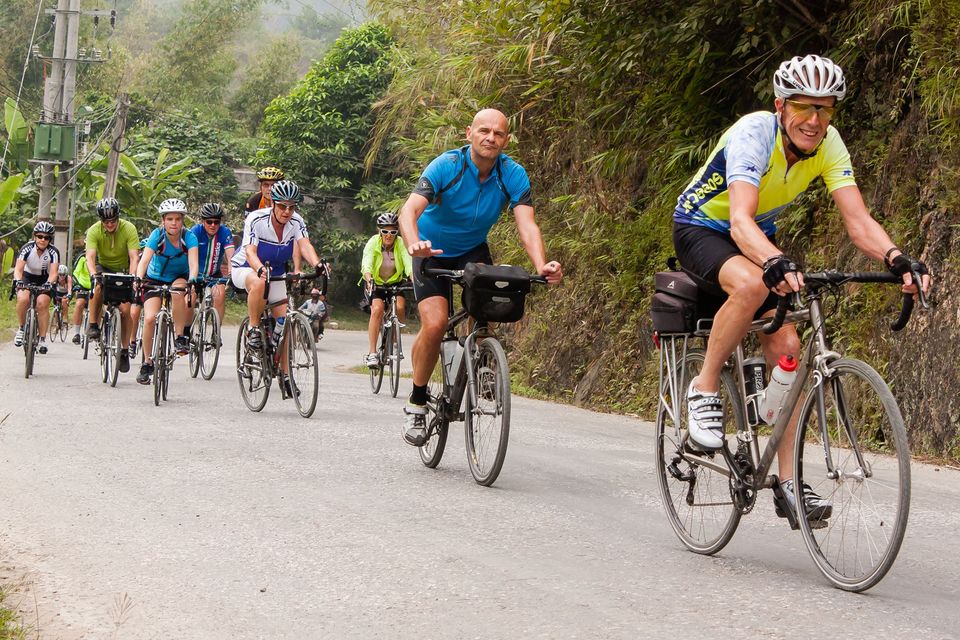
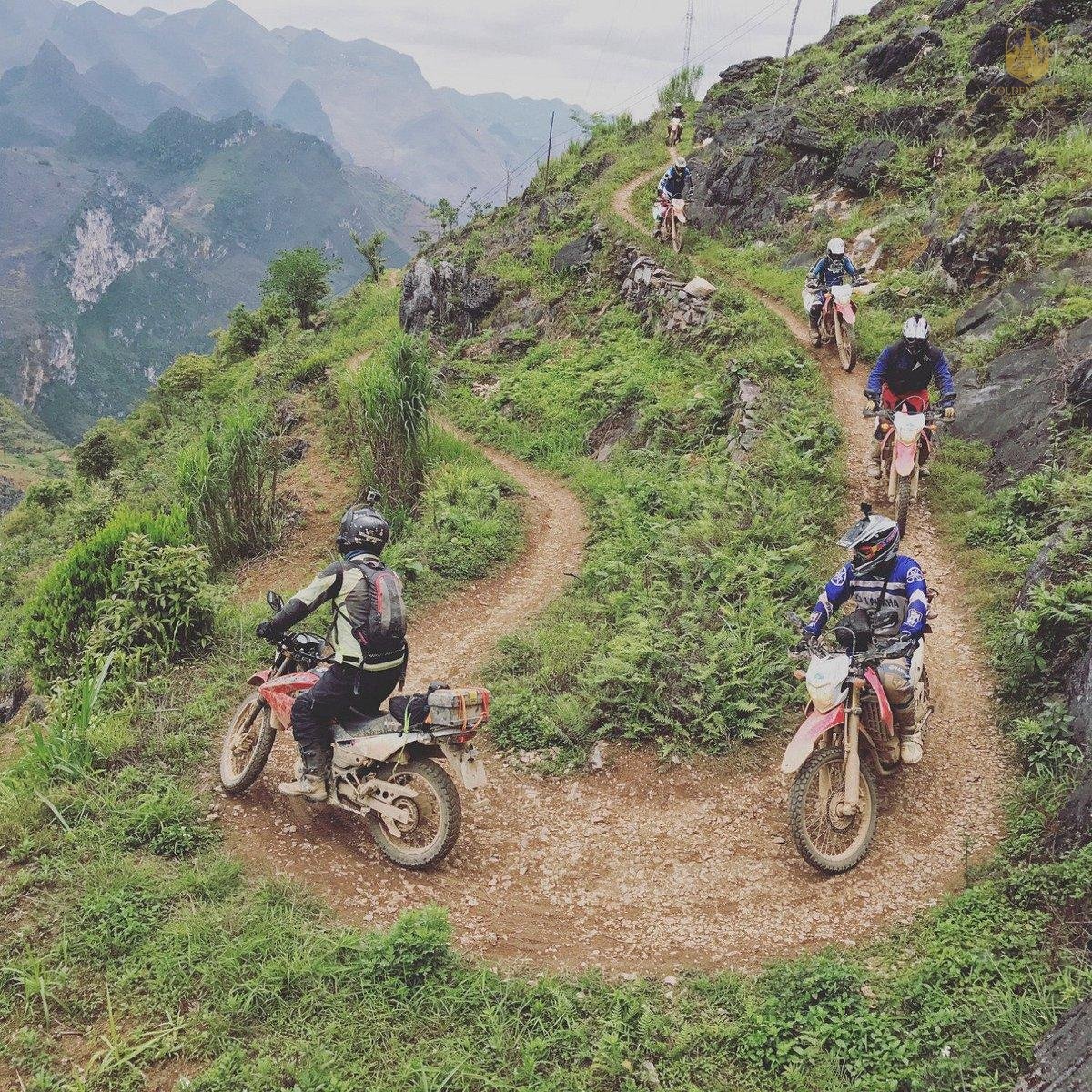

.jpg "Ho Chi Minh Trail Biking Tour: The Definitive Journey Through Vietnam’s Legendary Frontier")
.jpg "Ho Chi Minh Trail Cycling Tour Vietnam: The Ultimate Journey Through History and Landscape")
.jpg "The Ultimate Guide to Cycling the Ho Chi Minh Trail: A Journey Through History and Nature")
.jpg "Ho Chi Minh Trail Bicycle Tour: A Legendary Cycling Journey Through the Heart of Vietnam")
.jpg "Ho Chi Minh Trail Bike Tour: The Ultimate Cycling Journey Through Vietnam’s Legendary Route")
.jpg "Ho Chi Minh Trail Cycling: The Ultimate Adventure Through Vietnam’s Legendary Route")
.jpg "13 Days Northwest Cycling Tour in Vietnam: Conquer the Mountains, Feel the Freedom")