15 Ng. 100 Đ. Nguyễn Xiển, Thanh Xuân Nam, Thanh Xuân, Hà Nội 100000

15 Ng. 100 Đ. Nguyễn Xiển, Thanh Xuân Nam, Thanh Xuân, Hà Nội 100000
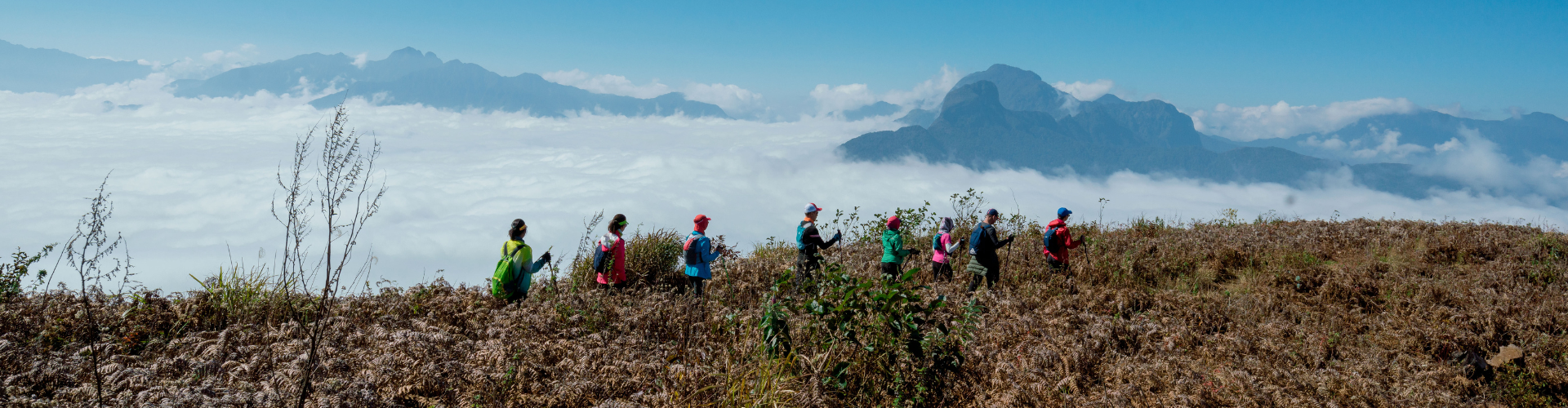
Imagine stepping into a vibrant realm where lush rainforests teem with exotic wildlife, ancient Buddhist temples shimmer under the tropical sun, and diverse ethnic cultures celebrate life with colorful festivals and warm hospitality. This is Xishuangbanna Dai Autonomous Prefecture (XishuangbannaDaizuZizhizhou), nestled in the southernmost tip of Yunnan Province, China. Bordering Laos and Myanmar, Xishuangbanna is a truly unique destination, blending the rich tapestry of Dai, Hani, Bulang, and other ethnic minority cultures with a captivating tropical landscape unlike anywhere else in China. If you're seeking an escape that combines breathtaking natural beauty, profound cultural immersion, and a taste of Southeast Asian charm within China, Xishuangbanna awaits your discovery.
Xishuangbanna's distinctiveness stems from its unparalleled geographical location and climate, which have fostered a biodiversity hotspot and a melting pot of vibrant cultures.
Unlike most of China, which experiences temperate climates, Xishuangbanna boasts a genuine tropical rainforest climate. This unique ecological niche supports an astonishing array of plant and animal life, making it one of China's richest biodiversity hotspots. The region is home to:
Ancient Tea Trees: Xishuangbanna is widely regarded as the birthplace of tea, particularly Pu-erh tea, with some wild tea trees dating back thousands of years.
Diverse Flora: Over 5,000 species of plants, including rare orchids, towering fig trees, and medicinal herbs.
Exotic Fauna: Home to China's last remaining wild Asian elephants, various species of monkeys, peacocks, civets, and a multitude of bird and insect life.
The luxuriant rainforests, fed by abundant rainfall and year-round warmth, create a verdant, oxygen-rich environment that feels a world away from the rest of China.
Xishuangbanna is an autonomous prefecture primarily inhabited by the Dai people, who share strong linguistic and cultural ties with the Tai peoples of Laos, Thailand, and Myanmar. Their culture is deeply influenced by Theravada Buddhism, evident in the shimmering temples, intricate architecture, and numerous festivals that punctuate their lives.
However, the region is also home to over a dozen other ethnic groups, including the Hani, Bulang, Lahu, Jino, Yi, Miao, and Yao, each contributing their unique traditions, languages, costumes, and culinary delights to Xishuangbanna's vibrant cultural mosaic. This rich ethnic diversity makes every encounter a fascinating exploration of human heritage.
Xishuangbanna's strategic location made it a crucial hub on the Ancient Tea Horse Road, a network of trade routes that connected tea-producing regions of Yunnan with Tibet, Southeast Asia, and beyond. This ancient trade brought not only goods but also ideas, religions, and cultural influences, further enriching the region. The legacy of the Tea Horse Road can still be seen in ancient villages, tea plantations, and the entrepreneurial spirit of its people. The region's history also intertwines with various ancient kingdoms and kingdoms in Southeast Asia, creating a shared heritage that transcends modern borders.
Xishuangbanna offers a diverse array of attractions, catering to nature lovers, culture enthusiasts, and those simply seeking relaxation in a beautiful setting.
Jinghong, the capital of Xishuangbanna, is a bustling yet charming city that serves as the perfect base for exploring the region. It boasts a distinct Southeast Asian vibe with its palm-lined streets, Buddhist temples, and lively night markets.
Manting Park (Manting Gongyuan - 曼听公园): Once the imperial garden of the Dai kings, this beautiful park is now open to the public. It features lush tropical plants, serene lakes, elegant pagodas, and is home to the General Buddha Temple (ZongFosi). In the evenings, the park often hosts cultural performances showcasing Dai dances and traditions.
Grand Golden Pagoda (Dajin Pagoda - 大金塔): A magnificent golden stupa that dominates the city skyline, especially impressive when lit up at night. It's a symbol of Xishuangbanna's strong Buddhist faith.
Gaozhuang Xishuangbanna Starry Night Market (Gaozhuang Xishuangbanna Xingguang Yecheng - 告庄西双版纳星光夜市): A sprawling, vibrant night market located in Gaozhuang, offering an incredible array of local street food, handicrafts, ethnic minority products, and cultural performances. It's a feast for the senses and a great place to experience the lively local atmosphere.
Mekong River (Lancang Jiang - 澜沧江): The section of the Mekong River flowing through Jinghong is often called the "Lancang River." River cruises offer scenic views of the city and surrounding landscape, particularly beautiful at sunset.
Located in Menglun, about an hour's drive from Jinghong, this is arguably China's largest and most diverse botanical garden, managed by the Chinese Academy of Sciences. It's a must-visit for nature enthusiasts.
Vast Collection: Home to over 13,000 species of tropical plants from around the world, organized into various themed gardens (e.g., medicinal plants, tropical fruits, arboretum, palm garden).
Scientific Research: Beyond tourism, it's a vital center for botanical research and conservation.
Educational Experience: Guided tours and informative displays educate visitors about plant diversity and ecological conservation. Allocate at least half a day, or even a full day, to explore its extensive grounds.
Located north of Jinghong, Wild Elephant Valley is dedicated to the conservation and protection of China's remaining wild Asian elephants.
Elephant Encounters: While seeing wild elephants is not guaranteed, the park offers elevated boardwalks and viewing platforms that provide opportunities to observe elephants in their semi-wild habitat.
Rainforest Walk: Enjoy a walk through the lush rainforest, with chances to spot other wildlife like monkeys and exotic birds.
Cable Car: A scenic cable car ride offers panoramic views over the jungle canopy.
Conservation Education: The park plays a crucial role in raising awareness about elephant conservation.
Perched on a hill overlooking Jinghong, Mengle Buddhist Temple is one of the most significant and largest Theravada Buddhist temples in Xishuangbanna.
Grand Scale: The temple complex is expansive, featuring numerous halls, pagodas, and statues, built in the traditional Dai Buddhist architectural style reminiscent of temples in Thailand and Laos.
Spiritual Significance: It's an active place of worship and pilgrimage, offering a serene atmosphere for contemplation.
Panoramic Views: From its elevated position, the temple offers stunning panoramic views of Jinghong city and the surrounding Lancang River.
Located in Olive Dam (Ganlanba), about 30km from Jinghong, the Dai Ethnic Park is a cluster of five traditional Dai villages that showcase the unique culture and lifestyle of the Dai people.
Authentic Dai Houses: Explore traditional bamboo or wooden stilt houses, meticulously preserved.
Water Splashing Festival Experience: During the park's daily performances, visitors can participate in a symbolic Water Splashing Festival (often held around 2-3 PM), a joyful experience where locals and tourists alike splash water on each other, symbolizing blessings and good fortune. This offers a taste of Xishuangbanna's most famous festival.
Local Crafts & Food: Experience traditional Dai dances, taste local snacks, and learn about Dai handicrafts.
Jino Mountain offers an insight into the unique culture of the Jino people, one of China's smaller and lesser-known ethnic groups.
Traditional Jino Village: Visit a recreated or preserved Jino village to learn about their history, customs, musical instruments, and unique belief system.
Cultural Performances: Enjoy Jino song and dance performances.
Tea Plantations: The Jino are also renowned for their ancient tea cultivation practices, and you can see tea plantations in the area.
Xishuangbanna's cultural richness is as captivating as its natural beauty. Immersing yourself in its traditions is key to a complete experience.
The Dai people's calendar is punctuated by lively festivals, deeply rooted in their Buddhist faith and agricultural cycles.
Water Splashing Festival (泼水节 - Posui Jie): This is the most famous and anticipated festival, celebrated around mid-April (usually April 13-15). It marks the Dai New Year and is a joyous event where people splash water on each other to wash away bad luck and usher in good fortune. It's a truly exhilarating and unforgettable experience, filled with parades, traditional dances, and communal feasting.
Dragon Boat Festival (划龙舟 - Hua Longzhou): Celebrated on the fifth day of the fifth lunar month, with colorful dragon boat races on the Lancang River.
Goddess of Mercy Birthday Festival: A significant Buddhist festival with temple ceremonies and rituals.
If your travel dates align with a festival, it offers an unparalleled opportunity for cultural immersion and vibrant photography.
Xishuangbanna's cuisine is a delightful blend of Dai flavors with influences from Southeast Asia and other ethnic groups. It's characterized by fresh, local ingredients, aromatic herbs, and a balance of sour, spicy, and savory tastes.
Grilled Fish (烤鱼 - Kao Yu): A signature Dai dish. Fish is often marinated with herbs (like lemongrass and mint) and spices, then grilled wrapped in banana leaves.
Pineapple Rice (菠萝饭 - Boluo Fan): Glutinous rice steamed inside a hollowed-out pineapple, often with nuts, raisins, and sometimes meat, offering a sweet and savory taste.
Sour Bamboo Shoots (酸笋 - Suan Sun): A common ingredient, providing a tangy and pungent flavor to various dishes.
Lemongrass Chicken (香茅鸡 - Xiangmao Ji): Chicken cooked with fragrant lemongrass.
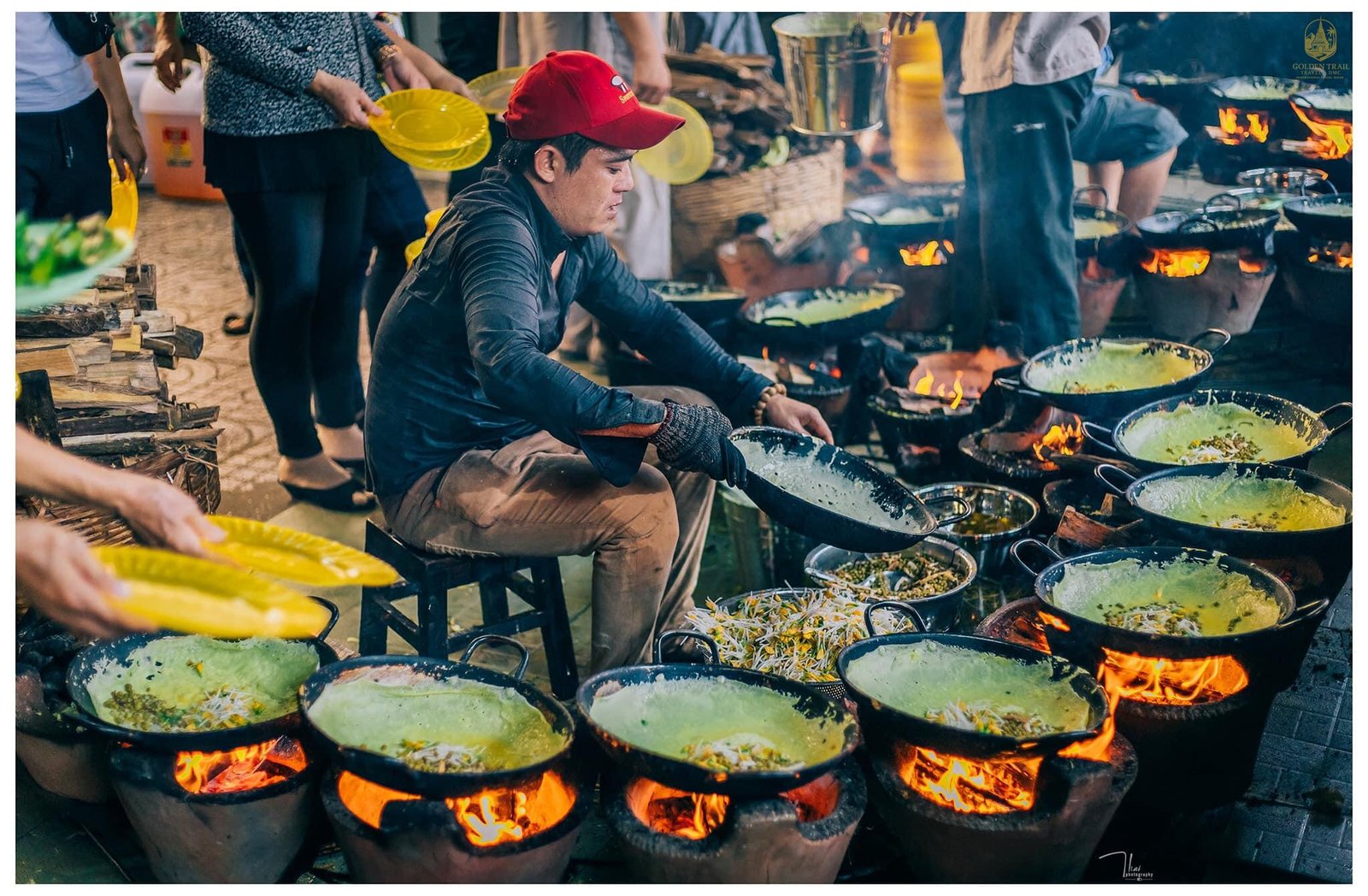
"Hand-Grabbed" Rice (手抓饭 - Shouzhua Fan): A traditional communal meal where a variety of grilled meats, vegetables, and sticky rice are laid out on a large banana leaf, and diners eat with their hands.
Tropical Fruits: Enjoy a bounty of fresh tropical fruits like mangoes, papayas, rambutans, and durians.
Pu-erh Tea: Don't miss the opportunity to sample authentic Pu-erh tea, for which Xishuangbanna is famous. Visit a tea plantation or a local tea house for a tasting experience.
Exploring the local markets and the vibrant Gaozhuang Xishuangbanna Starry Night Market is the best way to sample a wide array of these delicious specialties.
The Dai people are renowned for their intricate handicrafts and artistic expressions:
Dai Brocade: Beautifully woven fabrics with colorful patterns, often depicting natural motifs and Buddhist symbols.
Silverware: Elegant silver jewelry and ornaments, meticulously crafted.
Bamboo Weaving: Practical and artistic items woven from bamboo.
Buddhist Architecture: The exquisite design of their temples, with their golden roofs, elaborate carvings, and colorful murals, is an art form in itself.
Venturing to a destination as culturally rich and geographically distinct as Xishuangbanna requires careful planning to ensure a seamless and enriching experience. Golden Trail Travel specializes in crafting authentic and immersive journeys through Yunnan, offering unparalleled expertise to make your Xishuangbanna adventure truly unforgettable.
Unrivaled Local Expertise: Golden Trail Travel's team possesses deep, firsthand knowledge of Xishuangbanna and the broader Yunnan region. They understand the nuances of the local cultures, the best times to visit specific attractions, and how to create itineraries that truly capture the essence of this tropical paradise. They can advise on the best way to experience festivals like the Water Splashing Festival and recommend hidden gems.
Tailor-Made Itineraries: Whether you're a nature enthusiast, a culture lover, a history buff, or simply seeking relaxation, Golden Trail Travel can customize an itinerary to perfectly match your interests, pace, and budget. From luxurious comfort to adventurous trekking, your journey will be uniquely yours.
Seamless Logistics: Navigating transportation in a less-developed region, securing comfortable accommodations (especially during peak seasons like festivals), and finding knowledgeable local guides can be challenging. Golden Trail Travel handles all these complexities, ensuring comfortable transfers (flights, cars), carefully selected hotels or guesthouses, and insightful local guides who enhance your understanding of Xishuangbanna's rich heritage and biodiversity.
Authentic Cultural Immersion: Golden Trail Travel goes beyond standard sightseeing. They offer exclusive opportunities for genuine cultural immersion, such as visits to authentic Dai villages, participation in traditional activities (like the Water Splashing experience at Dai Ethnic Park), Pu-erh tea tastings at local plantations, and encounters with other ethnic minority groups.
Dedicated Support and Safety: With 24/7 support and an unwavering commitment to traveler safety, Golden Trail Travel provides peace of mind throughout your journey. This allows you to relax, explore, and fully embrace the Xishuangbanna experience without any worries, knowing you are in capable hands.
Option 1: Xishuangbanna Tropical & Cultural Discovery (4-5 Days) This itinerary focuses specifically on Xishuangbanna, allowing for deep immersion in its nature and culture.
Day 1: Arrival in Jinghong & City Exploration.
Morning/Afternoon: Arrive at Xishuangbanna Gasa International Airport (JHG). Golden Trail Travel will arrange a comfortable private transfer to your hotel in Jinghong.
Afternoon: Check into your hotel. Explore Manting Park, visit the General Buddha Temple, and admire the Grand Golden Pagoda.
Evening: Experience the vibrant atmosphere and diverse food at the Gaozhuang Xishuangbanna Starry Night Market.
Day 2: Botanical Wonders & Elephant Encounters.
Morning: Drive to the Xishuangbanna Tropical Botanical Garden in Menglun. Spend several hours exploring its vast collection of plants.
Afternoon: Continue to Wild Elephant Valley. Walk the elevated boardwalks and try to spot wild elephants.
Evening: Return to Jinghong.
Day 3: Dai Culture & Ancient Traditions.
Morning: Drive to the Dai Ethnic Park (Olive Dam). Explore the traditional Dai villages, learn about their unique architecture, and participate in the daily Water Splashing experience.
Afternoon: Visit a Pu-erh tea plantation to learn about tea cultivation and production, and enjoy a tasting session.
Evening: Enjoy a traditional Dai dinner.
Day 4: Ethnic Diversity & Serene Temples.
Morning: Explore Jino Mountain (Jino Shan) to learn about the Jino people's unique culture and history.
Afternoon: Visit the magnificent Mengle Buddhist Temple for its grand architecture, spiritual ambiance, and panoramic views of Jinghong.
Evening: Free time for relaxation or revisit a favorite spot.
Day 5: Departure.
Morning: Enjoy a final Xishuangbanna breakfast. Depending on your flight schedule, you might have time for some last-minute souvenir shopping or a leisurely stroll.
Transfer: Golden Trail Travel will arrange your private transfer to Xishuangbanna Gasa International Airport for your onward journey.
Option 2: Southern Yunnan Cultural & Nature Grand Tour (8-10 Days) Combine Xishuangbanna with the historical charm of Jianshui and the breathtaking rice terraces of Yuanyang for a comprehensive Southern Yunnan experience.
Days 1-2: Kunming & Arrival.
Arrival in Kunming, explore the city's highlights (Green Lake Park, Yunnan Provincial Museum). Overnight in Kunming.
Days 3-4: Jianshui Ancient Grandeur.
Travel from Kunming to Jianshui (approx. 3-4 hours by train/car).
Explore the magnificent Jianshui Confucius Temple, the elegant Zhu Family Garden, the iconic Double Dragon Bridge, and the historic Chaoyang Tower. Discover Jianshui pottery. Overnight in Jianshui.
Days 5-7: Yuanyang Rice Terraces.
Journey from Jianshui to Yuanyang (approx. 2-3 hours).
Spend your time capturing the ethereal beauty of the Yuanyang Rice Terraces at sunrise and sunset from viewpoints like Duoyishu, Bada, and Laohuzui. Visit Hani ethnic villages (e.g., Qingkou) to learn about their ancient culture and farming techniques. Overnight in Yuanyang.
Days 8-10: Xishuangbanna Tropical Paradise.
Travel from Yuanyang to Xishuangbanna (approx. 4-5 hours, or fly from Kunming if returning via Kunming).
Explore the vibrant Jinghong City, visit the Tropical Botanical Garden, potentially see elephants at Wild Elephant Valley, immerse in Dai culture at the Dai Ethnic Park, and enjoy the lively night markets. Overnight in Jinghong.
Day 10: Departure from Xishuangbanna Gasa International Airport (JHG).
Ready to embark on your unforgettable journey to the tropical paradise of Xishuangbanna? Visit Golden Trail Travel's website to explore their curated Yunnan tours and easily book your adventure: https://goldentrailtravel.com/
Xishuangbanna is more than just a destination; it's an immersive experience that transports you to a different realm within China. Its vibrant tropical landscapes, from the ancient tea forests to the lush botanical gardens, offer a profound connection to nature's rich tapestry. The air is alive with the sounds of the jungle, and the scent of exotic flowers and spices fills the breeze. For those weary of concrete jungles, Xishuangbanna offers a rejuvenating escape into verdant tranquility.
What truly sets Xishuangbanna apart, however, is its kaleidoscope of cultures. The gentle smiles of the Dai people, the shimmering gold of their Buddhist temples, the rhythmic sounds of traditional music, and the joyous exuberance of their festivals create an atmosphere of warmth and authenticity. Learning about their unique customs, sampling their distinct cuisine, and participating in their celebrations provides a deep, personal connection that goes beyond mere sightseeing. It’s a place where you can witness the harmonious coexistence of diverse ethnic groups, each contributing to the region's vibrant identity.
The region also holds a profound significance for tea lovers, being the ancestral home of Pu-erh tea. A visit to an ancient tea plantation or a traditional tea ceremony offers a meditative journey into the origins of this revered beverage.
In a world that often feels homogenized, Xishuangbanna stands out as a beacon of cultural diversity and natural wonder. It’s a journey that stimulates all your senses, fills your camera roll with vibrant memories, and leaves an indelible mark on your soul. Whether you seek adventure, cultural discovery, or simply a peaceful retreat in a tropical setting, Xishuangbanna promises an unforgettable experience, a testament to China's incredible regional diversity.
Q1: Where is Xishuangbanna located? A1: Xishuangbanna Dai Autonomous Prefecture is located in the southernmost part of Yunnan Province, China, bordering Laos and Myanmar. Its capital city is Jinghong.
Q2: What is the best time to visit Xishuangbanna? A2: The best time to visit Xishuangbanna is generally from November to April. During this period, the weather is dry and pleasant, with comfortable temperatures (around 18-28°C or 64-82°F), making it ideal for exploring. The Water Splashing Festival in mid-April is a highlight, but accommodation and flights will be more expensive and booked up well in advance. May to October is the rainy season, which can be humid, but the rainforest is at its lushest.
Q3: How do I get to Xishuangbanna? A3: The easiest way to get to Xishuangbanna is by flying directly to Xishuangbanna Gasa International Airport (JHG) from major Chinese cities like Kunming, Shanghai, Beijing, Chengdu, etc. From Kunming, it's also possible to take an overnight bus or a high-speed train (though the train station is about 1.5 hours from Jinghong). Golden Trail Travel can arrange all your flights and transfers for convenience.
Q4: What are the main attractions in Xishuangbanna? A4: Key attractions include Manting Park, the Gaozhuang Xishuangbanna Starry Night Market in Jinghong, the Xishuangbanna Tropical Botanical Garden, Wild Elephant Valley, Mengle Buddhist Temple, Dai Ethnic Park (Olive Dam), and Jino Mountain.
Q5: How long should I plan to stay in Xishuangbanna? A5: A stay of 3 to 4 full days is recommended to cover the main attractions and experience the unique culture and nature. If you want to delve deeper, include more relaxed time, or attend a festival, a 5-day trip would be ideal.
Q6: What kind of accommodation is available in Xishuangbanna? A6: Jinghong offers a range of accommodation from international chain hotels to boutique hotels and guesthouses. In the rural areas or closer to attractions like the Dai Ethnic Park, you can find traditional guesthouses or eco-lodges.
Q7: What unique cultural experiences can I have in Xishuangbanna? A7: Participating in the Water Splashing Festival (or the daily symbolic splashing at Dai Ethnic Park), exploring Dai ethnic villages, tasting authentic Pu-erh tea, enjoying a "Hand-Grabbed" rice meal, and visiting the lively night markets are all unique cultural experiences.
Q8: What local food specialties should I try in Xishuangbanna? A8: Don't miss Grilled Fish (Kao Yu), Pineapple Rice (Boluo Fan), Sour Bamboo Shoots (Suan Sun), Lemongrass Chicken (Xiangmao Ji), and the communal "Hand-Grabbed" Rice (Shouzhua Fan). Also, try the abundant tropical fruits and local Pu-erh tea.
Q9: Is it possible to see wild elephants? A9: While the Wild Elephant Valley is designed for observing wild elephants, sightings are not guaranteed as they are free-roaming in a vast natural habitat. Your chances are better during certain seasons when they come to drink water.
Q10: Is Xishuangbanna suitable for families with children? A10: Yes, Xishuangbanna is a great destination for families. Children often enjoy the Tropical Botanical Garden, the chance to see elephants (even if not wild ones, there are rescued elephants in the park), the lively Water Splashing experience, and the fun of the night market.
"Our trip to Xishuangbanna with Golden Trail Travel was truly unforgettable! We felt like we'd stepped into Thailand, but with a unique Chinese twist. The Tropical Botanical Garden was stunning, and the Water Splashing experience at Dai Ethnic Park was pure joy. Golden Trail Travel handled everything perfectly, from flights to our amazing guide who knew all the best local spots." — Sarah and Ben Carter, Australia
"Xishuangbanna is a hidden gem! The lush rainforest and the vibrant Dai culture were captivating. Our visit to the Wild Elephant Valley was a highlight, even though we only saw a few from a distance. Golden Trail Travel's itinerary was well-paced, allowing us to absorb all the beauty and culture without feeling rushed. Highly recommend them for exploring this unique part of China." — Dr. Anya Sharma, India
"As a lover of Southeast Asian culture, Xishuangbanna was a revelation. The Buddhist temples are gorgeous, and the food at the Gaozhuang night market was incredible. Golden Trail Travel's local expertise was invaluable, making our trip seamless and truly authentic. Don't miss the pineapple rice!" — Liam O'Connell, Ireland
"We chose Golden Trail Travel for our Yunnan adventure, and Xishuangbanna was the perfect tropical ending. The ancient tea trees and the Pu-erh tea tasting were fascinating. Our guide was excellent, providing deep insights into the Dai traditions. It's a place of incredible biodiversity and rich cultural tapestry." — The Zhang Family, Singapore
"Xishuangbanna is a must-visit for anyone looking for a unique destination in China. The warmth of the people, the stunning nature, and the vibrant festivals make it so special. Golden Trail Travel organized a flawless trip, from the moment we landed until our departure. We felt completely taken care of." — Maria and José Rodriguez, Spain

.jpg "Conquer the Majestic North: The Ultimate Guide to the Ha Giang Loop Cycling Tour")
Forget the roar of motorbike engines for a moment. Imagine, instead, the rhythmic sound of your tires gripping the asphalt, the crisp mountain air filling your lungs, and the absolute silence of the karst plateaus broken only by the distant chime of a cowbell. This is the Ha Giang Loop cycling tour, an adventure that transforms a famous travel route into a deeply personal, soul-stirring physical challenge.
December 22, 2025
.jpg "Finding the Best Vietnam Bike Tour Company: Your Ultimate Guide to an Epic Journey")
Vietnam is a land of sensory overload, where the landscape shifts as dramatically as its history. From the jagged, mist-shrouded limestone peaks bordering China to the flat, sun-drenched alluvial plains of the Mekong Delta, the "S-curve" of Indochina offers one of the most rewarding landscapes in the world for adventurers. However, to truly see the soul of this nation, one must leave the crowded coastal highways and travel at a human pace. This is why selecting the best Vietnam bike tour company is the most critical decision an adventurer can make.
December 20, 2025
.webp "The Ultimate Guide to a Supported Vietnam Cycling Tour: Seamless Adventure Through the S-Curve")
Vietnam is a land of rhythmic transitions, where the landscape shifts as dramatically as its history. For the global adventurer, there is no more profound way to witness this transformation than from the saddle of a bicycle. However, traversing the 2,000-kilometer "S-curve"—from the misty, jagged peaks of the North to the sun-drenched, alluvial plains of the Mekong Delta—presents a logistical puzzle that can overwhelm even the most seasoned riders. This is where a supported Vietnam cycling tour becomes the gold standard for exploration.
December 20, 2025
.jpg "The Ultimate Guide to a Guided Vietnam Bike Tour: An Epic Odyssey Through Indochina")
Vietnam is a land defined by its rhythmic transitions. From the jagged, mist-shrouded limestone peaks bordering China to the flat, sun-drenched alluvial plains of the Mekong Delta, the "S-curve" of Indochina offers one of the most diverse and rewarding landscapes in the world for adventurers. However, to truly see the soul of this nation, one must leave the crowded coastal highways and travel at a human pace. This is why a guided Vietnam bike tour has become the gold standard for global travelers seeking authenticity, serenity, and physical challenge.
December 20, 2025
.jpg "The Ultimate Guide to the Best Vietnam Bike Tour Package: Experience the Odyssey of a Lifetime")
Vietnam is a land defined by its rhythmic transitions. From the jagged, mist-shrouded limestone peaks bordering China to the flat, sun-drenched alluvial plains of the Mekong Delta, the "S-curve" of Indochina offers one of the most diverse and rewarding landscapes in the world for adventurers. However, to truly see the soul of this nation, one must leave the crowded coastal highways and travel at a human pace. This is why a professional Vietnam bike tour package has become the gold standard for global travelers seeking authenticity, serenity, and physical challenge.
December 20, 2025
.jpg "Your Ultimate Guide to Booking the Perfect Vietnam Bike Tour")
The rhythmic whirring of a chain, the scent of blooming coffee blossoms in the Central Highlands, and the misty silhouettes of limestone karsts at dawn—this is the reality of a cross-country cycling odyssey. Vietnam is a land of sensory overload, and for the modern adventurer, there is no more profound way to witness its transformation than from the saddle of a bicycle. Whether you are aiming to conquer the jagged peaks of the North or glide through the emerald waterways of the Mekong Delta, choosing to book a Vietnam bike tour is the first step toward a life-changing experience.
December 20, 2025
.jpg "Navigating the Cost of Adventure: The Definitive Guide to Vietnam Bike Tour Prices")
For many travelers, cycling across Vietnam is a bucket-list dream. From the emerald-green rice terraces of the North to the sun-drenched coastal roads of the Central region and the labyrinthine waterways of the Mekong Delta, the "S-curve" of Indochina is best experienced at the speed of two wheels. However, when planning such an epic journey, one of the first questions that arises is: What is a fair Vietnam bike tour price?
December 20, 2025
.jpg "Mastering the S-Curve: A Comprehensive Guide to Vietnam Bike Tour Difficulty")
Vietnam is a land of dramatic transitions. From the jagged limestone peaks bordering China to the flat, sun-drenched alluvial plains of the Mekong Delta, the geography of this "S-curve" nation offers a spectrum of challenges for every type of rider. For many travelers, the most critical question before embarking on a cross-country odyssey is: "How hard is it?" Understanding the Vietnam bike tour difficulty is the key to matching your fitness level with the right itinerary, ensuring your journey is an inspiring adventure rather than an overwhelming struggle.
December 20, 2025
.jpg "The Ultimate Seasonal Guide: Finding the Best Time for a Vietnam Cycling Tour")
Vietnam is a land of incredible contrast, stretching over 1,600 kilometers from the jagged northern peaks bordering China to the lush, tropical alluvial plains of the Mekong Delta. For those seeking to explore this "S-curve" nation at the speed of two wheels, the most critical question is not "where" but "when." Because of its unique geography, Vietnam spans multiple climate zones, meaning that the best time for a Vietnam cycling tour can vary dramatically depending on your chosen route.
December 20, 2025
.jpg "The Ultimate Guide to Finding the Best Vietnam Bike Tour: Your Path to Adventure")
The rhythmic whirring of a chain, the scent of blooming coffee blossoms in the Central Highlands, and the misty silhouettes of limestone karsts at dawn—this is the reality of the best Vietnam bike tour. Spanning over 2,000 kilometers from the historic, tree-lined boulevards of Hanoi to the pulsating, neon-lit energy of Ho Chi Minh City, cycling is arguably the most profound way to witness the "S-curve" of Indochina. For the modern traveler, a bicycle is more than just a mode of transport; it is a social bridge that connects you to the heart of rural communities, ancient heritage, and untouched wilderness.
December 20, 2025
.jpg "The Ultimate Vietnam Cycling Route Map: A Comprehensive Guide to Navigating the S-Curve")
For the modern adventurer, few experiences rival the thrill of crossing an entire nation on two wheels. Vietnam, with its iconic "S-curve" geography, offers one of the most diverse and rewarding landscapes in the world for cyclists. However, success on such a journey depends entirely on a well-constructed Vietnam cycling route map. Navigating from the jagged limestone peaks of the North to the sun-drenched alluvial plains of the Mekong Delta requires more than just a GPS; it requires a deep understanding of the terrain, climate, and historical paths that define this nation.
December 20, 2025
.jpg "The Ultimate Vietnam Bike Tour Itinerary: A Comprehensive Guide to Cycling the S-Curve")
Vietnam is a land of sensory overload, a place where the landscape shifts as dramatically as its history. For the global adventurer, there is no more profound way to witness this transformation than through a meticulously planned Vietnam bike tour itinerary. Traveling at the speed of two wheels allows you to notice the subtle shifts that a motorized passenger would miss—the scent of ripening rice, the rhythmic "Xin Chao" from children in remote villages, and the cool mist of the Truong Son mountains.
December 20, 2025
There is a profound difference between seeing a country and feeling it. While a standard holiday might involve hopping between airports and air-conditioned buses, a multi-day Vietnam cycling tour invites you to engage with the landscape at a human pace. It is a journey of sensory overload—the scent of ripening rice in the deltas, the misty silhouettes of the Truong Son mountains, and the rhythmic "Xin Chao" from children in remote villages. For the modern adventurer, a multi-day expedition is the gold standard for authentic exploration.
December 20, 2025
The dream of crossing an entire nation from end to end is a rite of passage for every serious adventurer. When that country is Vietnam—a land of emerald mountains, ancient history, and unparalleled hospitality—the journey becomes more than a physical feat; it becomes a soul-stirring transformation. A Vietnam bike tour 30 days in length is the gold standard for travelers seeking the ultimate "S-curve" odyssey. Spanning approximately 2,000 to 2,400 kilometers from the historic, mist-shrouded streets of Hanoi to the pulsating energy of Ho Chi Minh City, this month-long expedition allows for the perfect balance of grit, glory, and genuine cultural immersion.
December 20, 2025
.jpg "The Grand Traverse: A Complete Guide to a 21-Day Vietnam Bike Tour")
The dream of crossing a country from end to end is a rite of passage for every serious adventurer. When that country is Vietnam—a land of emerald mountains, ancient history, and unparalleled hospitality—the journey becomes more than a physical feat; it becomes a soul-stirring transformation. A Vietnam bike tour 21 days in length is the gold standard for travelers seeking the ultimate "S-curve" odyssey. Spanning approximately 2,000 kilometers from the historic, mist-shrouded streets of Hanoi to the pulsating, neon-lit energy of Ho Chi Minh City, this three-week expedition allows for the perfect balance of grit, glory, and genuine cultural immersion.
December 20, 2025
.jpg "The Ultimate 14-Day Vietnam Bike Tour: A Two-Week Odyssey Through the S-Curve")
Vietnam is a land of sensory overload, a place where the landscape shifts as dramatically as its history. For the global adventurer, there is no more profound way to witness this transformation than through a Vietnam bike tour 14 days in length. Spanning two weeks allows for the perfect balance: enough time to cover significant geographical ground—from the misty mountains of the north to the sun-drenched deltas of the south—while maintaining a pace that permits deep cultural immersion and physical recovery.
December 20, 2025
.jpg "The Ultimate Guide to a 10-Day Vietnam Cycling Odyssey: Experience the S-Curve in a Sweet Spot")
Vietnam is a country that demands to be seen at the speed of a bicycle. While a full cross-country expedition can take nearly a month, many travelers find that a Vietnam bike tour 10 days long is the perfect "sweet spot." It is long enough to deeply immerse yourself in a specific region’s culture, history, and geography, but compact enough to fit into a standard vacation schedule without sacrificing the physical challenge or the sensory rewards of the open road.
December 20, 2025
.jpg "Vietnam Adventure Cycling Tour: The Ultimate Cross-Country Odyssey")
There is a version of Vietnam that exists far beyond the neon-lit skyscrapers of Ho Chi Minh City and the bustling, motorbike-clogged streets of Hanoi. It is a land of emerald-green rice paddies, ancient banyan trees shading village gates, and the rhythmic sound of water buffalos grazing in the mist. To truly witness the heart of this nation, one must travel at a human pace. This is why a Vietnam adventure cycling tour has become the gold standard for travelers seeking authenticity, serenity, and a deep connection with the local culture.
December 20, 2025
.jpg "The Ultimate Guide to a Vietnam Road Cycling Tour: Conquering the S-Curve on Two Wheels")
The rhythmic hum of tires on smooth asphalt, the scent of ripening rice carried on a coastal breeze, and the sight of jagged limestone peaks emerging from the morning mist—this is the reality of a Vietnam road cycling tour. For the endurance athlete, the leisure explorer, and the cultural seeker alike, Vietnam offers a road network that has transformed over the last decade into a world-class cycling destination. Spanning over 2,000 kilometers from the northern border with China to the southern tip of the Mekong Delta, a cross-country journey here is a masterclass in geographic and cultural diversity.
December 20, 2025
.jpg "The Ultimate Guide to a Vietnam Mountain Bike Tour: Conquering the Indochina Peaks")
Vietnam is a land defined by its verticality. From the jagged limestone karsts of the far north to the undulating red-dirt plateaus of the Central Highlands, the country offers some of the most challenging and rewarding terrain on the planet for off-road enthusiasts. A Vietnam mountain bike tour is not just a cycling trip; it is a high-altitude odyssey through ancient cultures, primary rainforests, and historical trails that have shaped the destiny of Southeast Asia
December 20, 2025