15 Ng. 100 Đ. Nguyễn Xiển, Thanh Xuân Nam, Thanh Xuân, Hà Nội 100000
15 Ng. 100 Đ. Nguyễn Xiển, Thanh Xuân Nam, Thanh Xuân, Hà Nội 100000
Imagine a vibrant city nestled in a high-altitude basin, where ancient trade routes converged, fostering a rich tapestry of cultures. The air is crisp and clean, carrying the scent of steaming noodles and the distant echoes of sacred chants. This is Xining (Xıˉnıˊng), the capital of Qinghai Province, a dynamic and historically significant city often referred to as the "Gateway to the Tibetan Plateau." More than just a transit hub, Xining is a destination in its own right, offering a fascinating blend of Han Chinese, Tibetan, Hui Muslim, Tu, and Salar cultures, set against a backdrop of stunning natural landscapes. It's also the crucial starting point for the legendary Qinghai-Tibet Railway, the highest railway in the world, leading adventurers directly into the heart of Tibet. If you seek a journey that delves into China's diverse ethnic heritage and provides a unique prelude to the Roof of the World, Xining is a city of crossroads and beginnings, waiting to be explored.
Xining's strategic location, rich history, and diverse population have forged a distinctive identity that sets it apart from other Chinese cities.
Xining is situated in the eastern part of Qinghai Province, within a fertile valley carved by the Huangshui River, a tributary of the Yellow River. This location places it at a critical geographical juncture: where the agricultural lands of the Yellow River basin transition dramatically into the vast, high-altitude expanse of the Tibetan Plateau. This unique topography provides Xining with a relatively mild climate compared to the more extreme conditions higher up on the plateau, earning it the nickname "Summer Capital" due to its pleasant temperatures, attracting visitors seeking respite from the summer heat of other Chinese cities.
For centuries, Xining has served as a vital strategic point.
Ancient Trade Routes: It was a significant outpost on the northern branch of the ancient Silk Road, facilitating trade and cultural exchange between China, Tibet, Central Asia, and beyond. This history of commerce and interaction laid the foundation for its multicultural character.
Military Stronghold: Due to its strategic position, Xining also played a crucial role as a military garrison and a defensive frontier city, especially during imperial times, guarding the western borders of various Chinese dynasties.
Tea Horse Road: While not as prominent as some other cities, Xining was also connected to the northern routes of the Tea Horse Road, further solidifying its role as a nexus of trade and communication.
What truly defines Xining is its remarkable ethnic diversity. While the majority population is Han Chinese, the city and surrounding Qinghai Province are home to significant populations of:
Tibetan: Deeply rooted in the plateau, with their vibrant Buddhist traditions.
Hui Muslim: Descendants of Silk Road traders and soldiers, with a strong Islamic cultural identity.
Tu (Monguor): An ethnic group unique to Qinghai and Gansu, with fascinating animistic and Buddhist beliefs.
Salar: A Turkic-speaking Muslim ethnic group.
Mongol: Descendants of the nomadic empires.
This incredible blend of cultures lives in relative harmony, creating a captivating urban environment where you can witness mosques standing alongside Buddhist temples, and hear different languages spoken in the markets. It’s a true microcosm of China’s vast ethnic landscape.
Xining's most celebrated role today is as the primary gateway to Tibet. It serves as the starting point for the Qinghai-Tibet Railway, offering the most comfortable and popular way to travel to Lhasa. Many travelers choose to spend a few days in Xining to acclimatize to its moderate altitude (around 2,275 meters or 7,460 feet) before ascending to the much higher Tibetan Plateau, making it a strategic and practical choice for minimizing the risk of altitude sickness.
Xining offers a diverse range of attractions, from ancient monasteries and bustling mosques to serene lakes and dramatic landscapes.
Located about 25 km southwest of Xining, Ta'er Monastery (also known as Kumbum Monastery) is one of the six great monasteries of the Gelug school of Tibetan Buddhism. It holds immense significance as the birthplace of Tsongkhapa, the founder of the Gelug school (Yellow Hat sect) and the teacher of the first Dalai Lama.
Spiritual Heart: The monastery is a sprawling complex of temples, stupas, living quarters, and prayer halls, built into a hillside. It's an active spiritual center, home to thousands of monks.
Three Arts of Ta'er: Ta'er Monastery is famous for its "Three Arts" (or "Three Wonders"):
Butter Sculptures: Incredibly intricate and colorful sculptures made from yak butter, depicting deities, animals, and landscapes. These are especially prominent during the Butter Lamp Festival.
Murals (Thangkas): Exquisite traditional Tibetan Buddhist paintings on cloth, depicting mandalas, deities, and spiritual narratives.
Barley Embroidery: Unique appliqué works made from colorful silk and barley grains.
Monk Debates: Like Sera Monastery in Lhasa, Ta'er Monastery also features monk debates, though perhaps less formally presented for tourists.
Pilgrimage Site: It's a major pilgrimage site for Tibetans and Buddhists, with pilgrims circumambulating the monastery and prostrating themselves as a form of devotion.
Situated in the heart of Xining, Dongguan Mosque is one of the largest and most historically significant mosques in Northwest China, serving as the spiritual and cultural center for the city's large Hui Muslim community.
Unique Architecture: The mosque boasts a distinctive architectural style, blending traditional Chinese temple elements (like tiled roofs and ornate wooden carvings) with classic Islamic minarets and prayer halls. The main prayer hall is particularly grand.
Vibrant Community: It's an active place of worship, especially bustling during daily prayers (Jum'ah on Fridays) and Islamic festivals like Eid al-Fitr. Visitors can observe the vibrant Hui culture around the mosque, with its bustling Halal restaurants and markets.
Cultural Insight: A visit offers a fascinating insight into the rich Islamic heritage and the harmonious coexistence of different faiths in Xining.
For a deeper understanding of Qinghai's diverse geography, history, and ethnography, the Qinghai Provincial Museum is an excellent resource.
Comprehensive Collections: The museum features extensive exhibits on the province's natural environment, archaeological discoveries (including artifacts from the Qijia Culture), and the rich cultures of its various ethnic groups, including Tibetan, Hui, Tu, Salar, and Mongol.
Educational Experience: It provides valuable context for understanding the unique blend of people and landscapes that characterize Qinghai.
Also known as Beichan Temple, this Taoist temple complex is built into the cliffs of North Mountain (Beishan) overlooking Xining city.
Cliffside Architecture: The temples and grottoes are carved into and built along the mountainside, offering a unique architectural experience.
Panoramic City Views: A climb to the temple provides stunning panoramic views of Xining city, especially at sunset.
Peaceful Atmosphere: It's a tranquil retreat from the city's hustle, offering a chance for quiet reflection and enjoying the natural surroundings.
This museum offers a unique and comprehensive insight into the ancient art of Tibetan medicine and the broader Tibetan culture.
Medical System: Explore exhibits on Tibetan pharmacology, diagnostics, surgical instruments, and the philosophy behind this holistic medical system.
Giant Thangka: The museum is most famous for housing the world's longest thangka painting, an astonishing 618-meter-long scroll depicting the history of Tibetan Buddhism, medicine, and astronomy. It's a monumental work of art and a marvel of intricate detail.
Cultural Heritage: Beyond medicine, the museum also showcases Tibetan astronomy, calligraphy, arts, and traditional lifestyles.
Xining also serves as a gateway to some of Qinghai's most spectacular natural attractions, easily accessible as day trips.
Located approximately 150 km west of Xining, Qinghai Lake is China's largest saltwater lake and the largest lake in China. It's a vast, stunning expanse of turquoise water surrounded by rolling grasslands and distant mountains.
Sacred Lake: To Tibetans, it's known as Koko Nor, the "Blue Lake," and is considered a sacred site.
Bird Island (鸟岛 - Niǎo Dǎo): (Best visited in spring/early summer) A major breeding ground for migratory birds, including various species of gulls, cormorants, and geese.
Cycling: Cycling around the lake is a popular activity, especially during the annual Qinghai Lake International Cycling Race.
Grasslands & Nomadic Culture: The surrounding grasslands are home to Tibetan and Mongol nomads, where you can see yaks and sheep grazing.
Seasonal Beauty: In summer, the surrounding rape seed fields bloom in vibrant yellow, creating a stunning contrast with the blue lake.
A scenic mountain pass located en route to Qinghai Lake from Xining, Sun and Moon Mountain (Riyue Mountain) marks a symbolic boundary.
Historical Significance: According to legend, it's where Princess Wencheng of the Tang Dynasty passed on her journey to marry the Tibetan King Songtsen Gampo, marking the boundary between the Han and Tibetan cultural spheres.
Scenic Views: The pass offers expansive views of the surrounding grasslands and is often adorned with colorful prayer flags.
Located south of Xining, Kanbula National Forest Park is a geological wonderland known for its unique red rock formations, lush forests, and the tranquil Liujiaxia Reservoir.
Red Rock Landscapes: Resembling parts of the American Southwest, the park features towering red sandstone cliffs, pillars, and canyons.
Diverse Ecosystems: It boasts a mix of forest, grassland, and water features, offering diverse landscapes for hiking and photography.
Lakes & Rivers: The park encompasses parts of the Liujiaxia Reservoir, with boat trips often available.
Sacred Site: It also contains Tibetan Buddhist monasteries carved into the rock face, adding to its spiritual allure.
One of Xining's most significant modern roles is its position as the starting point for the Qinghai-Tibet Railway.
Completed in 2006, the Qinghai-Tibet Railway is an engineering marvel. It is the highest railway in the world, with over 960 km (597 miles) of its tracks located at altitudes above 4,000 meters (13,123 feet), and a peak elevation of 5,072 meters (16,640 feet) at Tanggula Pass. A substantial portion of the railway is built on permafrost, utilizing innovative techniques.
For many travelers, taking the train from Xining to Lhasa is the preferred method of travel for several reasons:
Gradual Acclimatization: Starting from Xining's moderate altitude allows for a more gradual ascent to the high plateau, reducing the risk of altitude sickness compared to flying directly into Lhasa. The trains are equipped with an oxygen supply system.
Scenic Journey: The train journey offers breathtaking views of the vast Tibetan Plateau, including grasslands, snow-capped mountains, glaciers, and wildlife (like Tibetan antelope) – a truly unforgettable visual experience.
Comfort: While trains vary, soft sleeper berths offer a comfortable way to cover the long distance, allowing travelers to rest and enjoy the scenery.
Xining's railway station is thus a bustling hub, filled with travelers eagerly anticipating their journey to the Roof of the World.
Beyond its famous landmarks and as a railway hub, Xining offers a rich tapestry of daily life that reflects its diverse cultural heritage.
Xining's culinary scene is a delightful blend of influences from its various ethnic groups, offering a distinct flavor profile from other parts of China.
Hui Muslim Cuisine: Dominates many street food stalls and restaurants. Look for:
Lamb Skewers (羊肉串 - Yángròu Chuàn): Deliciously spiced and grilled.
Hand-Pulled Noodles (拉面 - Lāmiàn): Especially beef noodles (牛肉拉面 - Niúròu Lāmiàn).
Nang (馕): Flatbread, similar to naan.
Stewed Lamb with Flatbread (羊肉泡馍 - Yángròu Pàomó): A hearty, flavorful stew.
Tibetan Influences: You can find elements of Tibetan cuisine, especially dishes made with highland barley and yak meat.
Tsampa (糌粑 - Zang Ba): Roasted barley flour.
Tibetan Barley Wine (青稞酒 - Qīngkē Jiǔ): Local alcoholic beverage.
Local Specialties: Don't miss:
Ganmianpi (擀面皮): A local cold noodle dish, spicy and refreshing.
Saozi Mian (臊子面): Noodles with a rich minced meat sauce.
Niangpi (酿皮): Cold noodles made from wheat or buckwheat flour, usually served with a spicy vinegar sauce.
Exploring the vibrant street food markets, especially near Dongguan Mosque, is a must for foodies.
Xining's diverse ethnic groups celebrate their own unique festivals, offering colorful insights into their traditions.
Islamic Festivals: Major Islamic holidays like Eid al-Fitr (Hari Raya Puasa) and Eid al-Adha (Hari Raya Haji) are celebrated with fervor by the Hui and Salar communities, with large gatherings at Dongguan Mosque.
Tibetan Buddhist Festivals: While major Tibetan festivals are best experienced in Lhasa or large monasteries like Ta'er, smaller local celebrations and prayer days contribute to the spiritual atmosphere.
Tu (Monguor) Festivals: If visiting rural areas, you might encounter unique Tu cultural events.
Dongguan Market Area: Beyond the mosque, the surrounding streets are a lively market area for Halal food, spices, traditional clothing, and daily necessities.
Tibetan Handicrafts: While less diverse than Lhasa, you can still find Tibetan artifacts, thangkas, and religious items.
Local Products: Look for local Qinghai specialties, including highland barley products, local cheeses, and medicinal herbs.
Engaging with locals in markets, teahouses, and restaurants provides an authentic and rewarding cultural experience. Xining is a city that invites you to taste, see, and feel its vibrant multicultural pulse.
Xining, while not requiring the same strict permits as Tibet itself, is often the starting point for a more complex journey, particularly if you plan to continue to Lhasa by train. Golden Trail Travel specializes in crafting seamless and enriching tours that can begin in Xining, providing expert guidance and handling all logistics for a truly unforgettable adventure.
Expert Integration of Xining & Tibet: Golden Trail Travel understands the strategic importance of Xining for travelers heading to Tibet. They can seamlessly integrate your Xining exploration with your onward journey via the Qinghai-Tibet Railway or flights to Lhasa, ensuring a smooth and well-paced transition.
Comprehensive Tibet Permit & Train Ticket Service: For your journey into Tibet, Golden Trail Travel handles the crucial and often complex Tibet Travel Permit (TTP) application, along with securing your highly sought-after Qinghai-Tibet Railway train tickets from Xining to Lhasa. This eliminates a major source of stress for travelers.
Altitude Acclimatization Focus: Recognizing Xining's role, Golden Trail Travel can build itineraries that allow for initial acclimatization in Xining's moderate altitude before proceeding to the higher Tibetan Plateau. They prioritize your safety and comfort throughout the entire high-altitude journey.
Tailored Multi-Cultural Exploration: Whether you want to focus on Xining's ethnic diversity, explore Qinghai Lake's natural beauty, or combine it all with a deep dive into Tibet, Golden Trail Travel creates customized itineraries to match your interests, pace, and budget.
Seamless Logistics & Local Expertise: From airport transfers in Xining to hotel bookings, private transportation for day trips, and expert local guides, Golden Trail Travel manages every detail. Their local guides in Xining provide profound insights into the city's unique cultural tapestry, while their Tibetan guides continue to enhance your journey on the plateau.
Dedicated Support & Peace of Mind: With 24/7 support and an unwavering commitment to traveler safety, Golden Trail Travel provides complete peace of mind throughout your journey. They ensure you are well-prepared, supported, and can fully immerse yourself in the unique experiences of Xining and Tibet.
Option 1: Xining Cultural & Natural Highlights (3-4 Days) This itinerary focuses on the best of Xining and its immediate natural surroundings, perfect for exploring Qinghai's unique blend of cultures and landscapes.
Day 1: Arrival in Xining & City Exploration.
Morning/Afternoon: Arrive at Xining Caojiabao International Airport (XNN). Golden Trail Travel will arrange your comfortable private transfer to your hotel.
Afternoon: Explore the iconic Dongguan Mosque and its vibrant surrounding Hui Muslim Quarter. Stroll through local markets.
Evening: Enjoy authentic Hui cuisine for dinner, perhaps some famous lamb skewers.
Day 2: Ta'er Monastery & Qinghai Provincial Museum.
Morning: Drive to Ta'er Monastery (Kumbum Monastery). Spend ample time exploring this significant Tibetan Buddhist complex, witnessing its unique "Three Arts."
Lunch: Enjoy lunch near the monastery.
Afternoon: Visit the Qinghai Provincial Museum to delve deeper into Qinghai's diverse geography, history, and ethnic cultures.
Evening: Relax or explore Xining's bustling pedestrian streets.
Day 3: Qinghai Lake Day Trip.
Full Day: Embark on a scenic day trip to Qinghai Lake (Koko Nor), China's largest saltwater lake. Enjoy the vast, blue expanse, the surrounding grasslands, and perhaps visit Bird Island (seasonal) or experience local nomad culture.
Pass through Sun and Moon Mountain (RiyueShan).
Evening: Return to Xining.
Day 4: Xining Departure or Onward to Tibet.
Morning: Visit North Mountain Temple (Beichan Temple) for panoramic city views, or the Tibetan Medical and Cultural Museum for its giant thangka.
Transfer: Golden Trail Travel will arrange your private transfer to Xining Caojiabao International Airport (XNN) for your onward flight.
Onward Option: Transfer to Xining Railway Station for your Qinghai-Tibet Railway journey to Lhasa (Tibet).
Option 2: Xining & The Qinghai-Tibet Railway to Lhasa (7-10 Days) This comprehensive itinerary combines the best of Xining with the epic train journey and a full exploration of Lhasa, providing excellent acclimatization.
Days 1-3: Follow the Xining Cultural & Natural Highlights itinerary (Day 1-3).
Day 4: Xining to Lhasa via Qinghai-Tibet Railway.
Morning: Transfer to Xining Railway Station. Board the Qinghai-Tibet Railway for your unforgettable journey to Lhasa. Enjoy the stunning high-altitude landscapes and the comfort of the train's oxygen-supplied cabins.
Overnight: On the train (soft sleeper recommended).
Day 5: Arrival in Lhasa & Acclimatization.
Morning/Afternoon: Arrive at Lhasa Railway Station. Golden Trail Travel's Tibetan guide will meet you and transfer you to your hotel in Lhasa.
Afternoon: Prioritize rest and hydration for altitude acclimatization. Gentle walk around your hotel area.
Day 6: Lhasa Exploration: Potala Palace, Jokhang Temple & Barkhor Street.
Morning: Visit the iconic Potala Palace.
Afternoon: Explore the sacred Jokhang Temple and immerse yourself in Barkhor Street.
Day 7: Lhasa Monasteries: Drepung & Sera.
Morning: Visit Drepung Monastery.
Afternoon: Head to Sera Monastery to witness the captivating monk debates.
Day 8-10: Departure from Lhasa or Extension to Shigatse/EBC.
Day 8: Transfer to Lhasa Gonggar Airport (LXA) for onward flight.
Extension Option: Continue your adventure with Golden Trail Travel to Shigatse, Gyantse, and even Everest Base Camp (EBC) for a truly comprehensive Tibet experience (requires additional days and permits).
Ready to embark on your unforgettable journey starting from Xining? Visit Golden Trail Travel's website to explore their curated China and Tibet tours and easily book your adventure: https://goldentrailtravel.com/
Xining is a city that beautifully encapsulates the diverse spirit of China's western frontiers. It's a place where the grandeur of the Tibetan Plateau begins to unfold, where ancient trade routes echo in its bustling markets, and where different cultures live side-by-side in vibrant harmony. The crisp mountain air, the unique flavors of its fusion cuisine, and the architectural wonders of its monasteries and mosques create a captivating sensory experience.
What truly defines Xining is its dynamic energy as a gateway. It's the launchpad for the epic Qinghai-Tibet Railway, offering a gentle, scenic ascent to the Roof of the World. For many, it's the crucial first step in a grand adventure to Lhasa and beyond, providing essential acclimatization and a fascinating cultural introduction before the Tibetan Plateau's full majesty is revealed.
Whether you're drawn by the spiritual aura of Ta'er Monastery, the architectural beauty of Dongguan Mosque, the natural splendor of Qinghai Lake, or simply the call of the Tibetan Plateau, Xining promises an enriching and unique travel experience. It's a city of beginnings, where ancient traditions meet modern aspirations, and where every corner reveals another layer of China's extraordinary cultural mosaic.
Q1: Where is Xining located? A1: Xining is the capital city of Qinghai Province, China. It is located in a high-altitude basin at the eastern edge of the Tibetan Plateau, where the Huangshui River flows.
Q2: What is the altitude of Xining? A2: Xining's altitude is approximately 2,275 meters (7,460 feet) above sea level. This moderate elevation makes it an excellent place for travelers to acclimatize before heading to the much higher Tibetan Plateau.
Q3: What is the best time to visit Xining? A3: The best time to visit Xining is during the summer months, from June to September. Xining is known as the "Summer Capital" due to its pleasant and cool climate, offering a respite from the heat of other Chinese cities. This period is also ideal for visiting Qinghai Lake, with its blooming rape seed fields.
Q4: What is Xining famous for? A4: Xining is famous for being the "Gateway to the Tibetan Plateau" and the starting point for the Qinghai-Tibet Railway to Lhasa. It's also known for its cultural diversity (Han, Tibetan, Hui, Tu, Salar ethnic groups) and key attractions like Ta'er Monastery (Kumbum Monastery) and Dongguan Mosque.
Q5: What are the main attractions in Xining? A5: Key attractions include Ta'er Monastery (Kumbum Monastery), Dongguan Mosque, Qinghai Provincial Museum, North Mountain Temple (Beichan Temple), and the Tibetan Medical and Cultural Museum. Popular day trips include Qinghai Lake and Kanbula National Forest Park.
Q6: What about altitude sickness in Xining? A6: Xining's altitude (2,275m) is moderate, so most travelers do not experience severe altitude sickness. It serves as a good place to gradually acclimatize for a few days before ascending to higher elevations on the Tibetan Plateau. Always stay hydrated and rest upon arrival.
Q7: How do I get to Xining? A7: Xining has its own international airport, Xining Caojiabao International Airport (XNN), with flights from major Chinese cities. It's also a major railway hub, especially famous as the starting point for the Qinghai-Tibet Railway to Lhasa.
Q8: What kind of food should I try in Xining? A8: Xining's cuisine is a unique blend of Chinese and Muslim (Hui) flavors. Must-try dishes include hand-pulled noodles (especially beef lamian), lamb skewers (yangrou chuan), tsampa, yak butter tea, and local specialties like ganmianpi (cold noodles).
Q9: Can I visit Tibet from Xining? A9: Yes, Xining is the most popular and convenient starting point for traveling to Tibet by the Qinghai-Tibet Railway. Foreigners require a Tibet Travel Permit (TTP) and must be part of an organized tour to enter Tibet. Golden Trail Travel can arrange both your Xining tour and your onward Tibet journey, including permits and train tickets.
Q10: Is Xining a suitable destination for families? A10: Yes, Xining is suitable for families. Its moderate altitude is generally easier for children to adapt to. The city offers diverse cultural experiences, and day trips to Qinghai Lake or Kanbula National Forest Park provide natural beauty and outdoor activities.
"Xining was an absolutely fascinating start to our Tibet adventure! We loved exploring Dongguan Mosque and experiencing the vibrant Hui culture. Ta'er Monastery was truly stunning. Golden Trail Travel seamlessly organized our Xining tour and then our train tickets to Lhasa. Their expertise made everything so easy and enjoyable." — Sarah and David, USA
"We chose Xining as our acclimatization stop before Lhasa, and it was a brilliant decision. The city itself is a hidden gem with its diverse cultures. The Qinghai Lake day trip was breathtaking. Golden Trail Travel's local guide was excellent, providing deep insights into the region. Highly recommend their service!" — Dr. Kenji Tanaka, Japan
"The Tibetan Medical Museum with its giant thangka was a highlight! Xining offers a unique blend of experiences you don't find elsewhere in China. Golden Trail Travel arranged everything perfectly, from airport pickup to our train departure. We felt very well looked after." — Liam O'Connell, Ireland
"We spent three wonderful days in Xining, exploring the markets and enjoying the delicious street food. It was a great way to ease into the high altitude before our train to Tibet. Golden Trail Travel made all the arrangements smooth and stress-free. Their attention to detail was exceptional." — The Rossi Family, Italy
"From the moment we inquired, Golden Trail Travel was professional and helpful. Our Xining tour was enriching, especially the visit to Ta'er Monastery. The transfer to the train station for the 'Sky Road' was perfectly managed. If you're planning a trip to Tibet, starting with Xining through Golden Trail Travel is highly recommended!" — Ananya S., India

.jpg "The Stone Forest Odyssey: The Definitive Guide to Ha Giang Loop Dong Van Cycling")
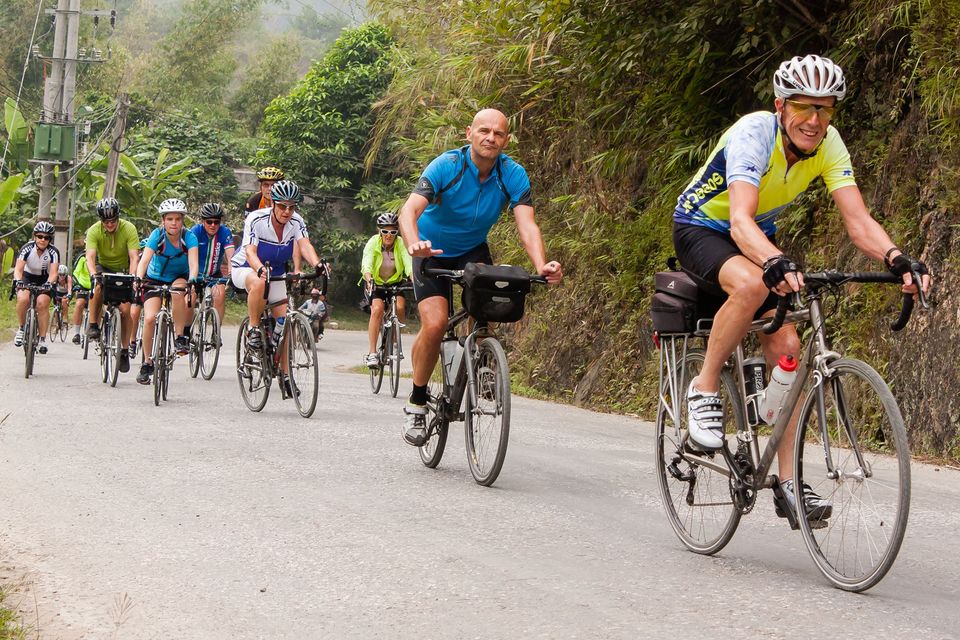
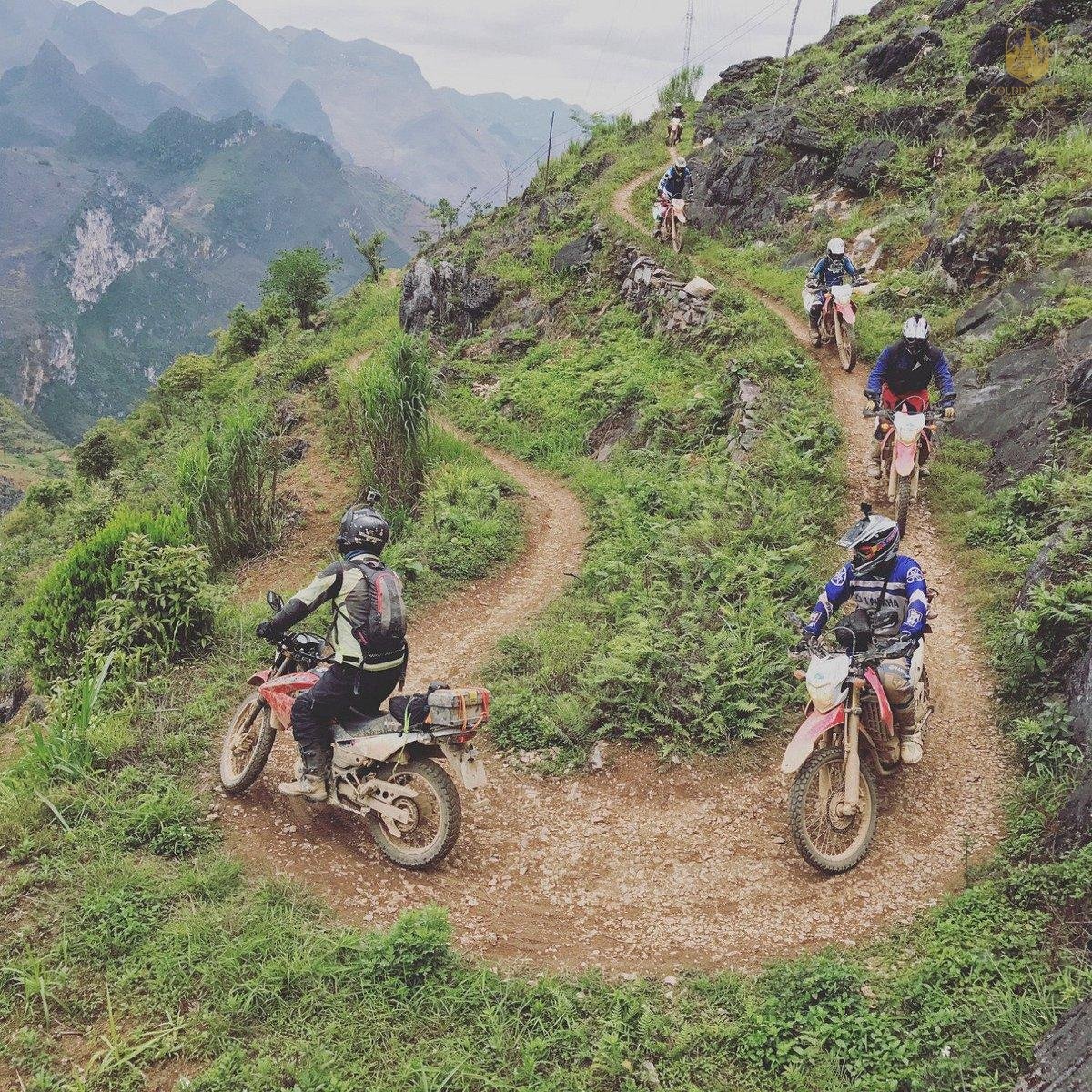
The northernmost tip of Vietnam is a place where the earth’s crust has been pushed into surreal, jagged shapes, creating a landscape of unparalleled drama. For those who seek to truly absorb the majesty of this region, the Ha Giang Loop Dong Van cycling experience is the gold standard of adventure. While many travelers opt for the speed of motorbikes, the discerning cyclist knows that the only way to truly "feel" the Dong Van Karst Plateau—a UNESCO Global Geopark—is through the rhythmic cadence of pedaling.
December 22, 2025
.jpg "Conquest of the Karst: The Ultimate Guide to a Ha Giang Loop Multi-Day Cycling Tour")
Deep in the northernmost reaches of Vietnam, where the clouds embrace jagged limestone peaks and the road twists like a silver ribbon through the sky, lies an adventure that challenges the body and nourishes the soul. While many travelers choose to experience this region on the back of a motorbike, a growing community of "slow travelers" is discovering that a Ha Giang Loop multi-day cycling tour is the most profound way to connect with this UNESCO Global Geopark.
December 22, 2025
.jpg "The Ultimate 5-Day Ha Giang Loop Cycling Adventure: Conquering Vietnam’s Northern Frontier")
There is a place in the far north of Vietnam where the mountains don’t just rise; they pierce the sky like the jagged teeth of a sleeping dragon. For most, the "Loop" is a roar of engines and a blur of speed. But for a select few—the seekers of silence, the masters of the pedal—the only way to truly experience this UNESCO Global Geopark is through the rhythmic, soul-stirring effort of a Ha Giang Loop cycling 5 days expedition.
December 22, 2025
.jpg "Conquer the Northern Frontier: The Ultimate Guide to a Ha Giang Loop Cycling 4-Day Journey")
Deep in the northernmost reaches of Vietnam, where the clouds embrace jagged limestone peaks and the road twists like a silver ribbon through the sky, lies an adventure that challenges the body and nourishes the soul. While many travelers choose to experience this region on the back of a motorbike, a growing community of "slow travelers" is discovering that a Ha Giang Loop cycling 4 days expedition is the most profound way to connect with this UNESCO Global Geopark.
December 22, 2025
.jpg "Conquest of the North: The Ultimate 3-Day Ha Giang Loop Cycling Itinerary")
Deep in the northernmost reaches of Vietnam lies a landscape that feels as though it was carved by the gods themselves. For most, the "Loop" is a week-long journey of discovery. However, for the elite adventurer and the time-pressed athlete, the Ha Giang Loop cycling 3 days challenge is the ultimate test of grit, spirit, and endurance. This is not merely a bike ride; it is a high-octane pilgrimage through the Dong Van Karst Plateau UNESCO Global Geopark—a vertical world where the clouds embrace jagged limestone peaks and ancient cultures thrive in the shadows of the "Final Frontier."
December 22, 2025
.jpg "Conquering the Northern Frontier: The Ultimate Guide to Self-guided Ha Giang Loop Cycling")
Deep in the northernmost reaches of Vietnam, where the clouds embrace jagged limestone peaks and the road twists like a silver ribbon through the sky, lies an adventure that challenges the body and nourishes the soul. While many travelers choose to experience this region on the back of a motorbike, a growing community of "slow travelers" is discovering that self-guided Ha Giang Loop cycling is the most profound way to connect with this UNESCO Global Geopark
December 22, 2025
.jpg "The Silent Majesty: The Ultimate Guide to a Guided Ha Giang Loop Cycling Tour")
Deep in the northernmost reaches of Vietnam, where the clouds embrace jagged limestone peaks and the road twists like a silver ribbon through the sky, lies an adventure that challenges the body and nourishes the soul. While many travelers choose to experience this region on the back of a motorbike, a growing community of "slow travelers" is discovering that a Guided Ha Giang Loop cycling tour is the most profound way to connect with this UNESCO Global Geopark.
December 22, 2025
.jpg "The Final Frontier: The Ultimate Guide to an Adventure Cycling Ha Giang Loop")
There is a place in the far north of Vietnam where the mountains don’t just rise; they pierce the sky like the jagged teeth of a sleeping dragon. For most, the "Loop" is a roar of engines and a blur of speed. But for a select few, the only way to truly experience this UNESCO Global Geopark is through the rhythmic, silent, and soul-stirring effort of an Adventure cycling Ha Giang Loop.
December 22, 2025
.jpg "The Road to the Sky: Mastering Gravel Cycling Ha Giang Loop")
Imagine a landscape where jagged limestone peaks pierce the clouds, emerald-green valleys hide ancient tribal secrets, and the road beneath your tires transitions from broken tarmac to raw mountain stone. This is Northern Vietnam—the final frontier of Southeast Asia. While motorbikes and "easy riders" have traditionally dominated this route, a new breed of adventurer is discovering the ultimate way to experience the terrain: Gravel cycling Ha Giang Loop.
December 22, 2025
.jpg "Conquer the Majestic North: The Ultimate Guide to Mountain Biking Ha Giang Loop")
The northernmost province of Vietnam, Ha Giang, is a land where time seems to have stood still amidst jagged limestone pinnacles and swirling mist. For the modern adventurer, there is no greater challenge or reward than exploring this region on two wheels. While many travelers choose motorbikes, the true connoisseurs of adventure opt for a Mountain biking Ha Giang Loop expedition. This is not just a trip; it is a physical and spiritual pilgrimage into the "Final Frontier" of Southeast Asia.
December 22, 2025
.jpg "Conquest of the Northern Frontier: The Definitive Guide to Road Cycling Ha Giang Loop")
Deep in the northernmost reaches of Vietnam, where the clouds embrace jagged limestone peaks and the road twists like a silver ribbon through the sky, lies an adventure that challenges the body and nourishes the soul. While many travelers choose to experience this region on the back of a motorbike, a growing community of "slow travelers" is discovering that road cycling Ha Giang Loop is the most profound way to connect with this UNESCO Global Geopark.
December 22, 2025
.jpg "The Silent Majestic Path: The Definitive Guide to a Ha Giang Loop Cycling Adventure")
Deep in the northernmost reaches of Vietnam, where the clouds embrace jagged limestone peaks and the road twists like a silver ribbon through the sky, lies an adventure that challenges the body and nourishes the soul. While many travelers choose to experience this region on the back of a motorbike, a growing community of "slow travelers" is discovering that a Ha Giang Loop cycling adventure is the most profound way to connect with this UNESCO Global Geopark.
December 22, 2025
.jpg "The Silent Majestic Path: The Definitive Guide to a Ha Giang Loop Bicycle Trip")
Deep in the northernmost reaches of Vietnam, where the clouds embrace jagged limestone peaks and the road twists like a silver ribbon through the sky, lies an adventure that challenges the body and nourishes the soul. While many travelers choose to experience this region on the back of a motorbike, a growing community of "slow travelers" is discovering that a Ha Giang Loop bicycle trip is the most profound way to connect with this UNESCO Global Geopark.
December 22, 2025
.jpg "The Silent Majestic Path: The Ultimate Guide to a Ha Giang Loop Cycle Tour")
Deep in the northernmost reaches of Vietnam, where the clouds embrace the limestone peaks and the road twists like a silver ribbon through the sky, lies an adventure that challenges the body and nourishes the soul. While many travelers choose to experience this region on the back of a motorbike, the growing community of "slow travelers" is discovering that a Ha Giang Loop cycle tour is perhaps the most profound way to connect with this UNESCO Global Geopark.
December 22, 2025
.jpg "Conquer the Majestic North: The Ultimate Guide to a Ha Giang Loop Biking Tour")
For those who seek the rawest form of adventure, the northernmost reaches of Vietnam offer a landscape that feels like the edge of the world. The Ha Giang Loop is a legendary circuit, but experiencing it via a Ha Giang Loop biking tour transforms a standard road trip into a profound, soul-stirring physical challenge. This isn't just a journey through geography; it’s a journey through time, culture, and personal limits.
December 22, 2025
.jpg "The Road to the Sky: Mastering the Ha Giang Loop by Bike")
For many, the north of Vietnam is a postcard of emerald rice terraces and misty mountains. But for the true adventurer, it is a call to the wild. Exploring the Ha Giang Loop by bike—whether on a high-performance bicycle or a rugged motorcycle—is an experience that transcends traditional tourism. It is a raw, visceral confrontation with nature’s most dramatic landscapes and a deep dive into the resilient cultures of the ethnic minority tribes that call these jagged limestone peaks home.
December 22, 2025
.jpg "The Silent Odyssey: The Ultimate Guide to Ha Giang Loop Cycling")
There is a rhythm to the mountains of Northern Vietnam that only those on two wheels can truly hear. While most travelers experience the "Loop" through the roar of a motorbike engine, the growing community of adventurers choosing Ha Giang Loop cycling is discovering a more intimate, profound, and rewarding connection to this UNESCO Global Geopark.
December 22, 2025
.jpg "Conquer the Limestone Peaks: The Ultimate Guide to Cycling Ha Giang Loop")
There is a place in the far north of Vietnam where the mountains don’t just rise; they pierce the sky like jagged teeth of a sleeping dragon. For most, the "Loop" is a roar of engines and a blur of speed. But for a select few, the only way to truly experience this UNESCO Global Geopark is through the rhythmic, silent, and soul-stirring effort of Cycling Ha Giang Loop.
December 22, 2025
.jpg "The Silent Majestic Path: The Ultimate Guide to a Ha Giang Loop Bicycle Tour")
Forget the roar of the "Easy Rider" motorbikes for a moment. Imagine a journey where the only sound is the rhythmic click of your gear shifter and the breath in your lungs as you conquer the most dramatic mountain passes in Southeast Asia. This is the Ha Giang Loop bicycle tour—the ultimate pilgrimage for those who believe that the best views are earned through sweat, persistence, and a passion for slow travel.
December 22, 2025
.jpg "The Ultimate Adventure: Conquering the Ha Giang Loop Bike Tour")
The northernmost province of Vietnam is a land where time seems to have carved its story directly into the limestone. For those seeking an escape from the ordinary, the Ha Giang Loop bike tour stands as the ultimate test of spirit and a feast for the eyes. This is not just a road trip; it is a profound journey through the "Final Frontier" of Southeast Asia, where jagged peaks pierce the clouds and ancient cultures thrive in the emerald valleys below.
December 22, 2025