Wuhan: The Phoenix City Reborn – A Dynamic Metropolis of Rivers, Innovation, and Enduring Spirit
Imagine a vibrant, sprawling metropolis where two mighty rivers converge, carving a dramatic landscape dotted with historical pagodas, bustling commercial districts, and serene lakes. This is Wuhan (武汉), the capital of Hubei Province, often known as the "City of Rivers" or the "Thoroughfare to Nine Provinces" due to its strategic location at the confluence of the Yangtze and Han Rivers. More than just a logistical hub, Wuhan is a city with a profound historical legacy, a pivotal role in modern Chinese history, and a dynamic spirit of innovation and rebirth that has seen it rise resiliently time and again.
This comprehensive guide will lead you on a captivating journey through the multifaceted world of Wuhan – from its iconic Yellow Crane Tower and the bustling streets of its various districts, to its beautiful East Lake, its rich revolutionary history, and its renowned culinary scene that tantalizes with spicy and flavorful dishes. We'll also show you how Golden Trail Travel can unlock an unforgettable and seamlessly organized adventure, ensuring you discover the true essence and hidden gems of this remarkable "Phoenix City." Prepare to be inspired by its resilience, charmed by its vibrancy, and delighted by its unique blend of tradition and modernity.
Wuhan: A Confluence of History and Rivers – Geography, Identity, and Enduring Spirit
To truly appreciate Wuhan today, it's essential to understand its unique geographical setting and the compelling historical narrative that has shaped its identity as a crucial hub in central China.
The Heart of Central China: Confluence of Rivers:
Wuhan is located in the eastern Jianghan Plain, where the Yangtze River (长江 - Chángjiāng), China's longest river, and its largest tributary, the Han River (汉江 - Hànjiāng), meet. This strategic confluence divides the city into three distinct districts – Wuchang (武昌), Hankou (汉口), and Hanyang (汉阳) – which historically were three separate walled cities. The convergence of these two great rivers has always been central to Wuhan's identity, influencing its economy, culture, and urban development.
-
"Three Towns of Wuhan": The term "Wuhan" itself came into common usage to refer to the amalgamation of these three historic towns, each with its own character. Wuchang is traditionally the educational and administrative center, Hankou the commercial and financial hub, and Hanyang the industrial and technological core.
-
Waterways as Lifelines: The rivers have served as vital arteries for trade, transportation, and communication for millennia, earning Wuhan its moniker as the "Thoroughfare to Nine Provinces" (九省通衢), highlighting its immense logistical importance.
-
Lakes and Greenery: Beyond the rivers, Wuhan is also dotted with numerous lakes, most notably the expansive East Lake, providing significant green spaces and recreational areas within the bustling metropolis.
A Crucible of Chinese History: From Ancient Trading Post to Revolutionary Cradle (Ancient Times - Present):
Wuhan boasts a long and tumultuous history, playing a pivotal role in many of China's most significant historical events.
-
Ancient Origins: Human settlements in the Wuhan area date back over 3,500 years. During the Qin and Han Dynasties, the region was an important trading and military outpost. The Yellow Crane Tower, a symbol of Wuhan, has been rebuilt many times on its current site for over 1,700 years.
-
Strategic Military and Commercial Hub: Throughout imperial dynasties, Wuhan's riverine location made it a key strategic point for controlling central China and a bustling commercial center for the distribution of goods across the country.
-
The Xinhai Revolution (1911): Wuhan holds immense significance in modern Chinese history as the birthplace of the Wuchang Uprising (武昌起义) on October 10, 1911. This revolt, which began in Wuchang, quickly spread across China and led directly to the collapse of the Qing Dynasty and the establishment of the Republic of China, ending over 2,000 years of imperial rule. This event is a cornerstone of Chinese national identity.
-
Treaty Port Status (Late 19th - Early 20th Century): Like many major Chinese cities, Hankou (part of Wuhan) was opened as a treaty port to foreign trade in the late 19th century. This led to the establishment of various foreign concessions (British, French, German, Russian, Japanese), leaving behind a unique architectural legacy and a cosmopolitan flavor that can still be seen today.
-
Economic and Industrial Powerhouse: In the 20th century, Wuhan developed into a major industrial base for China, particularly in steel, automotive, and textile manufacturing. Its strategic location made it a logical choice for heavy industry.
-
The Phoenix City Reborn: Wuhan's spirit of resilience has been repeatedly tested. It endured devastating floods, wartime destruction, and most recently, played a central role in the global health crisis of 2020. Its ability to recover and rebound from adversity has earned it the moniker "Phoenix City" (凤凰城), symbolizing rebirth and renewal. Today, it stands as a rapidly modernizing and innovative city, particularly in high-tech industries and education.
A Blend of Cultures: Innovation and Tradition:
Wuhan is a dynamic melting pot of influences:
-
Educational Hub: With numerous universities, Wuhan is a major center for higher education and scientific research, attracting students and talent from across China and beyond. This injects a youthful and innovative energy into the city.
-
Culinary Capital: It's renowned for its unique and distinctive cuisine, particularly its famous breakfast culture and a preference for spicy, robust flavors.
-
Resilient Spirit: The people of Wuhan are known for their directness, hardiness, and an indomitable spirit, deeply rooted in their city's history of overcoming challenges.
The Dynamic Charms of Wuhan: Riverscapes, Historical Sites, and Modern Vibrancy
Wuhan offers a diverse array of attractions that blend natural beauty, profound historical sites, and a thriving modern urban experience, providing a truly compelling travel journey.
Iconic Landmarks and River Views:
Serene Lakes and Green Spaces:
-
East Lake Scenic Area (东湖风景区 - Dōnghú Fēngjǐngqū): A Vast Urban Oasis:
-
One of the largest urban lakes in China, the East Lake is a sprawling area of natural beauty, larger than West Lake in Hangzhou. It encompasses several smaller lakes, hills, gardens, and walking paths.
-
Diverse Zones: Divided into several scenic zones like Moshan Hill, Luoyan Islet, and Tingtao Scenic Area, each offering unique attractions like cherry blossoms (in spring), plum blossoms, ancient pavilions, and tranquil waters.
-
Recreation: Popular for cycling, boating, hiking, and simply enjoying nature. It's a vital escape from the urban hustle.
-
Moshan Hill (磨山): Located within the East Lake Scenic Area, offering beautiful views of the lake and home to the Wuhan Botanical Garden and some historical sites.
Historical and Cultural Insights:
-
Hubei Provincial Museum (湖北省博物馆 - Húběi Shěng Bówùguǎn): Ancient Treasures:
-
A world-class museum housing an extraordinary collection of artifacts, particularly from the ancient Chu State (part of which was in present-day Hubei) and the Warring States period.
-
Highlights: The most famous exhibit is the Bianzhong (编钟), a set of ancient bronze chime bells unearthed from the tomb of Marquis Yi of Zeng. Witness a performance of these ancient instruments – a truly unique auditory and historical experience. Also impressive are the intricately carved lacquered objects and ancient bronzes.
-
Wuchang Uprising Memorial Hall (武昌起义纪念馆 - Wǔchāng Qǐyì Jìniànguǎn): Birthplace of Modern China:
-
Located in the former headquarters of the Hubei Military Government, this museum commemorates the Wuchang Uprising of 1911, a pivotal event that led to the end of imperial rule in China.
-
Historical Significance: Explore exhibits on the revolutionary figures, the events of the uprising, and its profound impact on Chinese history. A must-visit for those interested in modern Chinese history.
-
Old Hankou Concessions (老汉口租界 - Lǎo Hànkǒu Zūjiè): Echoes of a Bygone Era:
-
Explore the charming streets of Hankou's former foreign concessions (British, French, German, Russian, Japanese).
-
Architectural Diversity: Admire the unique European-style architecture, grand colonial buildings, and tree-lined avenues that offer a stark contrast to modern Chinese urban development. This area provides a fascinating glimpse into Wuhan's treaty port past and its cosmopolitan history.
-
Jianghan Road Pedestrian Street (江汉路步行街): Located in the heart of the former British concession, this bustling pedestrian street blends historical architecture with modern shopping and dining.
Unique Local Experiences:
-
Guiyuan Temple (归元寺 - Guīyuán Sì): A Buddhist Gem:
-
Hubei Opera (湖北汉剧 - Húběi Hànjù): If possible, catch a performance of Hanju Opera, a traditional local opera form with unique musical and dramatic styles.
-
Street Food Exploration: Immerse yourself in Wuhan's legendary breakfast culture and vibrant street food scene, particularly in local markets and designated food streets.
The Distinctive and Flavorful Cuisine of Wuhan: A Gastronomic Adventure
Wuhan's cuisine is a prominent branch of Hubei cuisine, renowned for its emphasis on freshwater ingredients, steaming as a primary cooking method, and a preference for bold, savory, and often spicy flavors. Wuhan's own culinary identity is particularly famous for its diverse breakfast dishes and its unique use of spices.
-
Hot Dry Noodles (热干面 - Rè Gān Miàn): The Icon:
-
The undisputed king of Wuhan cuisine and an absolute must-try. These are chewy, alkaline noodles tossed in a rich, savory, and slightly spicy sauce made primarily from sesame paste, chili oil, soy sauce, and sometimes pickled vegetables and chopped scallions. They are served "dry" (without broth) and are a quintessential Wuhan breakfast item.
-
Doupi (豆皮 - Dòupí): Stuffed Delight:
-
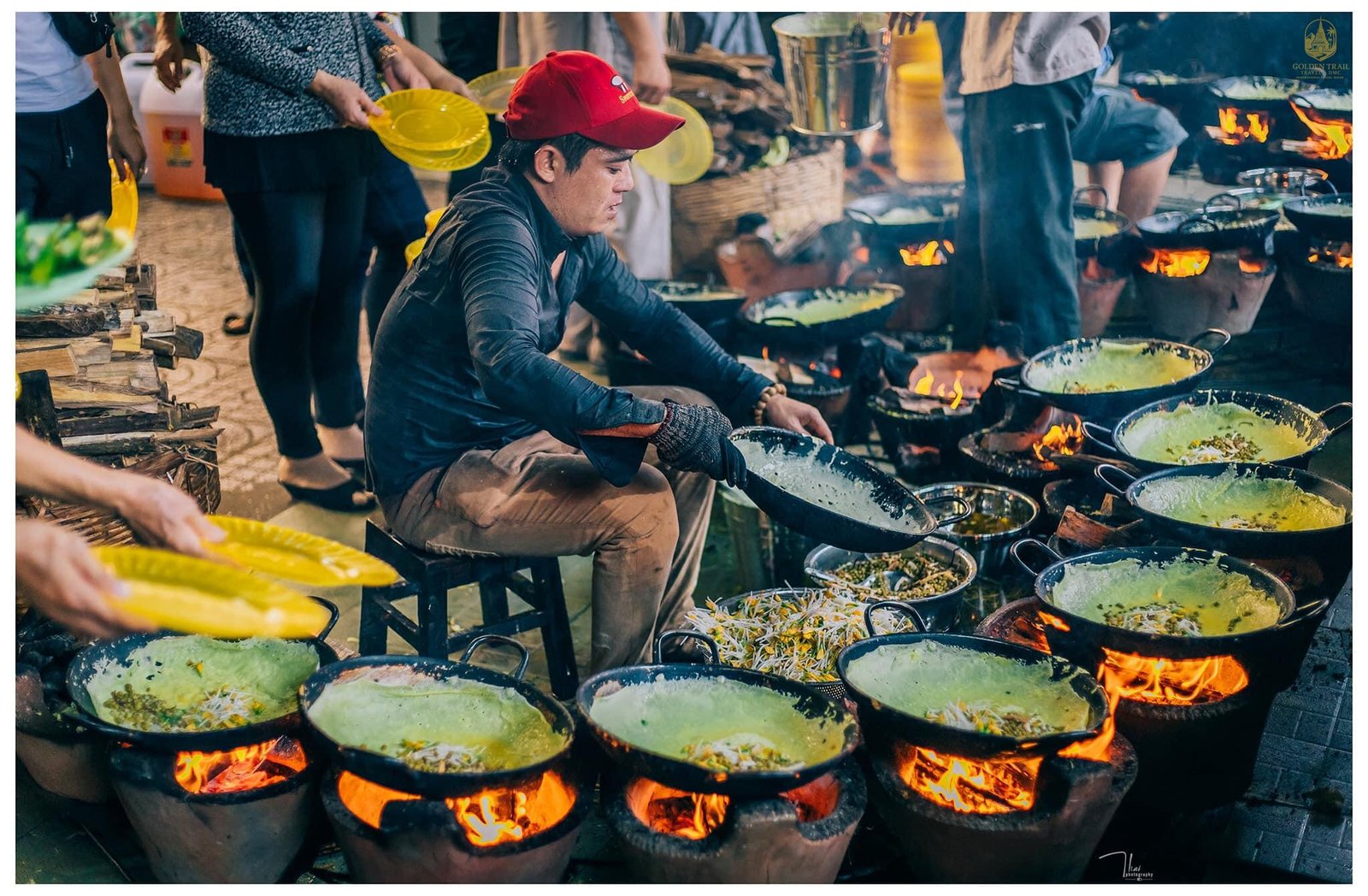
Another famous Wuhan breakfast specialty. It's a savory fried pancake made from a mixture of rice and bean flour, stuffed with sticky rice, diced mushrooms, bamboo shoots, and sometimes meat (often pork or beef). It's crispy on the outside and wonderfully flavorful and chewy on the inside.
-
Duck Neck (鸭脖 - Yābó): Spicy Snack Sensation:
-
Wuhan is nationally famous for its spicy duck neck. These are braised duck necks, often heavily seasoned with chili, Sichuan peppercorns, and other spices, then served cold as a popular snack or appetizer. They are addictive and incredibly flavorful.
-
Wuhan Xiaolongbao (武汉小笼包): Steamed Dumpling Variation:
-
While Shanghai is famous for its soup dumplings, Wuhan has its own version, often with a thicker skin and savory meat fillings, sometimes without the same level of soup inside, but equally delicious.
-
Fish Paste (鱼糊汤粉 - Yúhútāng Fěn): Fish Noodle Soup:
-
A comforting breakfast or light meal, this features noodles in a thick, savory fish paste soup, often served with small fried dough sticks (油条 - yóutiáo) for dipping.
-
Steamed Wuchang Fish (清蒸武昌鱼 - Qīngzhēng Wǔchāngyú): Local Delicacy:
-
A famous dish featuring the freshwater Wuchang fish (a type of bream) from the nearby Liangzi Lake. It's typically steamed with ginger, scallions, and a light soy sauce, highlighting the fish's freshness and delicate flavor.
-
Lotus Root Soup (排骨藕汤 - Páigǔ ǒu tāng): Comforting and Traditional:
-
Sanxian Bean Curd Skin (三鲜豆皮 - Sānxiān dòupí): A variation of Doupi, often featuring three "fresh" ingredients (typically pork, bamboo shoots, and mushrooms) as filling.
-
Culinary Tours: Golden Trail Travel can arrange dedicated food tours, taking you to bustling local markets, famous street food stalls, and authentic local restaurants, ensuring a truly immersive gastronomic journey through Wuhan's unique flavors. Don't miss the chance to experience a traditional Wuhan breakfast!
Unlocking Your Wuhan Adventure with Golden Trail Travel
While Wuhan is a major metropolis with excellent infrastructure, truly appreciating its historical depth, navigating its sprawling districts, and delving into its unique culinary scene can be greatly enhanced with expert guidance. This is where Golden Trail Travel becomes your invaluable partner, transforming your trip into a seamlessly planned, deeply insightful, and profoundly enriching adventure.
Specialized History, Culture & Riverside City Tours:
Golden Trail Travel excels in designing bespoke tours that fully capture the multifaceted essence of Wuhan, catering to your specific interests, whether they are historical exploration, cultural immersion, culinary delights, or urban adventures.
-
Tailored Itineraries: From prioritizing visits to the iconic Yellow Crane Tower and the historical Wuchang Uprising sites to exploring the serene East Lake, the architectural marvels of the Hankou concessions, and the bustling local markets, Golden Trail Travel can customize a tour that perfectly aligns with your passions and pace.
-
Beyond the Surface: They connect you with the profound historical significance of Wuhan's role in the Xinhai Revolution, its treaty port past, and its resilient "Phoenix City" spirit, ensuring a more meaningful and insightful experience.
-
Culinary Exploration: They can integrate authentic food experiences, from dedicated street food tours focusing on Hot Dry Noodles and Doupi to arranged dinners featuring local Hubei specialties.
Visit Golden Trail Travel's website at to explore their diverse range of tours and begin crafting your own Wuhan adventure.
Knowledgeable Local Guides:
A key component of a Golden Trail Travel experience in Wuhan is access to their network of expert local guides. These guides are fluent in English and possess a profound understanding of Wuhan's complex history, its unique geographical layout, its vibrant local culture, and the nuances of its distinctive cuisine.
-
Historical Interpretation: Your guide will bring Wuhan's rich past to life, explaining the significance of the Xinhai Revolution, the stories behind the Yellow Crane Tower, and the legacy of the foreign concessions.
-
Navigating the City: They are indispensable for navigating Wuhan's sprawling urban landscape and its various districts, ensuring efficient and comfortable travel between attractions.
-
Cultural Immersion: They can bridge language barriers, help you understand local customs, and facilitate authentic interactions, from ordering the best street food to engaging with local residents.
Seamless Logistics and Comfort:
Traveling to a large, dynamic city like Wuhan can have its logistical challenges. Golden Trail Travel ensures your comfort and peace of mind throughout your journey:
-
Transportation: Arranging all ground transportation within Wuhan (including private transfers between districts, and to/from airports or high-speed rail stations - Wuhan Tianhe International Airport (WUH), Wuhan Railway Station, or Hankou Railway Station). They ensure smooth and comfortable journeys across the city.
-
Accommodation: Selecting reputable hotels that meet your comfort and budget requirements, ideally located for easy access to key attractions or providing excellent views of the city or rivers.
-
Trouble-free Travel: Handling any potential language barriers or logistical hurdles, such as purchasing tickets for museums or performances, understanding local etiquette, or making reservations, allowing you to relax and fully immerse yourself in the experience.
Combination Tours: Exploring Hubei and Central China:
Wuhan is an ideal centerpiece for exploring the wider Hubei Province and other culturally significant regions of Central China. Golden Trail Travel can seamlessly combine your visit to Wuhan with trips to:
-
Three Gorges Dam: The world's largest hydroelectric dam, offering a colossal engineering marvel (requires cruising the Yangtze).
-
Mount Wudang (武当山): A UNESCO World Heritage site, famous as the birthplace of Tai Chi and a major center for Taoism.
-
Jingzhou: An ancient city with a rich history, known for its well-preserved city walls.
-
Changsha (Hunan Province): Another major central Chinese city with its own revolutionary history and spicy cuisine.
-
Shanghai or Beijing: Connecting Wuhan with China's major metropolises for a broader cultural experience, leveraging its excellent high-speed rail links.
Golden Trail Travel's expertise extends across the entire region, allowing for efficient, insightful, and complementary multi-city itineraries that truly showcase the best of Central China's diverse landscapes, history, and culture.
Commitment to Responsible Tourism:
Golden Trail Travel is dedicated to promoting responsible and sustainable tourism practices. They strive to ensure that your visit to Wuhan benefits local communities, respects its historical heritage and natural environment, and minimizes environmental impact, leaving a positive footprint on this remarkable "Phoenix City." They encourage appreciation for local culture and responsible engagement with historical sites.
The Enduring Allure of Wuhan: Why This Dynamic City Beckons
Wuhan offers a compelling and multifaceted travel experience, revealing a city of remarkable resilience, profound historical significance, and a vibrant contemporary pulse. It's a place where the powerful convergence of rivers has shaped a destiny, and where centuries of human endeavor have created a truly unique urban environment.
A City Defined by Rivers:
Its dramatic setting at the confluence of the Yangtze and Han Rivers provides stunning urban landscapes, iconic bridges, and opportunities for scenic cruises.
A Crucible of Modern Chinese History:
Wuhan holds immense historical significance as the birthplace of the Xinhai Revolution, a pivotal event that reshaped China. Exploring its historical sites offers a deep understanding of modern Chinese identity.
Rich Cultural and Historical Heritage:
From the ancient legends of the Yellow Crane Tower and the extraordinary artifacts of the Hubei Provincial Museum to the charming colonial architecture of the Hankou concessions, Wuhan offers a layered historical journey.
A Thriving Educational and Innovation Hub:
Its numerous universities and dynamic industries give the city a youthful, forward-looking energy, balancing tradition with modernity.
Distinctive Culinary Delights:
Wuhan's unique cuisine, particularly its famous breakfast culture (Hot Dry Noodles!) and its love for spicy duck neck, offers a flavorful and memorable gastronomic adventure.
Resilience and Rebirth:
The city's ability to overcome adversity and continually rebuild itself as the "Phoenix City" is an inspiring testament to the spirit of its people.
Gateway to Central China:
Its strategic location and excellent transportation links make it an ideal starting point for exploring other historical and natural wonders in Hubei Province and beyond.
Frequently Asked Questions (FAQ) about Wuhan and Golden Trail Travel
Q1: Where is Wuhan located in China? A1: Wuhan (武汉) is the capital city of Hubei Province, China, located in the central part of the country at the confluence of the Yangtze and Han Rivers.
Q2: What is Wuhan most famous for? A2: Wuhan is most famous for its strategic location at the confluence of the Yangtze and Han Rivers, its iconic Yellow Crane Tower (黄鹤楼), its historical significance as the birthplace of the 1911 Xinhai Revolution, its vibrant street food culture (especially Hot Dry Noodles), and its spirit of resilience as the "Phoenix City."
Q3: What are the main attractions in Wuhan? A3: Must-visit attractions include the Yellow Crane Tower, the Hubei Provincial Museum (with the Bianzhong bells), the Wuchang Uprising Memorial Hall, the East Lake Scenic Area, and the architectural heritage of the Old Hankou Concessions. Don't forget to experience the Wuhan Yangtze River Bridge.
Q4: How do I travel to Wuhan? A4: Wuhan is a major transportation hub. You can fly into Wuhan Tianhe International Airport (WUH), or take a high-speed train to Wuhan Railway Station (武汉站) or Hankou Railway Station (汉口站), with excellent connections from Beijing, Shanghai, Guangzhou, and other major cities. Golden Trail Travel can arrange all your transportation and transfers.
Q5: What kind of food should I try in Wuhan? A5: You absolutely must try Hot Dry Noodles (热干面) for breakfast, Doupi (豆皮), and the famous Spicy Duck Neck (鸭脖). Other local specialties include Steamed Wuchang Fish and Lotus Root Soup.
Q6: What is the significance of the 1911 Revolution in Wuhan? A6: The Wuchang Uprising that began in Wuhan on October 10, 1911, was the catalyst for the Xinhai Revolution, which led to the overthrow of the Qing Dynasty and the establishment of the Republic of China, ending thousands of years of imperial rule. It is a cornerstone of modern Chinese history.
Q7: How can Golden Trail Travel enhance my Wuhan trip? A7: Golden Trail Travel specializes in tailored history, culture, and riverside city tours of Wuhan. They provide expert local guides who offer deep historical and cultural insights, handle all logistics (transport, accommodation, attraction tickets), and ensure a seamless, authentic, and truly enriching urban adventure. They can also arrange specialized food tours.
Q8: Can Golden Trail Travel combine Wuhan with other destinations in Central China? A8: Yes! Golden Trail Travel can seamlessly integrate your visit to Wuhan with other major attractions in Hubei Province and beyond, such as the Three Gorges Dam, Mount Wudang, or cities like Changsha. They can also connect it with major Chinese cities like Beijing or Shanghai for a broader cultural tour.
Customer Reviews: My Dynamic Journey Through Wuhan with Golden Trail Travel
"Our trip to Wuhan with Golden Trail Travel was truly captivating! The Yellow Crane Tower was majestic, and the views from the top were incredible. Our guide brought the history of the 1911 Revolution to life, making our visit to the Memorial Hall incredibly impactful. Golden Trail Travel handled every detail perfectly, allowing us to fully immerse ourselves in this fascinating city." — Eleanor R., USA
"Wuhan's food scene is legendary, and Golden Trail Travel ensured we experienced the best of it! Hot Dry Noodles for breakfast became a daily ritual, and the spicy duck neck was surprisingly addictive. Beyond the food, exploring the old Hankou concessions was like stepping back in time. Our guide was exceptional, making every experience authentic and enjoyable. Highly recommend for food and history lovers!" — Marcus L., UK
"As an art historian, the Hubei Provincial Museum, especially the Bianzhong bells, was a highlight of my entire China trip. Golden Trail Travel arranged a private tour with a knowledgeable guide who provided such incredible insights. The East Lake was also a beautiful, serene escape. Every aspect of the trip was seamlessly handled, professional, and utterly fascinating." — Sophia M., Germany
"I was deeply moved by Wuhan's story of resilience, and seeing how the city has rebuilt and thrived was truly inspiring. Golden Trail Travel's tour covered all the key historical sites with depth and sensitivity. Their knowledge of both the ancient past and recent events was outstanding. I gained a profound appreciation for Wuhan's spirit thanks to their expert guidance." — Professor Charles D., Australia
"Golden Trail Travel created a wonderful itinerary that seamlessly connected our Yangtze River cruise with an in-depth exploration of Wuhan. The city is so vibrant and dynamic. We loved walking across the Yangtze River Bridge and exploring the bustling local markets. The entire trip was incredibly well-organized, safe, and authentic. I'll definitely use Golden Trail Travel again for my next Chinese adventure!" — Li Wei, Singapore
Conclusion: Wuhan Awaits – Your Journey to a City of Rivers and Resilience
Wuhan stands as a powerful testament to China's remarkable capacity for growth, innovation, and unwavering spirit. It is a city defined by the majestic convergence of its rivers, deeply rooted in pivotal historical moments, and pulsating with a dynamic energy that looks firmly towards the future. From the ancient legends echoing from the Yellow Crane Tower and the solemn echoes of revolutionary history to the serene beauty of its expansive lakes and the tantalizing flavors of its unique cuisine, Wuhan offers a travel experience that is profoundly authentic, intellectually stimulating, and deeply engaging. It is a destination that beckons to the history buff, the urban explorer, and the culinary adventurer alike, promising a journey that is as vibrant and resilient as the Phoenix City itself.
To truly unlock the multifaceted wonders and resilient spirit of this extraordinary metropolis, an experienced and dedicated partner is indispensable. Golden Trail Travel is your trusted guide to Wuhan, offering meticulously planned tours, expert local insights, and a steadfast commitment to authentic encounters. Let them lead you through the bustling streets, historical landmarks, and culinary delights of Wuhan, where rivers converge, history unfolds, and your next unforgettable adventure awaits