Urumqi: The Emerald Jewel of the Silk Road's Heart – A Vibrant Crossroads Where East Meets West
Imagine a sprawling, modern metropolis set against a dramatic backdrop of snow-capped mountains and vast, ancient deserts. Picture bustling bazaars filled with the aroma of exotic spices, the melody of traditional music, and the vibrant colors of diverse cultures. This is Urumqi (Urumqi), the capital of the Xinjiang Uyghur Autonomous Region in Northwest China. Located at the geographical heart of Eurasia, farther from any ocean than any other major city in the world, Urumqi is a fascinating testament to human resilience and a living embodiment of the ancient Silk Road's enduring legacy. It’s a city where modernity effortlessly blends with millennia-old traditions, where the influences of China, Central Asia, and the Middle East converge, creating a unique cultural mosaic. For adventurers seeking the allure of historical trade routes, culture enthusiasts eager to explore diverse ethnic traditions, and nature lovers drawn to the dramatic landscapes of the Tianshan Mountains, Urumqi stands as a vibrant and indispensable gateway to the wonders of Xinjiang and beyond.
Urumqi's Strategic Tapestry: A Crossroads of Continents and Cultures
Urumqi's identity is inextricably linked to its extraordinary geographical position and its historical role as a pivotal point on the legendary Silk Road.
At the Geographical Heart of Eurasia
Urumqi holds the distinction of being the city furthest from any ocean in the world. This unique inland location has historically made it a natural crossroads for overland trade and cultural exchange between East and West.
-
Central Asian Nexus: It serves as a vital link between China proper and the vast expanse of Central Asia, including Kazakhstan, Kyrgyzstan, Uzbekistan, and beyond.
-
Continental Climate: Its extreme inland position contributes to a harsh continental climate with hot summers and very cold winters, showcasing the resilience of its inhabitants and the adaptability of its diverse ecosystems.
The Enduring Legacy of the Silk Road
For over two millennia, the Silk Road was not merely a trade route but a vibrant artery for the exchange of goods, ideas, religions, and technologies. Urumqi, or its historical predecessors in the vicinity, played a critical role in this network.
-
Merchants and Caravans: Caravans laden with silk, spices, ceramics, jade, and countless other treasures passed through this region, contributing to a rich tapestry of cultural interaction.
-
Cultural Fusion: Over centuries, this continuous flow of people and goods led to the unique cultural fusion that defines Urumqi today, where Uyghur, Han, Kazakh, Hui, Kyrgyz, Mongol, and other ethnic groups live and thrive.
-
Buddhist and Islamic Influences: The Silk Road brought not only goods but also religions. While Buddhism flourished in earlier centuries, Islam later became the predominant faith for many ethnic groups, leaving an indelible mark on the region's architecture, customs, and daily life.
A Modern Economic Engine and Transportation Hub
Today, Urumqi is far from being just a historical relic. It has transformed into a thriving modern city and the undisputed economic and transportation hub of Xinjiang.
-
Regional Capital: As the capital of Xinjiang Uyghur Autonomous Region, it is the center of governance, commerce, and culture for a vast and strategically important region.
-
Connectivity: Urumqi boasts a modern international airport (Urumqi Diwopu International Airport, URC) with extensive domestic and some international connections. Its railway station is a major nexus for train travel across China and into Central Asia, including the new "Iron Silk Road" freight lines.
-
Urban Development: The city features modern skyscrapers, shopping malls, and a rapidly developing infrastructure, reflecting its growing importance in China's "Belt and Road Initiative."
Urumqi's strategic position, historical depth, and modern dynamism make it an utterly captivating city, offering travelers a multifaceted experience that bridges ancient legacies with contemporary urban life.
The Vibrant Soul of Urumqi: A Mosaic of Modernity and Tradition
Exploring Urumqi is a journey through a fascinating blend of old and new, where the echoes of the Silk Road resonate amidst the bustle of a modern metropolis.
1. The Xinjiang International Grand Bazaar (Erdaoqiao): A Sensory Extravaganza
No visit to Urumqi is complete without immersing yourself in the sights, sounds, and aromas of the Xinjiang International Grand Bazaar, often referred to by its older name, Erdaoqiao Bazaar. This is the spiritual and cultural heart of Urumqi's Uyghur community.
-
Architectural Grandeur: The modern bazaar complex is an impressive display of Islamic architecture, featuring domes, arches, and intricate tilework.
-
Cultural Immersion: This is where you'll truly experience the vibrant Uyghur culture. Shopkeepers in traditional attire, the lively chatter of various languages, and the melodies of traditional music create an unforgettable atmosphere.
-
Shopping Paradise: The bazaar is a treasure trove of local goods:
-
Handicrafts: Exquisite Uyghur carpets (patterned with geometric and floral designs), embroidered skullcaps (doppa), traditional knives, and wooden carvings.
-
Spices and Herbs: Aromatic cumin, saffron, and a myriad of medicinal herbs.
-
Dried Fruits and Nuts: Xinjiang is famous for its sweet raisins, apricots, walnuts, and almonds, all available in abundance.
-
Silk and Textiles: Beautiful silks and traditional fabrics reflecting Silk Road aesthetics.
-
Jewelry: Unique silver and turquoise pieces.
-
Culinary Delights: The bazaar is a prime spot for sampling authentic Uyghur cuisine, from street-side snacks to traditional restaurants. The aroma of freshly baked naan, sizzling kebabs, and spicy Dapanji fills the air.
-
Performances: Some sections of the bazaar feature live performances of Uyghur music and dance, adding to the festive atmosphere.
2. Xinjiang Regional Museum: A Journey Through Time and Ethnicity
The Xinjiang Regional Museum is a must-visit for anyone interested in the rich history, archaeology, and diverse ethnography of the region.
-
Ancient Mummies: The museum's most famous exhibit is the collection of well-preserved mummies (some dating back 3,800 years) from the Tarim Basin, including the "Beauty of Loulan," offering an astonishing glimpse into ancient peoples of the Silk Road.
-
Silk Road Artifacts: Extensive displays showcase artifacts from various periods of the Silk Road, including textiles, pottery, and tools, illustrating the vibrant trade and cultural exchanges.
-
Ethnic Diversity Hall: A dedicated hall highlights the unique cultures, costumes, and traditions of Xinjiang's diverse ethnic groups, providing crucial context for understanding the region's human tapestry.
3. Red Hill Park (Hongshan Park): Iconic Views and Local Life
Red Hill Park is Urumqi's most iconic urban park, offering panoramic views of the city and a glimpse into local leisure activities.
-
Red Hill Pagoda: The park's namesake, Red Hill (Hongshan), is topped with a distinct red pagoda, a prominent landmark visible from many parts of the city.
-
City Views: From the summit, you can enjoy stunning views of Urumqi's sprawling urban landscape, juxtaposed against the distant Tianshan Mountains.
-
Local Recreation: The park is a popular spot for locals engaging in morning exercises, dancing, playing chess, or simply enjoying the tranquil environment. It's a great place for people-watching and experiencing daily life.
4. People's Park: A Green Oasis
People's Park (Renmin Park) is another large green space in the city center, offering a refreshing escape from the urban hustle.
-
Lakes and Gardens: The park features artificial lakes, charming bridges, and beautifully landscaped gardens, providing a peaceful environment for relaxation.
-
Community Hub: Similar to Red Hill Park, it's a hub for local community activities, including traditional folk dancing, tai chi, and opera performances.
5. Grand Mosque (Yanghang Mosque or Tartar Mosque): Architectural Beauty
While Urumqi is a modern city, its spiritual side is evident in its numerous mosques. The Grand Mosque (also known as Yanghang Mosque or Tartar Mosque) is one of the city's most prominent Islamic structures.
-
Architectural Blend: It showcases a unique blend of Central Asian and Chinese Islamic architectural styles, reflecting the diverse Muslim communities.
-
Spiritual Center: It serves as a central place of worship and community gathering for Urumqi's Muslim residents.
Exploring these key sites provides a comprehensive introduction to Urumqi's unique character – a city that proudly balances its rich historical and cultural heritage with its aspirations as a modern, dynamic hub.
A Culinary Journey through Urumqi: Flavors of Central Asia and Beyond
Urumqi's vibrant cultural mosaic is perhaps best tasted through its incredibly diverse and delicious cuisine, heavily influenced by the Uyghur and other Turkic traditions of Central Asia.
1. Laghman (Hand-Pulled Noodles): A Xinjiang Staple
Laghman is perhaps the most iconic dish of Xinjiang cuisine. These thick, chewy, hand-pulled noodles are served with a savory stir-fry of tender lamb or beef, bell peppers, tomatoes, onions, and garlic. Each restaurant has its own unique twist on the sauce, making it a perpetually delightful discovery. It's hearty, flavorful, and incredibly satisfying.
2. Dapanji (Big Plate Chicken): The Ultimate Comfort Food
Dapanji, literally "Big Plate Chicken," is a must-try. This enormous platter features chopped chicken pieces (often on the bone) cooked in a rich, spicy, and savory sauce with potatoes, bell peppers, and chili peppers. It's usually served with wide, flat hand-pulled noodles at the bottom to soak up all the delicious sauce. It’s a communal dish, perfect for sharing.
3. Rou Chuan (Lamb Kebabs): Street Food Sensation
The aroma of sizzling Rou Chuan (lamb kebabs) is ubiquitous in Urumqi. Skewers of succulent lamb chunks are grilled over charcoal, generously seasoned with cumin, chili powder, and salt. They are juicy, tender, and incredibly addictive, embodying the spirit of Central Asian street food.
4. Polu (Pilaf): Aromatic Rice Perfection
Polu is Xinjiang's version of pilaf. It consists of rice stir-fried with carrots, onions, and chunks of lamb or sometimes beef, often cooked in lamb fat to infuse a rich flavor. Raisins or chickpeas can sometimes be added for sweetness or texture. It's a comforting and flavorful staple.
5. Samsa (Baked Dumplings): Crispy, Savory Pockets
Samsa are savory baked dumplings, typically filled with finely diced lamb (or beef) and onions, seasoned with cumin. They have a wonderfully flaky, crispy crust from being baked in a tandoor-like oven (nan pit) and a juicy, flavorful interior.
6. Nan (Flatbread): The Versatile Companion
Nan is the staple flatbread of Xinjiang, baked in a traditional clay oven. It comes in various shapes and sizes, from thick and fluffy to thin and crispy. It's perfect for scooping up sauces, accompanying kebabs, or simply enjoying on its own.
7. Glorious Fruits: Nature's Candy
Xinjiang is often called "the land of fruits," thanks to its abundant sunshine and unique climate.
-
Grapes: Turpan, nearby, is famous for its sweet grapes, available fresh and as delicious raisins.
-
Melons: Hami melon is renowned for its sweetness and juiciness.
-
Apricots, Peaches, Pomegranates: Seasonal fresh fruits are a delight, and dried versions are available year-round.
8. Dairy Products and Beverages
-
Ayran/Koumiss: Fermented dairy drinks, common among nomadic groups like Kazakhs and Kyrgyz.
-
Tea: Black tea and brick tea are popular, often served with milk and salt (Tibetan style) or sugar.
-
Fruit Juices: Freshly squeezed fruit juices, especially grape juice, are refreshing.
A culinary tour of Urumqi is an adventure in itself, offering bold, aromatic, and uniquely satisfying flavors that reflect the region's rich cultural heritage.
Urumqi as Your Gateway: Exploring Xinjiang's Diverse Wonders
Urumqi is not only a captivating city but also the perfect starting point for venturing into the extraordinary natural landscapes and historical sites of Xinjiang, a region of immense geographical diversity.
1. Heavenly Lake (Tianchi): An Alpine Gem in the Tianshan Mountains
Located approximately 110 kilometers (70 miles) east of Urumqi, Heavenly Lake (Tianchi) is the most popular day trip from the city and a truly stunning natural wonder.
-
Glacial Lake: This crescent-shaped alpine lake is nestled high in the Bogda Peak section of the Tianshan Mountains, a UNESCO World Heritage site. Its emerald-green waters are fed by melting snow and glaciers.
-
Dramatic Scenery: The lake is surrounded by lush forests of spruce and fir trees, verdant meadows, and snow-capped peaks that rise majestically from its shores. The scenery is reminiscent of a pristine Swiss alpine landscape.
-
Activities: Visitors can enjoy boat rides on the lake, leisurely walks along its shores, cable car rides for panoramic views, or even short treks into the surrounding mountains. Kazakh yurts dot the meadows, offering a glimpse into nomadic life and a chance to enjoy traditional food and hospitality.
2. The Vast Deserts: A Realm of Sand and Ancient Mysteries
While Urumqi itself is not in the heart of a desert, it's the gateway to some of Asia's most iconic arid landscapes.
-
Gurbantünggüt Desert: To the north of Urumqi lies the Gurbantünggüt Desert, China's second-largest desert, characterized by its shifting sand dunes.
-
Taklamakan Desert: Further south, beyond the Tianshan Mountains, lies the formidable Taklamakan Desert, famous for its archaeological sites and the challenges it posed to ancient Silk Road travelers. Exploring these deserts (usually requiring multi-day tours from other base cities like Turpan or Kashgar) offers a stark contrast to Urumqi's urban and alpine environments.
3. Turpan: The "Fire City" and Oasis Wonders
Located about 180 kilometers (110 miles) southeast of Urumqi, Turpan is an essential Silk Road oasis city, often visited as a multi-day trip.
-
Extreme Heat: Known as the "Fire City" for its scorching summer temperatures, Turpan is famous for its unique underground irrigation system (Karez Wells).
-
Ancient Sites: It boasts fascinating historical sites like the Gaochang Ancient City ruins, Jiaohe Ancient City ruins, the Bezeklik Thousand Buddha Caves, and the Emin Minaret (Sugong Pagoda).
-
Grape Valley: Turpan is renowned for its sweet grapes and beautiful grape trellises.
4. Kashgar: The Living Heart of the Silk Road
For the ultimate Silk Road experience, many travelers continue from Urumqi to Kashgar in southwestern Xinjiang.
-
Central Asian Charm: Kashgar is a vibrant, predominantly Uyghur city that feels distinctly Central Asian, with its ancient Id Kah Mosque, lively Sunday Bazaar, and the maze-like Old City.
-
Cultural Hub: It's considered the cultural heartland of the Uyghur people and offers a profound immersion into their traditions.
5. Tianshan Mountains: A Backbone of Beauty
The Tianshan Mountains ("Celestial Mountains") are the majestic backbone of Xinjiang, stretching thousands of kilometers across Central Asia.
-
Diverse Ecosystems: They host a remarkable array of landscapes, from glaciers and alpine lakes to vast forests and high mountain pastures.
-
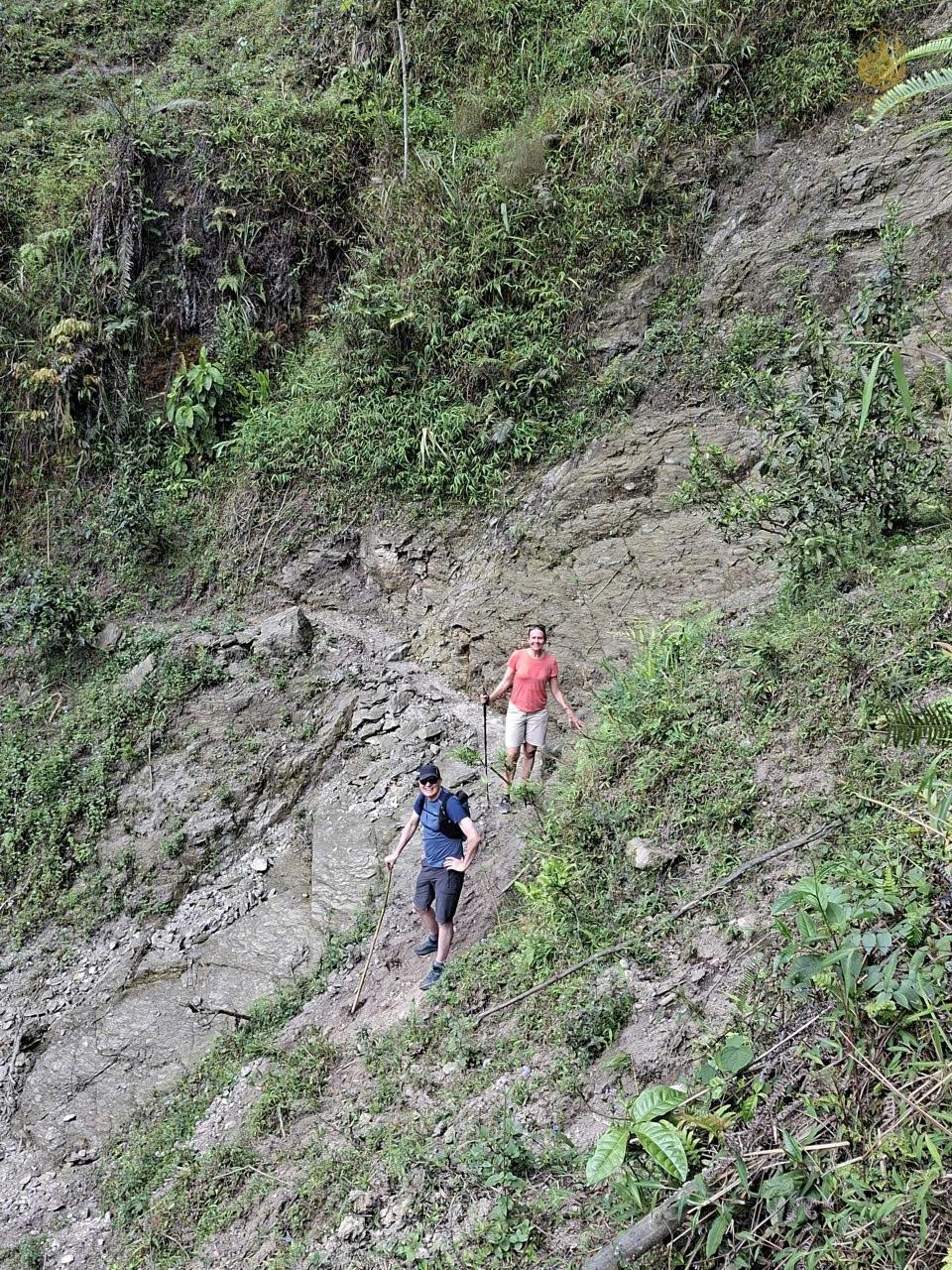
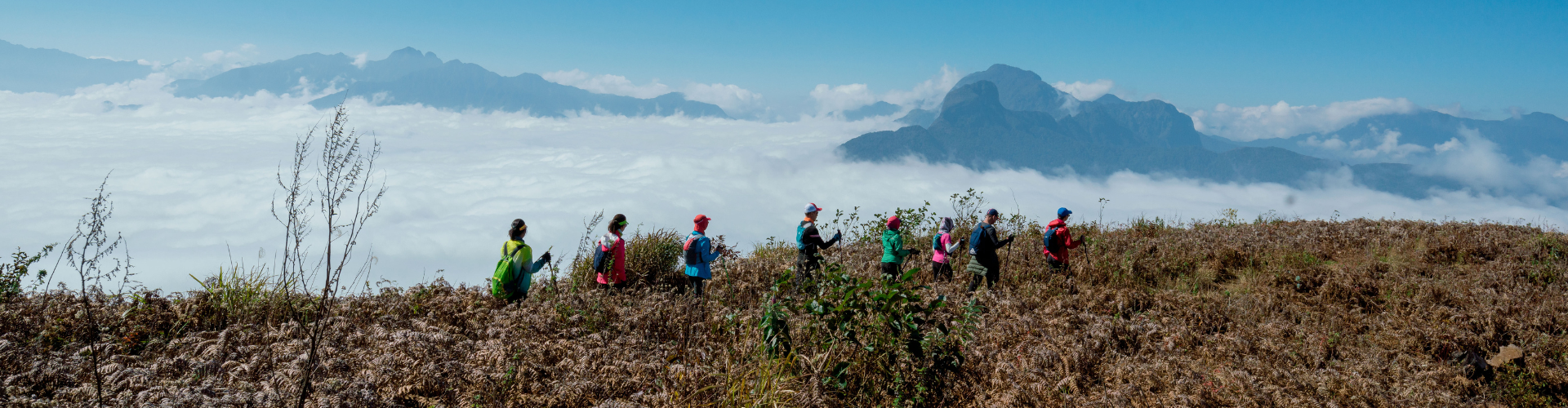
Trekking and Exploration: The Tianshan offers immense potential for trekking, mountaineering, and exploring remote valleys, providing a vital source of water for the oases.
Urumqi's position as a gateway to these diverse wonders makes it an invaluable starting point for any comprehensive exploration of Xinjiang's unique blend of natural beauty, ancient history, and vibrant ethnic cultures.
Beyond the Horizon: The Diverse Ethnicities of Xinjiang
Xinjiang is China's most ethnically diverse region, and Urumqi is a microcosm of this vibrant tapestry. The city is a fascinating place to observe the interactions and distinct traditions of its many communities.
The Uyghur People: The Heart of Xinjiang
The Uyghur (Uyghur) people are the largest ethnic group in Xinjiang and form the cultural soul of the region.
-
Turkic Heritage: They are a Turkic ethnic group with a rich history, language (Uyghur, a Turkic language), and distinct culture.
-
Islamic Faith: The majority of Uyghurs are Sunni Muslims, and their faith is deeply integrated into their daily life, evident in mosques, culinary traditions, and customs.
-
Vibrant Culture: Uyghur culture is expressed through mesmerizing music, intricate dances, colorful costumes, unique architectural styles, and rich oral traditions. Their cuisine, as mentioned, is a highlight.
Other Significant Ethnic Groups: A True Melting Pot
Urumqi and Xinjiang are home to numerous other ethnic groups, each contributing to the region's rich diversity:
-
Han Chinese: The largest ethnic group in China, with a significant presence in Urumqi due to migration and economic development.
-
Kazakhs: A Turkic ethnic group, many of whom are traditionally nomadic herders, known for their equestrian skills, yurts, and distinctive music. You can experience Kazakh culture near Heavenly Lake.
-
Hui: A Chinese-speaking Muslim ethnic group, known for their distinct culinary traditions and mosques.
-
Kyrgyz: Another Turkic ethnic group, also traditionally nomadic, primarily found in the western parts of Xinjiang.
-
Mongols: Descendants of the Mongol Empire, with communities maintaining their distinct language and traditions.
-
Tajiks: An Iranian ethnic group primarily found in the Pamir Mountains region of southwestern Xinjiang.
This incredible ethnic diversity makes Urumqi a truly unique place to visit, offering insights into different cultures living side-by-side, each preserving its own identity while contributing to the overall vibrancy of the city. Observing this cultural mosaic, whether in a bustling bazaar, a local restaurant, or a quiet park, is a deeply enriching experience.
Planning Your Urumqi & Xinjiang Adventure with Golden Trail Travel
Venturing into Xinjiang, a region as vast as it is culturally and geographically diverse, requires meticulous planning and expert logistical support. While Golden Trail Travel is renowned for its expertise in Himalayan adventures like Tibet and Nepal, their commitment to providing exceptional, safe, and culturally immersive experiences extends to crafting unique journeys across Asia. For a destination as distinct as Urumqi and Xinjiang, relying on a trusted operator like Golden Trail Travel ensures a seamless and enriching journey.
Why Choose Golden Trail Travel for Your Urumqi & Xinjiang Expedition?
-
Expertise in Complex Asian Itineraries: Golden Trail Travel's strength lies in its ability to manage the intricate logistics of travel within China and complex regions like Xinjiang. They are experienced in coordinating flights, internal transportation, accommodations, and permits, even for multi-region adventures that might include Xinjiang.
-
Tailored Cultural & Natural Immersion: Golden Trail Travel specializes in crafting itineraries that go beyond standard tourist routes. For Urumqi and Xinjiang, they focus on providing deep cultural insights into the Uyghur, Kazakh, and other ethnic traditions, alongside exploring the region's stunning natural landscapes (Tianshan Mountains, Heavenly Lake). They understand the nuances of the region and can design a tour that aligns perfectly with your interests, whether it's historical Silk Road exploration, culinary adventures, or trekking in the mountains.
-
Seamless Logistics & Comfort: From arranging your flights into Urumqi to providing comfortable and reliable private vehicles for touring the city and its surrounding areas, and meticulously selecting the best available hotel accommodations, Golden Trail Travel manages every detail. They ensure smooth transitions and comfortable stays, allowing you to focus entirely on the immersive experience without logistical concerns.
-
Knowledgeable Local Guides: Your journey will be led by licensed, English-speaking local guides who possess profound insights into the history, diverse cultures, and daily life of Urumqi and Xinjiang. Their local knowledge enriches your experience, providing context for historical sites, explaining cultural nuances, and facilitating respectful interactions with local communities. They are essential for navigating the region effectively.
-
Prioritizing Safety & Support: Traveling in Xinjiang, like any vast and diverse region, requires adherence to local regulations. Golden Trail Travel prioritizes traveler safety, providing clear guidance on local customs, security considerations, and ensuring access to support throughout your journey. They ensure you have peace of mind while exploring this captivating region.
-
Customization for Unique Experiences: If you're looking to combine Urumqi with other parts of China, Central Asia, or even link it with a Himalayan adventure (perhaps before or after a Tibet or Nepal trip), Golden Trail Travel can leverage their extensive network and expertise to create a bespoke itinerary. They specialize in complex, multi-faceted journeys that cater to individual preferences.
Xinjiang Travel Specifics: What to Expect
Travel within Xinjiang has its own unique characteristics:
-
Security Checks: Be prepared for frequent security checks at airports, train stations, and various checkpoints on roads. This is a normal part of travel in Xinjiang and is designed to ensure safety. Cooperating patiently with officials is essential.
-
Internet Access: While Wi-Fi is available in hotels, access to certain international websites and apps may be restricted. Consider using a VPN (Virtual Private Network) if seamless connectivity is crucial.
-
Local Etiquette: Being respectful of local customs, especially in predominantly Muslim areas, is important. Dress modestly when visiting mosques or religious sites.
-
Language: Mandarin Chinese is widely spoken, but in Uyghur-dominated areas, Uyghur is the primary language. Your Golden Trail Travel guide will facilitate all communication.
Golden Trail Travel expertly manages all these aspects, transforming your dream of exploring Urumqi and the wonders of Xinjiang into a seamless, safe, and profoundly enriching reality.
Suggested Itineraries with Golden Trail Travel Featuring Urumqi:
Option 1: Urumqi & Heavenly Lake Short Escape (4-5 Days) Perfect for those who want a taste of Xinjiang's unique culture and stunning natural beauty in a shorter timeframe.
-
Day 1: Arrive in Urumqi (URC).
-
Arrive at Urumqi Diwopu International Airport. Golden Trail Travel representative will meet you and transfer you to your hotel.
-
Rest and begin to explore the immediate vicinity, perhaps a stroll in a local park.
-
Day 2: Urumqi City Exploration.
-
Morning: Immerse yourself in the vibrant Xinjiang International Grand Bazaar (Erdaoqiao), sampling local foods and shopping for handicrafts.
-
Afternoon: Visit the Xinjiang Regional Museum to see ancient mummies and learn about the diverse ethnic groups of the region.
-
Evening: Enjoy an authentic Uyghur dinner with traditional music and dance.
-
Day 3: Heavenly Lake Day Trip.
-
Full day excursion to Heavenly Lake (Tianchi) in the Tianshan Mountains. Enjoy boat rides, leisurely walks, and breathtaking alpine scenery. Explore Kazakh yurts.
-
Return to Urumqi in the evening.
-
Day 4: Urumqi Departure.
-
Depending on flight schedule, perhaps visit Red Hill Park (Hongshan Park) for panoramic city views and local life.
-
Transfer to Urumqi Diwopu International Airport for your departure.
Option 2: Classic Xinjiang: Urumqi, Turpan & Kashgar (8-12 Days) A comprehensive journey exploring the key highlights of Northern and Southern Xinjiang, offering a deeper dive into Silk Road history and diverse cultures.
-
Days 1-3: Urumqi Exploration. (As per Option 1, covering Grand Bazaar, Museum, Heavenly Lake).
-
Day 4-6: Turpan Oasis Exploration.
-
Travel from Urumqi to Turpan (by train or private vehicle).
-
Explore Turpan's unique attractions: Jiaohe Ancient City, Gaochang Ancient City, Bezeklik Thousand Buddha Caves, Emin Minaret, Karez Wells (underground irrigation system), Grape Valley.
-
Experience the intense heat and oasis life.
-
Day 7-9/12: Kashgar: Heart of the Silk Road.
-
Fly from Turpan/Urumqi to Kashgar.
-
Immerse yourself in Kashgar's vibrant culture: Id Kah Mosque, Sunday Livestock Market, Old City, Apak Hoja Mausoleum (Abakh Khoja Mausoleum), handicraft streets.
-
Explore the unique Central Asian atmosphere.
-
Day 10/13: Return to Urumqi / Departure.
-
Day 11/14: Departure from Urumqi.
Option 3: Urumqi as a Gateway to Central Asia/Broader Silk Road (Customized) Golden Trail Travel can help design complex itineraries that integrate Urumqi as a starting or ending point for multi-country Silk Road adventures, connecting to destinations in Kazakhstan, Kyrgyzstan, or beyond, leveraging their extensive experience in complex Asian logistics.
Ready to embark on your unforgettable journey to Urumqi and the wonders of Xinjiang, where ancient Silk Road legacies meet vibrant modernity? Visit Golden Trail Travel's website to explore their curated Asian tours and easily book your adventure: https://goldentrailtravel.com/
The Enduring Allure of Urumqi: A Crossroads of Past and Future
Urumqi is more than just a city; it is a living narrative of the Silk Road, a testament to the enduring power of cultural exchange, and a dynamic symbol of modern development in a historically rich region. Its unique blend of diverse ethnicities, ancient traditions, and contemporary urban life creates an atmosphere that is both captivating and profoundly enriching.
From the vibrant sensory overload of the Grand Bazaar to the quiet reverence of the Xinjiang Regional Museum's ancient mummies, and from the serene beauty of Heavenly Lake to the promise of further adventures into the vast landscapes of Xinjiang, Urumqi offers an experience unlike any other. It’s a city that embodies the spirit of the crossroads, inviting travelers to discover the fascinating interplay of history, culture, and nature at the very heart of Eurasia.
For those drawn to the exotic, the historical, and the truly unique, Urumqi stands ready to unveil its many wonders, proving that even in the modern era, the magic of the Silk Road endures.
Frequently Asked Questions (FAQ) about Urumqi
Q1: Where is Urumqi located? A1: Urumqi is the capital city of the Xinjiang Uyghur Autonomous Region in Northwest China. It is geographically located at the heart of the Eurasian continent, farthest from any ocean.
Q2: What is Urumqi famous for? A2: Urumqi is famous for being a major Silk Road city, a melting pot of diverse ethnic cultures (especially Uyghur, Han, and Kazakh), and a gateway to the stunning natural landscapes of Xinjiang, including the Tianshan Mountains and Heavenly Lake. It's also a modern economic and transportation hub.
Q3: What are the must-visit attractions in Urumqi? A3: Key attractions include the Xinjiang International Grand Bazaar (Erdaoqiao), the Xinjiang Regional Museum (for mummies and Silk Road artifacts), and Red Hill Park (Hongshan Park) for city views.
Q4: What kind of cuisine can I expect in Urumqi? A4: Urumqi's cuisine is heavily influenced by Uyghur and Central Asian flavors. Must-try dishes include Laghman (hand-pulled noodles), Dapanji (Big Plate Chicken), Rou Chuan (lamb kebabs), Polu (pilaf), and Nan (flatbread). The region is also famous for its sweet fruits.
Q5: Is Heavenly Lake (Tianchi) a day trip from Urumqi? A5: Yes, Heavenly Lake (Tianchi) is a very popular and feasible day trip from Urumqi, located approximately 110 kilometers (70 miles) east of the city in the Tianshan Mountains.
Q6: What is the primary ethnic group in Urumqi/Xinjiang? A6: The Uyghur people are the largest ethnic group in Xinjiang and form the cultural heart of the region. However, Urumqi itself is very diverse, with significant populations of Han Chinese, Kazakhs, Hui, and other groups.
Q7: What is the climate like in Urumqi? A7: Urumqi has a continental climate with four distinct seasons. Summers can be very hot and dry, while winters are very cold and often snowy. Spring and autumn are generally pleasant.
Q8: What are the security considerations for traveling to Urumqi and Xinjiang? A8: Travelers to Xinjiang should be prepared for frequent security checks at airports, train stations, and various checkpoints. These are standard procedures in the region. It's important to cooperate with officials patiently.
Q9: Can I combine Urumqi with other destinations in Xinjiang? A9: Absolutely. Urumqi serves as an excellent gateway for exploring other famous destinations in Xinjiang, such as the oasis city of Turpan (east) and the historic Silk Road hub of Kashgar (southwest).
Q10: Do I need a special permit to visit Urumqi or Xinjiang? A10: Foreigners need a valid Chinese Visa to enter China. While Xinjiang generally doesn't require a separate region-specific permit like Tibet, it's highly recommended to travel with a reputable tour operator like Golden Trail Travel who can advise on the latest regulations and handle all logistics for a smooth trip.
Customer Reviews for Urumqi and Golden Trail Travel
"Urumqi was an eye-opening experience! The Grand Bazaar was a sensory explosion, and the food was incredible. Golden Trail Travel organized our complex itinerary across Xinjiang, handling all the logistics, including the necessary security checks, with utmost professionalism. Our guide's insights into Uyghur culture were invaluable." — David L., USA
"Heavenly Lake was just stunning – truly a jewel in the Tianshan Mountains. Urumqi itself is a fascinating blend of modern and traditional. Golden Trail Travel made our trip seamless and enjoyable, providing excellent transport and local guidance. Highly recommend them for exploring this unique part of China!" — Maria P., Brazil
"From the ancient mummies in the museum to the bustling streets of the bazaar, Urumqi offers a vibrant slice of the Silk Road. Golden Trail Travel's attention to detail, especially in navigating a region as diverse as Xinjiang, gave us immense peace of mind. They customized our tour perfectly to our interests." — Aisha K., UAE
"Our culinary adventure in Urumqi was unforgettable – those noodles and kebabs! Beyond the food, the city's unique position as a cultural crossroads truly captivated us. Golden Trail Travel delivered an outstanding tour, ensuring our comfort and safety throughout our Xinjiang exploration. True experts in Asian travel." — The Dubois Family, France
"Golden Trail Travel helped us craft a multi-region journey through Central Asia that started in Urumqi. Their deep knowledge of local cultures and their meticulous planning made for an incredibly rich and smooth experience. Urumqi is a must-visit for anyone fascinated by the Silk Road's living heritage." — Chen Li, Singapore