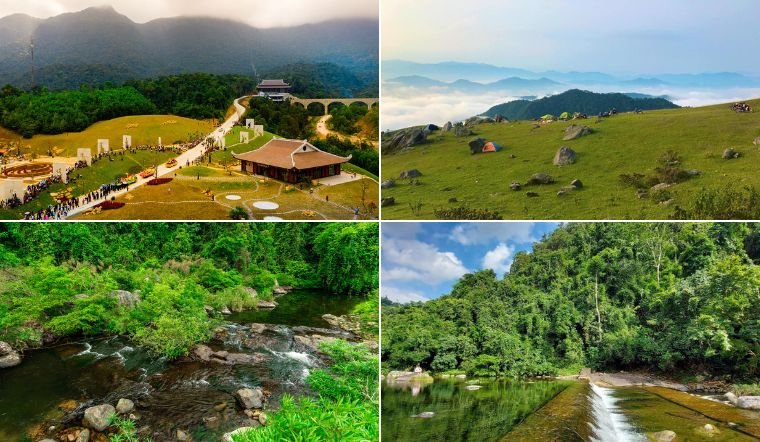
Tongren: Gateway to Guizhou's Mystical East – Unveiling a Land of Karst Peaks, Ancient Cultures, and Natural Wonders
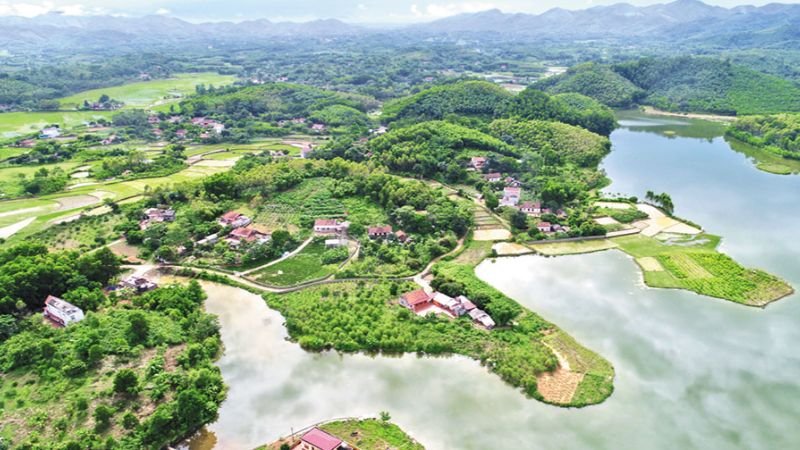
Imagine a vibrant city nestled in a landscape where rolling green hills give way to dramatic karst peaks, and ancient rivers carve their way through verdant valleys. This is Tongren (铜仁), a prefecture-level city in the eastern reaches of Guizhou Province, China. More than just an administrative center, Tongren serves as the principal gateway to some of Guizhou's most spectacular natural treasures, most notably the iconic UNESCO World Heritage site of Fanjingshan. It's a region where the rich cultures of the Tujia, Miao, and Dong ethnic groups flourish amidst breathtaking scenery, offering a truly authentic glimpse into the diverse tapestry of southwest China.
This comprehensive guide will lead you on a captivating journey through the multifaceted world of Tongren – from its strategic location and modern development to its close proximity to the mystical Fanjingshan, its serene rivers, the traditional charm of its ethnic villages, and the distinctive flavors of its local cuisine. We'll also show you how Golden Trail Travel can unlock an unforgettable and seamlessly organized adventure, ensuring you discover the true essence and hidden gems of this remarkable eastern gateway to Guizhou. Prepare to be awed by its natural splendor, charmed by its cultural vibrancy, and inspired by its unique blend of tradition and progress.
Tongren: A Confluence of Rivers, Cultures, and Nature's Grandeur – Geography, History, and Enduring Identity
To truly appreciate Tongren today, it's essential to understand its unique geographical setting and the compelling historical and cultural narratives that have shaped its distinct identity as a vital hub in Guizhou.
The Karst Heart of Eastern Guizhou: Location and Landscape:
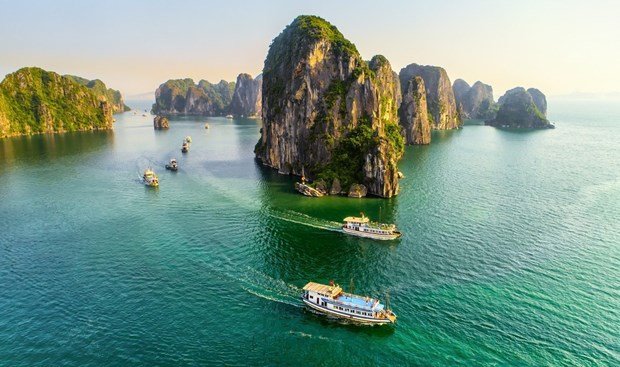
Tongren is strategically situated in the northeastern part of Guizhou Province, bordering Hunan Province to the east and Chongqing Municipality to the north. The topography of Tongren is predominantly mountainous and hilly, characterized by the pervasive karst landscape that defines much of Guizhou.
-
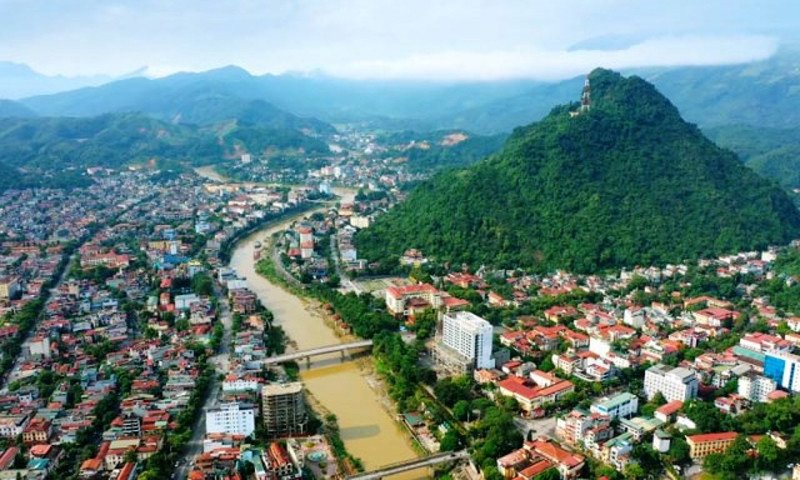
River Confluence: The city of Tongren itself is notably located at the confluence of the Jinjiang River (锦江) and its tributaries, which then flows into the larger Yuan River, a tributary of the Yangtze. These rivers have historically been vital for trade, communication, and shaping the local geography.
-
Mountainous Terrain: The region is part of the Wuling Mountain range, with Fanjingshan, its highest peak, dominating the western part of the prefecture. This rugged terrain creates dramatic valleys, deep gorges, and lush forests.
-
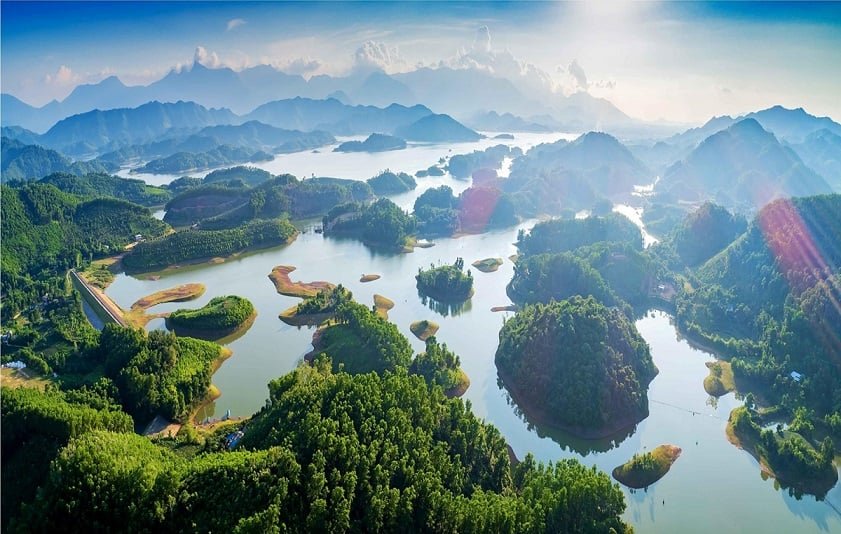
Lush Environment: Thanks to its subtropical humid monsoon climate, Tongren boasts abundant rainfall and a rich, verdant environment. This contributes to high air quality and scenic beauty, making it a refreshing destination.
-
Geological Diversity: Beyond typical karst formations, Tongren's landscape around Fanjingshan exhibits unique geological features due to its ancient and complex geological history.
A Crossroads of Civilizations: From Ancient Settlement to Modern Hub (Ancient Times - Present):
Tongren's history is a rich tapestry woven with tales of ancient settlements, strategic importance, and cultural exchanges that have forged its identity.
-
Ancient Origins: Human activity in the Tongren area dates back to prehistoric times, with archaeological findings suggesting early settlements. Its riverine location provided an early advantage for communities.
-
Strategic Frontier Post: Throughout various imperial dynasties, Tongren served as a significant frontier post and a gateway between the central plains and the southwestern mountainous regions. It was a place where Han Chinese culture intersected with the indigenous cultures of ethnic minorities.
-
Ming and Qing Dynasties: During the Ming and Qing Dynasties, Tongren gained administrative and military importance, becoming a key center for governance and control in the region, particularly due to its strategic position along trade routes.
-
Twentieth Century Development: In the 20th century, Tongren began a process of modernization and industrialization, benefiting from its natural resources and its role as a regional transport hub.
-
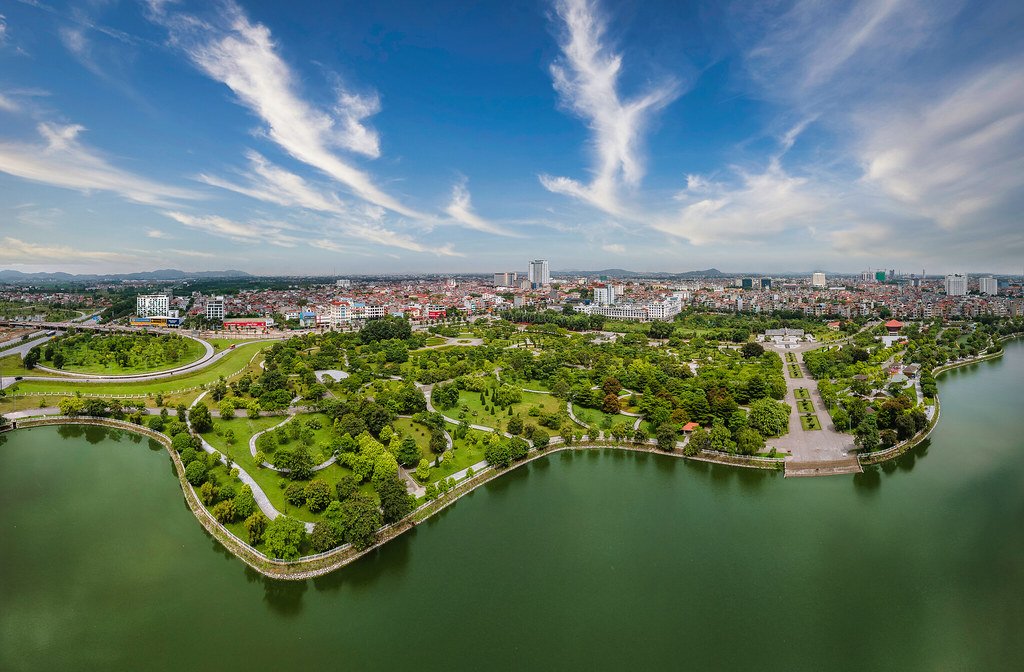
Modern Transformation and Tourism Gateway: In recent decades, Tongren has seen rapid development, particularly in infrastructure, becoming a crucial transportation nexus (with a new airport and high-speed rail connections) for travelers heading to Fanjingshan and other natural attractions in eastern Guizhou. It has strategically positioned itself as the "Gateway to Fanjingshan."
-
Big Data Industry: Like its provincial capital Guiyang, Tongren is also seeing investment in new industries, including big data, contributing to its modern economic diversification.
A Symphony of Ethnic Cultures: Tujia, Miao, Dong, and More:
Tongren is exceptionally rich in ethnic diversity, serving as a convergence point for several distinct minority groups.
-
Ethnic Mosaic: The prefecture is home to significant populations of the Tujia (土家族), Miao (苗族), and Dong (侗族) ethnic groups, alongside the Han Chinese majority. Each group brings its unique traditions, languages, costumes, architectural styles, and vibrant festivals.
-
Tujia Heritage: The Tujia people, known for their Baishou Dance and Diaojiaolou (stilt houses), have a strong presence in the Fanjingshan area.
-
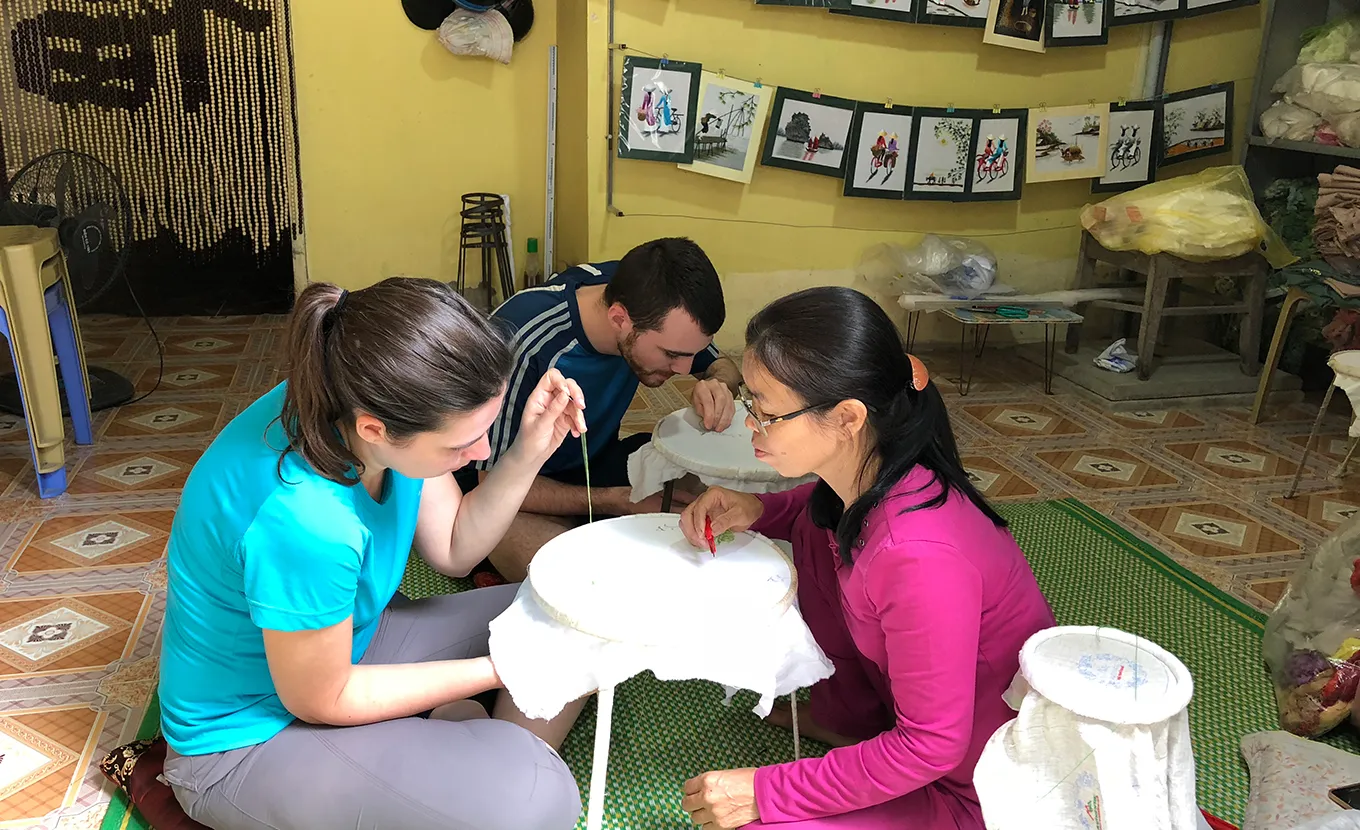
Miao Vibrancy: The Miao are famous for their elaborate silver jewelry, intricate embroidery, and lively festivals.
-
Dong Architectural Brilliance: The Dong ethnic group is renowned for their incredible wooden architecture, particularly their Drum Towers and Wind and Rain Bridges, often built without nails.
-
Cultural Preservation and Promotion: Local governments and communities are actively involved in preserving and promoting these unique cultural heritages, making Tongren a fascinating destination for cultural immersion and ethnography.
The Dynamic Charms of Tongren: Peaks, Rivers, and Cultural Tapestry
Tongren offers a diverse array of attractions that combine awe-inspiring natural beauty, profound spiritual sites, and a thriving mosaic of ethnic cultures, providing a truly compelling travel journey.
The Crown Jewel: Fanjingshan (梵净山 - Fànjìngshān):
While technically a separate scenic area, Tongren is the primary and most convenient gateway to the magnificent Fanjingshan, a UNESCO World Heritage site and sacred Buddhist mountain.
-
"Red Clouds Golden Summit" (红云金顶): This is the iconic image of Fanjingshan – a dramatically split peak with two small Buddhist temples perched precariously on its summits, connected by a narrow bridge. It's a site of both geological marvel and spiritual pilgrimage.
-
Old Golden Summit (老金顶): The highest point of Fanjingshan, offering panoramic views of the surrounding "sea of clouds" and peaks.
-
Mushroom Stone (蘑菇石): A famous and unusual rock formation resembling two giant mushrooms, symbolic of Fanjingshan's unique geology.
-
Biodiversity Hotspot: Fanjingshan is a UNESCO Biosphere Reserve, home to the critically endangered Guizhou Golden Monkey and ancient forests, making it a vital ecological treasure.
-
Ascent Experience: The journey up Fanjingshan involves a shuttle bus, cable car, and a challenging but rewarding climb up steep steps and "Sky Ladders," offering an exhilarating experience.
-
Spiritual Pilgrimage: As the bodhimanda of Maitreya Buddha, Fanjingshan draws pilgrims and offers a profound spiritual ambiance.
Tongren City Attractions: Urban Exploration and Riverine Beauty:
-
Tongren Old City and Jinjiang River (锦江): Explore the historic areas along the Jinjiang River, which winds through the city. The riverbanks are often lively, especially in the evenings.
-
Wanshou Palace (万寿宫): While a name shared by many temples, Tongren has its own Wanshou Palace, dedicated to the Taoist immortal Xu Xun, offering a glimpse into local religious architecture and traditions.
-
Tongren Museum (铜仁博物馆): Provides an excellent overview of the history, geology, and ethnic cultures of the Tongren prefecture. It's a great starting point to understand the region's diverse heritage.
-
Jiangkou County (江口县): Gateway to Fanjingshan: Located closer to the mountain, Jiangkou serves as the main base town for Fanjingshan visitors, offering a range of accommodations and local eateries. It's a pleasant town with a relaxed pace.
Ethnic Cultural Immersion: Villages and Traditions:
Tongren's surrounding countryside is dotted with traditional ethnic villages, offering rich cultural experiences.
-
Zhaoxing Dong Village (肇兴侗寨 - Zhàoxìng Dòngzhài): Architectural Marvels (Further South): While not directly in Tongren, Zhaoxing is a famous and well-preserved Dong ethnic village in southeastern Guizhou, known for its iconic Drum Towers, Wind and Rain Bridges, and traditional wooden houses. It's a prime example of Dong culture and can be combined with a Tongren trip for a broader Guizhou experience.
-
Tujia and Miao Villages: Explore various Tujia and Miao villages in the Fanjingshan area.
-
Tujia Diaojiaolou (吊脚楼): Admire the distinctive stilt-house architecture of the Tujia people, built to adapt to the mountainous terrain.
-
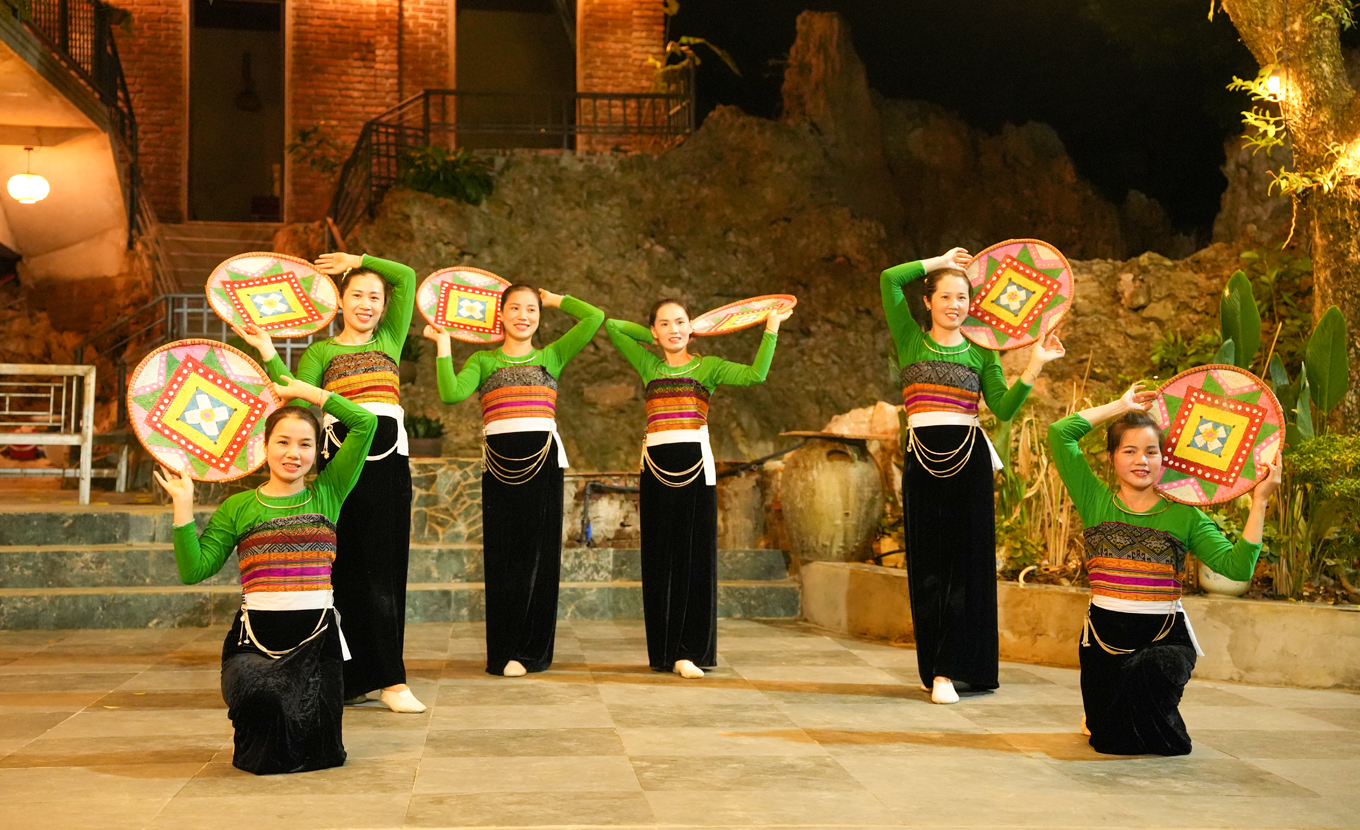
Ethnic Performances: Many villages offer cultural performances, including the spirited Tujia Baishou Dance (摆手舞), and demonstrations of traditional crafts.
-
Local Festivals: If your visit coincides with local festivals (e.g., Miao New Year, Dragon Boat Festival), you can witness vibrant celebrations with colorful costumes, music, and communal activities.
-
Indigenous Crafts: Discover local handicrafts, including Miao silverwork, Dong embroidery, and traditional weaving techniques, often available in village markets.
Natural Landscapes Beyond Fanjingshan:
-
Grand Canyon of the Wuyang River (乌江大峡谷 - Wūjiāng Dàxiágǔ): Scenic Cruises:
-
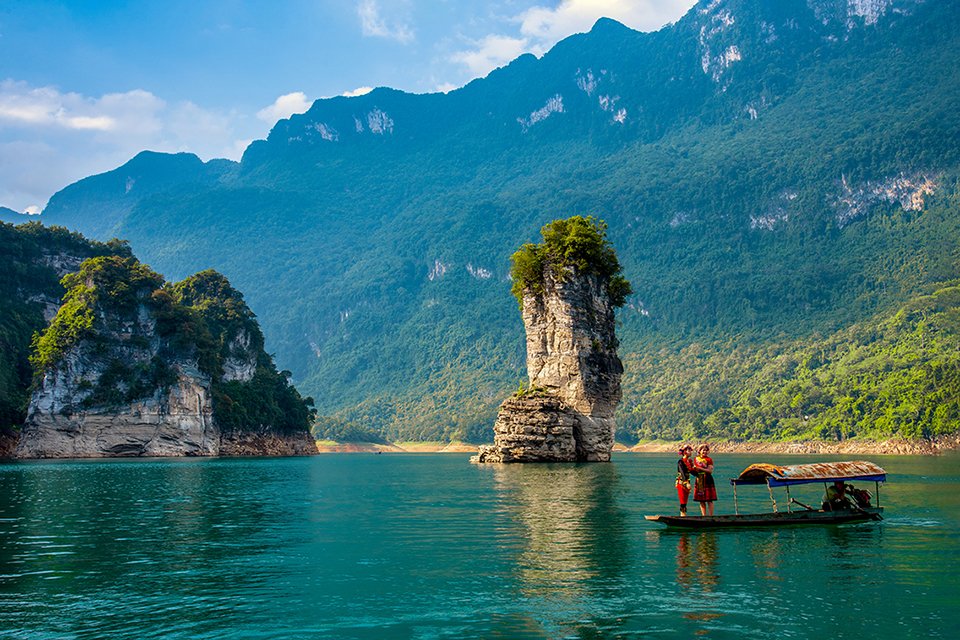
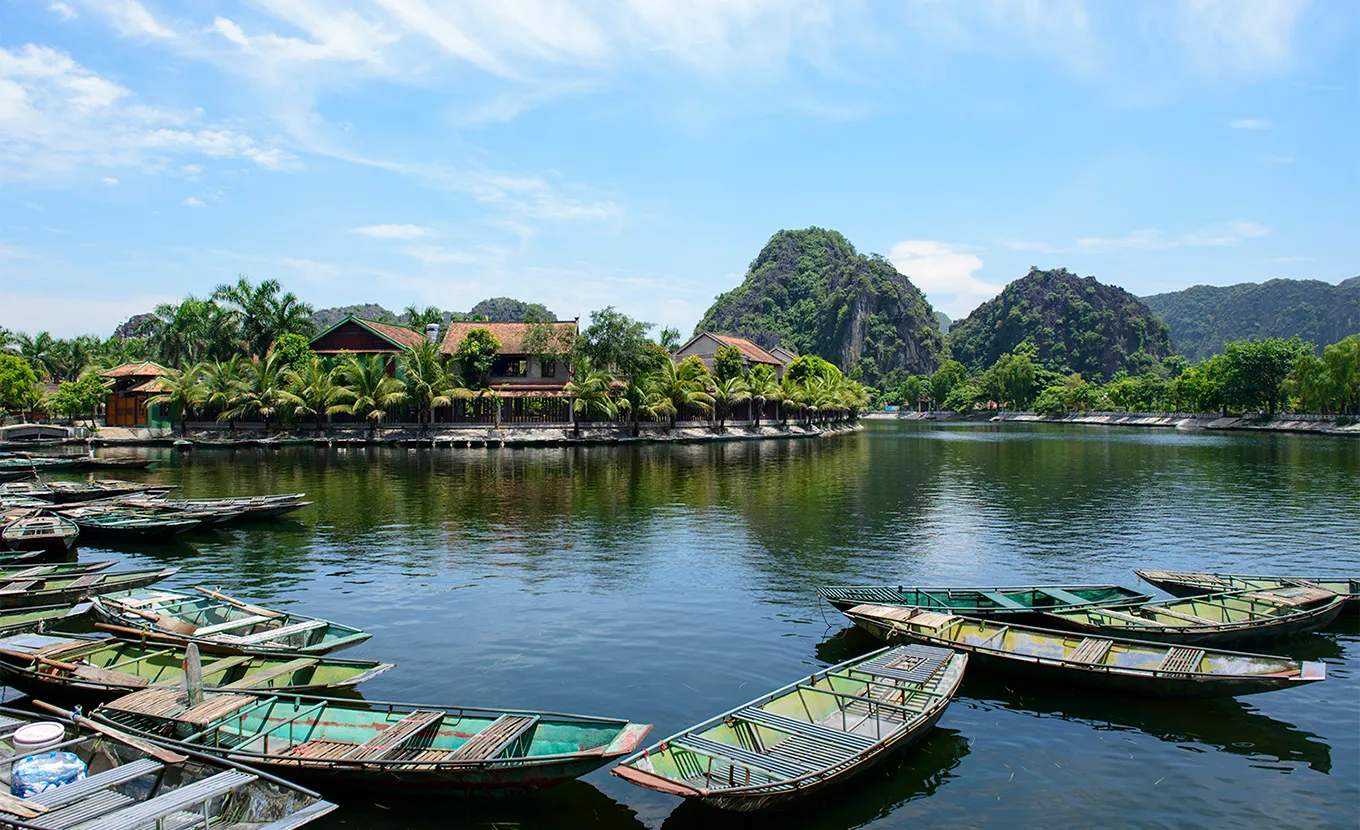
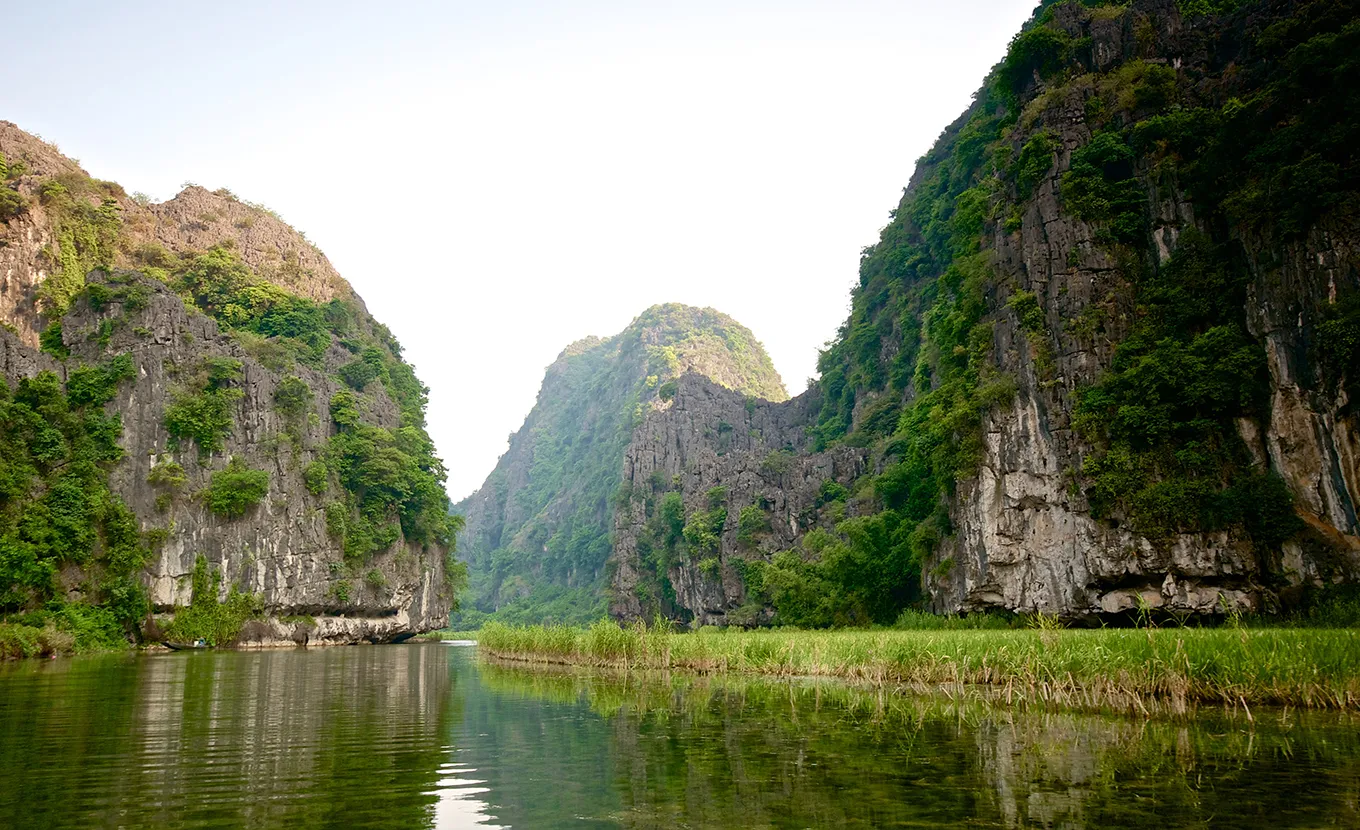
The Wuyang River, a tributary of the Yangtze, carves a magnificent canyon system in the western part of Tongren. Take a scenic boat cruise to marvel at the sheer cliffs, dramatic peaks, and clear waters, often resembling a traditional Chinese landscape painting.
-
Yanhe Wujiang River Grand Canyon (沿河乌江山峡 - Yánhé Wūjiāng Shānxiá): Deeper Exploration:
-
Jiulongdong Scenic Area (九龙洞 - Jiǔlóngdòng): Cave Wonders:
-
Located near Tongren city, this is a large and impressive karst cave system with intricate stalactites, stalagmites, and underground rivers, beautifully illuminated for visitors.
The Distinctive and Flavorful Cuisine of Tongren and Guizhou: A Symphony of Sour, Spicy, and Savory
Tongren's cuisine reflects the broader culinary traditions of Guizhou, characterized by its bold, complex flavors, with a prominent emphasis on sour (酸 - suān) and spicy (辣 - là) notes, often derived from fermented ingredients, local chilies, and fresh mountain produce.
-
Sour Soup Fish (酸汤鱼 - Suāntāng Yú): The Provincial Icon:
-
The quintessential Guizhou dish and a must-try. Fresh fish (often local freshwater fish) is cooked in a vibrant, tangy, and mildly spicy broth made from fermented rice water, tomatoes, chilies, and various herbs. It's refreshing and incredibly flavorful.
-
Tujia Cured Pork (土家腊肉 - Tǔjiā Làròu): Smoky Mountain Delicacy:
-
A signature dish in the Fanjingshan and Tongren region. Pork is traditionally smoked and cured over time, giving it a rich, smoky flavor and a firm, chewy texture. It's often stir-fried with local vegetables like garlic sprouts or bamboo shoots.
-
Tongren Bean Curd (铜仁豆腐 - Tóngrén Dòufu): Local Tofu Specialty:
-
Tongren is known for its high-quality tofu, prepared in various ways. You'll find dishes featuring soft, fresh tofu, as well as fermented or smoked tofu, often stir-fried with chilies and savory sauces.
-
"Sour Soup Noodle" (酸汤粉 - Suāntāng Fěn): Breakfast Staple:
-
Rice noodles served in a hot, sour, and spicy broth similar to the sour soup fish, often topped with pickled vegetables, minced meat, or fresh herbs. A popular and comforting breakfast.
-
Zhiju (折耳根 - Zhé'ěrgēn) / Houttuynia Cordata:
-
A pungent, earthy herb with a unique flavor, very common in Guizhou cuisine. It's often used in salads (凉拌折耳根 - Liángbàn Zhé'ěrgēn) or as a spicy condiment, providing a truly local taste.
-
Wild Mushrooms (野山菌 - Yěshānjùn): From the Forests:
-
Given the pristine mountain environment, various types of fresh and dried wild mushrooms are harvested locally and used in stir-fries, soups, and stews, offering rich, earthy flavors.
-
Rice Wine (米酒 - Mǐjiǔ): Local Brew:
-
Local rice wine, often home-brewed, is a popular beverage, typically sweet and low in alcohol, consumed by ethnic minority groups during celebrations.
-
Various Chili Sauces: Guizhou is famous for its diverse chili sauces, from fresh chili pastes to fermented ones, adding layers of flavor to almost every dish.
-
Culinary Immersion: Golden Trail Travel can arrange dedicated food experiences, guiding you to authentic local eateries in Tongren city or Jiangkou, ensuring you sample the distinctive flavors of this unique region. Don't be afraid to embrace the sour and spicy!
Unlocking Your Tongren & Eastern Guizhou Adventure with Golden Trail Travel
While Tongren offers unparalleled access to Fanjingshan's majesty and a rich tapestry of ethnic cultures, navigating its diverse landscapes and understanding its unique heritage can be greatly enhanced with expert guidance. This is where Golden Trail Travel becomes your invaluable partner, transforming your trip into a seamlessly planned, deeply insightful, and profoundly rewarding adventure.
Specialized Fanjingshan & Eastern Guizhou Cultural Immersion Tours:
Golden Trail Travel excels in designing bespoke tours that fully capture the multifaceted essence of Tongren and its surrounding region, catering to your specific interests, whether they are challenging spiritual hikes, cultural immersion in ethnic villages, exploring natural wonders, or enjoying local cuisine.
-
Optimized Fanjingshan Experience: They plan your Fanjingshan visit for optimal timing (considering weather, crowds, and potential "sea of clouds" views), manage all permits and tickets, and arrange the most efficient transport to and from the mountain, maximizing your awe-inspiring experience.
-
Deep Cultural Connections: Golden Trail Travel specializes in facilitating authentic and respectful encounters with the local Tujia, Miao, and Dong ethnic groups. They can arrange visits to traditional villages, participation in cultural activities, and opportunities to learn about their unique customs, music, and crafts.
-
Tailored Itineraries: From focusing purely on Fanjingshan and its immediate surroundings to integrating explorations of the Wuyang River Canyon, Jiulongdong Cave, or even extending to other renowned Guizhou ethnic villages like Zhaoxing, Golden Trail Travel can customize a tour that perfectly aligns with your passions, pace, and comfort level.
-
Beyond the Famous: They can guide you to lesser-known but equally captivating local spots, providing a more intimate and authentic experience away from the main tourist flows.
Visit Golden Trail Travel's website at https://goldentrailtravel.com/ to explore their diverse range of tours and begin crafting your own Tongren and Eastern Guizhou adventure.
Knowledgeable Local Guides:
A key component of a Golden Trail Travel experience in Tongren and Eastern Guizhou is access to their network of expert local guides. These guides are fluent in English and possess a profound understanding of the region's unique karst geology, its deep spiritual significance (especially Fanjingshan), its rich biodiversity, and the intricate customs and languages of its diverse ethnic groups.
-
Cultural Interpreters: Your guide will bridge language barriers, explain complex ethnic traditions, shed light on the significance of local customs and festivals, and facilitate meaningful interactions with villagers, providing a deeper cultural immersion.
-
Spiritual and Ecological Insights: On Fanjingshan, they provide invaluable insights into its Buddhist history, ecological importance, and unique species. For other natural sites, they can explain geological formations and local legends.
-
Logistical Expertise: They are indispensable for navigating the sometimes challenging terrain of Guizhou, ensuring safe and enjoyable outdoor activities, leading you to the best vantage points for scenery, and handling all local arrangements efficiently.
Seamless Logistics and Comfort:
Traveling to a mountainous province like Guizhou, especially when venturing into ethnic villages and sacred mountains, involves specific logistical considerations. Golden Trail Travel ensures your comfort and peace of mind throughout your journey:
-
Transportation: Arranging all ground transportation to and within Tongren and its surrounding areas (including transfers from Tongren Fenghuang Airport (TEN) or Tongren South Railway Station, and private vehicles for trips to Fanjingshan and ethnic villages). They ensure efficient and comfortable travel across diverse landscapes, even on winding mountain roads.
-
Accommodation: Selecting reputable hotels in Tongren City or Jiangkou that meet your comfort and budget requirements, and can even arrange authentic and comfortable stays in guesthouses within ethnic villages for a more immersive cultural experience.
-
Trouble-free Travel: Handling any potential language barriers or logistical hurdles, such as purchasing tickets for various scenic areas, understanding local customs, finding authentic local eateries, or securing specific climbing times for Fanjingshan. They also advise on appropriate clothing and gear for hiking and cultural visits, allowing you to relax and fully immerse yourself in the experience.
Combination Tours: Exploring the Wonders of Guizhou and Beyond:
Tongren is an ideal starting point for exploring the wider Guizhou Province and even connecting to neighboring regions. Golden Trail Travel can seamlessly combine your visit to Tongren with trips to:
-
Guiyang: The "Forest City" and capital of Guizhou, offering urban green spaces, museums, and a vibrant culinary scene.
-
Huangguoshu Waterfall: Asia's largest waterfall, a majestic natural wonder (can be combined as a longer Guizhou circuit).
-
Zhaoxing Dong Village: The largest Dong village, renowned for its architecture and festivals (further south in Guizhou, but a popular combination).
-
Chongqing: The bustling mountain city and a gateway for Yangtze River cruises (accessible by high-speed rail).
-
Fenghuang Ancient Town (凤凰古城): A picturesque ancient town in neighboring Hunan Province, known for its riverside charm and unique architecture (a popular cross-province combination).
Golden Trail Travel's expertise extends across these diverse and culturally rich regions, allowing for efficient, insightful, and complementary multi-city itineraries that truly showcase the best of Southwest China's natural grandeur and unique heritage.
Commitment to Responsible Tourism:
Golden Trail Travel is dedicated to promoting responsible and sustainable tourism practices. They strive to ensure that your visit to Tongren and its surrounding attractions benefits local communities, respects the delicate karst ecosystem and unique ethnic traditions, and minimizes environmental impact, leaving a positive footprint on this remarkable and beautiful region. They actively support local economies, encourage responsible hiking, and advocate for respectful cultural engagement.
The Enduring Allure of Tongren: Why This Eastern Gateway Beckons
Tongren offers a compelling and multifaceted travel experience, revealing a region rich in natural grandeur, profound spiritual significance, and a vibrant tapestry of ethnic cultures. It's a place where majestic mountains meet ancient rivers, and where diverse traditions thrive amidst breathtaking scenery.
Gateway to Fanjingshan:
Its strategic location makes it the most convenient and direct access point to the awe-inspiring, UNESCO World Heritage site of Fanjingshan, China's sacred Buddhist mountain.
Rich Ethnic Diversity:
Immerse yourself in the colorful and well-preserved cultures of the Tujia, Miao, and Dong peoples, experiencing their unique architecture, traditional music, lively dances, and warm hospitality.
Spectacular Natural Landscapes:
Beyond Fanjingshan, explore other natural wonders like the dramatic Wuyang River Grand Canyon and the intricate Jiulongdong Cave, showcasing Guizhou's stunning karst beauty.
Distinctive Culinary Adventure:
Savor Guizhou's unique "sour and spicy" cuisine, a bold and flavorful gastronomic journey unlike any other in China, with local specialties like Tujia cured pork and various tofu dishes.
Authentic Cultural Immersion:
The opportunity to visit traditional villages and engage with local communities provides a deep and meaningful cultural experience, offering insights into a way of life deeply connected to the land.
Off the Beaten Path (Compared to Eastern China):
While gaining popularity, Tongren and eastern Guizhou still offer a sense of discovery and adventure for travelers looking beyond China's more conventional tourist destinations, providing a more authentic glimpse into rural Chinese life.
A Blend of Modernity and Tradition:
Tongren city itself showcases a fascinating blend of rapid modern development with a deep respect for its natural surroundings and a vibrant preservation of its ethnic heritage.
Frequently Asked Questions (FAQ) about Tongren and Its Region
Q1: Where is Tongren located in China? A1: Tongren (铜仁) is a prefecture-level city located in the northeastern part of Guizhou Province, China, bordering Hunan Province and Chongqing Municipality.
Q2: What is Tongren most famous for? A2: Tongren is most famous as the primary gateway to Fanjingshan (梵净山), the UNESCO World Heritage site and sacred Buddhist mountain. It's also renowned for its rich ethnic diversity, particularly the cultures of the Tujia, Miao, and Dong peoples, and its stunning karst landscapes.
Q3: How do I get to Tongren? A3: You can fly into Tongren Fenghuang Airport (TEN), which has connections to major Chinese cities. Alternatively, you can take a high-speed train to Tongren South Railway Station, with excellent connections from cities like Guiyang, Chongqing, and Changsha. Golden Trail Travel can arrange all your transportation.
Q4: What are the main attractions in and around Tongren, besides Fanjingshan? A4: Besides Fanjingshan, key attractions include the Wuyang River Grand Canyon, Jiulongdong Cave, and various Tujia, Miao, and Dong ethnic villages (such as those in the Fanjingshan area, or the more famous Zhaoxing Dong Village further south in Guizhou, which can be combined). Within Tongren city, explore the Jinjiang River area and the Tongren Museum.
Q5: What kind of ethnic culture can I experience in Tongren? A5: Tongren offers opportunities to experience the vibrant cultures of the Tujia, Miao, and Dong peoples. You can see their traditional architecture (like Tujia Diaojiaolou or Dong Drum Towers and Wind and Rain Bridges), witness ethnic dances (like the Baishou Dance), and explore their unique handicrafts and festivals.
Q6: What unique foods should I try in Tongren? A6: You'll find classic Guizhou cuisine, characterized by sour and spicy flavors. Must-try dishes include Sour Soup Fish (酸汤鱼), Tujia Cured Pork (土家腊肉), local Tongren Bean Curd (铜仁豆腐), and various wild mushroom dishes. Don't forget to try the local rice noodles!
Q7: When is the best time to visit Tongren and Fanjingshan? A7: The best time to visit is generally spring (April-May) and autumn (September-October) for pleasant weather and clear skies. Summer (June-August) is also popular for Fanjingshan for its cool climate, though it can be cloudier. Winter offers unique snowy landscapes but can be very cold.
Q8: How can Golden Trail Travel enhance my Tongren trip? A8: Golden Trail Travel specializes in tailored Fanjingshan and Eastern Guizhou cultural immersion tours. They provide expert local guides who offer deep cultural, spiritual, and geological insights, handle all logistics (transport, tickets, accommodation including village stays), and ensure a seamless, authentic, and truly enriching adventure.
Q9: Can Golden Trail Travel combine Tongren with other regions in China? A9: Yes! Tongren's excellent transport links allow Golden Trail Travel to seamlessly integrate your visit with other major Chinese cities or regions, such as Guiyang (the capital of Guizhou), Chongqing, Fenghuang Ancient Town (Hunan), or other parts of Guizhou Province, creating a comprehensive and diverse China itinerary.
Customer Reviews: My Enriching Journey to Tongren and Eastern Guizhou with Golden Trail Travel
"Our trip to Tongren with Golden Trail Travel was truly unforgettable, primarily because of Fanjingshan! The mountain is just breathtaking, especially the Red Clouds Golden Summit. Our guide was incredibly knowledgeable about the Buddhist history and helped us understand the significance of every step. Golden Trail Travel handled all the complicated logistics, from airport transfers to Fanjingshan tickets, making it a perfectly smooth and deeply spiritual journey." — Eleanor R., USA
"Tongren opened my eyes to the incredible ethnic diversity of Guizhou. Visiting the local Tujia and Miao villages arranged by Golden Trail Travel was a highlight. We got to see traditional houses and even some local dances. Our guide was excellent, bridging the cultural gap and helping us connect with the communities. And the food, especially the Tujia cured pork, was amazing!" — Marcus L., UK
"As a nature photographer, the landscapes around Tongren, especially Fanjingshan, provided endless inspiration. The views from the top were stunning, and the misty forests created such an ethereal atmosphere. Golden Trail Travel understood my needs for good lighting and optimal timing, ensuring we were always in the right place. Their attention to detail and deep local knowledge truly enhanced my photographic experience." — Sophia M., Germany
"I was fascinated by the unique blend of natural beauty and spiritual significance in Tongren. Our Golden Trail Travel guide expertly explained the geological formations and the profound meaning of Fanjingshan as Maitreya Buddha's bodhimanda. We also enjoyed exploring the local markets and tasting the distinct 'sour and spicy' Guizhou cuisine. It was a perfectly executed tour that combined adventure with deep cultural insight." — Professor Charles D., Australia
"Golden Trail Travel created an amazing multi-province itinerary for us, and Tongren, with its access to Fanjingshan and its vibrant ethnic cultures, was an absolute highlight. The entire trip was incredibly well-organized, safe, and authentic. Their team was so responsive and helpful throughout. If you're looking for a truly unique and well-executed adventure in China's southwest, Golden Trail Travel is highly recommended!" — Li Wei, Singapore
Conclusion: Tongren Awaits – Your Gateway to Guizhou's Mystical Heart
Tongren stands as a dynamic and welcoming gateway, inviting travelers to discover the profound natural beauty, spiritual majesty, and rich cultural tapestry of eastern Guizhou. It's a city perfectly positioned to unlock adventures, from the awe-inspiring heights of Fanjingshan and the dramatic vistas of the Wuyang River Canyon to the vibrant traditions thriving in the heart of Tujia, Miao, and Dong villages. This region offers a travel experience that is deeply authentic, visually stunning, and culturally enriching – a rare blend of pristine nature, ancient spirituality, and living heritage.
To truly unlock the multifaceted wonders and hidden gems of this extraordinary corner of China, an experienced and dedicated partner is indispensable. Golden Trail Travel is your trusted guide to Tongren and eastern Guizhou, offering meticulously planned tours, expert local insights, and a steadfast commitment to authentic encounters. Let them lead you through this land of karst peaks, mystical mountains, and vibrant cultures, where your next unforgettable adventure awaits