15 Ng. 100 Đ. Nguyễn Xiển, Thanh Xuân Nam, Thanh Xuân, Hà Nội 100000

15 Ng. 100 Đ. Nguyễn Xiển, Thanh Xuân Nam, Thanh Xuân, Hà Nội 100000
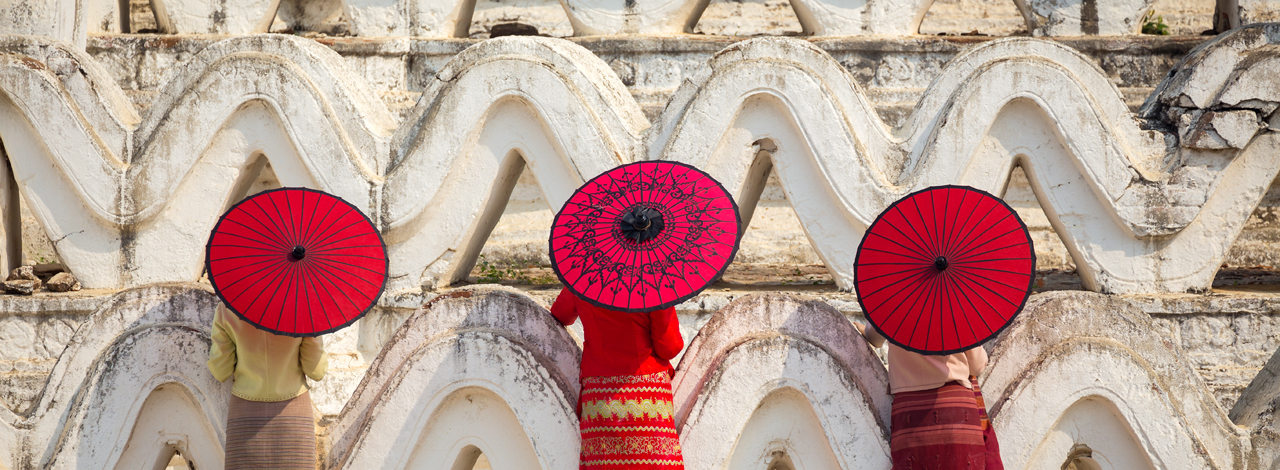
Imagine a towering rock formation, majestically sculpted by the relentless waves of the Indian Ocean, upon which perches an ancient temple, silhouetted against a sky ablaze with the colors of a Balinese sunset. This is Tanah Lot Temple, one of Bali's most iconic and revered sea temples, a pilgrimage site that epitomizes the island's profound spiritual connection to the sea and its breathtaking natural beauty.
More than just a picturesque landmark, Tanah Lot is a living sanctuary, steeped in centuries of history, myth, and devotion. It is a powerful guardian against evil spirits from the ocean, a place where the rhythmic roar of the waves merges with the silent prayers of devotees, and where every visit feels like a journey into the mystical heart of Bali. Its unique offshore location, accessible only during low tide, adds to its allure, making it a truly unforgettable sight.
This comprehensive guide will invite you on an immersive journey to Tanah Lot Temple, exploring its ancient origins, its sacred significance, the legends that shroud its rocks, and the spiritual rituals that continue to define its essence. We'll delve into the best times to experience its magic, uncover the surrounding attractions, and provide practical tips to ensure your visit to this magnificent sea temple is truly memorable. Prepare to be captivated by the timeless charm and spiritual grandeur of Tanah Lot.
The story of Tanah Lot is not merely one of rock and temple, but a rich tapestry woven with ancient history, fascinating legends, and the enduring power of Balinese Hindu beliefs.
The establishment of Tanah Lot Temple is largely credited to Dang Hyang Nirartha, a revered Hindu priest from the Majapahit Kingdom in Java who arrived in Bali in the 16th century. He played a pivotal role in spreading Hinduism and establishing many of Bali's significant temples.
The legend recounts that during his travels along Bali's southern coast, Nirartha discovered this beautiful rock island. He was so drawn to its powerful spiritual energy that he decided to rest there. Local fishermen, witnessing his divine presence, offered him gifts. However, the local village chief, Bendesa Beraben, felt threatened by Nirartha's growing influence and ordered him to leave.
In response, Nirartha used his spiritual powers to shift the entire rock he was meditating on into the sea, separating it from the mainland. He then transformed his sash into sea snakes to guard the temple. Bendesa Beraben, witnessing this extraordinary feat, eventually submitted to Nirartha's spiritual authority and became his disciple. Nirartha then consecrated the temple, naming it "Tanah Lot," which means "Land in the Sea" or "Land on the Sea."
This legend underscores the temple's divine protection and its sacred role as a guardian.
While the legend places its origin in the 16th century, archaeological findings suggest the area might have been a sacred site long before Nirartha's arrival. The current temple structures have undergone various renovations and restorations over the centuries, with significant Japanese-funded restoration work in the late 20th century to prevent erosion.
Balinese Temple Architecture: Tanah Lot exemplifies classic Balinese temple architecture, albeit adapted to its unique offshore environment. It features multi-tiered meru towers (pagoda-like roofs), shrines, and courtyards, all oriented towards the sea.
Pura Segara: Tanah Lot is classified as a Pura Segara, or "sea temple." These temples are part of a chain of coastal temples along Bali's southwestern coast, each positioned to protect the island from evil spirits emanating from the ocean. This chain forms a spiritual fortress.
Tanah Lot's primary purpose is to worship Baruna, the Sea God, and to appease the powerful spirits of the ocean. It is believed to protect Balinese fishermen and seafarers, ensuring safe passage and abundant catches.
Guardian Sea Snakes: The venomous sea snakes that live in the crevices around the base of the rock are believed to be the sacred guardians of the temple, protecting it from evil spirits and intruders. Visitors can sometimes see these snakes (under supervision) in a small cave area.
Freshwater Spring: Beneath the temple rock, there is a natural freshwater spring that miraculously flows from within the saltwater ocean. This spring is considered sacred, and its water is used in ceremonies. Devotees often drink or cleanse themselves with its pure water, believing it has healing properties.
The combination of its dramatic location, its mystical origin story, and its profound spiritual significance makes Tanah Lot Temple not just a tourist attraction, but a living testament to Bali's deep cultural and religious heritage.
Tanah Lot Temple's allure lies significantly in its unparalleled natural setting, a dramatic interplay of geological wonder and the vastness of the Indian Ocean.
The most striking feature of Tanah Lot is the imposing rock formation upon which the main temple stands.
Volcanic Origin: The rock is a natural result of volcanic activity and subsequent erosion by the powerful ocean waves over millennia. Its rugged texture and layered appearance tell a story of constant natural forces at play.
Tidal Access: The temple is unique because it is situated on an offshore rock that is only accessible during low tide. At high tide, the surrounding water completely envelops the base of the rock, transforming the temple into a dramatic silhouette against the horizon, seemingly floating on the waves. This ebb and flow of the tide adds to its mystical appeal and sense of exclusivity.
Crashing Waves: The constant presence of the ocean's raw power, with waves crashing against the rock face, creates a mesmerizing and powerful soundscape that underscores the temple's role as a sea guardian.
While the main temple is on the offshore rock, the surrounding area offers equally stunning scenery.
Black Sand Beaches: The coastline around Tanah Lot features dark, volcanic sand beaches, which contrast beautifully with the white foam of the crashing waves. These beaches are not typically for swimming but offer dramatic backdrops for photography.
Clifftop Views: Pathways and viewpoints along the clifftops on the mainland offer spectacular vantage points of Tanah Lot, particularly at sunset. From these elevated positions, you can fully appreciate the temple's isolated majesty and the vastness of the ocean.
Lush Greenery: Despite the rugged coastline, areas around the temple complex are adorned with tropical greenery, palm trees, and well-manicured gardens, providing a vibrant contrast to the dark rocks and blue ocean.
Tanah Lot is world-renowned for its breathtaking sunsets. This is when the temple truly comes alive, becoming a silhouette against a canvas of fiery colors.
Golden Hour: As the sun dips towards the horizon, the sky transforms into a kaleidoscope of oranges, reds, purples, and pinks. The temple, positioned perfectly, stands as a dramatic focal point in this natural spectacle.
Photographer's Dream: Photographers flock to Tanah Lot at sunset to capture this iconic image, with the temple silhouetted against the vibrant sky and the crashing waves.
Atmosphere: Despite the crowds, the atmosphere at sunset is often one of quiet awe, as visitors are mesmerized by the sheer beauty of the scene.
The majestic setting of Tanah Lot Temple is integral to its identity, making it a powerful reminder of Bali's raw natural beauty and its deep spiritual connection to the forces of the sea.
While the iconic sea temple is the main attraction, the larger Tanah Lot complex offers a range of additional features and experiences that enhance your visit.
Just a short walk along the coastline from the main Tanah Lot Temple, you'll encounter Pura Batu Bolong. Its name, meaning "Hollow Rock Temple," perfectly describes its unique formation: a temple perched on a rocky promontory with a natural archway or hole (bolong) carved through its base by the relentless waves.
Similar Aesthetic: Pura Batu Bolong shares a similar dramatic cliffside setting to Tanah Lot, offering stunning ocean views, especially at sunset.
Smaller and Less Crowded: It's a smaller temple and generally much less crowded than the main Tanah Lot, providing a more peaceful atmosphere for reflection and photography.
Gateway to Rituals: Like Tanah Lot, it is an important sea temple, part of the protective chain along the coast. Rituals and ceremonies are frequently held here.
At the base of the main Tanah Lot rock, accessible during low tide, is a small cave known as the Sacred Snake Cave (Goa Ular Suci).
Guardian Snakes: According to legend, this cave is home to the venomous sea snakes believed to be the sacred guardians of Tanah Lot Temple, transformed from Dang Hyang Nirartha's sash.
Brief Viewing: Visitors can get a brief glimpse of these highly venomous, but docile, snakes, usually under the supervision of a temple priest or attendant who might offer a blessing. A small donation is usually requested. It's a unique, albeit quick, experience linked directly to the temple's mythology.
Adjacent to the Sacred Snake Cave, also at the base of the main rock, is a miraculous freshwater spring (Air Suci) that flows from beneath the saltwater ocean.
Holy Water: This fresh water is considered extremely sacred and is used in various temple ceremonies. Many devotees and visitors drink the water or cleanse themselves with it, believing it has purifying and healing properties.
Blessing Ceremony: Often, local priests are present to offer a short blessing to visitors using this holy water, accompanied by incense and a small offering. A small donation is customary.
The area surrounding the temple is developed into a cultural park with various facilities:
Art Markets & Souvenir Stalls: A bustling market area offers a wide array of Balinese souvenirs, traditional crafts, clothing, and snacks. It's a great place to pick up gifts, though bargaining is expected.
Restaurants & Cafes: Numerous restaurants and cafes overlook the temple, providing opportunities to grab a meal or a drink with a view, especially popular at sunset.
Walking Paths & Viewpoints: Well-maintained paths lead to various viewpoints, allowing visitors to appreciate the temple from different angles.
Pura Enjung Galuh: Another small temple within the complex, dedicated to Dewi Sri, the goddess of rice and fertility.
Cultural Performances: Occasionally, traditional Balinese dance performances are held in the evenings.
Exploring these surrounding areas allows for a more comprehensive understanding of Tanah Lot's significance and provides additional opportunities for photography and cultural engagement beyond just the main sea temple.
While Tanah Lot Temple is beautiful at any time of day, its legendary status as a sunset destination is well-earned. Timing your visit is crucial for the most memorable experience.
Golden Hour Glow: This is undeniably the most popular time to visit. As the sun begins its descent, typically between 5:00 PM and 6:30 PM, the sky transforms into a spectacular canvas of oranges, reds, purples, and pinks. The temple becomes a dramatic silhouette against this fiery backdrop, creating the iconic image of Tanah Lot.
Crowds: Be prepared for significant crowds during sunset. People start arriving from around 4:00 PM to secure the best viewing spots. Finding a good vantage point can be challenging, but the atmosphere is often one of shared awe.
Photography: This is the prime time for photography, but patience is key due to the crowds. A tripod can be useful for capturing the low-light conditions.
Tranquility: For a more peaceful and contemplative experience, visit early in the morning, ideally shortly after sunrise (around 7:00 AM - 9:00 AM).
Fewer Crowds: You'll find significantly fewer tourists, allowing you to appreciate the temple's grandeur in relative quiet.
Tidal Access: If the tide is low, you might be able to walk across to the base of the main temple rock and participate in the sacred spring blessing ceremony without the queues.
Soft Light: The morning light is often beautiful for photography, though different from the dramatic sunset hues. It offers a clearer view of the temple's architectural details.
Local Activities: You might witness local villagers performing morning rituals or offerings around the complex.
Low Tide: Allows you to walk across the black sand to the base of the main temple rock, approach the sacred snake cave, and experience the freshwater spring. This offers a close-up perspective of the temple's foundations.
High Tide: The temple is completely surrounded by water, making it inaccessible but creating the most dramatic and iconic "floating temple" silhouette, especially at sunset.
Avoid Midday: The midday sun can be harsh, and the heat intense. Crowds are often still present, but the lighting for photography is less appealing.
Check Tide Times: If walking to the base of the temple is important to you, check the local tide schedule in advance.
Factor in Travel Time: Tanah Lot is located on Bali's southwest coast. Depending on your starting point (e.g., 45-60 minutes from Seminyak, 1.5-2 hours from Ubud), plan your travel time accordingly, especially with Bali's traffic.
Ultimately, the best time to visit depends on your preference: breathtaking sunset spectacle with crowds, or peaceful morning contemplation with fewer people.
Visiting Tanah Lot Temple is more than just seeing a structure; it's an experience that engages multiple senses and provides insights into Balinese culture.
Parking: A large parking area is available for cars and tour buses.
Entrance Fee: There is an entrance fee for foreign visitors, which contributes to the maintenance of the complex.
Market Area: From the parking, you'll walk through a bustling market area filled with souvenir shops, art stalls, and local eateries before reaching the main temple viewpoint. This is where you can pick up traditional Balinese crafts, clothing, and snacks. Bargaining is expected here.
The complex is well-maintained with paved pathways and clearly marked viewpoints.
Main Viewpoints: Numerous spots along the clifftops offer prime views of Tanah Lot Temple and Pura Batu Bolong. These are the most popular spots, especially at sunset.
Walking Paths: Paths connect the various areas, allowing for a pleasant stroll around the complex.
Small Temples: Besides the main sea temple, you'll find other smaller temple structures within the grounds, such as Pura Enjung Galuh (rice goddess temple).
Sacred Snake Cave: If the tide is low, you can walk down to the base of the main rock. Here, a small cave houses the sacred sea snakes. A priest or attendant typically sits nearby, offering a blessing (dabs of holy water on your forehead and a rice grain) and allowing a quick glance at the snakes, usually for a small donation.
Freshwater Spring: Also at the base, you can participate in a blessing ritual using the sacred freshwater spring, which miraculously flows from within the rock. This is a humbling experience.
Offerings & Prayers: You'll observe Balinese locals performing daily rituals and prayers. Please be respectful and do not disturb ongoing ceremonies.
Camera Ready: Tanah Lot is incredibly photogenic. Have your camera ready, especially at sunset.
Respectful Attire: While not as strict as some other temples (a sarong and sash are usually not mandatory for entering the outer areas of Tanah Lot), it's always advisable to dress modestly when visiting any temple in Bali. Shoulders and knees covered are generally recommended.
Drone Usage: Check current regulations if you plan to fly a drone, as restrictions may apply due to the sacred nature of the site and potential crowds.
Restaurants & Cafes: A good selection of restaurants and cafes offers a range of Indonesian and international cuisine, many with fantastic views of the temple.
Street Food/Snacks: The market area offers various local snacks and drinks.
No Alcohol in Temple Area: While restaurants serve alcohol, avoid consuming it in the immediate vicinity of the temple grounds out of respect.
Visiting Tanah Lot is a sensory experience – the roar of the waves, the scent of incense, the vibrant colors of offerings, and the breathtaking visual spectacle. Embrace the atmosphere and allow yourself to be captivated by its magic.
Tanah Lot, while a magnificent standalone attraction, is also part of a larger network of spiritual and geographical significance in Bali. Understanding its context enriches the visitor's appreciation.
Tanah Lot is one of the six most important Pura Segara (sea temples) that form a spiritual protective chain along Bali's coastline. These temples are strategically located to guard the island from negative influences from the ocean and to appease the sea deities. The other prominent sea temples include:
Uluwatu Temple: Perched on a dramatic cliff in the south.
Pura Rambut Siwi: In West Bali.
Pura Pulaki: In North Bali.
Pura Seseh & Pura Gede Perancak: Other important coastal temples.
Visiting Tanah Lot can be seen as part of a larger spiritual pilgrimage, connecting with these other powerful sites.
Tanah Lot's location makes it a convenient stop on a day trip exploring Bali's central-western regions.
Pererenan, Canggu & Seminyak: Tanah Lot is a relatively short drive from these popular southern coastal areas, making it a perfect sunset destination after a day of beach activities or exploring cafes.
Tabanan Regency: The temple is located in the Tabanan Regency, known for its lush landscapes and agricultural heartland.
Jatiluwih Rice Terraces: A UNESCO World Heritage site, these vast and pristine rice terraces are about 1.5-2 hours drive north of Tanah Lot. Combining a morning visit to Jatiluwih with a sunset at Tanah Lot makes for a spectacular full-day itinerary.
Taman Ayun Temple: Another UNESCO World Heritage site, this beautiful royal temple is located in Mengwi, on the way to Tanah Lot from Ubud or South Bali. Its intricate moats and multi-tiered meru roofs make it a serene and historically significant stop.
Butterfly Park (Taman Kupu-Kupu Bali): Near Tabanan, this park offers a chance to see various species of butterflies, insects, and other creatures in a natural habitat.
Bali Botanic Garden (Kebun Raya Bedugul): A vast botanical garden in the cool Bedugul highlands, which could be combined with a longer day trip that includes central Bali's lakes.
Integrating Tanah Lot into a well-planned itinerary allows you to maximize your exploration of Bali's diverse attractions and experience its cultural richness beyond just this single iconic temple. Golden Trail Travel specializes in crafting such comprehensive and seamless day tours.
Like many of Bali's popular attractions, Tanah Lot Temple faces challenges related to conservation, environmental impact, and managing the increasing flow of tourists.
Erosion: The very forces that sculpted Tanah Lot, the relentless ocean waves, also pose a continuous threat of erosion to the rock formations. Extensive restoration work, partially funded by Japan, has been undertaken to reinforce the structure and prevent further degradation.
Sea Level Rise: As a sea temple, Tanah Lot is particularly vulnerable to the long-term impacts of sea level rise, which could alter its accessibility and even threaten its base.
Plastic Pollution: While efforts are made to keep the immediate temple area clean, wider coastal areas in Bali can suffer from plastic pollution, especially during the wet season.
Crowd Management: The immense popularity of Tanah Lot, especially at sunset, leads to significant crowds. Managing visitor flow, maintaining pathways, and ensuring a pleasant experience while protecting the sacred site is an ongoing challenge.
Commercialization: The surrounding market and development, while providing economic benefits to locals, can sometimes detract from the spiritual ambiance of the site for some visitors.
Cultural Sensitivity: Ensuring that visitors understand and respect the sacred nature of the site, its rituals, and local customs is crucial.
Stay on Designated Paths: To prevent erosion and maintain the natural landscape.
Dispose of Waste Properly: Use designated bins and minimize single-use plastics.
Respect Sacred Spaces: Dress modestly (even if not strictly enforced in outer areas, it's a sign of respect), do not disturb ongoing ceremonies, and avoid climbing on sacred structures.
Support Local, Ethical Businesses: Choose guides, shops, and restaurants that operate responsibly and provide fair benefits to the local community.
Engage with Awareness: Understand that you are visiting a living temple and a spiritual site, not just a photo opportunity.
By engaging in responsible tourism practices, visitors can contribute to the long-term preservation of Tanah Lot Temple and ensure that its sacred beauty can be enjoyed by future generations. The fees collected help fund the temple's maintenance and the livelihoods of the local community.
While Tanah Lot Temple's iconic beauty speaks for itself, navigating Bali's bustling roads, understanding local customs, and seamlessly integrating this visit into a broader itinerary can be greatly enhanced with expert assistance. This is where Golden Trail Travel becomes your invaluable partner for an unforgettable journey to Tanah Lot and beyond.
Golden Trail Travel specializes in crafting immersive, seamless, and authentic travel experiences throughout Indonesia, with a particular expertise in Bali's diverse landscapes and cultural offerings. They understand Tanah Lot's profound significance and are dedicated to ensuring your visit is both enriching and hassle-free.
Golden Trail Travel offers comprehensive services that include:
Customized Day Tours: Whether you want to focus solely on Tanah Lot for a stunning sunset, or combine it with visits to other cultural gems like Taman Ayun Temple, the Jatiluwih Rice Terraces, or a coffee plantation, Golden Trail Travel can design a perfect itinerary to suit your interests, pace, and budget.
Seamless Transfers: They provide comfortable and reliable private transportation services from your accommodation in any part of Bali directly to Tanah Lot, and then to your next destination. Their experienced drivers know the best routes to avoid traffic and ensure you arrive in time for sunset.
Expert Local Guides: Enhance your visit with a knowledgeable, English-speaking guide who can share the legends of Dang Hyang Nirartha, explain the spiritual significance of the temple, provide cultural context, and answer all your questions, bringing the history of Tanah Lot to life.
Optimal Timing Advice: Benefit from their expertise on the best time to visit Tanah Lot for optimal views and crowd management, helping you decide between a serene morning visit or the iconic sunset spectacle.
Logistical Support: From coordinating specific tour times to managing necessary entrance fees and navigating the complex, Golden Trail Travel handles all the details, allowing you to relax and fully immerse yourself in Tanah Lot's spiritual ambiance.
Responsible Tourism: Golden Trail Travel is committed to ethical and sustainable tourism, ensuring that your visit contributes positively to the local community and respects the sacredness of the site.
Don't let the beauty of Tanah Lot remain just a picture. Let Golden Trail Travel unlock its magic, providing the seamless and enriching experience you need to explore this mystical sea temple in Bali.
Visit their website today to explore their diverse range of Bali tours, including personalized options for Tanah Lot, and easily book your journey to this iconic landmark: https://goldentrailtravel.com/
The best time to visit Tanah Lot Temple is generally during the dry season (April to October), for clear skies and optimal sunset viewing. Within this period, the ideal time of day is:
For Sunset View (Most Popular): Arrive between 4:30 PM and 5:00 PM to secure a good viewing spot. The sun usually sets between 6:00 PM and 6:45 PM, depending on the time of year.
For Serene Experience & Tide Access (Fewer Crowds): Visit in the early morning (around 7:00 AM - 9:00 AM). This allows you to potentially walk to the base of the temple if the tide is low and avoid the large afternoon crowds.
Check Sunset Times: If sunset is your priority, know the exact sunset time for your visit date and plan to arrive at least 1.5-2 hours prior.
Check Tide Times: If walking to the base of the temple is important, check the local tide schedule. Low tide is usually required.
Dress Modestly (Recommended): While not strictly enforced for outer areas, it's respectful to have shoulders and knees covered when visiting any temple in Bali.
Comfortable Footwear: You'll be doing some walking on paths and potentially black sand.
Sun Protection: Wear sunscreen, a hat, and sunglasses, especially for afternoon visits.
Hydration: Bring bottled water.
Cash: Have Indonesian Rupiah (IDR) for the entrance fee, parking, and any purchases at the market.
Be Patient with Crowds: Especially at sunset, prepare for many other visitors.
Respect Sacredness: Be mindful of local customs, rituals, and the sacredness of the site. Do not step on offerings.
Bargain at Markets: If you buy souvenirs, bargaining is expected.
Professional Photography: If using professional gear (large tripods, drones), check regulations, as fees or restrictions might apply.
"Tanah Lot Temple at sunset was absolutely magical! It's even more stunning in person than in pictures. We booked a private sunset tour with Golden Trail Travel, and our guide was fantastic. He knew all the best spots for photos and shared fascinating stories about the temple's history and legends. It was a highlight of our Bali trip!" — Sarah L., Canada
"We visited Tanah Lot in the early morning with Golden Trail Travel, and it was incredibly peaceful. We got to walk across to the temple base and receive a blessing from the priest. Our driver was so punctual and friendly. Golden Trail Travel’s arrangements were seamless, and we appreciated their flexibility in our itinerary." — James M., UK
"The dramatic setting of Tanah Lot is truly unique. We combined our visit with Jatiluwih Rice Terraces on a full-day tour organized by Golden Trail Travel. It was a perfect pairing of Bali's natural and cultural beauty. The entire day was well-planned, and our guide was very knowledgeable, making the history come alive. Highly recommend booking with them!" — Chloe F., Australia
"Tanah Lot is a must-see for anyone visiting Bali. The waves crashing around the temple are mesmerizing. We had a great experience with Golden Trail Travel; they made sure we arrived well before sunset to get a good spot. Their communication was excellent, and the car was comfortable. A truly professional service!" — Ben T., USA
"This was my second time in Bali, and I wanted to revisit Tanah Lot with a deeper understanding. Golden Trail Travel provided an amazing guide who explained the spiritual significance and the Subak connection to the sea temples. It was a much richer experience this time. Their dedication to cultural immersion is fantastic, and their website made booking so easy!" — Maria G., Germany
Q1: What is Tanah Lot Temple? A1: Tanah Lot Temple is one of Bali's most iconic sea temples (Pura Segara), famous for its unique offshore location on a rocky outcrop in the Indian Ocean and its stunning sunset views. It is dedicated to Baruna, the Sea God.
Q2: Where is Tanah Lot Temple located? A2: It is located on the southwest coast of Bali, in the Tabanan Regency, approximately 45 minutes to 1.5 hours drive from popular areas like Seminyak, Canggu, or Ubud, depending on traffic.
Q3: Can I go inside Tanah Lot Temple? A3: Generally, only Balinese Hindu devotees are allowed to enter the main temple structures on the rock itself for worship. Visitors can walk up to the base of the rock (at low tide) and explore the surrounding complex.
Q4: What is the best time to visit Tanah Lot Temple? A4: The most popular time is late afternoon (around 4:30 PM - 6:30 PM) to witness the iconic sunset. For a more peaceful visit with fewer crowds, go in the early morning (7:00 AM - 9:00 AM).
Q5: What is the significance of the sacred snakes at Tanah Lot? A5: According to legend, the highly venomous sea snakes found in a cave at the base of the temple rock are believed to be the sacred guardians of Tanah Lot Temple, protecting it from evil spirits.
Q6: Is there an entrance fee for Tanah Lot Temple? A6: Yes, there is an entrance fee for foreign visitors, which contributes to the maintenance and preservation of the temple complex.
Q7: What else can I see or do at the Tanah Lot complex? A7: Besides the main temple, you can see Pura Batu Bolong (another sea temple with a hollow rock), visit the Sacred Snake Cave and freshwater spring (at low tide), browse souvenir shops in the market, and enjoy meals at restaurants with ocean views.
Q8: What should I wear when visiting Tanah Lot? A8: While less strict than some other temples, it's advisable to dress modestly out of respect, meaning shoulders and knees covered. Comfortable walking shoes are also recommended.
Q9: Can I combine a visit to Tanah Lot with other attractions? A9: Absolutely! Tanah Lot is often combined with visits to Jatiluwih Rice Terraces, Taman Ayun Temple, or other sights in central-western Bali as part of a full-day tour.
Q10: How can Golden Trail Travel help with my Tanah Lot visit? A10: Golden Trail Travel offers tailored tours to Tanah Lot, providing comfortable private transportation, expert local guides to explain the temple's history and significance, and seamless itinerary planning to ensure you experience the iconic sunset or a serene morning visit. Visit their website at https://goldentrailtravel.com/ to easily book your tour.

.jpg "The Ultimate Guide to a Vietnam Backroads Cycling Tour: Discovering the Hidden Soul of Indochina")
Vietnam is a land of sensory overload, a place where the landscape shifts as dramatically as its history. For the global adventurer, there is no more profound way to witness this transformation than through a Vietnam backroads cycling tour. While many travelers see the country through the tinted windows of a tour bus, traveling at the speed of two wheels allows you to notice the subtle shifts that a motorized passenger would miss—the scent of ripening rice, the rhythmic "Xin Chao" from children in remote villages, and the cool mist of the Truong Son mountains.
December 20, 2025
.jpg "The Soul of the Land: The Ultimate Guide to a Vietnam Countryside Bike Tour")
There is a version of Vietnam that exists far beyond the neon-lit skyscrapers of Ho Chi Minh City and the bustling, motorbike-clogged streets of Hanoi. It is a land of emerald-green rice paddies, ancient banyan trees shading village gates, and the rhythmic sound of water buffalos grazing in the mist. To truly witness the heart of this nation, one must travel at a human pace. This is why a Vietnam countryside bike tour has become the gold standard for travelers seeking authenticity, serenity, and a deep connection with the local culture.
December 20, 2025
.jpg "The Ultimate Vietnam Coastal Cycling Tour: A 3,260km Journey of Sun, Sea, and Spoke")
Vietnam’s coastline is a masterpiece of nature, stretching over 3,260 kilometers in a graceful "S" curve. For the global adventurer, there is no more profound way to experience the rhythmic beauty of this maritime nation than through a Vietnam coastal cycling tour. This journey is a sensory odyssey—a blend of salty sea breezes, the taste of fresh-off-the-boat seafood, the sight of emerald-green rice paddies meeting turquoise waters, and the profound feeling of freedom that only comes with traveling at the speed of two wheels.
December 20, 2025
.webp "Southern to Northern Vietnam Cycling: The Ultimate Cross-Country Odyssey")
There is perhaps no greater physical and spiritual challenge in Southeast Asia than the 2,000-kilometer odyssey of Southern to Northern Vietnam cycling. While many travelers choose to follow the traditional path from Hanoi to Saigon, the reverse journey—from the pulsating, neon-lit energy of Ho Chi Minh City to the historic, tree-lined boulevards of the capital—offers a unique progression of landscapes and climate that is increasingly favored by endurance enthusiasts. This journey is more than just a bike ride; it is a profound exploration of a nation’s soul, moving through tropical deltas, high-altitude coffee plateaus, and the legendary limestone karsts of the north.
December 20, 2025
.jpg "Saigon to Hanoi Cycling Tour: The Ultimate Cross-Country Odyssey")
There is perhaps no greater physical and spiritual challenge in Southeast Asia than embarking on a Saigon to Hanoi cycling tour. Spanning over 2,000 kilometers, this journey is a profound exploration of a nation’s soul, traveling through the dramatic transformation of landscape, culture, and climate. From the pulsating, neon-lit energy of Ho Chi Minh City to the historic, tree-lined boulevards of Hanoi, traveling at the speed of two wheels allows you to witness the "S-curve" of Vietnam in a way that no other form of travel can offer.
December 20, 2025
.jpg "Ho Chi Minh City to Hanoi Bike Tour: The Ultimate Cross-Country Odyssey")
The journey from the pulsating, neon-lit energy of Ho Chi Minh City to the historic, tree-lined boulevards of Hanoi is more than just a traverse of 1,700 to 2,000 kilometers; it is a profound pilgrimage through the soul of Vietnam. For the modern adventurer, a Ho Chi Minh City to Hanoi bike tour represents the ultimate test of endurance, a masterclass in geographic diversity, and a front-row seat to the dramatic evolution of a nation.
December 20, 2025
.webp "The Ultimate Guide to a South to North Vietnam Bike Tour: An Epic 2,000km Journey")
There is perhaps no greater physical and spiritual challenge in Southeast Asia than embarking on a South to north Vietnam bike tour. Spanning the entire length of this S-shaped nation, a trans-Vietnam cycling journey is more than just a sports activity; it is a profound exploration of a nation’s soul. From the pulsating energy of Ho Chi Minh City to the historic, mist-shrouded boulevards of Hanoi, traveling at the speed of two wheels allows you to witness the dramatic transformation of landscape, culture, and climate in a way that no other form of travel can offer.
December 20, 2025
.jpg "The Ultimate Odyssey: A Comprehensive Guide to a Vietnam Bicycle Tour South to North")
The rhythmic whirring of a chain, the scent of blooming coffee blossoms in the highlands, and the misty silhouettes of limestone karsts at dawn—this is the reality of a Vietnam bicycle tour south to north. Spanning over 2,000 kilometers from the pulsating energy of Ho Chi Minh City to the historic, tree-lined boulevards of Hanoi, this journey is not just a bicycle tour; it is a profound pilgrimage through the heroic history and vibrant culture of a nation that has truly found its peace.
December 20, 2025
.webp "Conquering the S-Curve: The Ultimate Guide to a Vietnam Cycling Tour South to North")
The rhythmic whirring of a chain, the scent of blooming coffee blossoms in the highlands, and the misty silhouettes of limestone karsts at dawn—this is the reality of a Vietnam cycling tour south to north. Spanning over 2,000 kilometers from the pulsating energy of Ho Chi Minh City to the historic, tree-lined boulevards of Hanoi, this journey is not just a bicycle tour; it is a profound pilgrimage through the heroic history and vibrant culture of a nation that has truly found its peace.
December 20, 2025
.jpg "Conquering the S-Curve: The Ultimate Guide to Cycling Vietnam South to North")
There is perhaps no greater physical and spiritual challenge in Southeast Asia than the 2,000-kilometer odyssey of cycling Vietnam south to north. While many travelers choose to follow the traditional path from Hanoi to Saigon, the reverse journey—from the pulsating energy of Ho Chi Minh City to the historic, mist-shrouded boulevards of the capital—offers a unique progression of landscapes and climate that is increasingly favored by endurance enthusiasts. This journey is more than just a bike ride; it is a profound exploration of a nation’s soul, moving through tropical deltas, high-altitude coffee plateaus, and the legendary limestone karsts of the north.
December 20, 2025
.webp "The Ultimate Odyssey: A Comprehensive Guide to a Vietnam Bike Tour South to North")
For the modern adventurer, few challenges rival the prestige and profound beauty of a cross-country cycling expedition. While many travelers explore Vietnam in segments, the true connoisseur of the road knows that a Vietnam bike tour south to north is the ultimate way to witness the dramatic evolution of a nation. Spanning over 2,000 kilometers from the pulsating energy of Ho Chi Minh City to the historic, mist-shrouded boulevards of Hanoi, this journey is a masterclass in geographic diversity, historical resonance, and physical endurance.
December 20, 2025
.jpg "The Ultimate Odyssey: A Comprehensive Guide to a Vietnam Transnational Cycling Tour")
The dream of crossing a country from end to end is a rite of passage for every serious adventurer. When that country is Vietnam—a land of emerald mountains, ancient history, and unparalleled hospitality—the journey becomes more than a physical feat; it becomes a soul-stirring transformation. A Vietnam transnational cycling tour is the ultimate way to witness the "S-curve" of Indochina, pedaling from the historic, mist-shrouded streets of Hanoi in the north to the pulsating, neon-lit energy of Ho Chi Minh City in the south.
December 20, 2025
.jpg "The Epic Traverse: A Comprehensive Guide to Northern to Southern Vietnam Cycling")
Vietnam is a country that demands to be seen at the speed of two wheels. Stretching over 1,600 kilometers in a graceful "S" curve, it offers one of the most diverse and rewarding landscapes for cyclists in Southeast Asia. Engaging in Northern to Southern Vietnam cycling is more than just a physical challenge; it is a profound journey through a nation’s history, its vibrant cultures, and its breathtaking natural wonders. From the misty limestone karsts of the north to the sun-drenched, emerald waterways of the Mekong Delta, an end-to-end expedition is a life-altering experience.
December 20, 2025
.jpg "Conquering the S-Curve: The Ultimate Guide to a Hanoi to Saigon Cycling Tour")
The journey from the historic, tree-lined boulevards of Hanoi to the pulsating, neon-lit energy of Saigon (Ho Chi Minh City) is more than just a traverse of 1,700 to 2,000 kilometers; it is a profound pilgrimage through the soul of Vietnam. For the modern adventurer, a Hanoi to Saigon cycling tour represents the ultimate test of endurance, a masterclass in geographic diversity, and a front-row seat to the dramatic evolution of a nation.
December 20, 2025
.jpg "The Epic Cross-Country Odyssey: A Complete Guide to the Hanoi to Ho Chi Minh City Bike Tour")
The journey from the historic, tree-lined boulevards of Hanoi to the pulsating, neon-lit energy of Ho Chi Minh City is more than just a traverse of 1,700 to 2,000 kilometers; it is a profound pilgrimage through the soul of Vietnam. For the modern adventurer, a Hanoi to Ho Chi Minh City bike tour represents the ultimate test of endurance, a masterclass in geographic diversity, and a front-row seat to the dramatic evolution of a nation.
December 20, 2025
.jpg "The Ultimate Guide to Vietnam Coast Cycling North to South: A Journey Along the Azure Edge")
Vietnam’s coastline is a masterpiece of nature, stretching over 3,260 kilometers in a graceful "S" curve. For the global adventurer, there is no more profound way to experience the rhythmic beauty of this nation than through Vietnam coast cycling north to south. This journey is a sensory odyssey—a blend of salty sea breezes, the taste of fresh-off-the-boat seafood, the sight of emerald-green rice paddies meeting turquoise waters, and the profound feeling of freedom that only comes with traveling at the speed of two wheels.
December 20, 2025
There is perhaps no greater physical and spiritual challenge in Southeast Asia than embarking on a North to south Vietnam bike tour. Spanning the entire length of this S-shaped nation, a trans-Vietnam cycling journey is more than just a sports activity; it is a profound exploration of a nation’s soul. From the misty, jagged peaks of the northern border to the sun-drenched, emerald waterways of the Mekong Delta, traveling at the speed of two wheels allows you to witness the dramatic transformation of landscape, culture, and climate in a way that no other form of travel can offer.
December 20, 2025
There is perhaps no greater physical and spiritual challenge in Southeast Asia than embarking on a Vietnam bicycle tour north to south. Spanning the entire length of this S-shaped nation, a trans-Vietnam cycling journey is more than just a sports activity; it is a profound exploration of a nation’s soul. From the misty, jagged peaks of the northern border to the sun-drenched, emerald waterways of the Mekong Delta, traveling at the speed of two wheels allows you to witness the dramatic transformation of landscape, culture, and climate in a way that no other form of travel can offer.
December 20, 2025
.jpg "The Ultimate Guide to a Vietnam Cycling Tour North to South: An Epic 2,000km Journey")
Embarking on a Vietnam cycling tour north to south is more than just a physical challenge; it is a profound pilgrimage through the heart and soul of Southeast Asia. Spanning over 2,000 kilometers from the misty, jagged peaks of the northern border to the emerald-green waterways of the Mekong Delta, this journey offers a front-row seat to the dramatic evolution of a nation. Traveling at the speed of two wheels, you witness the subtle transitions of landscape, the rhythmic "Xin Chao" of rural villagers, and the historical echoes of the legendary Ho Chi Minh Trail.
December 20, 2025
.jpg "The Ultimate Odyssey: A Comprehensive Guide to Cycling Vietnam North to South")
Embarking on a journey of cycling Vietnam north to south is more than just a physical feat; it is a profound pilgrimage through the heart and soul of Southeast Asia. Spanning over 2,000 kilometers from the misty, jagged peaks of the northern border to the emerald-green waterways of the Mekong Delta, this journey offers a front-row seat to the dramatic evolution of a nation. Traveling at the speed of two wheels, you witness the subtle transitions of landscape, the rhythmic "Xin Chao" of rural villagers, and the historical echoes of the legendary Ho Chi Minh Trail.
December 20, 2025