15 Ng. 100 Đ. Nguyễn Xiển, Thanh Xuân Nam, Thanh Xuân, Hà Nội 100000
15 Ng. 100 Đ. Nguyễn Xiển, Thanh Xuân Nam, Thanh Xuân, Hà Nội 100000
Imagine a mountain so revered that emperors throughout millennia made arduous pilgrimages to its summit, believing their ascent connected them directly to the heavens. This is Mount Tai (泰山), or Taishan, in Shandong Province, China – not merely a natural wonder, but arguably the most culturally significant mountain in the entire country. As one of the Five Great Mountains (五岳), it holds the paramount position, symbolizing stability, strength, and the divine mandate of emperors. Its slopes are adorned with ancient temples, inscribed steles, and a breathtaking natural landscape that has inspired poets, artists, and pilgrims for over 3,000 years.
This comprehensive guide will lead you on an exhilarating ascent through the hallowed pathways of Mount Tai – from its awe-inspiring natural formations and the countless historical and cultural relics that grace its slopes, to the profound spiritual experiences it offers, and the imperial rituals that once defined its summit. We'll also show you how Golden Trail Travel can unlock an unforgettable and seamlessly organized pilgrimage, ensuring you discover the true essence and profound majesty of this remarkable sacred peak. Prepare to be inspired by its grandeur, moved by its history, and uplifted by its timeless spiritual energy.
To truly appreciate Mount Tai today, it's essential to understand its unique geographical setting and the unparalleled historical narrative that has cemented its status as a sacred site of paramount importance in China.
Mount Tai is located in the central part of Shandong Province, majestically rising from the North China Plain. It is the easternmost and highest of China's Five Great Mountains, often referred to as "Dong Yue" (东岳), the Eastern Peak. Its geographical position, facing the rising sun, has long associated it with the dawn, birth, and renewal, reinforcing its sacred status. The mountain range is characterized by granite formations, deep valleys, lush forests, and numerous waterfalls, creating a diverse and captivating natural environment.
Geological Significance: Mount Tai is an ancient fault-block mountain, with its current landscape shaped by millennia of geological activity. Its unique rock formations and ancient pines are iconic.
Biodiversity: The mountain boasts a rich ecosystem, with diverse flora and fauna, contributing to its designation as a UNESCO World Heritage site for both its cultural and natural values.
Mount Tai's sanctity predates recorded history, extending back to prehistoric times when local tribes revered it as a divine entity. Its significance deepened with the rise of organized states and empires.
Ancient Worship: From around 2,200 BC, during the legendary Xia, Shang, and Zhou Dynasties, Mount Tai was already a site of religious worship. Early rituals were simple sacrifices to Heaven and Earth.
Fengshan Sacrifices (封禅 - Fēngshàn): The most profound and exclusive imperial ritual, the Fengshan sacrifices, could only be performed at Mount Tai. These were grand ceremonies performed by emperors to announce their legitimate rule to Heaven and Earth, to give thanks for peace and prosperity, or to report on their achievements. More than 70 emperors from various dynasties are believed to have performed these rites, beginning with Qin Shi Huang (the first emperor of China) in 219 BC. These pilgrimages transformed Mount Tai into the supreme symbol of imperial power and divine mandate.
Buddhist and Taoist Influences: Over centuries, Taoism and Buddhism also established a strong presence on Mount Tai. Numerous temples, monasteries, and grottoes were built, sometimes alongside or incorporating existing Confucian elements, creating a rich tapestry of spiritual traditions. The mountain became a melting pot of Chinese religious thought.
Literary and Artistic Inspiration: The majesty and spiritual aura of Mount Tai have inspired countless poets, scholars, and artists throughout Chinese history. Emperors inscribed poems on its rocks, and literary giants like Du Fu and Li Bai immortalized its beauty in verse. The mountain is covered with ancient inscriptions (摩崖石刻 - moya shike), making it an outdoor museum of Chinese calligraphy.
Pilgrimage Route: For millennia, ordinary people have also undertaken the arduous climb, believing that reaching the summit of Mount Tai would bring blessings, health, and longevity. The "Eighteen Bends" (十八盘) became a famous and challenging part of this spiritual ascent.
In 1987, Mount Tai was inscribed as a UNESCO World Heritage site, recognized for its exceptional natural beauty and profound cultural significance, specifically citing it as "a mountain held sacred by Chinese emperors for over 2,000 years."
Symbol of China: Today, Mount Tai remains a powerful national symbol, representing the stability, endurance, and greatness of China. Its image appears on the reverse side of the 5-yuan banknote.
Modern Pilgrimage: While imperial rituals are no longer performed, the tradition of pilgrimage continues, with millions of domestic and international visitors ascending its slopes each year, drawn by its history, spirituality, and breathtaking natural vistas.
Mount Tai offers a multi-layered journey, blending a challenging climb with profound cultural exploration and awe-inspiring natural beauty.
There are two primary routes to ascend Mount Tai: the East Route (Central Route) and the West Route.
East Route (Central Route - 红门路 - Hóngmén Lù): The Classic Imperial Path:
This is the traditional, most historically significant, and most challenging route, often referred to as the "Imperial Path." It's a grueling but rewarding climb of approximately 7,200 stone steps from the base to the summit.
Red Gate Palace (红门宫): The starting point for the traditional ascent, a cluster of ancient temples.
Daimiao Temple (岱庙): Located at the foot of the mountain in Tai'an city, this is the largest and oldest architectural complex dedicated to the God of Mount Tai, where emperors would perform initial rituals before their ascent. It's a magnificent temple complex in its own right, separate from the mountain climb, but essential for understanding the full imperial pilgrimage.
Ten Thousand Immortal Pagoda (万仙楼): An early gateway.
Doumu Hall (斗母宫): A tranquil temple.
Midway Gate to Heaven (中天门 - Zhōngtiānmén): The halfway point, accessible by scenic bus from the base. From here, the ascent becomes steeper, leading to the infamous "Eighteen Bends."
Eighteen Bends (十八盘 - Shíbā Pán): The most famous and steepest section of the climb, a seemingly endless staircase that tests endurance but offers incredible views.
Nantian Gate (南天门 - Nántiānmén): The "South Gate to Heaven," a grand gate marking the official entrance to the summit area, built into the cliff face. From here, the remaining walk to the Jade Emperor Peak is relatively flat.
Experience: This route offers the most immersive experience, passing numerous historical sites, inscriptions, and ancient trees, providing a deep connection to the imperial pilgrimages. It takes approximately 4-6 hours (or more) for a fit hiker to reach the summit.
West Route (Heavenly Candle Peak Route - 天烛峰路线 - Tiānzhú Fēng Lùxiàn): The Scenic Cable Car Route:
This route offers a quicker and less strenuous ascent, primarily relying on modern infrastructure.
Tianwai Village (天外村): The starting point for this route, where you take a scenic bus to Zhongtianmen (中天门).
Cable Car: From Zhongtianmen, a cable car whisks you directly to the summit area (near Nantian Gate), saving hours of stair climbing.
Experience: Ideal for those with limited time, physical constraints, or those who want to focus more on the summit attractions. It still allows for significant walking around the peak.
The summit area of Mount Tai is a dense cluster of temples, rock formations, and viewpoints, each with profound significance.
Jade Emperor Peak (玉皇顶 - Yùhuáng Dǐng): The highest point of Mount Tai (1,545 meters), home to the Jade Emperor Temple, dedicated to the supreme deity in Taoism. This is the ultimate destination for pilgrims and offers unparalleled panoramic views.
Azure Cloud Temple (碧霞祠 - Bìxiá Cí): Dedicated to Bixia Yuanjun, the Goddess of Mount Tai (also known as the "Azure Cloud Goddess" or "Princess of the Colored Clouds"), who is highly revered, particularly by women seeking blessings for children or good fortune. It's a bustling and colorful temple, often filled with pilgrims.
Sun-Viewing Peak (日观峰 - Rìguān Fēng): The prime spot for witnessing the legendary "Sunrise over Mount Tai" (泰山日出), a truly magical experience where the sun rises above a sea of clouds.
Wordless Stele (无字碑 - Wúzì Bēi): A massive, blank stele near the Jade Emperor Peak, whose mysterious origin and lack of inscription have led to numerous legends and interpretations.
Long View Bridge (丈人桥 - Zhàngrén Qiáo): A bridge with panoramic views.
Ancient Inscriptions: The entire mountain, especially the rock faces, is covered with a dizzying array of calligraphic inscriptions from various dynasties, many by emperors and famous scholars, forming an open-air museum of Chinese art and history.
Puzhao Temple (普照寺): A tranquil Buddhist temple located on the western side of the mountain, offering a peaceful retreat.
Black Dragon Pool (黑龙潭): A scenic spot with waterfalls and a deep pool, especially beautiful during the rainy season.
Mount Tai's cuisine reflects the robust flavors of Shandong Province, combined with local specialties adapted for pilgrims and a mountain environment. It emphasizes hearty, simple, and often healthy dishes, using local produce and ingredients.
Tai'an Food: As the city at the foot of Mount Tai, Tai'an offers a good range of local Shandong cuisine.
Mount Tai Dishes (泰山菜): Look for dishes that incorporate local mountain ingredients:
Wild Vegetables (野菜 - Yěcài): Various seasonal wild greens gathered from the mountain, often stir-fried or added to soups, known for their freshness and sometimes unique flavors.
Mushrooms (蘑菇 - Mógū): Abundant mountain mushrooms are a common ingredient, adding earthy flavors to stews and stir-fries.
Mountain Tofu (山豆腐 - Shāndòufu): Simple, fresh tofu often made from local spring water, served in various ways.
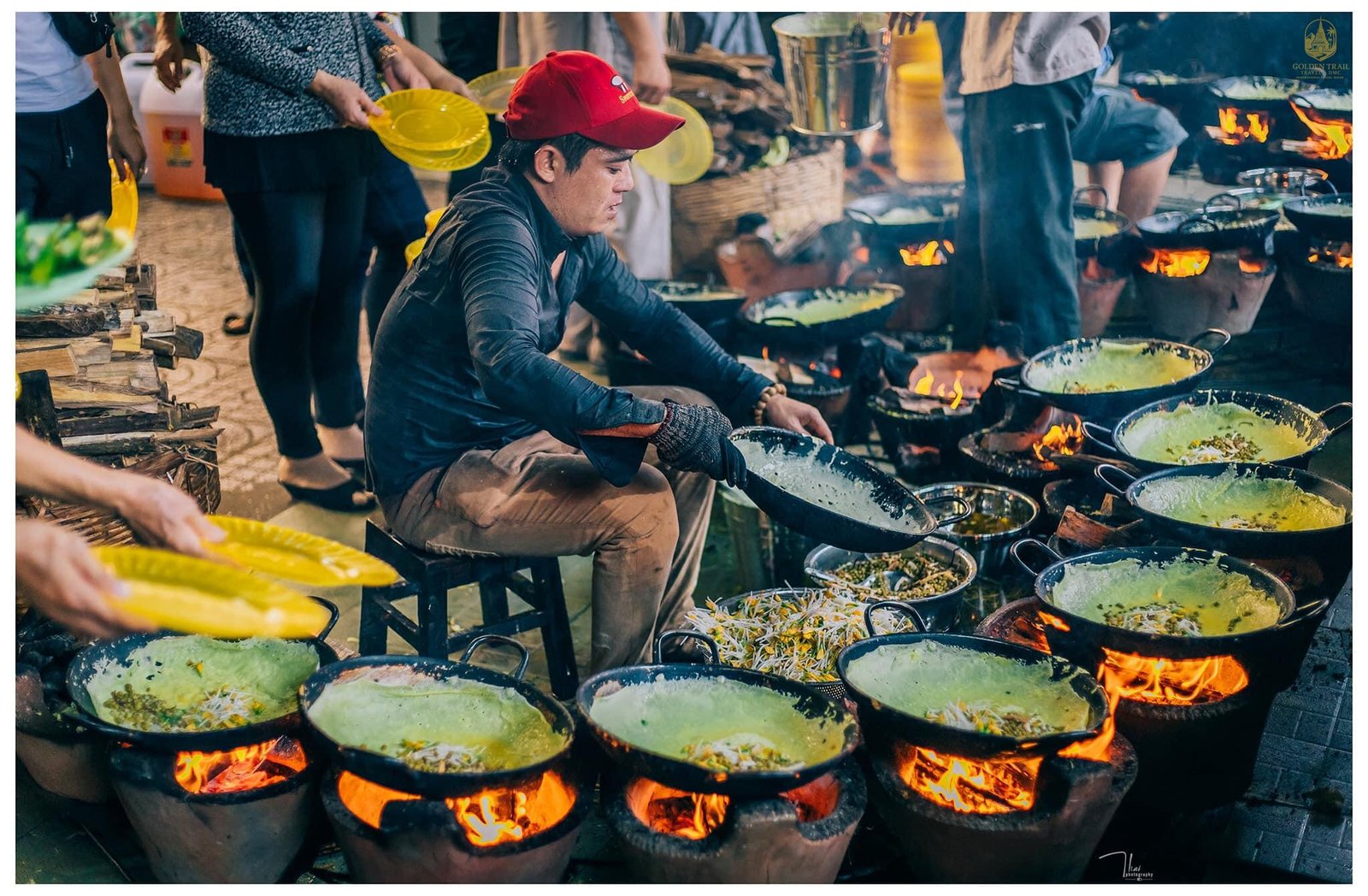
Pancakes (煎饼 - Jiānbǐng): A staple in Shandong. These thin, savory crepes made from various grains (like corn, sorghum, or wheat) are cooked on a griddle and can be filled with anything from eggs and vegetables to meat. They are hearty and portable, making them ideal for pilgrims.
Braised Pork with Brown Sauce (红烧肉 - Hóngshāo Ròu): A classic Shandong dish, often found in restaurants at the mountain's base. Pork belly is slow-braised in soy sauce, sugar, and spices until incredibly tender and flavorful.
Local Grains and Cereals: Dishes made from corn, millet, and other locally grown grains are common, reflecting the agrarian nature of the region.
Farm-to-Table: Many smaller eateries and guesthouses around the base emphasize fresh, locally sourced ingredients, providing a genuine taste of the region's produce.
"Mountain Springs" (山泉水): Many restaurants and tea houses pride themselves on using pure mountain spring water for cooking and brewing tea, believed to enhance flavor and have health benefits.
Culinary Experiences: Golden Trail Travel can arrange authentic dining experiences, from local eateries at the mountain's base to humble but hearty meals at the summit, providing a delicious insight into Mount Tai's flavors.
Ascending a sacred mountain like Mount Tai, especially one steeped in so much history and cultural significance, requires more than just booking tickets. This is where Golden Trail Travel becomes your invaluable partner, transforming your trip into a seamlessly planned, deeply insightful, and profoundly enriching pilgrimage.
Golden Trail Travel excels in designing bespoke tours that fully capture the essence of Mount Tai, catering to your specific interests, whether they are historical, spiritual, scenic, or a combination.
Tailored Itineraries: From planning the ideal ascent route (traditional climb or cable car combination) to ensuring you visit the most significant temples, historical inscriptions, and scenic viewpoints, Golden Trail Travel can customize a tour that perfectly aligns with your physical capabilities, time constraints, and interests.
Imperial & Spiritual Insights: They connect you with the profound historical and spiritual significance of Mount Tai, offering opportunities to understand the imperial Fengshan sacrifices, the symbolism of the temples, and the enduring reverence for the mountain.
Sunrise Expeditions: For those wishing to witness the legendary "Sunrise over Mount Tai," Golden Trail Travel can meticulously plan the logistics, including overnight stays at the summit or early morning ascents, ensuring you secure the best viewing spot.
Visit Golden Trail Travel's website at https://goldentrailtravel.com/ to explore their diverse range of tours and begin crafting your own Mount Tai adventure.
A key component of a Golden Trail Travel experience on Mount Tai is access to their network of expert local guides. These guides are fluent in English and possess a profound understanding of Mount Tai's unparalleled history, its role in Chinese culture, its intricate religious landscape (Confucianism, Taoism, Buddhism), and the stories behind its countless inscriptions and relics.
Historical Interpretation: Your guide will bring the mountain's history to life, explaining the significance of the imperial rituals, the legends of emperors, and the meaning of the ancient calligraphic inscriptions that adorn the slopes.
Cultural Context: They will bridge cultural and linguistic gaps, helping you understand the spiritual practices observed by pilgrims, the symbolism within the temples, and the local customs you encounter.
Navigation Expertise: They know the best paths, the most efficient ways to use local transport (buses, cable cars), and how to avoid crowds, ensuring a smoother and more enjoyable ascent.
Traveling to a sacred mountain involves specific logistical considerations. Golden Trail Travel ensures your comfort and peace of mind throughout your journey:
Transportation: Arranging all ground transportation to and within Mount Tai (including transfers from Jinan Yaoqiang International Airport (TNA) or Tai'an High-Speed Railway Station, which connects to major cities like Beijing and Shanghai). They coordinate scenic area shuttle buses and cable car tickets for efficient movement up the mountain.
Accommodation: Selecting reputable hotels or guesthouses in Tai'an city or, for those desiring the sunrise experience, arranging appropriate (often more basic but uniquely located) accommodations near the summit.
Trouble-free Travel: Handling any potential language barriers or logistical hurdles, such as purchasing tickets for various sections, understanding local regulations, or finding authentic local eateries, allowing you to relax and fully immerse yourself in the profound experience. They can also advise on appropriate gear for the ascent.
Mount Tai is an ideal centerpiece for exploring the wider Shandong Province and other culturally significant regions of China. Golden Trail Travel can seamlessly combine your visit to Mount Tai with trips to:
Qufu: The birthplace of Confucius (a UNESCO site), offering a profound philosophical complement to Mount Tai's imperial grandeur.
Jinan: The provincial capital, known for its "springs" and historical sites.
Qingdao: A beautiful coastal city famous for its German colonial architecture and Tsingtao Beer.
Beijing: As the historical capital, a perfect complement for understanding imperial China.
Golden Trail Travel's expertise extends across the entire region, allowing for efficient, insightful, and complementary multi-city itineraries that truly showcase the best of China's cultural and natural heritage.
Golden Trail Travel is dedicated to promoting responsible and sustainable tourism practices. They strive to ensure that your visit to Mount Tai benefits local communities, respects the sacred nature of the site and its long-standing traditions, and minimizes environmental impact, leaving a positive footprint on this revered mountain. They encourage responsible hiking and appreciation of the natural environment and cultural relics.
Mount Tai's magnetic appeal lies in its unparalleled historical and cultural significance, its majestic natural beauty, and the profound spiritual journey it offers to all who ascend its hallowed slopes.
As the most revered of China's Five Great Mountains, Mount Tai offers a unique connection to ancient imperial rituals, symbolizing divine mandate and national stability.
Its slopes are adorned with countless historical relics, ancient temples, and a breathtaking collection of calligraphic inscriptions from various dynasties, telling the story of China's artistic and intellectual heritage.
The majestic peaks, ancient pines, and the iconic "Sunrise over Mount Tai" create a landscape of awe-inspiring beauty that changes with the seasons and the shifting clouds.
Whether for spiritual reasons, a physical challenge, or a connection to history, the ascent of Mount Tai is a deeply personal and rewarding journey, culminating in a sense of achievement and connection to something greater.
The mountain showcases a harmonious blend of Confucian, Taoist, and Buddhist influences, reflecting the syncretic nature of Chinese spirituality.
Experience the local culture of Shandong Province, from its hearty cuisine to the resilient spirit of its people.
Mount Tai is more than a mountain; it's a powerful symbol of endurance, aspiration, and the vastness of Chinese civilization.
Q1: Where is Mount Tai (Taishan) located in China? A1: Mount Tai (Taishan) is located in the central part of Shandong Province, China, near the city of Tai'an.
Q2: What is Mount Tai most famous for? A2: Mount Tai is most famous as the foremost of China's Five Great Mountains and a UNESCO World Heritage site. It's renowned for its imperial Fengshan sacrifices, performed by emperors for over 2,000 years, symbolizing their divine mandate. It's also famous for its ancient temples, countless calligraphic inscriptions, and the breathtaking "Sunrise over Mount Tai".
Q3: How difficult is it to climb Mount Tai? What are the main routes? A3: The East Route (Red Gate/Central Route) is a challenging but historically significant ascent with over 7,200 stone steps, taking 4-6 hours. The West Route uses a scenic bus and cable car to reach the summit area, making it much less strenuous. Golden Trail Travel can advise on the best route based on your fitness level and interests.
Q4: How do I travel to Mount Tai? A4: The most convenient way to reach Mount Tai is by high-speed rail to Tai'an Railway Station (泰安站), with direct connections from Beijing, Shanghai, Jinan, and Qufu. You can also fly into Jinan Yaoqiang International Airport (TNA) and take a high-speed train to Tai'an. Golden Trail Travel can arrange all your transportation and transfers.
Q5: Is it possible to watch the sunrise from Mount Tai's summit? A5: Yes, watching the "Sunrise over Mount Tai" (泰山日出) from Sun-Viewing Peak (日观峰) is a highlight for many pilgrims. This usually requires an overnight stay near the summit or a very early morning ascent. Golden Trail Travel can help you plan this unforgettable experience.
Q6: What kind of food can I expect on Mount Tai? A6: You'll find hearty Shandong cuisine, including local wild vegetables, mushrooms, and simple tofu dishes. Jianbing (煎饼) (savory crepes) are a popular and portable snack. Restaurants at the base of the mountain offer more variety, including classic Shandong dishes like Braised Pork with Brown Sauce.
Q7: How can Golden Trail Travel enhance my Mount Tai pilgrimage? A7: Golden Trail Travel specializes in tailored imperial and cultural pilgrimage tours to Mount Tai. They provide expert local guides who offer deep historical and spiritual insights, handle all logistics (transport, accommodation, tickets, sunrise planning), and ensure a seamless, authentic, and profoundly enriching ascent.
Q8: Can Golden Trail Travel combine Mount Tai with other nearby destinations? A8: Absolutely! Golden Trail Travel can seamlessly integrate your visit to Mount Tai with other major attractions in Shandong Province, such as Qufu (birthplace of Confucius), Jinan, or Qingdao. They can also connect it with major cities like Beijing or Shanghai for a comprehensive cultural tour of China.
"Our pilgrimage to Mount Tai with Golden Trail Travel was truly an experience of a lifetime. The ascent was challenging but incredibly rewarding, and our guide's stories about the emperors and ancient rituals made every step meaningful. Witnessing the sunrise from Jade Emperor Peak was absolutely breathtaking. Golden Trail Travel handled every detail, from the logistics of the climb to our comfortable accommodation, making it an unforgettable journey." — Eleanor R., USA
"I wanted a truly authentic and historical adventure in China, and Mount Tai delivered beyond my expectations. Golden Trail Travel's expert guide brought the mountain's history to life, pointing out ancient inscriptions and explaining the significance of each temple. The view from the summit was worth every step. I felt a deep connection to China's past. Highly recommend their tailored tours!" — Marcus L., UK
"The sunrise over Mount Tai, meticulously planned by Golden Trail Travel, was one of the most magical moments of my travels. Our guide made sure we were at the perfect spot, and their insights into the mountain's spiritual importance truly enriched the experience. The entire trip was seamless, allowing me to fully immerse myself in the beauty and history. A truly professional and exceptional service!" — Sophia M., Germany
"As a student of Chinese history, Mount Tai was a must-visit. Golden Trail Travel provided a guide who was an absolute fount of knowledge, explaining the Fengshan sacrifices, the evolution of the temples, and the significance of the various dynasties' contributions. Walking through an outdoor museum of calligraphy was incredible. Their deep expertise made this an invaluable educational journey." — Professor Charles D., Australia
"Golden Trail Travel created a wonderful itinerary that combined Qufu with Mount Tai. It was the perfect blend of philosophical depth and majestic natural beauty. The entire trip was incredibly well-organized, safe, and authentic. I particularly appreciated their flexibility and attention to detail. Climbing Mount Tai was a personal triumph, made easy by Golden Trail Travel. I'll definitely use them again for my next adventure!" — Li Wei, Singapore
Mount Tai stands as an eternal symbol of China's enduring civilization, a majestic peak where the natural world intertwines with millennia of human history, imperial power, and profound spiritual devotion. It is a place where every step on its ancient stairs echoes with the footsteps of emperors and pilgrims, where every temple whispers tales of ancient gods, and where the panoramic views from its summit truly feel like standing at the top of the world, connecting with the heavens. From its awe-inspiring natural beauty and the rich tapestry of its cultural relics to the profound personal journey it offers, Mount Tai promises an experience that is deeply authentic, visually stunning, and profoundly transformative. It is a destination that beckons to the adventurous spirit, the history enthusiast, and the seeker of spiritual solace alike.
To truly unlock the multifaceted wonders and sacred depths of this extraordinary mountain, an experienced and dedicated partner is indispensable. Golden Trail Travel is your trusted guide to Mount Tai, offering meticulously planned tours, expert local insights, and a steadfast commitment to authentic encounters. Let them lead you on an unforgettable ascent through the hallowed pathways and ancient temples of Mount Tai, where history breathes, nature inspires, and your next remarkable pilgrimage awaits


Ba Be Bac Kan is a mountainous district of Bac Kan Province in the northeast region of Vietnam. The district covers an area of 678 km², offering a wide selection of travel activities such as hiking, boat trip, kayaking, caving. If you look for Ba Be treks, Ba Be hikes, hiking around Ba Be, Ba Be national park trekking tours, Ba Be trekking home-stay, Ba Be lakes boat trip, Ba Be cave tours then you have just found the right place.
May 28, 2025
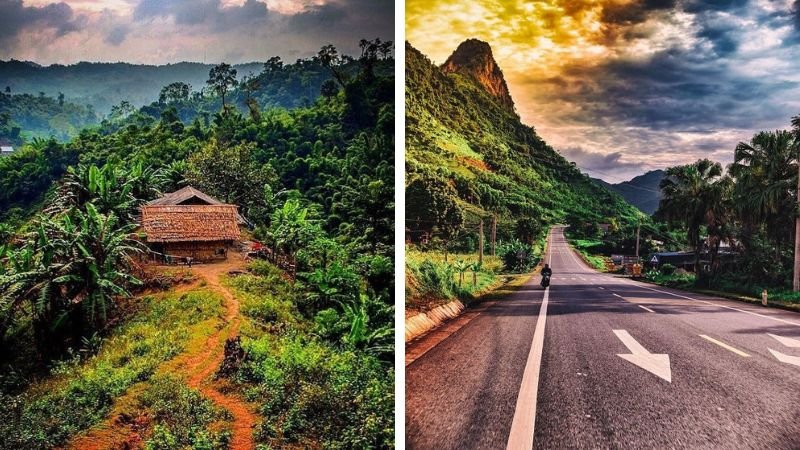
Bach Thong is a district of Bac Kan Province in the northeast region of Vietnam. The district covers an area of 546 km², offering few off the beaten path hiking trips in north Vietnam. If you look for Bach Thong treks, Bach Thong hikes, hiking Bach Thong Vietnam, Bach Thong trekking tours, Bach Thong trekking homestay we at Hiking Vietnam Tours can arrange a private, guided tour for you.
May 28, 2025
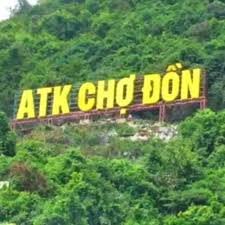
Cho Don is a district of Bac Kan Province in the northeast region of Vietnam. The district covers an area of 913 km², offering a wide range of off the beaten path hiking trips in north Vietnam. If you look for Cho Don treks, Cho Don hikes, hiking Cho Don Vietnam, Cho Don trekking tours, Cho Don trekking homestay we at Hiking Vietnam Tours can arrange a private, guided tour for you.
May 28, 2025
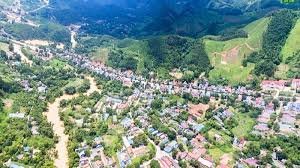
Cho Moi is a district of Bac Kan Province in the northeast region of Vietnam. The district covers an area of 913 km², offering interesting off the beaten path hiking trips in north Vietnam. If you look for Cho Moi treks, Cho Moi hikes, hiking Cho Moi Vietnam, Cho Moi trekking tours, Cho Moi trekking homestay we at Hiking Vietnam Tours can arrange a private, guided tour for you.
May 28, 2025
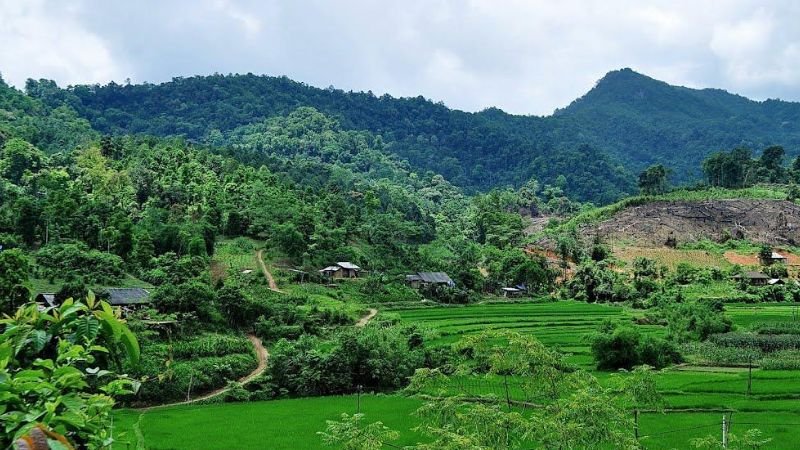
Na Ri is a district of Bac Kan Province in the northeast region of Vietnam. The district covers an area of 913 km², offering interesting off the beaten path hiking trips in north Vietnam. If you look for Na Ri treks, Na Ri hikes, hiking Na Ri Vietnam, Na Ri trekking tours, Na Ri trekking homestay we at Hiking Vietnam Tours can arrange a private, guided tour for you.
May 28, 2025
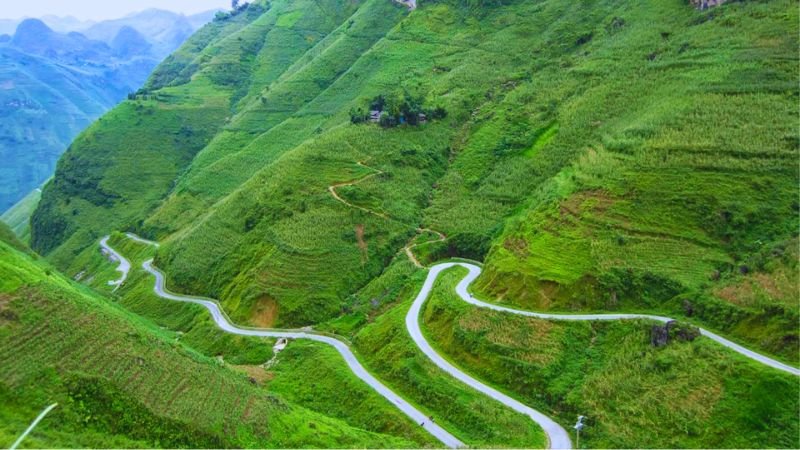
Ngan Son is a district of Bac Kan Province in the northeast region of Vietnam. The district covers an area of 644 km², offering beautiful off the beaten path hiking trips in north Vietnam. If you look for Ngan Son treks, Ngan Son hikes, hiking Ngan Son Vietnam, Ngan Son trekking tours, Ngan Son trekking homestay we at Hiking Vietnam Tours can arrange a private, guided tour for you.
May 28, 2025
Pac Nam is a district of Bac Kan Province in the northeast region of Vietnam. The district covers an area of 474 km², offering beautiful off the beaten path hiking trips in north Vietnam. If you look for Pac Nam treks, Pac Nam hikes, hiking Pac Nam Vietnam, Pac Nam trekking tours, Pac Nam trekking homestay we at Hiking Vietnam Tours can arrange a private, guided tour for you.
May 28, 2025
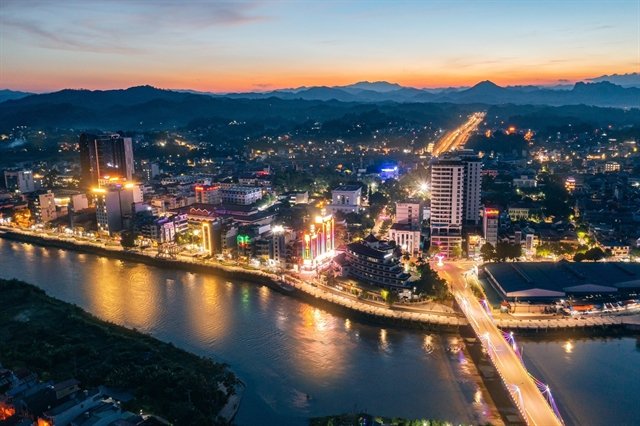
Cao Bang city is the capital of Cao Bang Province, north east Vietnam. The township is located on the bank of the Bang Giang river, and is around 30 km away from the border with China. If you look for Cao Bang treks, Cao Bang hikes, hiking Cao Bang Vietnam, Cao Bang trekking tours, Cao Bang trekking homestay there is no such activity in the Cao Bang town. You should move north to Trung Khanh, Nguyen Binh, Tra Linh where beautiful off the beaten path trekking trips can be arranged.
May 28, 2025
Bao Lam is a district of Bao Lam Province in the northeast region of Vietnam. The district covers an area of 902 km², and offers beautiful off the beaten path trekking holidays in Vietnam. If you look for Bao Lam treks, Bao Lam hikes, hiking Bao Lam Vietnam, Bao Lam trekking tours, Bao Lam trekking homestay adventures we at Hiking Vietnam Tours can customize an itinerary for you.
May 28, 2025
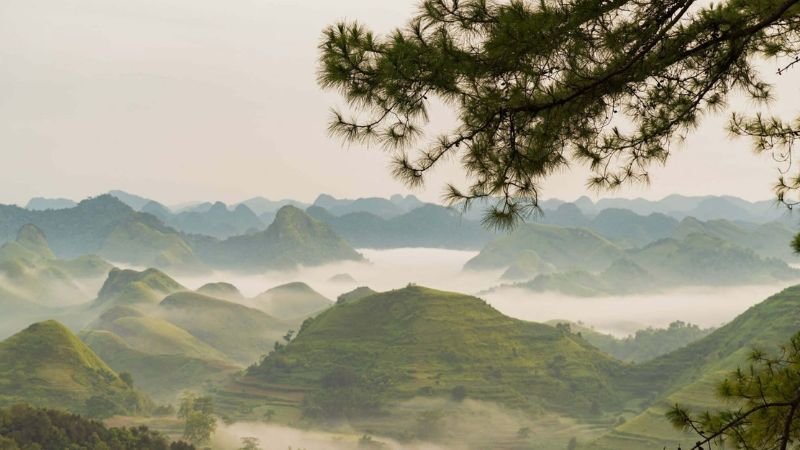
Ha Lang is a district of Ha Lang Province in the northeast region of Vietnam. The district covers an area of 463 km², and offers beautiful off the beaten path trekking holidays in Vietnam. If you look for Ha Lang treks, Ha Lang hikes, hiking Ha Lang Vietnam, Ha Lang trekking tours, Ha Lang trekking homestay adventures we at Hiking Vietnam Tours can customize an itinerary for you.
May 28, 2025
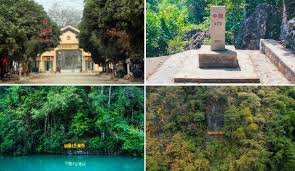
Ha Quang is a district of Ha Quang Province in the northeast region of Vietnam. The district covers an area of 454 km², and offers beautiful off the beaten path trekking holidays in Vietnam. If you look for Ha Quang treks, Ha Quang hikes, hiking Ha Quang Vietnam, Ha Quang trekking tours, Ha Quang trekking homestay adventures we at Hiking Vietnam Tours can customize an itinerary for you.
May 28, 2025
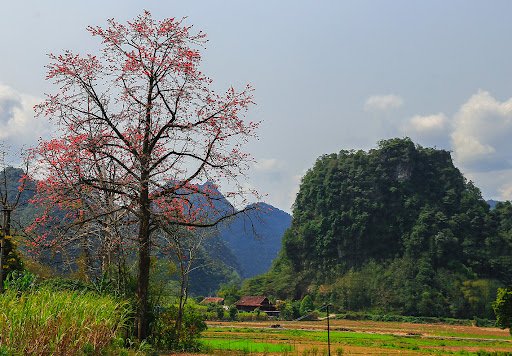
Hoa An Cao Bang is a district of Cao Bang Province in the northeast region of Vietnam. The district covers an area of 656 km², and offers beautiful off the beaten path trekking holidays in Vietnam. If you look for Hoa An treks, Hoa An hikes, hiking Hoa An Vietnam, Hoa An trekking tours, Hoa An trekking homestay adventures we at Hiking Vietnam can customize an itinerary for you.
May 28, 2025
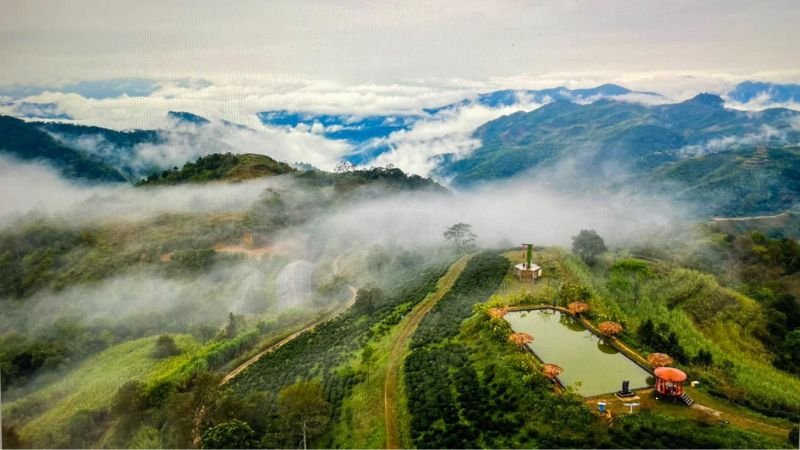
Nguyen Binh is a district of Cao Bang Province in the northeast region of Vietnam. The district covers an area of 837 km², and offers beautiful off the beaten path trekking holidays in Vietnam. If you look for Nguyen Binh treks, Nguyen Binh hikes, hiking Nguyen Binh Vietnam, Nguyen Binh trekking tours, Nguyen Binh trekking homestay adventures we at Hiking can customize an itinerary for you.
May 28, 2025
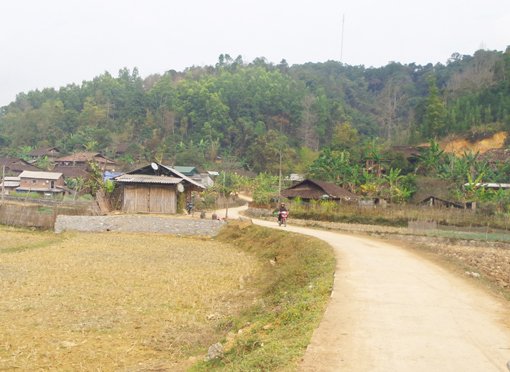
Phuc Hoa is a district of Cao Bang Province in the northeast region of Vietnam. The district covers an area of 263 km², and offers beautiful off the beaten path trekking holidays in Vietnam. If you look for Phuc Hoa treks, Phuc Hoa hikes, hiking Phuc Hoa Vietnam, Phuc Hoa trekking tours, Phuc Hoa trekking homestay adventures we at Hiking Vietnam can customize an itinerary for you.
May 28, 2025
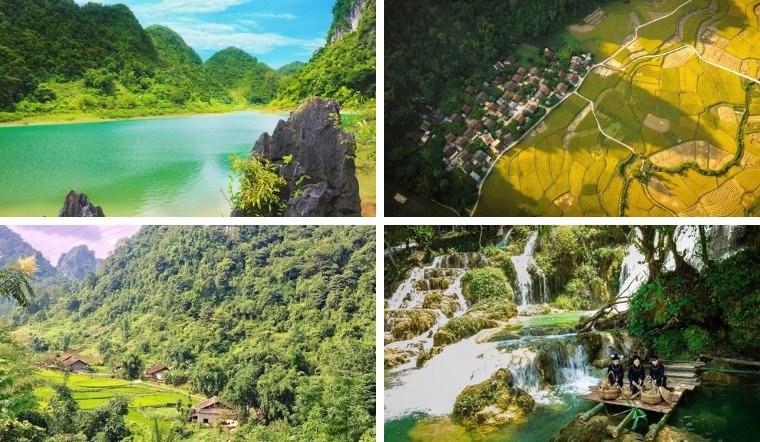
Quang Uyen is a district of Cao Bang Province in the northeast region of Vietnam. The district covers an area of 383 km², and offers beautiful off the beaten path trekking holidays in Vietnam. If you look for Quang Uyen treks, Quang Uyen hikes, hiking Quang Uyen Vietnam, Quang Uyen trekking tours, Quang Uyen trekking homestay adventures we at Hiking Vietnam can customize an itinerary for you.
May 28, 2025
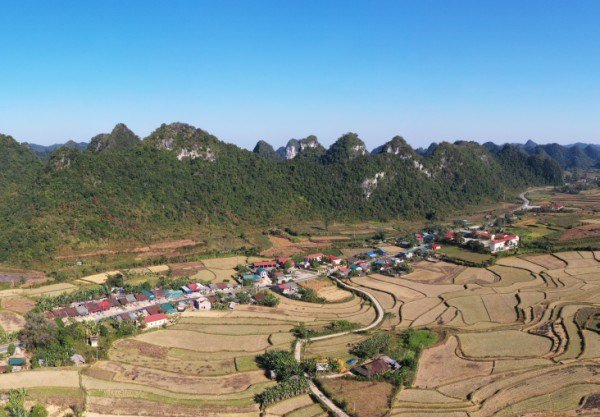
Thach An Cao Bang is a district of Cao Bang Province in the northeast region of Vietnam. The district covers an area of 683 km², and offers beautiful off the beaten path trekking holidays in Vietnam. If you look for Thach An treks, Thach An hikes, hiking Thach An Vietnam, Thach An trekking tours, Thach An trekking homestay adventures we at Hiking Vietnam can customize an itinerary for you.
May 28, 2025
Thong Nong is a district of Cao Bang Province in the northeast region of Vietnam. The district covers an area of 360 km², and offers beautiful off the beaten path trekking holidays in Vietnam. If you look for Thong Nong treks, Thong Nong hikes, hiking Thong Nong Vietnam, Thong Nong trekking tours, Thong Nong trekking homestay adventures we at Hiking Vietnam can customize an itinerary for you.
May 28, 2025
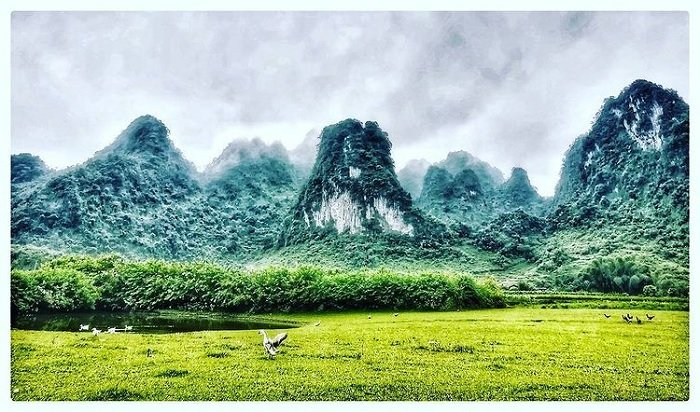
Tra Linh is a district of Cao Bang Province in the northeast region of Vietnam. The district covers an area of 257 km², and offers beautiful off the beaten path trekking holidays in Vietnam. If you look for Tra Linh treks, Tra Linh hikes, hiking Tra Linh Vietnam, Tra Linh trekking tours, Tra Linh trekking homestay adventures we at Hiking Vietnam can customize an itinerary for you.
May 28, 2025
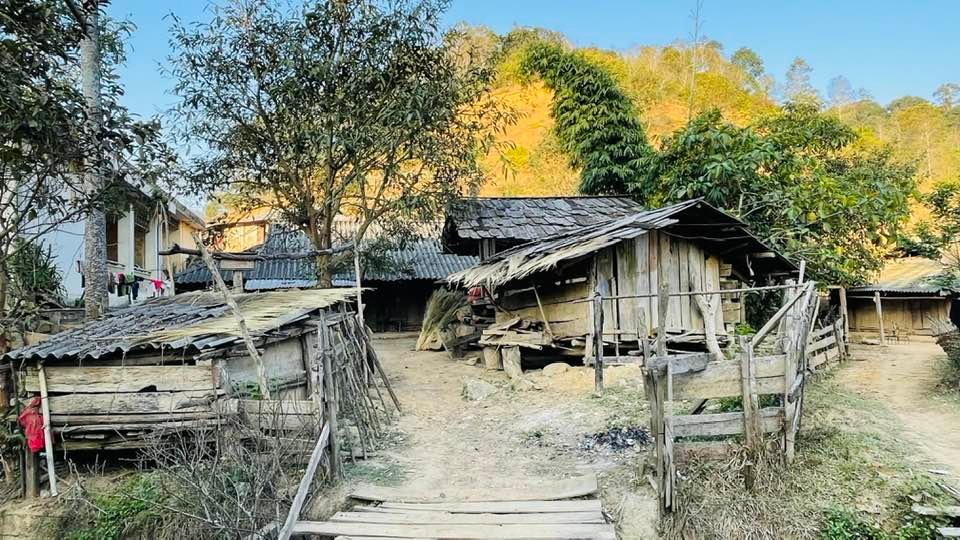
Trung Khanh is a district of Cao Bang Province in the northeast region of Vietnam. The district covers an area of 469 km², and offers beautiful off the beaten path trekking holidays in Vietnam. If you look for Trung Khanh treks, Trung Khanh hikes, hiking Trung Khanh Vietnam, Trung Khanh trekking tours, Trung Khanh trekking homestay adventures we at Hiking Vietnam can customize an itinerary for you.
May 28, 2025
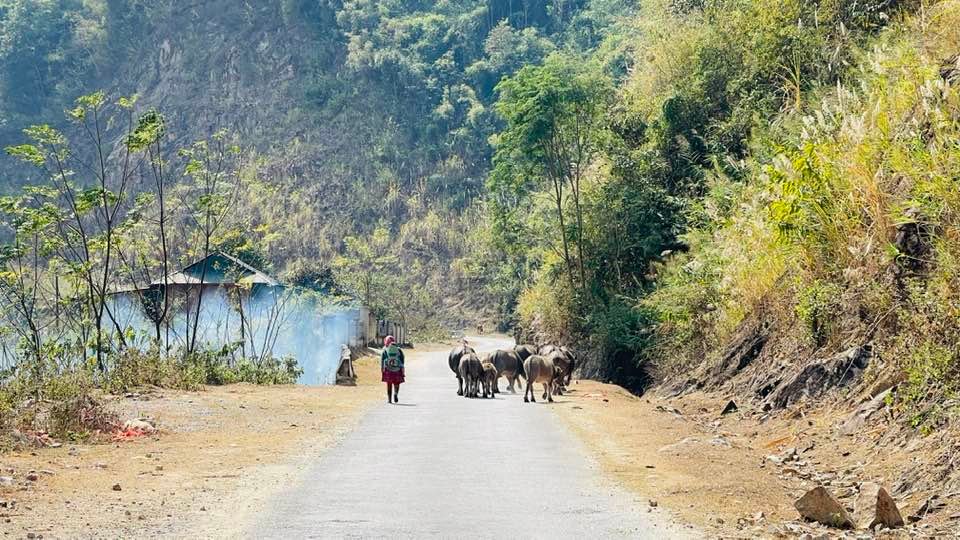
Ha Giang city, located on the banks of the Lô River is the capital of Ha Giang Province, north east Vietnam. The city has an area of 135.33 km² and offers the most beautiful off the beaten track trekking tours in north Vietnam. If you look for Ha Giang treks, Ha Giang hikes, hiking Ha Giang Vietnam, Ha Giang trekking tours, Ha Giang hiking tours, Ha Giang trekking homestay you have just found the best place for hiking in Vietnam. We at Hiking Vietnam can arrange for you a private, guided Ha Giang trek at affordable price.
May 28, 2025