15 Ng. 100 Đ. Nguyễn Xiển, Thanh Xuân Nam, Thanh Xuân, Hà Nội 100000


15 Ng. 100 Đ. Nguyễn Xiển, Thanh Xuân Nam, Thanh Xuân, Hà Nội 100000

The name Shantou (汕头) might not yet resonate with the same global recognition as Beijing or Shanghai, but for those who delve beneath the surface of China's coastal landscape, it reveals itself as a vibrant, historically significant, and culturally rich city. Located on the eastern coast of Guangdong Province, Shantou is a fascinating blend of old-world charm and modern development, a city deeply rooted in its Teochew (潮汕) heritage and inextricably linked to the powerful narratives of overseas Chinese migration, open-door policies, and thriving maritime trade.
More than just a port city, Shantou is a living testament to the entrepreneurial spirit of its people, a culinary paradise offering some of China's most distinctive flavors, and a gateway to understanding a unique subculture within the vast tapestry of Chinese civilization. This comprehensive guide will take you on an immersive journey through Shantou's compelling history, its iconic landmarks, its delectable gastronomic scene, and its enduring cultural heart. We will also demonstrate how Golden Trail Travel can unlock an unforgettable and seamlessly organized adventure, ensuring you experience the true essence and hidden treasures of this enchanting coastal gem. Prepare to be charmed by its history, tantalized by its food, and inspired by its resilient spirit.
To truly appreciate Shantou today, it's essential to understand its unique geographical advantages and the pivotal historical events that have shaped its distinct identity.
Shantou is strategically situated on the southeastern coast of Guangdong Province, at the confluence of the Han River, Rong River, and Lian River, which empty into the South China Sea. This intricate network of waterways and its deep-water harbor have historically made it an ideal natural port. The city's landscape is a mix of fertile plains, low hills, and a long coastline dotted with islands. This coastal location has been fundamental to its development as a maritime hub and a gateway to the wider world.
Unlike many ancient Chinese cities with millennia of history, Shantou's modern identity largely began in the mid-19th century.
Opium Wars and Treaty Ports: Following the Opium Wars, China was forced to open a number of "treaty ports" to foreign trade. While Swatow (the old English name for Shantou) was designated as such in 1858 by the Treaty of Tianjin, it wasn't officially opened until 1860. Before this, it was a relatively insignificant fishing village.
Rapid Development: The opening of the port spurred rapid development. Foreign powers (British, American, German, Japanese, etc.) established consulates, trading houses, and infrastructure. This era saw the construction of distinctive "Qilou" (骑楼) architecture – colonial-style arcade-houses that blended Western and local elements, which are still a prominent feature of Shantou's Old Town.
Emigration Hub: Shantou quickly became a major emigration port for people from the Chaoshan region. Driven by economic hardship, political instability, and the desire for better opportunities, millions of Teochew people departed from Shantou to Southeast Asia (especially Thailand, Malaysia, Singapore), and other parts of the world. This massive diaspora has created strong economic and cultural ties between Shantou and overseas Chinese communities globally.
In 1980, Shantou was designated one of China's first four Special Economic Zones (SEZs), alongside Shenzhen, Zhuhai, and Xiamen. This was a crucial part of Deng Xiaoping's "reform and opening up" policy, designed to attract foreign investment, introduce market-oriented reforms, and drive economic growth.
Economic Transformation: The SEZ status led to rapid industrialization, infrastructure development, and a surge in foreign investment, particularly from the Teochew diaspora. Shantou transformed from a relatively underdeveloped port into a significant manufacturing and trading center.
Balancing Modernity and Heritage: While modernization has inevitably reshaped parts of the city, there's a growing awareness and effort to preserve Shantou's unique heritage, particularly its Old Town and Teochew cultural traditions.
Shantou is one of the three core cities (along with Chaozhou and Jieyang) that form the Chaoshan region, the ancestral home of the Teochew people. This distinct sub-ethnic group of Han Chinese boasts its own dialect (Teochew/Chaoshan dialect, one of the oldest and most distinct Chinese dialects), unique customs, traditional opera, exquisite cuisine, and architectural styles.
Strong Identity: The Teochew people have a strong sense of identity and pride in their heritage, which is deeply embedded in Shantou's daily life, from its bustling morning markets to its vibrant evening street food scene.
Cultural Preservation: Despite modernization, efforts are being made to preserve and promote Teochew opera, traditional crafts, and the unique architectural legacy of the Old Town.
Shantou offers a fascinating blend of historical architecture, scenic beauty, and vibrant urban life, providing a rich tapestry for exploration.
The undisputed soul of Shantou, the Old Town, is a treasure trove of history and architectural marvels. This district, particularly around Small Park (小公园 - Xiǎo Gōngyuán), features hundreds of Qilou (骑楼) buildings – distinctive arcade-houses with covered walkways at street level, blending European colonial influences with traditional Lingnan (Southern Chinese) elements.
Qilou Architecture: Wander through the labyrinthine streets, admiring the intricate facades, ornate balconies, and unique blend of Western and Chinese design. Each Qilou tells a story of the treaty port era. Many are undergoing restoration, slowly bringing back their former glory.
Small Park: The radial center of the Old Town, once a bustling hub, is being revitalized. It’s a perfect spot to observe local life, enjoy a cup of tea, and appreciate the surrounding historic buildings.
Hidden Gems: Discover traditional shops, local eateries, and hidden temples tucked away in the alleyways, offering a glimpse into daily life that has changed little for decades.
Photography: The Old Town is a dream for photographers, offering endless opportunities to capture the unique architecture, street scenes, and local character.
Located just offshore, Mayu Island offers a pleasant escape from the city bustle. It's known for its fishing village charm, coastal scenery, and views of the surrounding waters.
Seafood Delights: Enjoy fresh seafood at local restaurants, often caught that day.
Temple Visits: Explore the island's small temples dedicated to Mazu, the goddess of the sea, revered by coastal communities.
Coastal Walks: Take leisurely strolls along the coastline, enjoying the sea breeze and views of ships entering and leaving the harbor.
Situated on the southern coast of Shantou, Queshi Scenic Area is a stunning natural park characterized by unique rock formations, lush greenery, and coastal views.
Rocky Landscapes: Explore the bizarrely shaped granite rocks, sculpted by centuries of wind and sea erosion.
Temples and Statues: Discover hidden temples, pavilions, and large Buddha statues nestled among the rocks and hills, offering serene spots for contemplation.
Panoramic Views: Climb to viewpoints for sweeping vistas of the South China Sea and the Shantou coastline. It’s particularly beautiful at sunset.
Cable Car: A cable car ride offers a bird's-eye view of the entire scenic area.
While not a traditional tourist attraction, Shantou University is notable for its modern, award-winning architecture and its unique funding model, largely supported by the philanthropic efforts of Hong Kong billionaire Li Ka-shing, a native of Chaoshan.
Architectural Interest: The campus features contemporary designs by renowned architects, making it an interesting visit for those interested in modern architecture and urban planning in China.
Symbol of Development: It represents the city's aspirations for educational and intellectual growth.
People's Square: A large central square, typical of Chinese cities, used for public gatherings and leisure. It's surrounded by government buildings and modern high-rises, offering a glimpse into contemporary urban life.
Longdu Water Town (or Longhu Scenic Area): A newly developed area aiming to create a charming waterside district with traditional architecture, often featuring cultural performances and local food stalls, though sometimes criticized for lacking the authenticity of the Old Town.
While technically part of Jieyang City, Nan'ao Island is geographically very close to Shantou and easily accessible, making it a popular excursion. It's the only island county in Guangdong and is known for its stunning natural beauty, pristine beaches, and fresh seafood.
Beaches: Relax on beautiful sandy beaches like Qing'ao Bay.
Wind Farms: Witness the striking sight of numerous wind turbines dotting the island's hills, a symbol of green energy development.
Nan'ao Bridge: Cross the impressive Nan'ao Bridge, connecting the island to the mainland, offering scenic views.
Seafood Feast: Indulge in an incredible seafood feast at the local fishing villages.
Shantou is perhaps most celebrated for its Chaoshan (Teochew) cuisine, widely regarded as one of China's most refined and flavorful regional cuisines. It emphasizes freshness, subtle flavors, precise knife work, and healthy cooking methods. For food lovers, exploring Shantou's culinary scene is an absolute must.
Beef Hot Pot (Chaozhou Niurou Huoguo - 潮汕牛肉火锅): A unique and highly popular hot pot experience. Unlike other hot pots, it focuses solely on incredibly fresh, thinly sliced local beef, cooked very briefly in a clear, flavorful broth. Different cuts of beef are served on color-coded plates, and the accompanying dipping sauces (especially the traditional shacha sauce) are key. A true communal and unforgettable dining experience.
Chaoshan Porridge (Chaozhou Zhou - 潮汕粥): A staple, but far from plain. Unlike typical congee, Chaoshan porridge is made with rice grains that remain distinct but are cooked in a rich, flavorful broth (often seafood or meat broth). It's served with a wide array of side dishes (small plates of pickled vegetables, salted eggs, braised meats, fresh seafood) that make it a full meal.
Seafood: Given its coastal location, fresh seafood is paramount. Steamed fish (especially with pickled plums), braised abalone, and various shellfish dishes are prepared simply to highlight their natural sweetness.
Goose Braised in Lou Mei (卤味鹅): A signature Chaoshan dish. Goose (often the famous Lion's Head Goose breed) is meticulously braised in a complex "lou mei" broth – a master stock infused with soy sauce, star anise, cinnamon, and other spices. The meat is incredibly tender and flavorful.
Oyster Omelette (Oh Luak - 蚝烙): A savory and crispy omelette made with fresh oysters, eggs, and starch, fried until golden brown and often served with a dash of fish sauce.
Chaozhou Kway Teow (粿条 - Guǒtiáo): A versatile dish featuring flat rice noodles (similar to pho noodles) served in various ways: stir-fried (dry or with sauce), or in a clear broth with sliced pork, fish balls, and vegetables.
Fish Balls (鱼丸) & Beef Balls (牛肉丸): Chaoshan is famous for its bouncy, flavorful fish and beef balls, made from finely pounded fresh meat, often served in clear soups or with noodles.
Various Dim Sum / Pastries (点心 / 糕点): While different from Cantonese dim sum, Teochew cuisine has its own array of savory and sweet pastries, such as Chaozhou Shuijing Bao (水晶包 - Crystal Dumplings), Radish Cake (Lo Bak Gou), and various sticky rice dumplings.
Gongfu Tea (功夫茶): More than just a beverage, Gongfu Tea is a refined tea ceremony deeply ingrained in Teochew culture. It involves precise rituals for brewing and serving strong, small cups of oolong tea, symbolizing hospitality and contemplation.
Culinary Tours: Golden Trail Travel can arrange dedicated food tours, taking you to authentic local eateries, bustling wet markets, and even workshops to learn about traditional cooking methods, ensuring a truly immersive gastronomic journey.
Shantou's culture extends far beyond its delicious food, offering rich insights into Teochew traditions.
Teochew Opera (潮剧 - Cháojù): A traditional Chinese opera form unique to the Chaoshan region. Known for its distinct vocal style, elaborate costumes, and intricate storytelling. While performances might be less frequent for tourists, Golden Trail Travel can help find opportunities to witness this vibrant art form.
Traditional Crafts: Explore local workshops that specialize in Teochew embroidery (a highly intricate art form), wood carving, or paper cutting, showcasing the meticulous craftsmanship of the region.
Festivals and Customs: If your visit coincides with local festivals (like Chinese New Year or various temple festivals), you'll witness vibrant celebrations, traditional parades, and unique local customs.
Navigating a city with a distinct dialect and a mix of old-world charm and modern development like Shantou, especially for those seeking authentic cultural immersion, requires careful planning and local expertise. This is where Golden Trail Travel becomes your invaluable partner, transforming your trip into a seamlessly planned, deeply insightful, and profoundly enriching adventure.
Golden Trail Travel excels in designing bespoke tours that cater to your specific interests, whether you're a history buff, a culinary enthusiast, or someone seeking an authentic cultural experience.
Tailored Itineraries: From delving deep into the history of the Old Town and its Qilou architecture to embarking on a comprehensive Chaoshan food tour, Golden Trail Travel can customize an itinerary that perfectly aligns with your passions.
Beyond the Surface: They go beyond generic tourist spots, connecting you with local traditions, hidden eateries, and unique experiences that truly reveal Shantou's essence.
Visit Golden Trail Travel's website at https://goldentrailtravel.com/ to explore their diverse range of tours and begin crafting your own Shantou adventure.
A key component of a Golden Trail Travel experience in Shantou is access to their network of expert local guides. These guides are fluent in English and possess a profound understanding of Teochew history, customs, the local dialect, and the intricate stories behind the city's landmarks and culinary traditions.
Cultural Interpretation: Your guide will bridge language barriers, explain the symbolism within Teochew architecture, introduce you to local customs, and provide context for the city's unique history as a treaty port and SEZ.
Culinary Navigation: They are indispensable for navigating Shantou's renowned food scene, leading you to authentic local eateries, explaining dishes, and even helping you understand the intricacies of Gongfu Tea.
Authentic Interactions: They facilitate genuine interactions with local residents, allowing for a more personal and memorable experience.
Traveling in a bustling Chinese city, especially one less frequented by international mass tourism, can sometimes be challenging. Golden Trail Travel ensures your comfort and peace of mind:
Transportation: Arranging all ground transportation within Shantou (including the Old Town, Queshi Scenic Area, and excursions to nearby areas like Nan'ao Island or even Chaozhou), and transfers from airports or high-speed rail stations, ensuring smooth and comfortable journeys.
Accommodation: Selecting reputable hotels that meet your comfort and budget requirements, ideally located for easy access to key attractions.
Trouble-free Travel: Handling any potential language barriers or logistical hurdles, such as navigating local markets or understanding local customs, allowing you to relax and fully immerse yourself in the experience.
Shantou is often part of a broader exploration of the Chaoshan region. Golden Trail Travel can seamlessly combine your visit to Shantou with trips to Chaozhou (famous for its ancient city walls, Kaiyuan Temple, and traditional culture) and Jieyang (known for its temples and the Confucius Temple), providing a comprehensive understanding of Teochew heritage.
Regional Expertise: Their expertise extends across the entire Chaoshan region, allowing for efficient and insightful multi-city itineraries.
Golden Trail Travel is dedicated to promoting responsible and sustainable tourism practices. They strive to ensure that your visit to Shantou benefits local communities, respects cultural heritage (particularly the fragile Old Town and its traditions), and minimizes environmental impact, leaving a positive footprint on this unique coastal city.
Shantou's appeal lies in its authenticity, its rich cultural depth, and its fascinating blend of historical significance and modern dynamism.
Its Old Town, with its unique Qilou architecture, offers a tangible connection to a pivotal period in China's modern history, providing a unique architectural and cultural landscape unlike other Chinese cities.
For serious foodies, Shantou is a pilgrimage site. Its Chaoshan cuisine is a revelation, offering a sophisticated and nuanced gastronomic experience that sets it apart.
It provides an unparalleled opportunity to delve into the distinct and resilient Teochew culture, one of China's most fascinating sub-ethnic groups, with its own language, opera, customs, and strong community ties.
From the unique rock formations of Queshi Scenic Area to the pristine beaches of Nan'ao Island, Shantou offers beautiful natural landscapes and coastal charm that provide a refreshing contrast to urban exploration.
Compared to major Chinese tourist hubs, Shantou offers a more authentic and less commercialized travel experience, allowing for genuine interaction with local life and culture.
The city's history, from its humble beginnings to its role as a major emigration port and then an SEZ, embodies the resilience and entrepreneurial spirit of the Teochew people, making it an inspiring place to visit.
Q1: Where is Shantou located in China? A1: Shantou is a coastal city located in the eastern part of Guangdong Province, China, at the confluence of several rivers emptying into the South China Sea. It's part of the larger Chaoshan region.
Q2: What is Shantou most famous for? A2: Shantou is most famous for its rich Teochew (Chaoshan) culture, its unique Qilou (arcade-house) architecture in the Old Town, its history as a treaty port and Special Economic Zone (SEZ), and especially its incredibly refined and diverse Chaoshan cuisine.
Q3: What unique architectural style can I see in Shantou? A3: Shantou is renowned for its Qilou (骑楼) buildings in the Old Town. These are distinctive arcade-houses featuring a blend of European colonial and traditional Lingnan Chinese architectural styles, with covered walkways on the ground floor.
Q4: How do I get to Shantou? A4: Shantou is accessible via Jieyang Chaoshan International Airport (SWA), which serves the entire Chaoshan region. It's also well-connected by high-speed rail from major Chinese cities like Guangzhou, Shenzhen, and Xiamen. Golden Trail Travel can arrange all your transportation and transfers for a seamless journey.
Q5: What essential Chaoshan dishes should I try in Shantou? A5: You absolutely must try Chaoshan Beef Hot Pot, Chaoshan Porridge with various side dishes, fresh steamed seafood, Goose Braised in Lou Mei, Oyster Omelette (Oh Luak), and experience the traditional Gongfu Tea ceremony.
Q6: How can Golden Trail Travel enhance my trip to Shantou? A6: Golden Trail Travel specializes in tailored cultural and gastronomic tours to Shantou. They provide expert local guides who offer deep insights into Teochew culture and cuisine, handle all logistics (transport, accommodation, exclusive site access), and ensure a seamless, authentic, and unforgettable exploration.
Q7: Can Golden Trail Travel combine Shantou with other nearby cities? A7: Yes! Golden Trail Travel can seamlessly integrate your visit to Shantou with other key cities in the Chaoshan region, such as Chaozhou (known for its ancient city and temples) and Jieyang, creating a comprehensive multi-city tour of Teochew culture.
"Our trip to Shantou with Golden Trail Travel was an absolute foodie dream come true! The Chaoshan Beef Hot Pot was unlike anything I've ever tasted, and our guide knew all the best local spots for every traditional dish. Beyond the food, exploring the Old Town and learning about its unique Qilou architecture was fascinating. Golden Trail Travel handled everything flawlessly, making it a stress-free and delicious adventure!" — Eleanor R., USA
"I wanted to experience a less-touristy side of China, and Shantou perfectly fit the bill. Golden Trail Travel arranged an incredible itinerary that truly immersed us in Teochew culture. From the serene Queshi Scenic Area to the bustling local markets, every day was a discovery. Our guide was exceptional, providing deep insights and making every interaction meaningful. Highly recommend for an authentic experience!" — Marcus L., UK
"The history of Shantou as a treaty port and its connection to the overseas Chinese diaspora was incredibly compelling. Golden Trail Travel’s guide brought this history to life as we walked through the Old Town's Qilou buildings. We also took a fantastic day trip to Nan'ao Island, which was beautiful. Their professionalism and local knowledge made this trip truly special." — Sophia M., Germany
"As an architect, I was fascinated by Shantou's unique Qilou architecture. Golden Trail Travel not only ensured I saw the best examples but also provided a guide who could explain the intricate details and historical context. Their expertise allowed me to appreciate the city's heritage on a much deeper level. This was a perfectly tailored and highly educational tour." — Professor Charles D., Australia
"Golden Trail Travel organized a seamless and wonderful trip for my family to Shantou. We loved the authentic atmosphere of the city, the delicious food, and the friendly locals. The visit to Queshi Scenic Area offered stunning views. It was a well-planned and stress-free adventure that provided a unique glimpse into a truly special part of China. We can't wait to book with them again!" — Li Wei, Singapore
Shantou is a city of vibrant contrasts and profound depths, a place where the echoes of ancient maritime trade blend with the aspirations of modern development, and where the rich tapestry of Teochew culture unfolds in every street, every dish, and every welcoming smile. From its historically significant Old Town and unique Qilou architecture to its world-renowned Chaoshan cuisine and serene coastal landscapes, Shantou offers a travel experience that is both exhilarating and deeply authentic. It's a destination that satisfies the curious mind, tantalizes the palate, and leaves an indelible mark on the soul.
To truly unlock the multifaceted wonders of this extraordinary coastal gem, an experienced and dedicated partner is indispensable. Golden Trail Travel is your trusted guide to Shantou, offering meticulously planned tours, expert local insights, and a steadfast commitment to authentic encounters. Let them lead you through the bustling markets and historic alleyways of Shantou, where ancient tales whisper on the sea breeze, and your next unforgettable cultural and culinary adventure awaits.


Cycling from Vietnam North to South is more than just a bike tour—it’s an unforgettable journey through history, culture, and nature. From misty mountains in the north to sun-kissed beaches in the south, this coast-to-coast ride offers incredible variety, both in terrain and experience.
December 03, 2025
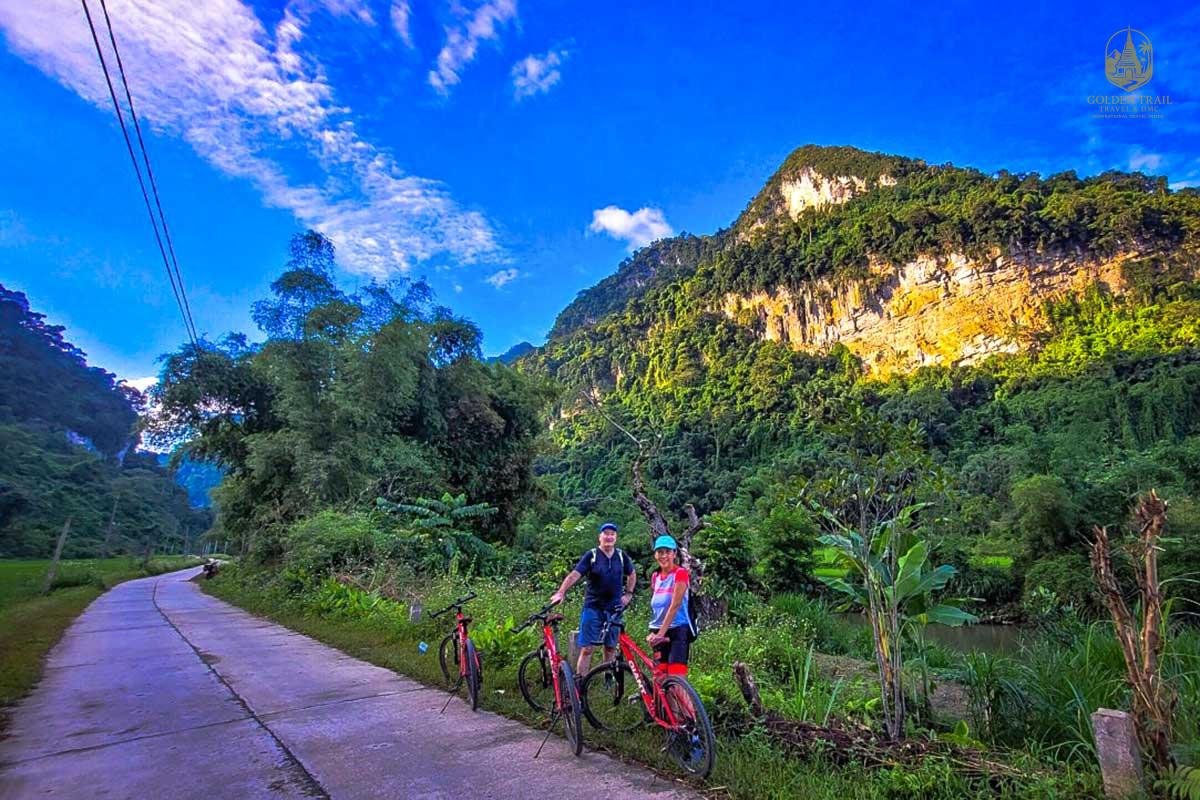
If you're seeking the ultimate off-the-beaten-path cycling experience in Vietnam, look no further than the Hanoi to Ba Be to Cao Bang cycling route. This journey takes you from the bustling capital into the untouched wilderness of the northern highlands, weaving through remote ethnic villages, lush valleys, shimmering lakes, and towering limestone mountains.
December 03, 2025
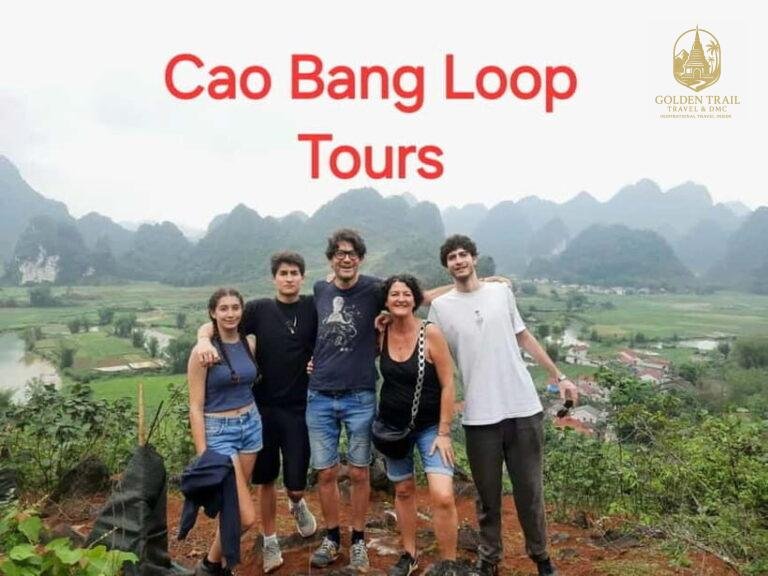
If you’re looking for a cycling experience that blends majestic landscapes, ethnic culture, and hidden natural wonders, then the Cao Bang cycling 3 days 2 nights itinerary is exactly what you need. Located in Vietnam’s northeast near the Chinese border, Cao Bang is a treasure trove of limestone peaks, rice terraces, waterfalls, and local villages—best discovered on two wheels.
December 03, 2025

Deep in the heart of Cao Bang Province, hidden beneath towering limestone mountains and lush green valleys, lies a natural masterpiece—Nguom Ngao Cave. While many visit this underground wonder by car or bus, the most immersive and rewarding way to experience it is via the Nguom Ngao Cave bike route, a journey that combines scenic cycling, cultural encounters, and the awe of exploring one of Vietnam’s most stunning caves.
December 03, 2025

In the remote highlands of Cao Bang Province, where forested mountains meet ancient trade paths, lies a village that has been crafting tools from fire and steel for more than 300 years. Welcome to Phuc Sen Forging Village, a vibrant cultural destination and living museum of Vietnam’s traditional blacksmithing heritage.
December 03, 2025
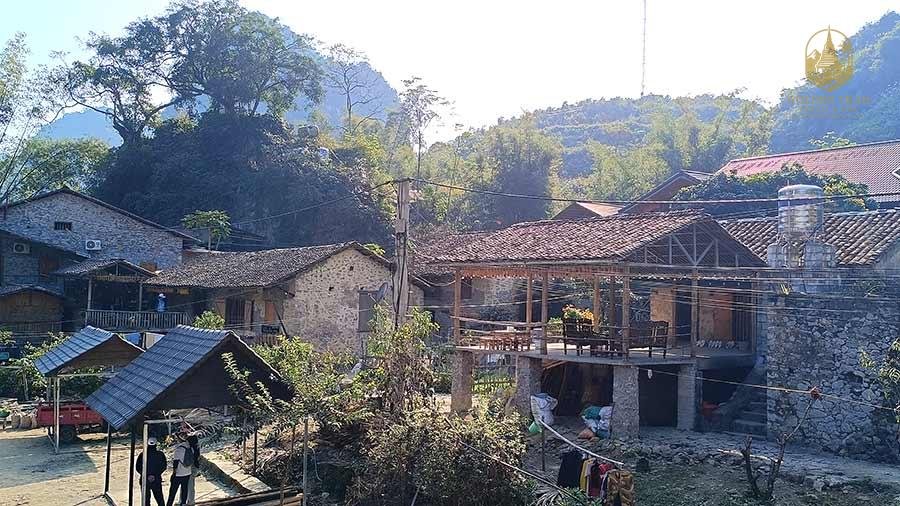
If you're dreaming of a place where time slows down, where tradition lives in every stone, and where hospitality is woven into daily life, then staying at a Khuoi Ky stone village homestay is exactly what you’re looking for. Located in Cao Bang province, just a few kilometers from the majestic Ban Gioc Waterfall, Khuoi Ky is a unique Tay ethnic village famous for its centuries-old stone houses—a rare architectural and cultural gem in Vietnam.
December 03, 2025
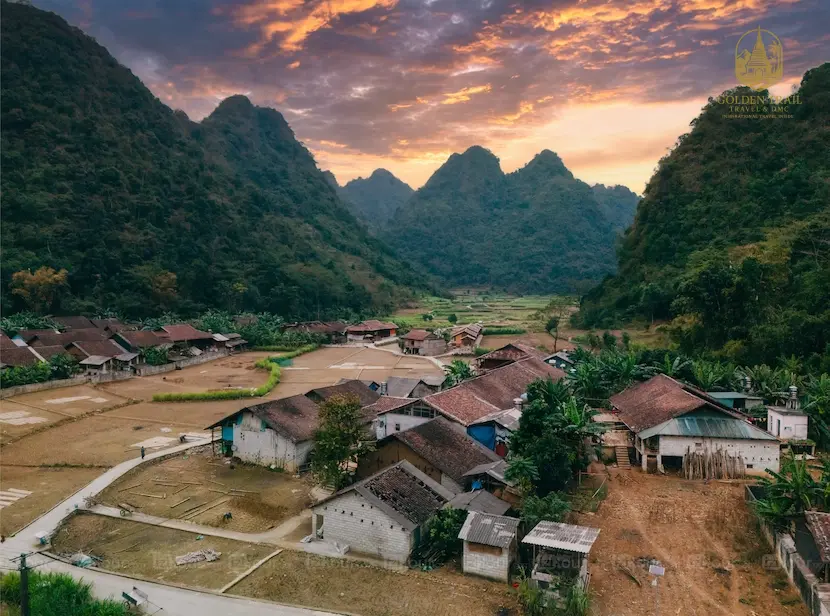
If you're looking for a cycling experience that combines peaceful countryside, authentic craft traditions, and warm cultural encounters, then Phia Thap incense village biking is the perfect choice. Located in Quang Uyen District, Cao Bang province, this small Tay ethnic village is famous for its centuries-old craft of making traditional incense—and offers the ideal setting for a tranquil and immersive ride.
December 03, 2025

For true adventurers seeking the most remote, authentic, and visually stunning cycling journey in Southeast Asia, border belt cycling in Vietnam offers a rare and unforgettable experience. Winding along Vietnam’s rugged northern frontier, this epic route brings you face-to-face with dramatic mountains, borderland culture, misty valleys, and local communities that few travelers ever meet.
December 03, 2025

Looking for the ultimate off-the-grid adventure? Off-road cycling in Cao Bang is your gateway to Vietnam’s raw beauty—where limestone peaks pierce the sky, jungle trails wind through ancient valleys, and remote ethnic villages greet you with warm smiles. This is not just a ride. It’s an expedition into one of Vietnam’s least-explored and most stunning provinces.
December 03, 2025

For cyclists seeking a ride that combines striking natural beauty, rich cultural heritage, and smooth mountain roads, Ma Phuc Pass cycling is a must. Located in Cao Bang province, Northern Vietnam, Ma Phuc Pass (Đèo Mã Phục) offers a scenic and rewarding ride through one of the most geologically fascinating regions in Southeast Asia.
December 03, 2025

Tucked away in the remote mountains of Bac Me District, Ha Giang province, Khau Coc Cha Pass is one of Vietnam’s steepest and most spectacular mountain roads. For passionate cyclists in search of a thrilling climb, breathtaking landscapes, and untouched highland culture, the Khau Coc Cha pass cycling route is an unmatched adventure.
December 03, 2025

Located in Cao Bang province, in northern Vietnam near the Chinese border, Non Nuoc Cao Bang UNESCO Global Geopark offers some of the most breathtaking cycling terrain in Southeast Asia. With towering limestone karsts, emerald rivers, deep caves, and ethnic minority villages, this region is a dream for adventurous riders seeking an off-the-beaten-track experience.
December 03, 2025
.jpg "Northeast Vietnam Cycling: Discover Vietnam’s Most Underrated Biking Adventure")
If you're seeking a cycling adventure that offers towering mountains, quiet roads, authentic ethnic villages, and breathtaking natural landmarks, Northeast Vietnam cycling is your ultimate journey. Far from the bustling cities and over-touristed coastal routes, this region is a cyclist’s paradise—raw, remote, and absolutely unforgettable.
December 03, 2025

If there’s one destination in Vietnam that leaves every traveler speechless, it’s Ban Gioc Waterfall. Tucked away on the border between Vietnam and China, this majestic cascade is the centerpiece of a cycling tour like no other.
December 03, 2025

If you're dreaming of a cycling route that combines jaw-dropping scenery, thrilling mountain passes, and authentic cultural encounters, look no further than cycling from Ha Giang to Cao Bang. This legendary journey in Northern Vietnam isn’t just a ride—it’s a life-changing adventure through the most breathtaking highlands of Southeast Asia.
December 03, 2025

Nestled in Vietnam’s mountainous northeast, the Cao Bang cycling loop is a hidden gem waiting to be discovered by adventurous souls. This epic cycling route winds through dramatic karst landscapes, lush valleys, remote ethnic villages, and UNESCO-recognized wonders—offering a once-in-a-lifetime experience for any two-wheel traveler.
December 03, 2025
.webp "Ethnic Minority Villages in Hoàng Su Phi: Where Rice Terraces Meet Living Culture")
Join our Ha Giang trekking tour for an authentic adventure through the breathtaking Hoang Su Phi rice terraces and stay in remote ethnic villages where time seems to slow down.
December 03, 2025
.jpg "12-Day Northern Vietnam Cycling Tour: Mu Cang Chai, Ha Giang & Hoang Su Phi Bike Adventure")
it’s an epic 12-day bike adventure that takes you deep into the heart of the country's most spectacular and remote regions.
December 02, 2025

For travelers looking to combine trekking and biking in a single immersive adventure, Kho Muong village trekking biking offers the perfect opportunity. The terrain is dramatic yet rewarding, with paths that wind through forests, rice terraces, suspension bridges, streams, and ancient karst formations. Whether you want to explore on foot, ride mountain bikes, or combine both for a full adventure, Kho Muong offers routes suitable for all intermediate-level nature explorers
November 29, 2025

Cycling to Pom Coong Village is one of the most rewarding and immersive travel experiences you can enjoy in Mai Chau Valley, northern Vietnam. Whether you are a nature lover, cultural explorer, photography enthusiast, or someone simply seeking peace away from the city, Pom Coong Village offers a perfect blend of scenic beauty, ethnic heritage, and gentle countryside cycling. The village sits in the heart of Mai Chau Valley, surrounded by rice fields, bamboo forests, grazing buffalo, peaceful streams, and traditional Thai stilt houses.
November 29, 2025