15 Ng. 100 Đ. Nguyễn Xiển, Thanh Xuân Nam, Thanh Xuân, Hà Nội 100000

15 Ng. 100 Đ. Nguyễn Xiển, Thanh Xuân Nam, Thanh Xuân, Hà Nội 100000
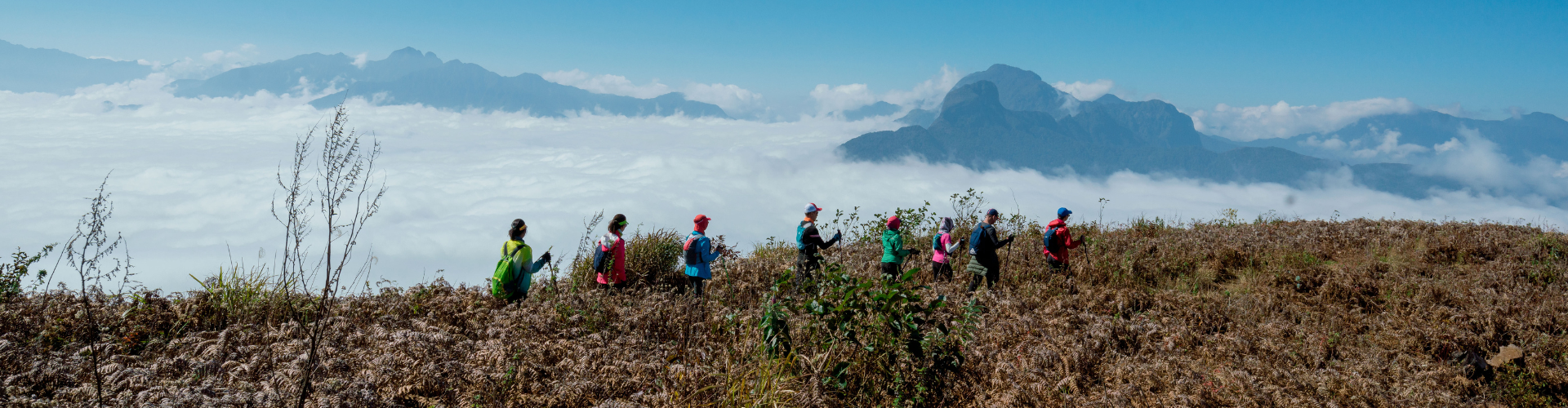
When you picture Bali, do you envision tranquil mornings, golden sunrises over calm waters, and a laid-back atmosphere perfect for families and those seeking relaxation? If so, then Sanur is the slice of paradise you've been dreaming of. Nestled on the southeastern coast of Bali, Sanur stands as a testament to the island's enduring charm, offering a refreshing alternative to the more frenetic pace of Kuta or Seminyak. It’s a place where traditional Balinese culture gently intertwines with modern comforts, creating a unique blend that has captivated visitors for decades.
Unlike its bustling neighbors, Sanur moves at its own unhurried rhythm. The soft lapping of waves on its protected beaches, the gentle rustle of palm trees, and the warm smiles of its residents define this charming coastal town. It’s a destination that invites you to slow down, breathe deeply, and truly immerse yourself in the beauty of Bali without feeling overwhelmed. From its iconic sunrise views to its vibrant art scene, delicious culinary offerings, and easy access to island adventures, Sanur promises a multifaceted experience for every kind of traveler.
This comprehensive guide will take you deep into the heart of Sanur, exploring its rich history, diverse attractions, serene beaches, vibrant culture, and why it remains a cherished gem on the Island of the Gods. Whether you’re a first-time visitor or a returning admirer, prepare to rediscover the magic of Sanur.
Sanur holds a special place in Bali's tourism history. It was one of the island’s very first resort areas, predating the rise of Kuta and Seminyak. The iconic Bali Beach Hotel, now Inna Grand Bali Beach, built in the 1960s, marked the beginning of modern tourism in Bali, with Sanur at its forefront. This early development allowed Sanur to mature gracefully, fostering a unique character that prioritizes tranquility and cultural authenticity over mass tourism.
Sanur's roots stretch back much further than its tourism boom. Historically, it was a fishing village and a crucial port. Its strategic location made it a point of entry for various influences throughout Bali's history, including the Dutch landing during the Puputan Badung in 1906. This rich tapestry of history contributes to Sanur's layered charm, where ancient temples stand quietly amidst modern resorts, and traditional outrigger boats (jukung) still dot the horizon.
Relaxed Ambiance: Sanur is synonymous with calm. Its protected lagoon ensures gentle waves, ideal for swimming, paddleboarding, and kayaking, making it perfect for families with young children or anyone seeking a peaceful beach experience.
Stunning Sunrises: Nicknamed "Sunrise Beach," Sanur offers breathtaking views as the sun emerges over the Lombok Strait, painting the sky in fiery hues.
Pedestrian-Friendly Promenade: A beautifully maintained 7 km long paved path stretches along the beach, perfect for leisurely strolls, cycling, or jogging, connecting hotels, restaurants, and local vendors.
Cultural Hub: Despite its resort status, Sanur retains a strong connection to Balinese traditions, evident in its temples, art galleries, and frequent ceremonies.
Gateway to the Islands: Its convenient harbor provides easy access to the enchanting Nusa Islands (Nusa Penida, Nusa Lembongan, and Nusa Ceningan), making it an excellent base for island-hopping adventures.
The coastline is undoubtedly Sanur’s greatest asset, offering a series of interconnected beaches, each with its own subtle charm. The coral reef offshore acts as a natural breakwater, creating a calm lagoon perfect for various water activities.
The heart of Sanur’s beachfront experience is its magnificent 7-kilometer paved pathway that runs almost the entire length of the town's coastline. This pedestrian-only promenade is a lifelife for locals and tourists alike, providing a safe and scenic route for:
Morning Walks and Jogs: Start your day with a refreshing walk as the sun rises, enjoying the cool sea breeze.
Cycling: Rent a bicycle and explore the entire length of the path, passing by cafes, resorts, and local vendors.
Leisurely Strolls: Discover hidden warungs, massage spots, and art stalls along the way.
The path is dotted with shaded seating areas, making it easy to pause and soak in the views.
While often referred to collectively as "Sanur Beach," the coastline comprises several distinct areas:
Mertasari Beach: Located at the southern end, Mertasari is a quieter stretch known for its picturesque views and a good spot for traditional boat departures to nearby islands. It's often less crowded and offers beautiful photo opportunities, especially near its iconic "Dream Island" entrance.
Sindhu Beach: One of the most popular sections, Sindhu Beach is bustling with activity, especially in the mornings. This is where many traditional jukung boats are moored, creating a vibrant scene. It's also a fantastic spot for sunrise viewing, with numerous beachside cafes and restaurants.
Karang Beach: Known for its clear, calm waters, Karang Beach is ideal for swimming and is often less crowded than Sindhu. You'll find a good selection of casual eateries here.
Semawang Beach: Another family-friendly section, Semawang offers calm waters and a gentle slope, making it safe for children. Many resorts are located along this stretch, providing convenient access to their facilities.
Dukuh Beach: Moving further north, Dukuh Beach offers a more local feel, with fewer resorts and a focus on traditional fishing activities. It's a great place to observe local life.
Padang Galak Beach: At the very northern end of Sanur, Padang Galak is known for its annual kite festival and is home to the Bali Festival Park. It's a more open beach with stronger waves, popular with locals for recreation.
Sanur's calm lagoon is a playground for water sports, catering to all ages and skill levels:
Swimming: Safe and pleasant swimming conditions year-round.
Snorkeling: Explore the vibrant marine life within the protected reef. Equipment rentals are widely available.
Stand-Up Paddleboarding (SUP): Glide effortlessly across the tranquil waters, perfect for beginners.
Kayaking and Canoeing: Enjoy a peaceful paddle, exploring the coastline at your own pace.
Glass-Bottom Boat Tours: Ideal for families, these tours offer a glimpse into the underwater world without getting wet.
Seawalking/Helmet Diving: Experience walking on the seabed with a special helmet, allowing you to breathe normally and interact with marine life.
Windsurfing and Kitesurfing: While the waves are gentle, the consistent breezes can make Sanur suitable for these sports, especially for beginners.
Beyond its beautiful beaches, Sanur offers a rich tapestry of cultural experiences, reflecting Bali's deep spiritual and artistic heritage.
Sanur is home to several important temples, providing glimpses into Balinese Hinduism and architectural beauty.
Pura Blanjong: This ancient temple houses the Blanjong Inscription, an important historical artifact dating back to 914 AD. Written in both Old Balinese and Old Sanskrit, it recounts military victories of King Sri Kesari Warmadewa and provides valuable insights into early Balinese history. It's a small but significant site for history enthusiasts.
Pura Dalem Pengembak: A beautiful temple complex known for its intricate carvings and serene atmosphere. It’s a great place to witness local ceremonies if you visit at the right time.
Pura Segara: Located on the beachfront, this sea temple is often the site of ceremonies, particularly Melasti rituals (purification ceremonies) where villagers bring effigies from other temples to be cleansed by the sea.
Sanur has long attracted artists and boasts a thriving art scene.
Le Mayeur Museum: This charming museum was once the home of Adrien-Jean Le Mayeur de Merprès, a Belgian impressionist painter, and his Balinese wife and muse, Ni Polok (Retna Ayu Kornia). The museum preserves their home, studio, and a collection of Le Mayeur's vibrant paintings, offering a unique insight into their life and the artist's love for Bali. It's a must-visit for art lovers and those interested in Bali's artistic heritage.
Neka Art Museum: While primarily located in Ubud, Neka Art Museum often features works by artists influenced by Bali, including some who lived or worked in Sanur. It’s worth checking their collection for a broader understanding of Balinese art.
Local Art Stalls: Along the beach path and main streets, you’ll find numerous stalls selling traditional paintings, wood carvings, textiles, and handicrafts. While some are souvenirs, you can often find genuine pieces if you look closely.
Pasar Sindhu Night Market (Sindhu Market): As dusk falls, Pasar Sindhu transforms into a vibrant culinary hub. This night market is a feast for the senses, offering an array of delicious and affordable local street food, from Sate Lilit (minced fish satay) and Nasi Goreng (fried rice) to fresh seafood and various traditional desserts. It's an essential experience for foodies and a great way to mingle with locals. During the day, it functions as a traditional market selling fresh produce and daily necessities.
Morning Markets: Experience the hustle and bustle of a traditional Balinese morning market, where locals buy fresh produce, spices, and ingredients for their daily offerings.
Many hotels and cultural centers in Sanur occasionally host traditional Balinese dance performances, gamelan music, and sometimes even offer workshops for those interested in learning a few basic steps or playing traditional instruments.
Look out for local ceremonies that frequently take place in Sanur. If you encounter one, observe respectfully from a distance.
Sanur’s dining scene is diverse, catering to every palate and budget, from authentic local warungs to upscale international restaurants.
Pasar Sindhu Night Market: As mentioned, this is the ultimate destination for street food. Don't leave Sanur without trying the local delicacies here.
Warungs: Throughout Sanur, you’ll find small, family-run warungs serving delicious and inexpensive Indonesian and Balinese dishes. Look for Babi Guling (suckling pig), Nasi Campur (mixed rice with various accompaniments), Mie Goreng (fried noodles), and Gado-Gado (vegetable salad with peanut sauce).
Fresh Seafood: Given its coastal location, Sanur offers excellent fresh seafood, often grilled right on the beach.
Sanur has a strong presence of expatriates and long-term visitors, leading to a fantastic selection of international restaurants:
Italian, French, Japanese, and Western Cuisine: You’ll find high-quality establishments offering a wide range of global flavors. Many are located along Jalan Danau Tamblingan and the beach path.
Beachfront Restaurants: Enjoy dining with your toes in the sand, with stunning ocean views and the soothing sound of waves. Many offer live music in the evenings.
Cafes and Bakeries: Sanur boasts a thriving cafe scene, perfect for a leisurely breakfast, a good cup of coffee, or a light lunch.
For those who want to take a piece of Bali’s culinary magic home, several places in Sanur offer Balinese cooking classes. Learn to prepare traditional dishes using fresh local ingredients, gaining insights into the spices and techniques of Balinese cuisine.
Sanur’s strategic location makes it an ideal base for exploring other parts of Bali and its surrounding islands.
The Sanur harbor is the main departure point for fast boats to the breathtaking Nusa Islands:
Nusa Lembongan: Known for its pristine beaches, vibrant coral reefs perfect for snorkeling and diving, mangrove forests, and relaxed island vibe. Must-sees include Mushroom Bay, Dream Beach, and Devil's Tear.
Nusa Ceningan: Connected to Lembongan by a yellow suspension bridge, Ceningan is smaller and even more laid-back, famous for its Blue Lagoon and cliff jumping spots.
Nusa Penida: The largest and most rugged of the three, Nusa Penida is a paradise for adventurers, boasting dramatic cliffs, hidden beaches, and incredible diving sites. Iconic spots include Kelingking Beach, Broken Beach, Angel’s Billabong, and Crystal Bay.
Golden Trail Travel offers convenient packages and guided tours to the Nusa Islands, ensuring a smooth and memorable island-hopping experience. Their expertise makes navigating boat transfers and island activities effortless.
Ubud: Bali's cultural heart, just about an hour's drive from Sanur. Explore the Monkey Forest, Tegalalang Rice Terraces, traditional markets, art galleries, and yoga studios.
Tanah Lot Temple: The iconic sea temple is about an hour to 1.5 hours west of Sanur, offering stunning sunset views.
Goa Gajah (Elephant Cave): An ancient archaeological site with a mysterious cave entrance, located near Ubud.
Tegenungan Waterfall: A popular and easily accessible waterfall south of Ubud, perfect for a refreshing dip.
Denpasar: Bali’s capital city, offering a more local experience with large markets, government buildings, and historical sites like the Bali Museum and Bajra Sandhi Monument.
Gianyar Night Market: A vibrant and sprawling night market offering an incredible array of local food and goods, a bit further than Pasar Sindhu but worth the trip for foodies.
Walking & Cycling: The beach path is perfect for this. Many hotels offer free bicycle rentals, or you can rent them cheaply from local vendors.
Taxis/Ride-Hailing Apps: Blue Bird taxis are reliable and metered. Ride-hailing apps like Grab and Gojek are widely available and convenient for short distances or getting to nearby areas.
Scooter Rental: For more independent exploration, scooters are available for rent, but only if you have prior experience and an international driving permit. Always wear a helmet.
Private Driver: For day trips or exploring further afield, hiring a private car with a driver is highly recommended. It’s comfortable, flexible, and surprisingly affordable, especially if traveling in a group. Golden Trail Travel provides excellent private driver services and guided tours.
Sanur offers a wide range of accommodation options:
Luxury Resorts: Many established resorts line the beachfront, offering extensive facilities, stunning pools, and direct beach access.
Boutique Hotels: Charming mid-range hotels with unique designs and personalized service.
Villas: Private villas with pools are abundant, ideal for families or groups seeking privacy and space.
Guesthouses and Homestays: Budget-friendly options that often provide a more authentic local experience.
Booking in advance, especially during peak season, is always advisable.
The dry season (April to October) is generally considered the best time to visit Sanur. During these months, you’ll enjoy sunny days, lower humidity, and minimal rainfall, perfect for beach activities and island hopping.
Peak Season (July-August, December-January): Expect more tourists and higher prices.
Shoulder Seasons (April-June, September-October): Often the sweet spot, with good weather, fewer crowds, and potentially better deals on accommodation.
Even during the wet season (November to March), Sanur can be enjoyable. Rain typically comes in short, heavy bursts, and the landscapes are lush and green. The calm waters in Sanur are less affected by rough seas, making it a viable destination year-round.
Water Safety: Sanur's beaches are generally safe for swimming within the reef-protected areas. Always observe local warnings and flags.
Mosquitoes: Especially during dawn and dusk, and in greener areas. Use repellent.
Sun Protection: Bali’s sun is strong. Use high SPF sunscreen, wear hats, and seek shade during the hottest parts of the day.
Tap Water: Not safe for drinking. Use bottled water for drinking and brushing teeth.
Navigating a new destination, especially one with as much to offer as Sanur and its surroundings, can be overwhelming. This is where Golden Trail Travel steps in as your trusted partner for creating an unforgettable Bali adventure. With their deep local knowledge, commitment to exceptional service, and a wide array of customizable tours, Golden Trail Travel ensures your Sanur experience is seamless, enriching, and tailored to your desires.
Whether you dream of a serene sunrise over Sanur Beach, an exhilarating dive into the crystal-clear waters of Nusa Penida, a cultural journey through ancient temples, or a culinary exploration of Bali's vibrant flavors, Golden Trail Travel has the expertise to make it happen. They offer:
Tailored Itineraries: From half-day excursions to multi-day adventures, they can customize tours to fit your interests and schedule.
Experienced Local Guides: Gain deeper insights into Balinese culture, history, and traditions with knowledgeable and friendly guides.
Comfortable and Reliable Transportation: Enjoy hassle-free travel with their fleet of well-maintained vehicles and professional drivers.
Seamless Booking Process: Their user-friendly website makes it easy to browse, select, and book your desired tours and activities.
Don't let the complexities of planning detract from your vacation. Let Golden Trail Travel handle the details, allowing you to focus on creating cherished memories in Sanur.
Visit their website today to discover their exciting Bali tours and book your dream Sanur adventure: https://goldentrailtravel.com/
"Sanur was the perfect escape for our family. The calm beach was ideal for the kids, and we loved the long path for walks. We booked a trip to Nusa Lembongan through Golden Trail Travel, and it was incredibly well-organized. Our guide was fantastic, and the boat transfer was smooth. Highly recommend their services for stress-free excursions!" — The Johnson Family, UK
"I came to Sanur seeking tranquility and found it in abundance. The sunrises are truly magical! I also decided to take a cooking class and visited the Le Mayeur Museum, both wonderful experiences. Golden Trail Travel helped me arrange a private driver for a day trip to Ubud, and it was seamless and comfortable. They made my solo trip to Bali feel very safe and enjoyable." — Emily R., Canada
"As a first-time visitor to Bali, I wasn't sure where to start. A friend recommended Sanur for its relaxed vibe. We loved exploring the beach path and trying all the street food at Pasar Sindhu. For our snorkeling trip to Nusa Penida, we chose Golden Trail Travel. Their communication was excellent, and the trip itself was unforgettable – incredible snorkeling spots! We'll definitely use them again." — Mark T., Australia
"Sanur really offers the best of both worlds – a calm, peaceful base with easy access to adventure. My partner and I particularly enjoyed kayaking in the lagoon. We also did a cycling tour with Golden Trail Travel that took us through local villages near Sanur, which was a fantastic way to see authentic Balinese life. Their tours are well-thought-out and highly engaging." — David L., Germany
"My Bali trip was made so much easier and more enjoyable thanks to Golden Trail Travel. Based in Sanur, I booked several day tours through their website, including trips to Tanah Lot and the Gianyar night market. Their drivers were punctual and friendly, and everything was perfectly coordinated. Sanur itself is a beautiful, serene town, perfect for unwinding." — Priya S., India
Q1: Is Sanur good for families with children? A1: Absolutely! Sanur is renowned as one of Bali's most family-friendly destinations. The calm, reef-protected waters are ideal for safe swimming and various gentle water sports like paddleboarding and kayaking. The long, paved beach path is perfect for strollers, cycling, and easy walks. Many resorts also cater specifically to families with kids' clubs and pools.
Q2: What are the best things to do in Sanur? A2: Top activities include watching the sunrise over the ocean, walking or cycling along the 7km beachfront path, enjoying water sports in the calm lagoon, exploring the Le Mayeur Museum, experiencing the vibrant Pasar Sindhu Night Market for local food, and taking fast boats to the Nusa Islands (Nusa Lembongan, Nusa Ceningan, Nusa Penida).
Q3: How do I get from Ngurah Rai International Airport (DPS) to Sanur? A3: Sanur is approximately a 25-30 minute drive from Ngurah Rai International Airport, depending on traffic. You can easily find official airport taxis, use ride-hailing apps like Grab or Gojek, or pre-arrange an airport transfer with your hotel or a tour operator like Golden Trail Travel for a hassle-free arrival.
Q4: Is it easy to get to the Nusa Islands from Sanur? A4: Yes, Sanur is the primary hub for fast boat departures to the Nusa Islands. Numerous fast boat operators have offices near the harbor. Boats depart multiple times a day. It's advisable to book your tickets in advance, especially during peak season. Golden Trail Travel can assist with booking reliable fast boat transfers and even organize full-day tours to the Nusa Islands.
Q5: What kind of food can I expect in Sanur? A5: Sanur offers a diverse culinary scene. You'll find a wide range of local Indonesian and Balinese dishes at traditional warungs, especially at the Pasar Sindhu Night Market. Additionally, there are numerous international restaurants serving Italian, Japanese, Western, and other cuisines, as well as charming cafes and beachfront dining options.
Q6: Is Sanur a good base for exploring other parts of Bali? A6: Yes, Sanur's location on the southeastern coast makes it a great base. It offers relatively easy access to Ubud (about an hour's drive), the cultural sites of Central Bali, and the iconic Tanah Lot Temple to the west. Its harbor also provides quick access to the Nusa Islands for island-hopping adventures.
Q7: Is it safe to swim at Sanur Beach? A7: Yes, the beaches in Sanur are generally safe for swimming due to the natural coral reef barrier that creates a calm lagoon. The waves are usually gentle, making it suitable for all ages. However, always be mindful of tides and any local warnings.
Q8: What's the best way to get around Sanur itself? A8: Within Sanur, the best ways to get around are by walking or cycling along the beach path. For longer distances within Sanur or to nearby areas, taxis, Grab/Gojek, or scooter rentals are convenient. For day trips, hiring a private car with a driver (which Golden Trail Travel can arrange) is highly recommended.
Q9: What is the Le Mayeur Museum and why should I visit it? A9: The Le Mayeur Museum was the former home and studio of Belgian artist Adrien-Jean Le Mayeur de Merprès and his Balinese wife, Ni Polok. It houses a collection of Le Mayeur's paintings, capturing his vibrant impressionistic style and his love for Bali. It's a charming and historically significant site for art lovers and those interested in Bali's artistic heritage.
Q10: Can I book tours and activities directly in Sanur, or should I book in advance? A10: You can certainly book tours and activities directly in Sanur through various local operators and hotel tour desks. However, for peace of mind, guaranteed availability, and often better pricing, it's recommended to book popular tours or specialized activities (like those to the Nusa Islands) in advance, especially during peak season. Golden Trail Travel provides a convenient online platform to browse and book a wide range of curated tours for Sanur and beyond

Giant Bicycles are Taiwanese bicycles and equipment manufacturer founded in 1972 by King Liu. Giant has recently opened its first official dealer in Vietnam, the Viet Thang company offering a wide selection of brand new bikes for touring and rental including both road bikes and mountain bikes
May 28, 2025

Trek Bike 4500 is one of the best bikes for cycling in Vietnam? We have a great selection of Trek Bikes 4 Series including this Trek bicycle 4500 (front suspension) to rent out at our garage in downtown Hanoi. The bike rental comes with water bottle…
May 28, 2025
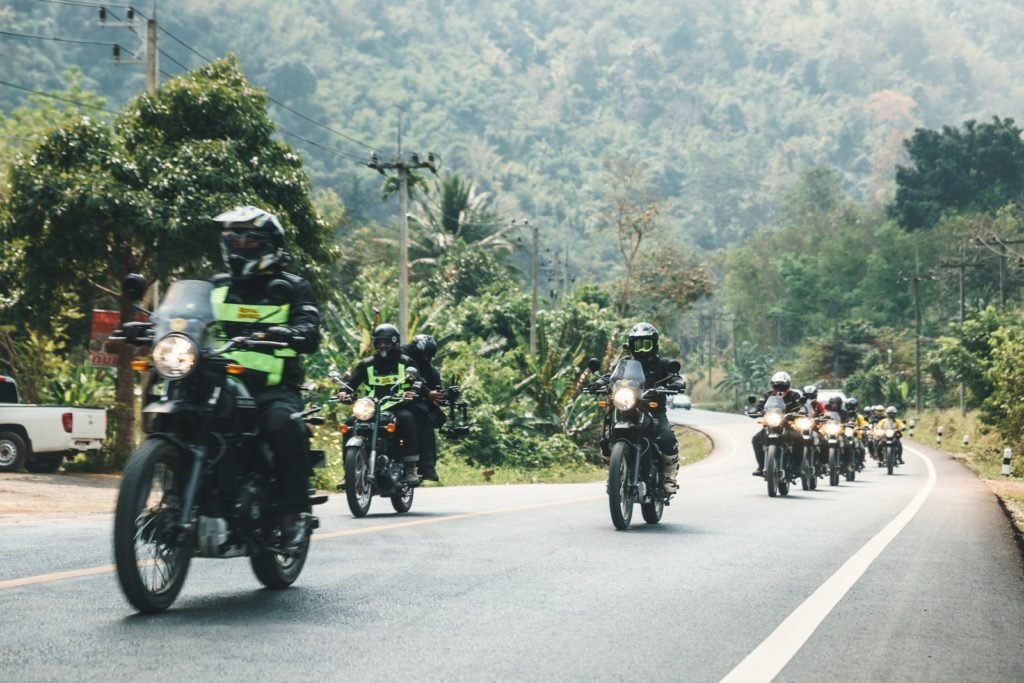
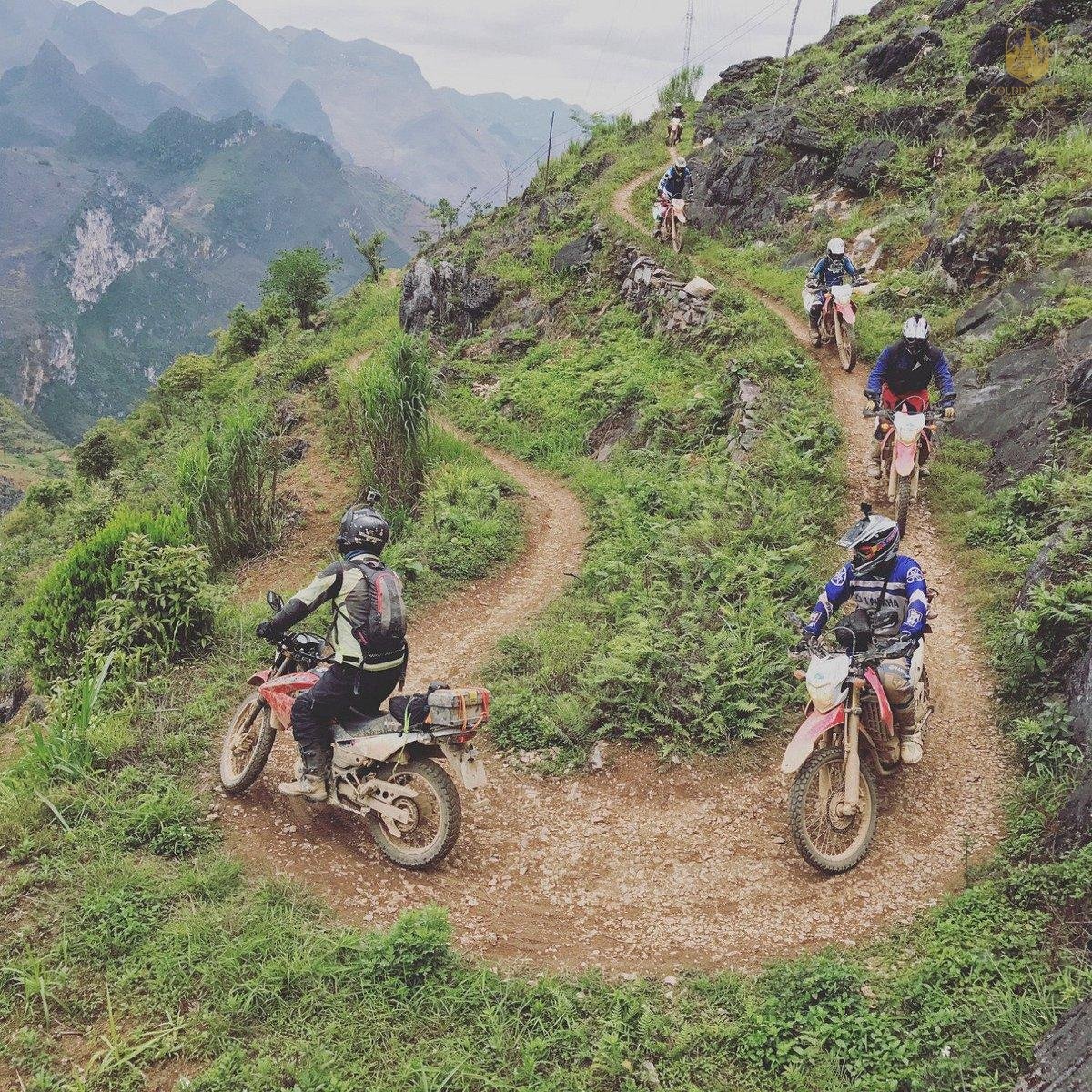
Nestled in the northernmost reaches of Vietnam, the Ha Giang province beckons adventurous souls seeking to venture off the beaten path. The Ha Giang Loop, a captivating Hagiang motorbike tour through the province’s rugged landscapes and remote villages, has become a bucket-list experience for travelers seeking an authentic and awe-inspiring adventure. In this article, we will delve into the reasons why a Ha Giang Loop motorbike tour is an absolute must for intrepid explorers, offering an unforgettable journey through Vietnam’s hidden gem.
May 28, 2025
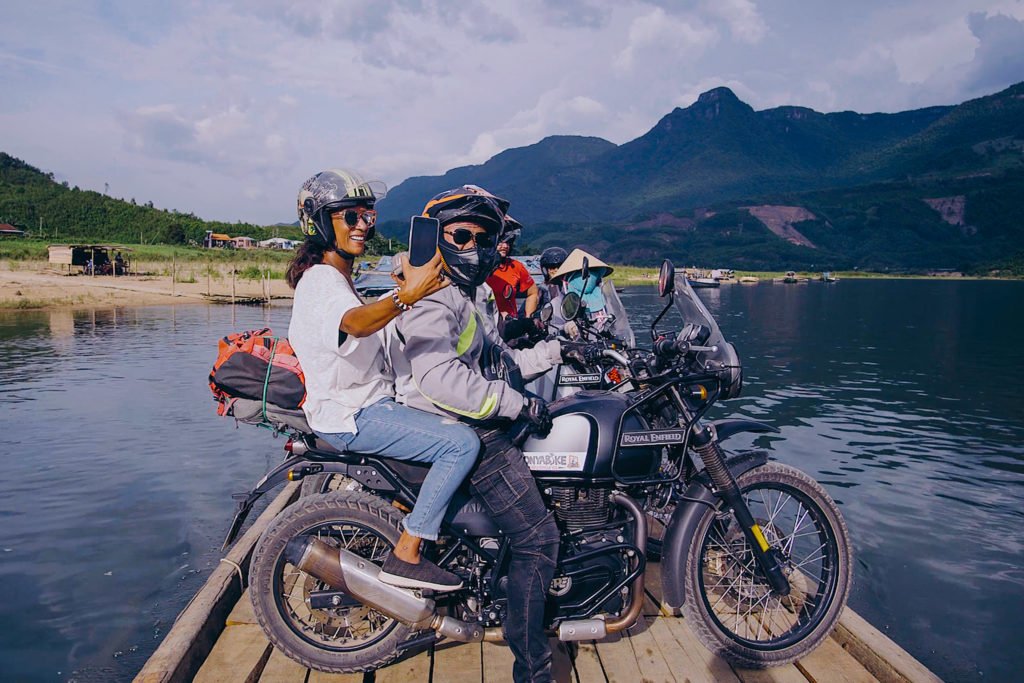
Du Gia is a remote and beautiful village located in the Ha Giang province of northern Vietnam. It is part of the Quan Ba district and is renowned for its stunning landscapes, ethnic diversity, and serene surroundings. Du Gia is increasingly becoming a popular destination for travelers seeking an off-the-beaten-path experience and a chance to immerse themselves in the authentic culture of Vietnam’s highlands.
May 28, 2025
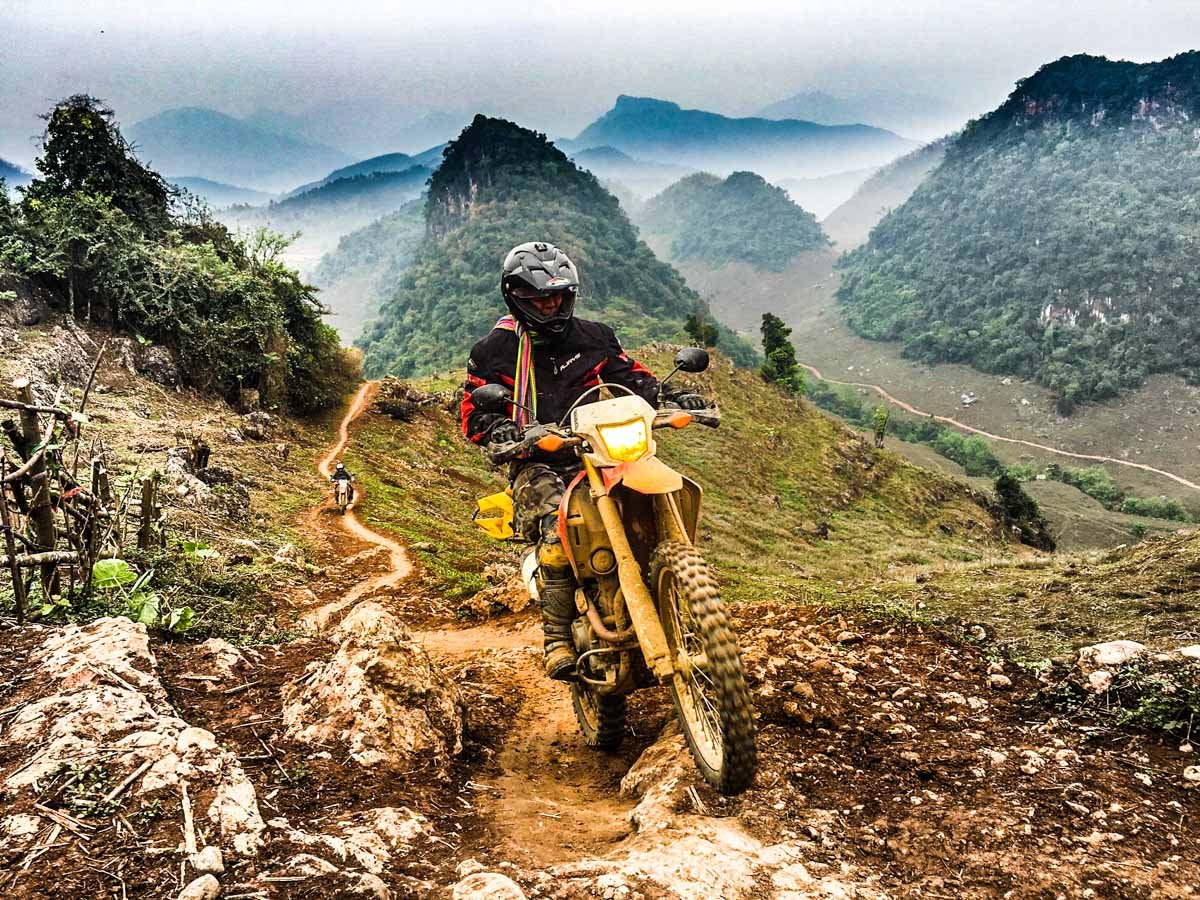
The Mekong Delta, nestled in the southern part of Vietnam, is a land of enchanting beauty and cultural richness. A motorbike tour from Ho Chi Minh City to the Mekong Delta is an unforgettable adventure that offers travelers a chance to immerse themselves in the authentic charm of Vietnam’s countryside. This journey takes you through lush landscapes, tranquil waterways, and traditional villages, providing an unparalleled experience of local life and nature’s wonders. In this article, we will explore the top reasons why embarking on a motorbike tour to the Mekong Delta is a must-do for any traveler seeking a unique and enriching experience in Vietnam.
May 28, 2025
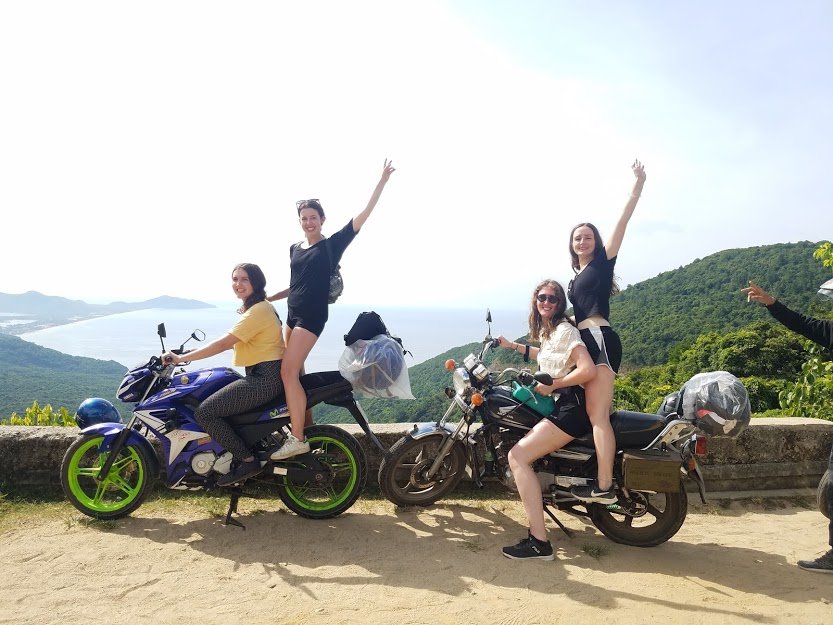
The Mekong Delta, a captivating region in southern Vietnam, entices travelers with its picturesque landscapes, traditional river life, and vibrant cultural heritage. Riding motorcycles from Saigon to the Mekong Delta is an extraordinary journey that offers a unique perspective of this enchanting destination. However, choosing the right time to embark on this adventure is crucial for an unforgettable experience. In this article, we will delve into the best time to ride motorcycles to the Mekong Delta from Saigon, considering weather conditions, cultural events, and the region’s seasonal highlights.
May 28, 2025
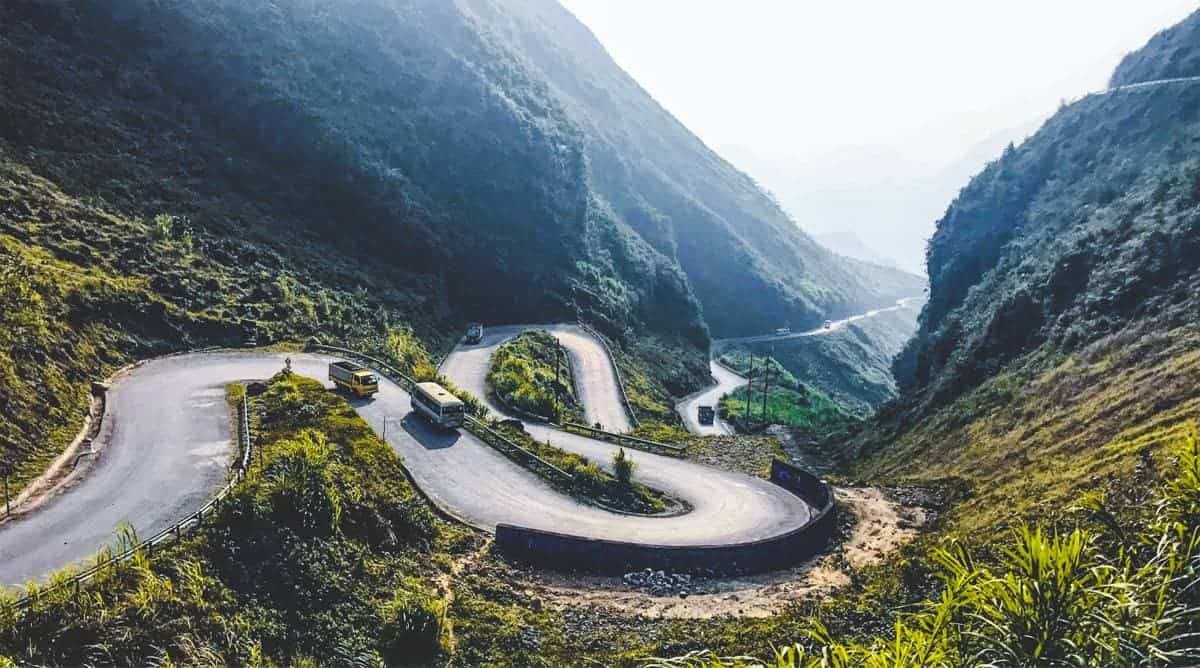
The Mekong Delta, a captivating region in southern Vietnam, offers a tapestry of cultural wonders, breathtaking landscapes, and traditional river life. Embarking on a motorcycle adventure through this enchanting destination allows you to explore hidden gems and immerse yourself in the authentic charm of Vietnam’s countryside. In this article, we will unveil the top attractions and must-see destinations in the Mekong Delta, guiding you through a memorable journey that showcases the region’s rich heritage and natural beauty.
May 28, 2025
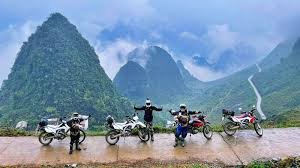
The Ho Chi Minh Trail, a historical network of roads that crisscrosses Vietnam, is not only a symbol of the nation’s resilience but also a gateway to its natural beauty and cultural riches. For motorcycle enthusiasts and adventure seekers, riding along the Ho Chi Minh Trail offers an extraordinary journey through diverse landscapes, ancient sites, and authentic local experiences. In this article, we will take you on a virtual tour along the Ho Chi Minh Trail, unveiling the must-see destinations and hidden gems scattered throughout Vietnam.
May 28, 2025
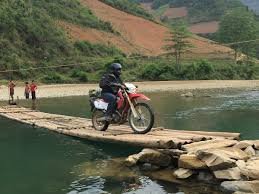
For foreigners residing in Vietnam, obtaining a Vietnamese driving license is essential for legal and safe driving in the country. While it might seem like a daunting process, the Vietnamese government has streamlined the procedure to make it accessible for expatriates. In this comprehensive guide, we will walk you through the step-by-step process of acquiring a Vietnamese driving license, ensuring you have all the necessary documents and knowledge to navigate the roads confidently and legally.
May 28, 2025
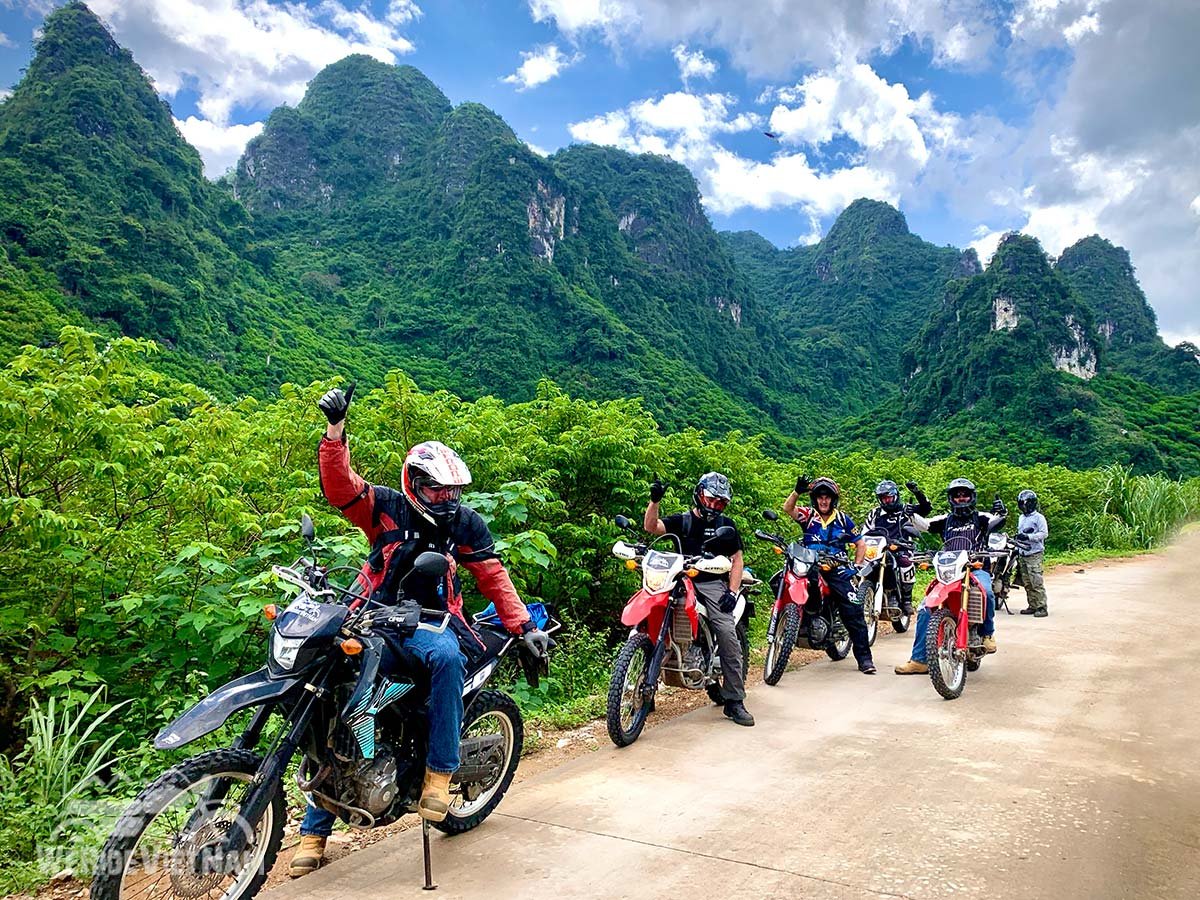
Foreigners can possess third-party insurance for riding motorbikes in Vietnam by purchasing a policy from a reputable insurance company in the country. Third-party insurance, also known as liability insurance, covers any damages or injuries caused to third parties (other people or property) in the event of an accident. It is a legal requirement for motorbike riders in Vietnam, including foreigners. As of my last update in September 2021, the conditions for foreigners to possess third-party insurance while riding motorbikes in Vietnam are as follows:
May 28, 2025
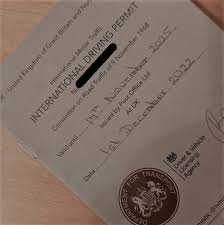
As of my last update in September 2021, Vietnam does not issue International Driving Permits (IDPs) within the country. Instead, you should obtain an IDP from your home country before traveling to Vietnam. Here’s how foreigners can convert their foreign driving licenses into an International Driving Permit:
May 28, 2025
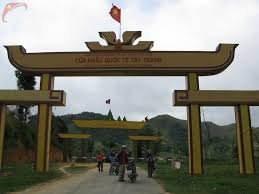
There are several border crossings, also known as border gates, between Vietnam and Laos where people can ride motorcycles through. Here are some of the major border crossings that allow motorcycle travel between the two countries:
May 28, 2025
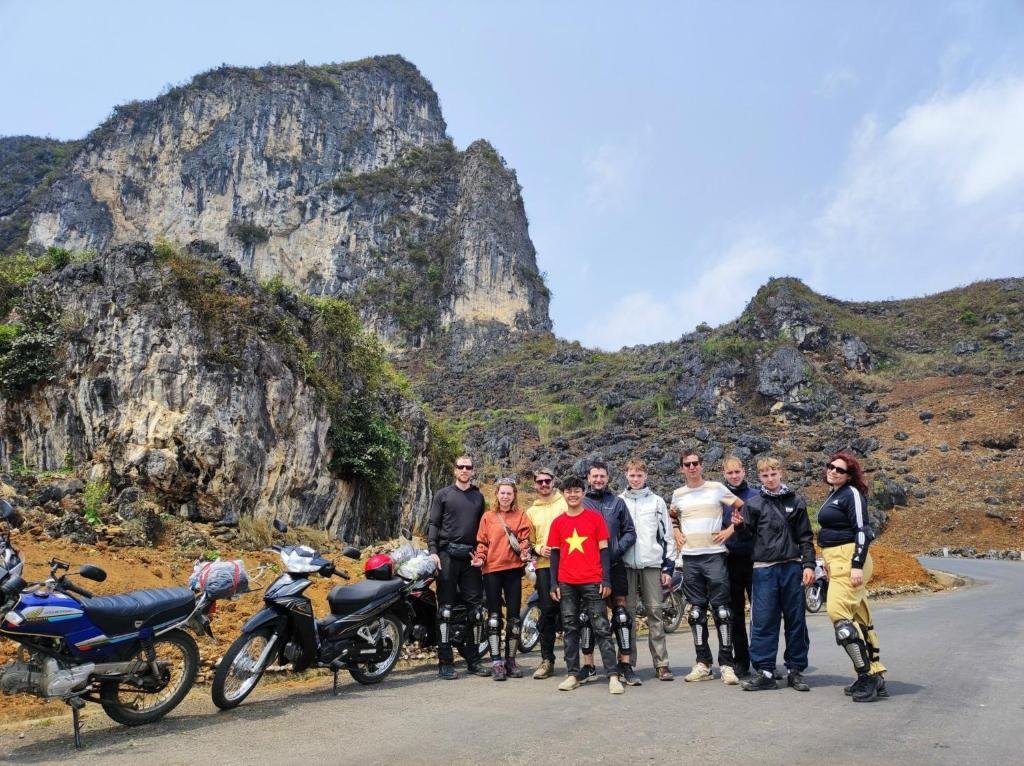
A cool breeze ruffling your hair, the faint scent of exotic flowers in the air, and endless vistas of lush green mountains. If you’re an adventurous soul seeking an extraordinary experience, a cross-border motorbike tour from Vietnam to Laos might just be your next epic journey. In this article, we’re going to delve into the captivating reasons why you should consider embarking on this unforgettable adventure.
May 28, 2025
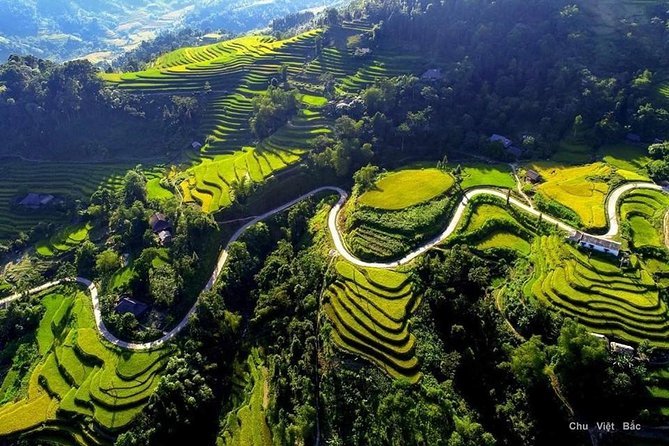
When it comes to embarking on an epic cross-border motorcycle from Vietnam to Laos, timing is everything. The weather, road conditions, and the overall experience can vary significantly based on the time of year you choose to hit the open road. In this comprehensive guide, we’ll delve into the best times to undertake this thrilling adventure, taking into account both safety and the kind of experience you’re seeking.
May 28, 2025
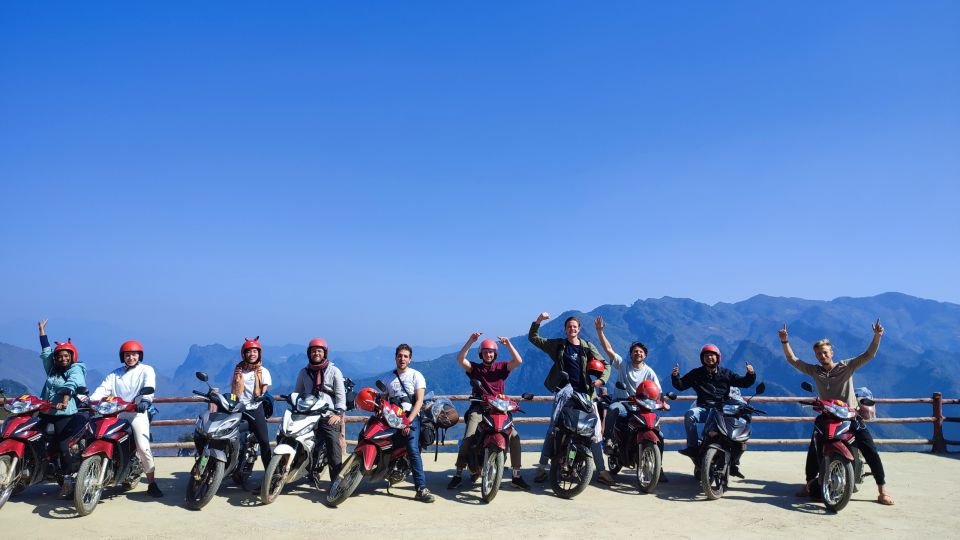
There’s something undeniably alluring about the idea of riding your motorcycle through picturesque landscapes, venturing beyond borders, and experiencing the thrill of the open road. For those seeking an adventure like no other, a cross-border motorcycle journey from Vietnam to Laos promises to be an unforgettable experience. In this comprehensive guide, we’ll walk you through the ins and outs of making this thrilling trip a reality.
May 28, 2025
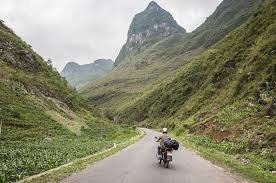
Engaging in an adventure motorcycle tour from Vietnam to Laos is an exciting endeavor, but it’s essential to be well-prepared and aware of the challenges involved. This type of journey is best suited for certain individuals or groups with specific characteristics and preferences. Here are some considerations for who should be engaging in such a tour:
May 28, 2025
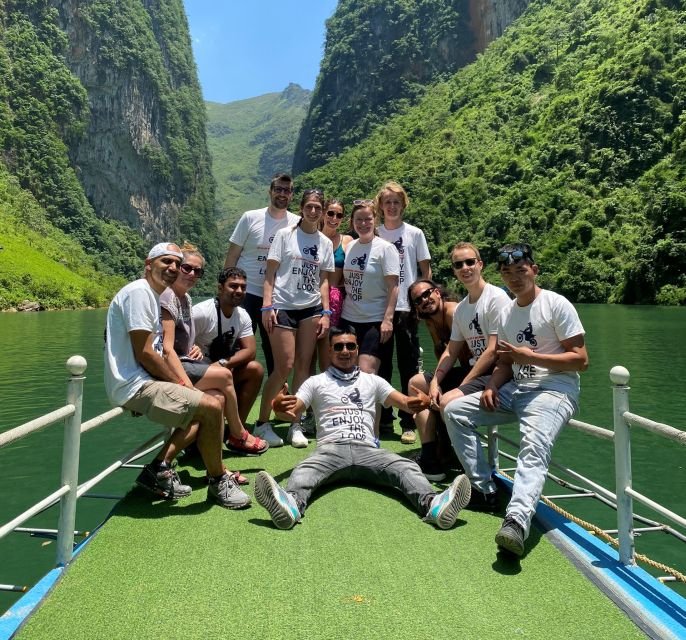
Converting a foreign driving license into a Vietnamese driving license typically involves a process of verification and meeting certain requirements. The specific requirements and procedures may vary, so it’s essential to confirm the details with the local authorities or the nearest Vietnamese Embassy or Consulate. For foreigners who are residing stably for a long-time work like engineers, experts, high-skilled workers … this driving conversion would be much easier & more convenient but for those who are just regular foreign tourists, things would become hardly feasible due to some complicated legal procedures.
May 28, 2025
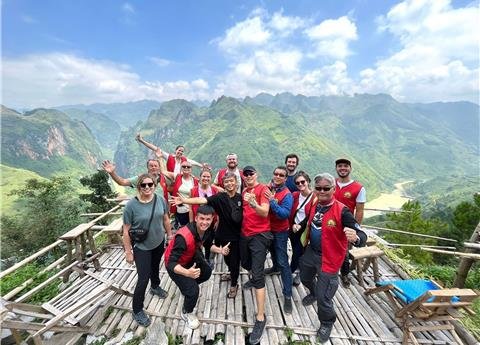
For foreigners residing in Vietnam, obtaining a Vietnamese driving license is essential for legal and safe driving in the country. While it might seem like a daunting process, the Vietnamese government has streamlined the procedure to make it accessible for expatriates. In this comprehensive guide, we will walk you through the step-by-step process of acquiring a license, ensuring you have all the necessary documents and knowledge to navigate the roads confidently and legally.
May 28, 2025
A homestay is a form of accommodation where travelers stay in the homes of local residents or families rather than in traditional hotels, hostels, or resorts. They provide travelers with the opportunity to stay with local families, learn about their culture, witness the way of life in rural and ethnic minority communities, experience daily life from a resident’s perspective, and often enjoy warm hospitality and authentic cuisine.
May 28, 2025
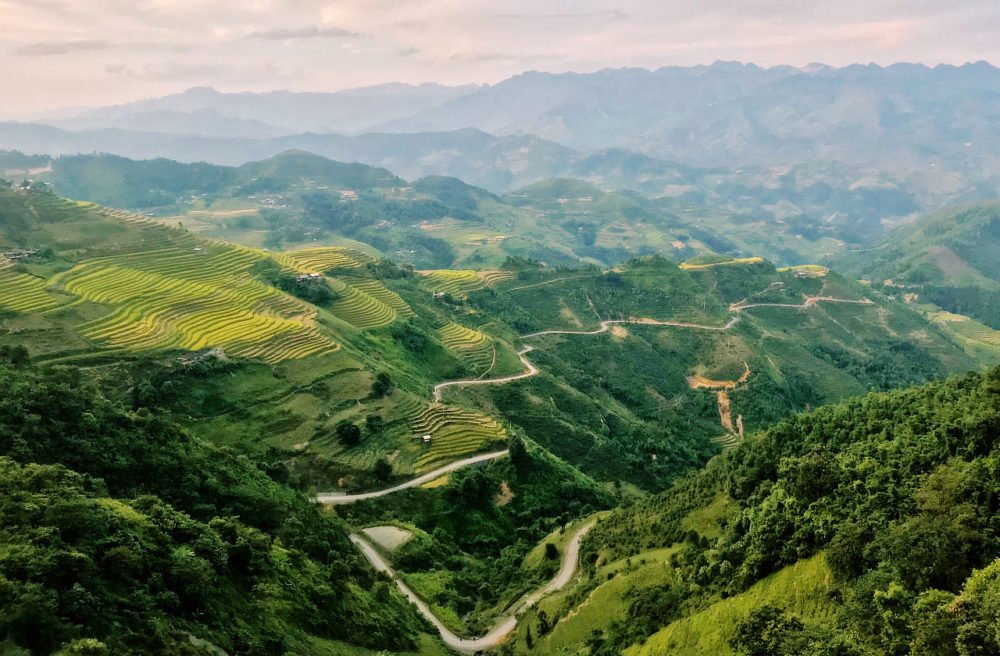
Accommodations for motorbike tours In Vietnam cater to a diverse range of preferences and budgets. Whether you’re looking for luxury hotels, budget-friendly hostels, or immersive homestays, Vietnam has something to offer for every type of traveler. Here are some general points about accommodation options in Vietnam:
May 28, 2025