15 Ng. 100 Đ. Nguyễn Xiển, Thanh Xuân Nam, Thanh Xuân, Hà Nội 100000

15 Ng. 100 Đ. Nguyễn Xiển, Thanh Xuân Nam, Thanh Xuân, Hà Nội 100000
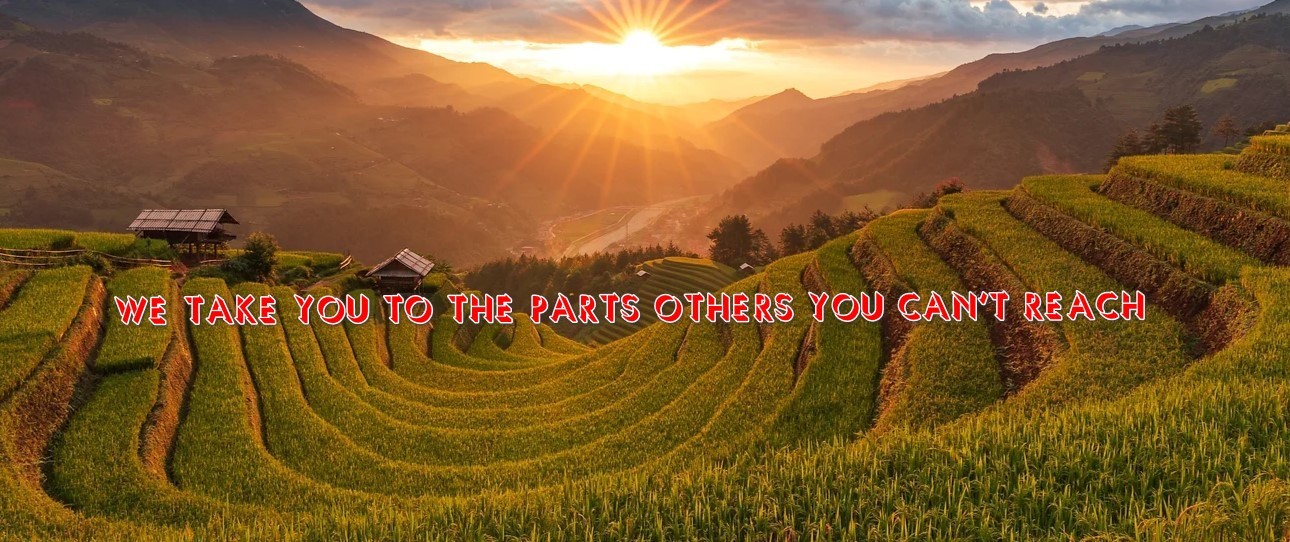
The Rice Terraces of the Cordilleras Philippines are not a singular, monolithic entity but rather a collective of distinct, yet interconnected, terrace systems spread across the rugged terrain of Ifugao province. While often generalized as "Banaue Rice Terraces," it's crucial to understand that the UNESCO World Heritage designation specifically applies to five clusters that demonstrate outstanding universal value. Each of these clusters, and the gateway town of Banaue, offers a unique window into the beauty, ingenuity, and living culture of the Ifugao people.
When most people envision the Rice Terraces of the Cordilleras Philippines, the image that often comes to mind is the iconic panorama of Banaue. While Banaue itself is the bustling commercial and tourism hub of the region, and its terraces are undeniably magnificent, it's important to clarify that the specific terraces immediately surrounding the town of Banaue are not among the five UNESCO-inscribed sites. Nevertheless, Banaue serves as the essential gateway for travelers embarking on their journey to explore the wider, protected Ifugao Rice Terraces property.
The Banaue Rice Terraces are renowned for their accessibility and the numerous viewpoints that offer breathtaking vistas. From the main Banaue Viewpoint, you are treated to a sweeping panorama of emerald-green staircases cascading down steep mountainsides, intricately designed and maintained for centuries. The sheer scale of these terraces is astounding, covering thousands of hectares and reflecting the immense labor and sophisticated engineering of the Ifugao ancestors. The terraces here are often characterized by their dramatic drops and wide, sweeping curves, creating a visually stunning landscape that has graced countless postcards and travel magazines.
Life in Banaue town revolves around tourism, offering a variety of accommodations ranging from humble guesthouses to more comfortable inns. The town center is a vibrant hub where you can find local markets selling fresh produce, traditional crafts, and of course, the famous Ifugao wood carvings. The Banaue Museum, though small, provides valuable insights into Ifugao history, culture, and the evolution of the rice terraces, showcasing artifacts, traditional tools, and ethnographic exhibits. Here, you can learn about the "Hudhud chants," epic poems of the Ifugao that narrate their history and traditions, also recognized by UNESCO as an Intangible Cultural Heritage.
Exploring Banaue's immediate terraces involves jeepney rides or local tricycle tours to various viewpoints. While the views are spectacular, the areas are more developed for tourism. Despite not being a UNESCO core site, a visit to Banaue is indispensable for preparing for deeper dives into the more remote, inscribed clusters. It's where you secure local guides, organize transportation, and get a feel for the unique Cordilleran atmosphere before venturing into the heart of the protected cultural landscape. The vistas are mesmerizing, a powerful introduction to the grandeur that awaits you deeper within the Rice Terraces of the Cordilleras Philippines.
Among all the clusters of the Rice Terraces of the Cordilleras Philippines, the Batad Rice Terraces are arguably the most iconic and visually striking of the UNESCO World Heritage sites. Often described as a colossal amphitheater carved into the mountainside, Batad's terraces sweep downwards in a semi-circular pattern, culminating in a traditional Ifugao village nestled at its base. The sheer artistry and precision of these stone-walled paddies, descending like giant steps, leave visitors breathless.
Reaching Batad is an adventure in itself, typically requiring a jeepney or tricycle ride from Banaue to a drop-off point called "Saddle," followed by a challenging but rewarding trek downhill to the village. This journey, often along narrow, sometimes muddy, paths, offers glimpses of the terraces gradually unfolding before your eyes, building anticipation for the grand reveal. The trek itself, lasting from 30 minutes to an hour depending on your pace and the weather, is an integral part of the Batad experience, allowing you to connect intimately with the landscape.
Upon arrival in Batad village, you are immersed in a living, breathing cultural landscape. The village itself is small and intimate, with traditional Ifugao houses on stilts dotting the landscape amidst the vibrant green of the terraces. Most accommodations here are simple homestays, offering a unique opportunity to experience authentic Ifugao hospitality and glimpse daily life within this ancient community. Waking up to the serene views of the terraces, the sounds of roosters crowing, and the crisp mountain air is an experience that truly transcends the ordinary.
Beyond simply admiring the views, Batad offers opportunities for deeper exploration. A popular activity is trekking further down to Tappiya Falls, a majestic waterfall where you can enjoy a refreshing dip after a challenging hike. The path to Tappiya Falls takes you through some of the most intricate parts of the terraces, allowing you to appreciate the ingenious irrigation system up close. Local guides are essential here, not only for navigating the complex trails but also for providing invaluable insights into the history, folklore, and daily life of the Ifugao people. They can share stories about the rice cycle, the significance of rituals, and the challenges of maintaining these ancient wonders. Batad is a place where every step tells a story, and every view is a masterpiece of human-nature harmony, making it a highlight of any trip to the Rice Terraces of the Cordilleras Philippines.
The Bangaan Rice Terraces, another of the five UNESCO World Heritage clusters of the Rice Terraces of the Cordilleras Philippines, offer a more intimate and accessible cultural experience compared to the more challenging trek to Batad. Located relatively closer to Banaue and visible from the roadside, Bangaan provides a picturesque setting that encapsulates the traditional Ifugao way of life within a smaller, yet equally stunning, terraced landscape.
The village of Bangaan is nestled at the base of its own set of meticulously sculpted terraces. As you approach, you'll see a cluster of traditional Ifugao huts with distinctive thatched roofs, blending seamlessly into the natural contours of the land. This cluster of terraces is known for its classic Ifugao architectural style, with walls that are well-maintained and reflecting the continuous efforts of the local community. The accessibility of Bangaan makes it an excellent option for visitors who may have limited time or prefer a less strenuous trek than that required for Batad.
Walking through Bangaan village offers a gentle immersion into local life. You can observe the Ifugao people going about their daily routines, tending to their rice paddies, or engaging in traditional crafts. Unlike the more tourist-centric areas, Bangaan offers a quieter, more authentic encounter, allowing for more genuine interactions with the locals. There are often opportunities to purchase local handicrafts directly from the villagers, supporting their livelihoods and gaining unique souvenirs such as hand-woven textiles (like the famed Ifugao blanket or "Ifugao cloth"), intricate wood carvings depicting local deities or scenes of daily life, and miniature replicas of their iconic granaries.
The vantage points around Bangaan provide captivating views of the terraces, especially during the planting season when they reflect the sky, or during harvest season when they shimmer in golden hues. While perhaps not as dramatic in scale as Batad, Bangaan's charm lies in its serene atmosphere, its easy accessibility, and the palpable sense of living history that permeates every corner of the village. It provides a beautiful and profound introduction to the UNESCO-listed Rice Terraces of the Cordilleras Philippines without requiring extensive physical exertion, making it a perfect stop for all types of travelers.
Venturing further into the heartland of Ifugao, the Mayoyao Rice Terraces stand as another magnificent, yet more remote, UNESCO World Heritage site within the Rice Terraces of the Cordilleras Philippines. These terraces are known for their impressive stone walls, often higher and more distinct than those found in other clusters, and for their relatively untouched authenticity due to their secluded location.
Reaching Mayoyao typically involves a longer and more challenging journey from Banaue, often requiring a combination of jeepney rides or private vehicle hires over winding mountain roads. This relative inaccessibility has helped preserve Mayoyao's traditional character and pristine beauty, offering a truly off-the-beaten-path experience for adventurous travelers seeking deeper cultural immersion.
The terraces in Mayoyao are characterized by their unique construction, featuring high, often moss-covered stone walls that have withstood centuries of natural elements. They showcase the incredible craftsmanship of the ancient Ifugao, who meticulously fitted these stones without mortar, relying solely on gravity and their understanding of structural integrity. The intricate network of irrigation canals here is also particularly noteworthy, demonstrating a sophisticated system of water management that ensures consistent water supply to the paddies.
The town of Mayoyao itself is small and charming, offering a genuine glimpse into rural Ifugao life. Visitors can explore traditional villages, observe locals engaged in their daily farming activities, and witness the continuation of ancient customs. The relative lack of mainstream tourism infrastructure means that interactions with the locals are often more personal and authentic. This allows for a deeper appreciation of the Ifugao's enduring connection to their land and their traditions. Mayoyao also holds historical significance as a site of fierce battles during World War II, adding another layer to its rich narrative.
For travelers seeking a profound cultural experience away from the more trodden paths, Mayoyao offers unparalleled serenity and an intimate connection with one of the most remarkable clusters of the Rice Terraces of the Cordilleras Philippines. Its untouched beauty and the sheer scale of its ancient stone walls make the challenging journey an incredibly rewarding one, providing a unique perspective on this global heritage site.
The Hungduan Rice Terraces are another of the five UNESCO World Heritage clusters of the Rice Terraces of the Cordilleras Philippines, notable for their distinctive "spider web" patterns and their deep cultural significance. Located in the municipality of Hungduan, these terraces are often described as being more circular or curvilinear in their design compared to the more linear formations of other clusters. This unique layout creates a mesmerizing visual effect, making them a fascinating subject for photography and exploration.
Within the Hungduan property, several specific terrace clusters are recognized, including Nungulunan, Nagacadan, and Kinakin. Each offers its own unique charm and perspective. The terraces here are meticulously maintained, reflecting the continuous dedication of the Ifugao communities to their ancestral lands and farming practices. The sophisticated irrigation system, relying on gravity and ancient forest watersheds, is particularly evident in Hungduan, where the flow of water is expertly managed to nourish every paddy.
Hungduan is also deeply rich in Ifugao culture and traditions. It is a place where ancient rituals and ceremonies are still actively practiced, particularly those related to the agricultural cycle of rice cultivation. Visitors might have the opportunity to witness traditional dances, listen to the haunting melodies of Hudhud chants, or observe the meticulous craftsmanship of local artisans. The community here is known for its strong adherence to ancestral customs, providing an authentic window into a living cultural heritage.
Trekking through the Hungduan terraces can be an immersive experience, offering varying levels of difficulty. Local guides are invaluable for navigating the intricate paths, sharing their knowledge of the area's history, biodiversity, and cultural significance. The journey allows you to appreciate the sheer scale of the engineering feat and the profound harmony between the Ifugao people and their environment. The spider web-like patterns of the terraces, especially when viewed from higher vantage points, are truly captivating, demonstrating another facet of the incredible diversity found within the Rice Terraces of the Cordilleras Philippines.
The Nagacadan Rice Terraces in the municipality of Kiangan are the final of the five UNESCO World Heritage clusters of the Rice Terraces of the Cordilleras Philippines. Kiangan holds immense historical significance, particularly as the site where General Tomoyuki Yamashita, the "Tiger of Malaya," officially surrendered to Allied forces, marking the end of World War II in the Philippines. This historical backdrop adds a unique layer to the natural and cultural beauty of its terraces.
The Nagacadan terraces are characterized by their expansive and well-preserved formations, often presenting a grand, sweeping view that speaks to the enduring legacy of Ifugao agricultural practices. Like the other clusters, they are sustained by an intricate, gravity-fed irrigation system that draws water from the surrounding forests, highlighting the sustainable relationship between the Ifugao and their environment. The landscapes here are not only agricultural marvels but also places of deep spiritual and historical resonance for the Ifugao people.
Kiangan is also considered the ancestral heartland of the Ifugao people, believed to be one of the earliest settlements from which the practice of terrace building spread throughout the region. This makes a visit to Kiangan particularly significant for those interested in the origins and evolution of Ifugao culture. The town hosts the Kiangan Shrine, a monument commemorating the end of World War II, which offers panoramic views of the Nagacadan terraces and the surrounding valleys.
Exploring the Nagacadan terraces provides an opportunity for both historical reflection and cultural immersion. Local guides can share stories of the terraces' construction, the daily lives of the farmers, and the historical events that unfolded in this culturally rich area. The experience offers a powerful connection to the resilience of the Ifugao people, who have not only preserved their ancient farming techniques but also endured significant historical challenges, all while maintaining their profound connection to the land and their magnificent Rice Terraces of the Cordilleras Philippines.

.jpg "The Ultimate Guide to a Vietnam Backroads Cycling Tour: Discovering the Hidden Soul of Indochina")
Vietnam is a land of sensory overload, a place where the landscape shifts as dramatically as its history. For the global adventurer, there is no more profound way to witness this transformation than through a Vietnam backroads cycling tour. While many travelers see the country through the tinted windows of a tour bus, traveling at the speed of two wheels allows you to notice the subtle shifts that a motorized passenger would miss—the scent of ripening rice, the rhythmic "Xin Chao" from children in remote villages, and the cool mist of the Truong Son mountains.
December 20, 2025
.jpg "The Soul of the Land: The Ultimate Guide to a Vietnam Countryside Bike Tour")
There is a version of Vietnam that exists far beyond the neon-lit skyscrapers of Ho Chi Minh City and the bustling, motorbike-clogged streets of Hanoi. It is a land of emerald-green rice paddies, ancient banyan trees shading village gates, and the rhythmic sound of water buffalos grazing in the mist. To truly witness the heart of this nation, one must travel at a human pace. This is why a Vietnam countryside bike tour has become the gold standard for travelers seeking authenticity, serenity, and a deep connection with the local culture.
December 20, 2025
.jpg "The Ultimate Vietnam Coastal Cycling Tour: A 3,260km Journey of Sun, Sea, and Spoke")
Vietnam’s coastline is a masterpiece of nature, stretching over 3,260 kilometers in a graceful "S" curve. For the global adventurer, there is no more profound way to experience the rhythmic beauty of this maritime nation than through a Vietnam coastal cycling tour. This journey is a sensory odyssey—a blend of salty sea breezes, the taste of fresh-off-the-boat seafood, the sight of emerald-green rice paddies meeting turquoise waters, and the profound feeling of freedom that only comes with traveling at the speed of two wheels.
December 20, 2025
.webp "Southern to Northern Vietnam Cycling: The Ultimate Cross-Country Odyssey")
There is perhaps no greater physical and spiritual challenge in Southeast Asia than the 2,000-kilometer odyssey of Southern to Northern Vietnam cycling. While many travelers choose to follow the traditional path from Hanoi to Saigon, the reverse journey—from the pulsating, neon-lit energy of Ho Chi Minh City to the historic, tree-lined boulevards of the capital—offers a unique progression of landscapes and climate that is increasingly favored by endurance enthusiasts. This journey is more than just a bike ride; it is a profound exploration of a nation’s soul, moving through tropical deltas, high-altitude coffee plateaus, and the legendary limestone karsts of the north.
December 20, 2025
.jpg "Saigon to Hanoi Cycling Tour: The Ultimate Cross-Country Odyssey")
There is perhaps no greater physical and spiritual challenge in Southeast Asia than embarking on a Saigon to Hanoi cycling tour. Spanning over 2,000 kilometers, this journey is a profound exploration of a nation’s soul, traveling through the dramatic transformation of landscape, culture, and climate. From the pulsating, neon-lit energy of Ho Chi Minh City to the historic, tree-lined boulevards of Hanoi, traveling at the speed of two wheels allows you to witness the "S-curve" of Vietnam in a way that no other form of travel can offer.
December 20, 2025
.jpg "Ho Chi Minh City to Hanoi Bike Tour: The Ultimate Cross-Country Odyssey")
The journey from the pulsating, neon-lit energy of Ho Chi Minh City to the historic, tree-lined boulevards of Hanoi is more than just a traverse of 1,700 to 2,000 kilometers; it is a profound pilgrimage through the soul of Vietnam. For the modern adventurer, a Ho Chi Minh City to Hanoi bike tour represents the ultimate test of endurance, a masterclass in geographic diversity, and a front-row seat to the dramatic evolution of a nation.
December 20, 2025
.webp "The Ultimate Guide to a South to North Vietnam Bike Tour: An Epic 2,000km Journey")
There is perhaps no greater physical and spiritual challenge in Southeast Asia than embarking on a South to north Vietnam bike tour. Spanning the entire length of this S-shaped nation, a trans-Vietnam cycling journey is more than just a sports activity; it is a profound exploration of a nation’s soul. From the pulsating energy of Ho Chi Minh City to the historic, mist-shrouded boulevards of Hanoi, traveling at the speed of two wheels allows you to witness the dramatic transformation of landscape, culture, and climate in a way that no other form of travel can offer.
December 20, 2025
.jpg "The Ultimate Odyssey: A Comprehensive Guide to a Vietnam Bicycle Tour South to North")
The rhythmic whirring of a chain, the scent of blooming coffee blossoms in the highlands, and the misty silhouettes of limestone karsts at dawn—this is the reality of a Vietnam bicycle tour south to north. Spanning over 2,000 kilometers from the pulsating energy of Ho Chi Minh City to the historic, tree-lined boulevards of Hanoi, this journey is not just a bicycle tour; it is a profound pilgrimage through the heroic history and vibrant culture of a nation that has truly found its peace.
December 20, 2025
.webp "Conquering the S-Curve: The Ultimate Guide to a Vietnam Cycling Tour South to North")
The rhythmic whirring of a chain, the scent of blooming coffee blossoms in the highlands, and the misty silhouettes of limestone karsts at dawn—this is the reality of a Vietnam cycling tour south to north. Spanning over 2,000 kilometers from the pulsating energy of Ho Chi Minh City to the historic, tree-lined boulevards of Hanoi, this journey is not just a bicycle tour; it is a profound pilgrimage through the heroic history and vibrant culture of a nation that has truly found its peace.
December 20, 2025
.jpg "Conquering the S-Curve: The Ultimate Guide to Cycling Vietnam South to North")
There is perhaps no greater physical and spiritual challenge in Southeast Asia than the 2,000-kilometer odyssey of cycling Vietnam south to north. While many travelers choose to follow the traditional path from Hanoi to Saigon, the reverse journey—from the pulsating energy of Ho Chi Minh City to the historic, mist-shrouded boulevards of the capital—offers a unique progression of landscapes and climate that is increasingly favored by endurance enthusiasts. This journey is more than just a bike ride; it is a profound exploration of a nation’s soul, moving through tropical deltas, high-altitude coffee plateaus, and the legendary limestone karsts of the north.
December 20, 2025
.webp "The Ultimate Odyssey: A Comprehensive Guide to a Vietnam Bike Tour South to North")
For the modern adventurer, few challenges rival the prestige and profound beauty of a cross-country cycling expedition. While many travelers explore Vietnam in segments, the true connoisseur of the road knows that a Vietnam bike tour south to north is the ultimate way to witness the dramatic evolution of a nation. Spanning over 2,000 kilometers from the pulsating energy of Ho Chi Minh City to the historic, mist-shrouded boulevards of Hanoi, this journey is a masterclass in geographic diversity, historical resonance, and physical endurance.
December 20, 2025
.jpg "The Ultimate Odyssey: A Comprehensive Guide to a Vietnam Transnational Cycling Tour")
The dream of crossing a country from end to end is a rite of passage for every serious adventurer. When that country is Vietnam—a land of emerald mountains, ancient history, and unparalleled hospitality—the journey becomes more than a physical feat; it becomes a soul-stirring transformation. A Vietnam transnational cycling tour is the ultimate way to witness the "S-curve" of Indochina, pedaling from the historic, mist-shrouded streets of Hanoi in the north to the pulsating, neon-lit energy of Ho Chi Minh City in the south.
December 20, 2025
.jpg "The Epic Traverse: A Comprehensive Guide to Northern to Southern Vietnam Cycling")
Vietnam is a country that demands to be seen at the speed of two wheels. Stretching over 1,600 kilometers in a graceful "S" curve, it offers one of the most diverse and rewarding landscapes for cyclists in Southeast Asia. Engaging in Northern to Southern Vietnam cycling is more than just a physical challenge; it is a profound journey through a nation’s history, its vibrant cultures, and its breathtaking natural wonders. From the misty limestone karsts of the north to the sun-drenched, emerald waterways of the Mekong Delta, an end-to-end expedition is a life-altering experience.
December 20, 2025
.jpg "Conquering the S-Curve: The Ultimate Guide to a Hanoi to Saigon Cycling Tour")
The journey from the historic, tree-lined boulevards of Hanoi to the pulsating, neon-lit energy of Saigon (Ho Chi Minh City) is more than just a traverse of 1,700 to 2,000 kilometers; it is a profound pilgrimage through the soul of Vietnam. For the modern adventurer, a Hanoi to Saigon cycling tour represents the ultimate test of endurance, a masterclass in geographic diversity, and a front-row seat to the dramatic evolution of a nation.
December 20, 2025
.jpg "The Epic Cross-Country Odyssey: A Complete Guide to the Hanoi to Ho Chi Minh City Bike Tour")
The journey from the historic, tree-lined boulevards of Hanoi to the pulsating, neon-lit energy of Ho Chi Minh City is more than just a traverse of 1,700 to 2,000 kilometers; it is a profound pilgrimage through the soul of Vietnam. For the modern adventurer, a Hanoi to Ho Chi Minh City bike tour represents the ultimate test of endurance, a masterclass in geographic diversity, and a front-row seat to the dramatic evolution of a nation.
December 20, 2025
.jpg "The Ultimate Guide to Vietnam Coast Cycling North to South: A Journey Along the Azure Edge")
Vietnam’s coastline is a masterpiece of nature, stretching over 3,260 kilometers in a graceful "S" curve. For the global adventurer, there is no more profound way to experience the rhythmic beauty of this nation than through Vietnam coast cycling north to south. This journey is a sensory odyssey—a blend of salty sea breezes, the taste of fresh-off-the-boat seafood, the sight of emerald-green rice paddies meeting turquoise waters, and the profound feeling of freedom that only comes with traveling at the speed of two wheels.
December 20, 2025
There is perhaps no greater physical and spiritual challenge in Southeast Asia than embarking on a North to south Vietnam bike tour. Spanning the entire length of this S-shaped nation, a trans-Vietnam cycling journey is more than just a sports activity; it is a profound exploration of a nation’s soul. From the misty, jagged peaks of the northern border to the sun-drenched, emerald waterways of the Mekong Delta, traveling at the speed of two wheels allows you to witness the dramatic transformation of landscape, culture, and climate in a way that no other form of travel can offer.
December 20, 2025
There is perhaps no greater physical and spiritual challenge in Southeast Asia than embarking on a Vietnam bicycle tour north to south. Spanning the entire length of this S-shaped nation, a trans-Vietnam cycling journey is more than just a sports activity; it is a profound exploration of a nation’s soul. From the misty, jagged peaks of the northern border to the sun-drenched, emerald waterways of the Mekong Delta, traveling at the speed of two wheels allows you to witness the dramatic transformation of landscape, culture, and climate in a way that no other form of travel can offer.
December 20, 2025
.jpg "The Ultimate Guide to a Vietnam Cycling Tour North to South: An Epic 2,000km Journey")
Embarking on a Vietnam cycling tour north to south is more than just a physical challenge; it is a profound pilgrimage through the heart and soul of Southeast Asia. Spanning over 2,000 kilometers from the misty, jagged peaks of the northern border to the emerald-green waterways of the Mekong Delta, this journey offers a front-row seat to the dramatic evolution of a nation. Traveling at the speed of two wheels, you witness the subtle transitions of landscape, the rhythmic "Xin Chao" of rural villagers, and the historical echoes of the legendary Ho Chi Minh Trail.
December 20, 2025
.jpg "The Ultimate Odyssey: A Comprehensive Guide to Cycling Vietnam North to South")
Embarking on a journey of cycling Vietnam north to south is more than just a physical feat; it is a profound pilgrimage through the heart and soul of Southeast Asia. Spanning over 2,000 kilometers from the misty, jagged peaks of the northern border to the emerald-green waterways of the Mekong Delta, this journey offers a front-row seat to the dramatic evolution of a nation. Traveling at the speed of two wheels, you witness the subtle transitions of landscape, the rhythmic "Xin Chao" of rural villagers, and the historical echoes of the legendary Ho Chi Minh Trail.
December 20, 2025