15 Ng. 100 Đ. Nguyễn Xiển, Thanh Xuân Nam, Thanh Xuân, Hà Nội 100000



15 Ng. 100 Đ. Nguyễn Xiển, Thanh Xuân Nam, Thanh Xuân, Hà Nội 100000

Imagine walking through ancient cypress groves, past majestic temples and ancestral homes, where the very air seems imbued with centuries of wisdom. This is Qufu (曲阜), a relatively small city in Shandong Province, but one that holds an unparalleled position in Chinese history and culture. Revered worldwide as the birthplace of Confucius (孔子), the sage whose philosophical teachings have profoundly shaped Chinese civilization for over two millennia, Qufu is much more than a historical site; it's a living testament to an enduring intellectual legacy.
This comprehensive guide will transport you through the hallowed grounds of Qufu – from the iconic "Three Confucian Sites" that comprise a UNESCO World Heritage treasure, to the subtle nuances of Confucian thought, and the tranquil charm of a city steeped in reverence. We'll also show you how Golden Trail Travel can unlock an unforgettable and seamlessly organized pilgrimage, ensuring you discover the true essence and profound significance of this remarkable spiritual and intellectual heartland. Prepare to be inspired by its history, enlightened by its wisdom, and moved by its timeless tranquility.
To truly appreciate Qufu today, it's essential to understand its unique geographical setting and the profound historical narrative that has cemented its status as one of China's most sacred and culturally significant cities.
Qufu is located in the southwestern part of Shandong Province, a region known for its fertile plains and historical significance. It sits near the Yi River and is closely associated with Mount Ni (尼山), where Confucius is traditionally believed to have been born and often sought inspiration. The landscape around Qufu is largely agricultural, reflecting the agrarian society that shaped early Chinese philosophy. Its central location in the historical heartland of China contributed to the widespread influence of Confucianism.
Qufu's story begins long before the modern city took shape. It was the ancient capital of the State of Lu (鲁国) during the Spring and Autumn Period (771-476 BC) of the Eastern Zhou Dynasty. This was a tumultuous era of warring states, political upheaval, and intellectual ferment – precisely the environment that gave rise to China's "Hundred Schools of Thought."
Birth of a Sage: It was into this fertile, yet chaotic, intellectual ground that Kong Fuzi (孔夫子), later Latinized as Confucius, was born in 551 BC. Though he was a minor official in the State of Lu and spent much of his life traveling to other states advocating for his philosophy, Qufu remained his ancestral home and the place where he eventually returned to teach his disciples.
The Analects: Confucius's teachings, primarily compiled by his disciples in The Analects (论语), advocated for a harmonious society based on moral self-cultivation, ethical governance, proper conduct, respect for elders (filial piety), and the importance of education. These principles, though initially met with limited success, would eventually become the bedrock of Chinese imperial ideology and social structure.
While Confucianism initially competed with other philosophies (like Taoism and Legalism), its enduring influence began to solidify during the Han Dynasty (206 BC – 220 AD).
State Orthodoxy: Emperor Wu of Han (141-87 BC) officially enshrined Confucianism as the state ideology, beginning a two-thousand-year tradition of imperial sponsorship. This ensured the preservation and promotion of Confucian texts and rituals.
Pilgrimage Site: As Confucianism became central to Chinese governance and education, Qufu evolved into a sacred pilgrimage site. Emperors, scholars, and ordinary citizens alike would visit to pay homage to the "Ultimate Sage."
Generations of Descendants: Uniquely, Confucius's direct descendants have continuously resided in Qufu for over 2,500 years, making the Kong Family (孔家) the longest-documented family lineage in the world. Their mansion in Qufu is a testament to this incredible continuity.
UNESCO World Heritage Status: In 1994, the Temple and Cemetery of Confucius, and the Kong Family Mansion in Qufu were collectively designated a UNESCO World Heritage site, recognizing their unparalleled historical, architectural, and cultural significance. This designation cemented Qufu's global importance as a symbol of human intellectual achievement.
Modern Relevance: Even in modern China, Confucius's teachings on harmony, education, and moral governance continue to resonate and are experiencing a resurgence of interest. Qufu remains a vibrant center for Confucian studies and cultural tourism.
Qufu is primarily visited for its "Three Confucian Sites," a meticulously preserved complex that offers an immersive journey into the life and legacy of Confucius and his descendants.
The Temple of Confucius is the largest and most significant of the "Three Confucian Sites." It is an expansive architectural complex, second only to the Forbidden City in Beijing in terms of scale and grandeur. Originally a simple temple built a year after Confucius's death, it has been expanded and rebuilt over centuries, particularly during the Ming and Qing Dynasties, reflecting the changing fortunes and enduring reverence for the sage.
Grand Hall of Perfection (大成殿 - Dàchéng Diàn): The majestic centerpiece of the temple, this hall rivals the Hall of Supreme Harmony in the Forbidden City in its scale and ornate decoration. It houses the statue of Confucius and is where imperial ceremonies and major rites were performed.
Thirteen Stele Pavilions (十三碑亭): These pavilions house imperial steles (stone tablets) from various dynasties, inscribed with eulogies and decrees honoring Confucius. They offer a fascinating timeline of imperial reverence.
Apricot Pavilion (杏坛 - Xìngtán): A serene pavilion marking the spot where Confucius is said to have taught his disciples under an apricot tree. It's a place of quiet contemplation.
Holy Shrine Gate (棂星门 - Língxīng Mén): The main entrance to the temple, its name referencing the "Star of Literature," symbolizing Confucius's celestial status.
Ancient Cypress Trees: The temple grounds are filled with ancient cypress trees, some believed to have been planted by Confucius himself or his disciples, adding to the sacred atmosphere.
Observing Rituals: If timed correctly, visitors may witness traditional Confucian rituals or ceremonies, particularly during Confucius's birthday celebration (September 28th).
Adjacent to the Temple of Confucius, the Kong Family Mansion served as the residence and official yamen (government office) for Confucius's lineal descendants, who held the hereditary title of "Duke Yansheng" (衍圣公 - "Duke Bearing the Sage") bestowed by the imperial court. It is the longest-running aristocratic family residence in China.
Architectural Diversity: The mansion is a vast complex of over 460 rooms, divided into an official (outer) court for administrative duties and a private (inner) court for family living. It reflects various architectural styles and adaptations over centuries, showcasing how an aristocratic Chinese family lived and governed.
Historical Artifacts: Explore the numerous halls, courtyards, and gardens filled with historical artifacts, furniture, documents, and family heirlooms, offering a unique glimpse into the daily lives of the Kong family.
Lessons in Governance: The mansion provides insights into the intricate relationship between the Kong family and the imperial court, demonstrating the power and influence wielded by Confucius's descendants.
Gardens: The inner gardens offer tranquil spaces with rockeries, pavilions, and ancient trees.
Located just north of the city, the Cemetery of Confucius, also known as Kong Lin, is the largest and oldest family graveyard in the world. It is the final resting place of Confucius himself, his descendants, and many of his disciples, spanning over 2,500 years of burials.
Vast Scale: Covering an area of over 200 hectares (nearly 500 acres), the cemetery is a sprawling forest with hundreds of thousands of graves marked by steles, often shrouded by ancient trees.
Confucius's Tomb: The most revered spot is Confucius's own tomb, a simple mound marked by a large stele, reflecting his humble nature despite his monumental influence.
Historical Significance: Walking through the cemetery is like walking through a living history book, with graves dating back thousands of years, each telling a story of a family and a lineage that endured through countless dynasties.
Peaceful Atmosphere: Despite its size, the cemetery offers a remarkably tranquil and contemplative atmosphere, shaded by ancient pines and cypresses. Electric carts are available for easier navigation of the vast grounds.
While the "Three Confucian Sites" are the main draw, Qufu and its surroundings offer other points of interest that deepen the understanding of its history and culture.
Confucius Six Arts City (孔子六艺城): A modern theme park dedicated to the "Six Arts" that Confucius emphasized for a cultivated person (rites, music, archery, charioteering, calligraphy, mathematics). It offers interactive exhibits and performances related to ancient Chinese culture and Confucian ideals, appealing especially to families.
Mount Ni (尼山): Located outside Qufu, Mount Ni is believed to be the birthplace of Confucius. It features a modern Confucian Temple and Academy, along with scenic landscapes. A colossal statue of Confucius stands proudly, overlooking the serene environment. It's a destination for those seeking a more spiritual connection to the sage's origins.
Yan Temple (颜庙): Dedicated to Yan Hui, Confucius's most revered disciple. Located close to the Confucian Temple, it's a smaller but historically significant site.
Qufu's local cuisine reflects the broader Shandong (鲁菜 - Lǔcài) culinary tradition, one of China's "Eight Great Cuisines." Shandong cuisine is known for its savory flavors, emphasis on fresh ingredients (especially seafood from coastal Shandong, though less so in inland Qufu), skillful use of various cooking techniques, and hearty dishes.
Confucian Family Cuisine (孔府菜 - Kǒngfǔ Cài): While most visitors won't experience actual "Kong Family Cuisine" (which was an elaborate, aristocratic style unique to the Mansion), some restaurants in Qufu offer dishes inspired by or named after this tradition. These dishes emphasize meticulous preparation, beautiful presentation, and a balance of flavors, often using local ingredients.
Look for dishes with names like "Imperial Duck with Eight Treasures" or other elaborate stews, though the authentic Kong Family Cuisine is exceedingly rare outside of the mansion's private kitchens.
Braised Pork with Brown Sauce (红烧肉 - Hóngshāo Ròu): A classic and beloved Chinese dish, particularly in Shandong. Pork belly is slow-braised in soy sauce, sugar, and spices until incredibly tender and flavorful. A comforting and satisfying dish.
Jianbing (煎饼 - Jiānbǐng): A popular street food, especially in Shandong. It's a thin, savory crepe made from grain flour, often cooked on a griddle and filled with eggs, savory sauces, crispy fried dough (bàocuì), and sometimes vegetables or meat. Great for breakfast or a quick snack.
Qufu Roast Chicken (曲阜扒鸡 - Qūfù Pá Jī): A local specialty, this chicken is slowly braised or stewed until incredibly tender and flavorful, often seasoned with various spices.
Shandong Noodles (山东面条): Various types of hand-pulled or knife-cut noodles are popular, often served with rich meat sauces (like zhajiangmian - 炸酱面) or in savory broths.
Steamed Buns (馒头 - Mántou) and Dumplings (饺子 - Jiǎozi): Staple foods in northern China. Qufu offers various types of steamed buns (plain or filled with meat/vegetables) and dumplings.
Locally Grown Produce: Enjoy fresh seasonal vegetables and fruits, which are often used in simple stir-fries or as side dishes.
Culinary Immersion: Golden Trail Travel can arrange authentic dining experiences, from local eateries to perhaps a more refined restaurant attempting "Kong Family Cuisine," providing a delicious insight into Qufu's flavors.
While Qufu is a relatively well-developed tourist destination, truly appreciating its profound historical and cultural significance, and navigating its intricacies, can be greatly enhanced with expert guidance. This is where Golden Trail Travel becomes your invaluable partner, transforming your trip into a seamlessly planned, deeply insightful, and profoundly enriching pilgrimage.
Golden Trail Travel excels in designing bespoke tours that fully immerse you in the philosophical and historical legacy of Confucius. They understand the nuances of this sacred site and craft itineraries that go beyond standard sightseeing, allowing for genuine connection with Confucian thought.
Tailored Itineraries: Whether your primary interest is the architectural grandeur of the Temple, the historical continuity of the Kong Family Mansion, the contemplative atmosphere of the Cemetery, or a deeper dive into Confucian philosophy, Golden Trail Travel can customize a tour that perfectly aligns with your passions and learning objectives.
Beyond the Surface: They connect you with the profound philosophical underpinnings of Qufu, ensuring you understand the "why" behind the "what," leading to a more meaningful and educational experience.
Visit Golden Trail Travel's website at https://goldentrailtravel.com/ to explore their diverse range of tours and begin crafting your own Qufu pilgrimage.
A key component of a Golden Trail Travel experience in Qufu is access to their network of expert local guides. These guides are fluent in English and possess a profound understanding of Confucian philosophy, Qufu's unique history, the intricacies of the "Three Confucian Sites," and the nuances of traditional Chinese culture.
Philosophical Interpretation: Your guide will bridge cultural and linguistic gaps, explaining complex Confucian concepts in an accessible manner, deciphering the symbolism within the temples, and providing context for the sage's enduring influence.
Historical Narration: They will bring the stories of Confucius, his disciples, and his descendants to life, enriching your visit to each site with compelling narratives and historical details.
Authentic Encounters: They can facilitate meaningful interactions, perhaps by guiding you to a local tea house to discuss Confucian values or helping you find unique local crafts, providing a more personal and memorable experience.
Traveling to a culturally significant but perhaps less frequented city like Qufu requires meticulous planning. Golden Trail Travel ensures your comfort and peace of mind throughout your journey:
Transportation: Arranging all ground transportation to and within Qufu (including private transfers from Jinan Yaoqiang International Airport (TNA) or Qufu East Railway Station, which connects to major cities like Beijing and Shanghai). They ensure you navigate the city and its sites efficiently and comfortably, including shuttle services within the expansive cemetery.
Accommodation: Selecting reputable hotels or guesthouses in Qufu that meet your comfort and budget requirements, ideally located for easy access to the "Three Confucian Sites."
Trouble-free Travel: Handling any potential language barriers or logistical hurdles, such as purchasing tickets, understanding local customs, or finding authentic local eateries, allowing you to relax and fully immerse yourself in the profound experience.
Qufu is an ideal cornerstone for exploring the wider Shandong Province and other culturally significant regions of China. Golden Trail Travel can seamlessly combine your visit to Qufu with trips to:
Mount Tai (泰山 - Tài Shān): A UNESCO World Heritage site and one of China's Five Sacred Mountains, deeply significant in Chinese history and pilgrimage.
Jinan: The provincial capital, known for its "springs" and historical sites.
Qingdao: A beautiful coastal city famous for its German colonial architecture and Tsingtao Beer.
Beijing: As the historical capital, a perfect complement to Qufu's philosophical heritage.
Golden Trail Travel's expertise extends across the entire region, allowing for efficient, insightful, and complementary multi-city itineraries that truly showcase the best of China's cultural heritage.
Golden Trail Travel is dedicated to promoting responsible and sustainable tourism practices. They strive to ensure that your visit to Qufu benefits local communities, respects the sacred nature of the site and its Confucian traditions, and minimizes environmental impact, leaving a positive footprint on this revered city.
Qufu's magnetic appeal lies in its profound historical depth, its unparalleled cultural significance, and the timeless relevance of its central figure, Confucius.
It offers an unparalleled opportunity to walk in the footsteps of Confucius and delve into the philosophy that has profoundly shaped Chinese society, governance, and education for over two millennia.
The "Three Confucian Sites" are not just historical relics; they are magnificent architectural complexes that showcase the grandeur of imperial reverence for the sage, beautifully preserved through centuries.
Despite its historical importance, Qufu retains a serene and unhurried atmosphere, particularly within the Temple and Cemetery, inviting quiet reflection and a deeper connection to its spiritual essence.
The Kong Family Mansion and the Cemetery of Confucius offer unique insights into the continuous lineage of Confucius's descendants, a testament to China's remarkable historical continuity.
Experience the subtle nuances of Shandong culture and cuisine, gaining a deeper understanding of local life in this historically significant region.
For scholars, students, or anyone interested in philosophy, history, or cross-cultural understanding, Qufu offers an incredibly enriching and inspiring journey.
While significant, Qufu is not as overwhelmed by mass tourism as some other Chinese cities, allowing for a more authentic and intimate experience.
Q1: Where is Qufu located in China? A1: Qufu is located in the southwestern part of Shandong Province, China. It's easily accessible by high-speed rail from major cities like Beijing and Shanghai.
Q2: What is Qufu most famous for? A2: Qufu is most famous as the birthplace and ancestral home of Confucius (孔子), the influential philosopher. It's renowned for its UNESCO World Heritage-listed "Three Confucian Sites": the Temple of Confucius, the Kong Family Mansion, and the Cemetery of Confucius.
Q3: What are the "Three Confucian Sites" in Qufu? A3: The "Three Confucian Sites" are the Temple of Confucius (孔庙), the Kong Family Mansion (孔府) (the residence of Confucius's descendants), and the Cemetery of Confucius (孔林) (the burial ground of Confucius and his lineage). These three sites collectively form a UNESCO World Heritage treasure.
Q4: How do I travel to Qufu? A4: The most convenient way to reach Qufu is by high-speed rail to Qufu East Railway Station (曲阜东站), with direct connections from Beijing, Shanghai, Jinan, and other major cities. Golden Trail Travel can arrange all your transportation and transfers for a seamless journey.
Q5: What kind of food can I expect in Qufu? A5: Qufu cuisine is part of the Shandong (鲁菜) culinary tradition, known for its savory and hearty flavors. You can find dishes inspired by "Confucian Family Cuisine" (孔府菜), as well as local specialties like Qufu Roast Chicken (曲阜扒鸡), various noodles, and popular street snacks like Jianbing (煎饼).
Q6: How can Golden Trail Travel enhance my trip to Qufu? A6: Golden Trail Travel specializes in tailored Confucian heritage tours to Qufu. They provide expert local guides who offer deep insights into Confucian philosophy and history, handle all logistics (transport, accommodation, site tickets), and ensure a seamless, authentic, and profoundly enriching pilgrimage.
Q7: Can Golden Trail Travel combine Qufu with other destinations in Shandong or China? A7: Absolutely! Golden Trail Travel can seamlessly integrate your visit to Qufu with other major attractions in Shandong Province, such as Mount Tai (泰山), Jinan, or Qingdao. They can also connect it with major cities like Beijing or Shanghai for a comprehensive cultural tour of China.
"Our pilgrimage to Qufu with Golden Trail Travel was truly profound. Walking through the Temple of Confucius, I felt an incredible connection to history and philosophy. Our guide was exceptional, bringing the teachings and life of Confucius to life with such passion and clarity. Golden Trail Travel handled every detail, from comfortable transfers to insightful explanations, making it an unforgettable and deeply moving experience." — Eleanor R., USA
"I've always admired Confucian philosophy, and visiting its birthplace was a dream. The Kong Family Mansion was a fascinating glimpse into an unbroken lineage, and the Cemetery was incredibly serene. Golden Trail Travel's itinerary was perfectly paced, allowing us to absorb the rich history without feeling rushed. Their expertise truly made this a once-in-a-lifetime journey." — Marcus L., UK
"The historical significance of Qufu is immense, and Golden Trail Travel helped us appreciate every aspect. Our guide was a fount of knowledge, explaining the intricate details of the Temple and the role of the Kong family throughout Chinese history. We even got to try some delicious local Shandong cuisine. This was a flawlessly organized and incredibly educational trip." — Sophia M., Germany
"As a history enthusiast, Qufu was absolutely captivating. The Grand Hall of Perfection was majestic, and walking through the ancient cypress trees in the Cemetery of Confucius felt truly sacred. Golden Trail Travel provided a guide who was an expert in Chinese history and Confucianism, which enhanced my understanding immensely. Their meticulous planning meant I could focus entirely on the profound heritage." — Professor Charles D., Australia
"Golden Trail Travel created a wonderful itinerary that combined Qufu with Mount Tai. Qufu's philosophical depth was a perfect complement to Mount Tai's spiritual grandeur. The entire trip was incredibly well-organized, safe, and authentic. I particularly appreciated the detailed explanations from our guide. It was a journey that truly nourished the mind and soul. I'll definitely book my next cultural adventure with Golden Trail Travel!" — Li Wei, Singapore
Qufu stands as a timeless beacon of Chinese intellectual and cultural heritage, a city where the echoes of ancient wisdom resonate through meticulously preserved temples, majestic ancestral homes, and serene cypress groves. It is a profound testament to the enduring influence of Confucius, whose teachings continue to inspire generations. From the architectural grandeur of the Temple to the continuous lineage of the Kong Family Mansion and the contemplative peace of the Cemetery, Qufu offers a travel experience that is deeply authentic, intellectually stimulating, and profoundly moving. It is a destination that beckons to those who seek a genuine connection with one of humanity's greatest philosophical traditions.
To truly unlock the multifaceted wonders and spiritual depths of this extraordinary sacred city, an experienced and dedicated partner is indispensable. Golden Trail Travel is your trusted guide to Qufu, offering meticulously planned tours, expert local insights, and a steadfast commitment to authentic encounters. Let them lead you through the hallowed grounds and tranquil lanes of Qufu, where the wisdom of Confucius lives on, and your next unforgettable cultural pilgrimage awaits


Embarking on a 10-day cycling journey from Hanoi to Hoi An is one of the most unforgettable ways to explore Vietnam’s cultural depth and natural beauty. You’ll ride from the historic capital through peaceful rural backroads, past ancient temples, into jungle-covered mountains, and finally down to the coastal charm of Hoi An.
December 04, 2025

Looking for a cycling adventure that combines rugged landscapes, rich history, and serene beaches? North to Central Vietnam cycling offers it all — from the cultural treasures of Hanoi to the imperial charm of Hue and the coastal beauty of Hoi An.
December 04, 2025

There’s no better way to connect with the soul of a country than by bicycle — especially in Vietnam. When you choose to explore Vietnam heritage by bicycle, you’re not just sightseeing — you’re experiencing. From ancient cities and imperial capitals to rural temples and UNESCO World Heritage Sites, this journey reveals the cultural layers of Vietnam at the perfect pace.
December 04, 2025
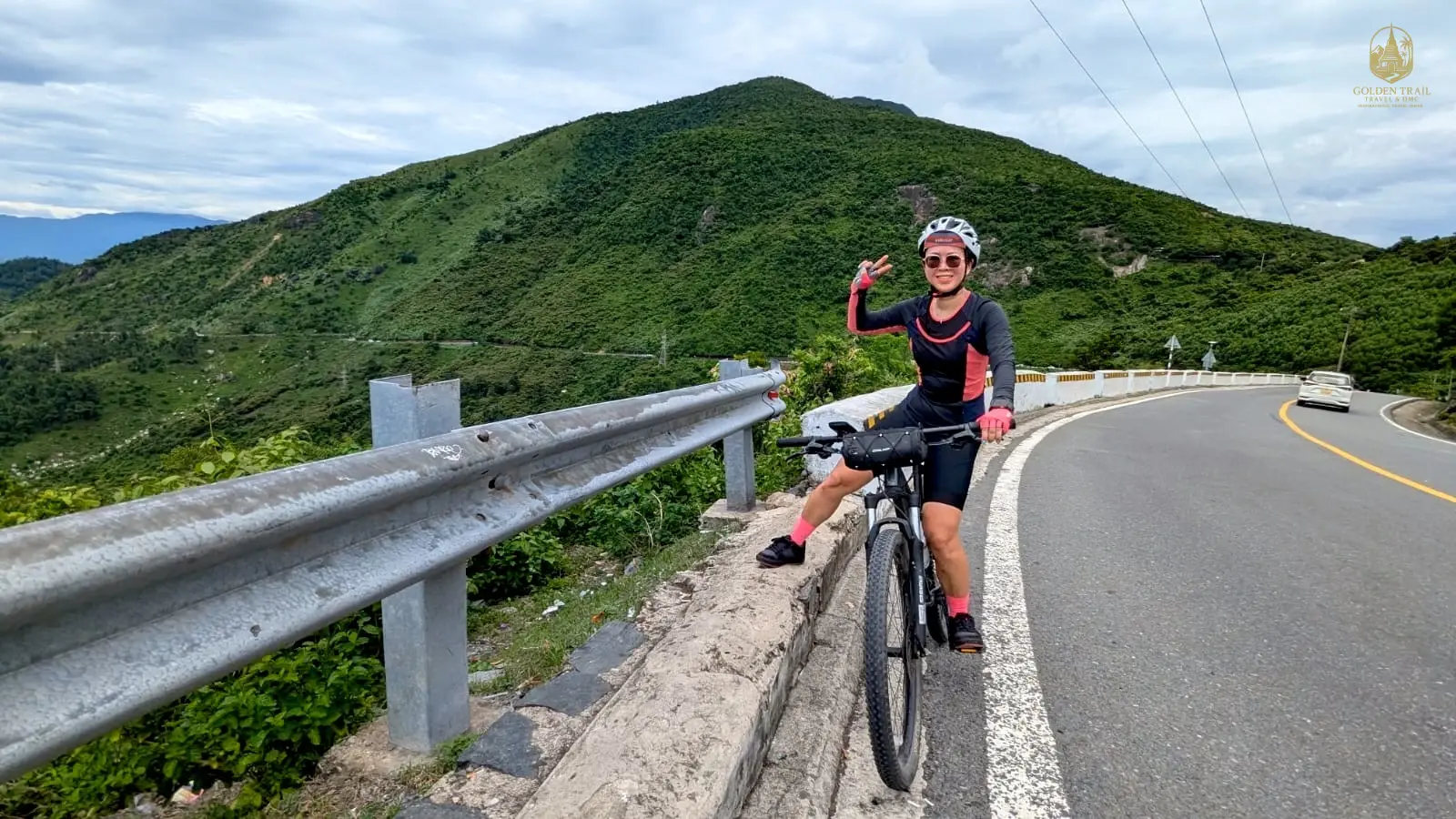
If you're looking for a cycling tour that blends Vietnam’s imperial past, rural landscapes, mountain passes, and coastal beauty, then cycling from Hanoi to Hue to Hoi An is the ultimate adventure. This legendary route takes you from the political heart of the country through ancient dynasties to the charming lantern-lit streets of Hoi An.
December 04, 2025

Cycling from Hanoi to Hoi An is not just a bike tour — it’s a once-in-a-lifetime adventure across the cultural, historical, and scenic heart of Vietnam. Whether you’re seeking the thrill of long-distance riding or a deeper connection with local life, the Hanoi to Hoi An cycling route promises a journey as meaningful as it is majestic.
December 04, 2025

Vietnam is a dream cycling destination with its varied landscapes, friendly people, and rich culture. But when summer hits, riders often wonder: Is cycling Vietnam in summer really a good idea? The answer is yes — if you plan smart and embrace the tropical adventure.
December 04, 2025

After days of riding across Vietnam’s vibrant countryside, misty mountains, and rural backroads, what better way to reward yourself than with a Halong Bay cruise after cycling? This iconic UNESCO World Heritage site, famous for its emerald waters and towering limestone karsts, offers the ultimate post-ride relaxation.
December 04, 2025

Looking for your next legendary climb in Vietnam? Omega Pass cycling is the challenge you've been waiting for. Also known as Khanh Le Pass, this breathtaking mountain road connects the lush coastal city of Nha Trang with the cool, pine-covered highlands of Dalat. With dramatic elevation gain, winding curves, and panoramic views, Omega Pass is fast becoming one of Southeast Asia’s bucket list rides.
December 04, 2025

Looking for one of Vietnam’s most thrilling and rewarding bike routes? Cycling from Mui Ne to Dalat offers the perfect combination of coastal beauty, mountain challenges, and cool highland serenity. This route is a favorite among both local and international cyclists who want a true test of stamina and a massive reward in scenery.
December 04, 2025

Ho Chi Minh City (Saigon) is a dynamic metropolis filled with buzzing motorbikes, street food stalls, and cultural landmarks. But if you're looking for an active escape, cycling out of Ho Chi Minh City offers the perfect gateway to Vietnam’s peaceful countryside, winding rivers, and quiet backroads.
December 04, 2025

Planning a multi-day cycling journey through Vietnam? There's no better place to start than with a Mekong Delta warm up ride. Just a short distance from Ho Chi Minh City, the Mekong Delta is a flat, peaceful, and scenic region — ideal for gently easing into the rhythm of your tour.
December 04, 2025
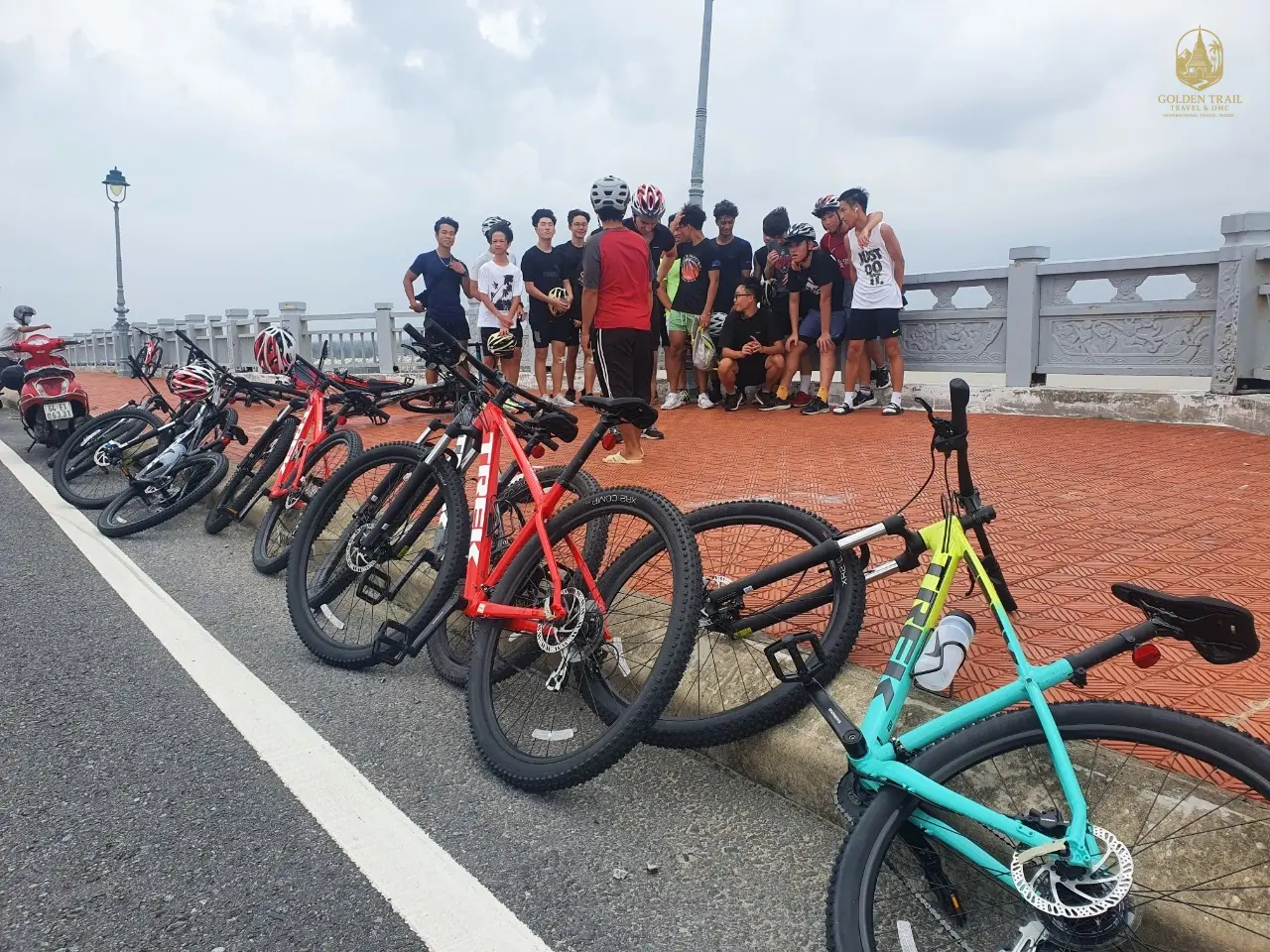
Imagine pedaling through rice paddies, over misty mountain passes, along stunning coastlines, and into vibrant cities — all under your own power. If that sounds like your kind of adventure, then a Ho Chi Minh City to Hanoi bicycle journey is calling your name.
December 04, 2025

Dreaming of a journey that challenges your body, frees your mind, and connects you with one of Southeast Asia’s most beautiful countries? Cycling from Saigon to Hanoi is more than just a trip — it’s an adventure that takes you from the tropical south to the cool, mountainous north, weaving through Vietnam’s coastlines, cities, highlands, and hidden villages.
December 04, 2025

If you’re looking for a cycling route in Vietnam that offers breathtaking landscapes, cultural encounters, and a manageable distance for both beginners and experienced riders — cycling from Hanoi to Ninh Binh is the perfect choice.
December 04, 2025
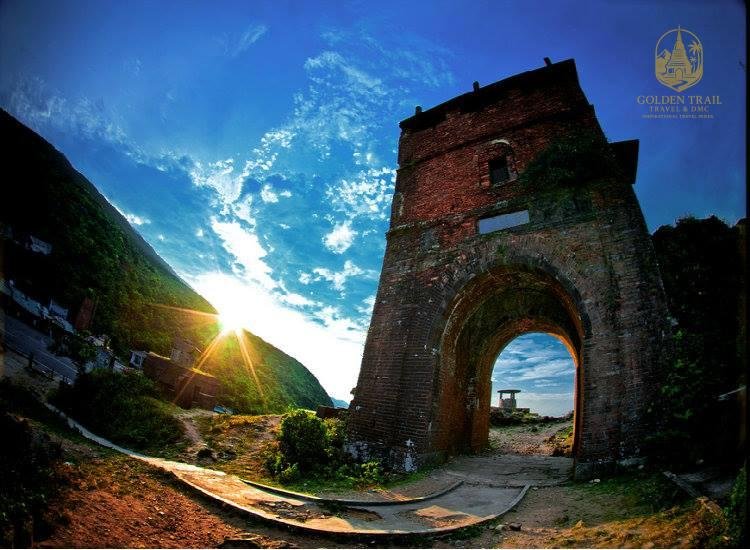
If you’re looking for a ride that’s both physically rewarding and visually jaw-dropping, then tackling the Hai Van Pass from the north side is an absolute must. Considered one of the most scenic routes in Southeast Asia, this legendary stretch of road connects Hue and Da Nang, slicing through lush mountains with panoramic ocean views that will leave you breathless — from effort and awe.
December 04, 2025

Cycling from North to South Vietnam is one of the most adventurous and rewarding ways to explore this stunning country. From the misty mountains of the north to the sun-soaked Mekong Delta in the south, the journey is unforgettable — but timing is everything.
December 04, 2025

If you're planning a cycling trip through Vietnam, two legendary routes stand out: Highway 1 and the Ho Chi Minh Road. Both stretch the length of the country and offer unforgettable experiences — but they are vastly different in terms of scenery, traffic, terrain, and overall vibe. So which one is right for your adventure?
December 04, 2025

Looking for a truly immersive way to discover Vietnam? Cycling tours in Vietnam offer the perfect blend of adventure, culture, and natural beauty. Whether you're gliding through rice paddies, conquering mountain passes, or pedaling along quiet coastal roads, a bike tour lets you experience the real Vietnam — up close and personal.
December 04, 2025

If you're looking for a cycling adventure that goes beyond the typical tourist trails, Ho Chi Minh Highway cycling is your gateway to Vietnam’s most untouched landscapes, rich wartime history, and warm, welcoming villages. This road less traveled takes you on an unforgettable journey through the central spine of Vietnam, offering the perfect combination of scenic beauty, physical challenge, and cultural immersion.
December 04, 2025

Imagine pedaling along scenic coastlines, exploring ancient towns, and crossing vibrant cities — all on two wheels. The Hanoi to Saigon bike tour is not just a journey, it’s an unforgettable experience that stretches over 1,600 kilometers through the heart of Vietnam. Whether you're a cycling enthusiast or a curious traveler, this tour offers the ultimate way to discover Vietnam’s culture, cuisine, and breathtaking landscapes.
December 04, 2025