15 Ng. 100 Đ. Nguyễn Xiển, Thanh Xuân Nam, Thanh Xuân, Hà Nội 100000




15 Ng. 100 Đ. Nguyễn Xiển, Thanh Xuân Nam, Thanh Xuân, Hà Nội 100000
Imagine a perfectly preserved city, still enclosed by its formidable Ming Dynasty walls, where every cobblestone street, every red-lanterned courtyard, and every traditional timber house whispers tales of prosperous merchants, bustling banks, and a bygone imperial era. Picture yourself wandering through narrow alleys, discovering hidden temples, and feeling the tangible weight of history in a place that seems untouched by the centuries. This is Pingyao (平遥 - Píngyáo), an extraordinary ancient walled city in Shanxi Province, justly celebrated as one of China's most significant cultural treasures. More than just a collection of historical buildings, Pingyao is a living, breathing testament to the architectural styles, urban planning, and economic prosperity of the Ming and Qing Dynasties. It offers an unparalleled immersive journey into a truly authentic segment of imperial Chinese life.
This comprehensive guide will lead you on a captivating journey through the multifaceted world of Pingyao – from its meticulously preserved City Wall and the groundbreaking financial institutions of Rishengchang to its ancient temples and vibrant folk culture. We'll delve into its fascinating history as a financial powerhouse, its enduring architectural heritage, and the distinctive flavors of its local cuisine. Crucially, we'll also show you how Golden Trail Travel can unlock an unforgettable and seamlessly organized adventure, ensuring you discover the true essence and hidden gems of this remarkable living relic. Prepare to be transported back in time, enlightened by its stories, and enchanted by its enduring charm.
To truly appreciate Pingyao today, it's essential to understand its strategic geographical position and the compelling historical and economic narratives that have shaped its identity as a perfectly preserved ancient city.
Pingyao is located in the central part of Shanxi Province, in northern China, approximately 90 kilometers (56 miles) southwest of the provincial capital, Taiyuan. The city sits within the relatively flat Fenhe River valley, part of the Loess Plateau region, which historically provided fertile ground for agriculture and a strategic location for trade.
Dry, Continental Climate: Pingyao experiences a temperate continental monsoon climate with four distinct seasons. Summers are hot, while winters are cold and dry with some snow. Spring and autumn are generally pleasant, making them ideal for tourism.
Strategic Location: Historically, Pingyao's location along key trade routes in northern China, particularly those connecting the capital with the northwest, contributed to its commercial importance.
Pingyao's most significant historical period spans the Ming and Qing Dynasties, when it transformed from a military outpost into a flourishing commercial and financial center.
Early Foundations (Western Zhou Dynasty): The settlement of Pingyao has ancient roots, dating back to the Western Zhou Dynasty (11th Century BCE – 771 BCE). However, its prominence began much later.
Ming Dynasty Walls (1370 CE): Fortification and Preservation:
The existing City Wall of Pingyao (平遥古城墙) was largely rebuilt and fortified in 1370 CE during the Ming Dynasty, based on older foundations. Its impressive scale and remarkably preserved condition are key to Pingyao's UNESCO status. These walls were a testament to its strategic importance and the wealth within.
Qing Dynasty (1644-1912): The Rise of Shanxi Merchants and Financial Innovation:
This was Pingyao's golden age. The city became the heartland of the Shanxi Merchants (晋商 - Jìnshāng), a powerful and influential group of traders who dominated China's commerce during the Ming and Qing Dynasties.
"Piaohao" (票号 - Piàohào) - The Birth of Modern Banking: Pingyao revolutionized China's financial system. In the early 19th century, the first "piaohao" or draft bank, Rishengchang (日升昌), was established here. These "draft banks" were a pioneering form of modern banking, offering remittance services (transferring money across vast distances without physically moving silver), foreign exchange, and loans.
National Network: Within decades, Pingyao's piaohao established branches across China and even into Southeast Asia and Russia, controlling the nation's financial arteries. Pingyao became the financial capital of China, preceding the rise of modern banks in Shanghai and other coastal cities.
Decline (Late 19th Century - Early 20th Century):
The traditional piaohao system began to decline with the advent of modern Western-style banks and the changing political landscape in the late Qing Dynasty. Many closed during the turbulent early 20th century.
Preservation and UNESCO Status (Late 20th Century - Present):
Unlike many other Chinese cities that underwent rapid modernization, Pingyao largely escaped widespread demolition, allowing its ancient urban fabric to survive almost intact.
In 1997, Pingyao Ancient City was designated a UNESCO World Heritage Site, recognized for its exceptional preservation of a traditional Han Chinese city. This designation spurred conservation efforts and boosted its tourism profile.
Pingyao's cultural identity is deeply shaped by its merchant past, its traditional architecture, and the resilience of its folk customs.
Merchant Spirit: The city embodies the industrious and resourceful spirit of the Shanxi Merchants, evident in the grand courtyards and intricate business practices of the piaohao.
Traditional Architecture: The city is a living museum of Ming and Qing Dynasty architecture, characterized by its grey brick walls, curved eaves, elaborate carvings, and intricate courtyard homes (Siheyuan).
Folk Arts and Crafts: Traditional crafts like paper cutting, lacquerware, and local Shanxi opera (Jinju) are still preserved and practiced, offering a glimpse into regional cultural expressions.
Timeless Ambiance: The lack of modern high-rises within the ancient walls creates a unique, immersive atmosphere that truly transports visitors back in time.
Pingyao offers an extraordinary array of attractions that powerfully connect visitors to China's prosperous mercantile past, its financial innovations, and its enduring traditional culture, providing an incredibly rich and educational travel journey.
Pingyao City Wall (平遥古城墙 - Píngyáo Gǔchéngqiáng): UNESCO Masterpiece:
The most iconic feature of Pingyao. This remarkably preserved city wall, dating back to 1370 CE (Ming Dynasty), completely encircles the ancient town.
Walking or Cycling: Walk or rent a bicycle on top of the wall (approximately 6.2 km or 3.8 miles in circumference) for panoramic views of the ancient cityscape, its traditional roofs, and the surrounding countryside. Observe the watchtowers, gates, and moats.
Symbol of Resilience: The wall is not just a defensive structure but a powerful symbol of Pingyao's endurance and unique preservation.
City Tower (市楼 - Shìlóu): Central Landmark:
A three-story wooden tower located at the intersection of the city's main North and South Streets. It offers excellent views down the bustling streets and serves as a central landmark within the walled city.
Rishengchang Draft Bank (日升昌票号 - Rìshēngchāng Piàohào): China's First Bank:
The most significant "piaohao" (draft bank) in Pingyao, established in 1823, considered China's first modern bank.
Museum: Now a museum, explore its various halls – the business hall, accounting department, staff quarters, and even the vault. Learn about the sophisticated financial instruments (drafts, remittances) and the strict operational procedures that enabled them to handle vast sums of money across imperial China.
Entrepreneurial Spirit: Gain insight into the ingenious and disciplined business practices of the Shanxi Merchants.
Xietongqing Draft Bank (协同庆票号 - Xiétóngqìng Piàohào): Another Grand Piaohao:
Another well-preserved former draft bank, offering similar insights into the piaohao system. Often includes more exhibits and details on the lives of the bank employees.
Exchange Shop Museum (蔚盛长钱庄 - Wèishèngcháng Qiánzhuāng): Traditional Chinese Banking:
A smaller, but equally fascinating, traditional money exchange house, providing a different perspective on local financial practices.
Pingyao Ancient Government Office (平遥县衙 - Píngyáo Xiànyá): Seat of Power:
The best-preserved ancient county government office in China, dating back to the Yuan Dynasty.
Comprehensive Complex: Explore its various courtyards, including the main hall for public trials, administrative offices, prisons, and living quarters, offering a fascinating look at ancient Chinese bureaucracy and law enforcement. Regular re-enactments of ancient trials are often performed.
Confucius Temple (平遥文庙 - Píngyáo Wénmiào): Scholarly Reverence:
The oldest and best-preserved Confucius Temple in China, dating back to the Tang Dynasty (though much of the current structure is Ming/Qing).
Educational Significance: Explore its serene courtyards, halls, and the academy, reflecting the importance of Confucianism in Chinese society.
Former Residence of Wei Family (蔚泰厚钱庄 - Wèitàihòu Qiánzhuāng): Merchant's Grand Home:
Explore the sprawling residential complexes of wealthy merchant families, designed as multi-courtyard homes that reflect the traditional Chinese concept of living and social hierarchy. These often include exquisite wood carvings and intricate layouts.
Qingliang Temple (清凉寺 - Qīngliáng Sì): Ming Dynasty Temple:
A Buddhist temple located within the city walls, known for its traditional architecture and tranquil atmosphere.
Temple of the City God (城隍庙 - Chénghuáng Miào): Guardian of the City:
A Taoist temple dedicated to the City God, believed to protect the city and its inhabitants. Features intricate carvings and colorful deities.
Daozhao Temple (道教宫 - Dàojiào Gōng): Taoist Complex:
Another significant temple dedicated to Taoism, showcasing its unique architecture and religious practices.
Shuanglin Temple (双林寺 - Shuānglín Sì): UNESCO Buddhist Masterpiece (Outside the Walls):
Located about 6 kilometers (3.7 miles) southwest of Pingyao, this Buddhist temple (part of Pingyao's UNESCO site) is renowned for its collection of over 2,000 exquisitely sculpted painted clay figures from the Yuan, Ming, and Qing Dynasties. A must-see for art and history lovers.
Zhenguo Temple (镇国寺 - Zhènguó Sì): Tang Dynasty Wooden Architecture (Outside the Walls):
Also part of Pingyao's UNESCO site, located about 15 kilometers (9 miles) northeast. Its main hall, the Wanfo Hall (Hall of Ten Thousand Buddhas), is one of China's oldest wooden structures, dating back to the Five Dynasties period (907-960 CE), showcasing rare and magnificent Tang-style architecture.
Traditional Courtyard Guesthouses: Stay in a renovated traditional courtyard home within the city walls for an authentic and immersive experience.
Shanxi Folk Art Museum (平遥民俗博物馆 - Píngyáo Mínsú Bówùguǎn): Local Traditions:
Showcases the daily life, customs, and traditional crafts of the Pingyao region.
Paper Cutting & Lacquerware Workshops: Observe artisans at work and try your hand at traditional crafts like intricate paper cutting or the unique Pingyao lacquerware.
Jinju Opera Performance (晋剧 - Jìnjù): Local Opera:
Catch a performance of Shanxi's local opera, known for its distinctive music and elaborate costumes.
Walk the Ancient Streets: The most authentic experience is simply wandering the cobblestone streets, soaking in the atmosphere, observing daily life, and discovering hidden corners and charming shops.
Pingyao's cuisine is representative of Shanxi cuisine (晋菜 - Jìncài), which is famous throughout China for its noodles (面食 - miànshí), vinegars, and often hearty, savory, and sometimes slightly sour flavors. Wheat is a staple, and the cuisine reflects the region's agricultural traditions.
Pingyao Beef (平遥牛肉 - Píngyáo Niúròu): Iconic Delicacy:
The most famous local specialty. This cured and slow-cooked beef is known for its tender texture, rich flavor, and distinct aroma. Often served cold in thin slices as an appetizer. A must-try!
Shanxi Noodles (山西面食 - Shānxī Miànshí): A Noodle Lover's Paradise:
Shanxi is considered the "Kingdom of Noodles" in China, and Pingyao is no exception. You'll find an incredible variety of handmade noodles, often prepared in unique ways:
Daoxiao Mian (刀削面 - Dāoxiāo Miàn): Knife-Cut Noodles: Thick, chewy noodles shaved directly from a block of dough into boiling water. Served with various savory sauces (e.g., tomato and egg, minced pork).
Mian Pian (面片 - Miànpian): Hand-Torn Noodles: Irregularly shaped, chewy noodles, often served in a soup with vegetables and meat.
Cat's Ear Noodles (猫耳朵 - Māo'ěrdou): Small, shell-shaped noodles, often served stir-fried or in soup.
Fenfei Noodles (栲栳栳 - Kǎolǎo Lao): Steamed noodle rolls, often served with a savory dipping sauce.
Vinegar (醋 - Cù): Shanxi's Liquid Gold:
Shanxi is renowned for its high-quality, aged black vinegar. It's used extensively in local cooking, as a dipping sauce for dumplings and noodles, and even as a drink. Try the local vinegar.
Wowo (窝窝头 - Wōwotuó): Steamed Corn Buns:
Cone-shaped steamed buns made from corn flour or mixed grains, often served with savory dishes. A traditional staple.
Fried Dumplings (锅贴 - Guōtiē) and Steamed Dumplings (饺子 - Jiǎozi):
Common throughout northern China, and Pingyao offers excellent versions, often filled with pork, beef, or vegetables.
Pingyao Yellow Wine (平遥黄酒 - Píngyáo Huángjiǔ): Local Brew:
A traditional Chinese yellow wine, often enjoyed with local meals.
Baked Sweet Potato (烤红薯 - Kǎo Hóngshǔ): Winter Street Food:
In colder months, you'll find street vendors selling warm, perfectly roasted sweet potatoes, a comforting snack.
Culinary Tours: Golden Trail Travel can arrange dedicated food tours, taking you to authentic local restaurants, noodle houses, and street food stalls, ensuring a truly immersive gastronomic journey through Pingyao's incredibly unique and delicious cuisine.
Navigating a meticulously preserved ancient city like Pingyao, with its intricate network of narrow streets, numerous historical sites, and unique cultural nuances, is significantly enhanced with expert guidance. This is where Golden Trail Travel becomes your invaluable partner, transforming your trip into a seamlessly planned, deeply insightful, and profoundly rewarding adventure.
Golden Trail Travel excels in designing bespoke tours that fully capture the multifaceted essence of Pingyao, catering to your specific interests, whether they are historical discovery, architectural appreciation, culinary exploration, or immersion in traditional Chinese culture.
Optimized Ancient City Exploration: They plan your itinerary to ensure you experience the most iconic sites like the City Wall, Rishengchang Bank, and the Ancient Government Office, while also leading you to quieter alleys and hidden gems.
Deep Historical & Cultural Insights: Golden Trail Travel specializes in facilitating authentic encounters with Pingyao's rich heritage. They can arrange visits to local workshops, traditional courtyards, and unique museums, providing context that brings the city's merchant past and financial innovations to life.
Tailored Itineraries: From focusing purely on the walled city to integrating essential day trips to the nearby UNESCO World Heritage Buddhist temples (Shuanglin Temple and Zhenguo Temple) for their incredible art and architecture, Golden Trail Travel can customize a tour that perfectly aligns with your passions, pace, and comfort level.
Authentic Accommodation: They can arrange stays in beautifully renovated traditional courtyard guesthouses within the city walls, offering an immersive and atmospheric lodging experience that perfectly complements your historical journey.
Visit Golden Trail Travel's website at to explore their diverse range of tours and begin crafting your own Pingyao ancient city expedition.
A key component of a Golden Trail Travel experience in Pingyao is access to their network of expert local guides. These guides are fluent in English and possess a profound understanding of Pingyao's unparalleled historical significance, its unique financial heritage, its architectural styles, and the nuances of Shanxi culture and cuisine.
Historical Interpretation: Your guide will bring the stories of the Shanxi Merchants and the pioneering "piaohao" to life, explain the significance of the City Wall and various government buildings, and bridge language barriers, making your understanding of this ancient city much deeper.
Cultural Bridge: They are essential for navigating the ancient streets, understanding local customs, and facilitating meaningful interactions with artisans or shopkeepers, ensuring a respectful and authentic cultural immersion.
Culinary Navigators: For food tours, they can expertly guide you through local eateries, explain dishes like Pingyao Beef and the various noodle types, and help you discover the distinct flavors of Shanxi cuisine, ensuring a truly authentic and delicious gastronomic adventure.
Logistical Expertise: They are indispensable for navigating Pingyao's car-free ancient city, ensuring efficient travel between sites (often by electric cart or on foot), leading you to the best vantage points, and handling all local arrangements efficiently, allowing you to relax and fully immerse yourself in the experience.
Traveling to a historical and somewhat remote destination like Pingyao can involve specific logistical considerations. Golden Trail Travel ensures your comfort and peace of mind throughout your journey:
Transportation: Arranging all ground transportation to and within Pingyao (including high-speed train tickets to Pingyao Ancient City Railway Station or transfers from Taiyuan Wusu International Airport (TYN), and private vehicles for daily excursions to the temples outside the walls). They ensure efficient and comfortable travel, connecting you seamlessly to this ancient gem.
Accommodation: Selecting reputable and authentic traditional courtyard guesthouses within the city walls that meet your comfort and budget requirements, ensuring a unique and memorable stay that complements the historical ambiance.
Trouble-free Travel: Handling any potential language barriers or logistical hurdles, such as purchasing entrance tickets to various sites (often bundled for the ancient city), understanding local customs, finding authentic local eateries, or advising on appropriate clothing for walking the city walls or visiting temples. They allow you to relax and fully immerse yourself in the experience.
Pingyao's unique historical significance makes it an ideal complement to other major destinations in China. Golden Trail Travel can seamlessly combine your visit to Pingyao with trips to:
Xi'an: China's ancient capital and home to the Terracotta Army, offering a powerful contrast of imperial history and another Silk Road starting point.
Beijing: The capital city, offering imperial palaces, the Great Wall, and a comprehensive overview of modern China.
Datong: In northern Shanxi, for the stunning Yungang Grottoes (Buddhist cave art) and the Hanging Monastery.
Taiyuan: The provincial capital, for its Jinci Temple and convenient transport hub.
Golden Trail Travel's expertise extends across these diverse and culturally rich regions, allowing for efficient, insightful, and complementary multi-city itineraries that truly showcase the best of China's natural grandeur, imperial legacies, and unique heritage.
Golden Trail Travel is dedicated to promoting responsible and sustainable tourism practices. They strive to ensure that your visit to Pingyao benefits local communities, respects its irreplaceable historical sites and unique cultural heritage, and minimizes environmental impact, leaving a positive footprint on this remarkable and perfectly preserved city. They actively support local artisans and traditional businesses within the ancient city, encourage respectful cultural engagement, and advocate for the long-term preservation of Pingyao's profound legacy for future generations.
Pingyao offers a profound and exhilarating travel experience, revealing a side of China that is deeply rooted in its prosperous merchant past, its groundbreaking financial innovations, and its remarkably preserved ancient urban fabric. It's a city where every brick and tile tells a story, where the echoes of ancient trade still resonate, and where you can genuinely step back in time.
Wander through one of China's most perfectly preserved ancient walled cities, a UNESCO World Heritage site, offering an authentic glimpse into Ming and Qing Dynasty urban life.
Explore the formidable City Wall, traditional courtyard homes (Siheyuan), and intricate wooden structures that showcase centuries of Chinese architectural artistry.
Discover the pioneering "piaohao" (draft banks), like Rishengchang, and learn about the ingenious financial innovations that originated in Pingyao and revolutionized China's economy.
Experience traditional Shanxi folk arts, witness daily life within the ancient walls, and stay in atmospheric courtyard guesthouses.
Savor the distinct flavors of Shanxi cuisine, famous for its incredible variety of handmade noodles, the iconic Pingyao Beef, and its renowned black vinegar.
From the ancient County Government Office to the serene Buddhist temples with their exquisite sculptures, every site reveals layers of history and traditional Chinese society.
The absence of modern intrusions within the walls creates a rare and immersive atmosphere that transports you to a bygone era, far from the hustle of contemporary China.
Q1: Where is Pingyao located in China? A1: Pingyao (平遥) is an ancient walled city located in the central part of Shanxi Province, northern China, about 90 kilometers (56 miles) southwest of Taiyuan.
Q2: What is Pingyao most famous for? A2: Pingyao is most famous for being one of China's best-preserved ancient walled cities (a UNESCO World Heritage site), and for being the birthplace of modern Chinese banking (the "piaohao" draft banks).
Q3: How do I get into Pingyao Ancient City? A3: The ancient city is car-free. You typically arrive at Pingyao Ancient City Railway Station (for high-speed trains) or Pingyao Railway Station (for regular trains), and then take a short taxi or electric cart ride to one of the city gates. Golden Trail Travel arranges seamless transfers.
Q4: What are the main attractions inside the walled city? A4: Key attractions include the Pingyao City Wall, Rishengchang Draft Bank (China's first bank), the Pingyao Ancient Government Office, the Confucius Temple, and various traditional courtyard residences and temples.
Q5: Are there important sites outside the city walls? A5: Yes, definitely! The Shuanglin Temple (双林寺), famous for its ancient clay sculptures, and the Zhenguo Temple (镇国寺), with its rare Tang Dynasty wooden architecture, are both UNESCO sites and highly recommended day trips.
Q6: What unique foods should I try in Pingyao? A6: You must try Pingyao Beef (平遥牛肉), and sample the incredible variety of Shanxi noodles (山西面食) like Daoxiao Mian (knife-cut noodles). Don't forget to try Shanxi's famous aged black vinegar.
Q7: Can I stay inside the ancient city? A7: Yes! Staying in one of the beautifully restored traditional courtyard guesthouses within the ancient city walls is highly recommended for an immersive experience. Golden Trail Travel can arrange authentic and comfortable accommodations.
Q8: How can Golden Trail Travel enhance my Pingyao trip? A8: Golden Trail Travel specializes in tailored Pingyao tours that explore its ancient history, financial heritage, and local culture. They provide expert local guides who offer deep insights, handle all logistics (transport, tickets, unique accommodations), and ensure a seamless, authentic, and truly enriching experience in this living relic.
Q9: Can Golden Trail Travel combine Pingyao with other cities in China? A9: Yes! Pingyao is an ideal destination to combine with Xi'an (Terracotta Army, ancient capital) and Beijing (capital, Great Wall) for a comprehensive historical tour of northern China. It can also be combined with Datong (Yungang Grottoes) in northern Shanxi. Golden Trail Travel can customize these combinations based on your interests.
"Our trip to Pingyao with Golden Trail Travel was absolutely captivating! Walking and cycling along the ancient City Wall felt like stepping into a historical movie. Our guide was incredibly knowledgeable, bringing the stories of the Shanxi Merchants and the first banks to life. Golden Trail Travel handled every detail, from comfortable high-speed train tickets to our charming courtyard guesthouse inside the walls. It was a truly immersive and unforgettable experience!" — Eleanor R., USA
"Pingyao's history as a financial hub is fascinating, and visiting Rishengchang Bank was a highlight. Golden Trail Travel arranged a fantastic tour, and our guide explained the ingenious banking system of ancient China so clearly. We also loved exploring the narrow alleys and trying the delicious local noodles. I highly recommend Golden Trail Travel for anyone wanting to truly understand China's rich past." — Marcus L., UK
"As an architecture enthusiast, Pingyao was a dream come true! The preservation of the ancient city is remarkable. Golden Trail Travel ensured we also visited Shuanglin Temple and Zhenguo Temple outside the walls, and the clay sculptures and ancient wooden structures were just breathtaking. Their planning was meticulous, ensuring we had comfortable transport to these remote sites and expert guides who highlighted every significant detail. A truly enriching journey!" — Sophia M., Germany
"I've always sought authentic travel experiences, and Pingyao, arranged by Golden Trail Travel, delivered beyond expectations. Staying in a traditional courtyard home within the city walls was magical, especially at night when the lanterns glowed. Our guide was excellent, providing insights into local customs and history. The Pingyao Beef was also incredibly delicious! Golden Trail Travel is top-notch for unique cultural immersion." — Professor Charles D., Australia
"Golden Trail Travel created an amazing multi-city tour for us, and Pingyao was a standout for its unique step-back-in-time feel. It was such a contrast to the bustling modern cities. The entire trip was incredibly well-organized, safe, and authentic. Their team was so responsive and helpful throughout. If you're looking for a comprehensive and expertly managed expedition through China's most charming ancient city, Golden Trail Travel is the only choice!" — Li Wei, Singapore
Pingyao is more than just a city; it is a meticulously preserved portal to a bygone era, a powerful testament to the ingenuity of ancient Chinese merchants, and a living embodiment of traditional urban life. From the commanding presence of its Ming Dynasty walls and the groundbreaking legacy of its "piaohao" banks, to the intricate beauty of its courtyard homes and the spiritual serenity of its ancient temples, Pingyao offers an unparalleled travel experience. It is a city that captivates the imagination, deepens understanding, and offers a rare opportunity to walk through living history.
To truly navigate the labyrinthine charm and profound historical significance of this magnificent ancient city, to unlock its hidden stories, and to experience its authentic heart, an experienced and dedicated partner is indispensable. Golden Trail Travel is your trusted guide to Pingyao, offering meticulously planned tours, expert local insights, and a steadfast commitment to authentic encounters. Let them lead you through the captivating world of Pingyao, where every step is a journey into the past, and your next unforgettable adventure into ancient China awaits

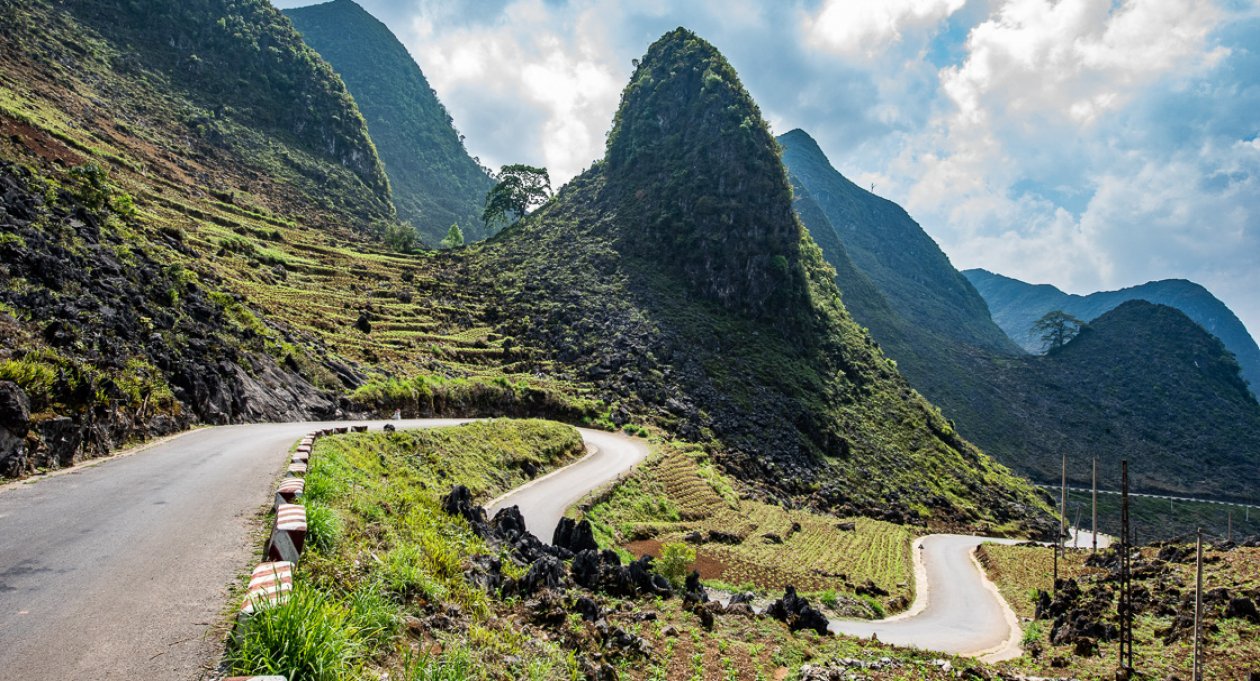
The geographical tapestry between Vietnam and Cambodia is a vibrant mosaic shaped by diverse landscapes, intertwined river systems, and strategic locations within Southeast Asia. At the heart of this geographical interplay lies the majestic Mekong River, a lifeblood connecting the two nations and influencing their shared history, economic ties, and cultural exchanges.
May 28, 2025

Embarking on a motorcycle adventure from Hanoi to Ha Giang is an immersive journey through the beating heart of Northern Vietnam. This scenic route, punctuated by the bustling capital of Hanoi and culminating in the rugged charm of Ha Giang, promises a tapestry of experiences for riders seeking the ultimate road trip. In this comprehensive guide, we unravel the myriad reasons why riding motorcycles from Hanoi to Ha Giang is an expedition worth every twist of the throttle.
May 28, 2025

There is no doubt that Ha Giang stands as an enchanting destination, captivating travelers with its rugged landscapes, rich cultural tapestry, and the renowned Ha Giang Loop. In this comprehensive guide, we explore the best things to see in Ha Giang, from breathtaking natural wonders to cultural gems that make this province a must-visit for those seeking an authentic and immersive experience.
May 28, 2025
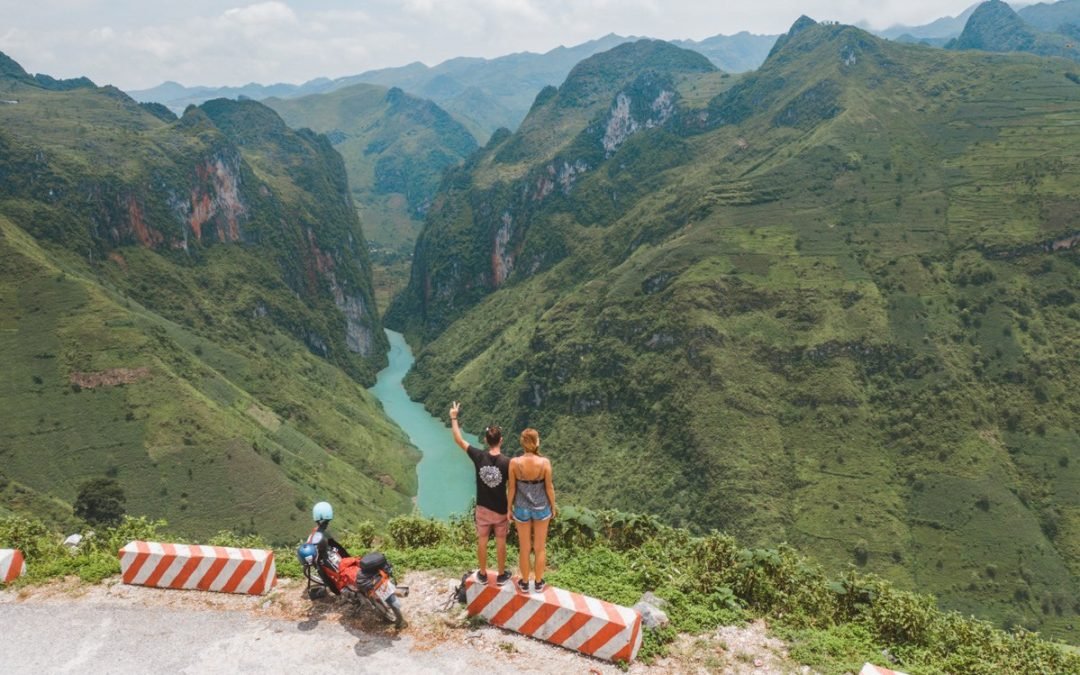
Ha Giang is not only a visual feast for travelers but also a paradise for food enthusiasts. The province’s diverse ethnic communities contribute to a culinary tapestry that showcases the rich flavors and traditional dishes of the region. In this comprehensive guide, we explore the best foods to eat in Ha Giang, inviting you on a gastronomic journey through the heart of Northern Vietnam.
May 28, 2025

Embarking on a motorbike journey from Hanoi to Ha Giang is an exhilarating adventure, offering riders a chance to traverse the picturesque landscapes of Northern Vietnam. However, the success and enjoyment of this journey greatly hinge on choosing the right time to hit the road. In this comprehensive guide, we’ll explore the optimal seasons for riding motorbikes from Hanoi to Ha Giang, ensuring a memorable and safe exploration of this stunning region.
May 28, 2025

The cost of a motorbike trip from Hanoi to Ha Giang can vary based on several factors, including your durations, travel style, accommodation preferences, choice of motorbike rental, dining habits, and any additional activities you plan to undertake. Here’s a general breakdown of potential expenses:
May 28, 2025
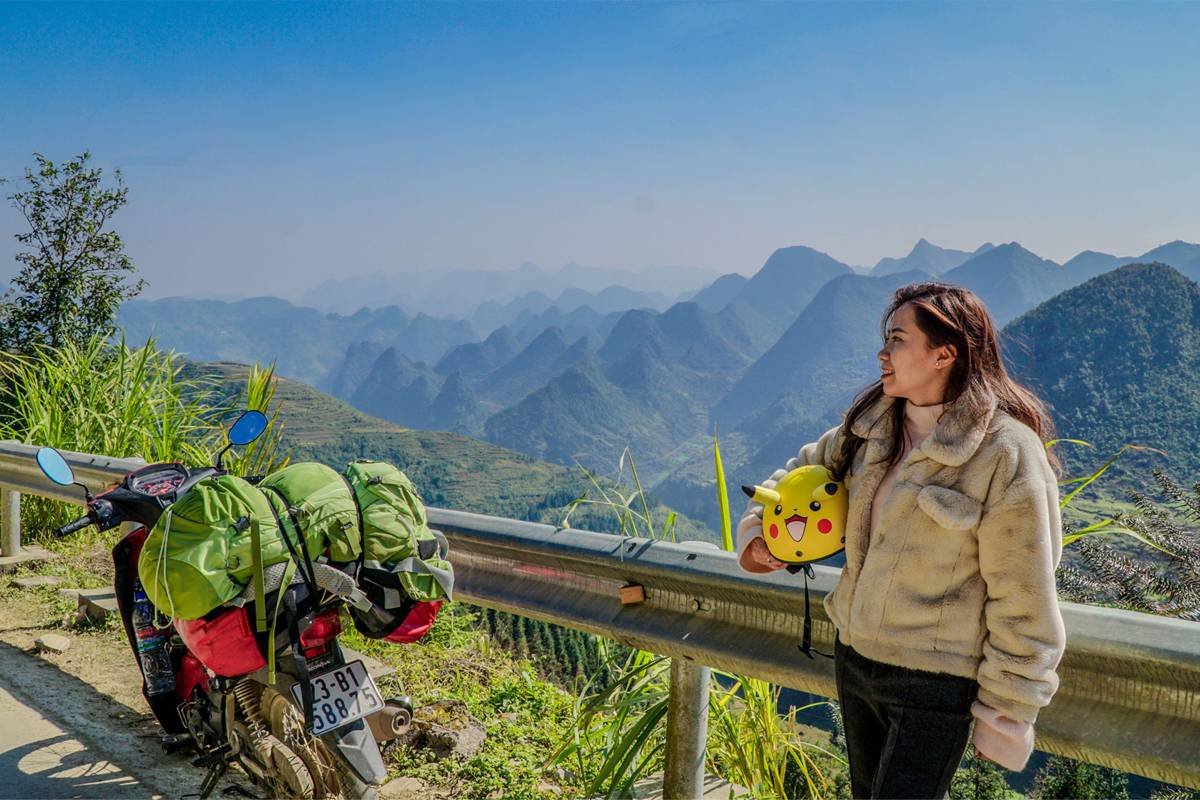
Engaging a motorbike tour from Hanoi to Ha Giang is a thrilling adventure that beckons a diverse range of travelers. Whether you’re an adrenaline enthusiast, a culture seeker, or someone yearning for an off-the-beaten-path experience, this journey through the northern landscapes of Vietnam has something to offer. In this comprehensive guide, we explore who should engage in a motorbike tour from Hanoi to Ha Giang, delving into the unique aspects that make this expedition a must for certain types of travelers.
May 28, 2025

Nestled in the northernmost reaches of Vietnam, Ha Giang is a hidden gem that beckons travelers with its rugged beauty and cultural richness. Known for its stunning landscapes, diverse ethnic communities, and the famous Ha Giang Loop, this province has become a burgeoning destination for adventurous souls seeking an off-the-beaten-path experience.
May 28, 2025
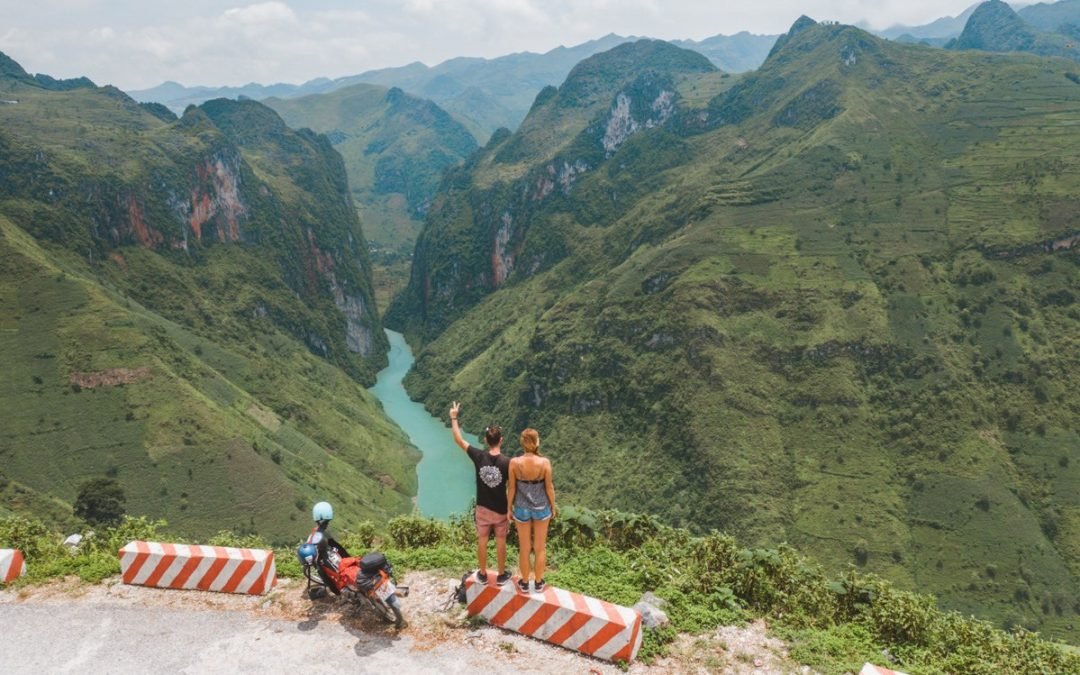
Ha Giang is not only a visual feast for travelers but also a paradise for food enthusiasts. The province’s diverse ethnic communities contribute to a culinary tapestry that showcases the rich flavors and traditional dishes of the region. In this comprehensive guide, we explore the best foods to eat in Ha Giang, inviting you on a gastronomic journey through the heart of Northern Vietnam.
May 28, 2025
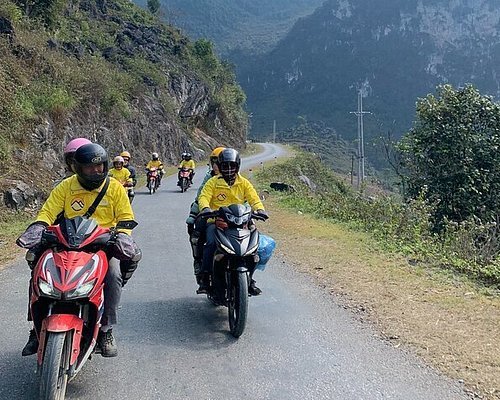
Nestled in the northernmost reaches of Vietnam, the Ha Giang province beckons adventurous souls seeking to venture off the beaten path. The Ha Giang Loop, a captivating Hagiang motorbike tour through the province’s rugged landscapes and remote villages, has become a bucket-list experience for travelers seeking an authentic and awe-inspiring adventure. In this article, we will delve into the reasons why a Ha Giang Loop motorbike tour is an absolute must for intrepid explorers, offering an unforgettable journey through Vietnam’s hidden gem.
May 28, 2025
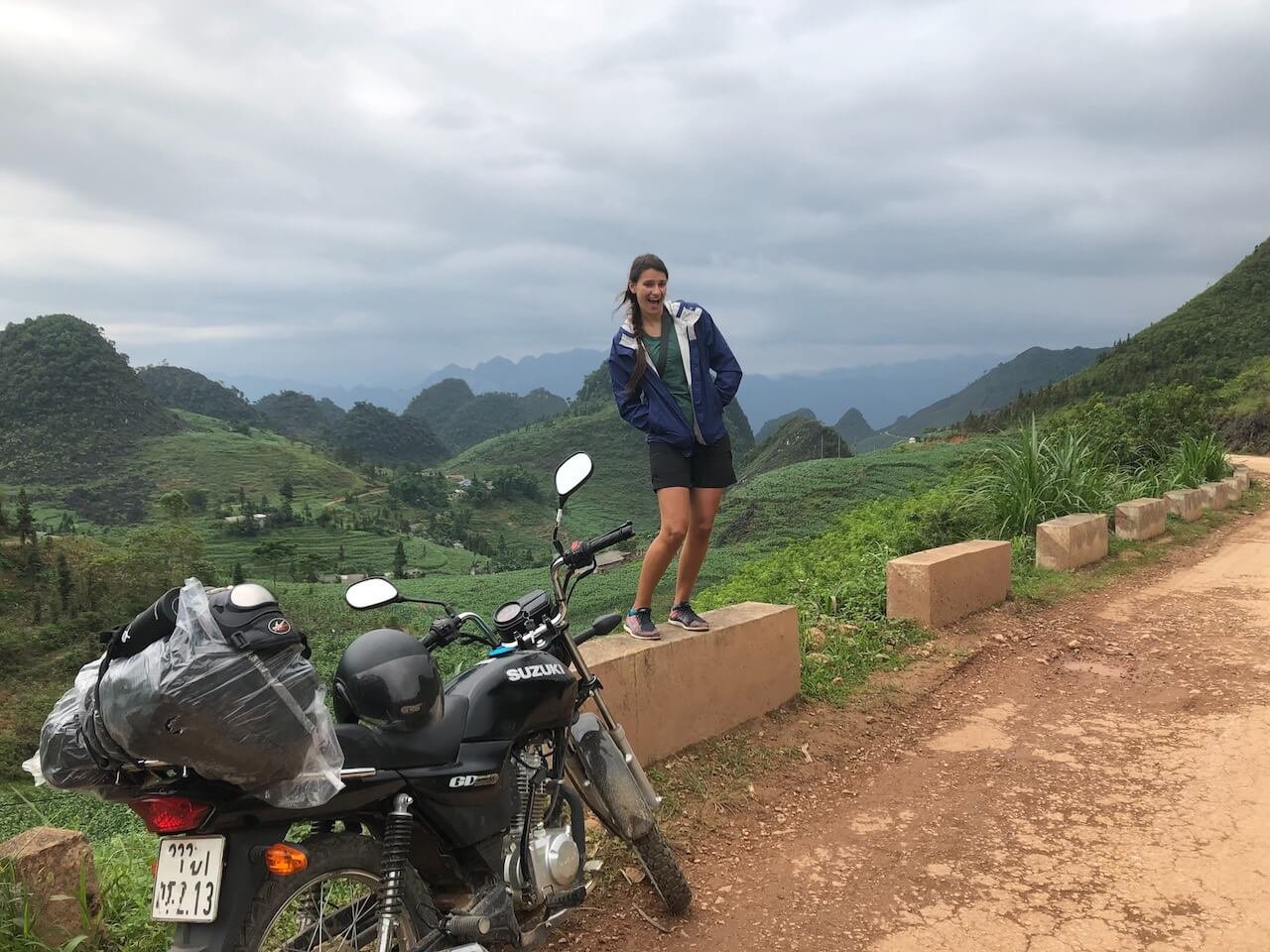
There are many ways to do the famous Hagiang Loop Motorbike Tour. You can go on an organized tour with a guide, ride your own bike, book a private van, take a local bus… In any of these ways, you can enjoy some of the most stunning views Vietnam has to offer. Moreover, the Hagiang loop motorbike tour also allows you to learn about life and culture in the small agricultural villages scattered throughout the region. And of course, in Ha Giang you can also enjoy a wide variety of activities. Because this loop is not only about traveling along the routes that connect these villages and small towns!
May 28, 2025
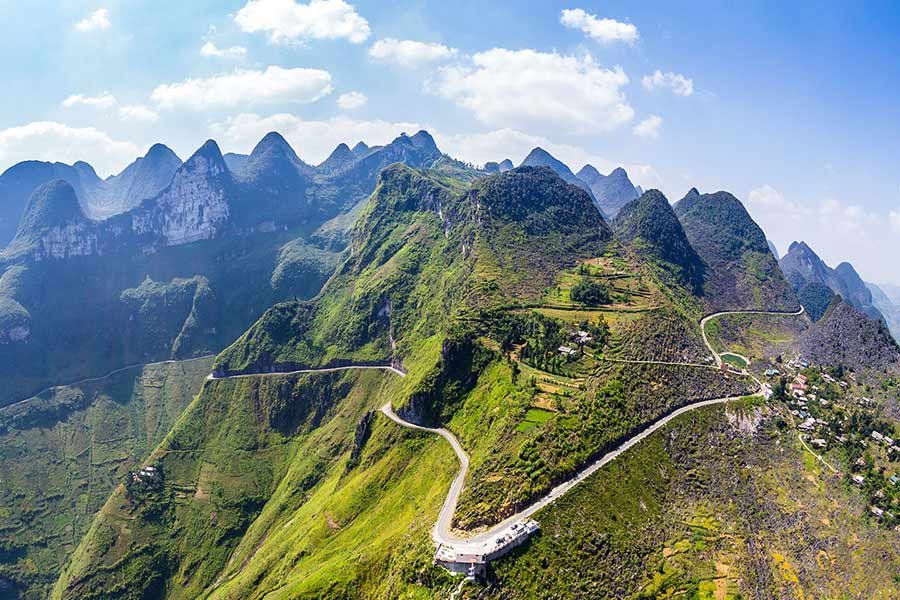
The motorbike tour from Hanoi to Ha Giang unveils a tapestry of diverse geographic terrains, each contributing to the captivating beauty of northern Vietnam. Beginning in Hanoi, the capital city nestled in the flat expanse of the Red River Delta, the landscape transitions from urban sprawl to fertile plains adorned with traditional Vietnamese architecture.
May 28, 2025
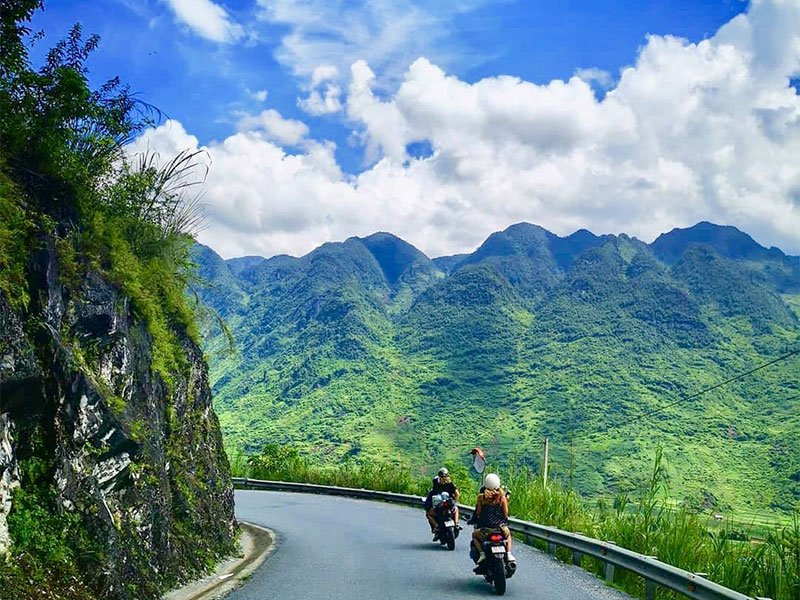
There are many ways to do the famous Hagiang Loop Motorbike Tour. You can go on an organized tour with a guide, ride your own bike, book a private van, take a local bus… In any of these ways, you can enjoy some of the most stunning views Vietnam has to offer. Moreover, the Hagiang Loop Motorbike Tour also allows you to learn about life and culture in the small agricultural villages scattered throughout the region. And of course, in Ha Giang you can also enjoy a wide variety of activities. Because this loop is not only about traveling along the routes that connect these villages and small towns!
May 28, 2025
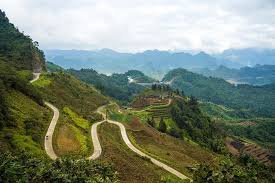
The motorbike tour from Hanoi to Ha Giang unveils a tapestry of diverse geographic terrains, each contributing to the captivating beauty of northern Vietnam. Beginning in Hanoi, the capital city nestled in the flat expanse of the Red River Delta, the landscape transitions from urban sprawl to fertile plains adorned with traditional Vietnamese architecture.
May 28, 2025
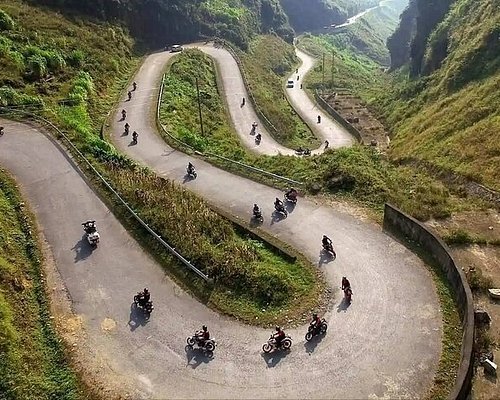
Before we start, let’s address the elephant in the room: Motorbiking in Vietnam, also referred to as motorcycling, is risky. And due to this, we can only recommend that experienced, fully kitted-out bikers attempt to ride here.
May 28, 2025

Nestled amidst the rugged mountains, lush jungles, and meandering rivers of Southeast Asia. It’s a hidden gem waiting to be discovered by adventurous souls
May 28, 2025

Laos is a stunning country with diverse landscapes, rich cultural heritage, and off-the-beaten-path destinations that are perfect for motorbike tours. Here are some of the best destinations in Laos that people should consider taking motorbike tours to discover:
May 28, 2025

The best time to engage in a motorbike tour in Laos depends on the weather, road conditions, and overall travel experience you seek. Generally, the ideal time for motorbike tours in Laos is during the dry season, which typically runs from November to April. Here’s a detailed look at each season to help you decide:
May 28, 2025

Riding motorbikes in Laos can be an exhilarating experience, but it’s essential to prioritize safety to ensure a smooth and enjoyable journey. Here are some tips for riding motorbikes safely in Laos:
May 28, 2025
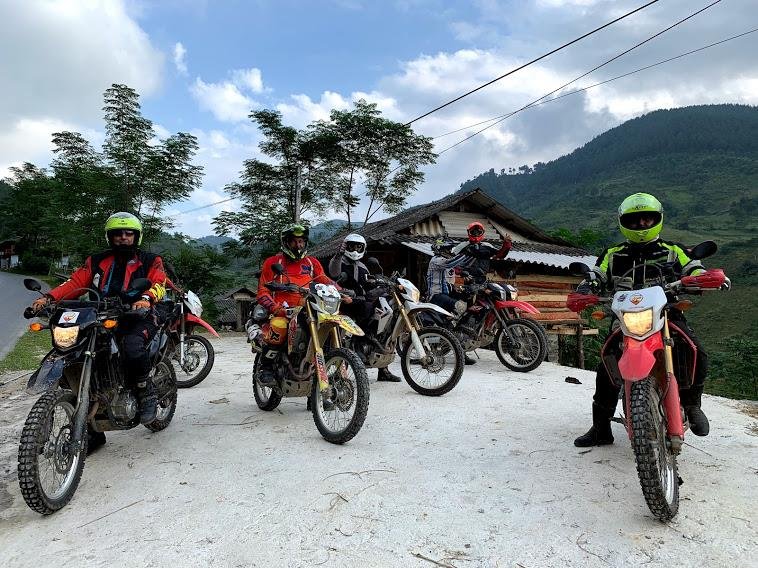
Embarking on a motorbike tour to Laos promises an exhilarating adventure filled with rugged landscapes, vibrant cultures, and unforgettable experiences. To ensure a flawless journey, it’s essential to prepare meticulously and pack accordingly. Here’s a comprehensive guide on what to prepare for your motorbike tour to Laos:
May 28, 2025