15 Ng. 100 Đ. Nguyễn Xiển, Thanh Xuân Nam, Thanh Xuân, Hà Nội 100000
15 Ng. 100 Đ. Nguyễn Xiển, Thanh Xuân Nam, Thanh Xuân, Hà Nội 100000
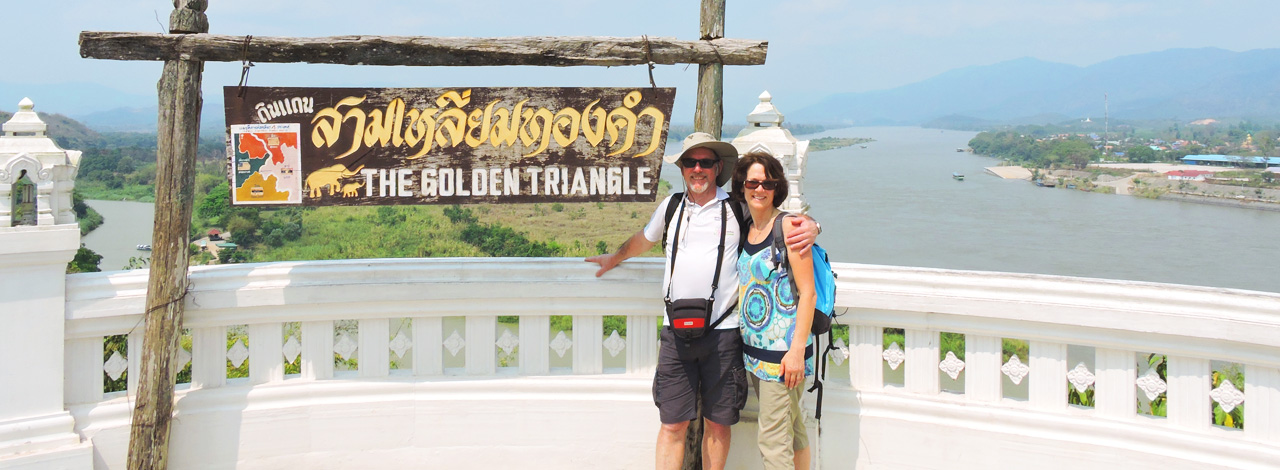
Mandalay, often romanticized in literature and song, is more than just a name; it is the beating heart of Myanmar's cultural and spiritual heritage. As the last royal capital of Burma, it exudes an aura of regal splendor, even amidst the ebb and flow of modern life. Unlike the bustling commercial hub of Yangon, Mandalay offers a profound journey into the soul of Myanmar, where ancient traditions endure, skilled artisans craft exquisite masterpieces, and thousands of saffron-robed monks continue their timeless devotions. Surrounded by the majestic Irrawaddy River and dotted with ancient cities, grand pagodas, and lush hills, Mandalay serves as a captivating gateway to exploring the authentic essence of Myanmar. This comprehensive guide will take you on an in-depth exploration of Mandalay’s profound allure, revealing its iconic landmarks, artistic mastery, and spiritual depth, and demonstrating how Golden Trail Travel can help you unlock the very best of this captivating golden city.
Mandalay's unique charm lies in its harmonious blend of historical significance, deeply ingrained Buddhist faith, and the enduring legacy of its artisanal traditions.
Mandalay’s identity is inextricably linked to its royal past, with magnificent palaces and revered pagodas bearing witness to its former glory.
Mandalay Palace: At the very heart of the city lies the meticulously reconstructed Mandalay Palace, a sprawling complex enclosed within impressive red brick walls and a wide moat. Once the royal residence of the last Burmese monarchs, its numerous wooden pavilions, throne rooms, and audience halls offer a tangible glimpse into the opulence and architecture of the Konbaung Dynasty. While most original buildings were destroyed during WWII, the painstaking reconstructions allow visitors to imagine the grandeur of a bygone era.
Mandalay Hill: Rising majestically to the north of the city, Mandalay Hill is a sacred pilgrimage site offering unparalleled panoramic views of Mandalay, the Irrawaddy River, and the surrounding plains. The ascent, whether by foot (over 1,700 steps, often barefoot, for a spiritual journey) or by car/escalator, is adorned with numerous pagodas and monasteries. The summit houses the Sutaungpyei Pagoda, a golden stupa that truly glows at sunset, making it a popular spot for both locals and tourists to witness the city bathed in golden light.
Kuthodaw Pagoda (The World's Largest Book): Located at the foot of Mandalay Hill, Kuthodaw Pagoda is unique and profoundly significant. It houses the world's largest book, comprising 729 marble slabs, each inscribed with a page of the Tipitaka (Theravada Buddhism's sacred text). Each slab is sheltered by its own small white stupa, creating a mesmerizing field of white pagodas. It's a tranquil and intellectually captivating site.
Shwenandaw Monastery (Golden Palace Monastery): The only remaining major original structure from the Royal Palace, the Shwenandaw Monastery is a masterpiece of traditional Burmese teak wood architecture. Originally part of the royal palace complex and entirely gilded, it was dismantled and reassembled outside the palace walls by King Thibaw (the last king) to serve as a monastery. Its intricate wood carvings depicting Buddhist myths and Jataka tales are simply breathtaking and offer a rare glimpse of the true splendor of the original palace.
Mahamuni Buddha Temple: Housing one of Myanmar's most revered Buddha images, the Mahamuni Buddha Temple is a bustling pilgrimage site. The statue itself is continuously covered with thick layers of gold leaf by devout male Buddhists, giving it an uneven, lumpy texture from centuries of offerings. Witnessing the early morning face-washing ritual of the Buddha by a senior monk is a truly unique and spiritual experience.
Kyauktawgyi Pagoda: This pagoda is known for its massive seated Buddha image carved entirely from a single block of marble. The carving process reportedly took 13 days to transport the marble from the Irrawaddy River to the site, pulled by over 10,000 men.
Mandalay is surrounded by several former royal capitals, each offering a distinct historical and cultural experience, easily explored as day trips.
Amarapura: Just south of Mandalay, Amarapura was twice a royal capital. Its main draw is the iconic U Bein Bridge, the world's longest and oldest teakwood bridge, gracefully spanning Taungthaman Lake. Built from reclaimed teakwood from a former palace, it's a timeless spectacle, especially at sunrise or sunset when monks and locals cross its weathered planks. Also in Amarapura, visit the Mahagandayon Monastery, one of the largest monastic colleges in Myanmar, where you can witness the silent procession of thousands of monks gathering for their last meal of the day around 10:30 AM (respectful observation is crucial).
Inwa (Ava): A former capital accessible by a short ferry ride and then horse-drawn carriage, Inwa offers a serene journey through crumbling ruins and rustic charm. Key sites include the remarkably preserved Bagaya Kyaung Monastery, a magnificent teakwood monastery, and the Nanmyin Watchtower, a leaning tower, which is all that remains of the former palace. The peaceful countryside setting, dotted with small farms and ancient stupas, makes for a tranquil exploration.
Sagaing: Perched on the hills across the Irrawaddy River, Sagaing is Myanmar's spiritual hub, home to hundreds of monasteries, nunneries, and meditation centers. The Sagaing Hills are dotted with countless white and gold pagodas, creating a stunning visual spectacle. Visit Umin Thonze Cave, known for its crescent-shaped colonnade of 45 Buddha images, and enjoy panoramic views from Sagaing Hill. It's a powerful place for contemplation and observing monastic life.
Mingun: A charming village upriver from Mandalay, best reached by a scenic boat trip on the Irrawaddy. Mingun is famous for its colossal, unfinished Mingun Pahtodawgyi pagoda, envisioned to be the largest stupa in the world (a massive earthquake halted its construction). Nearby is the magnificent Mingun Bell, the world's largest uncracked ringing bell, and the beautiful white, tiered Hsinbyume Pagoda (Myatheindan Pagoda), built to resemble the mythological Sulamani Pagoda.
Mandalay is Myanmar’s center for traditional arts and crafts, where age-old techniques are passed down through generations. Visiting these workshops offers a fascinating insight into local life and allows for unique souvenir shopping.
Gold Leaf Beating Workshops: Witness the painstaking process of creating delicate gold leaf. Workers rhythmically pound gold bullion into incredibly thin sheets, which are then used to adorn Buddha images across the country. It's a mesmerizing demonstration of human precision and endurance.
Marble Carving Workshops: Observe skilled artisans transforming raw marble blocks into exquisite Buddha statues, intricate sculptures, and decorative items. The rhythmic sound of chisels at work is a signature sound of Mandalay.
Wood Carving Workshops: Marvel at the intricate details crafted by woodcarvers, creating everything from small souvenirs to large decorative panels, often depicting scenes from Buddhist mythology.
Tapestry (Kalaga) Workshops: See the creation of Kalaga, traditional Burmese tapestries adorned with sequins, beads, and metallic threads, depicting religious scenes or mythical creatures.
Silk Weaving: In Amarapura, visit workshops where traditional silk longyis (the national dress) are woven on handlooms, often featuring vibrant colors and intricate patterns.
Beyond the grand monuments, Mandalay offers a vibrant street life and a unique culinary scene.
Zegyo Market: Mandalay's oldest and most important market, Zegyo is a bustling hive of activity where locals buy and sell everything from fresh produce and spices to textiles and electronics. It's a sensory overload and a great place to experience authentic local life.
Mandalay Street Food: Explore the lively street food stalls, particularly around the downtown areas. Try Mohinga (Burma's national dish, a savory fish noodle soup), Laphet Thoke (fermented tea leaf salad), various noodle dishes, and fresh fruit.
Mandalay Tea Shops: Immerse yourself in local culture by spending time in a traditional tea shop. Enjoy a cup of sweet Burmese milk tea with a variety of snacks, such as nan bya (naan bread), samosas, or savory pastries. These are central to Burmese social life.
Mandalay Beer: Sample the local brew, Mandalay Beer, a popular choice among locals.
Mandalay, with its sprawling attractions and surrounding ancient cities, can be a complex destination to navigate independently. This is where Golden Trail Travel becomes your invaluable partner, transforming your travel aspirations into a seamless, authentic, and unforgettable exploration of Myanmar's Golden City. Golden Trail Travel offers a range of meticulously designed tours and personalized itineraries to ensure you experience the absolute best of Mandalay's cultural and historical wonders, effortlessly and stress-free.
Why choose Golden Trail Travel for your Mandalay trip?
Ready to embark on your profound journey through Myanmar's cultural heart? Visit https://goldentrailtravel.com/ today to explore their diverse range of Mandalay tour packages. Whether you dream of spiritual enlightenment, historical exploration, artistic discovery, or authentic cultural encounters, Golden Trail Travel has the perfect tour to make your Mandalay dreams come true. Let them guide you to an unforgettable expedition into ancient grandeur and living traditions.
To ensure your trip to Mandalay is smooth and enjoyable, keep these practical tips in mind:
"Our tour of Mandalay with Golden Trail Travel was truly enlightening. Our guide, U Kyaw, was a walking encyclopedia of Burmese history and Buddhist philosophy. Witnessing the monks' meal at Mahagandayon and exploring the ancient cities of Inwa and Sagaing felt incredibly authentic. The logistics were flawless, making it a stress-free and deeply enriching experience." – Eleanor & Robert, UK
"I had an incredible time exploring Mandalay's artisan workshops with Golden Trail Travel. Seeing the gold leaf beating and marble carving up close was mesmerizing. They also took me to the perfect spot on Mandalay Hill for sunset – absolutely breathtaking! Their team's attention to detail and passion for local culture really shone through." – Sophia Lee, Singapore
"Golden Trail Travel organized a fantastic trip to Mandalay for my photography group. The visit to Mingun by boat was picturesque, and we had ample time at U Bein Bridge for stunning sunrise shots. Their knowledge of the best light and less crowded spots was invaluable. Highly recommend them for anyone seeking a comprehensive and well-planned Myanmar adventure." – Alex S., USA
Q1: What is Mandalay famous for? A1: Mandalay is famous as the last royal capital of Myanmar, known for its majestic palace, numerous pagodas (like Kuthodaw and Mahamuni), traditional arts and crafts (gold leaf, marble carving), and its surrounding ancient cities (Amarapura, Inwa, Sagaing, Mingun).
Q2: How do I get to Mandalay? A2: Mandalay has its own international airport (MDL) with direct flights from Bangkok and other regional cities. You can also fly domestically from Yangon or Inle Lake, take an overnight bus, or enjoy a scenic boat trip along the Irrawaddy River from Bagan.
Q3: How many days should I spend in Mandalay? A3: We recommend spending at least 3-4 full days in Mandalay to cover the main city attractions and take day trips to the most significant ancient cities (Amarapura, Inwa, Sagaing, Mingun). If you want to explore more extensively or at a slower pace, consider 5-6 days.
Q4: Is Mandalay safe for tourists? A4: Yes, Mandalay is generally safe for tourists. However, it's always wise to exercise standard precautions like being aware of your surroundings and safeguarding your belongings, especially in crowded markets.
Q5: What are the must-visit ancient cities around Mandalay? A5: The four main ancient cities that are highly recommended are Amarapura (U Bein Bridge, Mahagandayon Monastery), Inwa (Bagaya Kyaung, Nanmyin Watchtower), Sagaing (Sagaing Hill, Umin Thonze Cave), and Mingun (Unfinished Pagoda, Mingun Bell, Hsinbyume Pagoda).
Q6: What specific cultural experiences should I look for in Mandalay? A6: Witnessing the gold leaf beating, observing marble carving, seeing the monks' meal at Mahagandayon Monastery, taking a traditional boat trip to Mingun, and enjoying sunset at U Bein Bridge or Mandalay Hill are unique cultural highlights.
Q7: Is it easy to find vegetarian/vegan food in Mandalay? A7: Yes, Myanmar, being a predominantly Buddhist country, has many vegetarian (and often vegan-friendly) options available, especially in local restaurants and tea shops. Many dishes use fermented bean paste rather than fish sauce.
Q8: What is the best way to get around the ancient cities? A8: For Inwa, a horse-drawn carriage is the traditional and charming way to explore. For Amarapura, Sagaing, and Mingun, hiring a car with a driver or joining an organized tour is most convenient. Cycling is also an option for active travelers.
Q9: What should I wear when visiting temples in Mandalay? A9: Dress modestly: cover your shoulders and knees. You must remove your shoes and socks before entering temple grounds. Loose, breathable clothing is best for the warm climate.
Q10: Are there any unique local crafts to buy in Mandalay? A10: Yes, look for intricately carved marble items, delicate gold leaf products, traditional silk longyis, and colorful Kalaga tapestries. Always buy from reputable workshops or stores.
Mandalay is not just a city; it is a profound journey into the heart and soul of Myanmar. It's a place where ancient traditions are living realities, where spiritual devotion shapes daily life, and where the echoes of a golden royal past resonate with every step. From the majestic heights of Mandalay Hill to the serene crossings of U Bein Bridge and the mesmerizing artistry of its workshops, Mandalay promises an unforgettable cultural immersion unlike any other. Let Golden Trail Travel (https://goldentrailtravel.com/) be your trusted guide, meticulously crafting your perfect itinerary to unveil the timeless grandeur of Mandalay and create memories that will last a lifetime. Your authentic Myanmar adventure begins now!

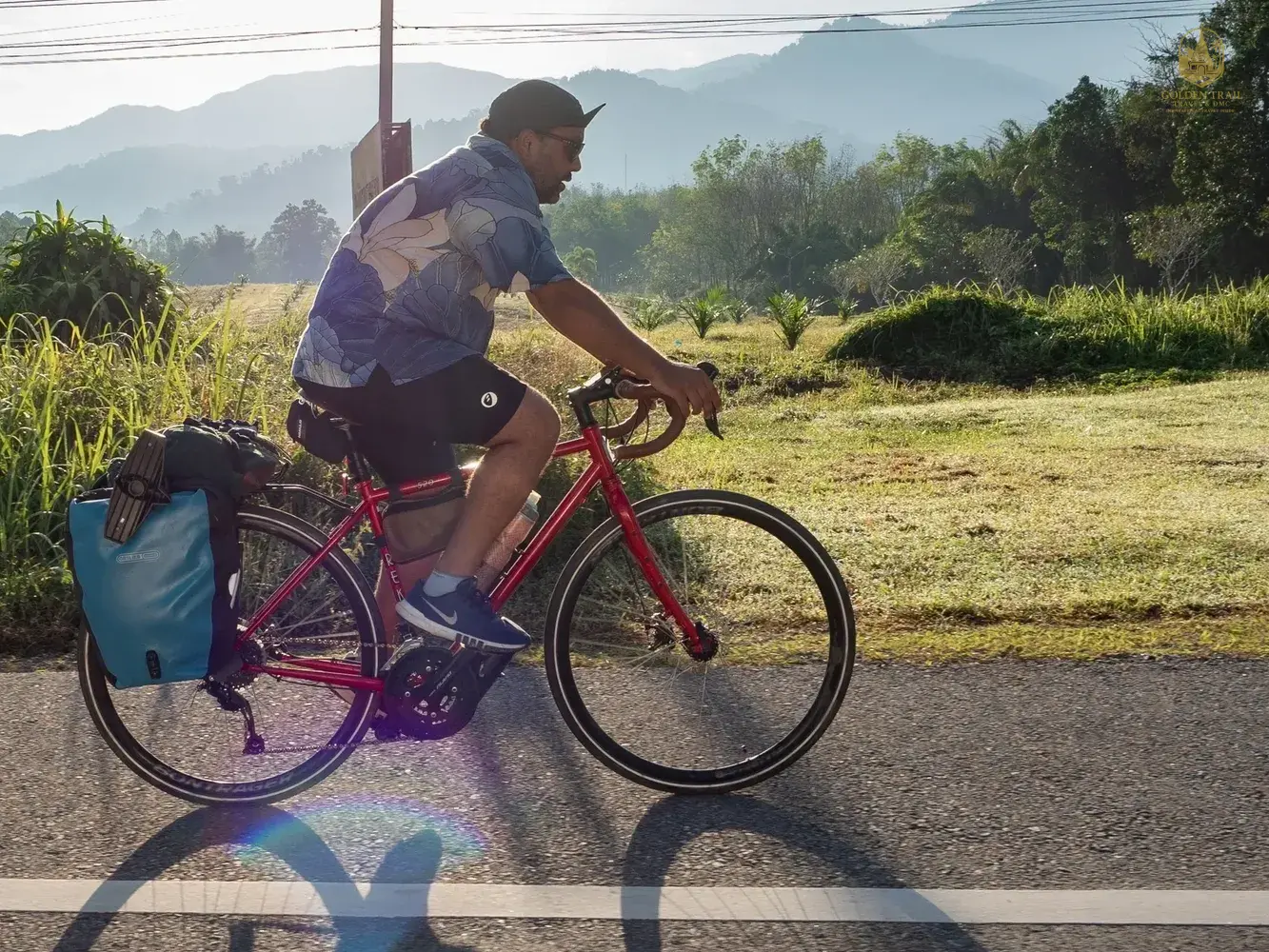
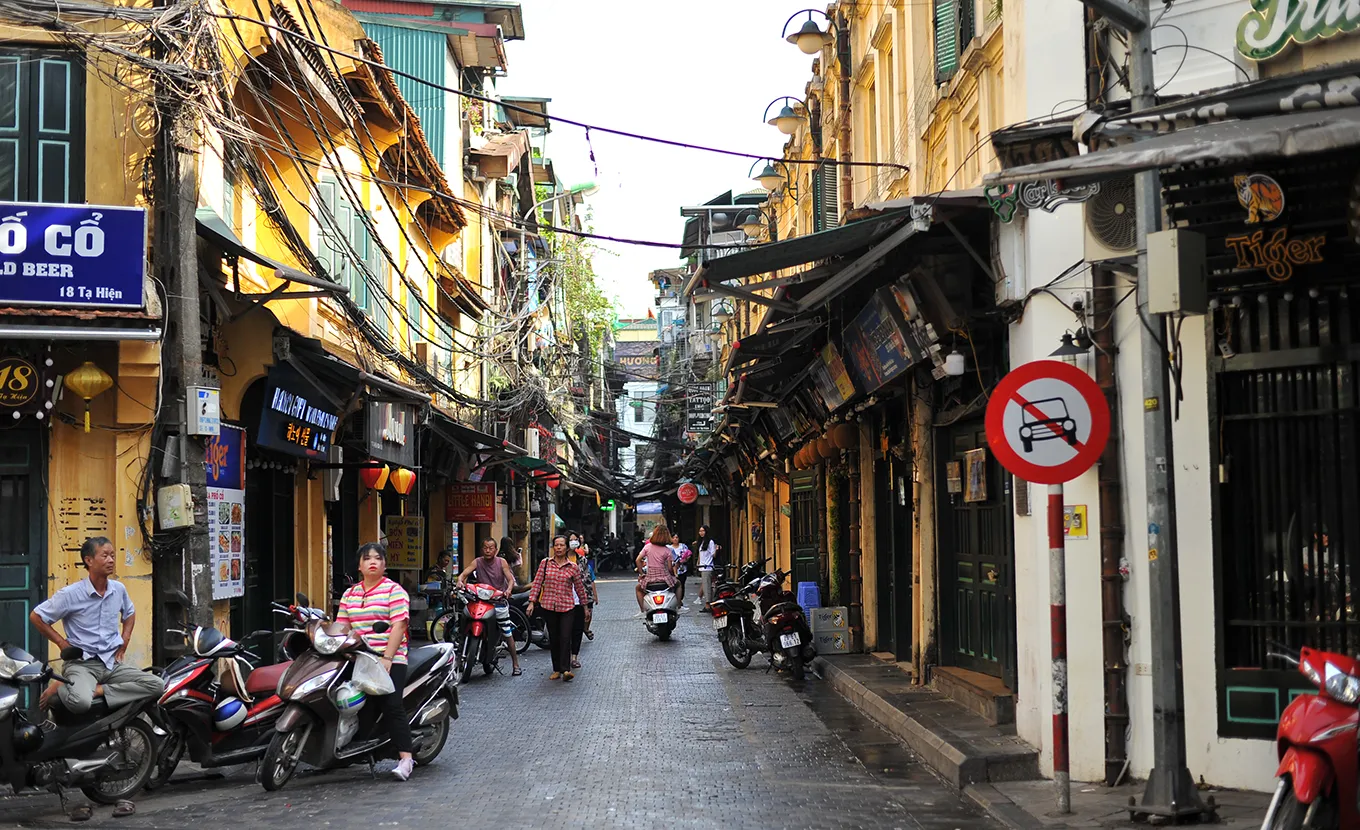
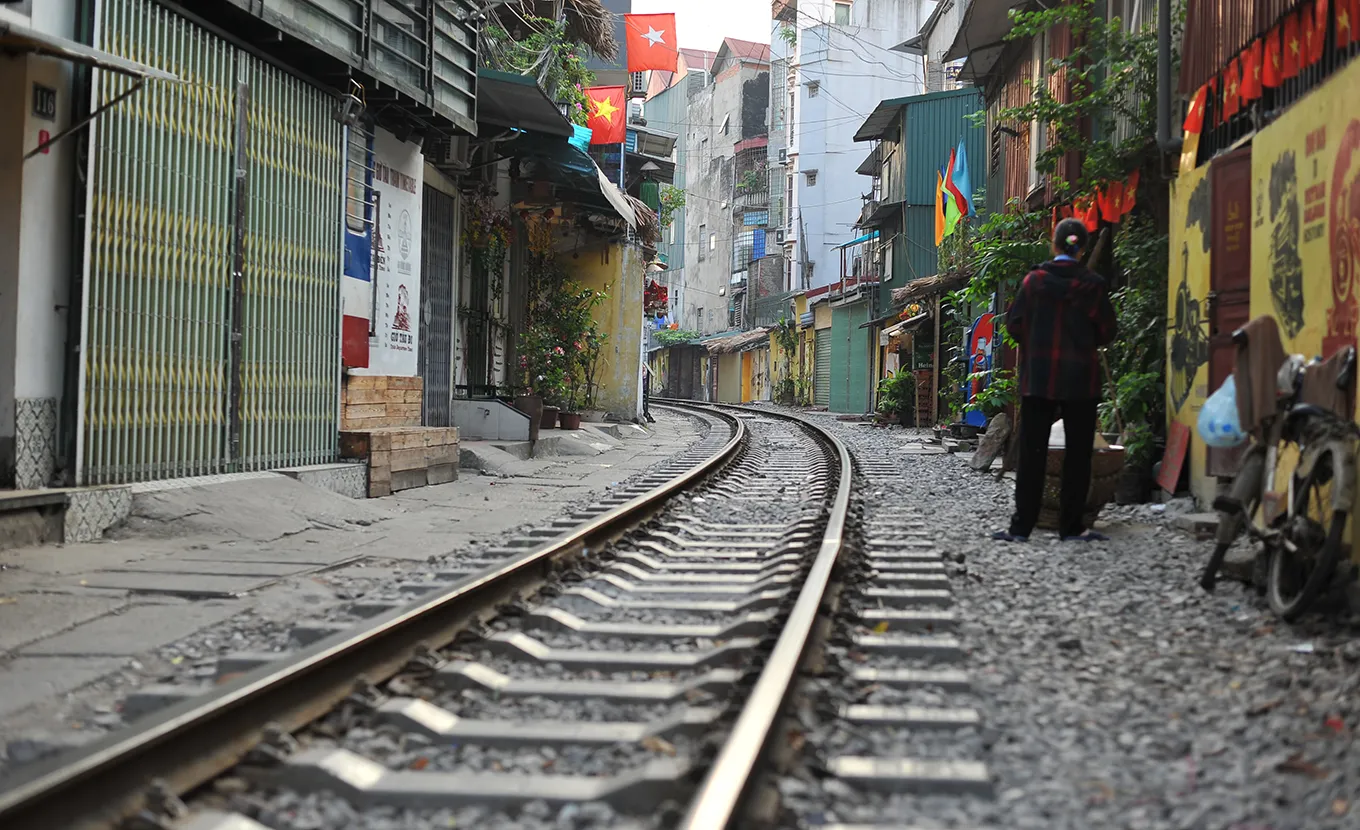
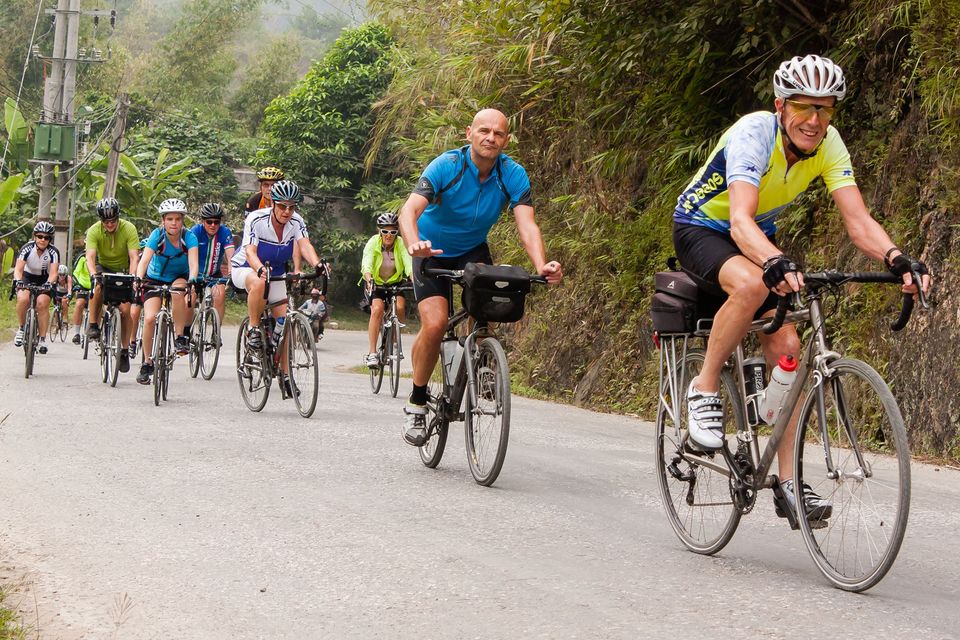
Embarking on a 10-day cycling journey from Hanoi to Hoi An is one of the most unforgettable ways to explore Vietnam’s cultural depth and natural beauty. You’ll ride from the historic capital through peaceful rural backroads, past ancient temples, into jungle-covered mountains, and finally down to the coastal charm of Hoi An.
December 04, 2025

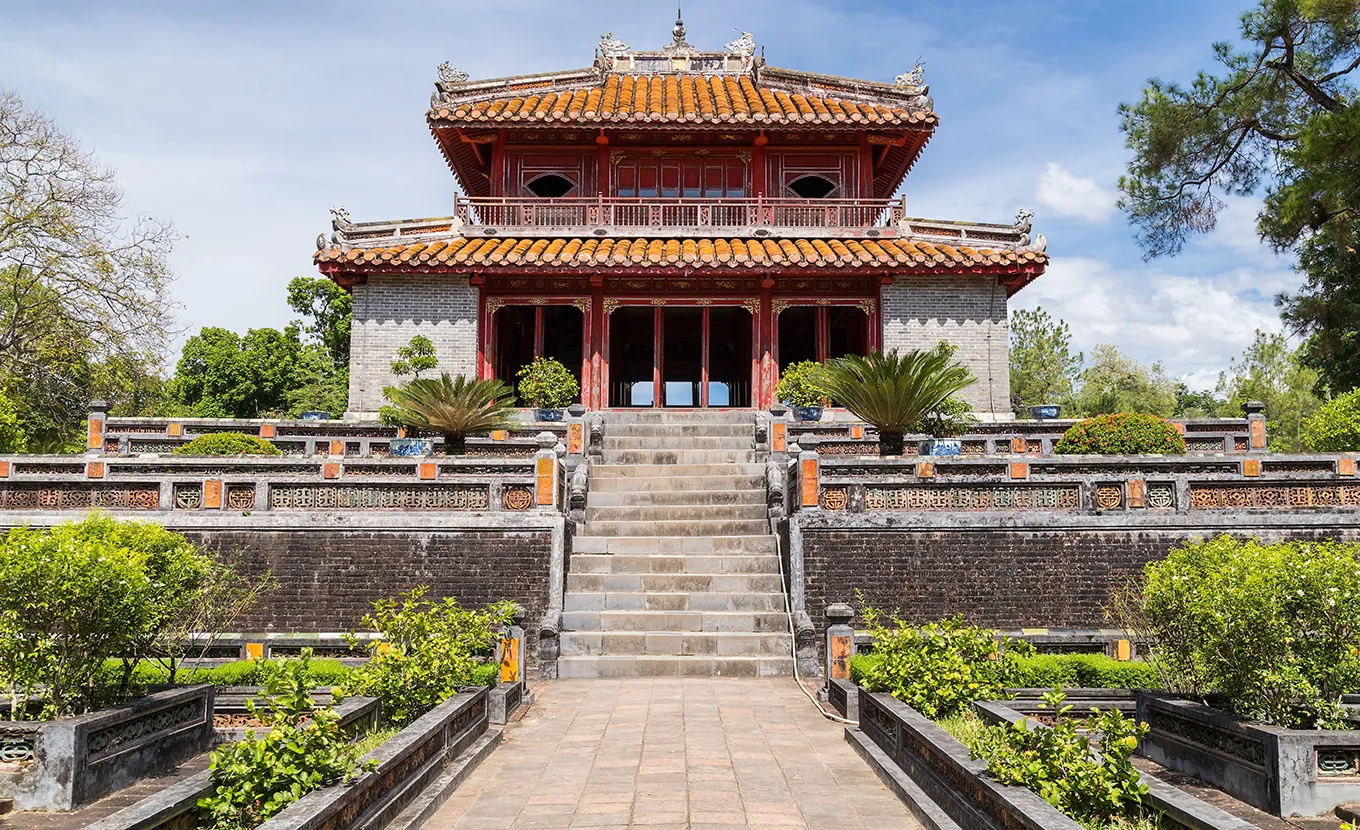
Looking for a cycling adventure that combines rugged landscapes, rich history, and serene beaches? North to Central Vietnam cycling offers it all — from the cultural treasures of Hanoi to the imperial charm of Hue and the coastal beauty of Hoi An.
December 04, 2025
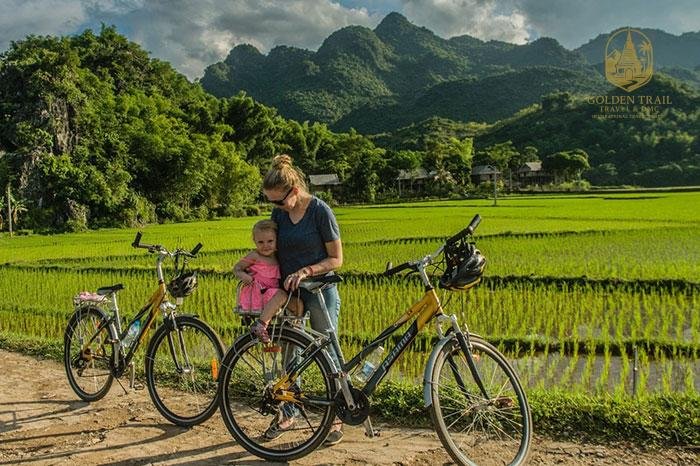
There’s no better way to connect with the soul of a country than by bicycle — especially in Vietnam. When you choose to explore Vietnam heritage by bicycle, you’re not just sightseeing — you’re experiencing. From ancient cities and imperial capitals to rural temples and UNESCO World Heritage Sites, this journey reveals the cultural layers of Vietnam at the perfect pace.
December 04, 2025
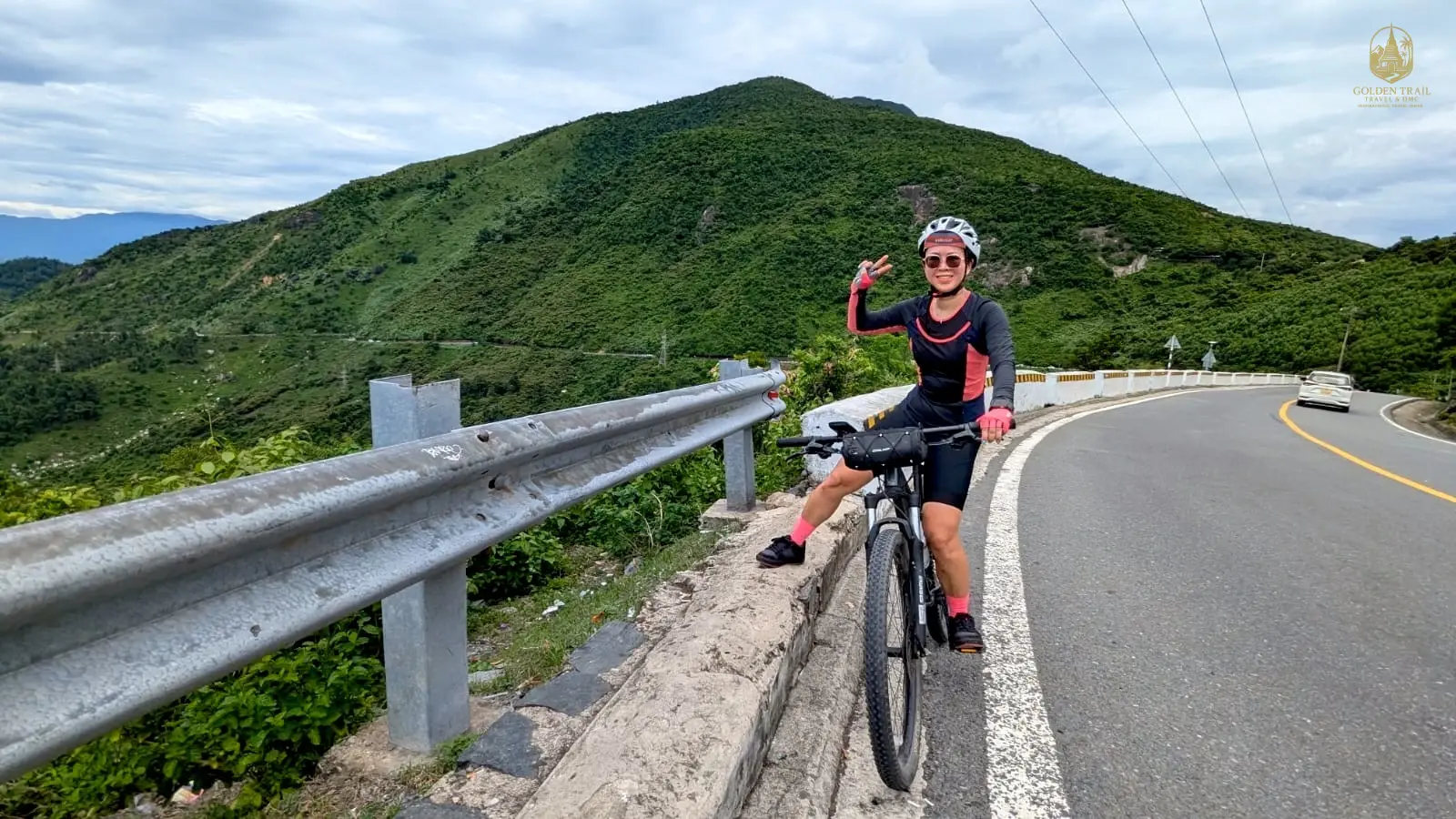
If you're looking for a cycling tour that blends Vietnam’s imperial past, rural landscapes, mountain passes, and coastal beauty, then cycling from Hanoi to Hue to Hoi An is the ultimate adventure. This legendary route takes you from the political heart of the country through ancient dynasties to the charming lantern-lit streets of Hoi An.
December 04, 2025

Cycling from Hanoi to Hoi An is not just a bike tour — it’s a once-in-a-lifetime adventure across the cultural, historical, and scenic heart of Vietnam. Whether you’re seeking the thrill of long-distance riding or a deeper connection with local life, the Hanoi to Hoi An cycling route promises a journey as meaningful as it is majestic.
December 04, 2025

Vietnam is a dream cycling destination with its varied landscapes, friendly people, and rich culture. But when summer hits, riders often wonder: Is cycling Vietnam in summer really a good idea? The answer is yes — if you plan smart and embrace the tropical adventure.
December 04, 2025

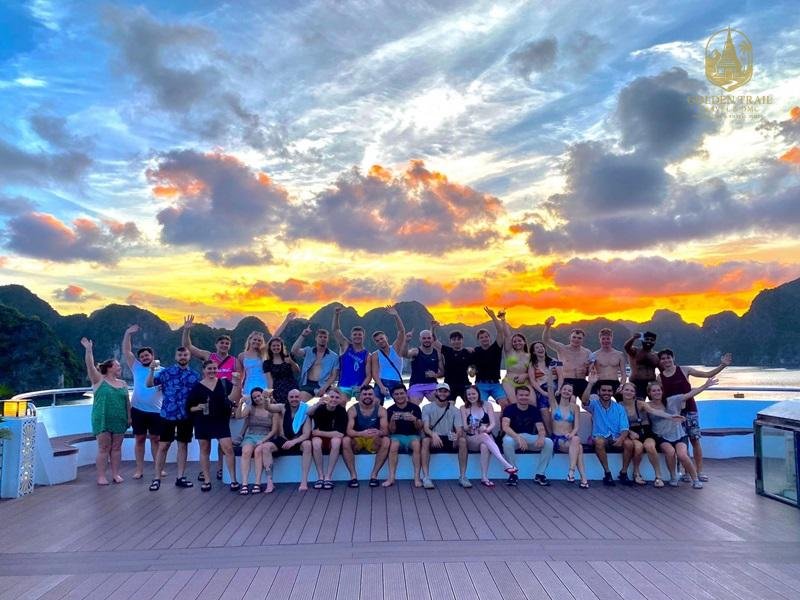
After days of riding across Vietnam’s vibrant countryside, misty mountains, and rural backroads, what better way to reward yourself than with a Halong Bay cruise after cycling? This iconic UNESCO World Heritage site, famous for its emerald waters and towering limestone karsts, offers the ultimate post-ride relaxation.
December 04, 2025

Looking for your next legendary climb in Vietnam? Omega Pass cycling is the challenge you've been waiting for. Also known as Khanh Le Pass, this breathtaking mountain road connects the lush coastal city of Nha Trang with the cool, pine-covered highlands of Dalat. With dramatic elevation gain, winding curves, and panoramic views, Omega Pass is fast becoming one of Southeast Asia’s bucket list rides.
December 04, 2025

Looking for one of Vietnam’s most thrilling and rewarding bike routes? Cycling from Mui Ne to Dalat offers the perfect combination of coastal beauty, mountain challenges, and cool highland serenity. This route is a favorite among both local and international cyclists who want a true test of stamina and a massive reward in scenery.
December 04, 2025

Ho Chi Minh City (Saigon) is a dynamic metropolis filled with buzzing motorbikes, street food stalls, and cultural landmarks. But if you're looking for an active escape, cycling out of Ho Chi Minh City offers the perfect gateway to Vietnam’s peaceful countryside, winding rivers, and quiet backroads.
December 04, 2025

Planning a multi-day cycling journey through Vietnam? There's no better place to start than with a Mekong Delta warm up ride. Just a short distance from Ho Chi Minh City, the Mekong Delta is a flat, peaceful, and scenic region — ideal for gently easing into the rhythm of your tour.
December 04, 2025
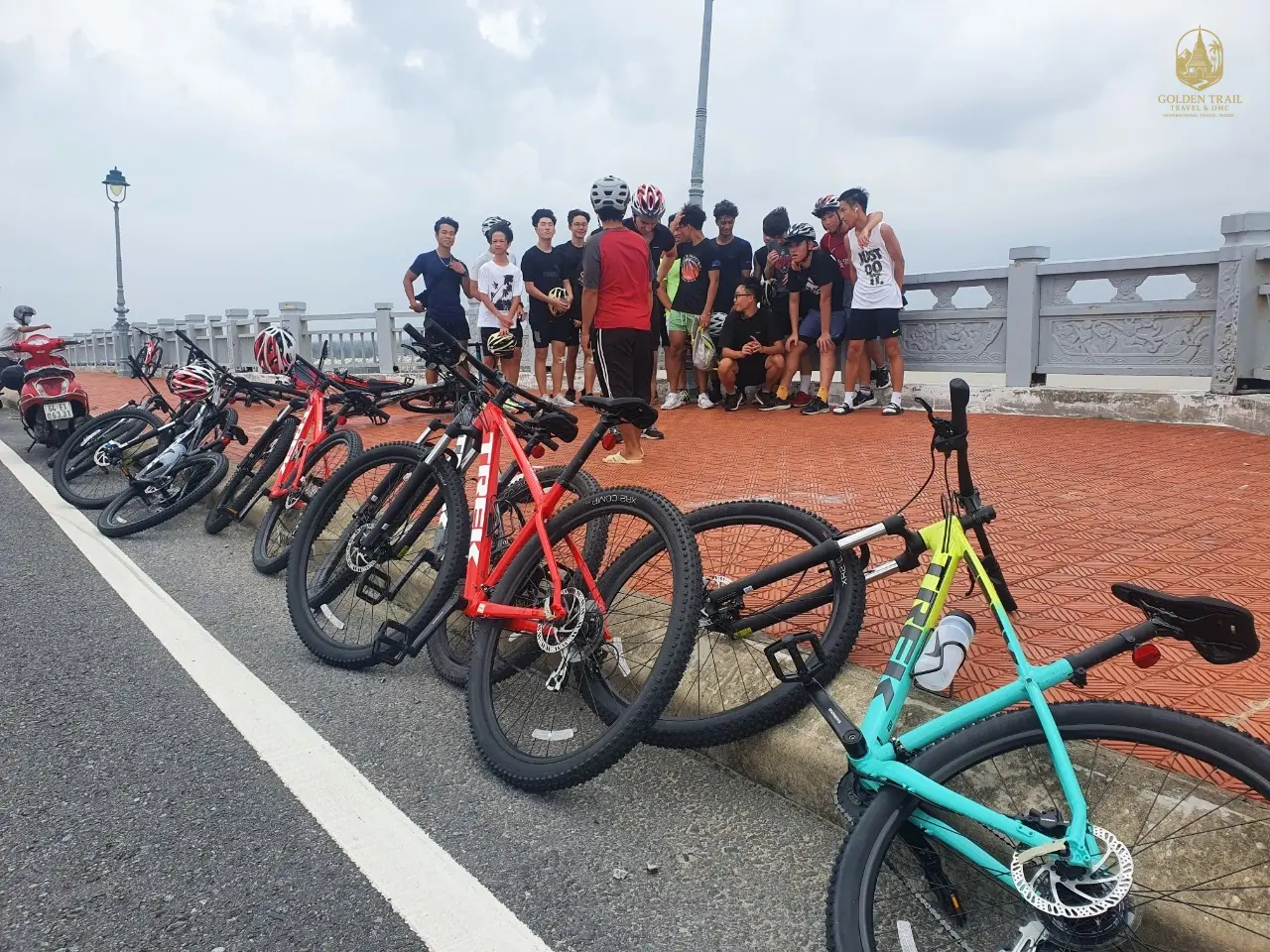
Imagine pedaling through rice paddies, over misty mountain passes, along stunning coastlines, and into vibrant cities — all under your own power. If that sounds like your kind of adventure, then a Ho Chi Minh City to Hanoi bicycle journey is calling your name.
December 04, 2025

Dreaming of a journey that challenges your body, frees your mind, and connects you with one of Southeast Asia’s most beautiful countries? Cycling from Saigon to Hanoi is more than just a trip — it’s an adventure that takes you from the tropical south to the cool, mountainous north, weaving through Vietnam’s coastlines, cities, highlands, and hidden villages.
December 04, 2025

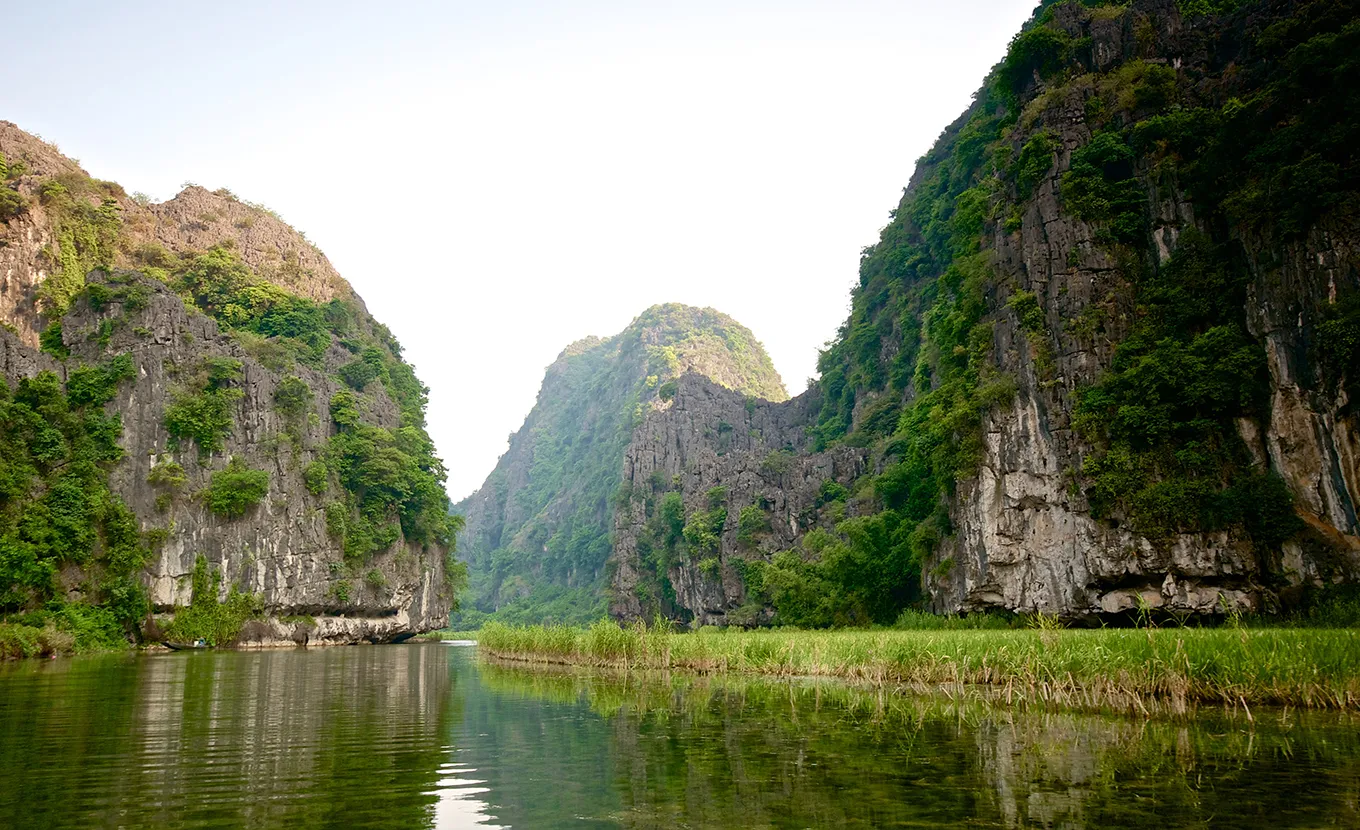
If you’re looking for a cycling route in Vietnam that offers breathtaking landscapes, cultural encounters, and a manageable distance for both beginners and experienced riders — cycling from Hanoi to Ninh Binh is the perfect choice.
December 04, 2025
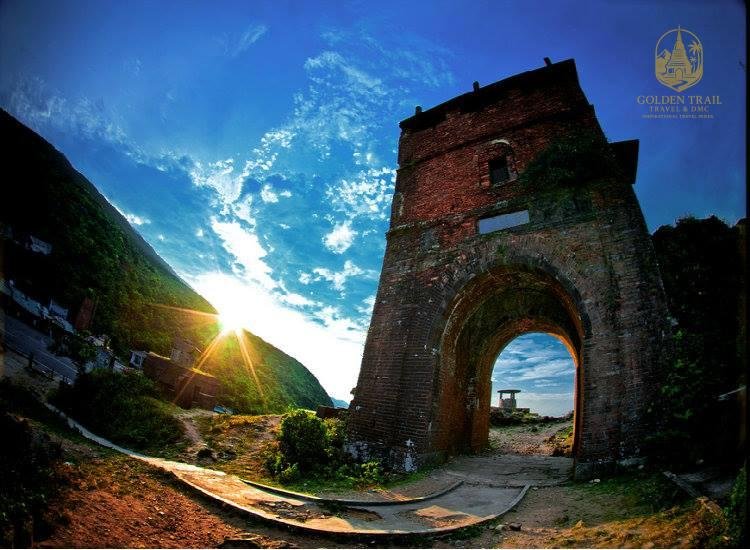
If you’re looking for a ride that’s both physically rewarding and visually jaw-dropping, then tackling the Hai Van Pass from the north side is an absolute must. Considered one of the most scenic routes in Southeast Asia, this legendary stretch of road connects Hue and Da Nang, slicing through lush mountains with panoramic ocean views that will leave you breathless — from effort and awe.
December 04, 2025

Cycling from North to South Vietnam is one of the most adventurous and rewarding ways to explore this stunning country. From the misty mountains of the north to the sun-soaked Mekong Delta in the south, the journey is unforgettable — but timing is everything.
December 04, 2025

If you're planning a cycling trip through Vietnam, two legendary routes stand out: Highway 1 and the Ho Chi Minh Road. Both stretch the length of the country and offer unforgettable experiences — but they are vastly different in terms of scenery, traffic, terrain, and overall vibe. So which one is right for your adventure?
December 04, 2025

Looking for a truly immersive way to discover Vietnam? Cycling tours in Vietnam offer the perfect blend of adventure, culture, and natural beauty. Whether you're gliding through rice paddies, conquering mountain passes, or pedaling along quiet coastal roads, a bike tour lets you experience the real Vietnam — up close and personal.
December 04, 2025

If you're looking for a cycling adventure that goes beyond the typical tourist trails, Ho Chi Minh Highway cycling is your gateway to Vietnam’s most untouched landscapes, rich wartime history, and warm, welcoming villages. This road less traveled takes you on an unforgettable journey through the central spine of Vietnam, offering the perfect combination of scenic beauty, physical challenge, and cultural immersion.
December 04, 2025

Imagine pedaling along scenic coastlines, exploring ancient towns, and crossing vibrant cities — all on two wheels. The Hanoi to Saigon bike tour is not just a journey, it’s an unforgettable experience that stretches over 1,600 kilometers through the heart of Vietnam. Whether you're a cycling enthusiast or a curious traveler, this tour offers the ultimate way to discover Vietnam’s culture, cuisine, and breathtaking landscapes.
December 04, 2025