15 Ng. 100 Đ. Nguyễn Xiển, Thanh Xuân Nam, Thanh Xuân, Hà Nội 100000

15 Ng. 100 Đ. Nguyễn Xiển, Thanh Xuân Nam, Thanh Xuân, Hà Nội 100000
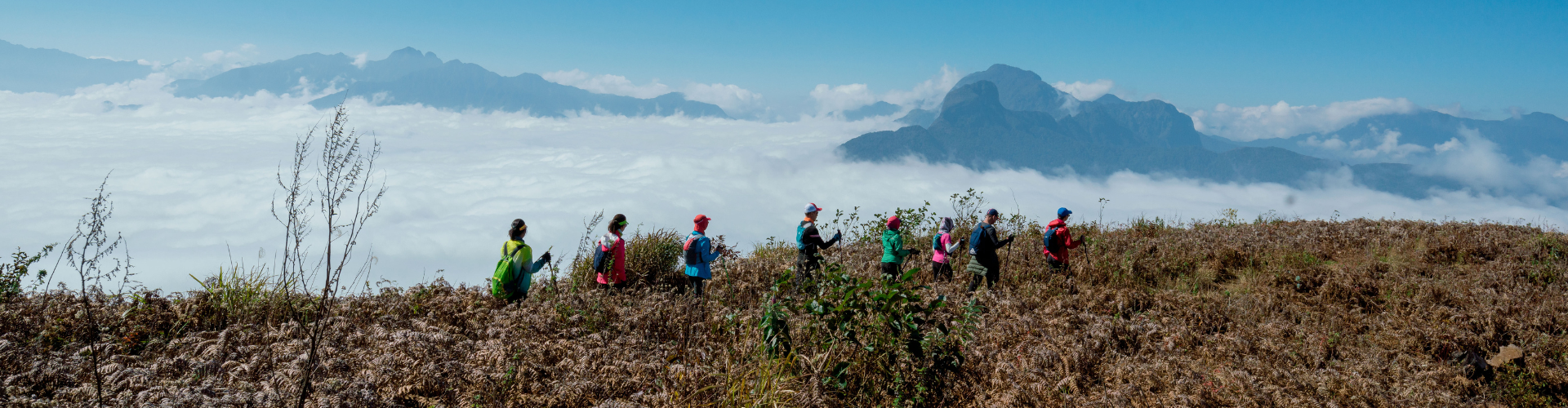
Introduction: The Beating Heart of the Philippines
Luzon Island. The mere mention conjures images of majestic mountains, bustling metropolises, pristine beaches, and a vibrant cultural tapestry. As the largest and most populous island in the Philippines, Luzon is not just a geographical marvel but a historical, economic, and cultural powerhouse. From the captivating rice terraces carved by ancient hands to the modern skyscrapers of Manila, Luzon offers an unparalleled diversity of experiences that cater to every type of traveler. Whether you seek thrilling outdoor adventures, deep cultural immersion, historical exploration, or simply a relaxing escape, Luzon delivers. This comprehensive guide will take you on an in-depth journey through the island's wonders, revealing why it should be at the top of your travel list. And for an effortless and unforgettable exploration, Golden Trail Travel is your perfect partner, ready to craft your dream Philippine adventure. Visit them at https://goldentrailtravel.com/ to book your personalized tour today!
I. Unveiling Luzon: A Geographic and Cultural Tapestry
Luzon, situated in the northern part of the Philippine archipelago, is an island of striking contrasts. Its geography ranges from fertile plains and vast mountain ranges to volcanic peaks and extensive coastlines. This diverse landscape has fostered an equally diverse culture, with various ethnic groups contributing to the island's rich heritage.
A. Geographic Grandeur:
Mountain Ranges: Luzon is dominated by several significant mountain ranges.
Cordillera Central: This is the largest and highest mountain range in the Philippines, home to Mount Pulag (the second-highest peak in the country) and the famous Banaue Rice Terraces. The cool climate, pine forests, and challenging trails make it a trekker's paradise.
Sierra Madre: The longest mountain range in the Philippines, stretching along the eastern coast. It acts as a natural barrier, protecting Luzon from typhoons and boasting incredibly rich biodiversity, particularly in its untouched rainforests.
Zambales Mountains: Located on the western side, these mountains are known for their volcanic origins, including Mount Pinatubo, whose 1991 eruption dramatically reshaped the landscape, creating a stunning crater lake.
Volcanic Landscapes: Luzon is part of the Pacific Ring of Fire, making it home to several active and dormant volcanoes.
Mayon Volcano (Albany): Renowned globally for its perfect cone shape, Mayon is one of the most active volcanoes in the Philippines. Its majestic presence dominates the landscape of Albay province.
Taal Volcano (Batangas): A unique volcano within a lake (Taal Lake), which itself is on an island (Volcano Island), which is within another larger lake (Taal Lake), on a larger island (Luzon). Its picturesque setting belies its historical volatility.
Mount Pinatubo (Zambales/Tarlac/Pampanga): While its eruption caused widespread destruction, it also created a breathtaking turquoise crater lake, now a popular hiking destination.
Rivers and Plains:
Cagayan River: The longest river in the Philippines, flowing through the vast and fertile Cagayan Valley, a major agricultural region.
Central Luzon Plain: Often called the "Rice Granary of the Philippines," this expansive plain is the country's largest agricultural area, crucial for food production.
Coastlines and Islands: Luzon's extensive coastline features numerous bays, coves, and pristine beaches.
Subic Bay (Zambales): A former US naval base, now a bustling freeport zone known for its duty-free shops, eco-tourism, and protected wildlife.
Hundred Islands National Park (Pangasinan): Comprising 124 islands and islets at high tide (123 at low tide), this park is famous for its unique geological formations, white sand beaches, and excellent snorkeling and island hopping opportunities.
Pagudpud (Ilocos Norte): Often called the "Boracay of the North," known for its long stretches of white sand, strong waves ideal for surfing, and dramatic rock formations.
B. Cultural Diversity and Heritage:
Luzon is a melting pot of cultures, influenced by centuries of indigenous traditions, Spanish colonialism, and American occupation.
Ethnic Groups: Numerous indigenous groups inhabit Luzon, each with distinct languages, customs, and art forms.
Ilocanos: Predominantly found in the Ilocos Region, known for their strong work ethic, simple cuisine (like pinakbet), and traditional crafts.
Tagalogs: The dominant ethnic group in Central and Southern Luzon, including Metro Manila. Their language, Tagalog, forms the basis of the national language, Filipino.
Kapampangans: From Pampanga province, celebrated for their culinary prowess, often considered the "Culinary Capital of the Philippines."
Bicolanos: From the Bicol Region, known for their spicy cuisine (often using coconut milk and chili), vibrant festivals, and deep devotion to the Virgin Mary.
Igorots: The collective term for several indigenous ethnic groups in the Cordillera Administrative Region, including the Kankanaey, Ifugao, Bontoc, Ibaloi, and more. They are renowned for their intricate weaving, wood carving, and the engineering marvel of the rice terraces.
Languages: While Filipino (based on Tagalog) and English are official languages, numerous regional languages and dialects are spoken across Luzon, reflecting its linguistic diversity.
Festivals and Traditions: Luzon is home to countless vibrant festivals that showcase the island's rich cultural heritage.
Panagbenga Festival (Baguio City): The "Flower Festival," a month-long celebration in February featuring grand parades of floats adorned with fresh flowers, street dancing, and cultural shows.
Pahiyas Festival (Lucban, Quezon): A colorful harvest festival held in May, where houses are decorated with elaborate displays of kiping (leaf-shaped rice wafers), fruits, vegetables, and local handicrafts.
Giant Lantern Festival (San Fernando, Pampanga): A spectacular Christmas tradition where massive, intricately designed lanterns (parols) illuminate the night with dazzling lights and patterns.
Obando Fertility Rites (Obando, Bulacan): A unique traditional dance festival in May, where devotees dance in the streets to pray for fertility, a good spouse, or thanksgiving.
II. The Grand Cities and Urban Marvels
Luzon is not just about natural beauty; it also boasts dynamic cities that serve as economic, cultural, and political hubs.
A. Metro Manila: The Capital Region
The National Capital Region, or Metro Manila, is a sprawling mega-city, the heart of the Philippines. It's a vibrant blend of historical landmarks, modern skyscrapers, bustling markets, and diverse culinary scenes.
Historical Gems:
Intramuros: The "Walled City," a historic district built by the Spanish during their colonial rule. Explore its cobblestone streets, ancient churches (like San Agustin Church, a UNESCO World Heritage Site), Fort Santiago, and colonial-era houses.
Rizal Park (Luneta Park): A vast urban park dedicated to the national hero, Dr. Jose Rizal, a significant historical site where he was executed.
National Museum Complex: Housing the National Museum of Fine Arts, Anthropology, and Natural History, offering deep insights into Filipino art, culture, and natural heritage.
Modern Metropolises:
Makati City: The financial hub of the Philippines, characterized by gleaming skyscrapers, upscale shopping malls (Greenbelt, Glorietta), fine dining restaurants, and vibrant nightlife.
Bonifacio Global City (BGC), Taguig: A relatively new, meticulously planned urban development known for its modern architecture, trendy restaurants, art installations, and a lively pedestrian-friendly atmosphere.
Quezon City: The largest city in Metro Manila by land area and population, home to major media networks, universities, and government offices. It offers a diverse range of entertainment and dining options.
Shopping and Dining: Metro Manila is a paradise for shoppers and foodies, offering everything from high-end international brands to local handicrafts and street food. The culinary scene is incredibly diverse, reflecting Filipino, Spanish, American, and various Asian influences.
B. Baguio City: The Summer Capital
Nestled in the Cordillera Central mountains, Baguio City offers a refreshing escape from the tropical heat. Known for its cool climate, pine trees, and flower gardens, it's a popular tourist destination.
Attractions:
Burnham Park: A central park with a man-made lake where visitors can enjoy boating.
Mines View Park: Offers panoramic views of the Benguet mountains and abandoned mines.
The Mansion: The official summer residence of the President of the Philippines.
Wright Park: Famous for its "Pool of Pines" and horseback riding opportunities.
Philippine Military Academy (PMA): The premier military institution in the Philippines, open to visitors.
Strawberry Farms (La Trinidad, Benguet): Just outside Baguio, visitors can pick fresh strawberries, especially during harvest season.
C. Other Notable Cities:
San Fernando, Pampanga: The "Culinary Capital of the Philippines," offering a delectable array of Kapampangan dishes.
Vigan City, Ilocos Sur: A UNESCO World Heritage Site, famous for its remarkably preserved Spanish colonial architecture, particularly Calle Crisologo.
Angeles City, Pampanga: Known for its vibrant nightlife and Clark Freeport Zone, a former US airbase now a hub for business, tourism, and entertainment.
Legazpi City, Albay: The gateway to Mayon Volcano, offering stunning views of the iconic peak and thrilling adventure activities like ATV rides around its base.
III. Adventure and Nature's Masterpieces
Luzon is an adventurer's playground, offering a wide array of activities amidst breathtaking natural landscapes.
A. Hiking and Trekking Paradises:
Banaue Rice Terraces (Ifugao): Often called the "Eighth Wonder of the World," these 2,000-year-old terraces were carved into the mountainsides by the indigenous Ifugao people. They are a UNESCO World Heritage Site and offer incredible trekking opportunities through vibrant green paddies and traditional villages.
Batad Rice Terraces: A particularly stunning amphitheater-like cluster of terraces accessible via a challenging but rewarding trek.
Hapao Rice Terraces: Known for their natural hot springs nearby.
Mount Pinatubo Trek (Zambales/Tarlac/Pampanga): An unforgettable journey that involves a 4x4 ride across lahar landscapes followed by a relatively easy trek to the stunning turquoise crater lake.
Mount Pulag (Benguet): The second-highest mountain in the Philippines, renowned for its "sea of clouds" phenomenon at sunrise. A challenging multi-day trek that rewards climbers with spectacular panoramic views.
Taal Volcano (Batangas): While the main crater island is currently off-limits due to volcanic activity, nearby areas still offer scenic viewpoints and opportunities to appreciate the unique landscape. Check for the latest advisories before planning a visit.
B. Beach Escapes and Water Adventures:
Pagudpud (Ilocos Norte): Boasts the stunning Saud Beach, with its long stretch of white sand and clear waters. Also popular for surfing, kiteboarding, and exploring nearby attractions like the Kapurpurawan Rock Formation and Bangui Windmills.
La Union: The "Surfing Capital of the North," particularly San Juan, is a popular destination for both beginner and experienced surfers. It also offers a vibrant surf town vibe with cafes, restaurants, and hostels.
Hundred Islands National Park (Pangasinan): Ideal for island hopping, snorkeling, kayaking, and swimming. Explore various islands, discover hidden caves, and enjoy the unique geological formations.
Zambales Beaches: Offers a variety of coves and beaches, many accessible by boat, providing secluded spots for camping, swimming, and snorkeling. Anawangin Cove and Nagsasa Cove are popular for their unique pine-like trees growing by the beach.
Pangasinan Beaches: Beyond Hundred Islands, towns like Bolinao offer beautiful beaches, rock formations, and lighthouses.
C. Caves and Geological Wonders:
Sagada Caves (Mountain Province): Explore the mysterious Sumaguing Cave and Lumiang Cave, famous for their impressive stalactite and stalagmite formations and unique rock shapes. Spelunking (cave exploring) is a popular activity here.
Callao Cave (Cagayan): A majestic seven-chamber cave system with impressive limestone formations and a natural cathedral-like opening where light streams in.
Kapurpurawan Rock Formation (Burgos, Ilocos Norte): Stunning white limestone rock formations sculpted by wind and waves, creating a dramatic coastal landscape.
IV. Historical and Cultural Journeys
Luzon is steeped in history, offering a profound glimpse into the Philippines' past and its enduring cultural heritage.
A. Colonial Heritage:
Vigan City (Ilocos Sur): A UNESCO World Heritage Site, Vigan is an exceptionally well-preserved example of a Spanish colonial town in Asia. Stroll along Calle Crisologo with its cobblestone streets, ancestral houses, and kalesas (horse-drawn carriages).
Syquia Mansion: The ancestral home of former President Elpidio Quirino, offering a glimpse into a prominent Filipino family's life.
Baluarte Zoo: A mini-zoo and wildlife sanctuary owned by politician and businessman Chavit Singson.
Crisologo Museum: Showcases artifacts and memorabilia related to the prominent Crisologo family.
Laoag City (Ilocos Norte): Home to the Sinking Bell Tower, a leaning bell tower that is slowly sinking into the ground, and the impressive Malacañang of the North, a former presidential residence overlooking Paoay Lake.
Paoay Church (Ilocos Norte): A UNESCO World Heritage Site, this magnificent Baroque church is known for its massive buttresses and unique architectural style, a testament to Spanish colonial engineering.
Taal Heritage Town (Batangas): A well-preserved 19th-century town featuring grand ancestral houses, the largest Catholic church in Asia (Basilica of St. Martin de Tours), and a rich history.
B. Indigenous Culture and Traditions:
Cordillera Region (Ifugao, Mountain Province, Benguet): Engage with the indigenous Igorot people, learn about their weaving traditions, wood carving, and ancient rituals. Visit local villages and appreciate their strong connection to the land and their ancestors.
Sagada (Mountain Province): Beyond its caves, Sagada is famous for its unique burial traditions, including hanging coffins and ancient burial caves, reflecting the indigenous beliefs of the Kankanaey people.
V. Culinary Delights of Luzon
Luzon's diverse regions offer a gastronomic journey that will tantalize your taste buds.
A. Regional Specialties:
Ilocano Cuisine: Known for its strong flavors and often using bitter ingredients.
Pinakbet: A vegetable stew with bitter gourd, eggplant, okra, and string beans, flavored with bagoong (fermented fish paste).
Bagnet: Deep-fried crispy pork belly, a heart-stopping but delicious treat.
Longganisa: Local sausages with distinct garlicky and vinegary flavors.
Dinakdakan: Grilled pork parts, usually pig's face and ears, mixed with pig's brain, chili, and calamansi.
Kapampangan Cuisine: Often considered the most sophisticated and flavorful in the Philippines.
Sisig: A sizzling dish made from chopped pig's face, ears, and liver, seasoned with calamansi and chili. A must-try!
Pancit Luglog/Palabok: Rice noodles with a thick, savory shrimp-based sauce, topped with various ingredients.
Murcon: A meatloaf made with ground pork, eggs, and often sausages, steamed or baked.
Bicolano Cuisine: Characterized by its generous use of coconut milk and chili.
Bicol Express: Pork (or seafood) stewed in coconut milk with green chilies, shrimp paste, and garlic.
Laing: Taro leaves cooked in coconut milk with chili and sometimes pork or seafood.
Tagalog Cuisine: Widespread and varied, forming the basis of many popular Filipino dishes.
Adobo: The national dish, typically pork or chicken (or both) braised in vinegar, soy sauce, garlic, and peppercorns.
Sinigang: A sour and savory soup, usually with tamarind as the souring agent, with various meats (pork, beef, shrimp) and vegetables.
Crispy Pata: Deep-fried pork hock, incredibly crispy on the outside and tender on the inside.
B. Street Food and Delicacies:
Explore the vibrant street food scene in Luzon's cities.
Kwek-kwek: Quail eggs coated in orange batter and deep-fried.
Isaw: Grilled pig or chicken intestines.
Balut: A fertilized duck egg, a unique and adventurous delicacy.
Taho: Silken tofu with arnibal (brown sugar syrup) and sago pearls, a popular breakfast or snack.
Halo-Halo: A refreshing dessert made with crushed ice, evaporated milk, sweet beans, fruits, jellies, and ice cream.
VI. Planning Your Luzon Adventure with Golden Trail Travel
Exploring an island as vast and diverse as Luzon can be overwhelming, but with the right partner, it becomes an effortless and enriching experience. Golden Trail Travel specializes in crafting bespoke itineraries that cater to your interests, budget, and travel style.
A. Why Choose Golden Trail Travel?
Expert Local Knowledge: Their team possesses in-depth knowledge of Luzon's hidden gems, best routes, and local customs, ensuring an authentic and insightful journey.
Tailored Itineraries: From thrilling adventure tours to cultural immersions, historical explorations, or relaxing beach getaways, Golden Trail Travel designs itineraries unique to your preferences.
Seamless Logistics: They handle all the details – accommodations, transportation, local guides, and activities – allowing you to focus solely on enjoying your trip.
Safety and Comfort: Your safety and comfort are paramount. They partner with reputable local operators and ensure high standards of service.
Sustainable Tourism: Golden Trail Travel is committed to responsible tourism practices, promoting local communities and preserving the natural environment.
B. Popular Luzon Tour Packages (Sample Ideas):
Luzon Highlights Tour (7-10 Days): Covering Manila's historical sites, a trip to Tagaytay for Taal Volcano views, a visit to Vigan, and a venture into the Cordilleras for the rice terraces.
Northern Luzon Adventure (5-7 Days): Focus on the Cordilleras (Banaue, Sagada, Baguio) and the Ilocos Region (Vigan, Pagudpud, Laoag) for a mix of culture, history, and nature.
Southern Luzon Escapade (4-5 Days): Explore the beauty of Batangas (Taal Heritage Town, beaches), Quezon (Pahiyas Festival), and Albay (Mayon Volcano).
Mount Pinatubo Trek & Zambales Beach Retreat (3-4 Days): Combine the thrilling trek to Pinatubo's crater lake with relaxation on Zambales' secluded beaches.
Culinary Journey of Luzon (3-5 Days): A gastronomic adventure through Pampanga, Ilocos, and Bicol, savoring regional specialties.
C. How to Book Your Dream Trip:
Visit the Golden Trail Travel website at https://goldentrailtravel.com/ to explore their range of tours, request a custom itinerary, or speak to a travel expert. Their user-friendly platform makes booking your Luzon adventure simple and convenient.
VII. Practical Tips for Traveling in Luzon
To ensure a smooth and enjoyable trip, consider these practical tips:
Best Time to Visit: The dry season (November to May) is generally ideal, with cooler temperatures from December to February. March to May are the hottest months. The wet season (June to October) brings typhoons, especially from July to September.
Transportation: Luzon has an extensive network of buses, vans, and jeepneys for inter-city travel. Within cities, taxis, ride-hailing apps (Grab), and tricycles are common. Domestic flights connect major cities like Manila, Laoag, and Legazpi.
Accommodation: Luzon offers a wide range of accommodations, from luxury hotels in Manila to boutique resorts, budget guesthouses, and homestays in provincial areas.
Currency: The Philippine Peso (PHP). ATMs are widely available in cities, but it's advisable to carry some cash, especially in remote areas.
Connectivity: SIM cards are readily available at airports and malls. Wi-Fi is common in hotels and cafes, though speeds can vary.
Safety: Luzon is generally safe for tourists. Exercise common sense, be aware of your surroundings, and secure your valuables. For volcano treks, always check the latest advisories from local authorities.
Respect Local Culture: Filipinos are known for their hospitality. Be respectful of local customs, traditions, and religious sites. Dress modestly when visiting churches or religious places.
Sun Protection: The tropical sun can be intense. Use sunscreen, wear hats, and stay hydrated.
Bargaining: In markets and when taking tricycles without a fixed fare, polite bargaining is acceptable.
VIII. Customer Reviews
Here's what some of our satisfied travelers have to say about their Luzon adventures with Golden Trail Travel:
"Our trip to Banaue and Sagada with Golden Trail Travel was absolutely unforgettable. The guides were incredibly knowledgeable, and every detail was perfectly handled. The rice terraces are even more breathtaking in person!" - Sarah L., Australia
"Golden Trail Travel helped us plan the perfect family vacation to Palawan and then a fantastic cultural tour of Intramuros and Vigan. Their professionalism and attention to detail made our trip stress-free and truly enjoyable. Highly recommend!" - The Chen Family, Singapore
"I wanted a unique adventure, and Golden Trail Travel delivered! The Mount Pinatubo trek was an incredible experience, and then relaxing on the Zambales beaches was the perfect end. Their team really knows how to create amazing itineraries." - Mark T., USA
"From the moment we landed in Manila, Golden Trail Travel took care of everything. Our culinary tour of Pampanga was a highlight – so much delicious food! We loved learning about the local culture. Thank you for an amazing trip to Luzon!" - David & Maria G., Canada
IX. Frequently Asked Questions (FAQ)
Q1: What is the best time of year to visit Luzon Island? A1: The best time to visit Luzon is during the dry season, from November to May. Within this period, December to February offers cooler temperatures, while March to May can be quite hot. The wet season (June to October) brings more rainfall and the possibility of typhoons, especially from July to September.
Q2: How do I get around Luzon Island? A2: For inter-city travel, long-distance buses and vans are common and affordable. Domestic flights connect major cities like Manila, Laoag, Legazpi, and Clark. Within cities, you can use taxis, ride-hailing apps (like Grab), jeepneys, and tricycles. Golden Trail Travel also provides comfortable private transfers as part of their tour packages.
Q3: Is Luzon Island safe for tourists? A3: Yes, Luzon is generally safe for tourists. As with any travel destination, it's advisable to exercise common sense, be aware of your surroundings, and take precautions against petty theft, especially in crowded areas. When visiting volcanoes, always check the latest safety advisories from local authorities.
Q4: What are the must-visit attractions in Luzon? A4: Must-visit attractions include the Banaue Rice Terraces, Vigan City (UNESCO World Heritage Site), Mount Mayon (Albay), Intramuros (Manila), Mount Pinatubo, and the beaches of Pagudpud or La Union. Metro Manila also offers a mix of historical sites, shopping, and dining.
Q5: Can I customize my tour with Golden Trail Travel? A5: Absolutely! Golden Trail Travel specializes in creating personalized itineraries. You can visit their website at https://goldentrailtravel.com/ to discuss your interests, budget, and desired activities, and they will tailor a perfect Luzon adventure for you.
Q6: What kind of food should I try in Luzon? A6: Luzon offers diverse regional cuisines. Don't miss Kapampangan dishes like Sisig, Ilocano specialties like Pinakbet and Bagnet, and Bicolano dishes featuring coconut milk and chili like Bicol Express and Laing. The national dish, Adobo, and refreshing Halo-Halo are also must-tries.
Q7: Are credit cards widely accepted in Luzon? A7: Credit cards are widely accepted in major cities, large hotels, restaurants, and shopping malls. However, in smaller towns, local markets, and for street food vendors, cash is preferred or often the only accepted payment method. It's always a good idea to carry some local currency (Philippine Pesos).
Q8: What should I pack for a trip to Luzon? A8: Pack light, breathable clothing (cotton, linen) for the generally warm climate. If you're visiting cooler areas like Baguio or the Cordillera mountains, bring layers and a light jacket. Include swimwear, comfortable walking shoes, sandals, sun protection (sunscreen, hat, sunglasses), insect repellent, and a basic first-aid kit.
Conclusion: Your Luzon Adventure Awaits
Luzon Island truly is a microcosm of the Philippines, offering an incredible spectrum of experiences from the urban sprawl of Manila to the ancient terraces of Ifugao, the perfect cone of Mayon, and the pristine beaches of the North. Its rich history, vibrant cultures, and stunning natural beauty combine to create a destination that captivates and inspires.
Don't just dream about your Philippine adventure; make it a reality. With Golden Trail Travel as your trusted partner, you can explore Luzon with ease, comfort, and expert guidance. They will ensure your journey is not just a trip, but a collection of unforgettable memories. Start planning your ultimate Luzon Island experience today by visiting https://goldentrailtravel.com/. Your extraordinary adventure awaits!

.jpg "The Stone Forest Odyssey: The Definitive Guide to Ha Giang Loop Dong Van Cycling")
The northernmost tip of Vietnam is a place where the earth’s crust has been pushed into surreal, jagged shapes, creating a landscape of unparalleled drama. For those who seek to truly absorb the majesty of this region, the Ha Giang Loop Dong Van cycling experience is the gold standard of adventure. While many travelers opt for the speed of motorbikes, the discerning cyclist knows that the only way to truly "feel" the Dong Van Karst Plateau—a UNESCO Global Geopark—is through the rhythmic cadence of pedaling.
December 22, 2025
.jpg "Conquest of the Karst: The Ultimate Guide to a Ha Giang Loop Multi-Day Cycling Tour")
Deep in the northernmost reaches of Vietnam, where the clouds embrace jagged limestone peaks and the road twists like a silver ribbon through the sky, lies an adventure that challenges the body and nourishes the soul. While many travelers choose to experience this region on the back of a motorbike, a growing community of "slow travelers" is discovering that a Ha Giang Loop multi-day cycling tour is the most profound way to connect with this UNESCO Global Geopark.
December 22, 2025
.jpg "The Ultimate 5-Day Ha Giang Loop Cycling Adventure: Conquering Vietnam’s Northern Frontier")
There is a place in the far north of Vietnam where the mountains don’t just rise; they pierce the sky like the jagged teeth of a sleeping dragon. For most, the "Loop" is a roar of engines and a blur of speed. But for a select few—the seekers of silence, the masters of the pedal—the only way to truly experience this UNESCO Global Geopark is through the rhythmic, soul-stirring effort of a Ha Giang Loop cycling 5 days expedition.
December 22, 2025
.jpg "Conquer the Northern Frontier: The Ultimate Guide to a Ha Giang Loop Cycling 4-Day Journey")
Deep in the northernmost reaches of Vietnam, where the clouds embrace jagged limestone peaks and the road twists like a silver ribbon through the sky, lies an adventure that challenges the body and nourishes the soul. While many travelers choose to experience this region on the back of a motorbike, a growing community of "slow travelers" is discovering that a Ha Giang Loop cycling 4 days expedition is the most profound way to connect with this UNESCO Global Geopark.
December 22, 2025
.jpg "Conquest of the North: The Ultimate 3-Day Ha Giang Loop Cycling Itinerary")
Deep in the northernmost reaches of Vietnam lies a landscape that feels as though it was carved by the gods themselves. For most, the "Loop" is a week-long journey of discovery. However, for the elite adventurer and the time-pressed athlete, the Ha Giang Loop cycling 3 days challenge is the ultimate test of grit, spirit, and endurance. This is not merely a bike ride; it is a high-octane pilgrimage through the Dong Van Karst Plateau UNESCO Global Geopark—a vertical world where the clouds embrace jagged limestone peaks and ancient cultures thrive in the shadows of the "Final Frontier."
December 22, 2025
.jpg "Conquering the Northern Frontier: The Ultimate Guide to Self-guided Ha Giang Loop Cycling")
Deep in the northernmost reaches of Vietnam, where the clouds embrace jagged limestone peaks and the road twists like a silver ribbon through the sky, lies an adventure that challenges the body and nourishes the soul. While many travelers choose to experience this region on the back of a motorbike, a growing community of "slow travelers" is discovering that self-guided Ha Giang Loop cycling is the most profound way to connect with this UNESCO Global Geopark
December 22, 2025
.jpg "The Silent Majesty: The Ultimate Guide to a Guided Ha Giang Loop Cycling Tour")
Deep in the northernmost reaches of Vietnam, where the clouds embrace jagged limestone peaks and the road twists like a silver ribbon through the sky, lies an adventure that challenges the body and nourishes the soul. While many travelers choose to experience this region on the back of a motorbike, a growing community of "slow travelers" is discovering that a Guided Ha Giang Loop cycling tour is the most profound way to connect with this UNESCO Global Geopark.
December 22, 2025
.jpg "The Final Frontier: The Ultimate Guide to an Adventure Cycling Ha Giang Loop")
There is a place in the far north of Vietnam where the mountains don’t just rise; they pierce the sky like the jagged teeth of a sleeping dragon. For most, the "Loop" is a roar of engines and a blur of speed. But for a select few, the only way to truly experience this UNESCO Global Geopark is through the rhythmic, silent, and soul-stirring effort of an Adventure cycling Ha Giang Loop.
December 22, 2025
.jpg "The Road to the Sky: Mastering Gravel Cycling Ha Giang Loop")
Imagine a landscape where jagged limestone peaks pierce the clouds, emerald-green valleys hide ancient tribal secrets, and the road beneath your tires transitions from broken tarmac to raw mountain stone. This is Northern Vietnam—the final frontier of Southeast Asia. While motorbikes and "easy riders" have traditionally dominated this route, a new breed of adventurer is discovering the ultimate way to experience the terrain: Gravel cycling Ha Giang Loop.
December 22, 2025
.jpg "Conquer the Majestic North: The Ultimate Guide to Mountain Biking Ha Giang Loop")
The northernmost province of Vietnam, Ha Giang, is a land where time seems to have stood still amidst jagged limestone pinnacles and swirling mist. For the modern adventurer, there is no greater challenge or reward than exploring this region on two wheels. While many travelers choose motorbikes, the true connoisseurs of adventure opt for a Mountain biking Ha Giang Loop expedition. This is not just a trip; it is a physical and spiritual pilgrimage into the "Final Frontier" of Southeast Asia.
December 22, 2025
.jpg "Conquest of the Northern Frontier: The Definitive Guide to Road Cycling Ha Giang Loop")
Deep in the northernmost reaches of Vietnam, where the clouds embrace jagged limestone peaks and the road twists like a silver ribbon through the sky, lies an adventure that challenges the body and nourishes the soul. While many travelers choose to experience this region on the back of a motorbike, a growing community of "slow travelers" is discovering that road cycling Ha Giang Loop is the most profound way to connect with this UNESCO Global Geopark.
December 22, 2025
.jpg "The Silent Majestic Path: The Definitive Guide to a Ha Giang Loop Cycling Adventure")
Deep in the northernmost reaches of Vietnam, where the clouds embrace jagged limestone peaks and the road twists like a silver ribbon through the sky, lies an adventure that challenges the body and nourishes the soul. While many travelers choose to experience this region on the back of a motorbike, a growing community of "slow travelers" is discovering that a Ha Giang Loop cycling adventure is the most profound way to connect with this UNESCO Global Geopark.
December 22, 2025
.jpg "The Silent Majestic Path: The Definitive Guide to a Ha Giang Loop Bicycle Trip")
Deep in the northernmost reaches of Vietnam, where the clouds embrace jagged limestone peaks and the road twists like a silver ribbon through the sky, lies an adventure that challenges the body and nourishes the soul. While many travelers choose to experience this region on the back of a motorbike, a growing community of "slow travelers" is discovering that a Ha Giang Loop bicycle trip is the most profound way to connect with this UNESCO Global Geopark.
December 22, 2025
.jpg "The Silent Majestic Path: The Ultimate Guide to a Ha Giang Loop Cycle Tour")
Deep in the northernmost reaches of Vietnam, where the clouds embrace the limestone peaks and the road twists like a silver ribbon through the sky, lies an adventure that challenges the body and nourishes the soul. While many travelers choose to experience this region on the back of a motorbike, the growing community of "slow travelers" is discovering that a Ha Giang Loop cycle tour is perhaps the most profound way to connect with this UNESCO Global Geopark.
December 22, 2025
.jpg "Conquer the Majestic North: The Ultimate Guide to a Ha Giang Loop Biking Tour")
For those who seek the rawest form of adventure, the northernmost reaches of Vietnam offer a landscape that feels like the edge of the world. The Ha Giang Loop is a legendary circuit, but experiencing it via a Ha Giang Loop biking tour transforms a standard road trip into a profound, soul-stirring physical challenge. This isn't just a journey through geography; it’s a journey through time, culture, and personal limits.
December 22, 2025
.jpg "The Road to the Sky: Mastering the Ha Giang Loop by Bike")
For many, the north of Vietnam is a postcard of emerald rice terraces and misty mountains. But for the true adventurer, it is a call to the wild. Exploring the Ha Giang Loop by bike—whether on a high-performance bicycle or a rugged motorcycle—is an experience that transcends traditional tourism. It is a raw, visceral confrontation with nature’s most dramatic landscapes and a deep dive into the resilient cultures of the ethnic minority tribes that call these jagged limestone peaks home.
December 22, 2025
.jpg "The Silent Odyssey: The Ultimate Guide to Ha Giang Loop Cycling")
There is a rhythm to the mountains of Northern Vietnam that only those on two wheels can truly hear. While most travelers experience the "Loop" through the roar of a motorbike engine, the growing community of adventurers choosing Ha Giang Loop cycling is discovering a more intimate, profound, and rewarding connection to this UNESCO Global Geopark.
December 22, 2025
.jpg "Conquer the Limestone Peaks: The Ultimate Guide to Cycling Ha Giang Loop")
There is a place in the far north of Vietnam where the mountains don’t just rise; they pierce the sky like jagged teeth of a sleeping dragon. For most, the "Loop" is a roar of engines and a blur of speed. But for a select few, the only way to truly experience this UNESCO Global Geopark is through the rhythmic, silent, and soul-stirring effort of Cycling Ha Giang Loop.
December 22, 2025
.jpg "The Silent Majestic Path: The Ultimate Guide to a Ha Giang Loop Bicycle Tour")
Forget the roar of the "Easy Rider" motorbikes for a moment. Imagine a journey where the only sound is the rhythmic click of your gear shifter and the breath in your lungs as you conquer the most dramatic mountain passes in Southeast Asia. This is the Ha Giang Loop bicycle tour—the ultimate pilgrimage for those who believe that the best views are earned through sweat, persistence, and a passion for slow travel.
December 22, 2025
.jpg "The Ultimate Adventure: Conquering the Ha Giang Loop Bike Tour")
The northernmost province of Vietnam is a land where time seems to have carved its story directly into the limestone. For those seeking an escape from the ordinary, the Ha Giang Loop bike tour stands as the ultimate test of spirit and a feast for the eyes. This is not just a road trip; it is a profound journey through the "Final Frontier" of Southeast Asia, where jagged peaks pierce the clouds and ancient cultures thrive in the emerald valleys below.
December 22, 2025