15 Ng. 100 Đ. Nguyễn Xiển, Thanh Xuân Nam, Thanh Xuân, Hà Nội 100000


15 Ng. 100 Đ. Nguyễn Xiển, Thanh Xuân Nam, Thanh Xuân, Hà Nội 100000
The night descends, and with it, a hidden world awakens. Amongst the rustling leaves and gentle hum of the tropics, tiny beacons of light begin to flicker, creating a mesmerizing spectacle that has captivated humanity for millennia. These are Luciol, commonly known as fireflies or lightning bugs – nature's very own living lanterns. Their synchronized dance, a silent symphony of bioluminescence, offers one of the most magical and unforgettable experiences a traveler can witness. Imagine gliding along a tranquil river, surrounded by the soft glow of thousands of these tiny creatures, transforming the darkness into a twinkling wonderland. This isn't just a fantasy; it's a reality waiting to be discovered, and with Golden Trail Travel (https://goldentrailtravel.com/), your journey into the enchanting world of Luciol is just a click away.
The term "Luciol" often conjures images of fireflies, and for good reason. It's derived from the Latin "luciola," meaning "little light," a fitting description for these fascinating insects. While they are often called "bugs," fireflies are actually beetles belonging to the family Lampyridae. Their most remarkable feature, bioluminescence, is a natural chemical reaction that produces cold light, serving various purposes from courtship to defense.
The light produced by fireflies is a marvel of natural engineering. It's a "cold light," meaning very little heat is generated, unlike an incandescent light bulb.
Luciferin and Luciferase: At the heart of the firefly's light organ are two key chemicals: luciferin (the light-emitting compound) and luciferase (an enzyme that catalyzes the reaction).
Oxygen and ATP: When oxygen combines with luciferin in the presence of luciferase and adenosine triphosphate (ATP – the energy currency of cells), a glow is produced.
Controlled Flashing: Fireflies can control the flow of oxygen to their light organs, allowing them to turn their lights on and off, creating complex flash patterns.
The synchronized flashing of fireflies isn't just for show; it's a sophisticated form of communication crucial for their survival and reproduction.
Courtship Rituals: The primary reason for their light displays is mating. Male fireflies flash specific patterns to attract females of their species, who then respond with their own distinct flashes. Each species has a unique "light code," preventing interbreeding.
Warning Signals: Some firefly species use their light as a warning to predators, indicating that they are unpalatable.
Territorial Markers: In some cases, light patterns can also be used to mark territory or signal presence to other fireflies.
Fireflies thrive in specific environments, preferring warm, humid climates and areas with abundant moisture and vegetation.
Mangrove Forests: Estuaries and mangrove swamps, particularly in Southeast Asia, provide ideal conditions. The specific type of mangrove tree, Sonneratia caseolaris (known as Berembang in Malay), is particularly important as it hosts the synchronized firefly species that gather in large numbers.
Swampy Areas: Freshwater swamps, marshes, and riverbanks also support firefly populations.
Undisturbed Nature: Fireflies are sensitive to light pollution, habitat destruction, and pesticides. Pristine, undisturbed natural areas are crucial for their survival.
A Luciol tour is not just an activity; it's an immersive experience that transports you into a world of natural wonder. Typically, these tours take place in the early evening, just after sunset, when the magic truly begins.
Your adventure usually starts with a scenic drive to the river location, often through picturesque rural landscapes, setting the mood for the evening.
Pre-Tour Dinner: Many tours include a traditional local dinner, allowing you to sample authentic cuisine before embarking on your nocturnal journey. This is a chance to relax and enjoy the ambiance as dusk settles.
Briefing and Safety: Before boarding your boat, guides provide a comprehensive briefing on firefly behavior, the importance of respecting their habitat, and safety precautions.
The heart of the Luciol experience is the boat cruise along a calm river or estuary.
Gentle Glide: Small, silent boats (often motorized but sometimes paddled for minimal disturbance) glide slowly along the riverbanks, allowing you to approach the fireflies without startling them.
Synchronized Display: In certain regions, particularly in Sabah, Malaysia, you'll witness the incredible phenomenon of synchronized firefly flashing. Entire trees light up in unison, resembling twinkling Christmas trees, creating a truly breathtaking sight.
Nature's Serenade: As you drift, listen to the sounds of the nocturnal rainforest – the chirping of crickets, the rustling of leaves, and the gentle lapping of water, all contributing to the serene atmosphere.
Expert Guides: Knowledgeable local guides will point out the best viewing spots, share fascinating facts about fireflies, and help you identify other nocturnal wildlife you might encounter.
While fireflies are the star, a Luciol tour often offers glimpses of other fascinating nocturnal creatures.
Proboscis Monkeys: In many firefly tour locations, particularly in Borneo, the same rivers are home to the endangered Proboscis Monkey. Pre-sunset, you might embark on an earlier cruise to spot these unique primates as they settle down for the night in the mangrove trees.
Estuarine Crocodiles: Keep an eye out for crocodiles basking on riverbanks or lurking in the water, especially in Borneo. Guides will ensure a safe viewing distance.
Kingfishers and Other Birds: As dusk settles, you might spot various bird species returning to their roosts.
Monitor Lizards: Often seen along the riverbanks.
While fireflies exist globally, some locations are renowned for their spectacular and often synchronized displays, making them prime destinations for a Luciol tour.
Sabah, particularly around Kota Kinabalu, is arguably one of the best places in the world to witness synchronized fireflies. The extensive mangrove systems along rivers like the Klias, Garama, and Weston provide ideal habitats.
Klias River Cruise: One of the most popular and established firefly tours. The journey often includes a pre-firefly cruise to spot proboscis monkeys and other wildlife, followed by dinner, and then the magical firefly cruise.
Garama River: Similar to Klias, offering a rich ecosystem for fireflies and proboscis monkeys.
Weston Wetland Park: A newer, eco-tourism focused destination that offers a comprehensive experience including proboscis monkeys, fireflies, and birdwatching, with well-managed facilities.
Benefits: High chances of seeing synchronized flashes, good infrastructure for tours, and often combined with other wildlife viewing.
Kuala Selangor, just a short drive from Kuala Lumpur, holds the distinction of being home to one of the largest colonies of synchronized fireflies in the world, particularly the Pteroptyx tener species.
Kampung Kuantan and Kampung Pasir Penambang: These areas offer dedicated boat services for firefly viewing.
Managed Conservation: The local authorities and operators have put in place measures to protect the firefly colonies and ensure sustainable tourism.
Accessibility: Relatively easy to reach from Kuala Lumpur, making it a popular option for those visiting the capital.
Thailand also offers several locations for firefly viewing, often in conjunction with mangrove or river cruises.
Amphawa Floating Market (near Bangkok): While primarily known for its vibrant market, firefly tours are offered in the evenings along the nearby canals.
Surat Thani (Southern Thailand): Areas around the Tapi River offer firefly viewing as part of broader eco-tourism experiences.
Krabi and Phang Nga: Some mangrove areas in these southern provinces also host firefly tours, often integrated into island-hopping packages.
While less widely known for synchronized displays on the scale of Malaysia, Vietnam is home to various firefly species, and efforts are being made to develop eco-tourism focused on them.
Mekong Delta: Certain areas within the Mekong Delta, particularly in the more pristine, less light-polluted regions, offer glimpses of fireflies along canals and waterways. These are often part of broader boat tours.
National Parks and Remote Areas: Fireflies thrive in undisturbed environments, so looking for tours in or near national parks and more remote, rural areas would offer the best chances.
To truly experience the magic of Luciol without the hassle of logistics, Golden Trail Travel (https://goldentrailtravel.com/) is your ideal partner. Specializing in unique and immersive adventures across Southeast Asia, they bring expertise, convenience, and a commitment to responsible tourism to your firefly encounter.
Expert Local Knowledge: Golden Trail Travel's team possesses in-depth knowledge of the best firefly viewing locations, optimal timing, and the specific nuances of each tour, ensuring you get the most out of your experience.
Curated Tour Packages: They offer carefully designed tour packages that often combine firefly viewing with other captivating activities like proboscis monkey spotting, cultural village visits, or local dinners, providing a comprehensive and enriching experience.
Seamless Logistics: From comfortable transfers from your accommodation to the firefly site, boat arrangements, and meal inclusions, Golden Trail Travel handles all the details. This allows you to relax and fully immerse yourself in the natural wonder.
Experienced & Knowledgeable Guides: Your tour will be led by professional, friendly, and well-informed local guides. They will not only ensure your safety but also provide fascinating insights into firefly behavior, the local ecosystem, and cultural aspects of the region.
Commitment to Responsible Tourism: Golden Trail Travel prioritizes the preservation of the delicate firefly habitats. They partner with operators who adhere to sustainable practices, minimizing disturbance to the fireflies and supporting local communities. Your visit contributes to conservation efforts.
Exceptional Customer Service: From your initial inquiry to the completion of your tour, you'll receive dedicated and responsive support, ensuring a smooth and enjoyable journey.
Easy Booking: With a user-friendly website, booking your enchanting Luciol tour is straightforward and secure.
Kota Kinabalu Proboscis Monkey & Firefly River Cruise (Evening Tour): A classic and highly recommended package departing from Kota Kinabalu, combining a pre-sunset river cruise to spot proboscis monkeys with a magical firefly display after dark. Includes dinner.
Kuala Selangor Firefly Tour from Kuala Lumpur (Evening Tour): A dedicated tour to one of the world's largest synchronized firefly colonies, often including a stop at Fort Altingsburg (Bukit Melawati) for silver leaf monkeys and a local seafood dinner.
Customizable Borneo Wildlife & Nature Experiences: Golden Trail Travel can integrate firefly tours into broader itineraries that include other Sabah highlights like Mount Kinabalu, Kinabalu Park, Sepilok Orangutan Rehabilitation Centre, or Kinabatangan River safaris, creating an ultimate Borneo adventure.
Mekong Delta Firefly Glimpse (part of multi-day tours): While not a primary focus, some multi-day Mekong Delta tours arranged by Golden Trail Travel might offer opportunities for firefly sightings in suitable areas.
To make the most of your enchanting Luciol experience, keep these practical tips in mind:
Book in Advance: Especially during peak seasons, firefly tours can fill up quickly. Booking through Golden Trail Travel ensures your spot.
Timing is Key: Fireflies are most active and visible after sunset, typically between 7:00 PM and 9:00 PM. Tours are usually scheduled around these times.
Weather Conditions: Fireflies prefer warm, humid, and still evenings. Heavy rain or strong winds can reduce their activity. However, many tours operate even with light rain.
Minimize Light Pollution: During the tour, it's crucial to minimize artificial light. Turn off your phone screens and camera flashes. This is vital for the fireflies' comfort and to enhance your viewing experience.
Silence is Golden: Keep noise to a minimum to avoid disturbing the fireflies and other nocturnal wildlife.
Dress Appropriately: Wear comfortable, lightweight clothing. Long sleeves and pants are recommended to protect against mosquitoes.
Insect Repellent: This is essential! Apply generous amounts of mosquito repellent before the tour.
Camera Settings: If you plan to attempt photography (which can be challenging), use a camera with good low-light capabilities, a wide-angle lens, and a tripod. Avoid flash photography. Many tours advise against photography as it can disturb the fireflies. Just enjoy the moment!
Respect the Environment: Do not attempt to catch fireflies. Remember, you are a guest in their natural habitat. Follow your guide's instructions at all times.
Stay Hydrated: Even in the evening, the tropical climate can be humid.
The enchanting world of Luciol is fragile. Firefly populations worldwide are declining due to habitat loss, light pollution, pesticide use, and climate change.
Habitat Conservation: Protecting mangrove forests, swamps, and riverine ecosystems is vital for firefly survival. These areas are not only their homes but also critical nurseries for many marine and terrestrial species.
Light Pollution Awareness: Artificial light at night interferes with fireflies' communication, disrupting their mating rituals and reducing breeding success. Supporting eco-tourism operators who minimize light pollution is crucial.
Sustainable Tourism: Choosing responsible tour operators like Golden Trail Travel, who adhere to ethical guidelines and contribute to conservation efforts, ensures that fireflies can continue to dazzle future generations. Avoid tours that involve trapping fireflies or using bright lights that harm them.
A Luciol tour offers a rare and beautiful escape into the heart of nature's magic. It's a moment of profound wonder, where the simple act of light can transform a dark river into a fairy-tale landscape. Whether you find yourself drifting along the Klias River in Borneo or the tranquil canals of Kuala Selangor, the synchronized dance of the fireflies is an experience that will stay with you long after the last light fades.
With Golden Trail Travel (https://goldentrailtravel.com/) as your guide, you can embark on this enchanting journey with confidence and ease. Their expertise, commitment to responsible tourism, and seamless execution ensure that your firefly adventure is not just a tour, but a truly magical and memorable encounter with one of nature's most extraordinary phenomena.
Don't let this unique opportunity pass you by. Visit https://goldentrailtravel.com/ today and light up your next travel adventure!
Q1: What are Luciol? A1: Luciol is the scientific genus name for fireflies, also known as lightning bugs. They are beetles that produce a "cold light" through a chemical reaction called bioluminescence, primarily for mating communication.
Q2: What is the best time to go on a firefly tour? A2: Fireflies are most active after sunset, typically between 7:00 PM and 9:00 PM. Tours are usually scheduled during these evening hours. The drier seasons in tropical regions often offer better viewing conditions as heavy rain can reduce activity.
Q3: Where are the best places to see synchronized fireflies? A3: Some of the best places to witness synchronized firefly displays are in Sabah, Malaysian Borneo (along rivers like Klias, Garama, Weston) and Kuala Selangor, Malaysia (near Kuala Lumpur). These locations have large populations of specific firefly species that flash in unison.
Q4: Do firefly tours typically include other activities? A4: Many firefly tours, especially in Borneo, are often combined with pre-sunset river cruises to spot proboscis monkeys and other wildlife, followed by dinner before the main firefly viewing.
Q5: Is it okay to use my camera flash during a firefly tour? A5: No, it is highly recommended NOT to use camera flashes or any strong artificial lights during a firefly tour. Bright lights can disrupt the fireflies' communication and natural behavior. It's best to simply enjoy the moment. If you must photograph, use a camera with good low-light capabilities and no flash.
Q6: What should I wear and bring for a firefly tour? A6: Wear comfortable, lightweight clothing. Long sleeves and pants are recommended to protect against mosquito bites. Bring a good quality insect repellent (essential!), and perhaps a light jacket if evenings get cool.
Q7: Are firefly populations declining? A7: Unfortunately, yes. Firefly populations globally are facing threats from habitat loss, light pollution, and pesticide use. Responsible tourism practices, like those promoted by Golden Trail Travel, are crucial for their conservation.
Q8: How can Golden Trail Travel help me book a Luciol tour? A8: Golden Trail Travel (https://goldentrailtravel.com/) offers expertly curated firefly tour packages, handling all logistics including transfers, boat arrangements, and knowledgeable guides. They ensure a seamless and unforgettable experience while supporting responsible tourism.
Q9: Can children participate in firefly tours? A9: Yes, firefly tours are generally suitable and highly enchanting for children, making them a great family activity. Ensure children understand the importance of being quiet and not using bright lights.
Q10: What are proboscis monkeys, and why are they often seen with fireflies? A10: Proboscis monkeys are a unique, endangered primate species endemic to Borneo, known for their distinctive large noses. They inhabit mangrove and riverine forests, which are also the preferred habitats for many firefly species. This ecological overlap makes it common for tours to feature both.
"Our firefly tour with Golden Trail Travel in Sabah was absolutely magical! After spotting the unique proboscis monkeys, we drifted into the night and witnessed thousands of synchronized fireflies lighting up the trees. It felt like stepping into a fairy tale. Their guides were amazing and very informative." — Jessica & Ben, Australia
"We booked the Kuala Selangor firefly tour from KL with Golden Trail Travel, and it was a highlight of our Malaysia trip. The synchronized flashing was breathtaking, a truly unique natural phenomenon. The dinner provided was also delicious. Everything was perfectly organized, highly recommend them!" — The Lim Family, Singapore
"I've always wanted to see fireflies in person, and Golden Trail Travel made it an unforgettable experience. Their commitment to responsible tourism was evident, and our guide educated us on the importance of protecting these delicate creatures. A truly enchanting evening!" — Sarah W., UK
"Golden Trail Travel created a custom Borneo itinerary for us, and the firefly cruise was definitely a standout. It was so peaceful and mesmerizing to see the trees twinkling. They took care of all the logistics, allowing us to simply soak in the beauty. Five stars!" — Michael & Chloe, USA

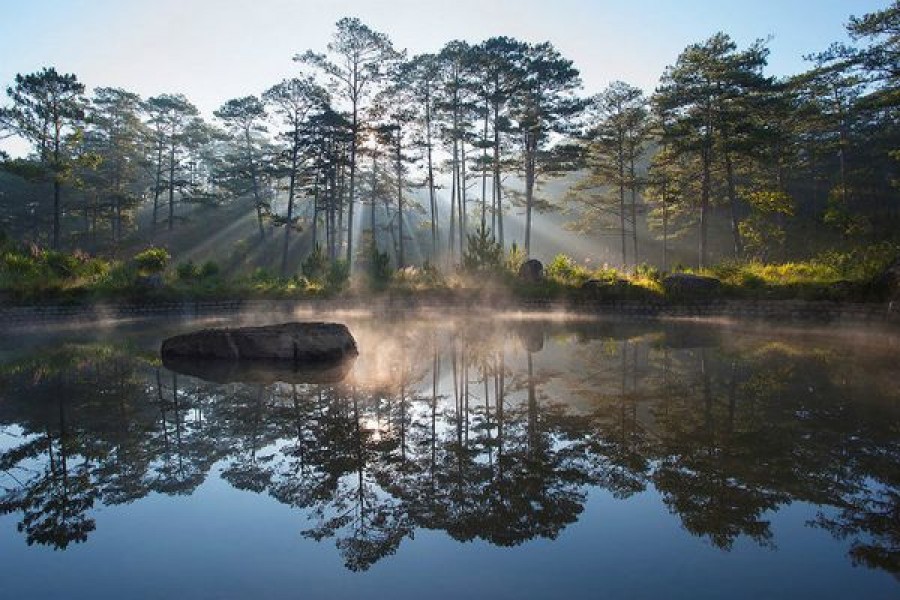
Bidoup Nui Ba National Park is situated in Lac Duong District, Lam Dong province in the central highlands of Vietnam. The park covers an area of 63,938 hectares, offering beautiful sceneries, stunning waterfalls, and diverse natural resources.
May 28, 2025
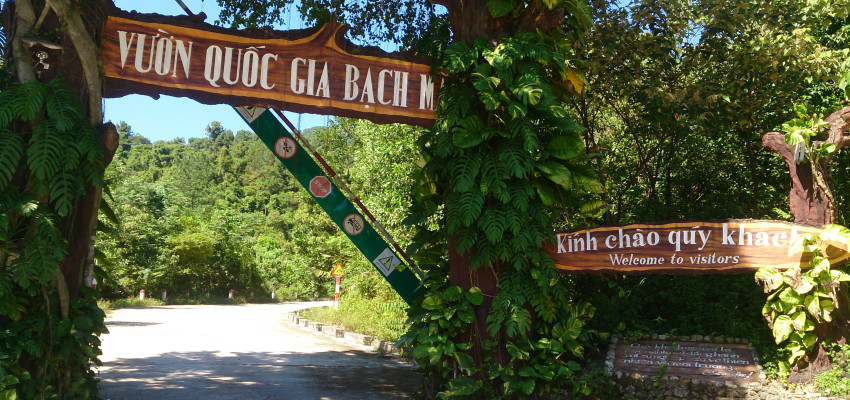
Bach Ma National Park is situated in the north central region of Vietnam, and the Annamite mountains. The national park lies on a high mountain ridge that runs west-east from the Laotian border to the East Sea at the Hai Van pass. This ridge interrupts the coastal plain of Vietnam, and, therefore, forms a biogeographical boundary between the faunas and floras of northern and southern Vietnam.
May 28, 2025
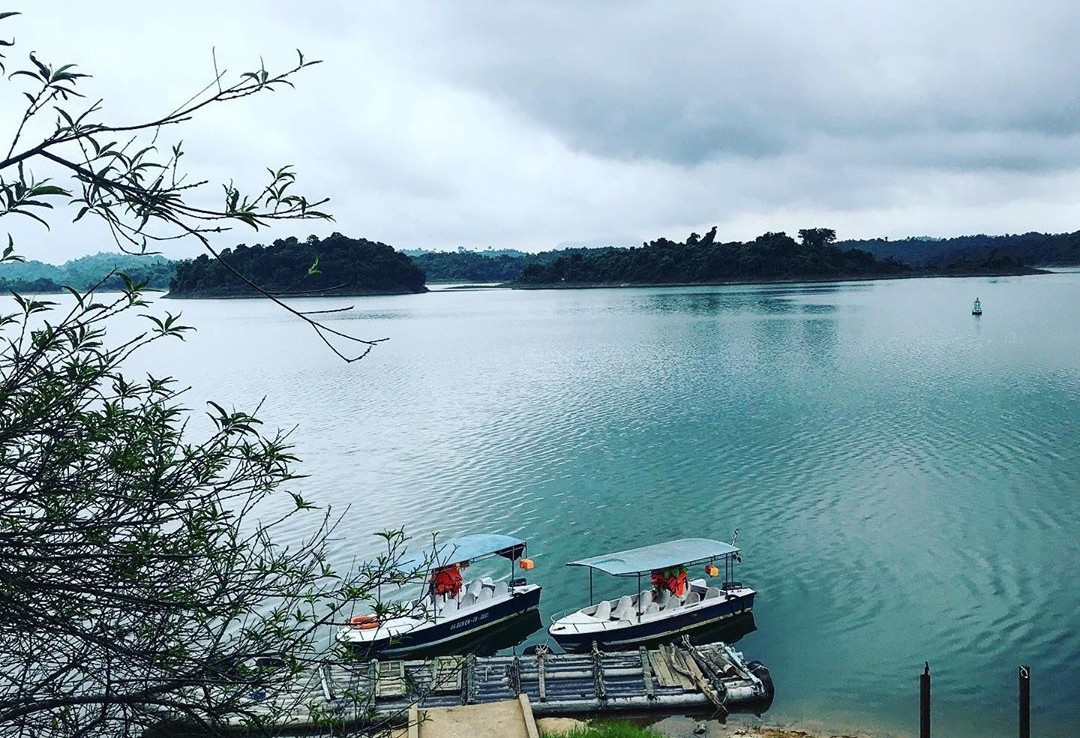
Ben En national park is situated in districts of Nhu Thanh and Nhu Xuan, Thanh Hoa Province about 200km from Hanoi. The park was established in 1992 and gradually expanded. It is not only a protected breeding ground for many rare creatures, but also an attractive destination for ecotourism.
May 28, 2025
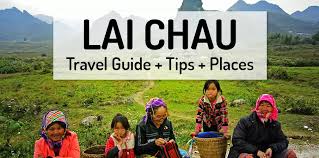
Lai Chau is a province in the northwest of Vietnam sharing borderline with Yun Nan province of China, Son La province, Dien Bien province to the west and south, and Lao Cai province to the east. The province is situated at the altitude of 1,500m above sea level, comprising high mountains, pure streams and rivers.
May 28, 2025
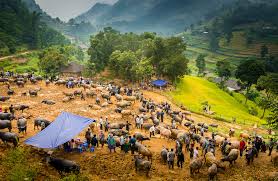
Bac Ha trekking is the best way to see Bac Ha as well as to discover its Sunday market, mountain scenery, and authentic local tribal villages.
May 28, 2025
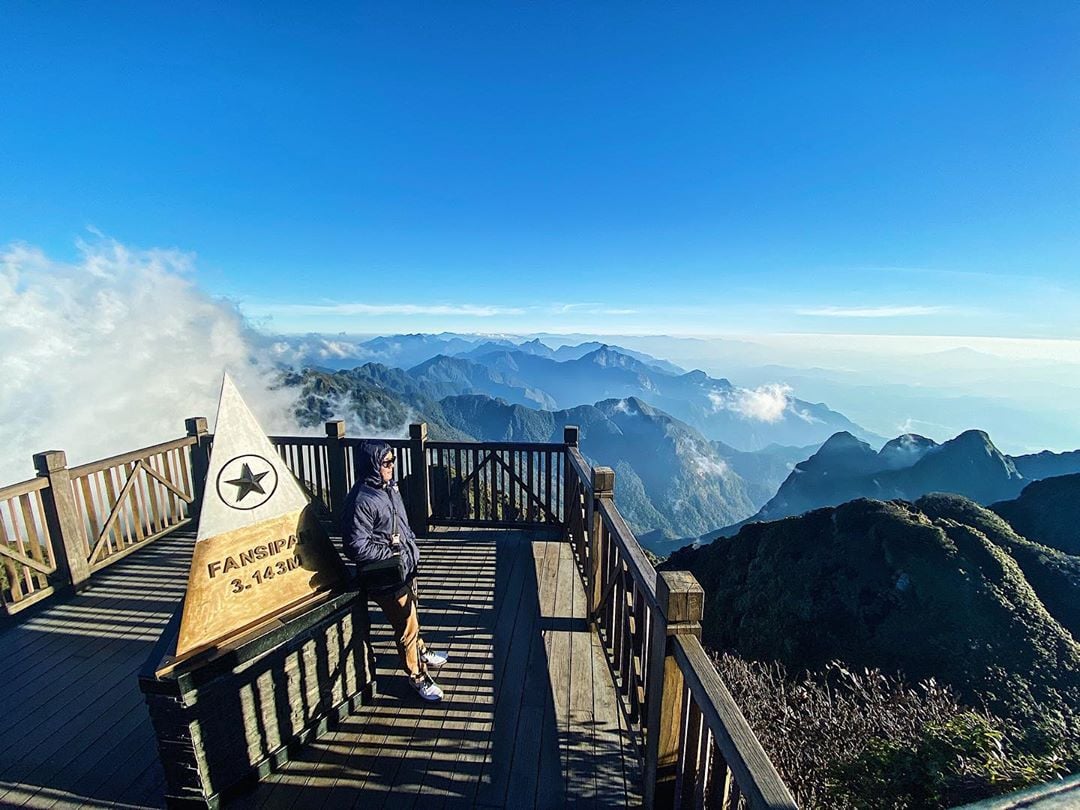
Fansipan Climbing is one of the most challenging activity in Vietnam. The Fansipan Mountain has long been the best hiking place in Vietnam. It is a favorite destination for intrepid travelers, and those who are fond of jungle trek, summit conquering, and mountain hiking.
May 28, 2025

Sapa is a popular travel destination that offers the widest selection of trekking, hiking tours in Vietnam. It’s the place where a large number of tourists go to from Hanoi for some trekking through the beautiful scenery of North Vietnam’s mountains
May 28, 2025
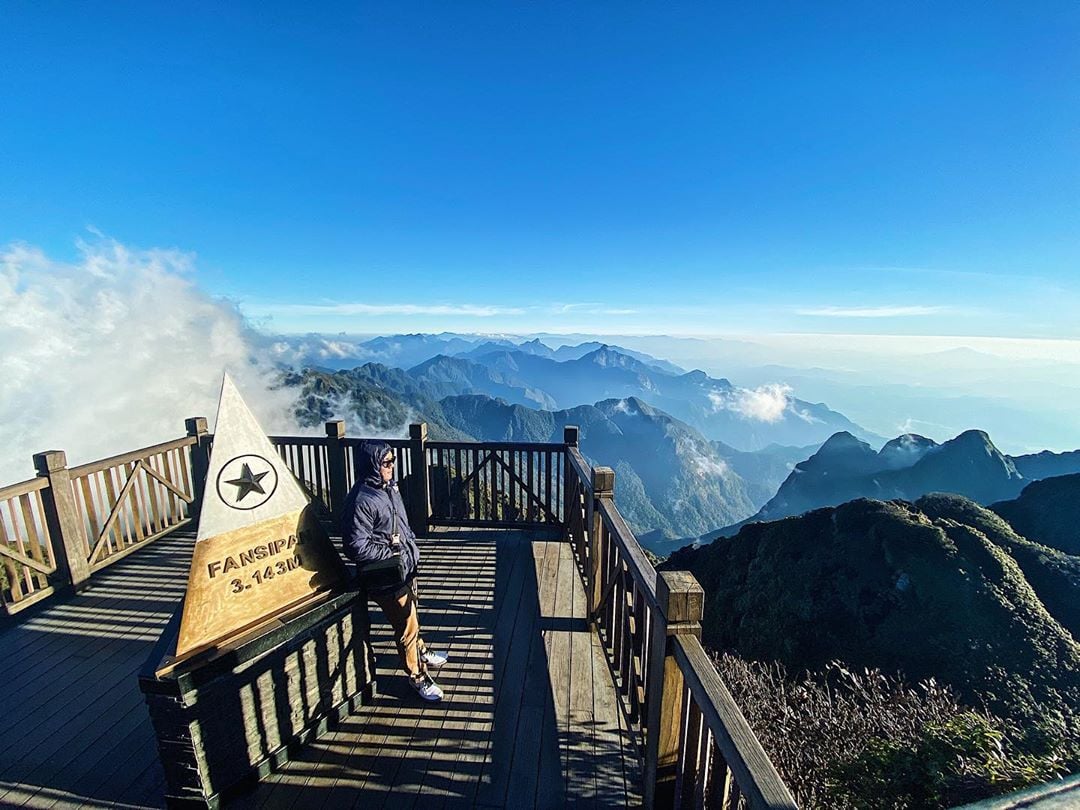
Hoang Lien National Park is situated at a height of 1,000m to 3,143m above sea level in the Hoang Lien Son Mountain Range in Sapa and Van Ban districts, Lao Cai Province, and a partly belongs to Than Uyen District, Lai Chau Province.
May 28, 2025
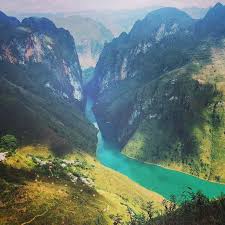
Ha Giang province is located in the northern mountainous area of Vietnam, sharing its borders with China in the north, Tuyen Quang province in the south, Cao Bang province in the east, and Yen Bai province, and and Lao Cai province in the west.
May 28, 2025
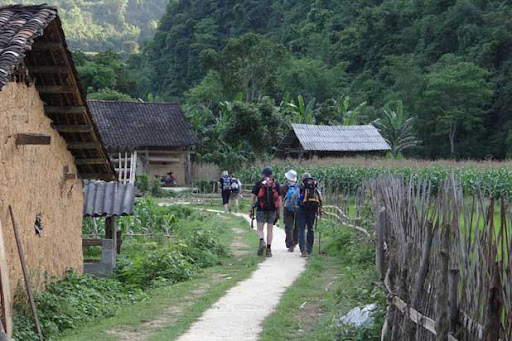
Cao Bang trekking is the best way to discover Cao Bang province as well as the northeast region of Vietnam. The place has been voted as one of top 5 trekking place in South East Asia. We at Golden Trail Travel Hiking Vietnam provide not only a wide selection of off the beaten path trekking trips in this region, but also much practical information about Cao Bang trekking, Cao Bang Vietnam trekking, Cao Bang trek, Cao Bang hiking.
May 28, 2025
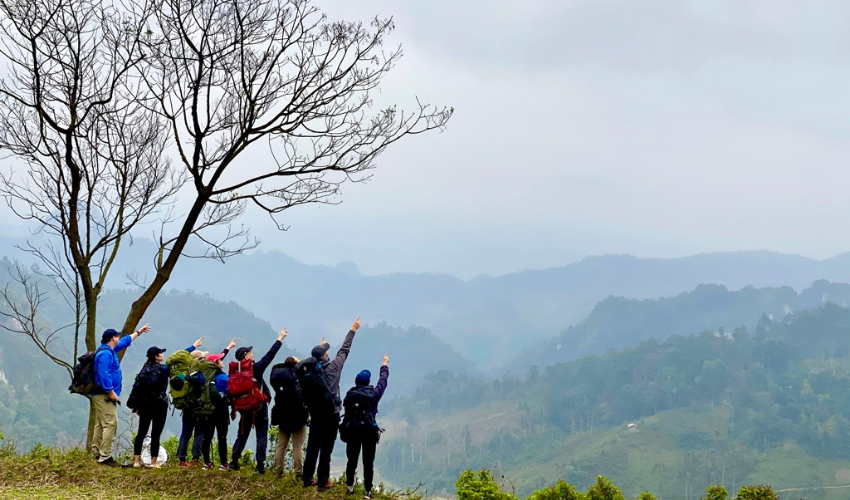
Ba Be National Park Trekking is the best way to explore the natural beauty and the unique system of flora and fauna of Ba Be. The activity also offers the chance to experience the rich ethnic culture of the Tay living within the park.
May 28, 2025
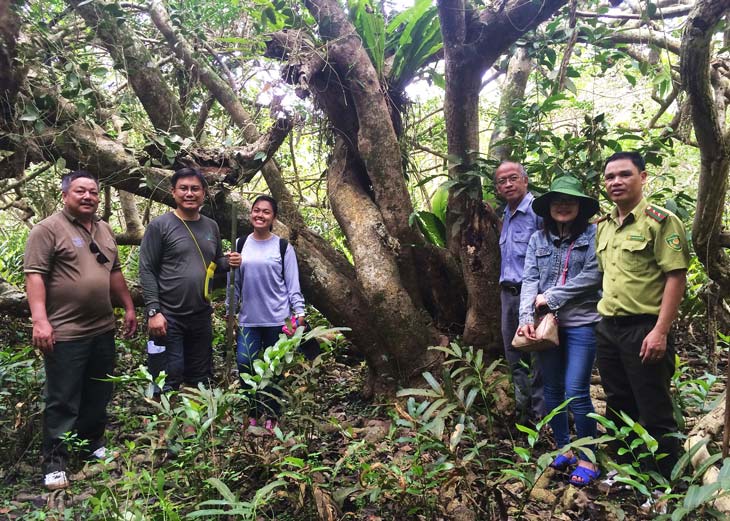
Bai Tu Long national park covers 15,783 hectares, of which forests and forest land make up 6,125 ha on more than 40 islands, and water surface accounts for 9,650 ha. It is home to 1,909 species of fauna and flora, including 72 types of animals and 30 kinds of plants listed in Vietnam’s Red Book of endangered species.
May 28, 2025
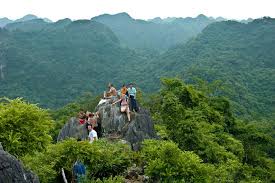
Cat Ba National Park is located in Cat Hai district, Hai Phong city in the northeast Vietnam. The national park is centered on Cat Ba island, a 28,500 ha island, which lies 20 km due east of Hai Phong city and immediately to the west of Halong bay. The national park also incorporates some of the small islands and marine waters situated to the east of Cat Ba island.
May 28, 2025
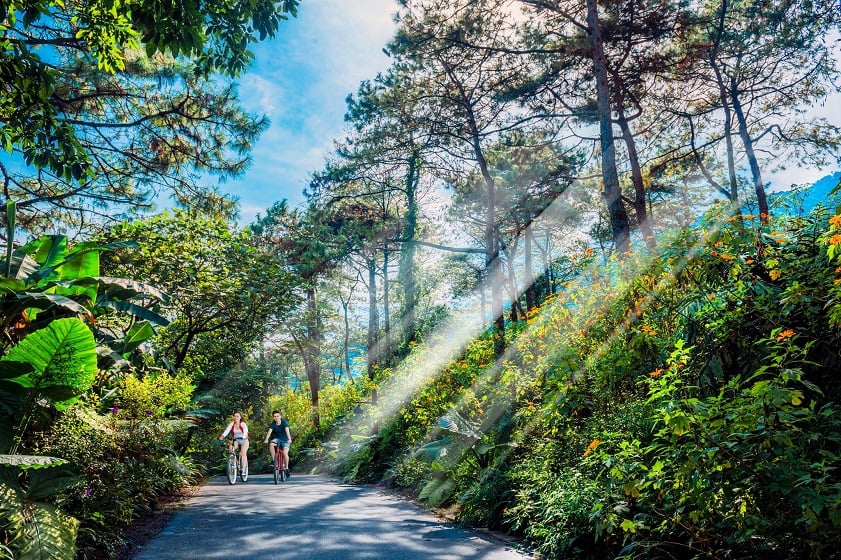
Coming to Ba Vi National Park, you will not only enjoy classic travel activities such as visit cactus gardens, Thuong Temple, French relics …you can also challenge yourself by joining a jungle trek through the park.
May 28, 2025
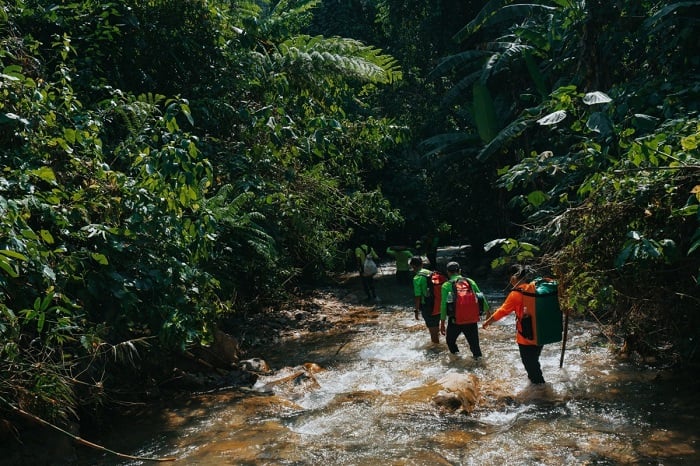
Xuan Son National Park is located 150 kilometers west of Hanoi at the entrance to the magnificent Hoang Lien Son mountain range, Phu Tho Province. The National Park is a great natural retreat and trekking area.
May 28, 2025
Cuc Phuong National Park is the centerpiece of Vietnam’s conservation efforts and one of the most accessible parks in Vietnam. The park is located about 120km from downtown Hanoi, and the car trip takes about 2-3 hours.
May 28, 2025
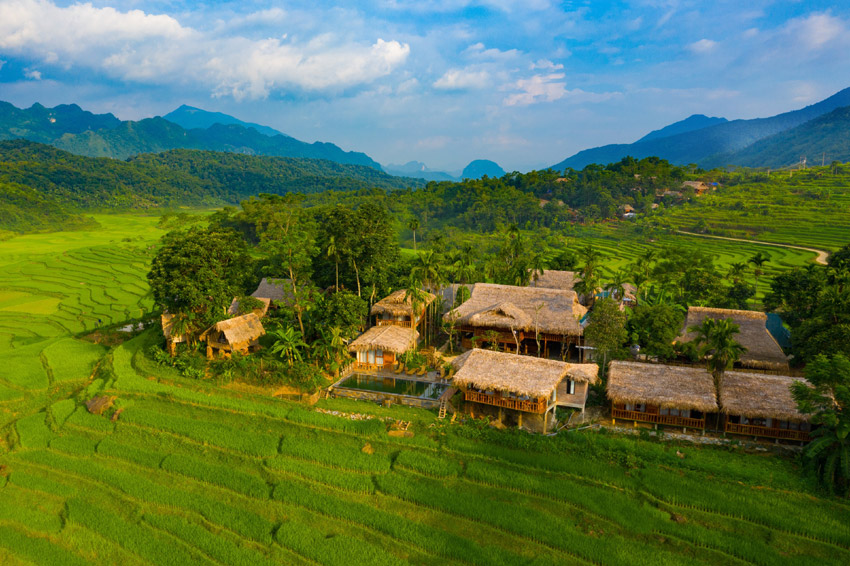
Pu Luong hiking tour is our most recommended trip since the itinerary offers you the chance to discover more the region including both the beautiful nature, rice terrace, and the authentic culture. You will have contact with different local Muong and Thai people on your Pu Luong Vietnam trek, and to experience their real, slow life.
May 28, 2025
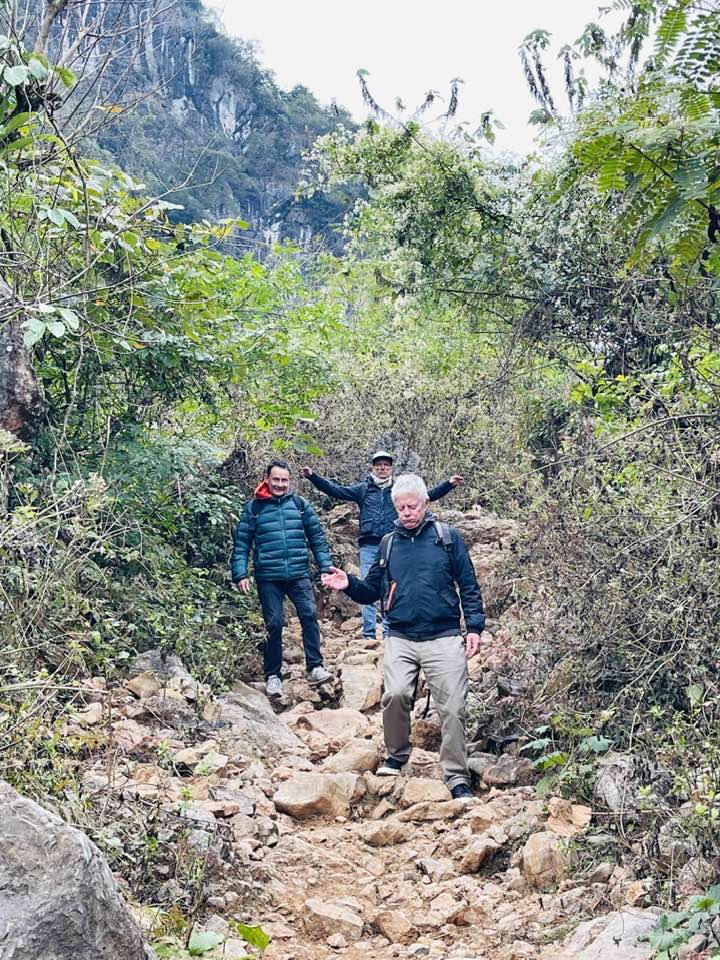
Mai Chau Valley is located in Mai Chau District, Hoa Binh Province, approximately 135 km from Hanoi and 60 km from Hoa Binh City. Mai Chau Valley is surrounded by Thai villages scattered on the hill sides. Travelers come to Mai Chau to spend a night in a local stilt house and to experience the real life of the Thai people.
May 28, 2025
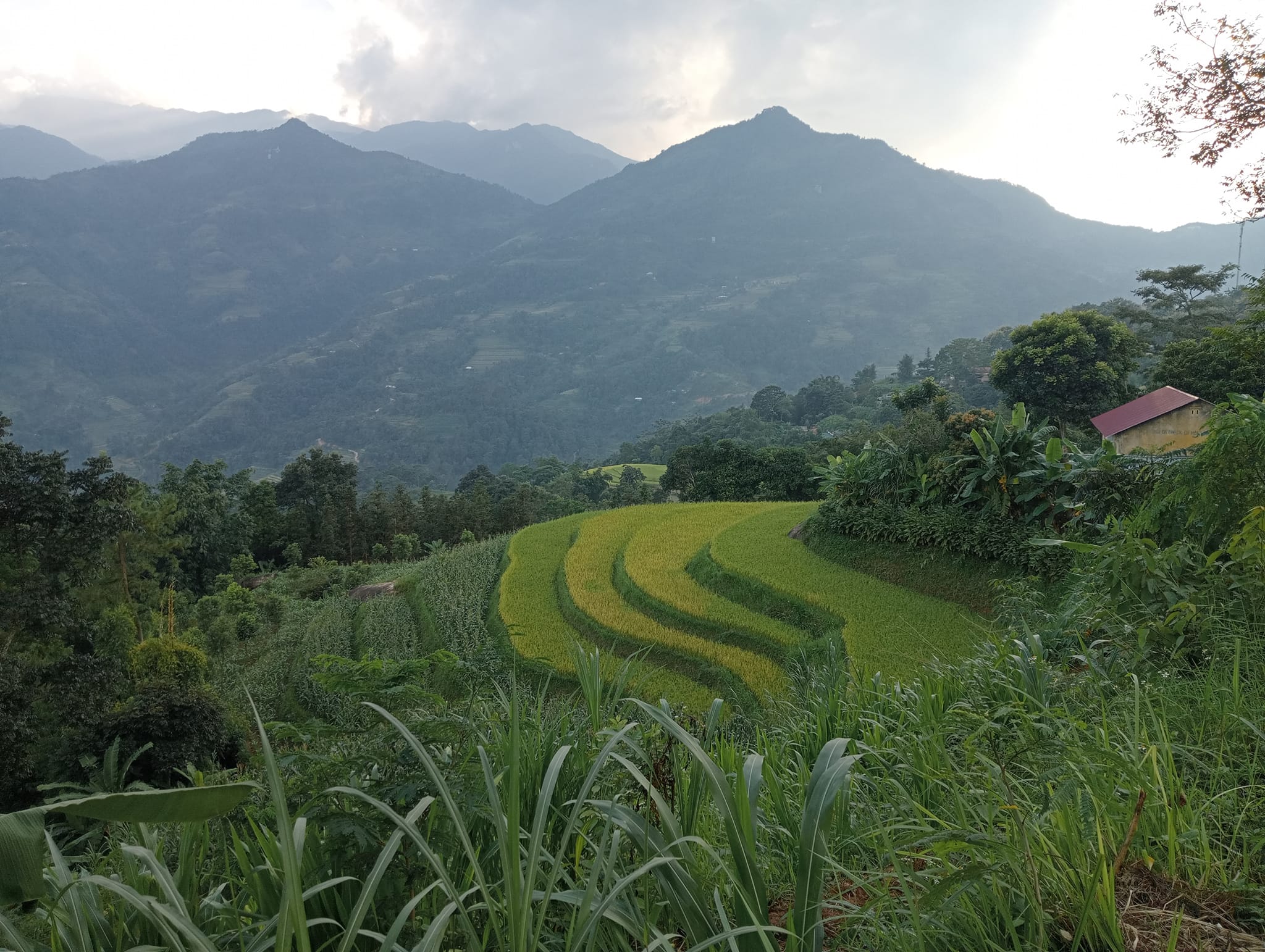
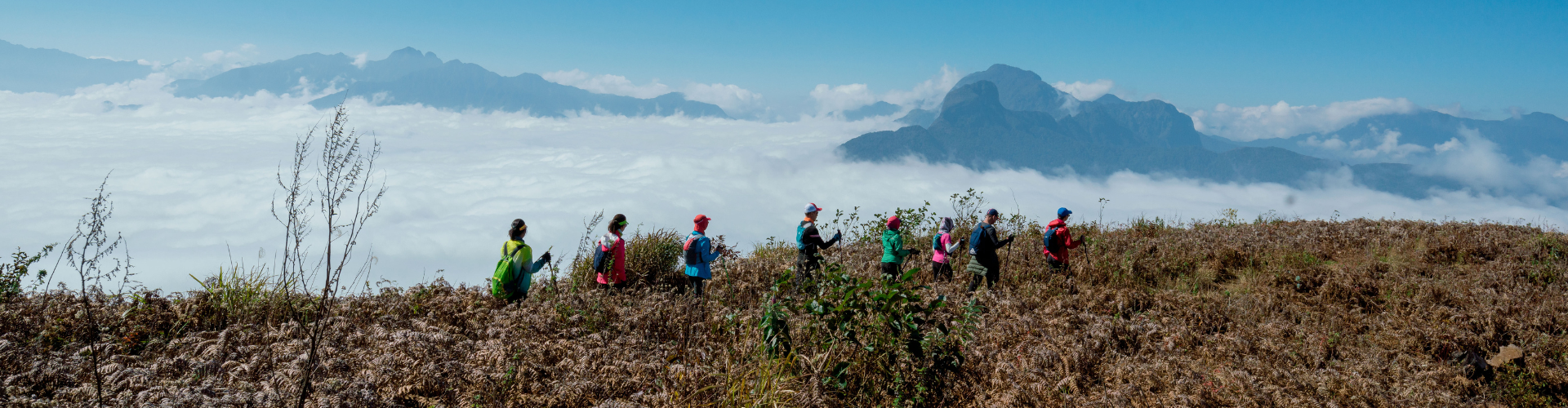
Trekking around Hanoi is the best way to discover Vietnam’s capital. What’s the best time to go trekking in Hanoi, Vietnam? Are there any treks near Hanoi? Just follow our complete guide about trekking in Hanoi with trips, advice, and reviews from our local hiking specialists.
May 28, 2025
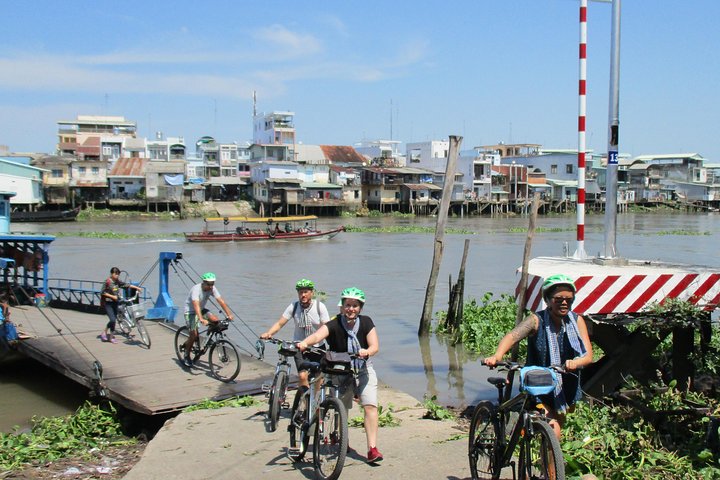
Mekong Delta Vietnam is one of Vietnam’s most popular destination for cyclists and fans of two wheels travel. The Mekong Delta region offers different cycling itineraries which can fit anyone’s needs.
May 28, 2025