15 Ng. 100 Đ. Nguyễn Xiển, Thanh Xuân Nam, Thanh Xuân, Hà Nội 100000
15 Ng. 100 Đ. Nguyễn Xiển, Thanh Xuân Nam, Thanh Xuân, Hà Nội 100000
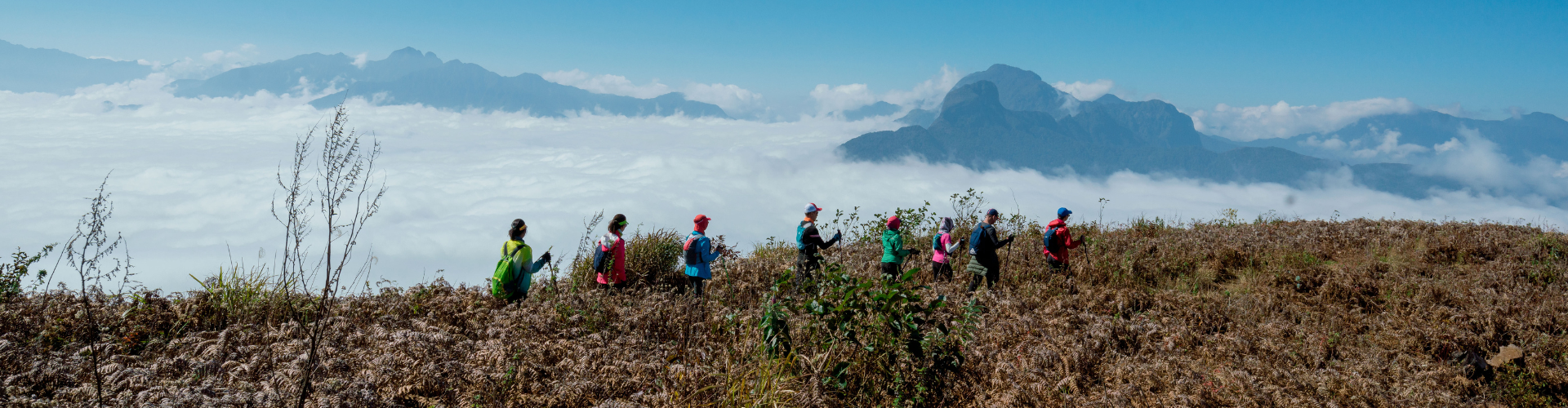
Escape the well-trodden paths of its more famous neighbor and discover Lombok, Indonesia's captivating island paradise that offers a rawer, more authentic, and equally breathtaking experience. Often dubbed "the less-crowded Bali," Lombok is a land of dramatic contrasts, where the majestic cone of Mount Rinjani dominates the skyline, pristine white-sand beaches meet crystal-clear turquoise waters, and ancient Sasak traditions thrive amidst lush rice paddies and untouched rainforests.
Lombok beckons adventurers, surfers, divers, trekkers, and those simply seeking tranquility away from the bustling crowds. It's a place where you can conquer volcanic peaks at dawn, surf world-class waves by noon, explore vibrant coral reefs in the afternoon, and witness a traditional Sasak ceremony by evening. This comprehensive guide invites you to delve into the heart of Lombok, unveiling its natural wonders, cultural riches, and the myriad of unforgettable experiences that await on this untamed gem of the Indonesian archipelago.
Lombok's history and culture are deeply intertwined with its indigenous Sasak people, who form the majority of the island's population. Their unique traditions, language (Sasak), and a distinct form of Islam (Wetu Telu, a blend of Islamic and animist beliefs, though most now practice orthodox Islam) define the island's character.
Prior to significant external influences, Lombok was home to various Sasak kingdoms, often loosely structured and localized. The island's strategic position between Bali and Sumbawa made it a point of interest for neighboring powers.
Balinese Hegemony (17th - 19th Centuries): From the 17th century onwards, Balinese kingdoms, particularly the Karangasem kingdom, gradually exerted control over parts of Lombok, especially the western regions. This period saw a significant influx of Balinese culture, which is still evident today in the architecture of temples, the presence of Hindu communities in the west, and certain cultural practices. The conflict between the Balinese rulers and the local Sasak population eventually led to Dutch intervention.
Dutch Colonial Rule (Late 19th Century - Mid-20th Century): The Dutch arrived in Lombok in the late 19th century, intervening in the ongoing power struggles. The Lombok War of 1894 saw the Dutch defeat the Balinese and establish colonial rule over the entire island. Similar to other parts of Indonesia, Dutch rule brought changes in administration, infrastructure, and resource exploitation, particularly in agriculture.
Japanese Occupation and Independence: During World War II, Lombok, like the rest of Indonesia, was occupied by Japanese forces (1942-1945). Following Japan's surrender, Indonesia declared its independence, leading to a period of struggle against returning Dutch forces. Lombok eventually became part of the independent Republic of Indonesia.
The Sasak people are the dominant ethnic group in Lombok, with their own rich cultural heritage that predates Hindu-Balinese and Islamic influences. While the majority of Sasaks today practice Islam (predominantly the Sunni branch), elements of their animist past and unique Wetu Telu practices can still be found in certain villages and ceremonies.
Weaving Traditions: Sasak women are renowned for their exquisite weaving, particularly songket (brocade) and ikat (tie-dyed fabrics), often showcasing intricate patterns and vibrant colors. Villages like Sade and Sukarara are living museums of this craft.
Traditional Houses: Sasak traditional houses, often built with natural materials like bamboo and thatch, are characterized by their unique architectural style, with raised floors and distinctive roofs.
Music and Dance: Sasak culture boasts a vibrant tradition of music (using instruments like gambus, gendang beleq drums) and dance, often performed during ceremonies, festivals, and celebrations.
Hospitality: The Sasak people are known for their warmth and hospitality, eager to share their traditions and way of life with respectful visitors.
Lombok's culture is a fascinating blend of these historical layers, creating a distinct identity that sets it apart from other Indonesian islands. It offers a captivating glimpse into a traditional way of life that continues to thrive amidst modern developments.
Lombok is geographically diverse, offering a wide array of natural attractions from towering mountains to secluded bays.
The northern region of Lombok is dominated by the majestic presence of Mount Rinjani, Indonesia's second-highest volcano.
Mount Rinjani Trekking:
An Epic Challenge: Reaching 3,726 meters (12,224 feet), Rinjani is a spiritual climb for many and an epic challenge for trekkers. The multi-day treks (typically 2-4 days) lead to the crater rim, offering awe-inspiring sunrise views over the caldera lake, Segara Anak, with its active cone, Mount Barujari.
Segara Anak Lake: This stunning, crescent-shaped crater lake is a sacred site, often used for fishing and religious ceremonies. Hot springs near the lake offer a welcome soak for weary trekkers.
Simbarsar Crater: The summit climb is demanding but rewards with panoramic views stretching across Lombok, Bali, and Sumbawa.
Guided Treks: Treks must be undertaken with a licensed guide and porter, supporting local communities.
Golden Trail Travel Note: Trekking Rinjani requires meticulous planning and reliable guides. Golden Trail Travel specializes in arranging well-organized, safe, and memorable Rinjani treks, ensuring you have the best possible experience. Visit https://goldentrail.travel/ to learn more about their Rinjani packages.
Sendang Gile & Tiu Kelep Waterfalls: Located near the trekking hub of Senaru, these two magnificent waterfalls offer refreshing dips and stunning natural beauty. Sendang Gile is easily accessible, while Tiu Kelep requires a short trek through lush rainforest.
Tetebatu Village: A charming village nestled on the southern slopes of Rinjani, offering lush rice paddies, traditional Sasak villages, and stunning views of the mountain. It's a great spot for cultural immersion and gentle treks.
The southern coast of Lombok is a paradise of undeveloped white-sand beaches, hidden coves, and world-class surf breaks.
Kuta Lombok:
Emerging Hub: Not to be confused with Bali's Kuta, Lombok's Kuta is the rapidly developing tourism hub of the south, with a growing number of hotels, restaurants, and cafes.
Mandalika: Kuta is part of the Mandalika Special Economic Zone, which includes the new Mandalika International Street Circuit, hosting MotoGP races, further boosting the region's profile.
Selong Belanak Beach: A stunning, crescent-shaped bay with calm, shallow waters and soft white sand, perfect for beginner surfers and families. Palm trees line the beach, offering natural shade.
Mawun Beach: A picturesque double-bay beach with calm waters on one side and stronger waves on the other, ideal for swimming and relaxation.
Tanjung Aan Beach: Famous for its unique "pepper sand" (larger, rounder grains that resemble peppercorns) and two distinct bays perfect for swimming and sunbathing. It's also a great spot for sunset views.
Pink Beach (Tangsi Beach): A unique beach known for its subtle pink hue, a result of crushed red coral mixing with white sand. It's best visited during mid-day when the sun highlights the color. Requires a bit of a journey, often by boat.
Gerupuk Bay: A major surfing spot with consistent waves suitable for all levels, particularly popular with surf schools and intermediate surfers.
Desert Point (Bangko Bangko): Located on the southwest tip of Lombok, this legendary surf break is known for its incredibly long, fast, and hollow left-hand barrel. It's strictly for experienced surfers and requires specific swell conditions.
West Lombok is the primary entry point to the island and showcases a mix of Balinese-Hindu and Sasak cultures.
Mataram & Ampenan:
Capital City: Mataram is the capital of West Nusa Tenggara province (which includes Lombok and Sumbawa). It's the commercial and administrative center.
Historical Port: Ampenan, Mataram's old port, retains much of its colonial charm with old shophouses and a bustling local market.
Pura Lingsar: A unique temple that serves both Hindu and Wetu Telu Sasak worshippers, symbolizing religious harmony.
Senggigi:
Main Tourist Strip: Located along a beautiful stretch of coastline, Senggigi was historically Lombok's main tourist area. It offers a range of accommodations, restaurants, bars, and beautiful beaches perfect for swimming and enjoying sunsets.
Day Trips: A convenient base for exploring other parts of West Lombok and taking boat trips to nearby islands.
Malimbu Hill: Offers spectacular panoramic views of the coastline, the Gili Islands, and Bali's Mount Agung, especially at sunset. A popular photo stop.
While technically separate islands, the Gili Islands (Gili Trawangan, Gili Meno, Gili Air) are intrinsically linked to Lombok and are often the primary reason visitors come to the region. They are car-free, offering a relaxed, barefoot island vibe.
Gili Trawangan (Gili T): The largest and most vibrant, known for its lively nightlife, diving schools, and diverse dining options. Popular with backpackers and those seeking a more energetic atmosphere.
Gili Meno: The smallest and quietest, ideal for honeymooners, couples, and those seeking ultimate tranquility, with pristine beaches and excellent snorkeling.
Gili Air: A perfect balance between the vibrancy of Gili T and the serenity of Gili Meno, offering a good mix of restaurants, activities, and a relaxed atmosphere. It's popular with families and divers.
Activities: All Gilis offer incredible snorkeling and diving opportunities with vibrant coral reefs, sea turtles, and diverse marine life. Other activities include cycling, paddleboarding, and glass-bottom boat tours.
Access: Easily accessible by fast boat from Lombok (Teluk Nare or Bangsal harbors) or direct fast boats from Bali.
Beyond its stunning landscapes, Lombok offers a wealth of experiences that connect you with its culture and natural wonders.
Sasak Traditional Villages: Visit authentic Sasak villages like Sade or Desa Ende to witness traditional houses, observe daily life, and see women weaving intricate ikat and songket fabrics by hand. You can often purchase these beautiful textiles directly from the artisans.
Kuta Beach Festival (Nyale Festival): If your visit aligns, witness the lively annual Nyale Festival (usually February or March), a traditional Sasak ceremony where locals gather at the beach to catch sea worms (nyale), believed to be reincarnations of a mythical princess. It's a colorful cultural spectacle.
Pearl Farms: Lombok is known for its pearl cultivation. Visit a pearl farm to learn about the process and perhaps purchase some beautiful, ethically sourced pearls.
Cooking Classes: Learn to cook authentic Sasak cuisine, which often uses local herbs and spices, offering a delicious insight into the island's flavors.
Waterfall Adventures: Explore the numerous waterfalls hidden within Lombok's lush interiors, offering refreshing dips and stunning natural settings.
Snorkeling & Diving: With vibrant coral reefs and abundant marine life, Lombok and the Gilis offer world-class snorkeling and diving for all skill levels. Encounter sea turtles, reef sharks, and colorful fish.
Surfing Lessons: Whether you're a beginner or an experienced surfer, Lombok's diverse breaks offer waves for everyone. Many surf schools are available in the Kuta area.
Yoga and Wellness: Find tranquility in a growing number of yoga retreats and wellness centers, particularly around Senggigi and the Gilis.
Island Hopping: Explore the smaller islands off Lombok's coast, like Gili Nanggu, Gili Sudak, and Gili Kedis ("Secret Gilis"), for incredibly peaceful snorkeling and relaxation.
Lombok offers a wonderful escape, and a few practical tips can enhance your journey:
Visa Requirements: Check Indonesia's visa regulations based on your nationality. Most countries have visa-free entry for tourism for up to 30 days.
Currency: Indonesian Rupiah (IDR). ATMs are available in major towns (Mataram, Kuta, Senggigi, Gili Trawangan), but it's wise to carry cash for smaller vendors and rural areas.
Language: Bahasa Indonesia is the official language. The local language is Sasak. English is spoken in tourist areas. Learning a few basic Indonesian phrases is always appreciated.
Connectivity: Local SIM cards are easily available at the airport or small shops. Wi-Fi is common in hotels and cafes.
Getting to Lombok:
Flights: Lombok International Airport (LOP) in Central Lombok receives domestic flights from Jakarta, Surabaya, Bali, and international flights (e.g., from Kuala Lumpur, Singapore).
Fast Boats from Bali: Numerous fast boat services connect Bali (Padang Bai, Serangan, Sanur) directly to Lombok (Bangsal, Senggigi) and the Gili Islands. This is a popular option for island hopping.
Public Ferry from Bali: A slower, cheaper public ferry operates from Padang Bai (Bali) to Lembar (Lombok), taking 4-5 hours.
Getting Around Lombok:
Private Car with Driver: The most convenient way to explore the island, especially for day trips and longer distances. Golden Trail Travel can arrange reliable and comfortable transport.
Motorbike Rental: Popular for exploring independently, but requires caution, especially on rural roads.
Taxis/Ride-Sharing: Available in major towns like Mataram, Senggigi, and Kuta.
Bemo (Minibuses): Local public transport, very cheap but can be slow and less comfortable.
Cidomo (Horse Carts): The primary mode of transport on the Gili Islands, a charming but often slow option.
Best Time to Visit: The dry season, from May to September, is generally the best time to visit Lombok, offering sunny days, lower humidity, and calm seas perfect for beach activities, diving, and trekking. The wet season (October to April) brings rain, but often in short, heavy bursts.
Dress Code: Lombok is predominantly Muslim. While beach areas are more relaxed, dress modestly when visiting villages, religious sites, or outside tourist zones (shoulders and knees covered).
Health & Safety: Consult your doctor about recommended vaccinations. Be aware of tropical diseases like dengue fever (use repellent). Drink bottled water. Exercise caution when swimming in remote areas.
Food Safety: Enjoy the delicious local food, but be mindful of hygiene, especially with street food.
Respect Local Customs: Be polite, use your right hand for giving and receiving, and remove your shoes when entering homes or mosques.
Book in Advance: Especially during peak season (July-August, December), book accommodation, popular tours (e.g., Rinjani treks, specific surf camps), and inter-island transfers in advance.
Travel Insurance: Always recommend comprehensive travel insurance.
Navigating the diverse landscapes and cultural experiences of Lombok can be an exhilarating adventure, but planning it yourself can be daunting. Let Golden Trail Travel be your trusted partner in crafting an unforgettable Lombok experience.
With Golden Trail Travel, you can effortlessly arrange:
Customized Lombok Itineraries: Whether you dream of conquering Mount Rinjani, discovering secluded beaches, diving with turtles, or immersing yourself in Sasak culture, they can design a personalized tour tailored to your interests and budget.
Seamless Logistics: From airport transfers and comfortable accommodations to reliable private transport and expert local guides, Golden Trail Travel handles all the details, ensuring a stress-free journey.
Expert Local Knowledge: Benefit from their deep understanding of Lombok's hidden gems, best activities, and cultural nuances, ensuring an authentic and enriching experience.
Hassle-Free Booking: Easily plan and book your entire Lombok adventure online through their user-friendly platform.
Visit https://goldentrailtravel.com/ today to start planning your extraordinary journey to Lombok – where raw beauty and authentic culture create memories that last a lifetime!
Visitors to Lombok often leave enchanted by its untouched beauty, genuine culture, and adventurous spirit, sharing glowing reviews of their experiences.
"Lombok is absolutely stunning! We did the Rinjani trek with Golden Trail Travel, and it was one of the most challenging but rewarding experiences of my life. The views from the summit were unreal. After that, we relaxed on the pristine beaches of South Lombok. It truly felt like stepping back in time compared to Bali, in the best way possible." - Emily R., Canada
"The Gili Islands are a paradise, but Lombok itself is the real hidden gem. We loved exploring the Sasak villages and seeing the traditional weaving. The beaches in the south are breathtakingly beautiful and so uncrowded. If you want authentic Indonesia, come to Lombok. Our whole trip was smoothly organized by https://goldentrailtravel.com/." - Liam P., United Kingdom
"As a surfer, Lombok's south coast is a dream come true. Consistent waves, beautiful scenery, and a laid-back vibe. Selong Belanak was perfect for warming up, and Gerupuk had some great intermediate breaks. The local food is delicious and incredibly affordable. I'll definitely be back!" - Max G., Australia
"The Tiu Kelep Waterfall was absolutely magical, and the hike through the rainforest to get there was an adventure. We stayed near Senggigi and enjoyed the beautiful sunsets every evening. The people of Lombok are so welcoming and proud of their culture. It was a refreshing and authentic Indonesian experience." - Olivia C., France
"Lombok offers such a perfect blend of adventure and relaxation. We hiked, snorkeled, and then unwound on the quiet beaches. The cultural depth, particularly in the Sasak villages, was incredibly fascinating. It's truly an untouched gem, and I hope it stays that way. Big thanks to our tour operator for making it so easy." - Kenji T., Japan
Q1: Where is Lombok located? A1: Lombok is an island in Indonesia, part of the West Nusa Tenggara province. It is situated east of Bali and west of Sumbawa.
Q2: What is Lombok famous for? A2: Lombok is famous for Mount Rinjani (Indonesia's second-highest volcano), pristine white-sand beaches, world-class surf breaks, authentic Sasak culture, and its close proximity to the car-free Gili Islands.
Q3: How do I get to Lombok? A3: You can fly directly to Lombok International Airport (LOP) from major Indonesian cities (Jakarta, Bali, Surabaya) and some international destinations (Kuala Lumpur, Singapore). Alternatively, take a fast boat from Bali (Padang Bai, Serangan) to Lombok or the Gili Islands.
Q4: What is the best time to visit Lombok? A4: The dry season, from May to September, is considered the best time to visit Lombok for optimal weather conditions for trekking, beach activities, and diving.
Q5: What are the Gili Islands, and how do I get to them from Lombok? A5: The Gili Islands (Trawangan, Meno, Air) are three small, car-free islands off Lombok's northwest coast. You can reach them by short public or private boat rides from various harbors in Lombok, such as Teluk Nare or Bangsal.
Q6: Is Mount Rinjani trek difficult? A6: Yes, the Mount Rinjani trek is considered challenging and requires good physical fitness. It's a multi-day trek that involves significant ascents and descents. Treks must be done with a licensed guide.
Q7: What kind of culture can I experience in Lombok? A7: You can experience the unique Sasak culture, including traditional weaving (songket, ikat), visiting traditional villages (Sade, Ende), enjoying traditional music and dance, and observing local ceremonies.
Q8: What are the best beaches in South Lombok for surfing and relaxation? A8: For surfing, Gerupuk Bay and Desert Point (advanced) are popular. For relaxation and swimming, Selong Belanak, Mawun, and Tanjung Aan are highly recommended. Pink Beach offers a unique visual experience.
Q9: Can I book a full Lombok tour package? A9: Yes, travel agencies like Golden Trail Travel specialize in offering customized and comprehensive Lombok tour packages, including Rinjani treks, beach holidays, and cultural immersions. Visit https://goldentrailtravel.com/ for options.
Q10: What should I wear in Lombok? A10: Light, breathable clothing is best for the tropical climate. When visiting villages or religious sites, dress modestly (shoulders and knees covered) out of respect for local customs.
Q11: Is Lombok more expensive or cheaper than Bali? A11: Generally, Lombok tends to be more affordable than Bali, especially for accommodation, food, and local transportation, offering great value for money.
Q12: What local dishes should I try in Lombok? A12: Don't miss Ayam Taliwang (spicy grilled chicken), Plecing Kangkung (spicy water spinach), and Sate Bulayak (beef satay with coconut milk sauce).
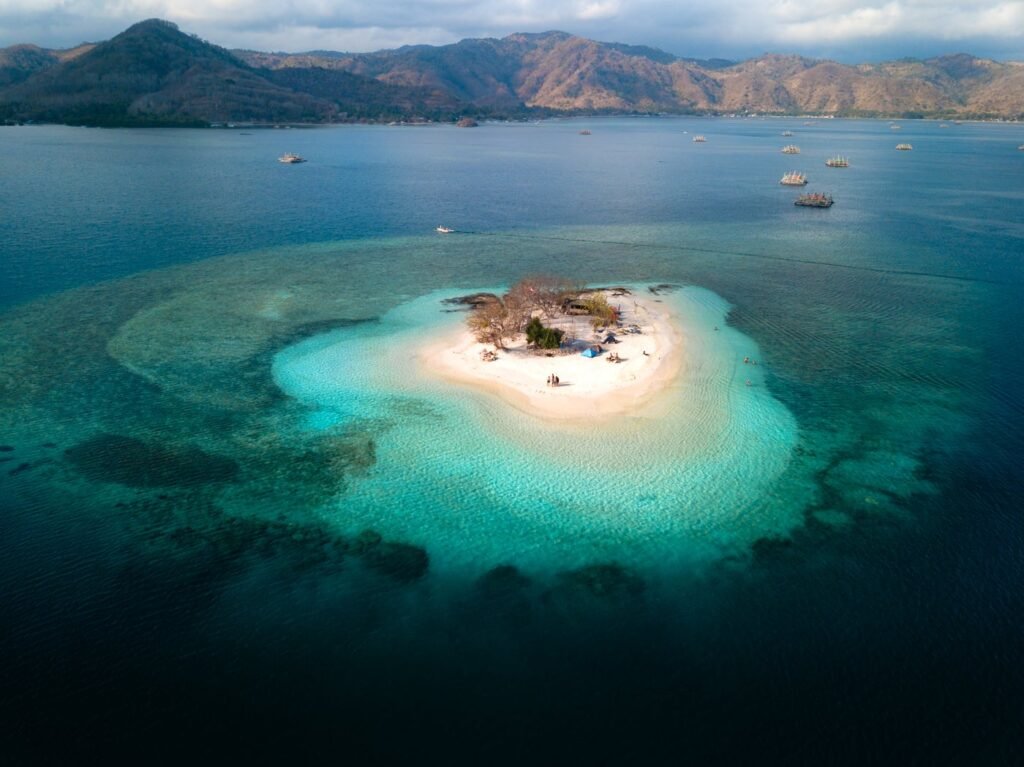

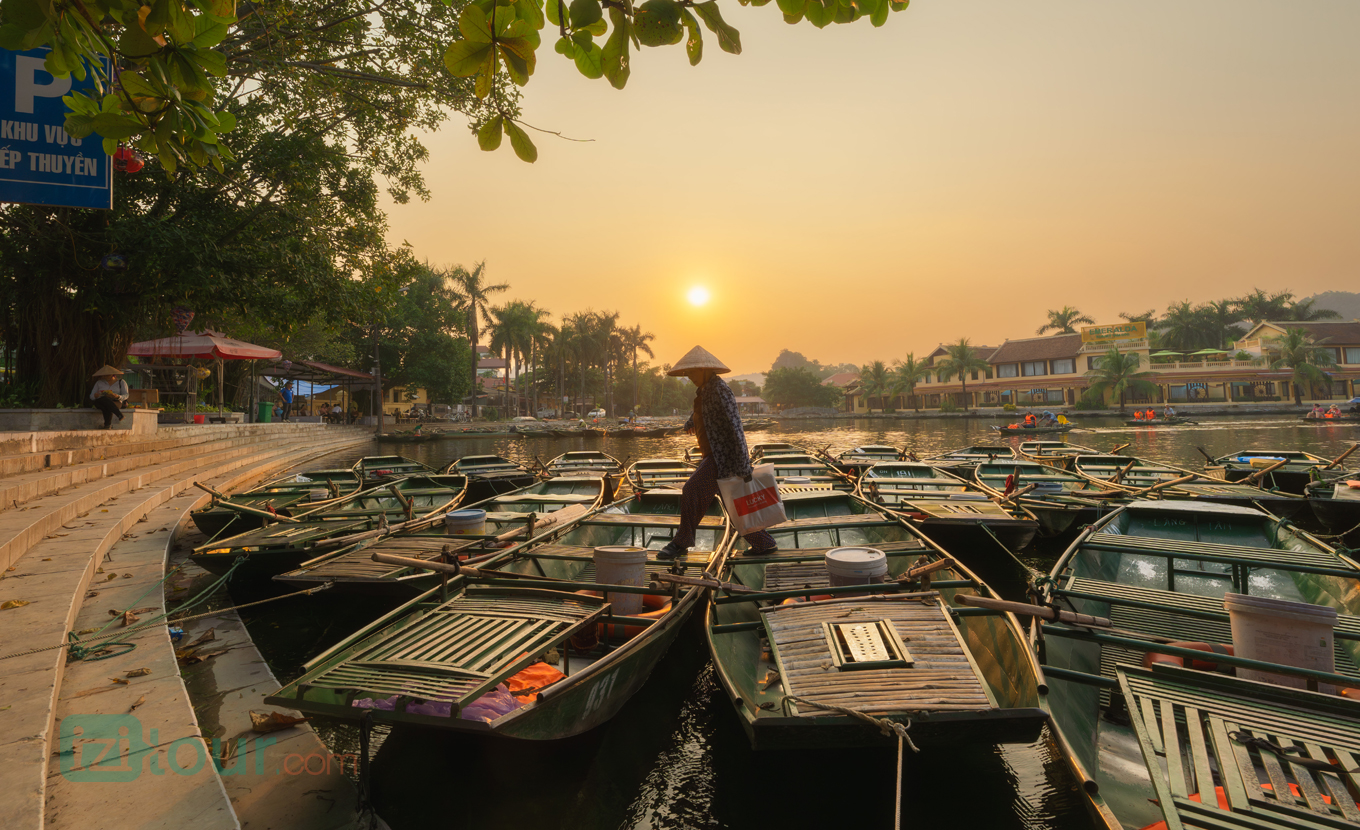
In this comprehensive guide, you will discover everything about renting a bike in Tam Coc—from where to rent, how much it costs, the best cycling routes, safety tips, essential advice, and how you can combine your bike rental with professional tours from Golden Trail Travel, one of the most reputable travel operators in Ninh Binh.
November 28, 2025

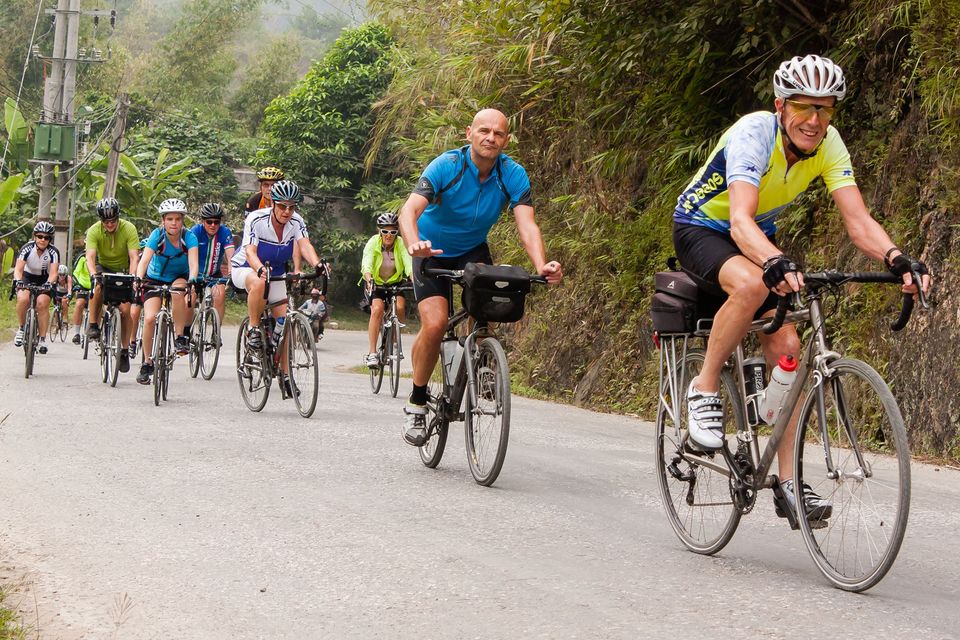
If you're dreaming of a journey filled with limestone mountains, golden rice fields, ancient temples, and quiet rural charm, a Ninh Binh cycling tour is your ultimate travel experience. Unlike other destinations in Vietnam, Ninh Binh reveals its beauty slowly — the deeper you ride into the countryside, the more magical it becomes.
November 28, 2025

Tuyet Tinh Coc, known as the “Am Tuyet Lake” or “Valley of Love” in Ninh Binh, is one of Vietnam’s most picturesque natural wonders. Featuring turquoise lakes surrounded by towering limestone cliffs, this hidden valley remains peaceful, mysterious, and exceptionally photogenic. It is a place where nature feels untouched, and the serenity makes you slow down and breathe deeply.
November 27, 2025

Cuc Phuong National Park, the oldest national park in Vietnam, stands as one of Southeast Asia’s most remarkable biodiversity treasures. With its ancient rainforest, vibrant ecosystems, limestone mountains, wildlife rescue centers, and hidden prehistoric caves, Cuc Phuong offers one of the most immersive outdoor experiences for travelers.
November 27, 2025

While boat trips are the most popular activity here, one of the most rewarding, immersive, and family-friendly ways to explore this natural paradise is cycling. Cycling through Van Long Nature Reserve allows travelers to discover stunning landscapes, interact with locals, enjoy the fresh countryside air, and feel deeply connected to nature.
November 27, 2025
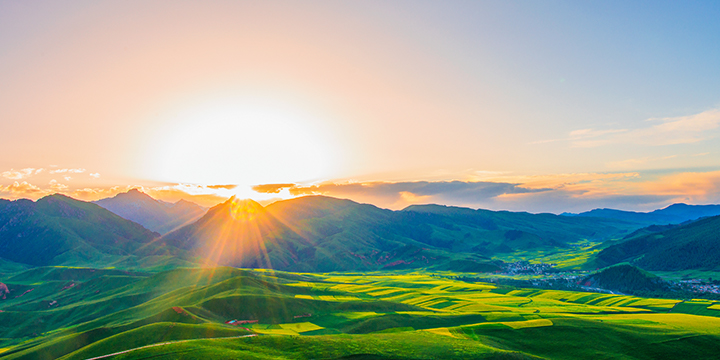
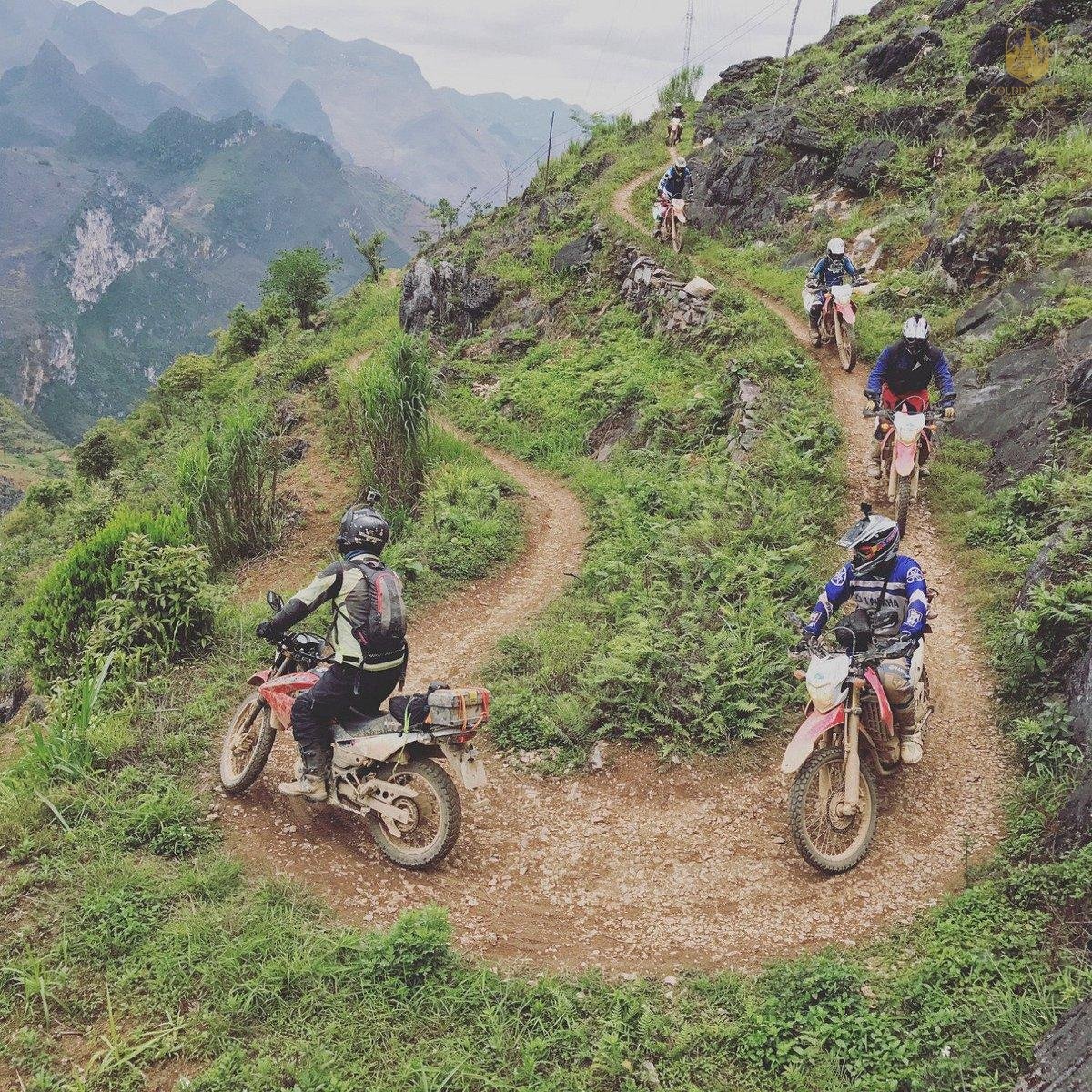
Venture into the heart of northern Vietnam with the 5 Days Ha Giang Moderate Trekking Tour, an unforgettable adventure that strikes the perfect balance between nature, culture, and exploration.
November 26, 2025

Vietnam is opening its arms to the world. From the misty peaks of Ha Giang to the emerald waters of Phu Quoc, the S-shaped land has never been more accessible. As we step into 2025, Vietnam’s immigration policies have evolved significantly, making it easier than ever for millions of international travelers to visit without the hassle of paperwork or fees.
November 21, 2025

Vietnam calls to the soul of the wanderer. Whether it is the limestone pillars of Ha Long Bay rising from emerald waters, the chaotic yet charming energy of Hanoi’s Old Quarter, or the serene lanterns glowing in Hoi An, this S-shaped country is a bucket-list destination. But before you can sip egg coffee by Hoan Kiem Lake or trek through the terraced rice fields of Sapa with Golden Trail Travel, there is one administrative hurdle you must clear: The Vietnam Electronic Visa (E-visa).
November 21, 2025
.webp "Experience Buon Ma Thuot in Style – 2 Days Discovering Vietnam’s Coffee Capital & Highland Culture")
This 2-day journey invites you to explore the raw beauty, rich culture, and warm-hearted spirit of the Central Highlands — a region where every corner tells a story and every experience awakens your senses.
November 21, 2025

Planning a trip to the breathtaking landscapes of Vietnam? From the limestone karsts of Ha Long Bay to the bustling streets of Ho Chi Minh City, Vietnam is a destination that promises unforgettable experiences. However, before you pack your bags, there is one crucial step: obtaining your Vietnam E-visa
November 21, 2025

Vietnam is a country of timeless charm, but there is one time of year when the nation transforms completely. It is a season when the chaotic traffic of the cities subsides into a peaceful hush, when the streets are painted in vibrant shades of red and yellow, and when the smell of burning incense and savory sticky rice cakes fills the air.
November 21, 2025

Phu Quoc Island has rapidly transformed from a sleepy fishing outpost into one of Southeast Asia’s premier island destinations. The southern Long Beach is bustling with backpackers and beach bars, while the developed areas of Bai Truong dazzle with massive international resorts. But nestled on the central-west coast, shielded by swaying coconut palms and volcanic rock formations, lies a stretch of coastline that remembers the "old" Phu Quoc.
November 21, 2025

When travelers think of Southeast Asian cuisine, their minds often drift immediately to the Pad Thai of Bangkok or the Pho of Hanoi. However, sandwiched between these two culinary giants lies a hidden gem that has been quietly bubbling away for centuries: Cambodia.
November 21, 2025

Hanoi is a city of captivating contrasts. In the Old Quarter, the energy is electric—a symphony of honking motorbikes, sizzling street food, and vibrant commerce. It is a city that never sleeps, pulsating with history and modernization. However, for the discerning traveler, the true soul of Northern Vietnam often lies just beyond the city limits.
November 21, 2025
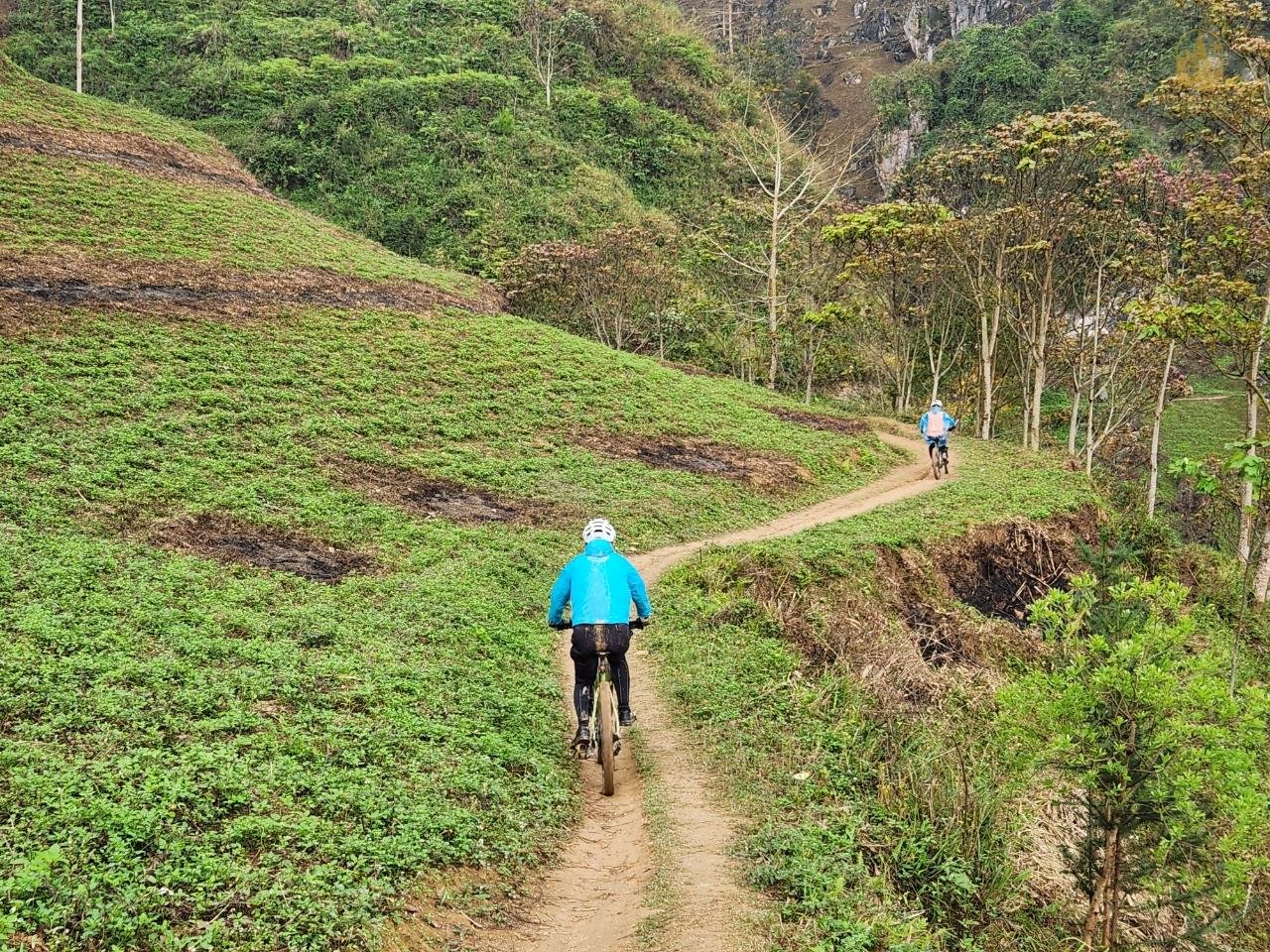
There are cycling trips, and then there are odysseys. Biking from Hanoi to Ho Chi Minh is not merely a vacation; it is a rite of passage. It is the act of traversing an entire nation, tracing the S-shape of the Dragon along the edge of the East Sea.
November 20, 2025
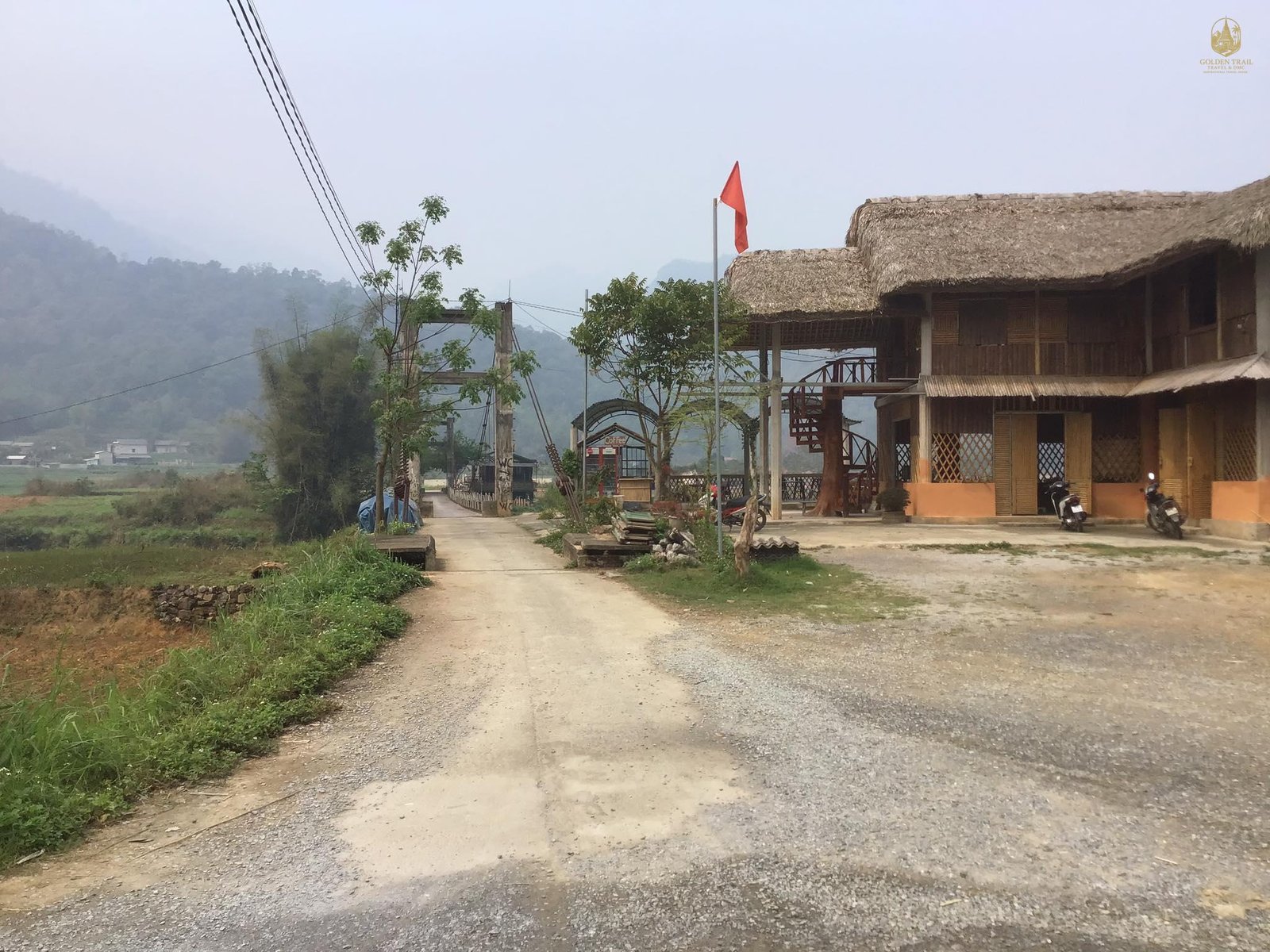
There are roads that exist simply to connect Point A to Point B. And then, there are roads that are destinations in themselves—roads that carry the weight of history, the majesty of nature, and the soul of a nation. Riding the Ho Chi Minh Trail is the latter. It is not just a journey; it is a pilgrimage through the very heart of Vietnam.
November 20, 2025
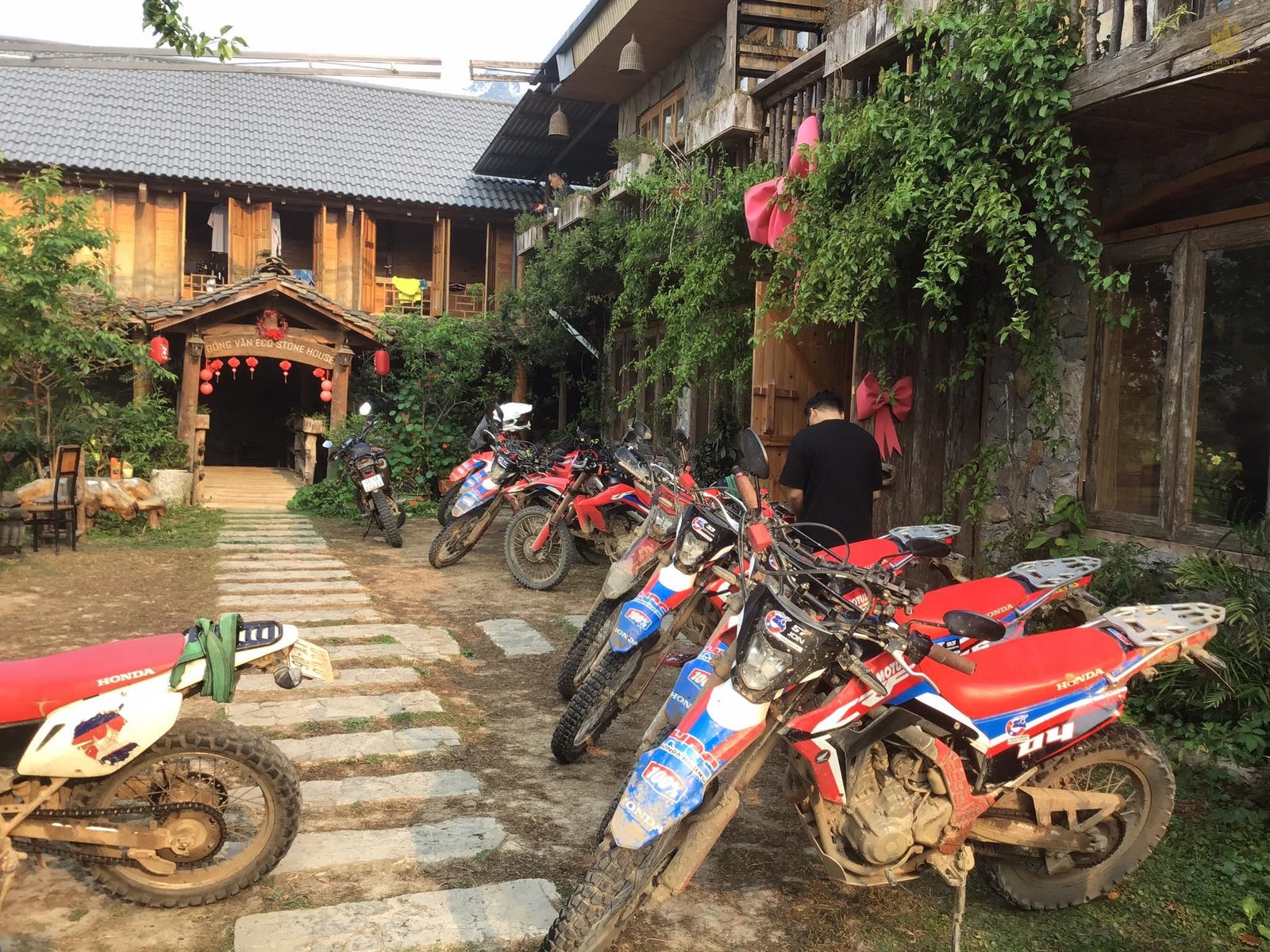
There are road trips, and then there are pilgrimages. Route 66 in the USA offers nostalgia; the Great Ocean Road in Australia offers scenery. But a Ho Chi Minh Trail motorbike tour offers something far more profound: a journey through the very soul of a nation.
November 20, 2025
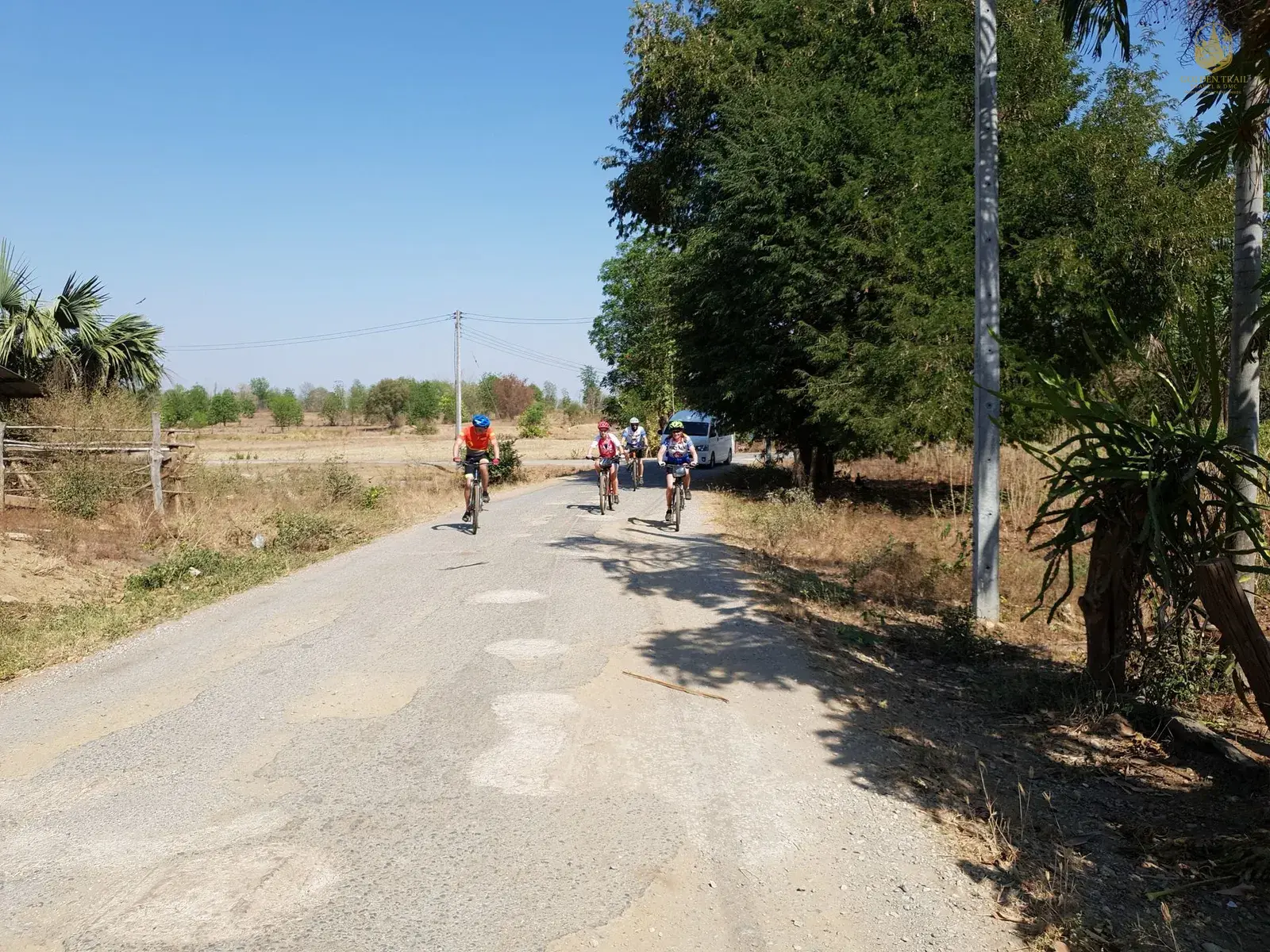
There are roads that take you to a destination, and then there are roads that take you back in time. Cycling the Ho Chi Minh Trail is the latter. It is arguably one of the most profound, challenging, and visually stunning cycling expeditions on the planet.
November 20, 2025
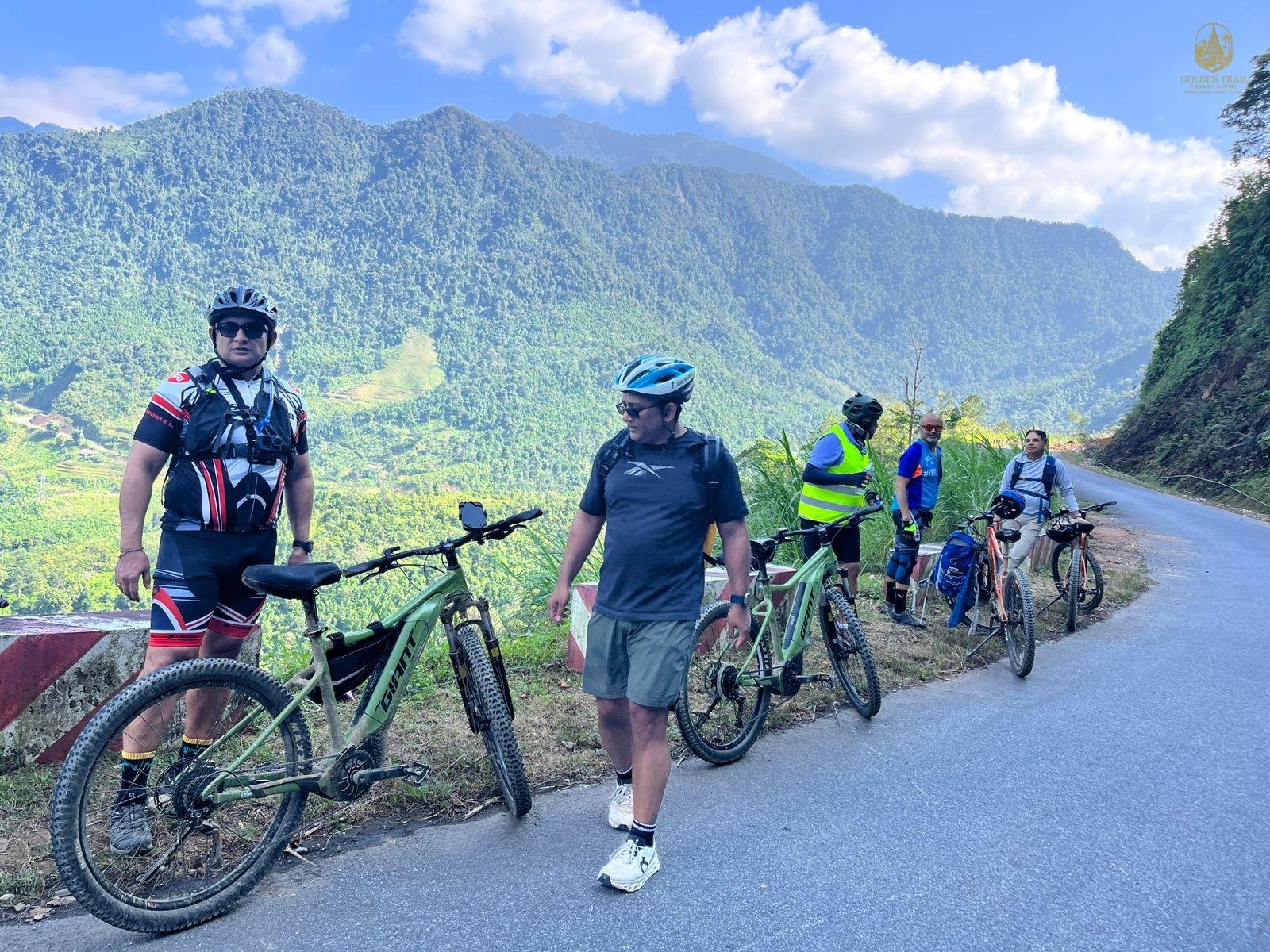
Vietnam is a country of sensory density. To the average tourist peering out from the window of a sleeper bus, it is a blur of neon lights, green rice paddies, and chaotic traffic. But to the cyclist, the map of Vietnam looks entirely different. Beneath the main highways lies a vast, intricate web of secondary roads, single tracks, dyke paths, and mountain passes. These are the bike trails Vietnam has kept secret for decades.
November 20, 2025
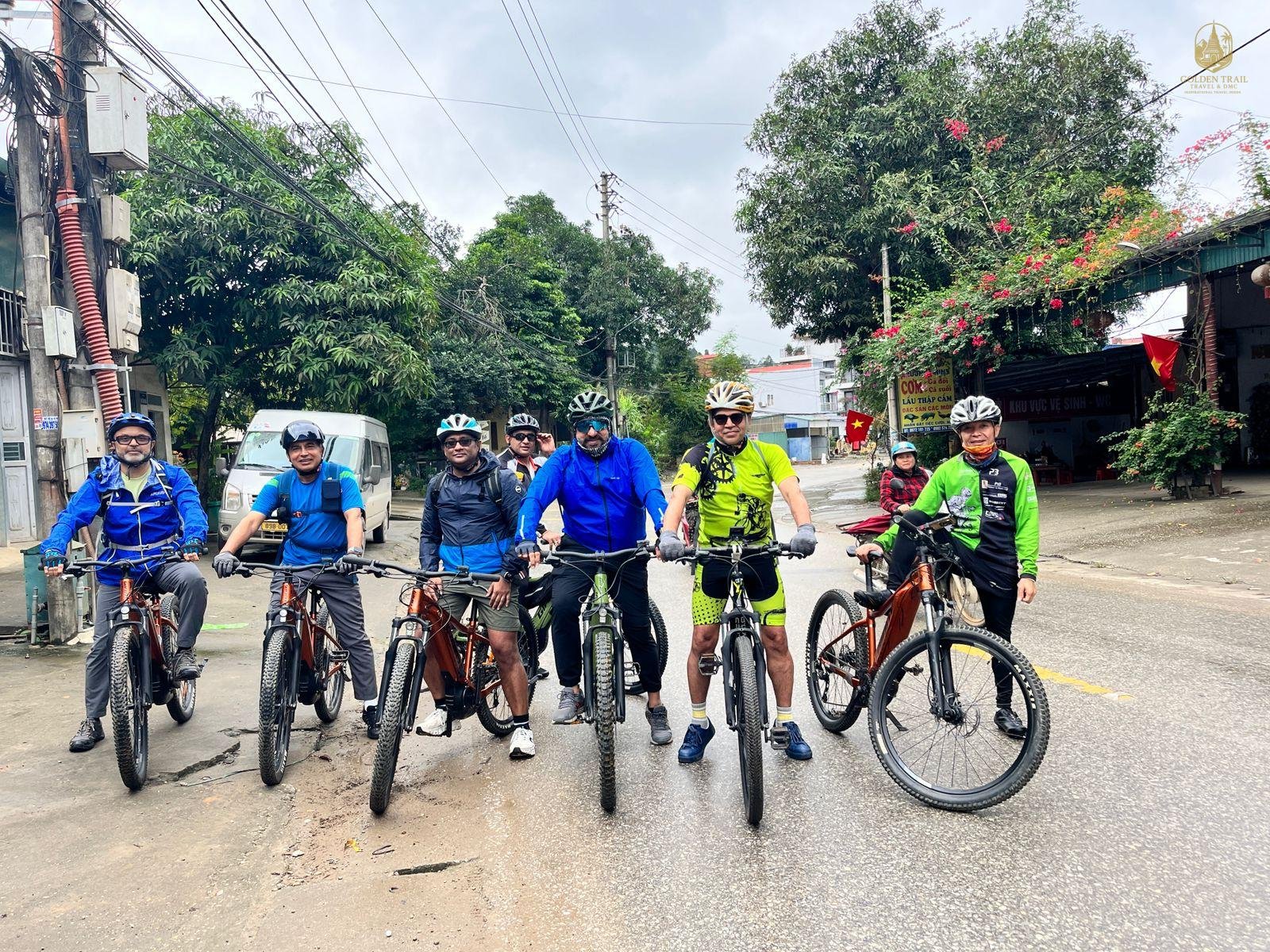
Ha Giang is one of the most extraordinary and visually stunning destinations in Southeast Asia. Located in Vietnam’s far north, near the Chinese border, the region is known for its towering limestone mountains, deep valleys, winding passes, ethnic minority villages and dramatic canyon landscapes. While many travelers explore Ha Giang by motorbike, one of the most rewarding and immersive ways to experience the region is through a Ha Giang bicycle tour.
November 20, 2025