15 Ng. 100 Đ. Nguyễn Xiển, Thanh Xuân Nam, Thanh Xuân, Hà Nội 100000

15 Ng. 100 Đ. Nguyễn Xiển, Thanh Xuân Nam, Thanh Xuân, Hà Nội 100000
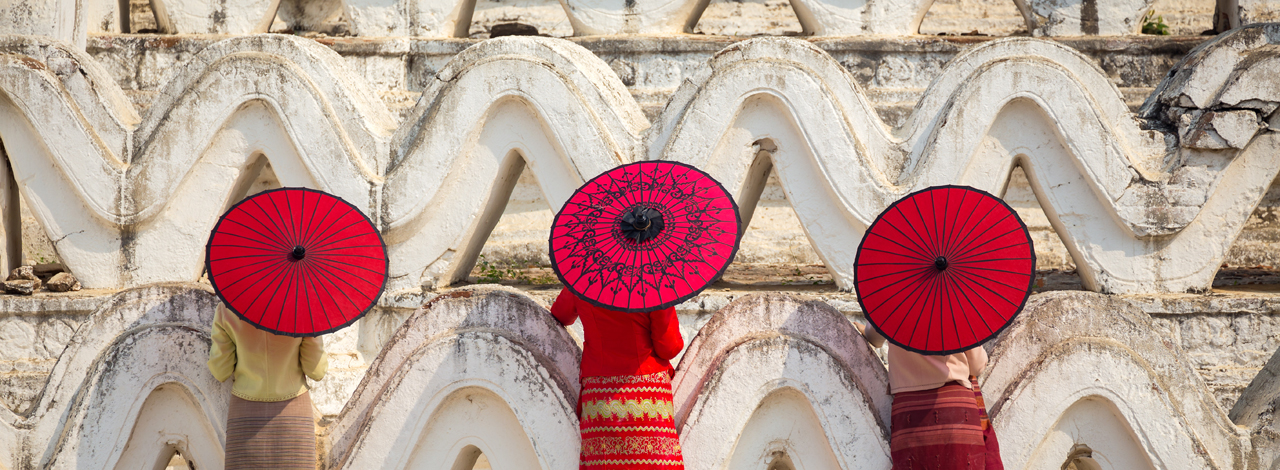
Imagine stepping onto an island where colossal, ancient reptiles, survivors from the age of dinosaurs, roam freely. Where vibrant coral reefs teem with kaleidoscopic marine life beneath crystal-clear waters, and volcanic islands rise dramatically from the sea, painted with unique pink beaches and sweeping savannahs. Welcome to Komodo National Park, a truly extraordinary corner of Indonesia, a UNESCO World Heritage Site, and one of the New7Wonders of Nature.
More than just the realm of the legendary Komodo dragon, this national park is a masterpiece of biodiversity, a complex tapestry of terrestrial and marine ecosystems. It’s a place where rugged landscapes meet pristine underwater worlds, offering an unparalleled adventure for nature enthusiasts, divers, photographers, and those seeking an encounter with the wild. From trekking through dry savannahs in search of the world's largest lizard to diving among manta rays and vibrant coral gardens, Komodo National Park promises an expedition into a primal paradise unlike any other.
This comprehensive guide will transport you to the heart of Komodo National Park, delving into the fascinating world of its namesake dragons, exploring the breathtaking beauty of its islands and underwater realms, and providing essential insights for planning your own unforgettable journey. Prepare to discover a destination where ancient wonders and pristine nature converge, creating an experience that truly redefines "wild."
The undisputed stars of Komodo National Park are its magnificent, formidable, and awe-inspiring Komodo dragons (Varanus komodoensis). These living relics from a bygone era are found nowhere else on Earth in the wild, making an encounter with them a truly unique privilege.
Largest Living Lizard: Komodo dragons are the largest and heaviest lizards on the planet. Adult males can reach lengths of up to 3 meters (10 feet) and weigh over 90 kilograms (200 pounds). Their sheer size is immediately striking.
Appearance: They possess a muscular, scaly body, a long, powerful tail (as long as their body), strong clawed legs, and a wide, flat head with a round snout. Their skin is typically a dark, earthy brown or grayish-black, providing excellent camouflage in their dry, rocky habitats.
Unique Tongue: They have a long, forked yellow tongue that they constantly flick to "taste" the air, helping them detect prey from miles away, similar to snakes.
Habitat within the Park: Komodo dragons are found on only a few islands within the national park: primarily Komodo Island, Rinca Island, Gili Motang, and Nusa Kode. A small population also exists on the larger island of Flores, just outside the park boundaries. They prefer hot, dry, open savannahs, tropical forests, and beaches.
Komodo dragons are apex predators, sitting at the top of their food chain within their ecosystem.
Carnivorous Diet: Their diet consists mainly of carrion (scavenging on dead animals) but they are also active hunters, preying on deer, wild boar, water buffalo, monkeys, and even smaller dragons.
Ambush Predators: They are primarily ambush predators, patiently waiting for unsuspecting prey to pass by. Despite their size, they can reach speeds of up to 20 km/h (12 mph) in short bursts.
Venomous Bite (Controversy & Research): For a long time, it was believed that the dragons' deadly bite was due to highly septic bacteria in their saliva. However, recent research has confirmed that Komodo dragons possess venom glands in their lower jaw. This venom contains anticoagulant properties, causing rapid blood loss, shock, and preventing clotting, leading to a swift demise for their prey.
Olfactory Senses: Their keen sense of smell, aided by their forked tongue, is their primary tool for detecting prey, even from several kilometers away.
Parthenogenesis: Remarkably, female Komodo dragons are capable of parthenogenesis, meaning they can reproduce asexually, without a male, producing viable offspring. This adaptation is crucial for their survival in isolated island environments.
Lifespan: In the wild, Komodo dragons can live for up to 30 years.
Visiting Komodo dragons requires strict adherence to safety protocols.
Mandatory Ranger Guides: All visitors must be accompanied by a trained national park ranger (or "Komodo dragon whisperer") at all times. The rangers are highly experienced in tracking and observing dragons safely.
Safety Precautions: Rangers carry forked sticks to maintain distance from the dragons. Visitors are instructed to stay close to the group, avoid sudden movements, and never approach a dragon on their own.
Women & Menstruation: Female visitors who are menstruating are often advised to report it to their ranger, as dragons are believed to have a keen sense of smell for blood and could potentially be attracted. Some guides advise against visiting during this time for safety reasons, though this remains a point of discussion.
Viewing Locations: The most common places to see Komodo dragons are on Komodo Island (at Loh Liang ranger station) and Rinca Island (at Loh Buaya ranger station). Rinca often offers more guaranteed sightings due to its more open landscape.
Despite their fearsome nature, Komodo dragons are a vulnerable species.
Vulnerable Status: Classified as "Vulnerable" on the IUCN Red List, their limited habitat and relatively small population make them susceptible to threats.
Threats:
Habitat Loss: Encroachment from human settlements and activities.
Prey Decline: Reduction in the population of deer and wild boar, their primary food sources.
Poaching: Although protected, illegal poaching of their prey still occurs.
Climate Change: Changes in rainfall patterns and rising sea levels pose long-term threats to their dry, island habitats.
Conservation Efforts: Komodo National Park was established precisely to protect these unique reptiles and their ecosystem. Strict regulations on tourism, anti-poaching efforts, and habitat preservation are continuously implemented.
An encounter with a Komodo dragon is a humbling experience, a rare chance to witness a truly ancient and powerful creature in its natural environment, reminding us of the wild beauty that still exists on our planet.
Komodo National Park is much more than just the home of its famous dragons. It is a globally significant natural wonder, recognized for its extraordinary biodiversity, unique geological formations, and vital ecosystems, both on land and beneath the waves.
Lesser Sunda Islands: The park is located in the Lesser Sunda Islands region of Indonesia, within the province of East Nusa Tenggara (Nusa Tenggara Timur). It lies between the larger islands of Sumbawa to the west and Flores to the east.
Volcanic Origin: The islands within the park are primarily of volcanic origin, characterized by rugged hills, dry savannahs, and dramatic coastlines. Their formation has resulted in a diverse range of terrestrial habitats and unique geological features.
Meeting of Oceans: The park sits at a crucial marine crossroads, where the warm waters of the Pacific Ocean meet the cooler, nutrient-rich waters of the Indian Ocean. This confluence creates exceptionally strong currents but also fuels an incredibly vibrant and diverse marine ecosystem.
The park encompasses several islands, each offering a distinct experience:
Komodo Island: The largest island within the park and one of the primary habitats for Komodo dragons. It features dry savannahs and some patches of tropical forest.
Rinca Island: Smaller than Komodo Island, but often a more reliable spot for seeing Komodo dragons due to its more open, accessible terrain near the ranger station (Loh Buaya).
Padar Island: Famous for its iconic panoramic views, showcasing three distinct crescent-shaped beaches (white, pink, and black sand) separated by rolling hills. No Komodo dragons here, but breathtaking scenery.
Gili Motang & Nusa Kode: Smaller islands that also host Komodo dragon populations, typically visited on longer liveaboard trips.
Numerous Smaller Islands: The park includes countless other small islands and islets, many of which are uninhabited and contribute to its pristine marine environment.
Komodo National Park received its prestigious UNESCO World Heritage designation in 1991, recognizing its outstanding universal value for several reasons:
Biological Evolution: It is the only place on Earth where the Komodo dragon, a living fossil, exists in its natural habitat, representing a crucial stage in evolutionary theory.
Unique Ecosystems: The park protects a unique combination of terrestrial and marine ecosystems, from dry savannahs and monsoon forests to vibrant coral reefs, seagrass beds, and mangrove forests.
Outstanding Biodiversity: Beyond the dragons, the park is home to a rich array of endemic species and diverse flora and fauna, particularly its unparalleled marine biodiversity.
In addition to its World Heritage status, Komodo National Park is also designated as a Biosphere Reserve, emphasizing its role in promoting sustainable development based on local community efforts and sound science, while conserving biodiversity.
While the dragons are the main draw, the islands' terrestrial ecosystems support other fascinating wildlife:
Deer (Timor Deer): The primary prey for Komodo dragons.
Wild Boar: Another common prey animal.
Water Buffalo: Found on some islands, a larger prey source.
Monkeys (Long-tailed Macaques): Common along the coastlines.
Numerous Bird Species: Including the yellow-crested cockatoo, megapode, and white-bellied sea eagle.
Reptiles: Various snakes and other lizards.
The marine environment of Komodo National Park is just as, if not more, spectacular than its terrestrial counterpart. The strong currents, fueled by the exchange between two oceans, bring an abundance of nutrients, supporting a thriving underwater world.
Coral Reefs: Extensive and incredibly healthy coral reefs, both hard and soft corals, with a stunning array of colors and formations.
Fish Species: Home to over 1,000 species of fish, from tiny reef fish to large pelagics.
Mega Fauna: Famous for regular sightings of manta rays, reef sharks (blacktip, whitetip), various species of turtles (green, hawksbill, olive ridley), dugongs (sea cows), and occasionally dolphins and whales.
Macro Life: For macro photography enthusiasts, the park also offers an incredible variety of smaller creatures like nudibranchs, frogfish, pygmy seahorses, and various crustaceans.
Seagrass Beds & Mangroves: Crucial habitats for many marine species, including dugongs and juvenile fish.
Komodo National Park is a testament to the power of nature, a place where unique evolutionary paths have created a landscape teeming with life, recognized globally for its immense value.
While the Komodo dragons capture immediate attention, the marine environment of Komodo National Park is equally, if not more, spectacular. It is widely regarded as one of the world's premier diving and snorkeling destinations.
The park's location at the confluence of the Pacific and Indian Oceans creates unique conditions that foster incredible marine biodiversity, making it a diver's dream.
Strong Currents (and nutrient-rich waters): Komodo is renowned for its strong, often challenging, currents. These currents, while requiring experienced divers, are precisely what bring in the nutrient-rich waters that support the vast amount of marine life. Dive operators are highly experienced in navigating these currents safely.
Visibility: Water visibility is generally excellent, often reaching 20-40 meters (65-130 feet), allowing for clear views of the vibrant underwater world.
Dive Sites for All Levels: While some sites are for advanced divers only, there are plenty of beautiful, sheltered sites suitable for beginners and intermediate divers.
Manta Point (Karang Makassar): The most famous site, almost guaranteeing encounters with majestic manta rays as they gather at cleaning stations or feed on plankton. Divers typically snorkel or drift dive here.
Batu Bolong: Meaning "hollow rock," this is a small pinnacle that breaks the surface. Below, it plunges to depths of over 70 meters. Known for incredible coral formations, swarms of fish, reef sharks, turtles, and strong currents on either side.
Castle Rock & Crystal Rock: Pinnacles known for large schools of fish (jacks, barracudas, fusiliers), reef sharks, giant trevally, and strong currents. These are thrilling drift dives.
Siaba Besar & Siaba Kecil: Known as "Turtle City" for their abundance of green and hawksbill turtles. Siaba Besar has a sandy slope, ideal for beginner divers and macro life. Siaba Kecil is a drift dive with beautiful corals.
Pink Beach (Pantai Merah): Excellent house reef for snorkeling and a popular introductory dive site with gentle currents.
Cannibal Rock: Located near Rinca, this site boasts an incredible variety of macro life, including nudibranchs, frogfish, and rare invertebrates, along with beautiful soft corals.
Yellow Wall: Famous for its stunning yellow soft corals and macro life.
Cauldron (Shotgun): A thrilling drift dive with a narrow channel that creates a "shotgun" effect, propelling divers through a burst of fish and pelagics.
You don't need to be a certified diver to experience the magic of Komodo's underwater world. Snorkeling opportunities are abundant and incredibly rewarding.
Vibrant Coral Gardens: Many shallow areas boast pristine and healthy coral reefs, easily accessible directly from boats or beaches.
Abundant Fish Life: Snorkelers will encounter a kaleidoscope of colorful reef fish, clownfish, parrotfish, angelfish, and often turtles.
Manta Ray Encounters: Manta Point is a fantastic snorkeling spot for mantas, as they often feed close to the surface.
Pink Beach (Pantai Merah): The house reef here is excellent for snorkeling, with healthy corals and diverse fish just a few meters from shore.
Taka Makassar: A tiny, crescent-shaped sandbar that appears and disappears with the tide, surrounded by shallow, clear waters perfect for spotting small sharks and rays.
Kanawa Island & Kelor Island: Both offer beautiful, calm bays with excellent snorkeling directly from their beaches.
Liveaboards: For serious divers and those who want to maximize their time underwater and visit more remote dive sites, a multi-day liveaboard boat trip (ranging from 2-day/1-night to 7-day/6-night or longer) is the ultimate choice. They offer more dives, access to far-flung sites, and the experience of living on the water.
Day Trips: For snorkelers, casual divers, or those with less time, day trips from Labuan Bajo are popular. These typically visit 2-3 dive/snorkeling sites and often include a land visit to Komodo or Rinca Island and Padar Island.
The underwater realm of Komodo National Park is a vibrant, thriving ecosystem, a testament to conservation efforts, and an unforgettable playground for anyone seeking aquatic adventures.
Beyond the iconic dragons and the vibrant underwater world, Komodo National Park offers stunning terrestrial landscapes, making island hopping and trekking essential components of any visit. Each island has its unique charm and photo opportunities.
Padar Island is arguably the most famous and photographed island in Komodo National Park after Komodo and Rinca, known for its utterly breathtaking panoramic viewpoint.
Iconic Trek: The primary activity on Padar is a relatively steep, but well-maintained, trek to its summit. The path consists of wooden steps and dirt trails.
Panoramic Views: From the top, you are rewarded with an incredible 360-degree vista of four distinct crescent-shaped beaches, each with a different color (white, pink, and black sand), separated by rolling, grassy hills and the turquoise sea. This iconic view is unique to Padar.
Dramatic Landscape: The landscape is primarily dry savannah, particularly during the dry season, giving the island a rugged, primal feel.
Photography: It's a photographer's paradise, especially during sunrise or sunset, when the light paints the hills in golden hues.
No Komodo Dragons: Unlike Komodo and Rinca, Padar Island does not have a population of Komodo dragons, making the trekking experience safer and more relaxed.
The climb usually takes 20-40 minutes, depending on fitness level, and is best done in the early morning to avoid the midday heat.
Rinca Island is often the preferred choice for many visitors seeking Komodo dragon encounters due to its more open terrain and often more frequent sightings.
Loh Buaya Ranger Station: This is the main entry point and ranger station on Rinca.
Easier Trekking: The treks on Rinca are generally shorter and less strenuous than those on Komodo Island, making it a good option for all fitness levels. Rangers offer short (1-hour), medium (1.5-hour), and long (2-hour) routes.
Guaranteed Sightings: Dragons are often seen near the ranger station, drawn by the smell of human activity, or lounging under the raised ranger huts.
Open Savannah: The landscape of Rinca is characterized by vast, dry savannahs dotted with lontar palms, offering excellent visibility for spotting wildlife.
Other Wildlife: You'll also likely see deer, wild boar, monkeys, and water buffalo.
Komodo Island is the largest island in the park and the original home of the Komodo dragons, where they were first "discovered" by Westerners.
Loh Liang Ranger Station: The main entry point, similar to Rinca, with a visitor center and a small museum.
Longer Treks: Trekking options here can be longer and more varied, leading through dry forests and savannahs.
More Tourist Infrastructure: Komodo Island has a slightly more developed tourist infrastructure with a small village (Kampung Komodo) and local souvenir stalls.
Pink Beach Access: The famous Pink Beach is located on Komodo Island and is often visited immediately after a dragon trek.
Located on Komodo Island, Pink Beach is one of only a handful of pink beaches in the world and is a highlight for many visitors.
Unique Color: The sand's distinctive pink hue comes from microscopic red foraminifera (tiny marine organisms) that grow on coral reefs and are then washed ashore and mixed with white sand.
Snorkeling Haven: The waters off Pink Beach are crystal clear, with a healthy coral reef teeming with colorful fish, making it an excellent spot for snorkeling directly from the shore.
Photography: A beautiful spot for photography, especially contrasting the pink sand with the turquoise water and green hills.
Often the final stop on many multi-island tours, Kanawa Island offers a tranquil escape.
White Sand Beach: Boasts a beautiful, long stretch of pristine white sand.
Excellent Snorkeling: The house reef around the jetty is fantastic for snorkeling, with abundant fish and some coral.
Relaxation: Perfect for swimming, sunbathing, or simply relaxing after a day of adventure. It also has a small resort.
Kelor Island is a small, uninhabited island usually visited as the first or last stop on day trips from Labuan Bajo due to its proximity.
Short Hike: A relatively short but steep climb to the summit offers fantastic panoramic views of the surrounding turquoise waters and nearby islands.
Swimming & Snorkeling: The clear, calm waters around Kelor are perfect for a refreshing swim and some light snorkeling.
Evening Attraction: Kalong Island is typically visited around sunset.
Flying Fox Colony: As the sun dips below the horizon, thousands of flying foxes (large fruit bats) emerge from the mangrove forests of Kalong Island and stream across the sky in search of fruit on Flores, creating an incredible natural spectacle. It's a truly unique and memorable way to end a day of island hopping.
Island hopping through Komodo National Park offers a diverse array of experiences, from thrilling wildlife encounters to breathtaking landscapes and serene beach relaxation, making every moment of your journey an adventure.
Labuan Bajo, once a sleepy fishing village on the western tip of Flores Island, has transformed into the bustling and vibrant gateway to Komodo National Park. It's the essential starting point for virtually all trips into the park, providing all the necessary infrastructure for tourists.
Growth: In recent years, Labuan Bajo has experienced rapid development, driven by the increasing popularity of Komodo National Park. It's still growing, with new hotels, restaurants, and tour operators constantly emerging.
Vibe: Despite its growth, it retains some of its laid-back charm, with a busy harbor, colorful fishing boats, and friendly locals.
Komodo Airport (LBJ): This is the main airport, connecting Labuan Bajo with major Indonesian cities like Denpasar (Bali) and Jakarta. Flights are frequent, making access relatively easy.
Harbor (Pelabuhan Labuan Bajo): The main harbor is the embarkation point for all Komodo National Park tours, whether day trips or multi-day liveaboards. It's a hive of activity in the mornings as boats prepare for departure.
Labuan Bajo offers a wide range of accommodation to suit every budget:
Budget-Friendly: Numerous hostels and guesthouses catering to backpackers.
Mid-Range: A growing number of comfortable hotels and resorts with pools and sea views.
Luxury: High-end resorts and boutique hotels, often located just outside the main town for more tranquility and exclusive amenities.
Seafood Focus: Given its coastal location, fresh seafood is a staple. Many restaurants along the waterfront specialize in grilled fish and other marine delights.
International Cuisine: A diverse culinary scene has emerged, offering Indonesian, Western, and other Asian cuisines.
Cafes & Bars: A good selection of cafes for coffee and snacks, and bars for evening drinks, often with live music.
Night Market: A bustling night market offers affordable local street food and fresh seafood BBQ.
Dive Shops: Numerous PADI and SSI certified dive centers offer courses, fun dives, and gear rental.
Tour Operators: A plethora of tour operators, like Golden Trail Travel, specialize in arranging Komodo National Park tours, from single-day excursions to multi-day liveaboards.
ATMs & Banks: Several ATMs are available, but it's always wise to carry some cash, especially for smaller purchases.
Pharmacies & Clinics: Basic medical facilities are available.
Labuan Bajo is more than just a transit point; it's a vibrant town that serves as the essential launchpad for your extraordinary adventure into the wild heart of Komodo National Park.
Embarking on a journey to Komodo National Park requires some planning to ensure a smooth, safe, and unforgettable experience.
Your choice of tour will significantly impact your experience and budget.
Day Trips (Speedboat/Open Deck Boat):
Speedboat: Fastest option, allowing you to visit Komodo/Rinca, Padar, and Pink Beach (and sometimes Manta Point) in one full day. More expensive, but maximizes time.
Open Deck Wooden Boat: Slower and more budget-friendly. Usually visits fewer spots, perhaps Komodo/Rinca and one other island.
Ideal for: Those with limited time or who get seasick easily on longer journeys.
Liveaboards (Multi-Day Cruises):
Phinisi Boats: Traditional Indonesian wooden sailing vessels, often beautifully crafted, offering a range of luxury levels from budget to high-end.
Duration: Typically 2-day/1-night to 5-day/4-night (or longer for serious divers).
Ideal for: Serious divers, those wanting to visit more remote islands and dive sites, or anyone looking for a comprehensive, immersive experience away from the crowds. Meals and accommodation are included.
Private Charters:
Customizable: You charter an entire boat (speedboat or wooden boat) for your group, allowing complete flexibility in itinerary, timing, and activities.
Ideal for: Families, groups of friends, photographers, or those seeking a truly personalized and exclusive experience.
Dry Season (April to December): Generally considered the best time to visit.
Weather: Sunny days, minimal rainfall, and calmer seas, ideal for boating, trekking, and clear underwater visibility for diving/snorkeling.
Dragon Activity: Dragons are more active (and therefore easier to spot) during the dry season, as their prey gathers around water sources.
Manta Rays: Manta sightings are also generally good during this period.
Wet Season (January to March):
Weather: Higher rainfall (can be heavy but often short bursts), rougher seas (can impact boat schedules), and higher humidity.
Lush Landscapes: The savannahs are greener and more lush after the rain, a different kind of beauty.
Fewer Crowds: Fewer tourists during this period.
Sun Protection: High SPF sunscreen, wide-brimmed hat, sunglasses, rash guard/long-sleeve shirt (for sun protection while snorkeling/swimming). The sun is intense.
Swimwear: For all the snorkeling and swimming opportunities.
Comfortable Trekking Shoes/Sandals: Essential for island treks (Padar, Komodo, Rinca). Avoid flip-flops for serious trekking.
Lightweight Clothing: Breathable fabrics (quick-drying) are best for the tropical climate.
Water Bottle: Reusable is best to reduce plastic waste.
Camera Gear: Underwater camera (GoPro), dry bag for electronics, extra batteries.
Small Backpack: For day excursions.
First Aid Kit: Basic medications, motion sickness pills, antiseptic, bandages.
Insect Repellent: Especially for evenings if staying on land or on a non-enclosed boat.
Cash: For park fees, ranger tips, local purchases. ATMs are only in Labuan Bajo.
Komodo National Park Entrance Fee: All visitors must pay a national park entrance fee (varies for weekdays vs. weekends and for foreigners vs. locals).
Ranger Fee: A mandatory fee for the ranger guide on Komodo and Rinca islands.
Activities Fees: Additional fees for activities like snorkeling, diving, or trekking might apply, often included in tour packages.
Conservation Levy: A portion of the fees goes towards park conservation efforts.
Hydration: Drink plenty of water to avoid dehydration.
Sunstroke: Be aware of the intense sun and take breaks in the shade.
Motion Sickness: If prone to seasickness, take medication before boat trips.
Malaria/Dengue: While the risk is generally low in tourist areas, particularly on the islands, consider mosquito repellent. Consult your doctor for specific advice on malaria prophylaxis if traveling during the wet season or spending extensive time in rural Flores.
First Aid: Tour boats usually have basic first aid, but carry your own personal kit.
Emergency Contacts: Ensure your tour operator has emergency contacts.
Planning meticulously will allow you to fully immerse yourself in the wonders of Komodo National Park, creating memories that will last a lifetime.
Komodo National Park is a jewel of global biodiversity, and its continued existence relies heavily on robust conservation efforts and the practice of responsible tourism.
Poaching: Illegal hunting of deer and wild boar (Komodo dragon prey) directly impacts the dragon population. Poaching of fish within the marine protected area also poses a threat.
Illegal Fishing Practices: Destructive fishing methods, such as dynamite fishing and cyanide fishing, were historically prevalent and have severely damaged coral reefs. While largely suppressed, vigilance is ongoing.
Habitat Degradation: Human settlements within and around the park, coupled with potential deforestation or unsustainable resource extraction, can degrade terrestrial habitats.
Plastic Pollution: Like many coastal areas globally, the park faces challenges from plastic waste, which can harm marine life and spoil the pristine environment.
Tourism Impact: While vital for funding, poorly managed tourism can lead to stress on wildlife (e.g., dragons habituating to humans, coral damage from irresponsible snorkeling/diving, litter).
Climate Change: Rising sea temperatures threaten coral reefs (bleaching), and changes in rainfall patterns can impact the dry terrestrial ecosystems and dragon prey.
Komodo National Park authorities, along with various conservation organizations, are actively involved in:
Strict Protection Laws: Rigorous enforcement of laws against poaching, illegal fishing, and environmental destruction.
Ranger Patrols: Constant land and sea patrols by park rangers.
Community Engagement: Working with local communities to raise awareness, provide alternative livelihoods, and involve them in conservation efforts.
Coral Reef Restoration: Projects aimed at rehabilitating damaged coral reefs.
Waste Management: Initiatives to improve waste collection and recycling, particularly on boats and islands.
Tourism Management: Implementing visitor quotas, designated pathways, and mandatory ranger escorts to minimize human impact on the dragons and other wildlife.
Scientific Research: Ongoing research to better understand the Komodo dragon population, marine ecosystems, and the impacts of environmental change.
Every visitor to Komodo National Park has a crucial role to play in its preservation.
Adhere to Park Rules: Always follow the instructions of your park ranger and boat crew. This includes staying on designated paths, maintaining distance from wildlife, and not touching or feeding animals.
No Littering: Absolutely do not litter. Bring your trash back to Labuan Bajo for proper disposal. Consider bringing a reusable water bottle.
Responsible Diving/Snorkeling: Do not touch, stand on, or break corals. Maintain buoyancy while diving to avoid contact. Do not harass marine life. Use reef-safe sunscreen.
Support Local, Ethical Businesses: Choose tour operators (like Golden Trail Travel) that demonstrate a commitment to sustainable practices, fair wages for locals, and direct contributions to conservation.
Minimize Single-Use Plastics: Avoid buying plastic bottles, bags, and straws.
Respect Wildlife: Do not make loud noises or sudden movements around Komodo dragons or other wildlife. Give them space.
No Souvenirs from Wildlife: Do not purchase any souvenirs made from protected wildlife (e.g., shells, coral).
By being a responsible and conscious traveler, you directly contribute to the long-term health and extraordinary beauty of Komodo National Park, ensuring its marvels can be enjoyed by future generations.
Venturing into the wild heart of Komodo National Park demands careful planning, logistical precision, and a deep understanding of its unique environment and delicate ecosystems. This is where Golden Trail Travel becomes your invaluable partner, transforming a dream into a seamless, enriching, and responsible reality.
Golden Trail Travel specializes in crafting unforgettable and authentic travel experiences throughout Indonesia, with particular expertise in navigating the wonders of Komodo National Park. They are committed to showcasing the park's unparalleled natural beauty and incredible wildlife while ensuring a positive impact on local communities and the environment.
Golden Trail Travel offers comprehensive services that elevate your Komodo National Park adventure, including:
Tailored Tour Packages: Whether you're seeking a thrilling day trip by speedboat, an immersive multi-day liveaboard diving expedition, or a customized private charter, Golden Trail Travel can design the perfect itinerary to match your interests, budget, and desired level of adventure.
Seamless Logistics & Transfers: From arranging convenient flights to Labuan Bajo to providing comfortable hotel transfers and coordinating all boat movements within the park, they handle every logistical detail. This means no stress, just pure enjoyment as you focus on the dragons and marine life.
Experienced & Knowledgeable Guides: Their professional, English-speaking guides are not just escorts; they are local experts who can provide fascinating insights into the Komodo dragons, the park's diverse ecosystems, and the rich local culture. They prioritize your safety and enhance your understanding of this unique environment.
Guaranteed Park Permits & Fees: Navigate the complexities of park entrance fees, ranger fees, and activity permits effortlessly. Golden Trail Travel ensures all necessary permits are secured in advance, allowing for smooth entry and hassle-free exploration.
Access to Top Sites: Their itineraries are designed to include the most iconic and breathtaking spots, from encounters with Komodo dragons on Rinca or Komodo Island to trekking on Padar Island, snorkeling at Pink Beach, and diving at world-renowned sites like Manta Point.
Responsible Travel Commitment: Golden Trail Travel is deeply committed to sustainable and ethical tourism practices. They ensure their tours minimize environmental impact, support local communities, and promote respectful interactions with wildlife and sacred sites.
Hassle-Free Booking: Their user-friendly website provides clear tour descriptions, transparent pricing, and a secure online booking system, making the planning process straightforward and convenient from anywhere in the world.
Don't just dream of encountering the Komodo dragons or diving in pristine waters. Let Golden Trail Travel turn that dream into an extraordinary reality, providing the seamless and responsible adventure you deserve in Komodo National Park.
Visit their website today to explore their diverse range of Komodo National Park tours and easily book your journey into this primal paradise: https://goldentrailtravel.com/
The best time to visit Komodo National Park is during the dry season, from April to December.
April to June: Often considered ideal as the weather is sunny, seas are calm, and the landscape is still relatively green from the wet season, while dragon activity is picking up.
July to August: Peak season. Excellent weather and marine conditions, but also the most crowded.
September to December: Still dry and sunny with clear waters, and often fewer crowds than peak season. Dragon activity is high as they enter their mating season (July-August) and egg-laying season (September).
Wet Season (January to March): Characterized by higher rainfall, rougher seas (can cause tour cancellations), and higher humidity. However, the landscapes are lush and green, and there are significantly fewer tourists. Manta ray sightings can be good year-round.
Book in Advance: Especially for liveaboards or during peak season (July-August), book your tour and flights to Labuan Bajo well in advance.
Pack Smart: Focus on lightweight, quick-drying clothing, swimwear, sun protection (hat, sunglasses, high SPF sunscreen, rash guard), sturdy shoes for trekking, and an insect repellent.
Secure Belongings: For treks on dragon islands, keep all your valuables (phone, camera) securely in a zippered backpack. Do not carry loose items.
Stay Hydrated: The sun can be intense, especially during treks. Drink plenty of water.
Follow Ranger Instructions: Always listen carefully to your national park ranger. Their knowledge and experience are crucial for your safety around Komodo dragons.
Respect Wildlife: Do not feed, tease, or approach any wildlife. Maintain a respectful distance.
Responsible Snorkeling/Diving: Do not touch corals or marine life. Practice good buoyancy. Use reef-safe sunscreen.
Minimize Plastic Waste: Bring a reusable water bottle. Dispose of all trash properly.
Cash is King (for small purchases): While tour fees are often paid by card, have Indonesian Rupiah (IDR) for tips, small souvenir purchases, or local snacks. ATMs are readily available only in Labuan Bajo.
Consider Travel Insurance: Ensure your insurance covers adventurous activities like diving and any potential medical emergencies in remote areas.
Tipping: Tipping your boat crew and national park rangers is customary and appreciated.
"Komodo National Park exceeded every expectation! Seeing the dragons on Rinca Island was unreal, and Padar Island's view was absolutely breathtaking. We booked a 3-day/2-night liveaboard with Golden Trail Travel, and it was perfectly organized. The boat was comfortable, the crew was fantastic, and our guide was so knowledgeable about the dragons and the marine life. Diving with manta rays was a dream come true!" — Sarah P., Germany
"My trip to Komodo National Park with Golden Trail Travel was the adventure of a lifetime! From the moment we landed in Labuan Bajo, everything was seamless. The day trip speedboat tour hit all the highlights – Komodo Island, Pink Beach, and Padar. The Golden Trail team was professional, friendly, and truly focused on a responsible travel experience. I highly recommend them!" — Liam J., UK
"We came to Komodo specifically for diving, and it did not disappoint. The sheer biodiversity underwater is mind-blowing! Our dive liveaboard was arranged through Golden Trail Travel, and their expertise in selecting dive sites based on conditions was superb. We saw so many sharks, turtles, and, of course, countless mantas at Manta Point. Flawless execution by Golden Trail!" — Emily C., Australia
"I was a bit nervous about seeing the Komodo dragons up close, but our ranger guide on Komodo Island, arranged by Golden Trail Travel, made us feel completely safe and informed. The entire tour, including the trek on Padar, was beautifully paced. Golden Trail Travel truly cares about both the traveler's experience and the park's conservation. Book with confidence!" — David L., USA
"The sunrise hike on Padar Island was unforgettable – the view is even better in real life! Ending the day watching flying foxes from Kalong Island was magical. Golden Trail Travel curated a perfect itinerary for our family. Everything was smooth, from the airport pick-up to the boat journey. Their team was super responsive and helpful. Best travel agency for Komodo!" — Maria G., Netherlands
Q1: What is Komodo National Park famous for? A1: Komodo National Park is famous for being the only place on Earth where Komodo dragons (the world's largest lizards) live in the wild. It's also renowned for its incredibly rich marine biodiversity, vibrant coral reefs, and stunning volcanic island landscapes like Padar Island's viewpoint.
Q2: Where is Komodo National Park located? A2: It is located in East Nusa Tenggara, Indonesia, within the Lesser Sunda Islands, between the larger islands of Sumbawa and Flores. The main gateway town is Labuan Bajo on Flores.
Q3: Which islands can I see Komodo dragons on? A3: Komodo dragons can be seen on Komodo Island (at Loh Liang ranger station), Rinca Island (at Loh Buaya ranger station), Gili Motang, and Nusa Kode. Rinca Island often offers more consistent sightings.
Q4: Is it safe to see Komodo dragons? A4: Yes, it is safe as long as you always follow the instructions of your mandatory national park ranger. Rangers carry forked sticks for safety, and visitors are instructed to stay in a group and maintain a safe distance.
Q5: What are the main activities in Komodo National Park besides seeing dragons? A5: Popular activities include trekking on Padar Island for panoramic views, snorkeling and diving at world-class sites (e.g., Manta Point, Pink Beach), relaxing on unique Pink Beach, and watching the flying foxes at Kalong Island at sunset.
Q6: What is the best time of year to visit Komodo National Park? A6: The dry season (April to December) is generally considered the best time, offering sunny weather, calm seas, and excellent visibility for marine activities. Dragon activity is also high during this period.
Q7: How do I get to Komodo National Park? A7: The primary way is by flying to Komodo Airport (LBJ) in Labuan Bajo from major Indonesian cities like Denpasar (Bali) or Jakarta. From Labuan Bajo, you take a boat tour into the park.
Q8: What types of tours are available for Komodo National Park? A8: You can choose from day trips (by speedboat or wooden boat) from Labuan Bajo, or multi-day liveaboard cruises (on traditional Phinisi boats) that offer a more immersive experience with more diving/snorkeling opportunities and island visits. Private charters are also available.
Q9: Do I need to book tours and flights in advance? A9: Yes, it is highly recommended to book both your flights to Labuan Bajo and your Komodo National Park tour in advance, especially if traveling during peak season (July-August) or opting for a specific liveaboard.
Q10: How can Golden Trail Travel help me plan my Komodo National Park trip? A10: Golden Trail Travel specializes in crafting seamless and unforgettable Komodo National Park adventures. They offer tailored tour packages (day trips, liveaboards, private charters), comfortable transfers, experienced local guides, and handle all park permits and logistics, ensuring a responsible and hassle-free experience. Visit their website at https://goldentrailtravel.com/ to easily book your tour.


Cycling from Vietnam North to South is more than just a bike tour—it’s an unforgettable journey through history, culture, and nature. From misty mountains in the north to sun-kissed beaches in the south, this coast-to-coast ride offers incredible variety, both in terrain and experience.
December 03, 2025
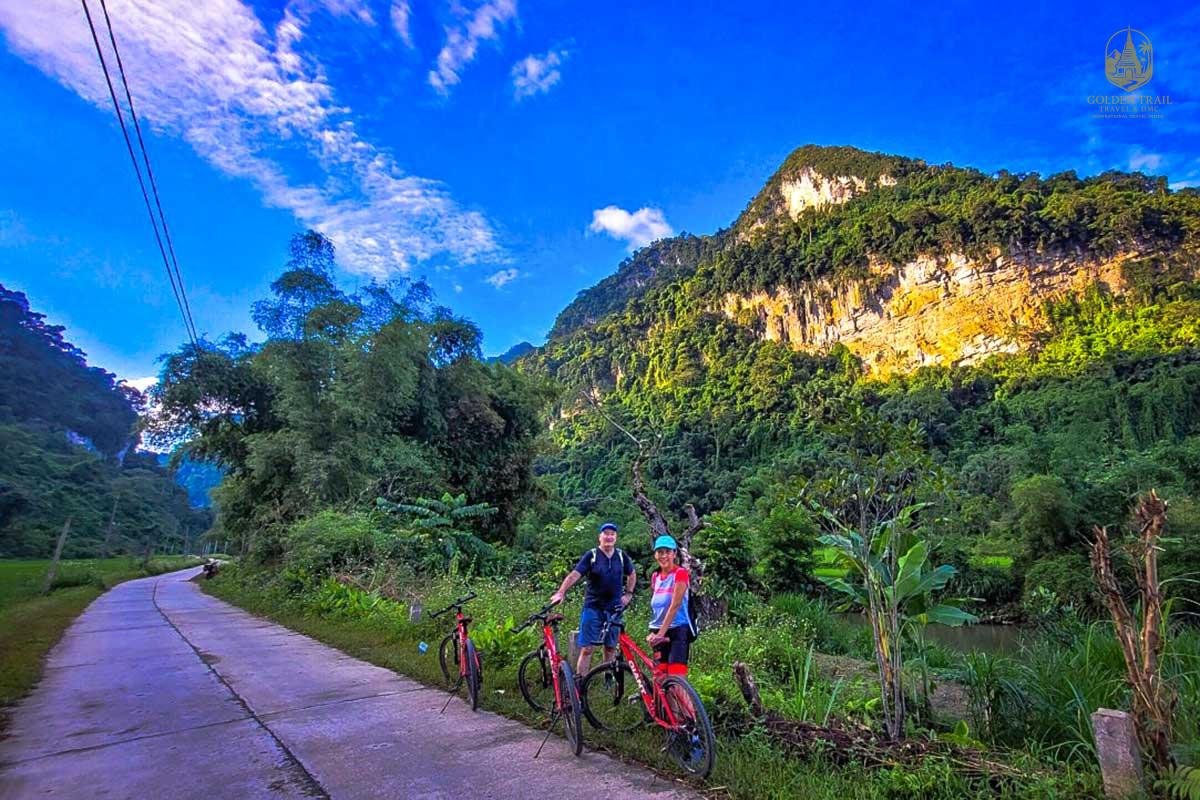
If you're seeking the ultimate off-the-beaten-path cycling experience in Vietnam, look no further than the Hanoi to Ba Be to Cao Bang cycling route. This journey takes you from the bustling capital into the untouched wilderness of the northern highlands, weaving through remote ethnic villages, lush valleys, shimmering lakes, and towering limestone mountains.
December 03, 2025

If you’re looking for a cycling experience that blends majestic landscapes, ethnic culture, and hidden natural wonders, then the Cao Bang cycling 3 days 2 nights itinerary is exactly what you need. Located in Vietnam’s northeast near the Chinese border, Cao Bang is a treasure trove of limestone peaks, rice terraces, waterfalls, and local villages—best discovered on two wheels.
December 03, 2025

Deep in the heart of Cao Bang Province, hidden beneath towering limestone mountains and lush green valleys, lies a natural masterpiece—Nguom Ngao Cave. While many visit this underground wonder by car or bus, the most immersive and rewarding way to experience it is via the Nguom Ngao Cave bike route, a journey that combines scenic cycling, cultural encounters, and the awe of exploring one of Vietnam’s most stunning caves.
December 03, 2025

In the remote highlands of Cao Bang Province, where forested mountains meet ancient trade paths, lies a village that has been crafting tools from fire and steel for more than 300 years. Welcome to Phuc Sen Forging Village, a vibrant cultural destination and living museum of Vietnam’s traditional blacksmithing heritage.
December 03, 2025
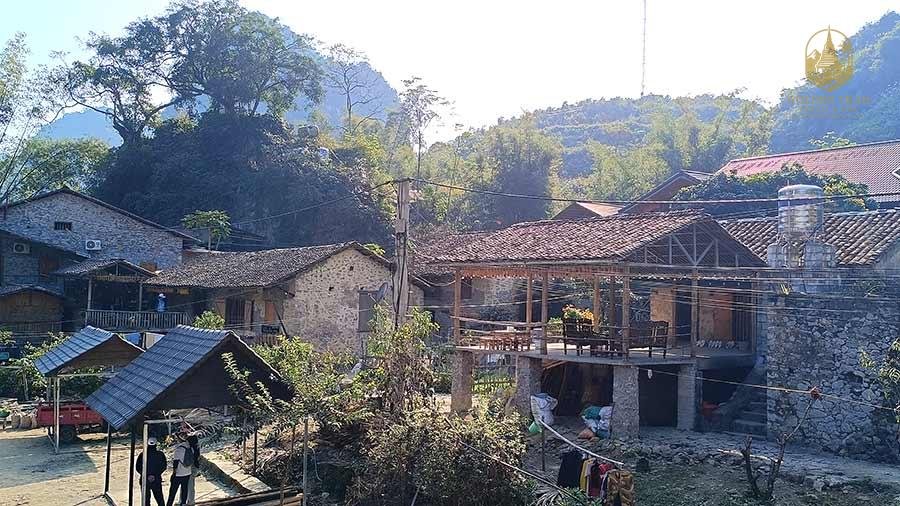
If you're dreaming of a place where time slows down, where tradition lives in every stone, and where hospitality is woven into daily life, then staying at a Khuoi Ky stone village homestay is exactly what you’re looking for. Located in Cao Bang province, just a few kilometers from the majestic Ban Gioc Waterfall, Khuoi Ky is a unique Tay ethnic village famous for its centuries-old stone houses—a rare architectural and cultural gem in Vietnam.
December 03, 2025
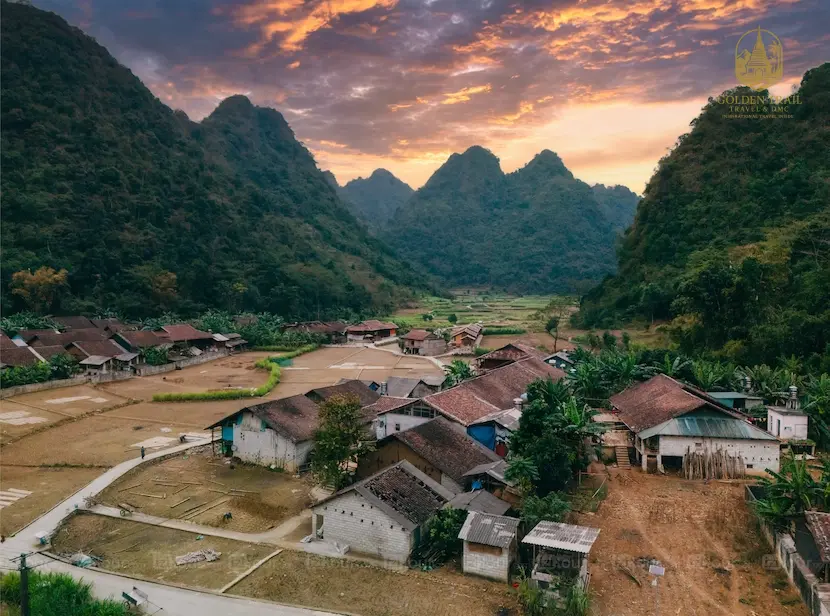
If you're looking for a cycling experience that combines peaceful countryside, authentic craft traditions, and warm cultural encounters, then Phia Thap incense village biking is the perfect choice. Located in Quang Uyen District, Cao Bang province, this small Tay ethnic village is famous for its centuries-old craft of making traditional incense—and offers the ideal setting for a tranquil and immersive ride.
December 03, 2025

For true adventurers seeking the most remote, authentic, and visually stunning cycling journey in Southeast Asia, border belt cycling in Vietnam offers a rare and unforgettable experience. Winding along Vietnam’s rugged northern frontier, this epic route brings you face-to-face with dramatic mountains, borderland culture, misty valleys, and local communities that few travelers ever meet.
December 03, 2025
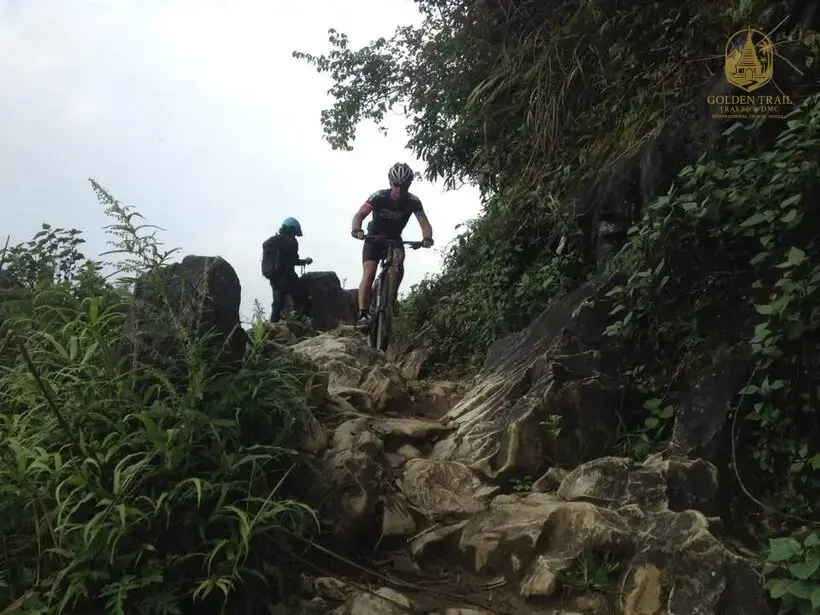
Looking for the ultimate off-the-grid adventure? Off-road cycling in Cao Bang is your gateway to Vietnam’s raw beauty—where limestone peaks pierce the sky, jungle trails wind through ancient valleys, and remote ethnic villages greet you with warm smiles. This is not just a ride. It’s an expedition into one of Vietnam’s least-explored and most stunning provinces.
December 03, 2025

For cyclists seeking a ride that combines striking natural beauty, rich cultural heritage, and smooth mountain roads, Ma Phuc Pass cycling is a must. Located in Cao Bang province, Northern Vietnam, Ma Phuc Pass (Đèo Mã Phục) offers a scenic and rewarding ride through one of the most geologically fascinating regions in Southeast Asia.
December 03, 2025

Tucked away in the remote mountains of Bac Me District, Ha Giang province, Khau Coc Cha Pass is one of Vietnam’s steepest and most spectacular mountain roads. For passionate cyclists in search of a thrilling climb, breathtaking landscapes, and untouched highland culture, the Khau Coc Cha pass cycling route is an unmatched adventure.
December 03, 2025

Located in Cao Bang province, in northern Vietnam near the Chinese border, Non Nuoc Cao Bang UNESCO Global Geopark offers some of the most breathtaking cycling terrain in Southeast Asia. With towering limestone karsts, emerald rivers, deep caves, and ethnic minority villages, this region is a dream for adventurous riders seeking an off-the-beaten-track experience.
December 03, 2025
.jpg "Northeast Vietnam Cycling: Discover Vietnam’s Most Underrated Biking Adventure")
If you're seeking a cycling adventure that offers towering mountains, quiet roads, authentic ethnic villages, and breathtaking natural landmarks, Northeast Vietnam cycling is your ultimate journey. Far from the bustling cities and over-touristed coastal routes, this region is a cyclist’s paradise—raw, remote, and absolutely unforgettable.
December 03, 2025

If there’s one destination in Vietnam that leaves every traveler speechless, it’s Ban Gioc Waterfall. Tucked away on the border between Vietnam and China, this majestic cascade is the centerpiece of a cycling tour like no other.
December 03, 2025

If you're dreaming of a cycling route that combines jaw-dropping scenery, thrilling mountain passes, and authentic cultural encounters, look no further than cycling from Ha Giang to Cao Bang. This legendary journey in Northern Vietnam isn’t just a ride—it’s a life-changing adventure through the most breathtaking highlands of Southeast Asia.
December 03, 2025

Nestled in Vietnam’s mountainous northeast, the Cao Bang cycling loop is a hidden gem waiting to be discovered by adventurous souls. This epic cycling route winds through dramatic karst landscapes, lush valleys, remote ethnic villages, and UNESCO-recognized wonders—offering a once-in-a-lifetime experience for any two-wheel traveler.
December 03, 2025
.webp "Ethnic Minority Villages in Hoàng Su Phi: Where Rice Terraces Meet Living Culture")
Join our Ha Giang trekking tour for an authentic adventure through the breathtaking Hoang Su Phi rice terraces and stay in remote ethnic villages where time seems to slow down.
December 03, 2025
.jpg "12-Day Northern Vietnam Cycling Tour: Mu Cang Chai, Ha Giang & Hoang Su Phi Bike Adventure")
it’s an epic 12-day bike adventure that takes you deep into the heart of the country's most spectacular and remote regions.
December 02, 2025

For travelers looking to combine trekking and biking in a single immersive adventure, Kho Muong village trekking biking offers the perfect opportunity. The terrain is dramatic yet rewarding, with paths that wind through forests, rice terraces, suspension bridges, streams, and ancient karst formations. Whether you want to explore on foot, ride mountain bikes, or combine both for a full adventure, Kho Muong offers routes suitable for all intermediate-level nature explorers
November 29, 2025

Cycling to Pom Coong Village is one of the most rewarding and immersive travel experiences you can enjoy in Mai Chau Valley, northern Vietnam. Whether you are a nature lover, cultural explorer, photography enthusiast, or someone simply seeking peace away from the city, Pom Coong Village offers a perfect blend of scenic beauty, ethnic heritage, and gentle countryside cycling. The village sits in the heart of Mai Chau Valley, surrounded by rice fields, bamboo forests, grazing buffalo, peaceful streams, and traditional Thai stilt houses.
November 29, 2025