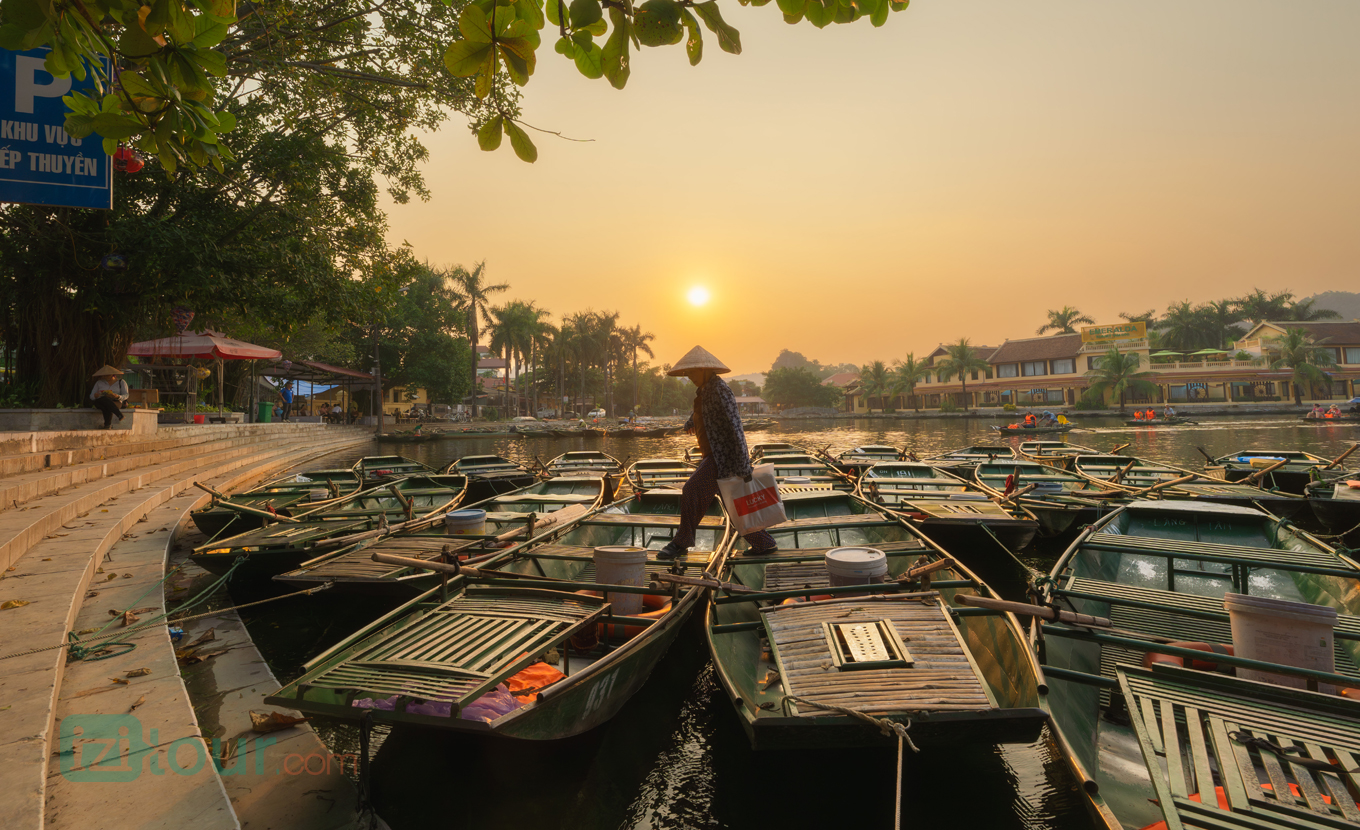
Kalibaru: East Java's Hidden Gem – A Journey Through Lush Plantations and Tranquil Retreats
Step off the beaten path between the volcanic wonders of Mount Bromo and the enchanting blue flames of Ijen, and you'll discover a serene sanctuary nestled in the fertile highlands of East Java: Kalibaru. This charming district, often overlooked by travelers rushing between iconic destinations, is a verdant paradise of sprawling plantations, refreshing mountain air, and a tranquil pace of life that offers a delightful contrast to Indonesia's more bustling locales.
Kalibaru is a testament to East Java's rich agricultural heritage, where vast estates of coffee, cocoa, rubber, and cloves carpet the rolling hillsides. It's a place where you can immerse yourself in the natural world, learn about the journey of your morning brew from bean to cup, explore traditional village life, and simply unwind amidst breathtaking scenery. For those seeking an authentic, unhurried experience, a deeper connection with nature, and a taste of rural Indonesian charm, Kalibaru is a captivating revelation.
This comprehensive guide will lead you through the verdant landscapes and cultural nuances of Kalibaru, exploring its unique plantation tourism, its refreshing natural attractions, its local flavors, and its role as a perfect, peaceful stopover or destination in its own right. Prepare to be charmed by the gentle allure and refreshing tranquility of East Java's hidden gem.
Unveiling Kalibaru: A Legacy of Plantations and Peaceful Living
Kalibaru's identity is deeply rooted in its agricultural abundance and its strategic location, making it a pivotal area for plantation development.
A Land Born from Agriculture
The history of Kalibaru is intrinsically linked to the colonial era, when the Dutch recognized the immense potential of Java's fertile volcanic soils and consistent rainfall for cultivating cash crops. Large-scale plantations for coffee, cocoa, rubber, and cloves were established, transforming the landscape and shaping the local economy. Today, these plantations are not merely economic engines but also tourist attractions, offering fascinating insights into the production of everyday commodities.
-
Coffee: Kalibaru is particularly known for its Arabica and Robusta coffee, with estates stretching as far as the eye can see.
-
Cocoa: The region's cocoa beans contribute to global chocolate production, and visitors can learn about the complex process from pod to ferment.
-
Rubber: Vast rubber trees with their distinctive milky sap are a common sight, highlighting another key agricultural industry.
-
Cloves: The aromatic spice, a staple in Indonesian cuisine and traditional medicine, also thrives in Kalibaru's climate.
The cool, refreshing climate of Kalibaru, thanks to its higher elevation, further enhances its appeal, making it a pleasant retreat from the coastal heat.
The Gentle Rhythm of Rural Life
Unlike the bustling cities or crowded tourist hubs, Kalibaru moves at a gentle, unhurried pace. Life here revolves around the seasons of the crops, the routines of the plantations, and the close-knit communities. Visitors can experience authentic rural Indonesian life, interacting with friendly locals and witnessing traditional farming methods. This peaceful ambiance is a significant part of Kalibaru's charm, offering a genuine sense of escape and tranquility.
Kalibaru's Green Heart: Plantation Tours and Agro-Tourism
The sprawling plantations are the undeniable heart of Kalibaru, offering unique agro-tourism experiences that are both educational and deeply immersive.
PTPN XII (Nusantara Plantation XII) – Kebun Kalibaru
Many of the large plantations in Kalibaru are managed by PTPN XII, a state-owned enterprise, with several estates open for visitors. The most prominent is often simply referred to as Kebun Kalibaru (Kalibaru Plantation).
-
Guided Plantation Tours: These tours are the highlight of a visit to Kalibaru. Knowledgeable local guides lead you through the vast estates, providing fascinating insights into the cultivation, harvesting, and processing of various crops.
-
Coffee Production: Learn about the journey of coffee beans, from the flowering plants to the picking, drying, roasting, and finally, brewing a fresh cup. You'll see different varieties of coffee plants and understand the nuances of their processing.
-
Cocoa Processing: Discover how cocoa pods are harvested, the beans fermented and dried, before they embark on their journey to become chocolate. You might even get to taste fresh cocoa pulp.
-
Rubber Tapping: Witness the traditional method of tapping rubber trees to collect the latex sap, a process that requires skill and precision.
-
Clove Harvesting: Depending on the season, you might observe the harvesting and drying of cloves, filling the air with their distinct aroma.
-
Coffee Cupping and Tasting: Many plantation tours conclude with a coffee tasting session, allowing you to sample freshly brewed local coffee and appreciate the unique flavors derived from Kalibaru's terroir. This is a chance to truly savor the fruits of the land.
-
Factory Visits: Some tours might include visits to small processing factories within the plantations, where you can see the initial stages of coffee roasting, cocoa fermentation, or rubber sheeting.
-
Educational Experience: These tours offer a profound educational experience, connecting you to the source of everyday products and providing a newfound appreciation for the hard work involved in agriculture.
Agritourism Resorts
Several resorts in Kalibaru are built directly within or adjacent to plantations, offering a unique blend of hospitality and agro-tourism.
-
Kalibaru Cottages: A popular choice, often located within a sprawling plantation, offering comfortable accommodation, swimming pools, and easy access to plantation tours. They often have their own coffee shops and provide a tranquil environment.
-
Margo Utomo Agro Resort: Another well-known resort that doubles as an agro-tourism destination. It often features diverse plantations, horse riding, and facilities for learning about traditional farming.
These resorts are perfect for travelers who want to deeply immerse themselves in the plantation experience, waking up to the fresh scent of coffee and exploring the green landscapes right outside their door.
Nature's Embrace: Waterfalls, Rivers & Refreshing Air
Beyond its plantations, Kalibaru is blessed with natural beauty, offering refreshing escapes and opportunities for outdoor activities.
Waterfalls: Hidden Gems in Lush Forests
The mountainous terrain surrounding Kalibaru is home to several beautiful waterfalls, often requiring a short trek through lush forests to reach.
-
Air Terjun Lider: One of the more significant waterfalls in the area, offering a powerful cascade amidst a serene natural setting. Reaching it usually involves a moderate trek, making the reward even more satisfying.
-
Other Local Falls: Many smaller, unnamed waterfalls can be discovered by exploring local trails, providing a sense of private discovery.
These waterfalls are perfect for a refreshing dip, a picnic, or simply enjoying the tranquility of nature away from the main tourist hubs.
Rivers and Streams: Crystal Clear Waters
Kalibaru is crisscrossed by numerous rivers and streams fed by the surrounding mountains. These clear waters are often used by locals for daily activities and offer opportunities for light trekking or simply enjoying the soothing sounds of flowing water. Some areas might offer simple river tubing or swimming opportunities, especially if staying at an agro-resort.
Cycling and Trekking: Exploring the Green Landscape
The quiet roads and trails winding through the plantations and villages make Kalibaru an ideal destination for cycling and trekking.
-
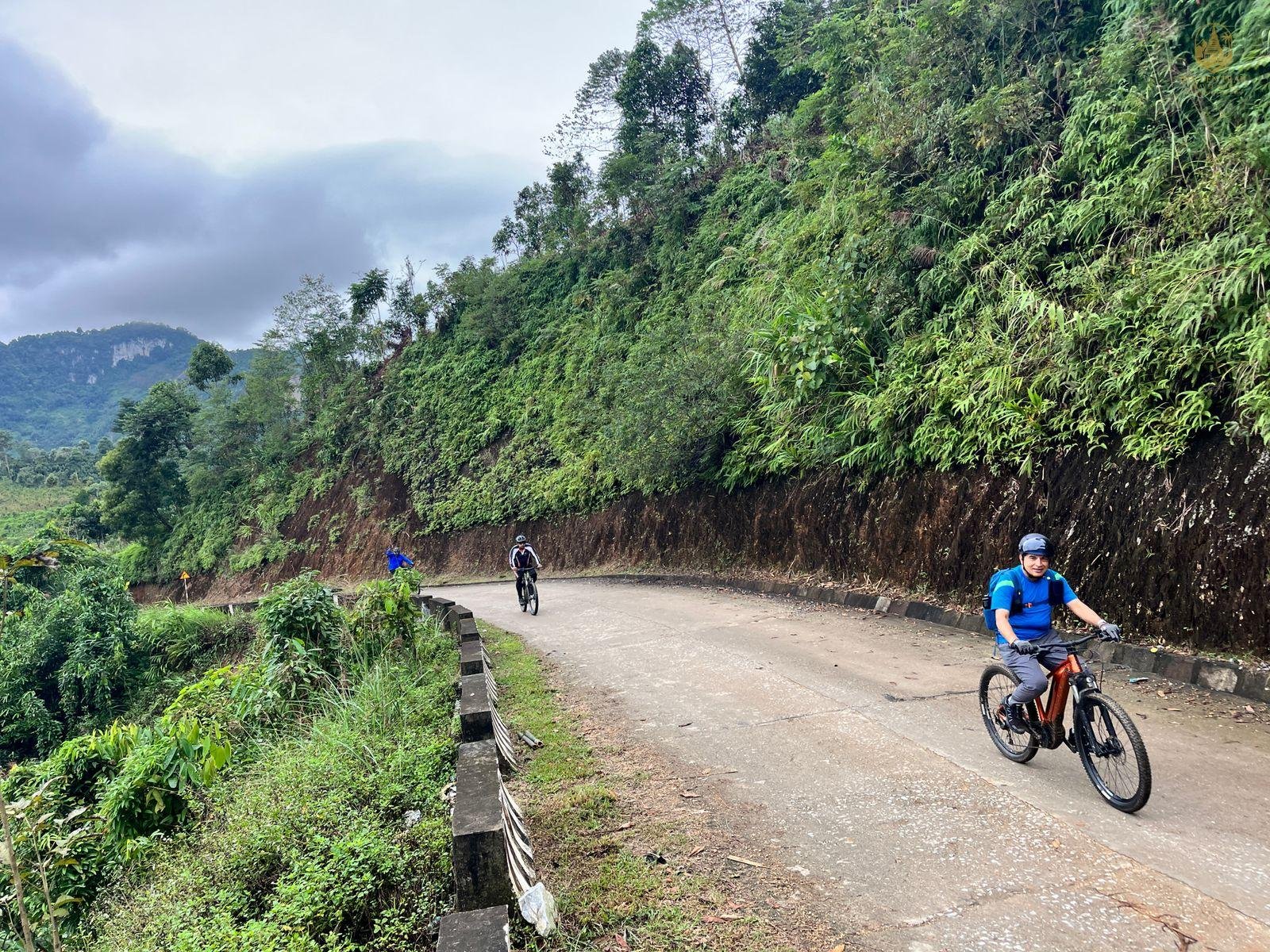
Scenic Rides: Rent a bicycle and pedal through the endless rows of coffee and cocoa plants, enjoying the fresh air and stunning vistas. The relatively gentle slopes make it accessible for various fitness levels.
-
Village Walks: Take leisurely walks through traditional villages, observing local life, interacting with friendly farmers, and discovering hidden corners of the region.
-
Jungle Treks: For more adventurous hikers, local guides can lead you on treks into the surrounding forests, revealing hidden waterfalls, diverse flora, and fauna.
The refreshing mountain air and the constant presence of greenery create a truly invigorating environment for outdoor exploration.
Culinary Delights of Kalibaru: Simple Flavors, Fresh Ingredients
Kalibaru's culinary scene is characterized by its simplicity, freshness, and the use of local ingredients, often reflecting the agricultural bounty of the region.
Local Javanese Fare
You'll find authentic East Javanese dishes, often served in humble warungs (local eateries) or at the resorts.
-
Nasi Pecel: A popular Javanese dish consisting of rice served with blanched vegetables, tempeh, and a generous dollop of peanut sauce (pecel sauce).
-
Soto Ayam: A comforting and fragrant chicken soup with clear broth, often served with shredded chicken, noodles, and various toppings.
-
Gado-Gado: Another popular vegetable salad with peanut sauce, similar to Pecel but with different vegetable combinations and often including lontong (rice cakes).
-
Freshly Brewed Coffee: Given the surrounding plantations, sampling freshly brewed local coffee is a must. Many cafes and resorts pride themselves on serving their own estate coffee.
-
Local Fruits: Enjoy the abundance of fresh, locally grown fruits, especially during harvest seasons.
Unique Plantation-Inspired Treats
Look out for snacks and treats that incorporate the local produce:
-
Cocoa-based Products: Some local shops or resort cafes might offer homemade chocolate products or cocoa-infused drinks.
-
Coffee-infused Snacks: Expect coffee-flavored candies or pastries that leverage the region's main crop.
Dining in Kalibaru is a relaxed affair, often enjoyed with views of the lush plantations, adding to the serene atmosphere.
Kalibaru as a Strategic Stopover: Connecting East Java's Icons
One of Kalibaru's greatest advantages is its strategic location, making it an ideal stopover for travelers journeying between East Java's most famous attractions.
The East Java Trail: Bromo – Ijen – Kalibaru
-
From Mount Bromo to Ijen Crater: Many travelers undertake the classic East Java route from the sunrise spectacle of Mount Bromo to the mesmerizing blue flames and turquoise lake of Ijen Crater. The journey between these two giants can be long and tiring.
-
Kalibaru: The Perfect Midpoint: Kalibaru lies roughly midway between the Bromo region (accessed via Probolinggo or Malang) and Banyuwangi (the gateway to Ijen). It offers a peaceful and comfortable break from the long drives, allowing travelers to recharge, enjoy a different kind of scenery, and engage in unique local experiences before continuing their journey.
-
Why Stop in Kalibaru?
-
Break the Journey: Instead of a single, exhausting long drive, Kalibaru provides a refreshing overnight stop.
-
Unique Experience: It offers a completely different landscape and cultural experience compared to the volcanoes, diversifying your itinerary.
-
Relaxation: The tranquil ambiance and cool air are perfect for unwinding after an intense volcano trek or preparing for another one.
-
Direct Access: It’s a convenient point to transition between the two regions without backtracking.
Whether you're traveling from West to East (from Surabaya/Malang towards Ijen) or East to West (from Bali/Ijen towards Bromo), Kalibaru is a highly recommended addition to your East Java itinerary, transforming a simple transit into an enriching part of your adventure.
Planning Your Kalibaru Retreat with Golden Trail Travel
While Kalibaru offers a wonderfully relaxed pace, arranging transportation, finding the best plantation tours, and seamlessly integrating it into a broader East Java itinerary can still benefit from expert assistance. This is where Golden Trail Travel becomes your ideal partner for an unforgettable journey through Kalibaru and beyond.
Golden Trail Travel specializes in crafting immersive, seamless, and authentic travel experiences throughout Indonesia, with a particular expertise in East Java's diverse landscapes and cultural offerings. They understand the unique charm of Kalibaru and its strategic importance as a stopover, ensuring your visit is both relaxing and enriching.
Golden Trail Travel offers comprehensive services that include:
-
Tailored Itineraries: Whether you wish for a dedicated Kalibaru retreat focused on agro-tourism, or to integrate it as a relaxing stop between Bromo and Ijen, Golden Trail Travel can custom-design an itinerary to suit your interests, schedule, and preferences.
-
Seamless Transfers: They provide comfortable and reliable private transportation services, ensuring smooth journeys between Malang/Probolinggo, Kalibaru, and Banyuwangi, making your East Java exploration truly hassle-free.
-
Expert Local Guides: Benefit from the insights of knowledgeable, English-speaking guides who can lead you through plantation tours, explain local farming practices, and introduce you to the unique culture of the region.
-
Curated Experiences: They can arrange exclusive plantation visits, coffee cupping sessions, local cooking demonstrations, or even guided treks to hidden waterfalls, ensuring you experience the best of Kalibaru.
-
Accommodation Arrangements: They can assist with booking the most suitable accommodation in Kalibaru, from charming agro-resorts to tranquil guesthouses, ensuring your stay is comfortable and authentic.
-
Logistical Support: From coordinating specific tour times to managing all necessary permits, Golden Trail Travel handles all the details, allowing you to relax and fully immerse yourself in Kalibaru's peaceful ambiance.
-
Sustainable Practices: Golden Trail Travel is committed to responsible tourism, ensuring that your visit benefits local communities and respects the natural and agricultural environment of Kalibaru.
Don't let the subtle beauty of Kalibaru remain a hidden gem on your map. Let Golden Trail Travel unlock its charm, providing the seamless and enriching experience you need to discover this tranquil oasis in East Java.
Visit their website today to explore their diverse range of East Java tours, including personalized options for Kalibaru, and easily book your journey through lush plantations and serene landscapes: https://goldentrailtravel.com/
Accommodation in Kalibaru: Resorts Amidst the Greenery
Accommodation in Kalibaru is typically focused on providing a tranquil retreat, often within or very close to the plantations themselves. Don't expect large chain hotels; instead, you'll find charming resorts and guesthouses that blend with the natural surroundings.
-
Kalibaru Cottages: One of the most popular choices, offering individual cottages set within beautiful gardens and coffee/cocoa plantations. It features a swimming pool, restaurant, and direct access to plantation tours. It's known for its peaceful atmosphere and refreshing climate.
-
Margo Utomo Agro Resort: Another well-established agro-resort that offers a rustic charm, often featuring horse riding, various plantation tours, and traditional Javanese elements in its design. It's a great option for families.
-
Local Guesthouses: A few smaller, locally run guesthouses offer more budget-friendly options, providing a simpler stay with opportunities to interact more directly with local life.
Booking in advance is always recommended, especially during peak travel seasons, as options are more limited than in larger cities. Many tours, including those offered by Golden Trail Travel, can include or assist with arranging your stay.
Best Time to Visit Kalibaru
The best time to visit Kalibaru, especially for enjoying the plantation tours and outdoor activities, is during the dry season, from May to September.
-
Dry Season (May - September): This period offers consistently sunny days, lower humidity, and minimal rainfall. The weather is generally pleasant and cool, ideal for exploring the plantations, trekking, and enjoying the outdoor ambiance. This is also typically when the coffee and cocoa harvests are in full swing, offering a more active experience.
-
Shoulder Seasons (April & October): These months can also be good, with fewer tourists and generally pleasant weather, though there might be occasional showers.
-
Wet Season (November - March): Expect higher rainfall, which can make some trails muddy and lead to more humidity. While the plantations remain green, prolonged rain might affect outdoor activities. However, the air is incredibly fresh, and the greenery is at its most vibrant.
Kalibaru's cool climate makes it a refreshing escape year-round, but the dry season truly maximizes your ability to explore and engage with the agro-tourism experiences.
Essential Tips for Visiting Kalibaru
-
Transportation to Kalibaru: Kalibaru is often reached by private car or tour transport from Malang, Probolinggo, or Banyuwangi. It's also accessible by train from Surabaya to Kalibaru Station. For local transport within Kalibaru, resorts often provide shuttles, or you can use local ojek (motorbike taxis) or hire a car with a driver. Golden Trail Travel can seamlessly manage all your transfers.
-
Warm Clothing: While not as cold as Bromo or Ijen, Kalibaru's higher altitude means cooler temperatures, especially in the evenings and mornings. Bring a light jacket or sweater.
-
Insect Repellent: As you'll be in a lush, natural environment, insect repellent is advisable, especially for outdoor activities or in the evenings.
-
Comfortable Shoes: For plantation walks and exploring, comfortable walking shoes or sandals are recommended.
-
Sun Protection: Even on cloudy days, the sun can be strong. Bring sunscreen and a hat.
-
Cash: While resorts and larger establishments might accept cards, it's always good to have Indonesian Rupiah (IDR) for smaller purchases at local warungs or markets. ATMs might be limited.
-
Respect Local Culture: Kalibaru is a rural area with traditional communities. Be respectful of local customs and dress modestly when visiting villages or religious sites.
-
Stay Hydrated: Always drink plenty of bottled water, especially if you're active outdoors.
-
Photography: The lush landscapes and plantation activities offer fantastic photo opportunities. Protect your camera from potential dust or light rain.
-
Book Tours in Advance: Especially for specific plantation tours or if you're looking for a comprehensive itinerary linking Kalibaru with other East Java attractions, booking with a reputable operator like Golden Trail Travel is highly recommended.
Customer Reviews for Kalibaru & Golden Trail Travel
"Kalibaru was such a wonderful surprise! We added it as a stop between Bromo and Ijen, and it was the perfect tranquil break. The coffee plantation tour at Kalibaru Cottages was so insightful, and the air was incredibly fresh. Golden Trail Travel arranged our transfer from Malang and our onward journey to Ijen, making the whole trip seamless. Their planning was spot-on!" — Alex R., Germany
"If you love nature and want to see how real coffee and chocolate are made, Kalibaru is a must-visit. We stayed at Margo Utomo Agro Resort and did several tours organized by Golden Trail Travel. Our guide was fantastic, teaching us so much about the crops and local life. It's a truly authentic and peaceful part of Java." — Chloe P., Canada
"After the intense adventures of Bromo and Ijen, Kalibaru was the ideal place to relax and unwind. The lush green scenery and the quiet atmosphere were exactly what we needed. We booked a customized East Java tour with Golden Trail Travel, and they integrated Kalibaru perfectly into our itinerary. Their drivers were excellent, and everything ran like clockwork. Highly recommend their services!" — Sarah K., UK
"We discovered Kalibaru thanks to Golden Trail Travel's recommendations, and we're so glad we did! The plantation tour was fascinating, and the local coffee was delicious. It's a great place to see a different side of Java beyond the famous volcanoes. The booking process on their website was easy, and their team was very responsive." — Ben L., Australia
"Kalibaru's charm lies in its simplicity and natural beauty. Cycling through the plantations was a highlight. Golden Trail Travel provided private transport from Surabaya, ensuring a comfortable journey to this serene haven. Their professionalism and understanding of traveler needs are top-notch. A well-deserved five stars for a wonderful experience!" — Maria S., Netherlands
Frequently Asked Questions (FAQ) about Kalibaru
Q1: What is Kalibaru known for? A1: Kalibaru is known for its extensive agricultural plantations (coffee, cocoa, rubber, cloves), its cool and refreshing climate, and its role as a tranquil stopover for travelers journeying between Mount Bromo and Ijen Crater in East Java. It offers unique agro-tourism experiences.
Q2: Where is Kalibaru located? A2: Kalibaru is a district located in the Banyuwangi Regency of East Java, Indonesia, situated in the highlands between the volcanic areas of Malang/Probolinggo (Bromo) and Banyuwangi city (Ijen).
Q3: How do I get to Kalibaru? A3: Kalibaru is typically accessed by private car or tour transport from major hubs like Malang (approx. 3-4 hours drive), Probolinggo (approx. 4-5 hours drive), or Banyuwangi (approx. 1.5-2 hours drive). It also has a train station (Kalibaru Station) connected to Surabaya and Banyuwangi.
Q4: What can I do on a plantation tour in Kalibaru? A4: On a plantation tour in Kalibaru, you can learn about the cultivation, harvesting, and initial processing of various crops like coffee, cocoa, rubber, and cloves. You might witness coffee roasting, rubber tapping, and often conclude with a coffee tasting session.
Q5: Is Kalibaru suitable for families? A5: Yes, Kalibaru is very suitable for families, especially those interested in nature and education. The agro-tourism experiences are engaging for children, and resorts like Margo Utomo Agro Resort often have facilities like swimming pools and horse riding.
Q6: What kind of food should I try in Kalibaru? A6: You should try local East Javanese dishes like Nasi Pecel, Soto Ayam, and Gado-Gado. Also, be sure to sample the freshly brewed local coffee directly from the plantations and any cocoa-based treats available.
Q7: How long should I stay in Kalibaru? A7: A 1-night stopover is ideal for breaking up the journey between Bromo and Ijen and getting a taste of the plantation experience. If you wish to explore more deeply, enjoy the tranquility, or visit local waterfalls, a 2-night stay would be perfect.
Q8: What is the best time to visit Kalibaru for plantation activities? A8: The dry season (May to September) is best, as it offers comfortable weather for tours and often coincides with the peak harvest seasons for coffee and cocoa, providing a more active and insightful experience.
Q9: Can I visit Kalibaru as part of a longer East Java trip? A9: Absolutely! Kalibaru is perfectly positioned as a restful and enriching stop between the adventure of Mount Bromo and the allure of Ijen Crater. Many tour operators, including Golden Trail Travel, integrate Kalibaru into comprehensive East Java itineraries.
Q10: How can Golden Trail Travel help me plan my trip to Kalibaru? A10: Golden Trail Travel specializes in crafting customized and seamless East Java tours, including Kalibaru. They can arrange private transfers, organize plantation tours with knowledgeable local guides, suggest and book suitable accommodation, and integrate Kalibaru into a multi-day Bromo-Ijen itinerary. Visit their website at https://goldentrail.com/ to easily plan your tranquil retreat.

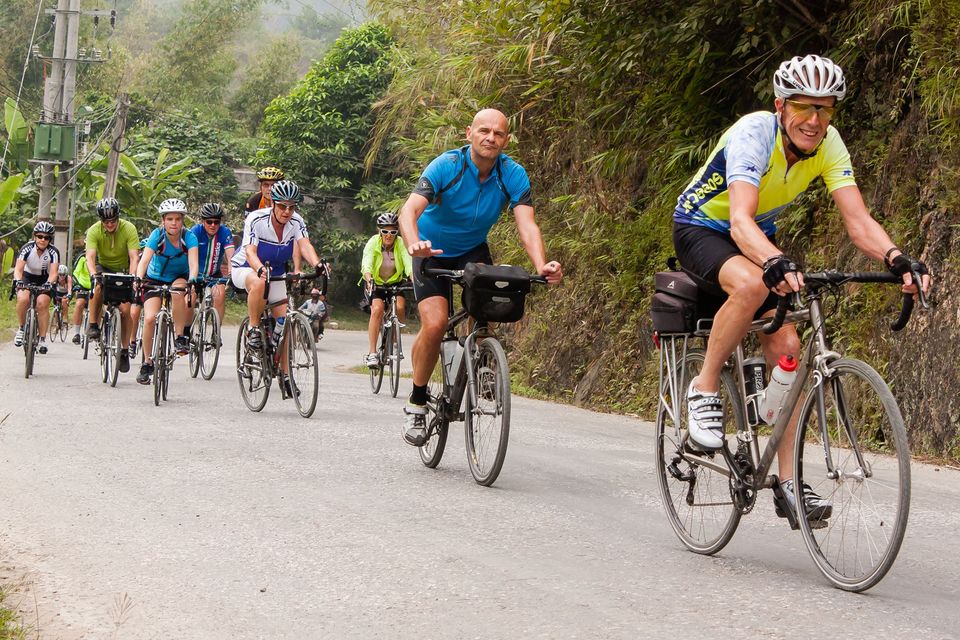
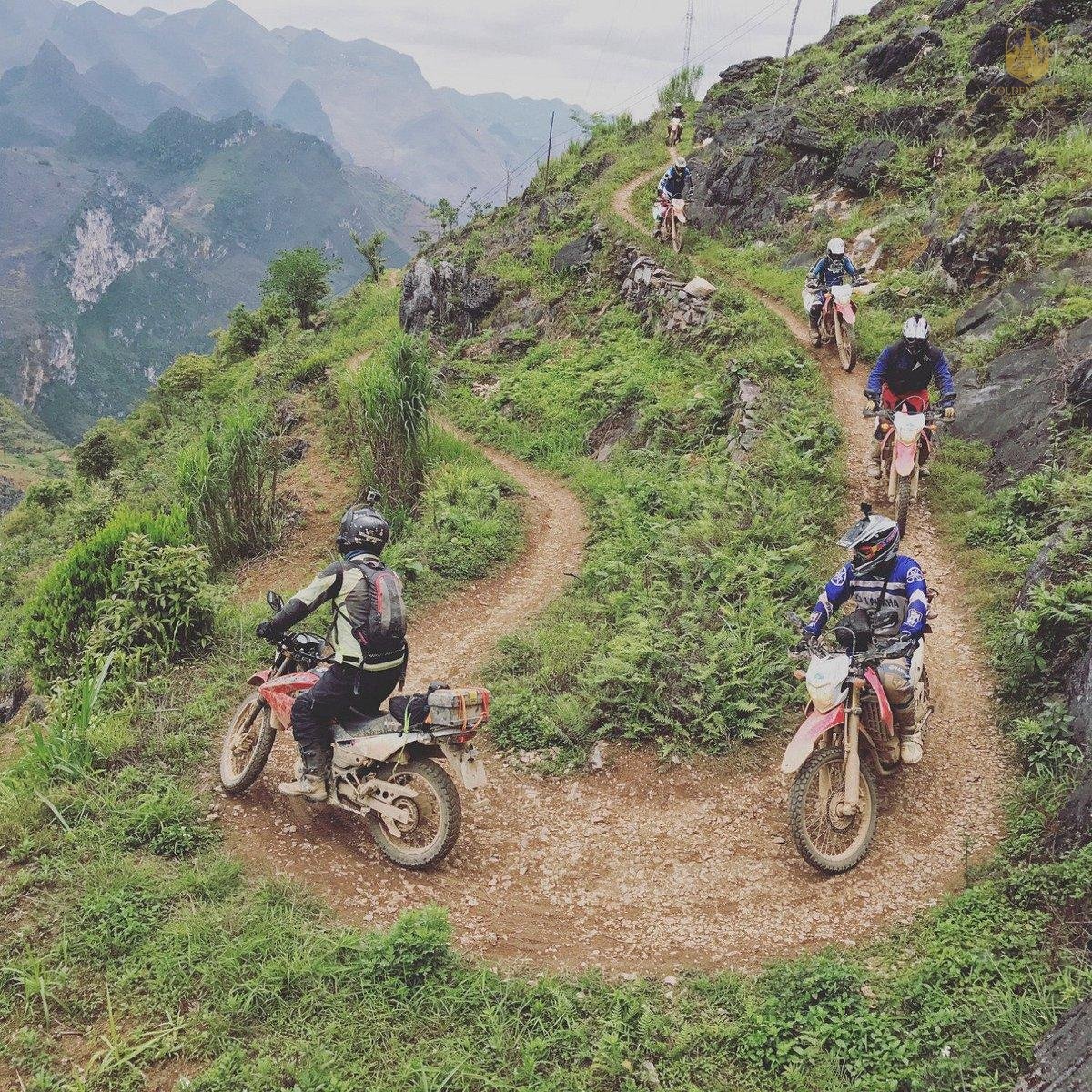
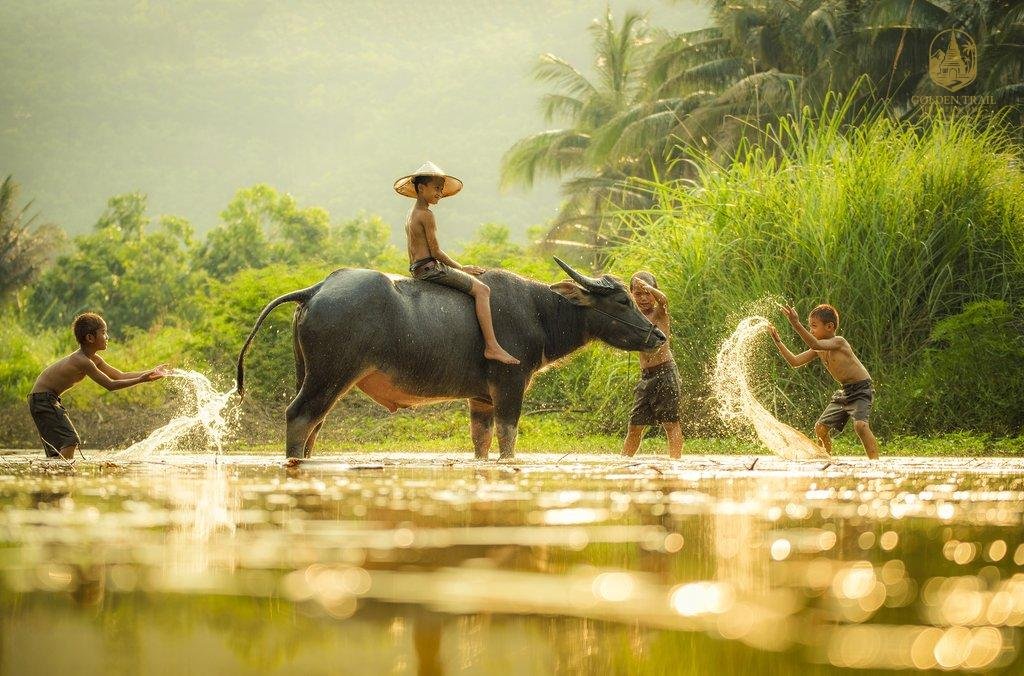


.jpg "Mountain Biking Sapa: The Ultimate Guide to Cycling Vietnam’s Most Breathtaking Mountain Landscapes")
.jpg "Vietnam Cycling Tour: The Ultimate Guide to Exploring Vietnam on Two Wheels")
.webp "Mountain Biking Hanoi")
.webp "Best Vietnam Mountain Biking Tours: The Ultimate Guide to Exploring Vietnam on Two Wheels")


.jpg "Cycle Laos: The Ultimate Guide to Exploring Laos by Bicycle")
.jpeg "Laos Cycling Tours: The Ultimate Guide to Exploring Southeast Asia’s Most Serene Cycling Paradise")
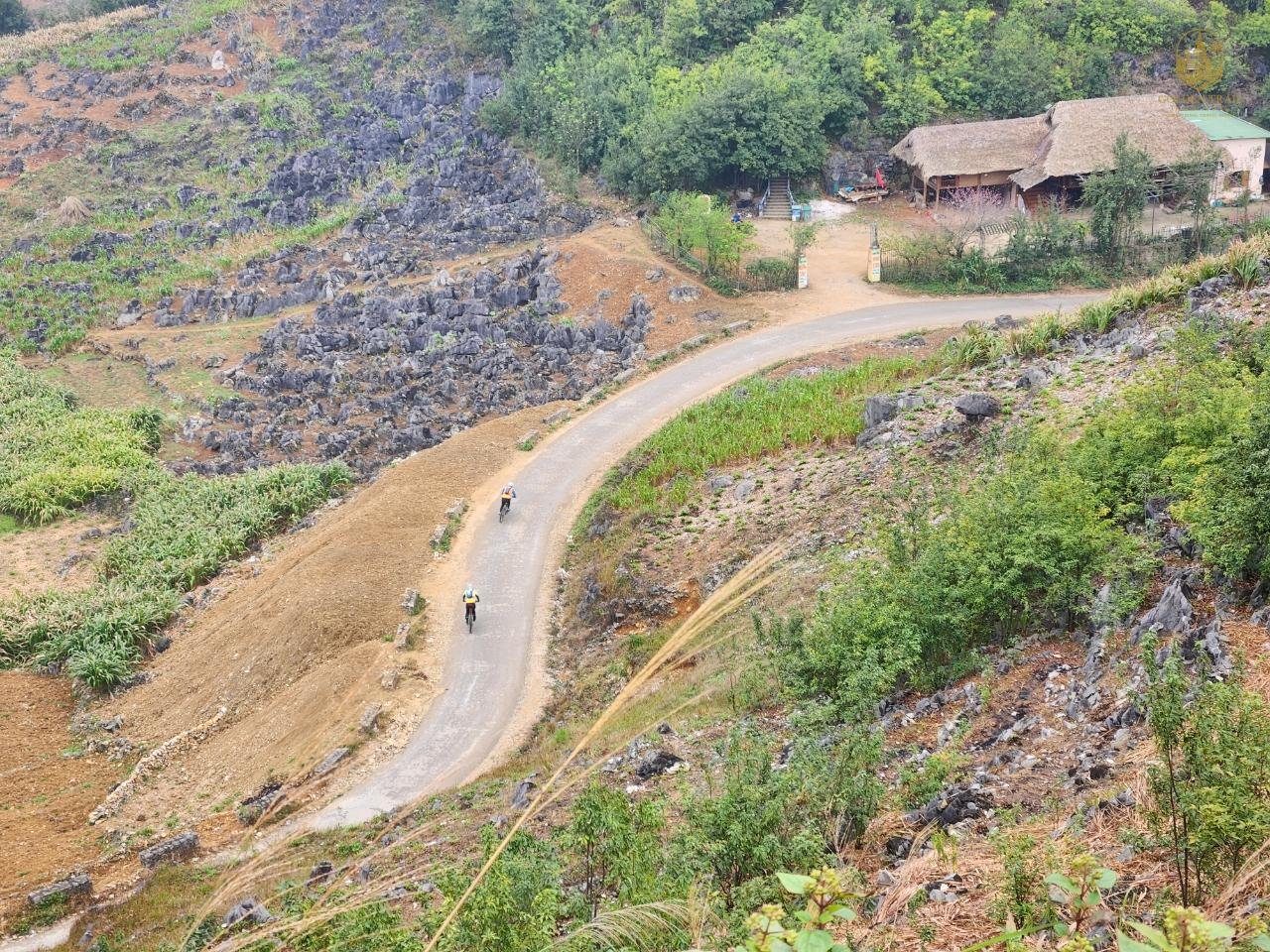
.jpeg "Best Cycling Tours Vietnam to Laos: The Ultimate Cross-Border Adventure")