15 Ng. 100 Đ. Nguyễn Xiển, Thanh Xuân Nam, Thanh Xuân, Hà Nội 100000


15 Ng. 100 Đ. Nguyễn Xiển, Thanh Xuân Nam, Thanh Xuân, Hà Nội 100000
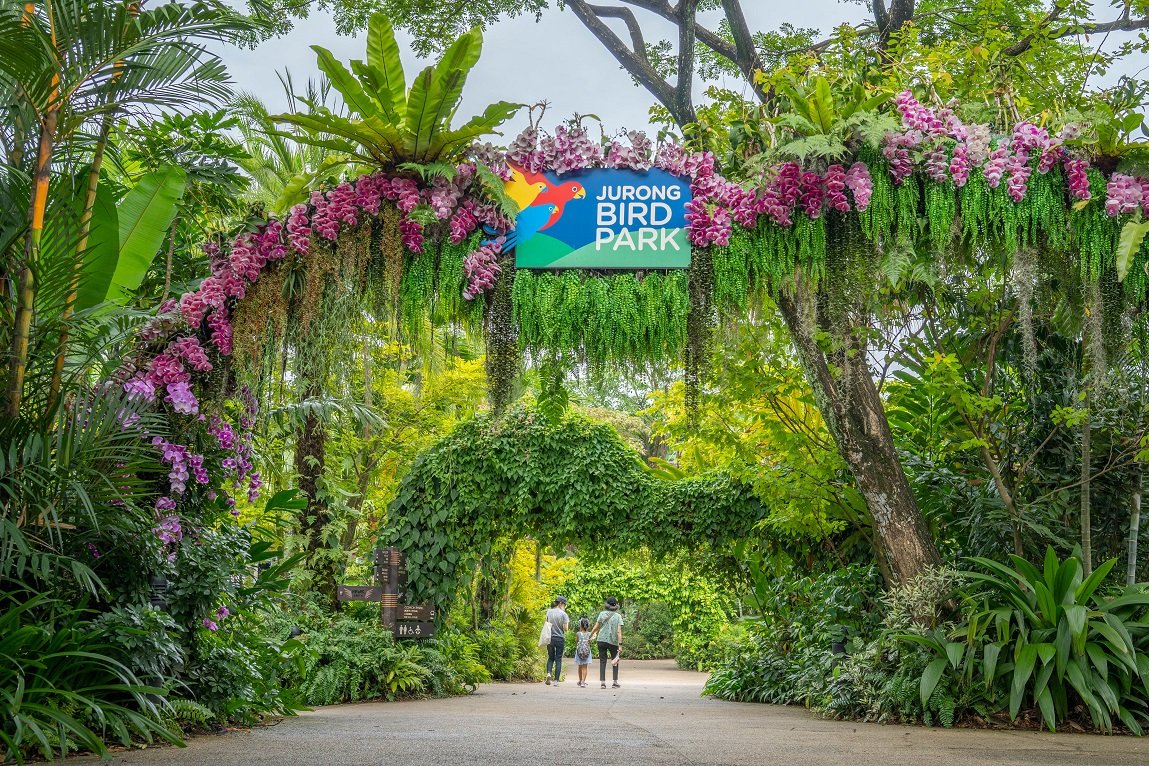
For five glorious decades, Jurong Bird Park stood as a vibrant testament to Singapore's commitment to wildlife conservation, education, and providing unparalleled immersive experiences. Nestled on the western slopes of Jurong Hill, this world-renowned avian paradise was once home to over 3,500 birds from more than 400 species, representing some of the most spectacular feathered creatures from every corner of the globe. More than just a collection of birds, Jurong Bird Park was a pioneer, celebrated for its expansive walk-through aviaries, groundbreaking breeding programs, and captivating shows that enchanted millions of visitors.
While its gates may have officially closed on January 3, 2023, as part of a grand relocation and reimagining, the spirit and legacy of Jurong Bird Park live on. Its groundbreaking innovations, commitment to ethical animal care, and the unforgettable memories it created for generations of visitors continue to resonate. This comprehensive guide celebrates the history, wonders, and profound impact of Jurong Bird Park, while also acknowledging its magnificent transformation into the new, even more expansive Bird Paradise at the Mandai Wildlife Reserve.
The genesis of Jurong Bird Park was driven by a powerful vision. In 1968, Dr. Goh Keng Swee, then Singapore's Minister of Finance and a passionate advocate for urban greening and public amenities, conceived the idea of a large, open-concept bird park. His inspiration reportedly came from a visit to the Rio de Janeiro Zoological Garden, where he was captivated by the sight of colorful birds. He envisioned a park that would not only be a leisure attraction but also a center for conservation, education, and scientific research.
The chosen site, a sprawling 20.2-hectare (50-acre) plot on Jurong Hill, presented both challenges and opportunities. It was an undulating landscape, perfect for creating varied habitats. Construction began swiftly, focusing on building large, free-flight aviaries that mimicked natural environments – a revolutionary concept for zoological parks at the time. Unlike traditional zoos with small, caged enclosures, Jurong Bird Park aimed to provide expansive spaces where birds could fly, forage, and interact much as they would in the wild. This "open concept" was designed to benefit the birds' welfare while offering visitors an immersive, unobstructed viewing experience.
On January 3, 1971, Jurong Bird Park officially opened its doors to the public. It immediately distinguished itself as Asia's largest and most impressive bird park. From its very inception, it was designed with innovation at its core, boasting the world's tallest artificial waterfall (Jurong Falls) within its largest walk-in aviary, the Waterfall Aviary, and a monorail system (the Panorail) to transport visitors around the vast park. These features quickly established Jurong Bird Park as a global benchmark for avian parks, setting new standards for both visitor experience and animal husbandry.
Over its five decades of operation, Jurong Bird Park welcomed millions of visitors, becoming a beloved landmark and a cornerstone of Singapore's vibrant tourism landscape. Its commitment to avian conservation, including successful breeding programs for critically endangered species, further cemented its reputation as a vital institution for global biodiversity.
Jurong Bird Park was meticulously designed to take visitors on a journey through different avian worlds, each zone offering unique habitats and a dazzling array of bird species.
The Waterfall Aviary was undoubtedly the crown jewel of Jurong Bird Park and the largest walk-in aviary in Asia. Spanning two hectares, this magnificent enclosure was home to over 600 birds from more than 50 species of African birds. What made it truly spectacular was the towering Jurong Falls, a 30-meter (98-foot) high artificial waterfall, the tallest of its kind in an aviary. The constant mist and lush vegetation created a perfect rainforest ecosystem.
Visitors could wander along elevated boardwalks and winding paths, feeling fully immersed in a tropical paradise. Birds like the vibrant African crowned cranes, majestic turacos, and playful hornbills flew freely overhead, often landing just feet away. The naturalistic setting provided ample opportunities for birdwatching, photography, and simply soaking in the tranquil ambiance. It was a sensory delight, filled with the sounds of cascading water and the calls of exotic birds.
The Lory Loft was another highly interactive and beloved aviary. Stepping into this nine-story high, 3,000-square-meter enclosure, visitors were immediately greeted by a kaleidoscope of colors and a chorus of chirps. Home to over 1,000 lories and lorikeets from 10 different species, this aviary offered a unique feeding experience.
Visitors could purchase cups of nectar and hold them out, inviting the friendly lories to perch on their arms or shoulders as they sipped. This close interaction created unforgettable moments and truly highlighted the playful and curious nature of these vibrant parrots. The tiered pathways and suspension bridges within the aviary provided excellent vantage points to observe the birds in flight and at rest, amidst the lush tropical foliage.
The African Wetlands exhibit replicated the rich biodiversity of African wetlands and marshes. This expansive open aviary was a haven for wading birds, waterfowl, and other species adapted to aquatic environments.
Here, visitors could observe elegant flamingos wading gracefully in the shallow waters, powerful African shoebills (known for their prehistoric appearance and silent hunting), and various species of pelicans, ducks, and storks. The exhibit often featured educational talks about the importance of wetland ecosystems and the conservation challenges faced by these unique birds. The vibrant colors of the flamingos against the lush green backdrop made for stunning photographic opportunities.
A striking contrast to the tropical climate, Penguin Coast was a chilled habitat that brought the charming world of penguins to Singapore. This impressive facility housed several species of penguins, including the Humboldt, African, Rockhopper, Macaroni, and the majestic King Penguins.
The exhibit featured both an indoor, climate-controlled sub-Antarctic enclosure, meticulously designed to mimic their icy homes, and an outdoor pool for species that could tolerate warmer temperatures. Visitors could watch the penguins waddle adorably on land or glide gracefully through the water from underwater viewing galleries. Feeding sessions were a popular highlight, allowing visitors to observe the penguins' playful antics as they vied for fish.
Parrot Paradise was a dedicated zone showcasing one of the world's largest collections of parrots. This exhibit was a vibrant tapestry of colors and sounds, featuring rare and exotic species from around the globe.
From the vibrant macaws and cockatoos to the intelligent African greys and fascinating Amazon parrots, this area highlighted the incredible diversity, intelligence, and vocal abilities of these highly intelligent birds. Interactive displays often educated visitors about parrot conservation and responsible pet ownership, emphasizing the threats these birds face in the wild.
More than just a display, Jurong Bird Park was a significant hub for avian research and conservation. The Bird Discovery Centre served as an educational nexus, offering interactive exhibits, touch screens, and informative displays about bird biology, ecology, and the threats they face. It was a crucial space for learning about the park's conservation efforts.
Behind the scenes, the Breeding and Research Centre (BRC) was the unsung hero. It was one of the most advanced avian reproduction facilities in the world, playing a critical role in breeding endangered species. The BRC successfully bred numerous vulnerable and critically endangered birds, contributing significantly to global conservation efforts. Notable successes included the Bali Mynah, Great Nicobar Pigeon, and the Black-winged Starling, all of which faced severe threats in their native habitats. Visitors often saw glimpses of the specialized incubators and nurseries through viewing panels, understanding the dedication involved in protecting these precious species.
This vast aviary showcased a diverse collection of birds from across the Asian continent. It provided habitats for various species, from colorful pheasants and graceful cranes to unique raptors and perching birds. It highlighted the rich avian biodiversity of Asia and the importance of preserving these regional ecosystems.
This specialized exhibit celebrated the magnificent hornbills and toucans, known for their distinctive large and colorful beaks. Visitors could marvel at the various species, learning about their unique nesting habits, social structures, and the conservation challenges they face due to habitat loss.
This unique exhibit highlighted the evolutionary link between birds and dinosaurs, featuring modern-day birds that retain primitive traits, such as ostriches, emus, and cassowaries. It was an intriguing educational display that connected the past with the present.
A sprawling open exhibit dedicated to various species of pelicans, from the large Great White Pelicans to the distinctive Dalmatian Pelicans. Visitors could observe these elegant birds as they fished, preened, and socialized, often showcasing their impressive wingspans.
Beyond the walk-through aviaries, Jurong Bird Park was famous for its highly entertaining and educational bird shows, which showcased the intelligence, agility, and natural behaviors of its feathered residents.
High Flyers Show (formerly Birds N Buddies Show): Held at the Pools Amphitheatre, this signature show was a spectacle of avian talent. It featured a diverse cast of birds performing incredible feats, from macaws flying across the entire amphitheater to parrots singing, solving puzzles, and even mimicking human speech. The show always included educational segments, highlighting conservation messages and the unique abilities of each bird. The grand finale, often involving a massive flock of birds soaring overhead, was always a crowd-pleaser.
Kings of the Skies Show: This thrilling raptor show at the Hawk Arena showcased the power and precision of birds of prey. Falcons, eagles, hawks, and owls demonstrated their hunting prowess, agility, and keen eyesight as they swooped and dove, often just inches above the audience's heads. Handlers provided insightful commentary on the importance of these majestic predators in their ecosystems.
Feathered Friends Show (at Rainforest Kidzworld): Geared towards younger audiences, this show at the outdoor stage in Rainforest Kidzworld featured a more interactive and light-hearted presentation of friendly birds, often involving audience participation and simple tricks that delighted children.
Lory Feeding Sessions: As mentioned, the daily feeding sessions at the Lory Loft were an experience in themselves, allowing direct interaction with the birds.
Penguin Feeding Sessions: Witnessing the penguins dive and "fly" underwater for their food was another popular daily event, offering fantastic viewing from the underwater gallery.
At its core, Jurong Bird Park was driven by a profound commitment to wildlife conservation and public education. It was a flagship institution of the Mandai Wildlife Group (formerly Wildlife Reserves Singapore), a leading organization dedicated to protecting biodiversity and promoting sustainable living.
Endangered Species Breeding Programs: Jurong Bird Park was a pioneer in ex-situ conservation. Its Breeding and Research Centre was instrumental in the successful propagation of numerous endangered species, including the Bali Mynah, Black-winged Starling, Luzon Bleeding-heart, and various hornbills. These breeding efforts contributed to global conservation goals, often involving reintroduction programs or maintaining assurance colonies for future rewilding.
Research Initiatives: The park collaborated with local and international scientific institutions on various research projects focusing on avian genetics, nutrition, veterinary care, and behavior. This research provided critical data that informed conservation strategies worldwide.
Wildlife Healthcare and Rehabilitation: The on-site avian hospital provided state-of-the-art veterinary care for the park's residents and also played a role in rescuing and rehabilitating native Singaporean birds.
Educational Programs: Through a wide array of educational programs for schools, families, and the general public, Jurong Bird Park aimed to foster a deeper understanding and appreciation for birds and their ecosystems. Its educational initiatives inspired countless individuals to become advocates for conservation. Workshops, guided tours, and interactive exhibits made learning fun and accessible for all ages.
Global Partnerships: The park was an active member of international zoological associations and collaborated with conservation organizations worldwide, sharing expertise and contributing to global efforts to protect avian biodiversity.
Every ticket purchased, every visit made, directly supported these vital conservation initiatives, making visitors an integral part of the park's mission to safeguard the future of birds.
For five decades, visitors flocked to Jurong Bird Park. Here’s how one would have planned a fantastic day there:
Opening Hours: Jurong Bird Park typically operated daily from 8:30 AM to 6:00 PM, with the last entry around 5:00 PM.
Best Time to Visit:
Morning Magic: Arriving right at opening time (8:30 AM) was always recommended. The birds were most active in the cooler morning hours, and the park was less crowded, allowing for better viewing and show attendance.
Show Timings: Checking the daily show schedules upon arrival was crucial to planning your route and ensuring you caught the High Flyers and Kings of the Skies shows.
Ticket Information:
Online Booking: Pre-purchasing tickets online was highly advisable to avoid queues and ensure entry, especially during peak seasons. Options for single-park tickets or multi-park passes (e.g., ParkHopper with Singapore Zoo, Night Safari, and River Wonders) were often available.
Golden Trail Travel: For convenience, visitors could easily book their Singapore attractions, including Jurong Bird Park tickets and tours, through trusted partners like Golden Trail Travel at https://goldentrailtravel.com/. They often offered bundled deals and streamlined booking processes, ensuring a hassle-free visit.
Getting There:
Public Transport (MRT + Bus): The most common method involved taking the MRT to Boon Lay MRT Station (EW27) on the East-West Line, and then catching Bus Service 194 or 251 directly to the park.
Mandai Express: Special Mandai Express shuttle buses operated from various MRT stations (e.g., Khatib, Ang Mo Kio, Woodlands, Tampines), offering direct transfers to the Jurong Bird Park/Mandai Wildlife Reserve area.
Taxi/Ride-Sharing: Taxis and ride-sharing services provided a direct and comfortable option.
Self-Drive: Parking facilities were available.
What to Wear: Comfortable walking shoes were a must, as exploring the vast park involved a significant amount of walking. Lightweight, breathable clothing was recommended due to Singapore's tropical climate. A hat, sunglasses, and rain gear (small umbrella or poncho) were also advisable for sun and potential sudden downpours.
What to Bring: A reusable water bottle (refill stations available), sunscreen, insect repellent, and a camera (without flash for animal welfare) were essential.
Navigating the Park:
Panorail: The Jurong Bird Park Panorail monorail provided a convenient way to get around the park, offering panoramic views and stopping at key attractions. A separate pass or bundled ticket was usually required for unlimited rides.
Walking: Many visitors preferred to explore on foot, allowing for a more intimate experience and better opportunities for birdwatching.
Maps & App: Physical maps were available, and the Mandai Wildlife Reserve app provided an interactive map and real-time information.
Food and Beverages: The park offered several dining options, including the Hawk's Cafe, Flamingo Bay, and the Birdz of Play Cafe, serving local and international cuisine.
Accessibility: Jurong Bird Park was generally wheelchair and stroller-friendly, with ramps and accessible pathways. Strollers and wheelchairs were available for rent.
Jurong Bird Park consistently received heartwarming reviews, reflecting the joy and wonder it brought to millions.
"Jurong Bird Park was a fantastic family day out! The Waterfall Aviary was simply breathtaking, and being able to feed the lories in the Lory Loft was an unforgettable experience for my kids. We loved the High Flyers Show – truly amazing how intelligent those birds are. It's sad to hear it's closed, but we cherish the memories." - The Tan Family, Singapore
"I've been visiting Jurong Bird Park since I was a child, and it always brought a smile to my face. The sheer variety of birds and the beautiful, open enclosures made it unique. The conservation efforts were always highlighted, which I appreciated. It was a gem, and I'm excited to see Bird Paradise continue its legacy. Always booked my Singapore tours via Golden Trail Travel for convenience!" - Sarah L., United Kingdom
"As an avid bird watcher, Jurong Bird Park was a dream come true. The African Wetlands were incredible, seeing the shoebills up close was a rare treat. The focus on breeding endangered species was truly commendable. A world-class avian facility." - Dr. Kenji A., Ornithologist, Japan
"We had an amazing time at Jurong Bird Park. The 'Kings of the Skies' show was thrilling, and the kids loved Rainforest Kidzworld. It was clear the birds were well cared for. It's a bittersweet feeling knowing it's moved, but the memories of this beautiful park will last a lifetime." - Maria G., Australia
"Booking our Singapore trip, including Jurong Bird Park, through https://goldentrailtravel.com/ made everything so easy. The park itself was vibrant and immersive. The highlight was definitely the Lory Loft – having those colorful birds perch on you was pure joy. A beautiful place that will be missed but whose spirit hopefully shines brighter in the new park." - David R., USA
On January 3, 2023, Jurong Bird Park closed its gates for the final time in its original location. This was not an end, but a magnificent new beginning. Its entire avian collection, along with its dedicated keepers and the invaluable expertise gained over five decades, embarked on a meticulous and carefully planned relocation to the new Bird Paradise within the sprawling Mandai Wildlife Reserve.
Bird Paradise, which officially opened on May 8, 2023, is the successor to Jurong Bird Park and the newest addition to Singapore's integrated nature and wildlife precinct, which also includes Singapore Zoo, Night Safari, and River Wonders. This new park is designed to be even larger, more immersive, and technologically advanced, continuing and expanding upon Jurong Bird Park's pioneering "open concept" philosophy.
Expanded Aviaries: Bird Paradise features eight immense, specially designed walk-through aviaries that recreate distinct biomes from around the world, from dense rainforests to Australian outback.
Enhanced Animal Welfare: The new park incorporates cutting-edge design and technology to provide even more naturalistic and stimulating environments for its avian residents.
Deeper Conservation Focus: Bird Paradise doubles down on conservation, with state-of-the-art breeding and research facilities, and stronger connections to in-situ conservation efforts worldwide.
Immersive Experiences: Visitors can expect more interactive and engaging experiences, leveraging new technologies and design principles to bring them even closer to the birds.
Sustainability: The entire Mandai Wildlife Reserve precinct is built with a strong emphasis on sustainability, utilizing renewable energy, water conservation, and green building practices.
The closure of Jurong Bird Park marked the end of an era, but it paved the way for a more ambitious, modern, and even more impactful future for avian conservation and appreciation in Singapore. The magic of Jurong Bird Park truly lives on in the breathtaking new realm of Bird Paradise, carrying forward its legacy of connecting people with the wonders of the avian world. For travelers planning their next Singapore adventure, booking a visit to Bird Paradise is now the way to experience the continuation of this spectacular feathered legacy.
Q1: Is Jurong Bird Park still open? A1: No, Jurong Bird Park officially closed its gates on January 3, 2023. Its avian collection and operations have been relocated to the new Bird Paradise in the Mandai Wildlife Reserve.
Q2: Where is the new bird park located, and what is it called? A2: The new bird park is called Bird Paradise and is located within the Mandai Wildlife Reserve, alongside Singapore Zoo, Night Safari, and River Wonders.
Q3: What was Jurong Bird Park famous for? A3: Jurong Bird Park was famous for its "open concept" walk-through aviaries, including the Waterfall Aviary with Jurong Falls, its interactive Lory Loft, its extensive collection of over 400 bird species, and its engaging bird shows like "High Flyers" and "Kings of the Skies." It was also a leading center for avian conservation and breeding.
Q4: How many birds did Jurong Bird Park house? A4: Jurong Bird Park was home to over 3,500 birds from more than 400 species.
Q5: What were the signature attractions at Jurong Bird Park? A5: Key attractions included the Waterfall Aviary, Lory Loft, African Wetlands, Penguin Coast, Parrot Paradise, and the High Flyers Show.
Q6: Did Jurong Bird Park have breeding programs? A6: Yes, Jurong Bird Park had a highly successful Breeding and Research Centre (BRC) and was instrumental in breeding numerous endangered species, contributing significantly to global avian conservation efforts.
Q7: How can I visit the new bird park (Bird Paradise)? A7: You can visit Bird Paradise by taking the MRT to Khatib Station and then the Mandai Express bus, or by taxi/ride-sharing directly to the Mandai Wildlife Reserve. It is highly recommended to purchase tickets online in advance. You can book your Singapore wildlife tours, including Bird Paradise, through Golden Trail Travel at https://goldentrailtravel.com/.
Q8: What is the main difference between Jurong Bird Park and Bird Paradise? A8: Bird Paradise is a newer, larger, and more technologically advanced park, continuing the "open concept" design with even larger, more immersive aviaries and enhanced animal welfare features, all within the integrated Mandai Wildlife Reserve.
Q9: What types of shows were at Jurong Bird Park? A9: Jurong Bird Park featured popular shows like the "High Flyers Show" (showcasing free-flying birds and their talents) and the "Kings of the Skies Show" (featuring birds of prey).
Q10: What conservation efforts were carried out by Jurong Bird Park? A10: The park was actively involved in endangered species breeding, avian research, wildlife rescue and rehabilitation, and extensive public education programs to raise awareness about bird conservation and biodiversity.
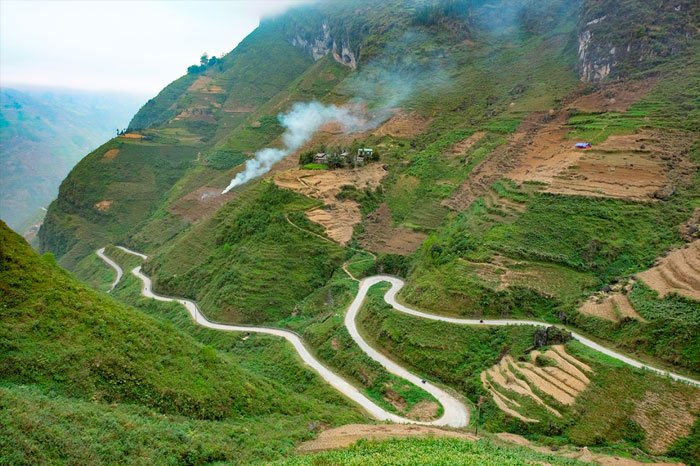
Ha Giang Vietnam, find out how to plan the most enjoyable trip to Ha Giang province with our hand-picked collection of best Ha Giang tours and Ha Giang province travel guide. Options include Ha Giang trekking reviews, Ha Giang Vietnam trekking, budget, cheap trek Ha Giang Vietnam, off the beaten path Ha Giang trek, off the beaten track Ha Giang hiking, Ha Giang hiking tours.
May 28, 2025
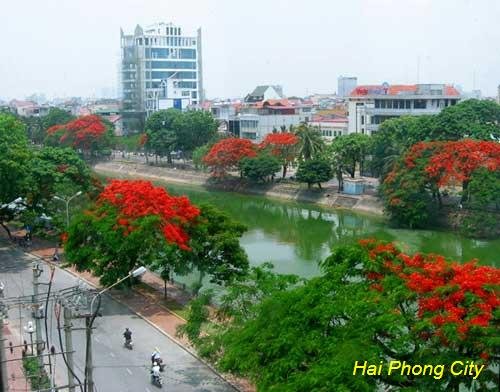
Find out how to plan the most enjoyable trip to Hai Phong Vietnam with our hand-picked collection of best Hai Phong tours and Hai Phong travel guide including Hai Phong trekking reviews, Hai Phong Vietnam trekking, budget, cheap trek Hai Phong Vietnam, off the beaten path Hai Phong trek, off the beaten track Hai Phong hiking, Hai Phong hiking tours.
May 28, 2025
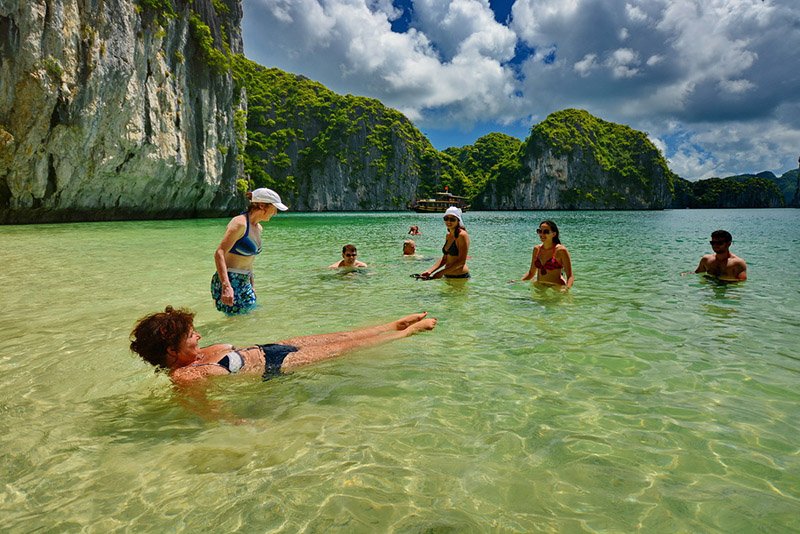
Find out how to plan the most enjoyable trip to Cat Ba Island Vietnam with our hand-picked collection of best Cat Ba hikes and Hai Phong Cat Ba travel guide including Cat Ba trekking, Cat Ba trekking map, budget, cheap Cat Ba trekking tour, top, guided Cat Ba island trekking, Cat Ba island trek, off the beaten path Cat Ba national park trek, Cat Ba national park trekking, trekking Cat Ba Vietnam, Cat Ba trek, Cat Ba island hike, Cat Ba hike, Cat Ba hiking map, Cat Ba national park hike, Cat Ba national park hikes.
May 28, 2025

Find out how to plan the most enjoyable trip to Bai Tu Long bay Vietnam with our hand-picked collection of best Bai Tu Long bay tours and Bai Tu Long bay travel guide including private Bai Tu Long bay cruise, budget, cheap Bai Tu Long bay junk, Bai Tu Long bay day trip, Bai Tu Long bay day tour, Bai Tu Long bay from Hanoi, Bai Tu Long bay Sapa tour, Bai Tu Long bay trips.
May 28, 2025

Find out how to plan the most enjoyable trip to Halong Bay Vietnam with our hand-picked collection of best Halong Bay tours including budget, cheap trekking Halong bay, off the beaten path, guided Halong bay trek, hike Halong bay
Halong bay hike.
May 28, 2025

Find out how to plan the most enjoyable trip to Lan Ha bay Vietnam with our hand-picked collection of best Lan Ha bay tours including Lan Ha bay kayaking trip, Lan Ha bay climbing package, Lan Ha bay from Hanoi, Lan Ha bay boat trip, off the beaten path Lan Ha bay rock climbing, guided Lan Ha bay kayak tours.
May 28, 2025

Find out how to plan your most enjoyable trip to Hanoi Vietnam with our hand-picked collection of best Hanoi hikes including Hanoi trekking, budget, cheap, guided Hanoi trekking tour, Hanoi elephant trekking, elephant trek Hanoi, off the beaten path, off the beaten track jungle trek Hanoi, Hanoi trek, trek in Hanoi, trek near Hanoi, Hanoi hike, hiking Hanoi Vietnam
May 28, 2025
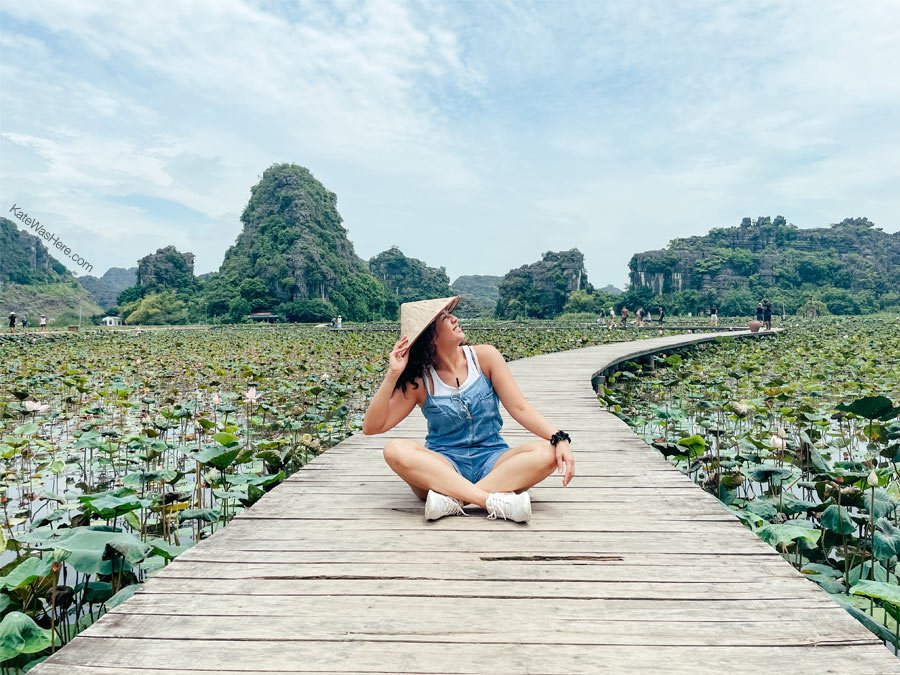
Find out how to plan your most enjoyable hikes around Hanoi Vietnam with our hand-picked collection of Hanoi hikes and Hanoi travel information including Hanoi trekking, budget, cheap, guided Hanoi trekking tour, Hanoi elephant trekking, elephant trek Hanoi, off the beaten path, off the beaten track jungle trek Hanoi, Hanoi trek, trek in Hanoi, trek near Hanoi, Hanoi hike, hiking Hanoi Vietnam.
May 28, 2025
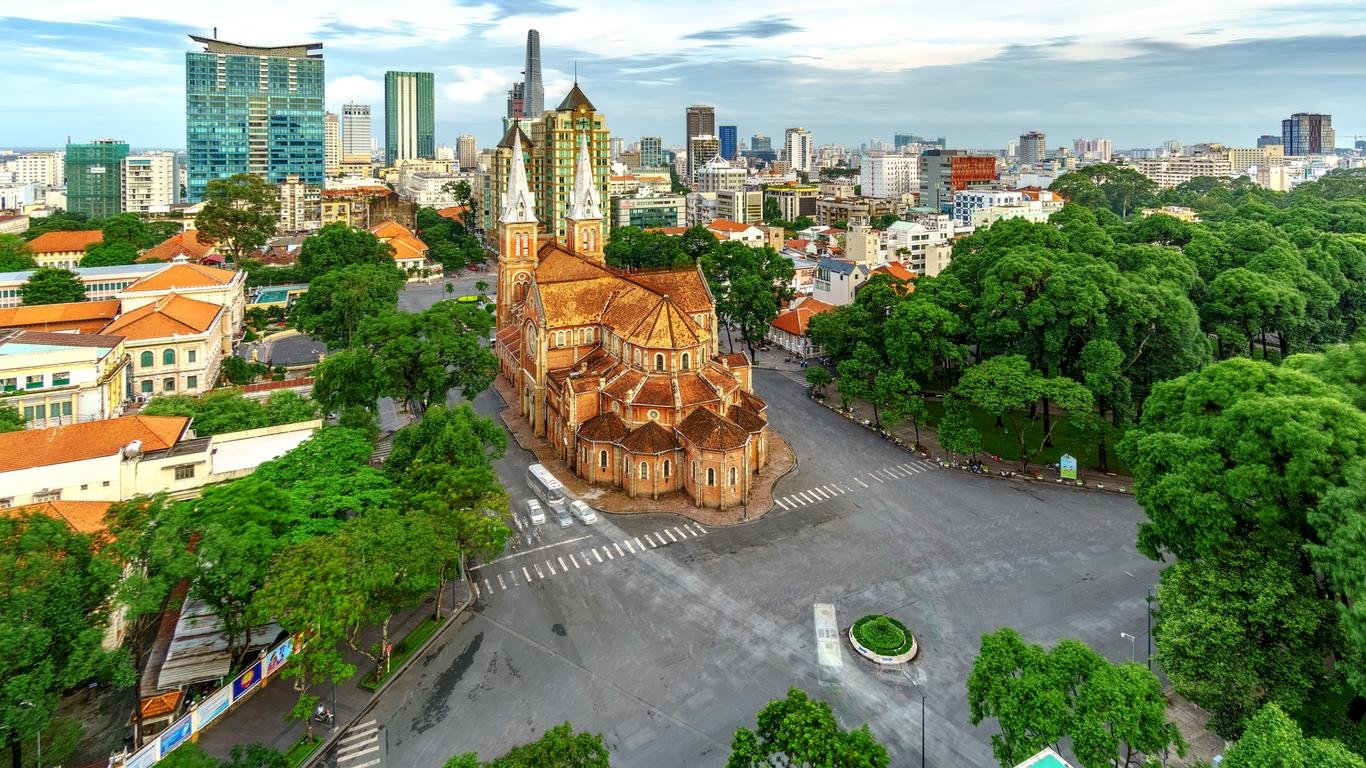
Find out how to plan the most enjoyable trip to Ho Chi Minh City Vietnam with our hand-picked collection of best Ho Chi Minh City tours including budget, cheap Ho Chi Minh City hiking, one day Ho Chi Minh City trekking, guided Saigon trekking package, Saigon trek itinerary.
May 28, 2025
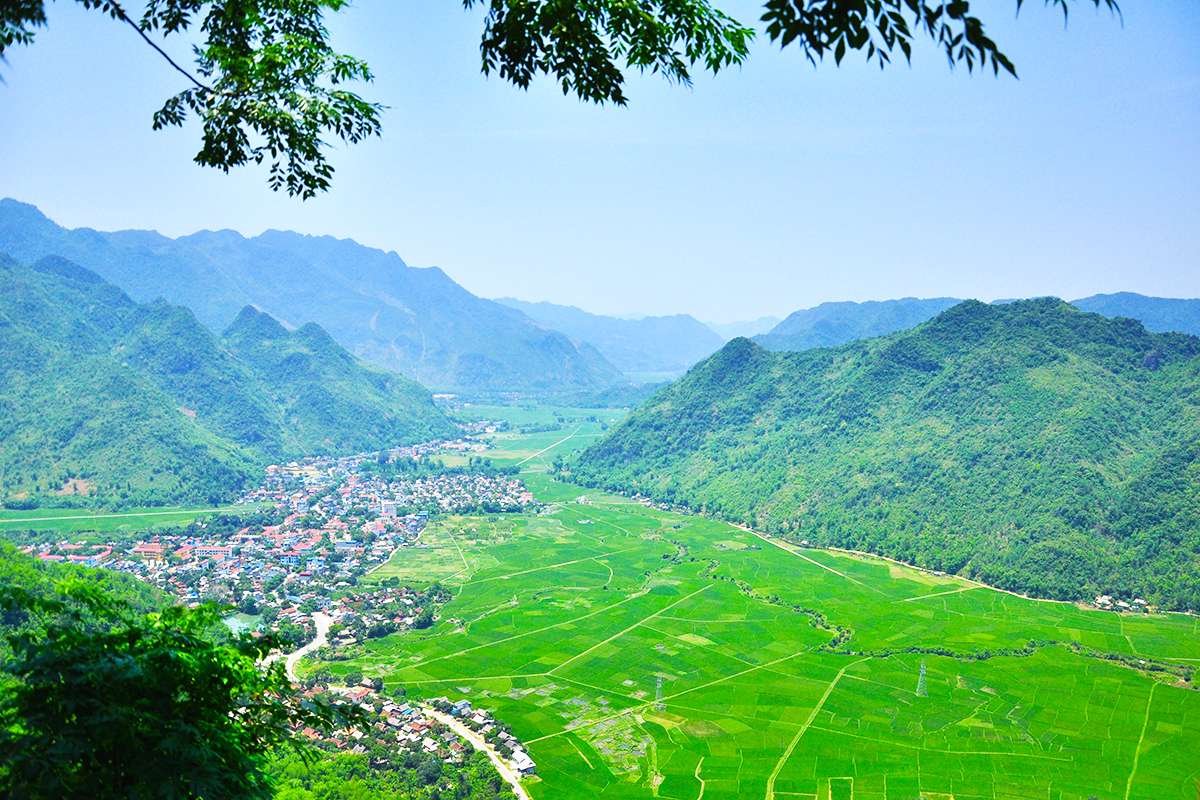
Find out how to plan the most enjoyable trip to Mai Chau Vietnam with our hand-picked collection of best Mai Chau trekking tours including Mai Chau trekking map, Mai Chau Vietnam trekking itinerary, Mai Chau valley trekking package, off the beaten path Mai Chau trek, Mai Chau day trek, budget Mai Chau trek Vietnam, Mai Chau hiking group tour, private experience Mai Chau hill tribe hiking for 3 days, Mai Chau walking for family holidays.
May 28, 2025
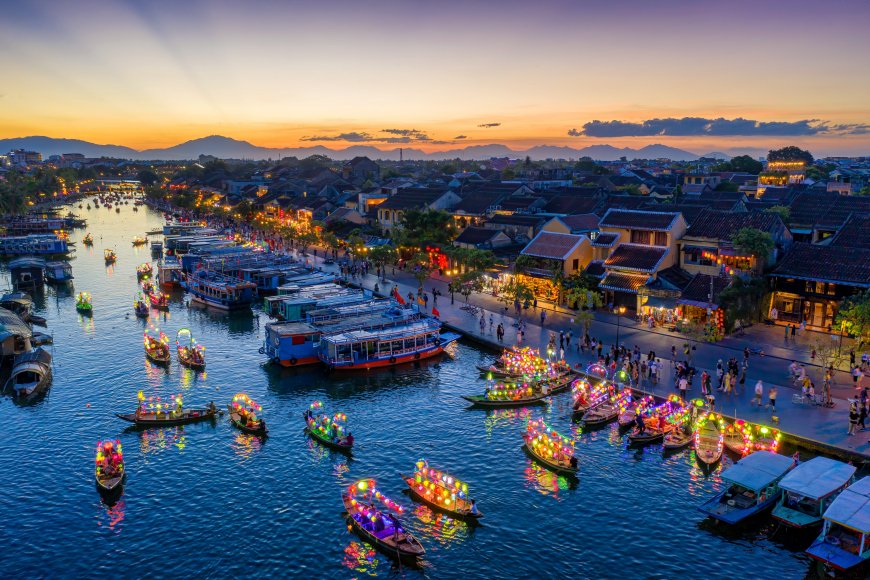
Find out how to plan the most enjoyable trip to Hoi An Vietnam with our hand-picked collection of best Hoi An tours including Hoi An trekking reviews, budget Hoi An trek, cheap Hoi An walking tour, Hoi An walking food tour, Hoi An photo walks, off the beaten path Hoi An photography walk, Hoi An old town walking tour, walk around Hoi An.
May 28, 2025
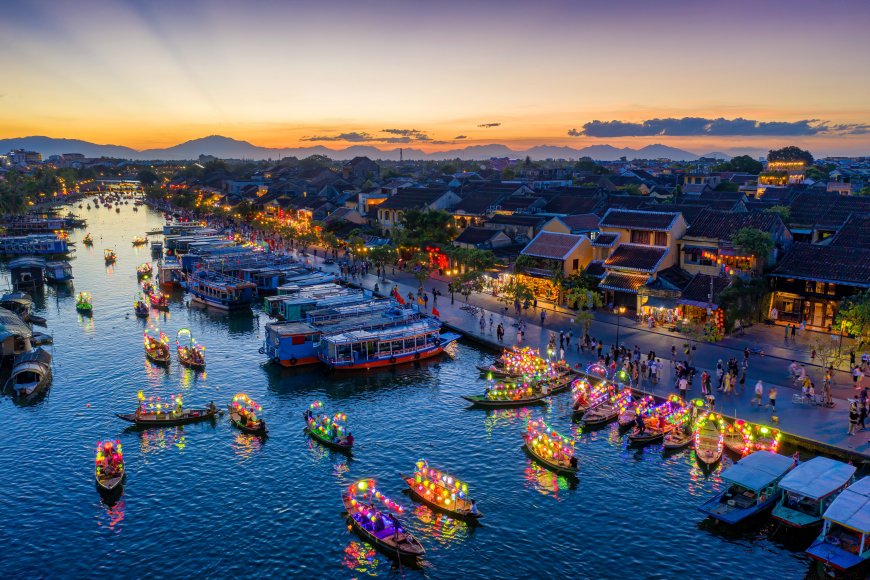
Find out how to plan the most enjoyable trip to Hoi An Vietnam with our hand-picked collection of best Hoi An tours including Hoi An trekking reviews, budget Hoi An trek, cheap Hoi An walking tour, Hoi An walking food tour, Hoi An photo walks, off the beaten path Hoi An photography walk, Hoi An old town walking tour, walk around Hoi An.
May 28, 2025
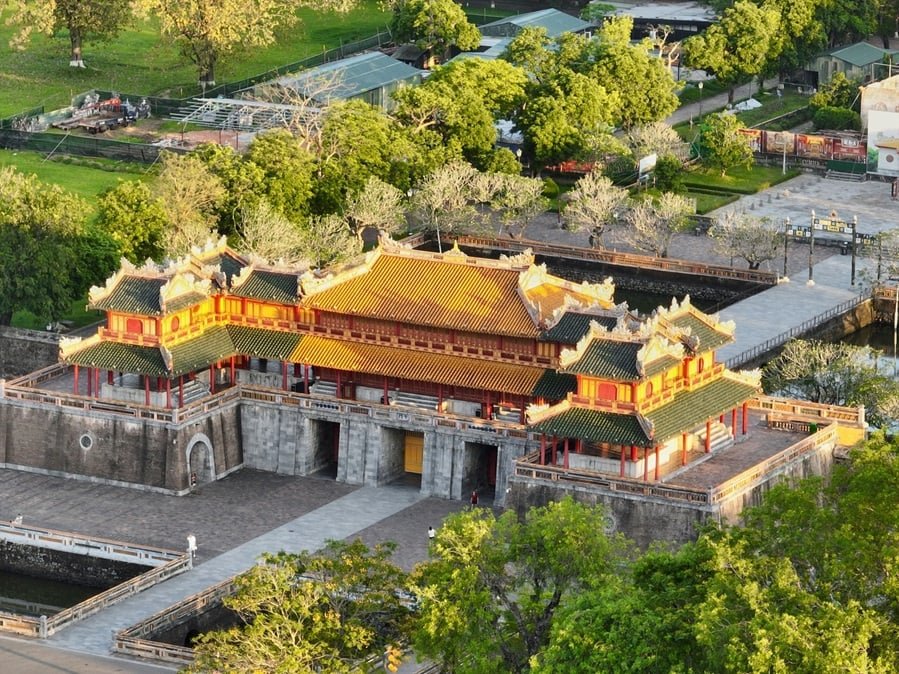
Find out how to plan the most enjoyable trip to Hue Vietnam with our hand-picked collection of best Hue tours including Hue trekking reviews, budget, cheap trekking Hue Vietnam trip, off the beaten path Hue Vietnam walking package, guided walking tour Hue Vietnam itinerary.
May 28, 2025
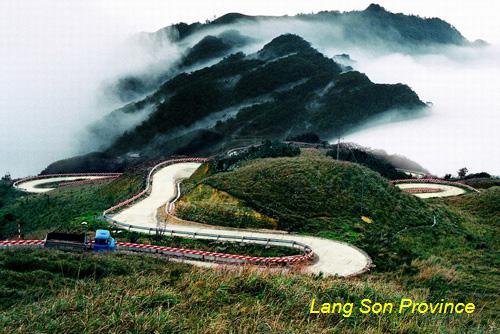
Find out how to plan the most enjoyable trip to Lang Son Vietnam with our hand-picked collection of best Lang Son tours including Lang Son trekking package, guided Lang Son Vietnam trekking itinerary, budget, cheap trek Lang Son Vietnam, off the beaten path Lang Son trek, off the beaten track Lang Son hiking, Lang Son hiking tours.
May 28, 2025
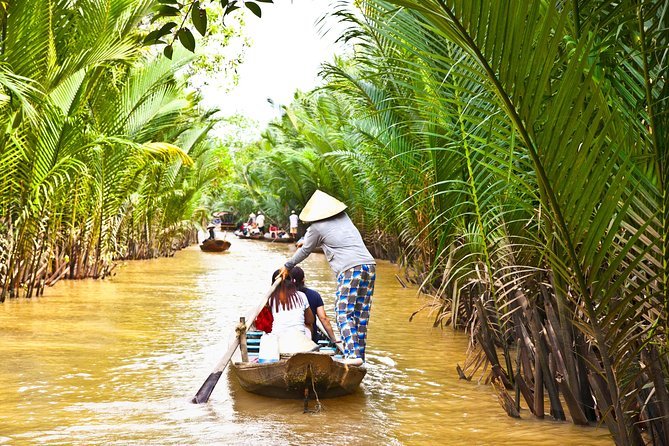
Find out how to plan the most enjoyable trip to Mekong Delta Vietnam with our hand-picked collection of best Mekong Delta tours including Mekong Delta trekking tour, guided Mekong Delta trek, Mekong Delta hiking itinerary.
May 28, 2025

Find out how to plan the most enjoyable trip to Nha Trang Vietnam with our hand-picked collection of best Nha Trang tours including Nha Trang trekking itinerary, budget Nha Trang hikes, Nha Trang walking tour.
May 28, 2025
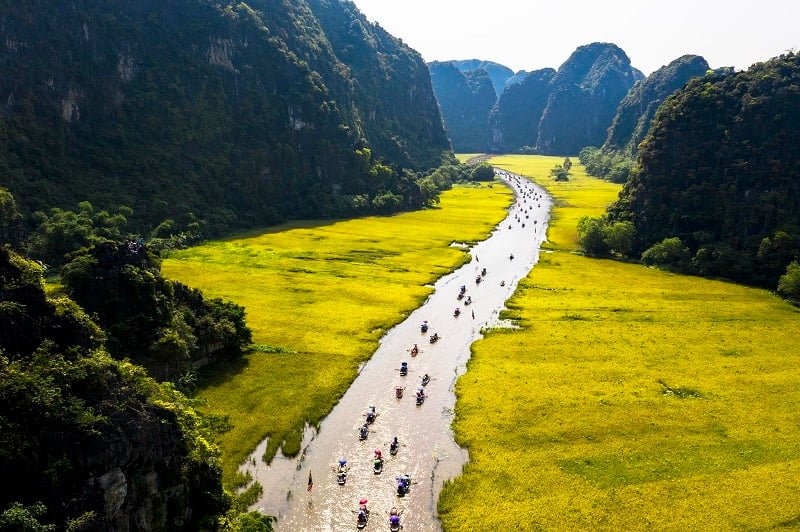
Find out how to plan the most enjoyable trip to Ninh Binh Vietnam with our hand-picked collection of best Ninh Binh tours including Ninh Binh trekking itinerary, guided Ninh Binh trek, off the beaten path Ninh Binh hike.
May 28, 2025
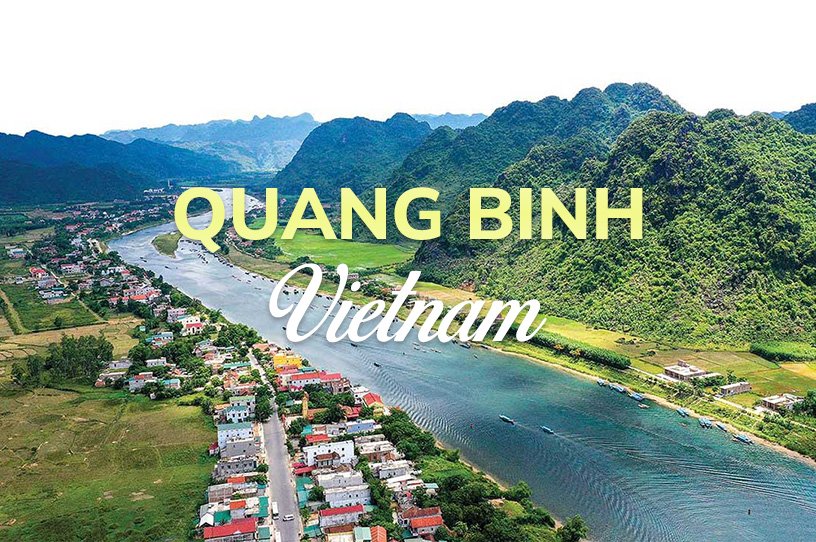
Find out how to plan the most enjoyable trip to Quang Binh Vietnam with our hand-picked collection of best Quang Binh tours including Phong Nha trekking itinerary, Phong Nha cave treks, Phong Nha farmstay’s 7km trekking trip, Phong Nha Ke Bang trekking package, Phong Nha Ke Bang trek, Phong Nha trek, Phong Nha hike, Phong Nha Ke Bang hiking holidays.
May 28, 2025
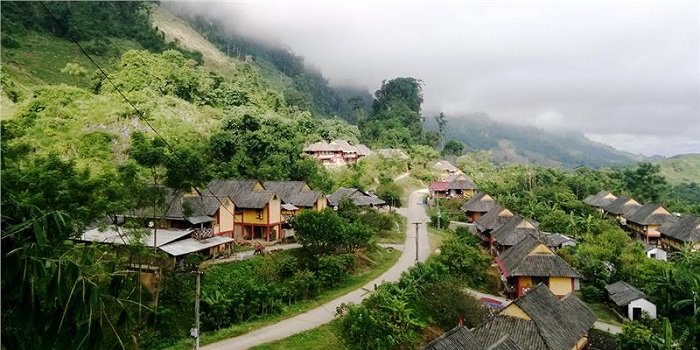
Find out how to plan the most enjoyable trip to Son La Vietnam with our hand-picked collection of best Son La tours including Son La trekking itinerary, trekking homestay Son La Vietnam, off the beaten path Son La trek, Son La day trek, budget Son La trek Vietnam, Son La hiking group tour, Son La walking for family holidays.
May 28, 2025
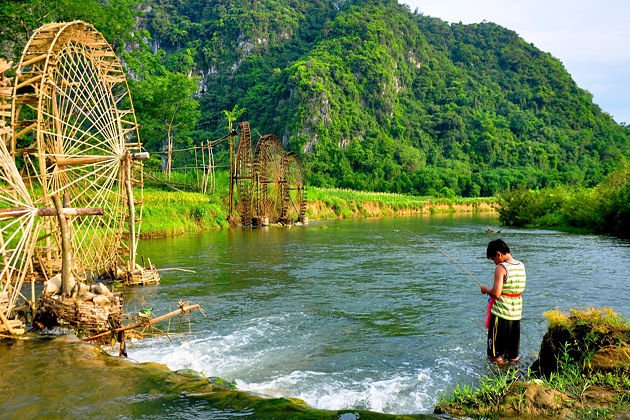
Find out how to plan the most enjoyable trip to Thanh Hoa Vietnam with our hand-picked collection of best Thanh Hoa tours including Pu Luong trekking itinerary, best Pu Luong trek Vietnam, guided Pu Luong nature reserve trekking package, Pu Luong trek and homestay, Pu Luong nature reserve hiking adventure trip.
May 28, 2025